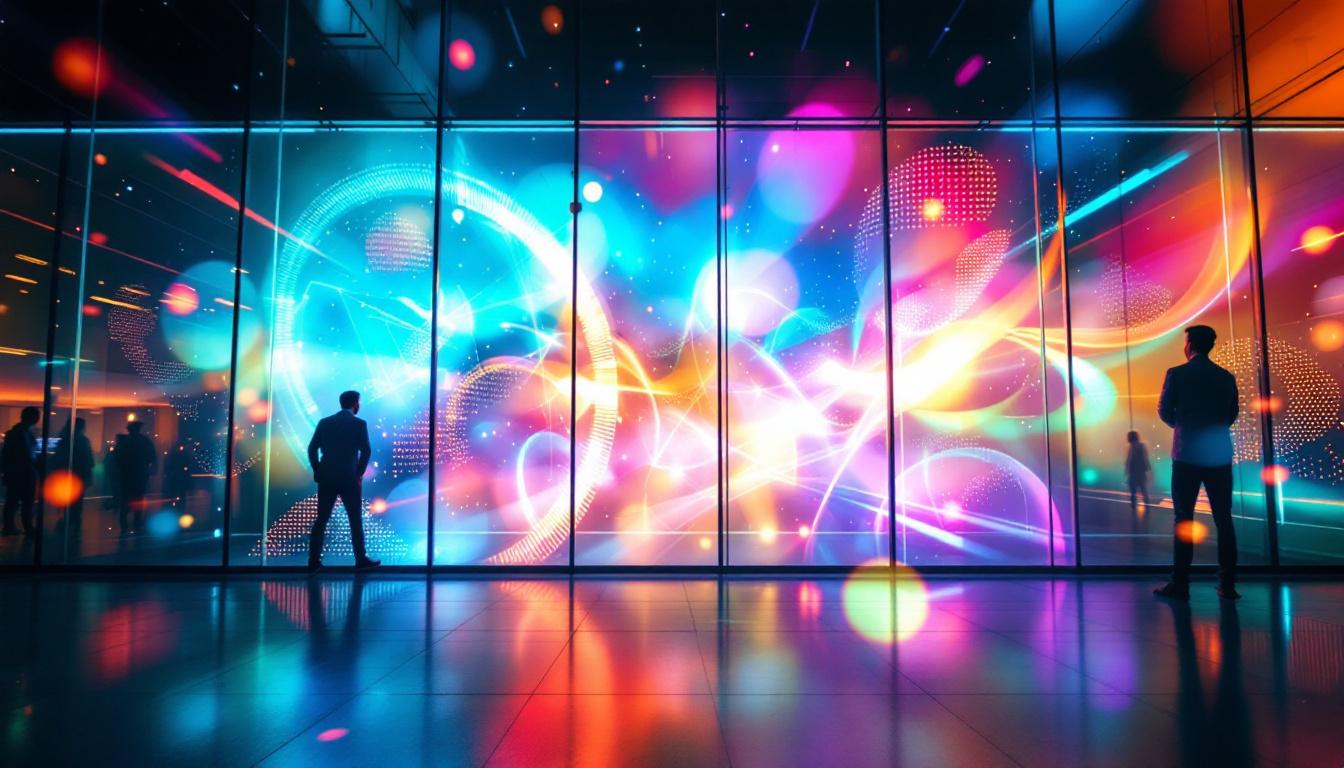
In the rapidly evolving world of digital displays, LED technology continues to revolutionize the way information and visuals are presented. Among the latest innovations is LED film for glass — a cutting-edge solution that integrates LED displays directly onto glass surfaces. This technology is transforming industries from retail and advertising to architecture and automotive design by enabling dynamic, transparent, and energy-efficient visual experiences.
This article delves into the fundamentals of LED film for glass, exploring how it works, its practical applications, benefits, and considerations for implementation. Whether you’re a business owner, architect, or technology enthusiast, understanding this technology can unlock new possibilities for engaging audiences and enhancing spaces.
Understanding LED Film for Glass: What Is It?
The Basics of LED Film Technology
LED film for glass is a thin, flexible layer embedded with microscopic light-emitting diodes (LEDs) that can be applied directly onto glass surfaces. Unlike traditional LED screens, which are bulky and rigid, LED film is ultra-thin and transparent, allowing it to blend seamlessly with the glass while still producing vibrant, high-resolution images and videos.
The film can be custom-cut to fit various glass sizes and shapes, making it highly versatile for different environments. It operates by illuminating the embedded LEDs in specific patterns controlled by a digital signal, creating dynamic visual content that can range from simple text and logos to complex animations and full-motion video. This adaptability makes LED film an excellent choice for retail displays, architectural installations, and even art projects, where the visual impact is paramount.
Additionally, LED film technology is not just about aesthetics; it also offers functional benefits. For example, it can be used to create privacy screens that can switch from transparent to opaque with the touch of a button, providing both visual appeal and practical solutions for businesses and homes alike. This dual functionality can enhance customer experiences in retail environments or create unique atmospheres in hospitality settings.
How LED Film Differs from Conventional LED Displays
Traditional LED displays typically consist of large panels made up of numerous LED modules mounted on a rigid frame. These panels are often opaque and require dedicated mounting space, limiting their placement options. In contrast, LED film is designed to be transparent or semi-transparent, allowing natural light to pass through the glass, which preserves the aesthetics and functionality of the original surface.
Moreover, LED film is much lighter and thinner, reducing installation complexity and structural load. This makes it ideal for applications where space is at a premium or where maintaining the architectural integrity of a glass surface is crucial. For instance, in modern office buildings, LED film can be integrated into conference room glass walls, displaying important information or branding without obstructing views or natural light.
Furthermore, the energy efficiency of LED film is another compelling advantage. Unlike conventional displays that consume significant power, LED film utilizes advanced technology to minimize energy usage while still delivering stunning visuals. This not only reduces operational costs but also aligns with sustainability goals, making it an attractive option for environmentally conscious businesses. As cities and organizations strive to reduce their carbon footprints, the adoption of energy-efficient technologies like LED film is becoming increasingly prevalent.
How Does LED Film for Glass Work?
Composition and Structure
LED film is composed of several layers, each serving a specific function. The base layer is a transparent substrate, often made from PET (polyethylene terephthalate) or similar flexible materials, which provides structural support. Embedded within this substrate are microscopic LEDs arranged in a matrix pattern.
Additional layers include conductive circuits that deliver power and data signals to the LEDs, protective coatings to shield the delicate components from environmental damage, and adhesive layers that enable the film to bond securely to glass surfaces.
Installation Process
The installation of LED film is relatively straightforward compared to traditional LED displays. The glass surface must be cleaned thoroughly to ensure proper adhesion. The film is then carefully applied, often using a wet installation method that allows for precise positioning before the adhesive sets.
Once installed, the film connects to a control system via thin wiring that supplies power and data. The control system can be programmed to display static images, scrolling text, or video content, depending on the user’s needs. Some advanced setups include wireless connectivity for remote content management.
Transparency and Brightness Balance
One of the key technical challenges in LED film design is balancing transparency with brightness and image quality. To maintain see-through clarity, the density of LEDs per square meter is optimized so that the film remains largely transparent when the LEDs are off or displaying low-intensity content.
Modern LED films use high-efficiency LEDs and advanced driver electronics to maximize brightness, ensuring visibility even in brightly lit environments. This balance makes LED film suitable for both indoor and outdoor applications, such as storefront windows exposed to sunlight.
Applications of LED Film for Glass
Retail and Advertising
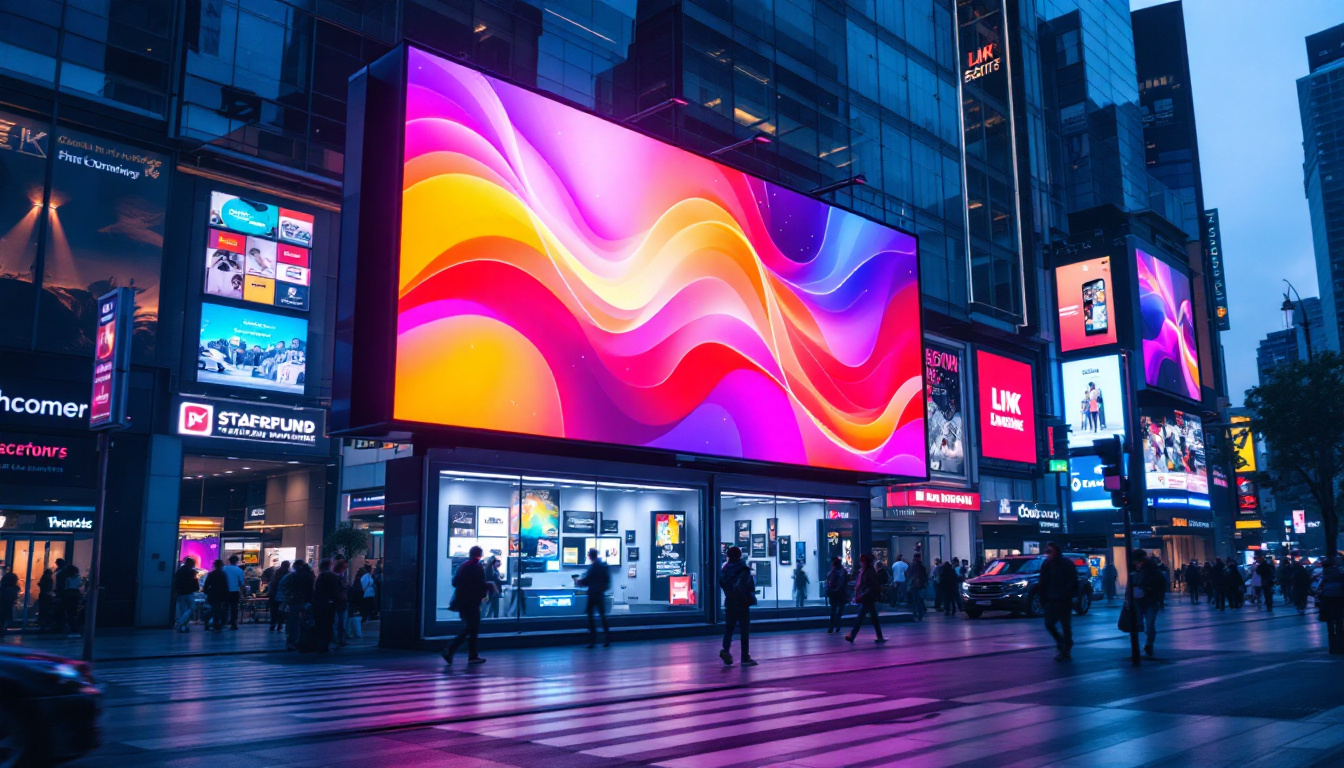
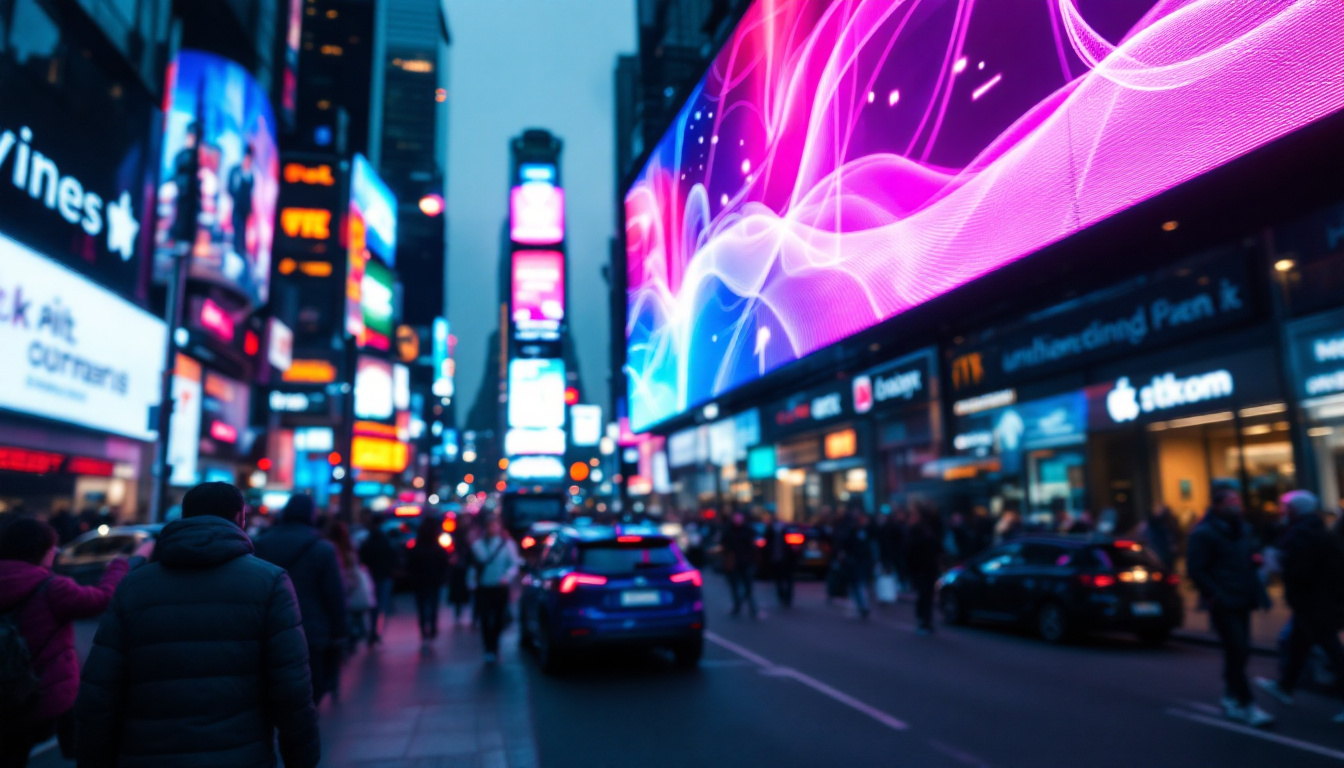
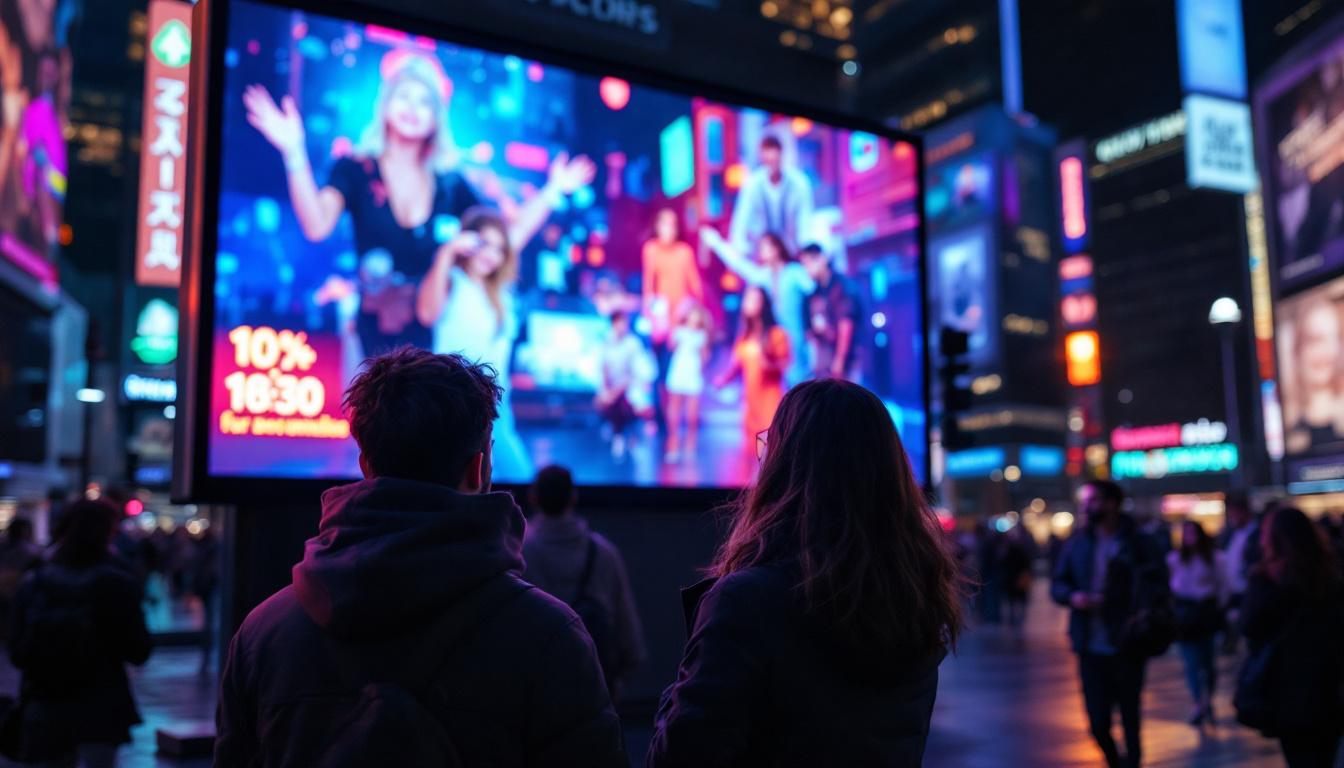
Retailers have embraced LED film for glass as a powerful tool for window displays and in-store promotions. Traditional static posters are being replaced by dynamic, eye-catching visuals that can be updated instantly to reflect sales, new arrivals, or brand messaging.
For example, a fashion boutique can use LED film on its storefront to showcase runway videos or seasonal collections, attracting foot traffic and enhancing brand engagement. The transparency of the film allows passersby to see both the display content and the interior of the store, creating an inviting and futuristic shopping experience.
Architectural and Interior Design
Architects and interior designers utilize LED film to integrate digital art and information seamlessly into building glass. This technology enables the transformation of glass walls, partitions, and facades into interactive canvases without compromising natural light or openness.
In office environments, LED film can display company branding, wayfinding information, or ambient visuals that enhance workplace aesthetics. In public spaces, it can be used for artistic installations or to provide real-time information such as weather updates and news.
Transportation and Automotive Industry
The automotive sector is exploring LED film for glass to create heads-up displays (HUDs) and dynamic window graphics. Transparent LED films can project navigation data, safety alerts, or entertainment content directly onto vehicle windows, improving driver awareness and passenger experience.
Public transportation systems also benefit from this technology by incorporating LED film into bus or train windows to display route information, advertisements, or public service announcements without obstructing passengers’ views.
Benefits of Using LED Film for Glass
Enhanced Visual Communication
LED film enables vibrant, dynamic content that captures attention more effectively than static displays. Its ability to display motion graphics and videos makes it an ideal medium for storytelling and brand engagement.
Moreover, content can be updated remotely and instantly, allowing businesses to respond quickly to market trends or customer preferences without the need for physical replacements.
Space and Design Flexibility
Because LED film is ultra-thin and transparent, it can be integrated into existing glass structures without compromising design aesthetics or natural light. This flexibility opens up new creative possibilities for architects and marketers alike.
The lightweight nature of LED film also reduces the need for heavy support structures, simplifying installation and lowering costs.
Energy Efficiency and Sustainability
LED technology is known for its low power consumption compared to other lighting and display technologies. LED film continues this trend by using highly efficient LEDs and minimal materials, contributing to reduced energy usage.
Additionally, because the film can be applied to existing glass, it minimizes waste associated with manufacturing and disposing of traditional display panels, aligning with sustainable building practices.
Considerations and Challenges
Cost Factors
While LED film offers many advantages, the initial investment can be higher than traditional signage or display options. The cost depends on factors such as film size, resolution, brightness, and installation complexity.
However, the long-term benefits of dynamic content, reduced maintenance, and energy efficiency often justify the upfront expense for many businesses and institutions.
Durability and Maintenance
LED films are generally durable but can be susceptible to damage from sharp impacts or improper cleaning. It is essential to follow manufacturer guidelines for maintenance to ensure longevity.
Environmental factors such as humidity, temperature fluctuations, and UV exposure should also be considered, especially for outdoor installations. Protective coatings and proper sealing can mitigate these risks.
Technical Limitations
Despite advances, LED film technology may not yet match the pixel density and color accuracy of high-end traditional LED panels, particularly for applications requiring ultra-high resolution.
Additionally, the transparency of the film means that image contrast can be affected by the background behind the glass, which requires careful planning of installation environments.
Future Trends and Innovations
Integration with Smart Building Systems
The future of LED film for glass lies in its integration with smart building technologies. Connected LED films can interact with sensors, lighting systems, and IoT devices to create responsive environments that adapt content based on time of day, occupancy, or external conditions.
Advancements in Materials and Resolution
Ongoing research is focused on improving the materials used in LED film to enhance durability, flexibility, and transparency. Innovations in micro-LED and nano-LED technologies promise higher resolution and better color reproduction, expanding the scope of applications.
Interactive and Touch-Enabled Displays
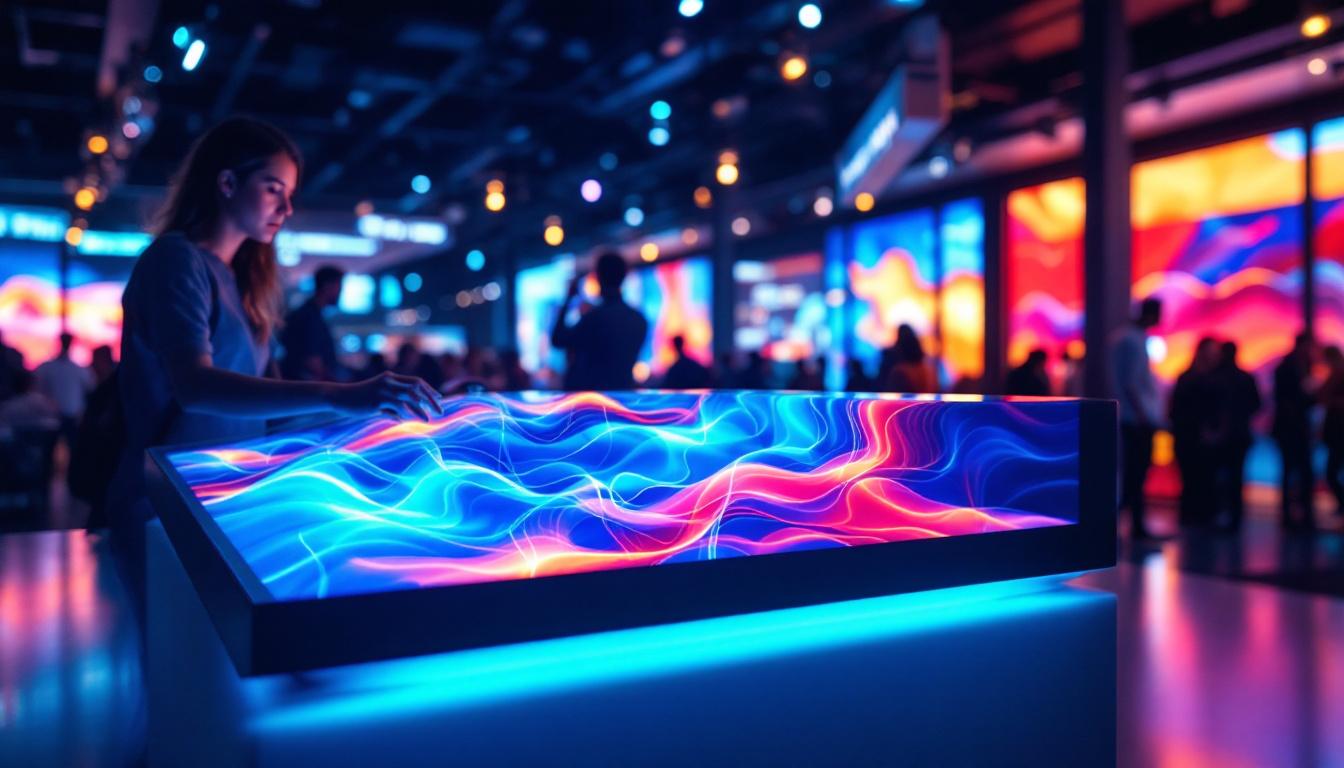
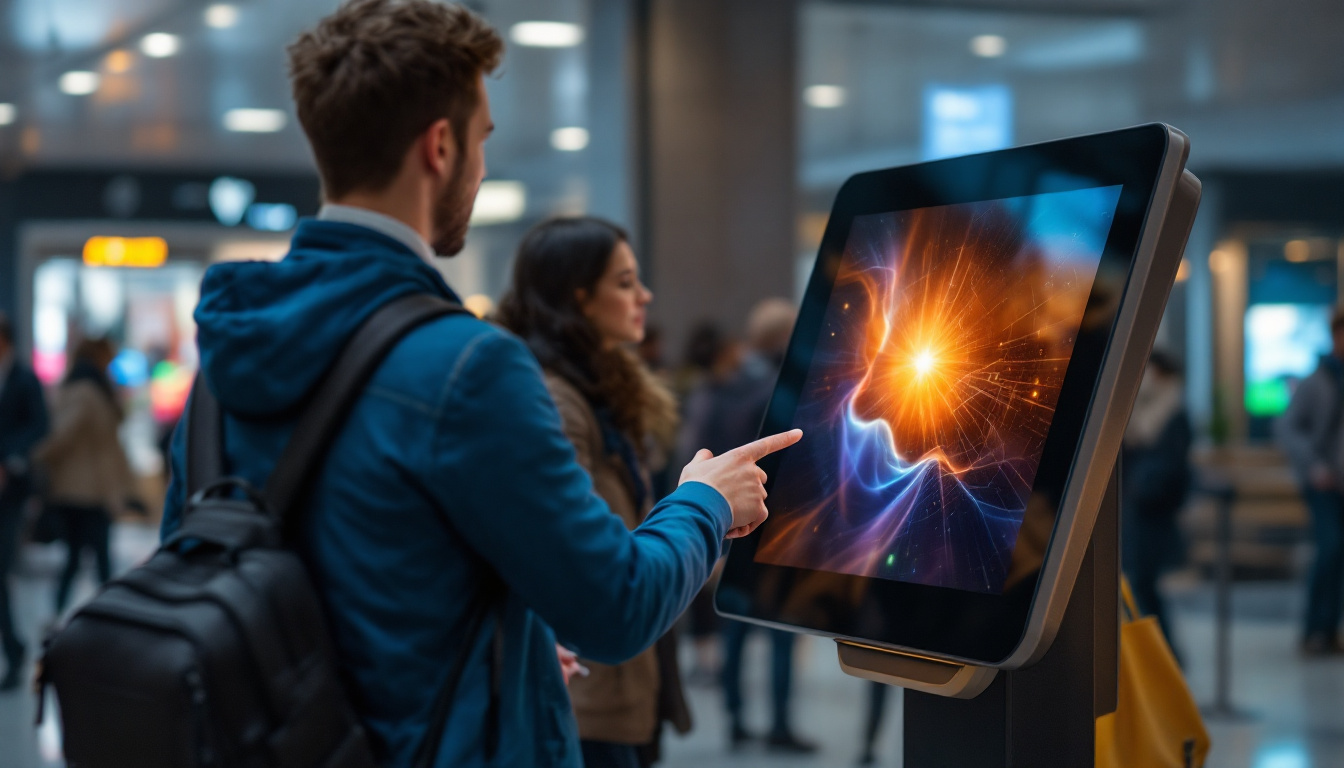
Emerging LED film solutions are incorporating touch sensitivity and gesture recognition, enabling interactive glass surfaces. This will open new avenues for retail, education, and public information systems, where users can engage directly with displayed content.
Conclusion
LED film for glass represents a significant advancement in display technology, merging the benefits of LED lighting with the versatility of transparent surfaces. Its ability to deliver dynamic, high-impact visuals without compromising design or natural light makes it an attractive choice for a wide range of industries.
As technology continues to improve, LED film is poised to become a staple in modern architectural design, advertising, and transportation systems. Understanding its capabilities, benefits, and limitations is essential for businesses and designers looking to leverage this innovative medium to create engaging and sustainable visual experiences.
Discover LumenMatrix’s Innovative LED Solutions
Ready to elevate your space with the latest in LED display technology? LumenMatrix is at the forefront of creating immersive environments through our extensive range of LED display modules. From vibrant Indoor LED Walls to captivating Outdoor Displays and beyond, our solutions are designed to bring your vision to life. Experience the future of visual communication with LumenMatrix and let your brand shine like never before. Check out LumenMatrix LED Display Solutions today and transform your space into a dynamic visual masterpiece.