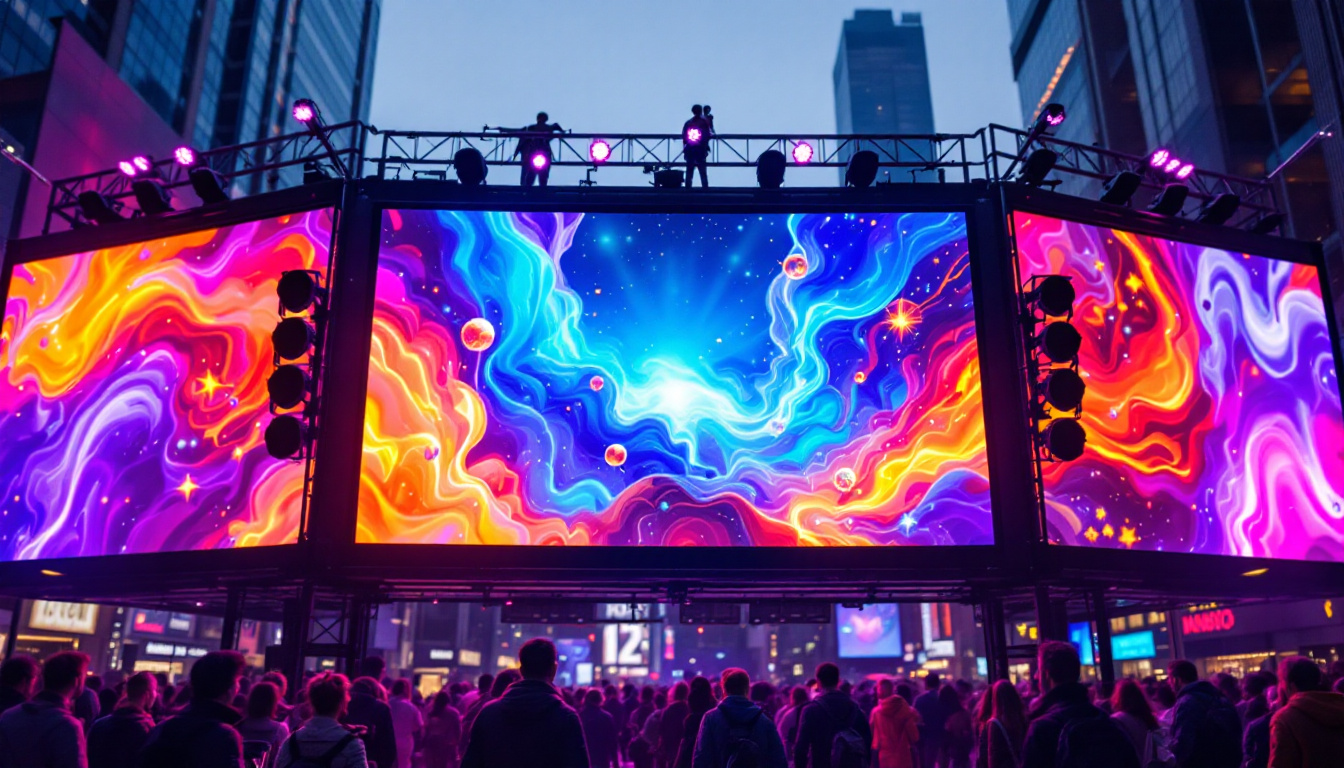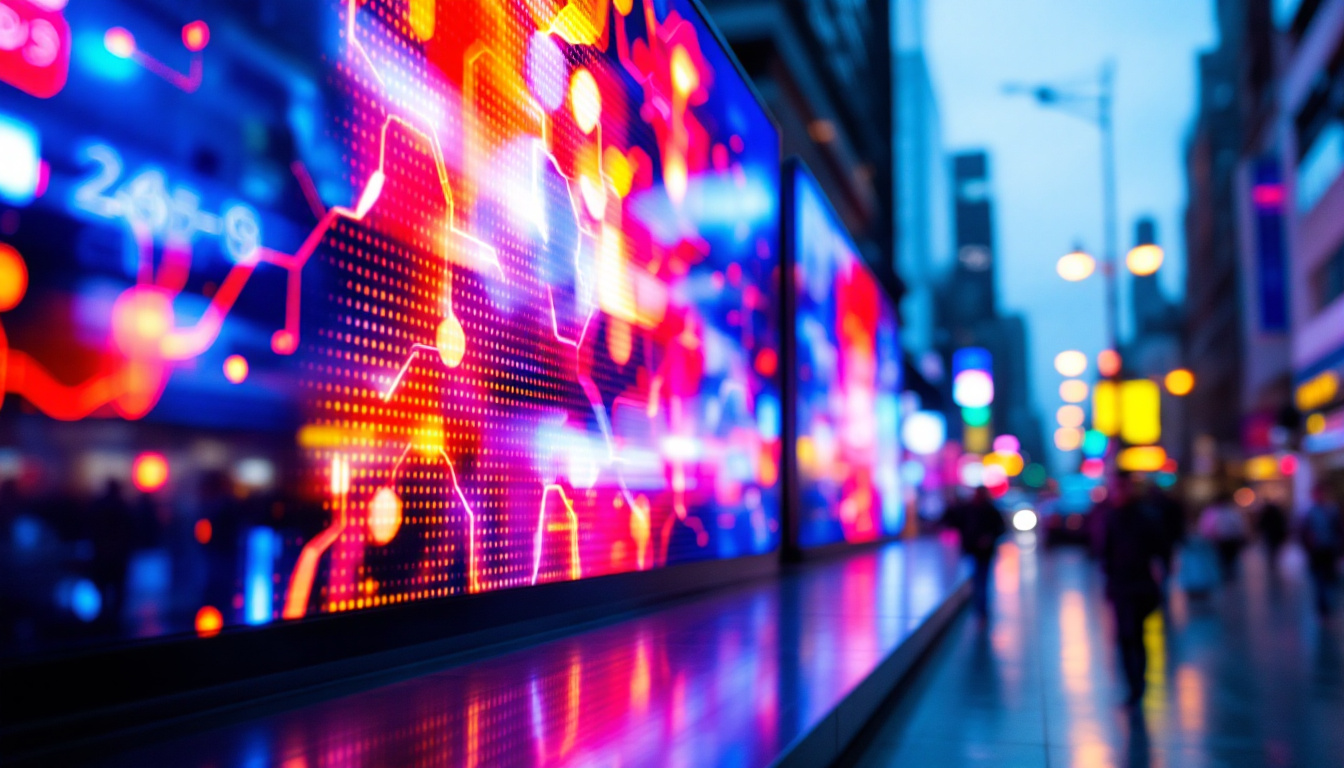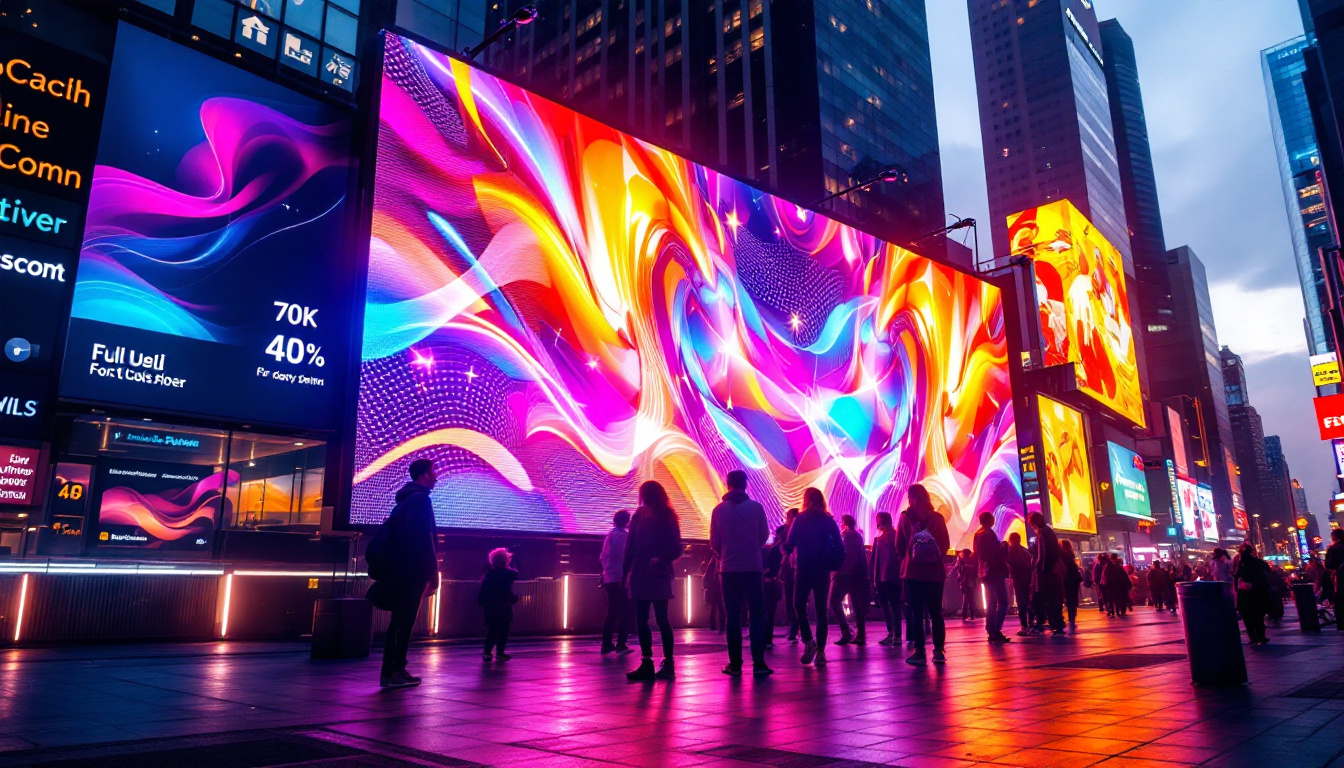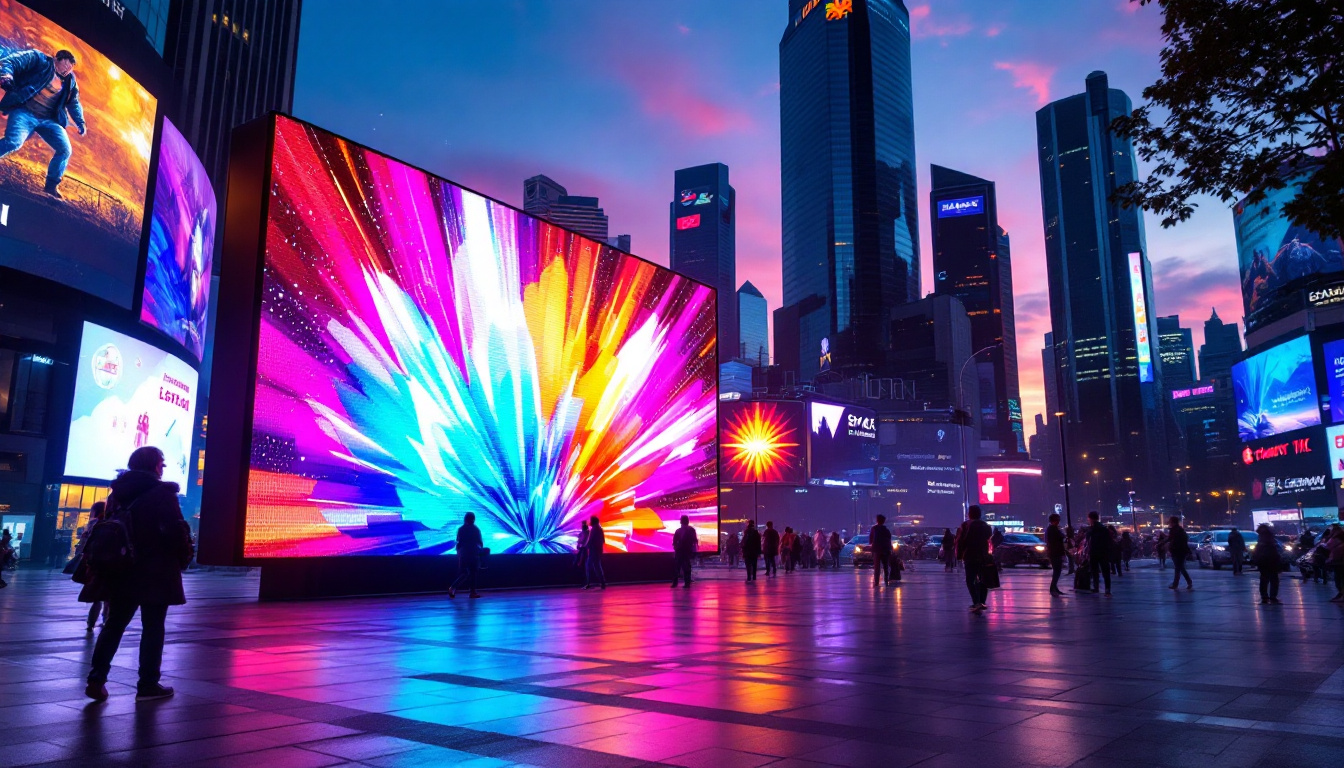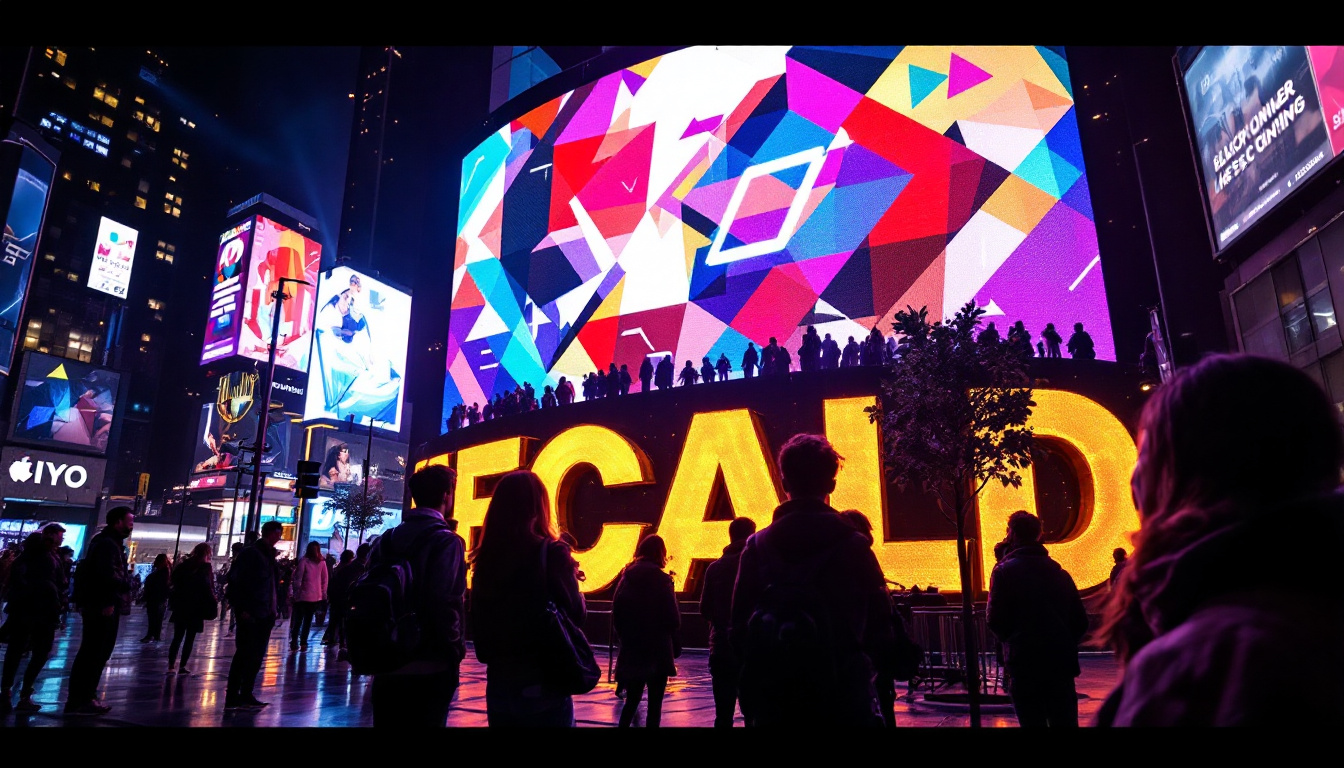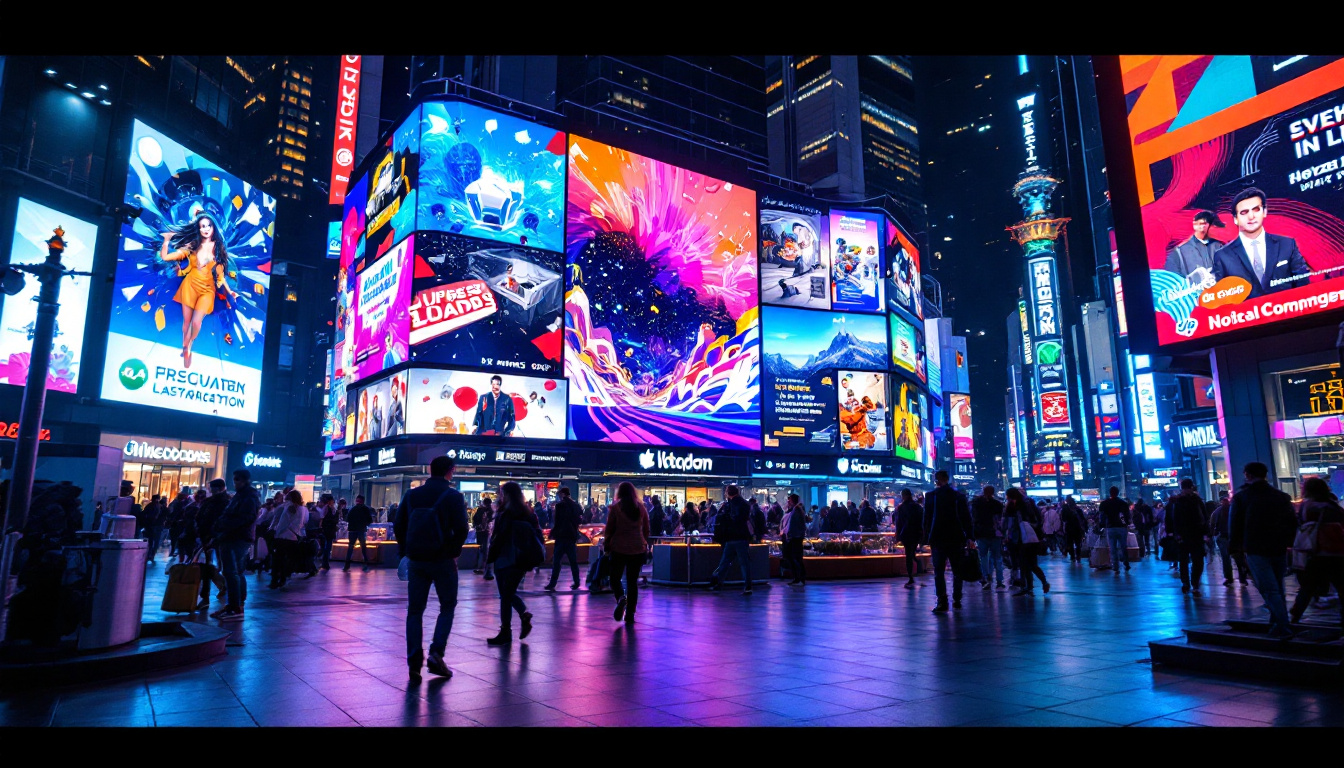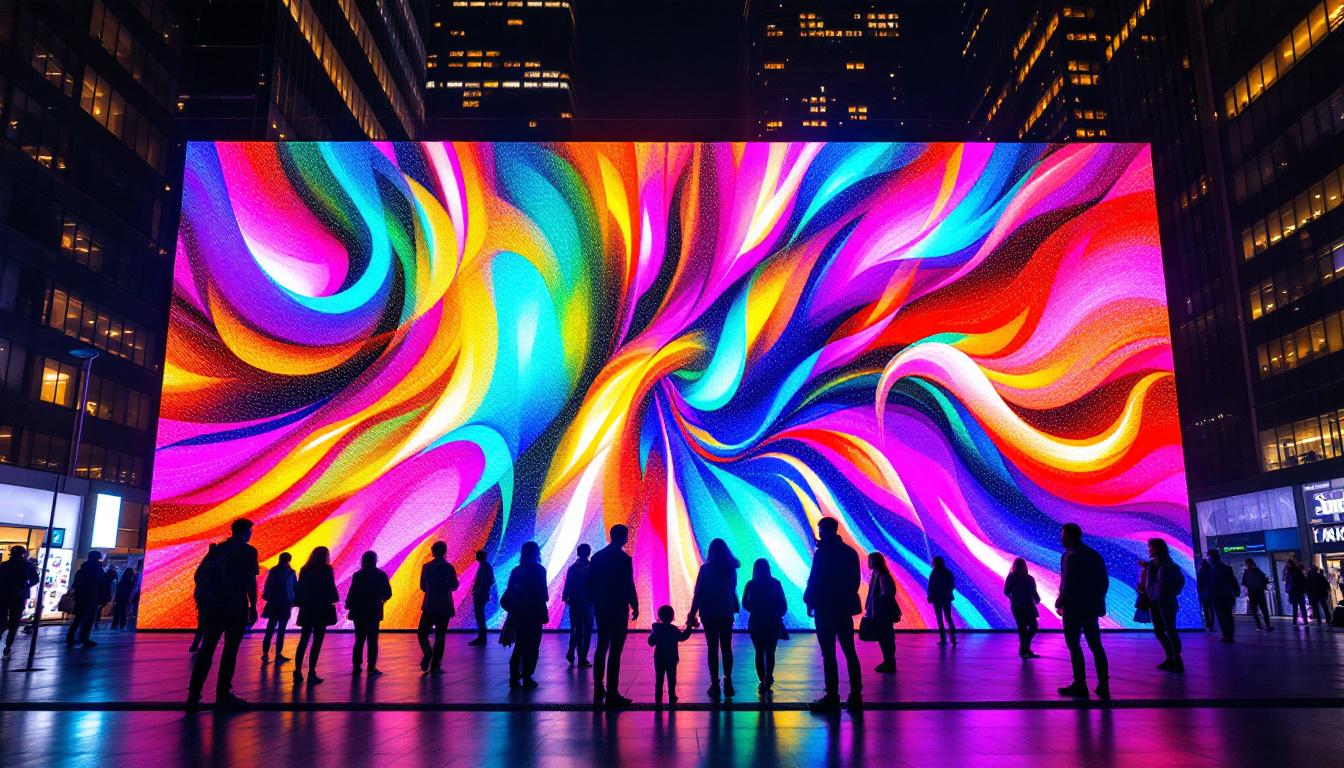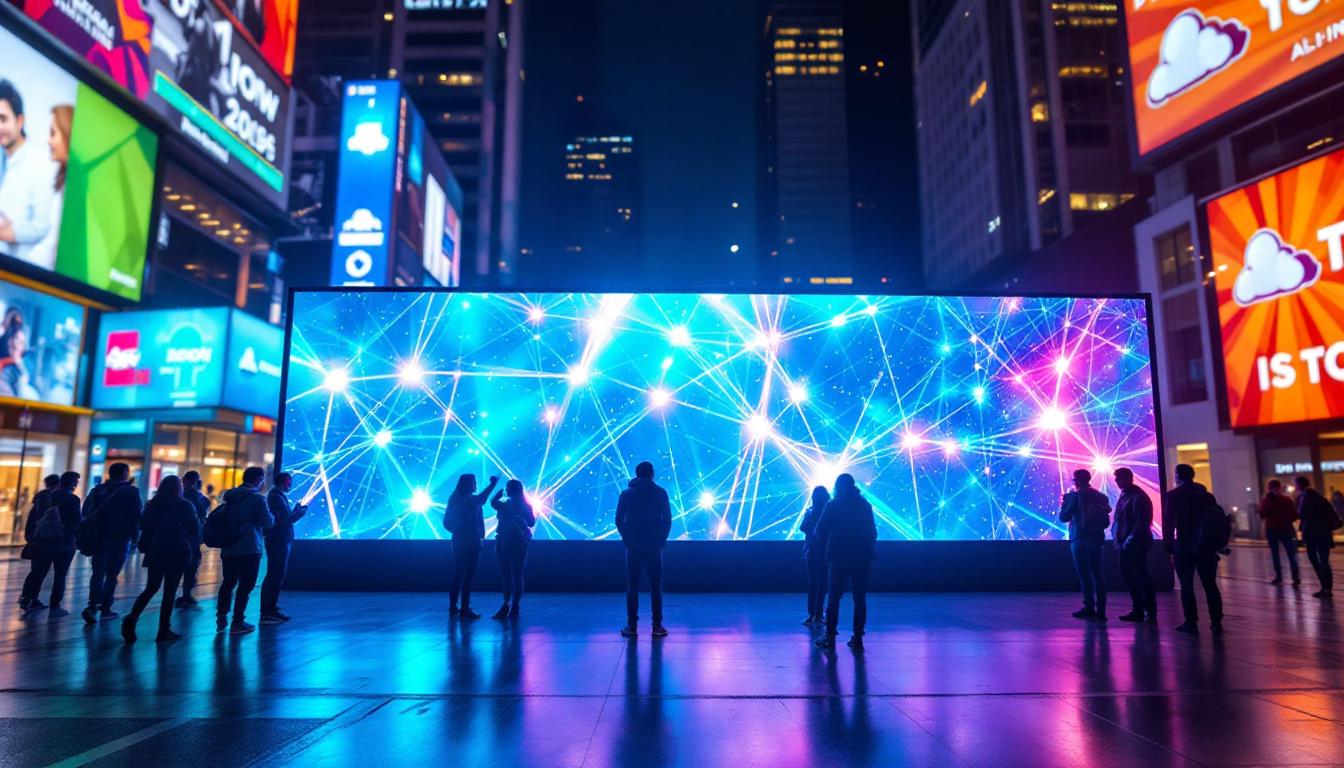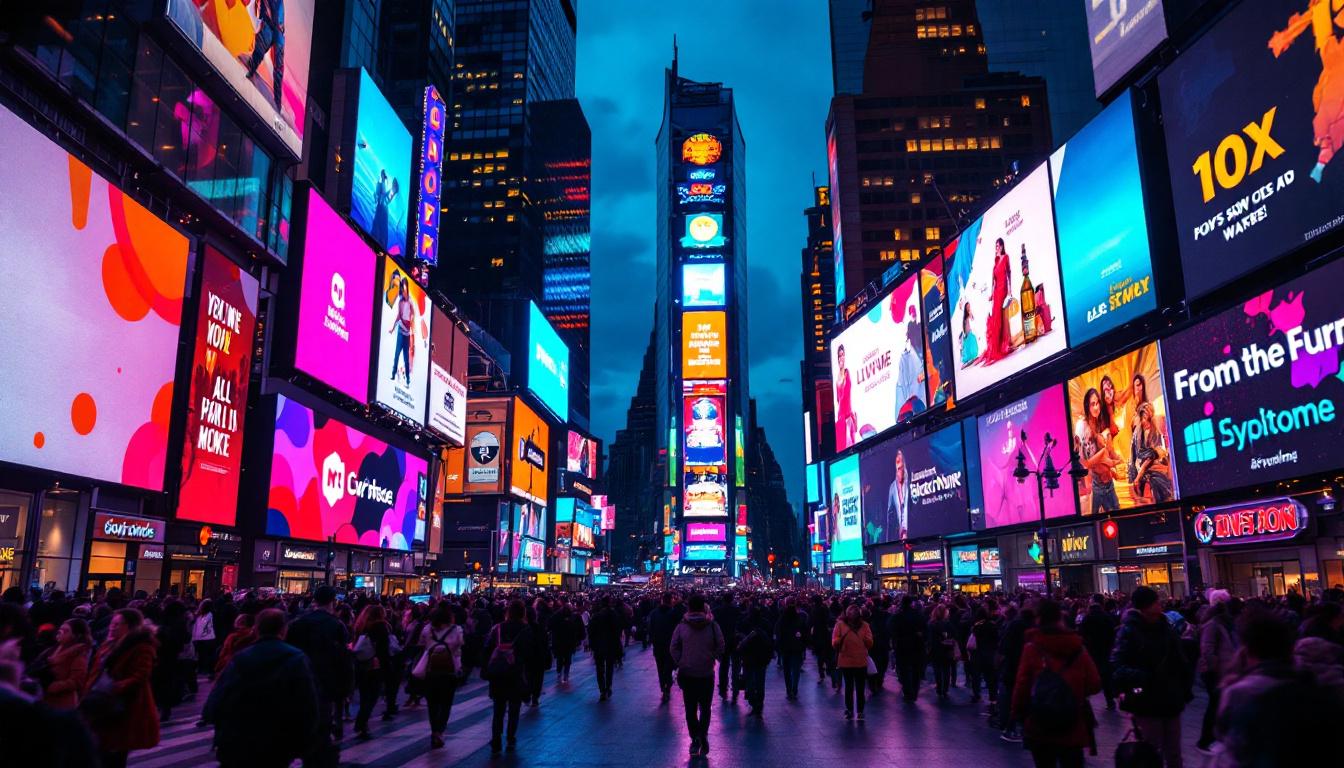
Times Square in New York City is renowned worldwide for its dazzling, larger-than-life billboards that light up the night and captivate millions of visitors every year. These billboards are not just advertising spaces; they are technological marvels that combine art, engineering, and innovation. Central to their brilliance are LED displays, which have revolutionized how messages are conveyed in this iconic urban hub. This article delves into the technology behind Times Square’s LED billboards, exploring how they work, their impact, and what the future holds for this vibrant advertising medium.
The Evolution of Times Square Billboards
From Static Signs to Dynamic Displays
Times Square’s advertising history dates back over a century, beginning with simple painted signs and neon lights in the early 1900s. These early billboards were static and limited in their ability to capture attention beyond their sheer size and brightness. The introduction of neon lighting in the 1920s marked a significant leap, adding color and vibrancy to the nightscape. The allure of neon signs not only transformed the visual landscape but also became synonymous with the excitement and energy of New York City, drawing in tourists and locals alike.
However, the real transformation began in the late 20th century with the advent of digital technology. By the 1990s, LED (light-emitting diode) technology started to replace neon and fluorescent lights, offering greater flexibility, energy efficiency, and visual impact. Today, the majority of Times Square’s billboards are LED displays, capable of showing high-resolution images, videos, and even interactive content. This shift has not only enhanced the aesthetic appeal of the area but has also revolutionized how brands communicate their messages, allowing for storytelling that captivates audiences in ways that static images never could.
Why LED Technology Became the Standard
LEDs brought several advantages that made them the preferred choice for outdoor advertising, especially in a high-traffic area like Times Square. They consume significantly less power compared to traditional lighting, reducing operational costs and environmental impact. LEDs also have a longer lifespan, which means less maintenance and downtime for advertisers. As a result, businesses can allocate more resources to creative content rather than worrying about the logistics of upkeep, fostering a more dynamic advertising environment.
Moreover, LED displays offer unparalleled brightness and color accuracy, essential for visibility amidst the intense ambient light of Times Square. Their ability to refresh images rapidly allows for dynamic content that can be updated in real-time, making advertising campaigns more engaging and timely. This capability has led to innovative marketing strategies, where brands can respond to current events or trends almost instantaneously, creating a sense of relevance and immediacy that resonates with passersby. Additionally, the interactive features of modern LED displays invite audience participation, blurring the lines between advertisement and entertainment, and further solidifying Times Square’s reputation as a hub of creativity and commerce.
Understanding LED Display Technology
How LED Displays Work
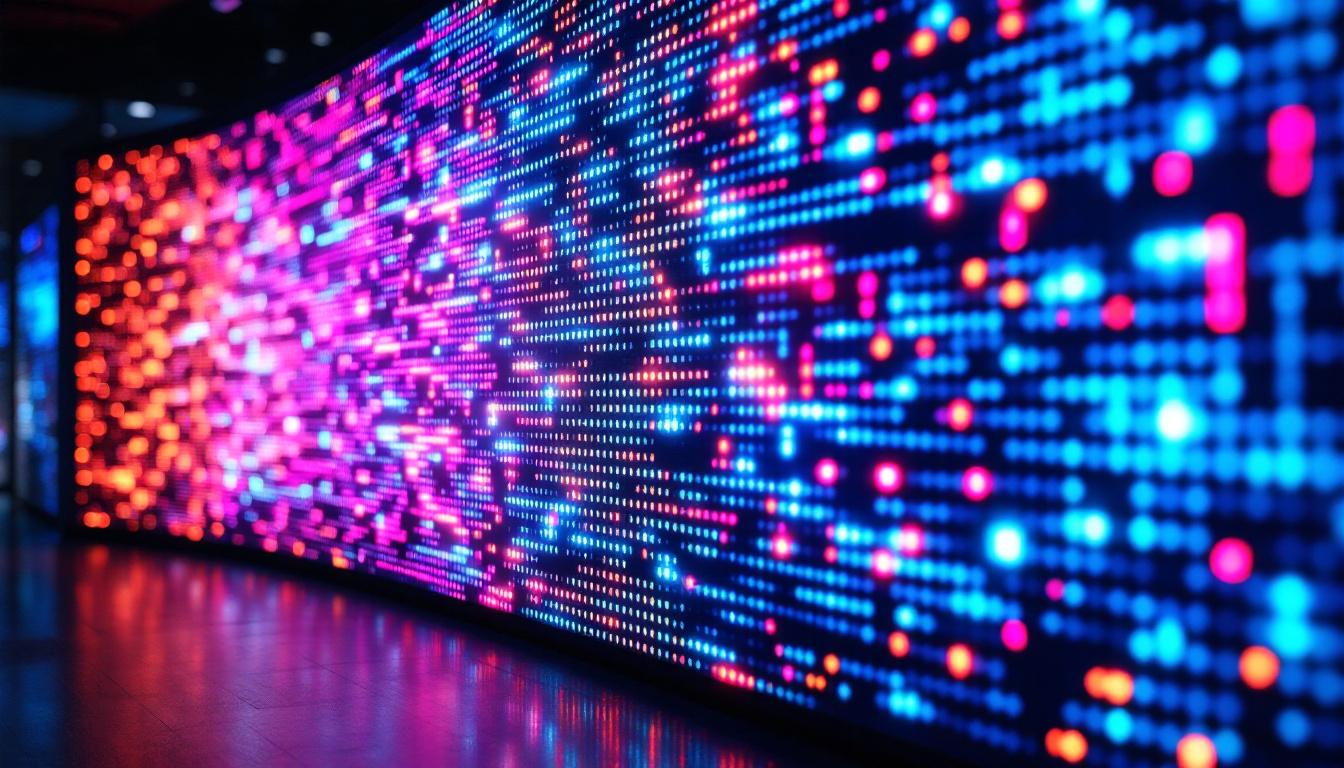
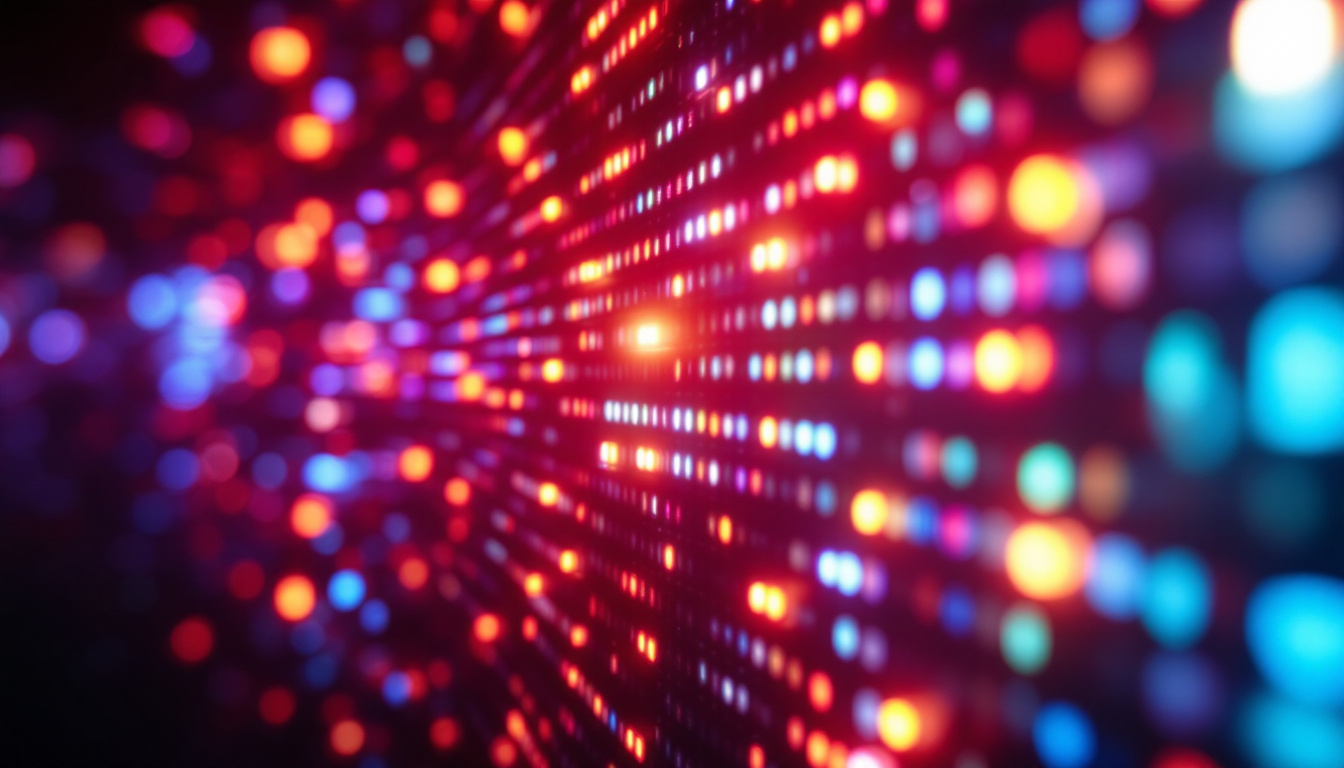
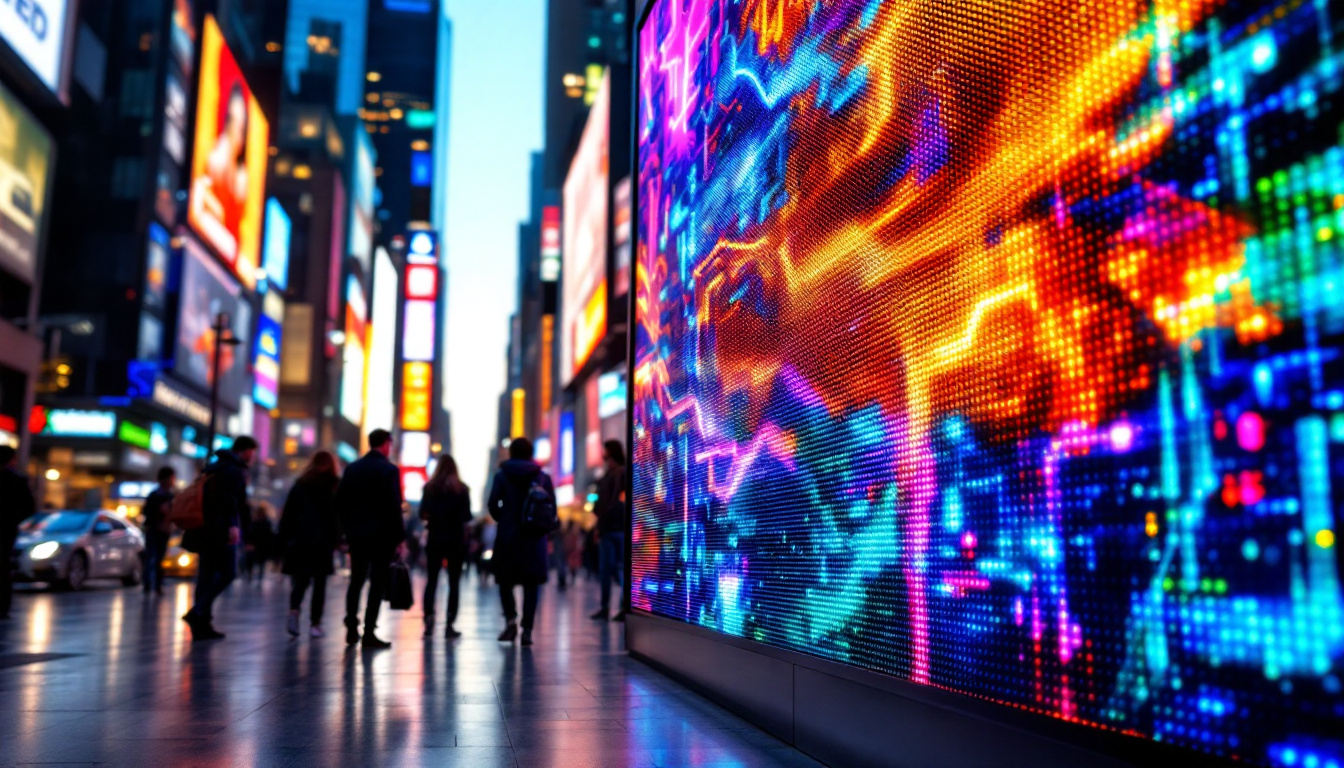
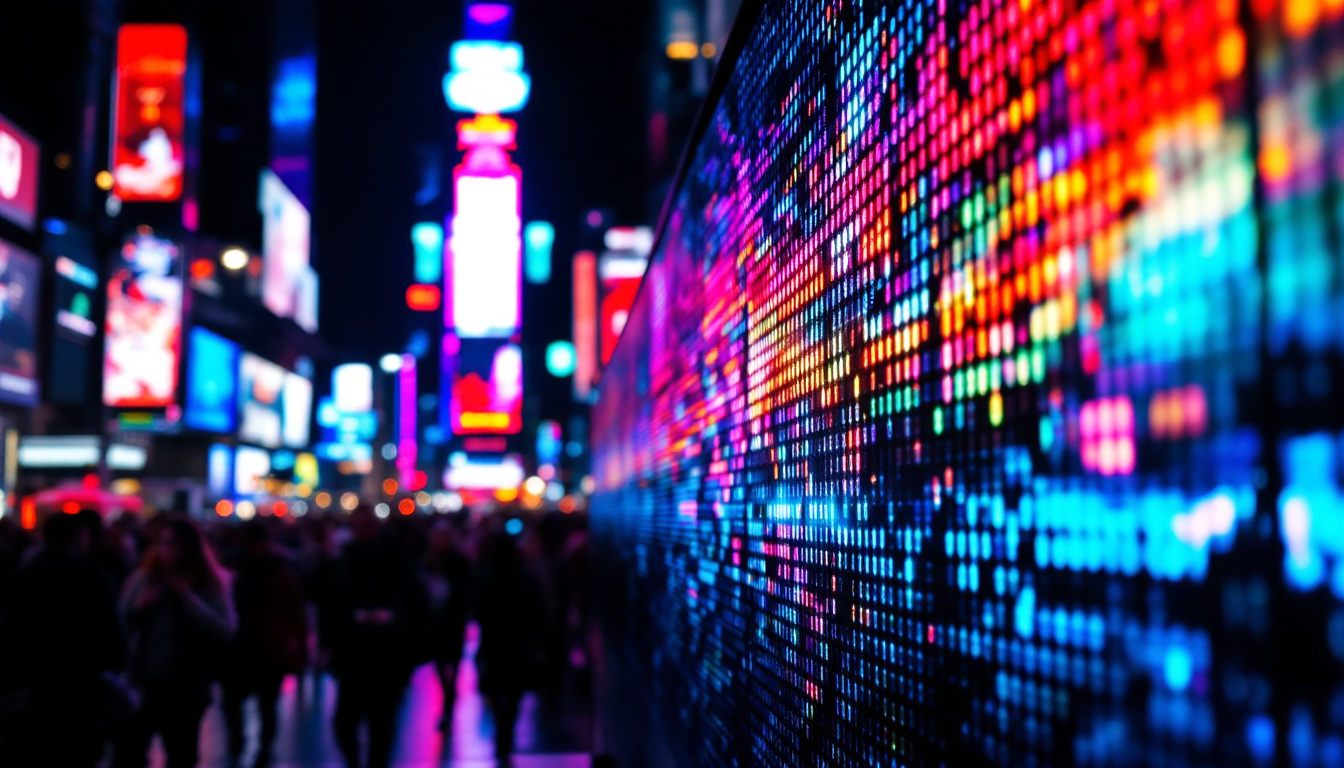
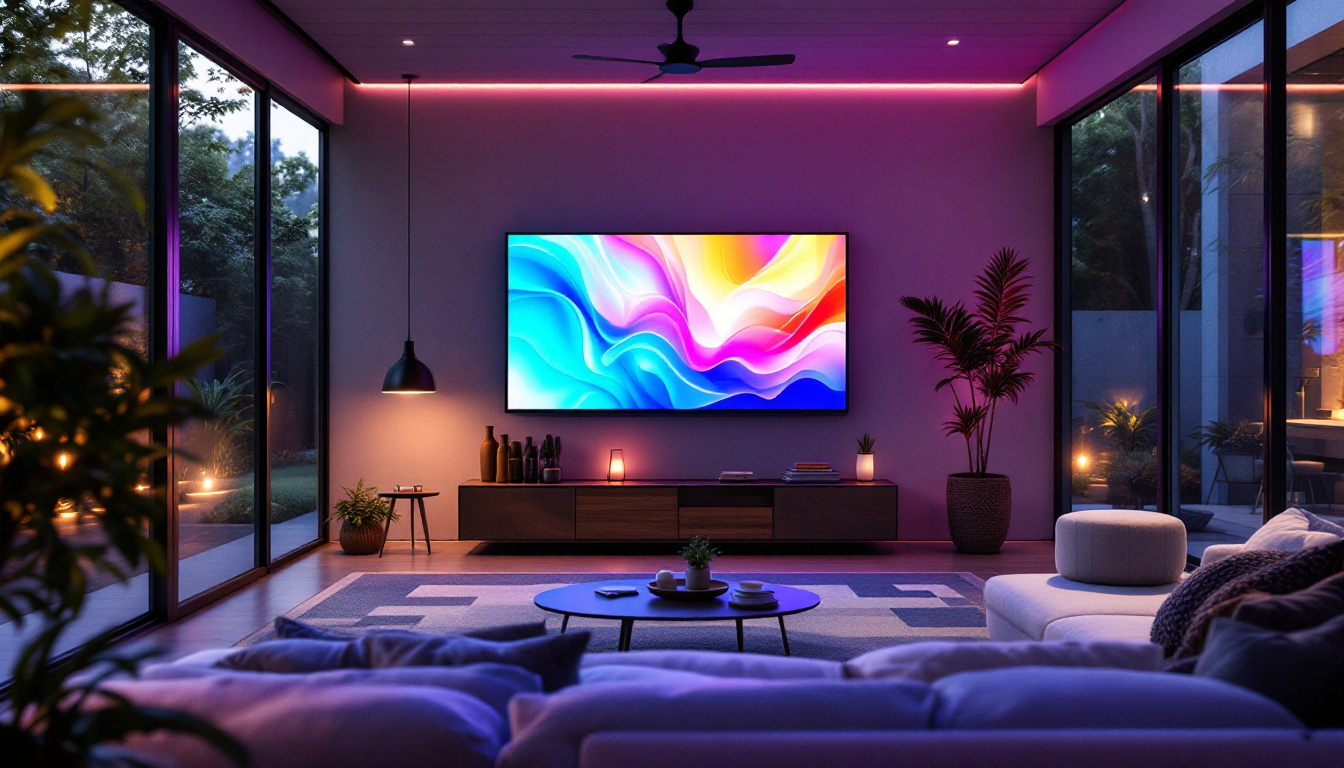
At its core, an LED display consists of thousands to millions of tiny light-emitting diodes arranged in a grid. Each diode acts as a pixel, capable of emitting light in red, green, and blue (RGB) colors. By varying the intensity of these three colors, the display can produce a wide spectrum of colors, creating vivid images and videos.
The LEDs are mounted on panels that are connected to form large screens. These panels are controlled by sophisticated software that manages the content, brightness, color calibration, and timing. The displays can be programmed to show static images, animations, video clips, or even live feeds. This flexibility allows advertisers to create dynamic content that can change in real-time, responding to audience engagement or even the time of day. For instance, a display might showcase a bright, cheerful advertisement during the day and switch to a more subdued, elegant design in the evening, catering to the changing moods of passersby.
Types of LED Displays in Times Square
Times Square features a variety of LED display types, each tailored to specific advertising needs and architectural constraints:
- Full-Color LED Displays: These are the most common and can render millions of colors, making them ideal for high-impact advertisements that require rich visuals.
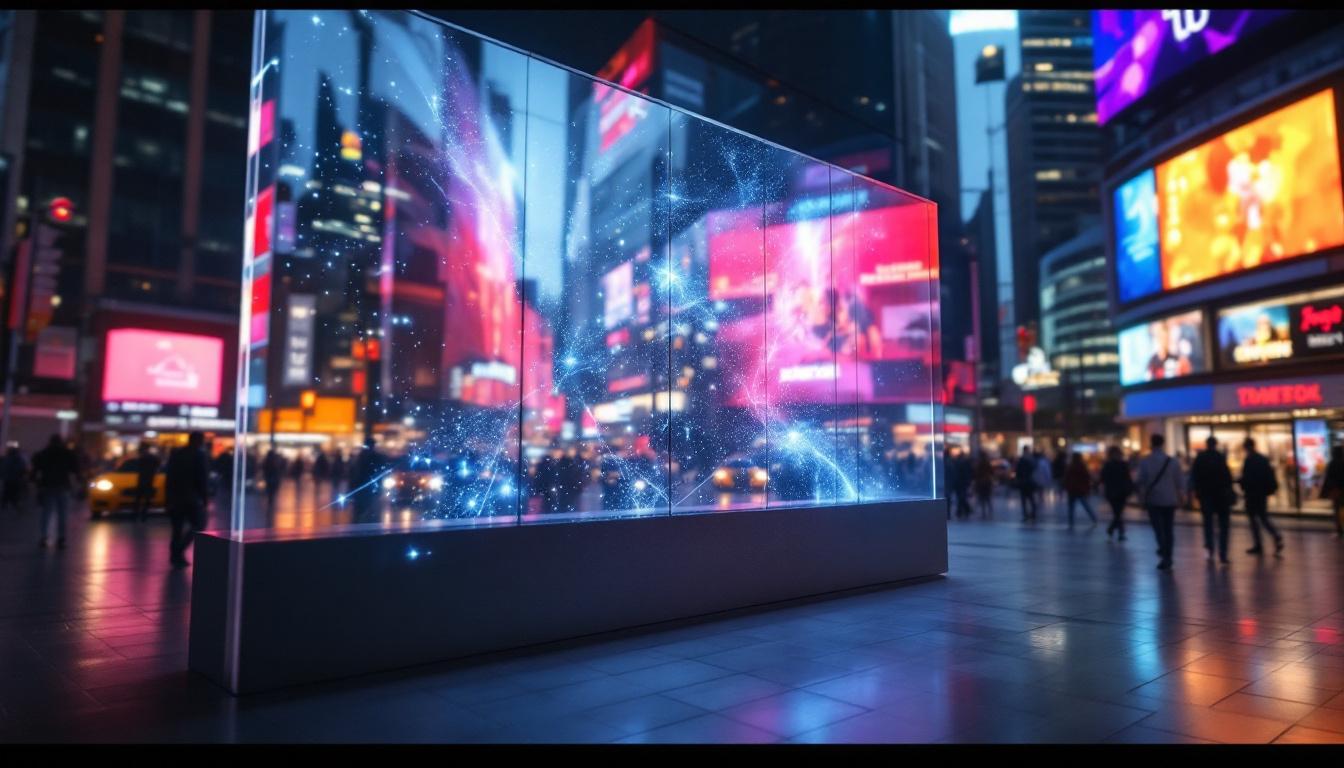
- Transparent LED Screens: These allow light to pass through, enabling installation on glass surfaces without obstructing views, often used in storefronts.
- Curved and Flexible LED Panels: Designed to fit unique building shapes, these displays add a three-dimensional element to advertising, enhancing visual interest.
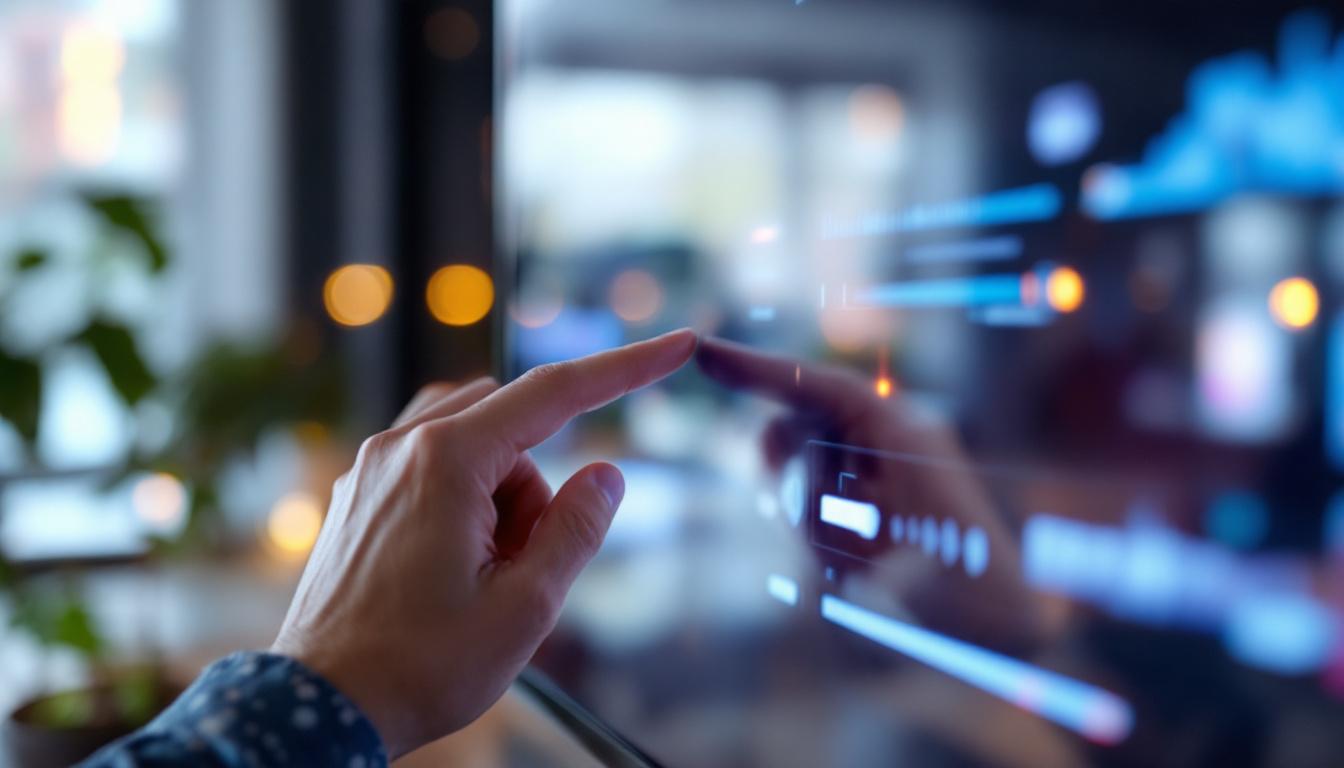
Additionally, some displays in Times Square incorporate advanced features such as interactive touch technology, allowing viewers to engage directly with the content. This interactivity can lead to a more immersive experience, where audiences can participate in games, polls, or even social media interactions, thus increasing brand engagement. Furthermore, the integration of augmented reality (AR) with LED displays is on the rise, creating a captivating blend of digital and physical worlds that draws in crowds and enhances the overall experience of the iconic location.
Resolution and Pixel Pitch
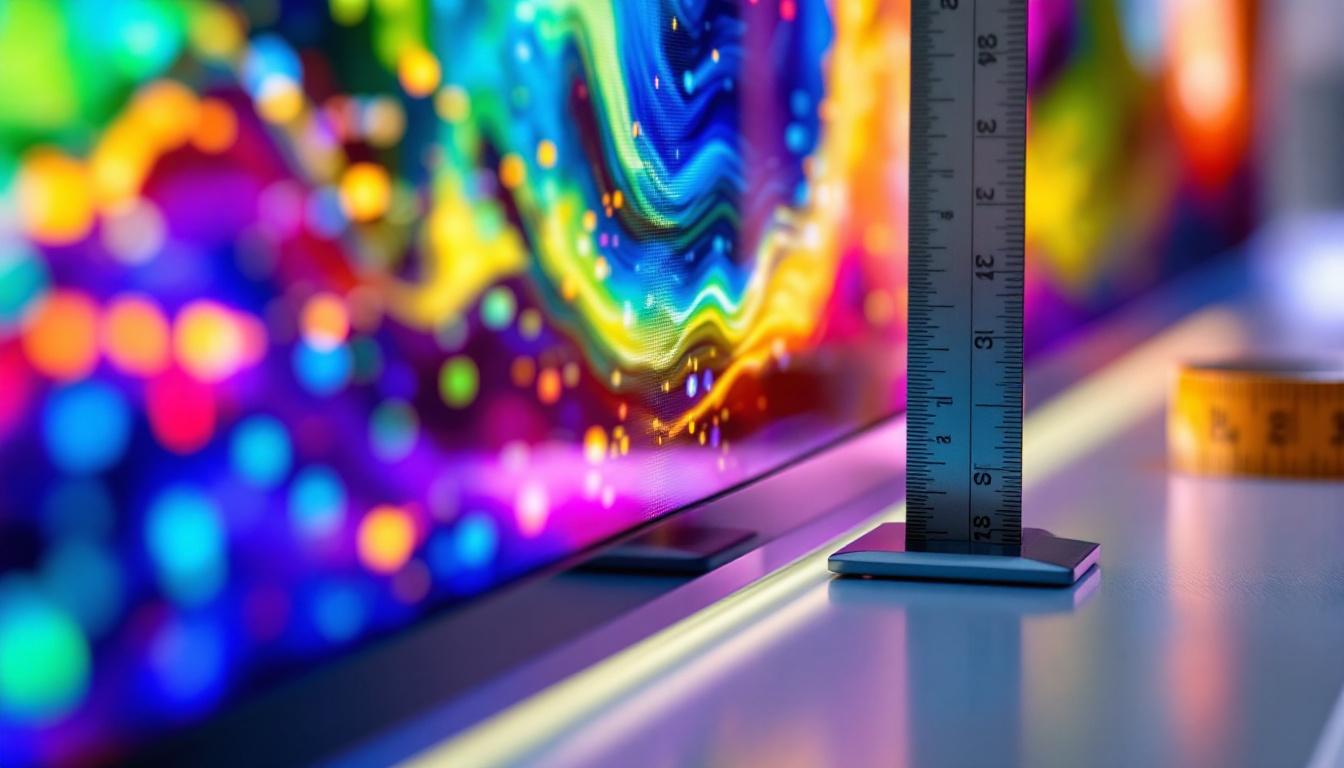
Two critical factors define the quality of an LED display: resolution and pixel pitch. Resolution refers to the number of pixels in the display, while pixel pitch is the distance between the centers of two adjacent pixels, usually measured in millimeters.
In Times Square, where viewers can be both close and far from the billboards, pixel pitch is carefully chosen to balance clarity and cost. Smaller pixel pitch means higher resolution and sharper images, but it also increases the number of LEDs and the price. For large-scale billboards viewed from a distance, a pixel pitch of 10-20mm is common, providing clear images without excessive cost. Conversely, displays intended for closer viewing, such as those in retail environments, may utilize a pixel pitch of 2-5mm, ensuring that every detail is crisp and engaging. This careful consideration of pixel pitch not only enhances visual quality but also plays a crucial role in the overall effectiveness of advertising campaigns, as clearer images can lead to better audience retention and response rates.
The Impact of LED Billboards on Advertising and Urban Experience
Driving Consumer Engagement
LED billboards in Times Square are more than just advertising tools; they are immersive experiences that engage consumers on multiple sensory levels. The ability to display dynamic content allows brands to tell stories, launch interactive campaigns, and respond to current events instantly.
Studies show that digital billboards can increase brand recall by up to 47% compared to static signs. The vibrant colors, motion, and brightness of LED displays capture attention effectively, even in the visually competitive environment of Times Square.
Enhancing the Urban Landscape
Beyond advertising, LED billboards contribute to the unique character of Times Square. They transform the area into a 24/7 spectacle, attracting tourists, photographers, and filmmakers. The interplay of light and motion creates a sense of energy and excitement that defines the neighborhood.
However, this visual intensity also raises concerns about light pollution and energy consumption. In response, many billboards now incorporate energy-saving technologies and smart controls to adjust brightness based on ambient light conditions, minimizing their environmental footprint.
Economic Significance
Advertising space in Times Square commands some of the highest rates globally, with premium LED billboard slots costing millions of dollars annually. This reflects the unparalleled exposure brands receive, reaching an estimated 330,000 pedestrians daily and millions more via media coverage.
The revenue generated supports local businesses, property owners, and the city’s economy. Furthermore, the demand for cutting-edge LED displays drives innovation and employment in the technology and creative sectors.
Challenges and Innovations in LED Billboard Technology
Technical and Environmental Challenges
Operating massive LED billboards in an outdoor urban environment presents several challenges. Weather conditions such as rain, snow, and extreme temperatures require robust, weatherproof designs. Additionally, the displays must withstand vibrations from nearby traffic and potential physical impacts.
Energy consumption remains a concern despite LEDs being more efficient than older technologies. Managing heat dissipation is critical to prevent damage and maintain performance. Moreover, the brightness must be carefully controlled to avoid glare that could distract drivers or disturb nearby residents.
Innovations Shaping the Future
Recent advancements are addressing these challenges and expanding the capabilities of LED billboards:
- MicroLED Technology: Offering even higher brightness and efficiency, microLEDs are poised to enhance outdoor displays with better color accuracy and durability.
- AI and Data Integration: Artificial intelligence enables real-time content optimization based on audience demographics, weather, and time of day, making advertising more targeted and effective.
- Interactive Displays: Touch-sensitive and motion-responsive LED screens invite direct engagement, creating personalized experiences for passersby.
- Eco-Friendly Materials: Manufacturers are exploring recyclable components and low-impact manufacturing processes to reduce environmental impact.
Conclusion: The Bright Future of Times Square LED Billboards
Times Square’s LED billboards represent a fusion of technology, creativity, and commerce, illuminating one of the world’s most iconic urban spaces. Their evolution from static signs to dynamic digital canvases reflects broader trends in advertising and urban design, emphasizing interactivity, sustainability, and innovation.
As LED technology continues to advance, these displays will become even more vibrant, efficient, and integrated into the fabric of the city. For advertisers, they offer unparalleled opportunities to connect with diverse audiences. For visitors and residents, they contribute to the unique energy and identity of Times Square, ensuring it remains a beacon of light and culture for generations to come.
Illuminate Your Brand with LumenMatrix
As you’ve seen, the vibrant LED billboards of Times Square are not just a spectacle; they’re a testament to the power of digital storytelling in the heart of New York City. If you’re inspired to bring this level of engagement and visibility to your brand, LumenMatrix is your partner in innovation. With a diverse range of LED display solutions, from Indoor and Outdoor LED Walls to Custom and Transparent Displays, LumenMatrix is dedicated to transforming your visual communication. Check out LumenMatrix LED Display Solutions today and step into the future of advertising with displays that dazzle, engage, and leave a lasting impression.