In the rapidly evolving world of technology and electronics, acronyms often become part of everyday language. One such acronym is LED, which many encounter daily but may not fully understand. This article delves into the full form of LED, explores the technology behind LED displays, and explains why they have become ubiquitous in modern devices and signage.
What Does LED Stand For?
LED stands for Light Emitting Diode. It is a semiconductor device that emits light when an electric current passes through it. Unlike traditional incandescent bulbs, which produce light by heating a filament, LEDs generate light through electroluminescence—a process where electrons recombine with electron holes within the device, releasing energy in the form of photons.
The invention of the LED dates back to the early 1960s, and since then, the technology has evolved tremendously. Initially, LEDs emitted only red light, but advances in materials science have enabled LEDs to produce a broad spectrum of colors, including blue, green, and white, which paved the way for their widespread use in displays and lighting.
One of the most significant advantages of LEDs is their energy efficiency. They consume significantly less power than incandescent bulbs, which not only reduces electricity bills but also minimizes the environmental impact associated with energy production. For instance, an LED bulb can last up to 25,000 hours, compared to the 1,000 hours typical of incandescent bulbs. This longevity means fewer replacements and less waste, making LEDs a more sustainable choice for both consumers and businesses.
Moreover, LEDs have found applications beyond general lighting. They are extensively used in various technologies, including televisions, computer screens, and traffic lights, due to their ability to produce bright, vivid colors and their quick response times. In recent years, the advent of smart LED technology has further transformed the lighting landscape, allowing users to control brightness, color, and even scheduling through smartphone apps or voice commands, enhancing both convenience and personalization in lighting solutions.
Understanding LED Display Technology
How LED Displays Work
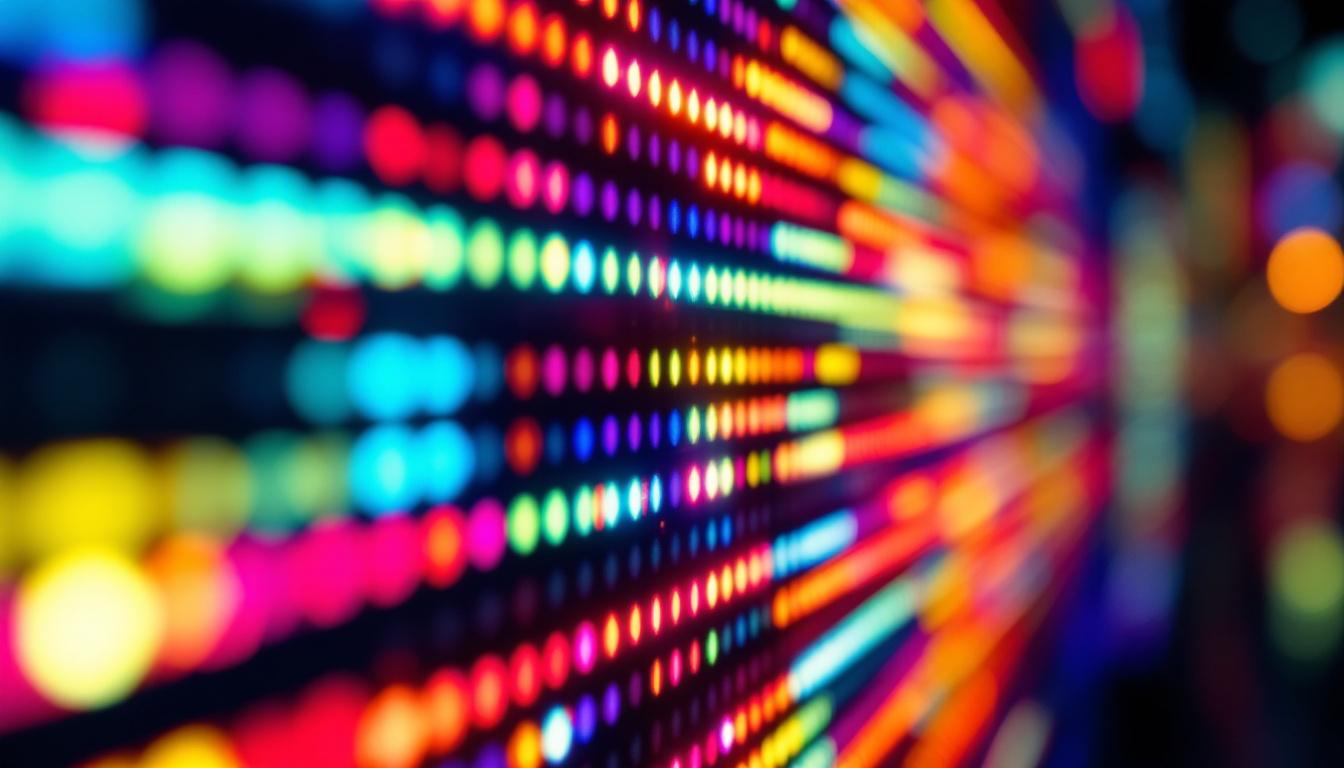
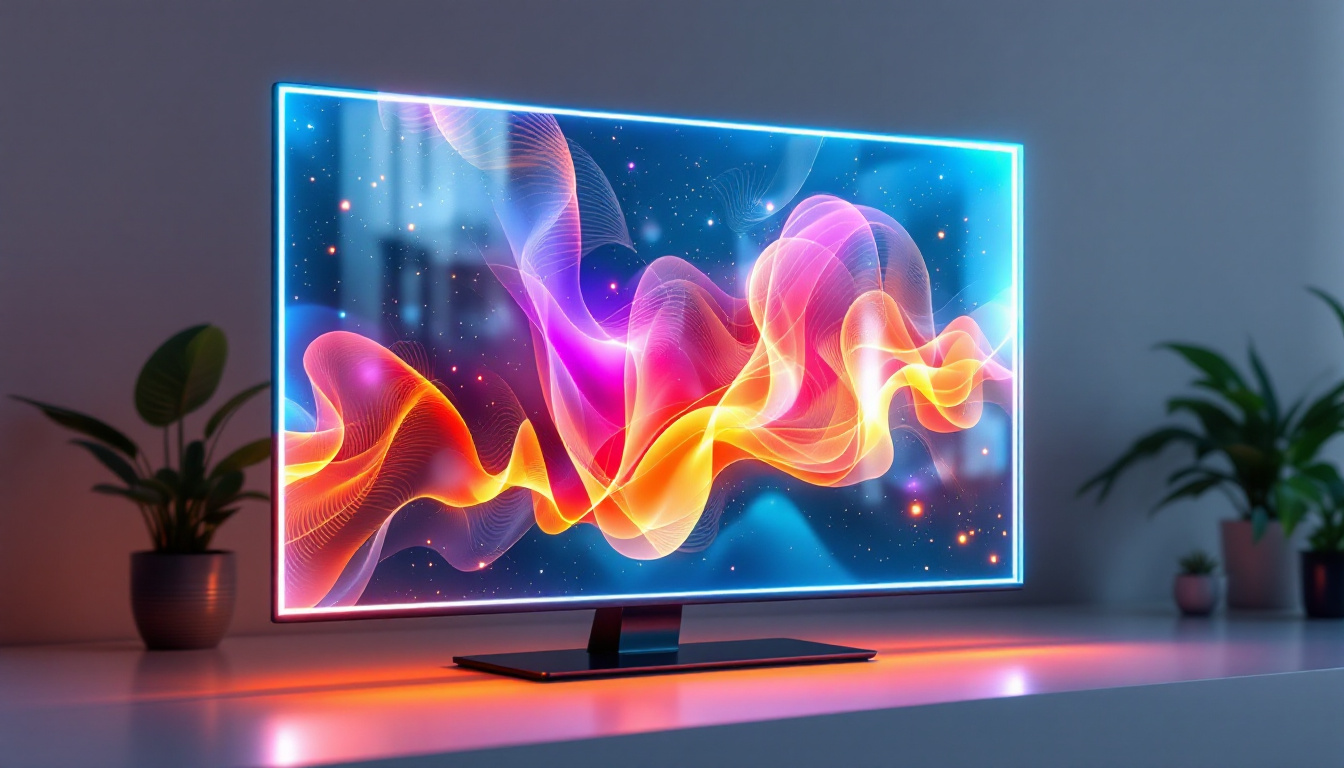
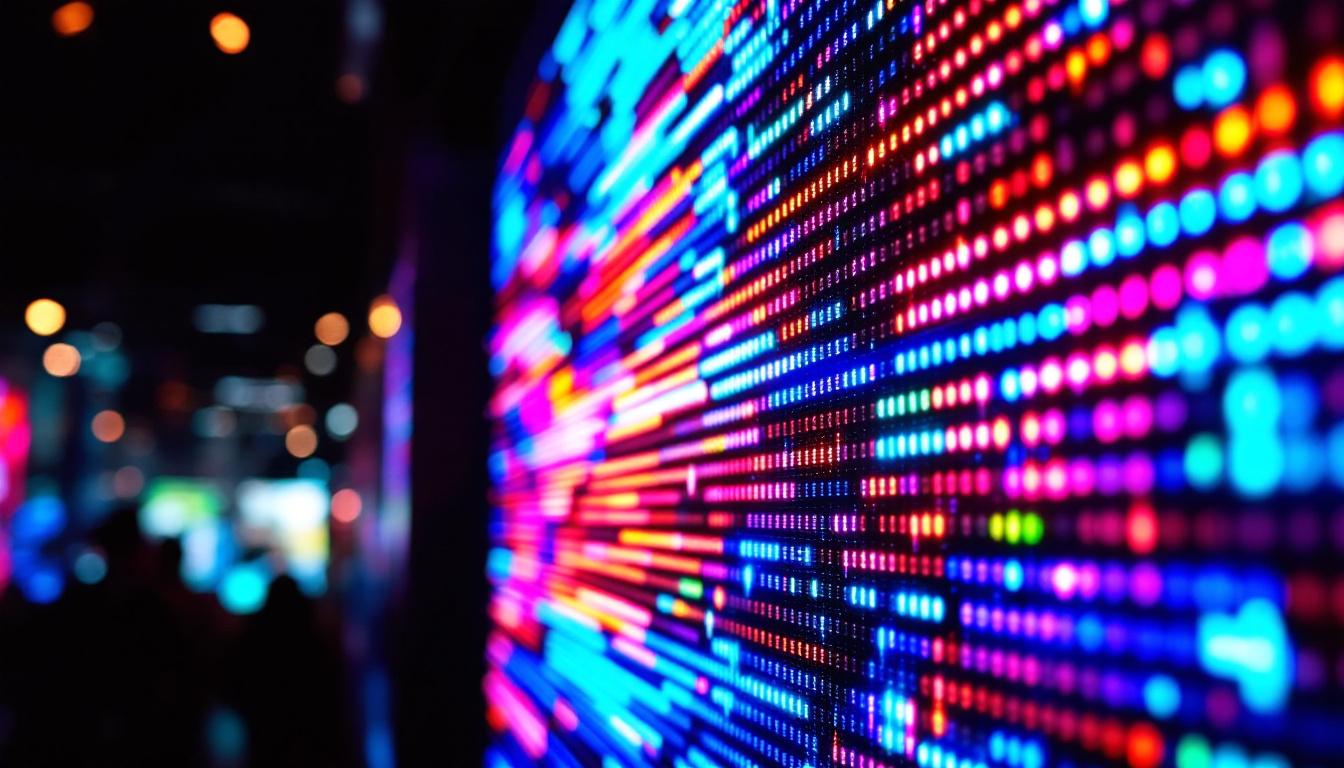
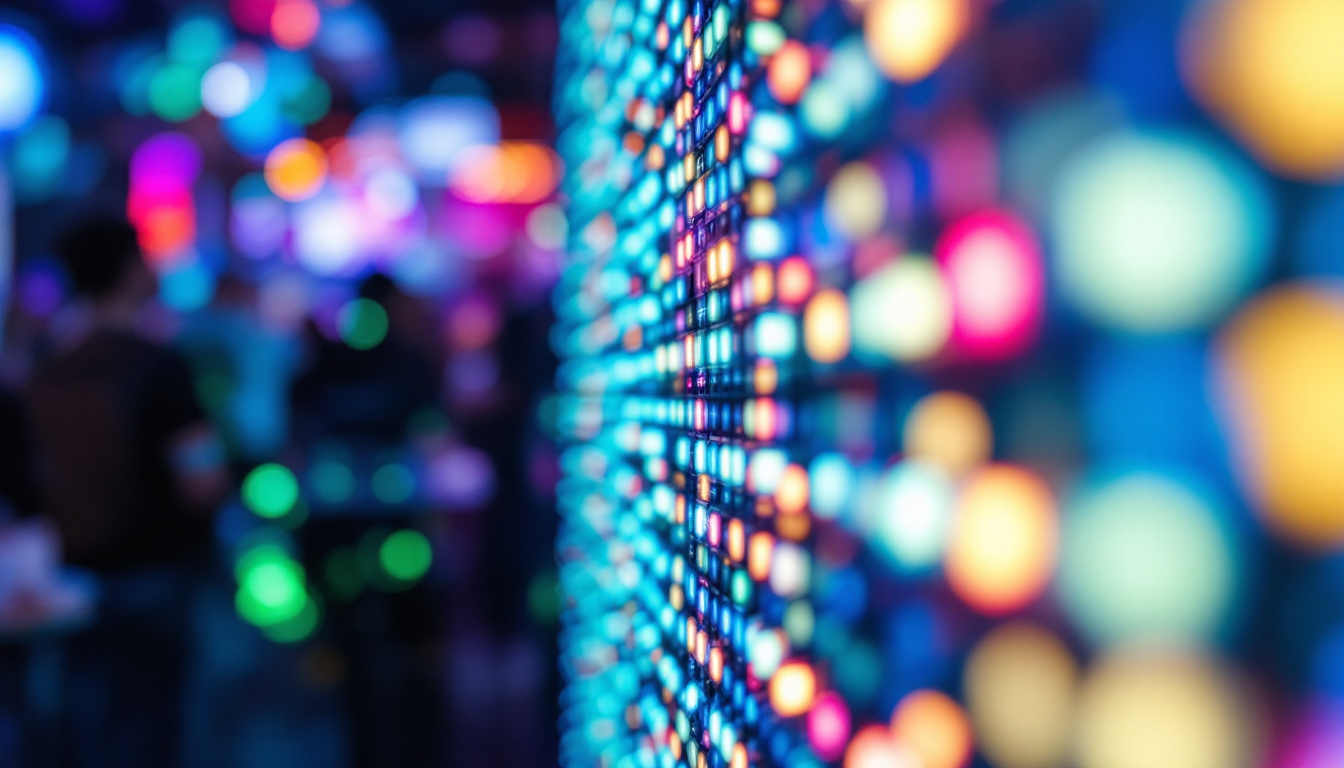
LED displays are screens that use an array of light-emitting diodes as pixels for displaying images, videos, or information. Each pixel on an LED display is made up of one or more LEDs that emit light in different colors. By controlling the intensity of these LEDs, the display can produce a wide range of colors and brightness levels. This technology has revolutionized the way we experience visual content, providing vibrant colors and sharp images that are easily viewable even in bright daylight conditions.
There are two primary types of LED displays: direct view LED displays and LED-backlit LCD displays. Direct view LED displays consist of LEDs that directly emit light to form images, commonly used in large outdoor screens, stadium displays, and billboards. These displays are known for their high brightness and durability, making them ideal for advertising and public information systems. On the other hand, LED-backlit LCD displays use LEDs as a backlight behind an LCD panel, which modulates the light to create images—this technology is popular in televisions, computer monitors, and smartphones. The integration of LED backlighting has significantly improved the energy efficiency and color accuracy of LCD screens, allowing for thinner designs and enhanced viewing experiences.
Types of LEDs Used in Displays
LEDs used in displays vary based on their color and functionality. The most common are:
- Red, Green, and Blue (RGB) LEDs: These are combined in various intensities to create a full spectrum of colors in a display.
- White LEDs: Often used for backlighting in LCDs to provide uniform illumination.
- Organic LEDs (OLEDs): A newer technology where organic compounds emit light in response to an electric current, offering better contrast and thinner displays.
In addition to these standard types, there are also specialized LEDs designed for specific applications. For instance, high-brightness LEDs are engineered to emit more light than standard LEDs, making them suitable for outdoor applications where visibility is crucial. Similarly, ultra-high-definition (UHD) LEDs are used in advanced displays that require extremely high resolutions, providing stunning clarity and detail that enhances the viewing experience. Furthermore, the development of mini-LED and micro-LED technologies is pushing the boundaries of display performance, offering improved contrast ratios and faster response times, which are particularly beneficial for gaming and high-speed video playback.
Advantages of LED Displays Over Traditional Technologies
LED displays have become the preferred choice in many applications due to their numerous advantages over older technologies such as incandescent bulbs, fluorescent lighting, and plasma displays.
Energy Efficiency
One of the most significant benefits of LED technology is its energy efficiency. LEDs consume up to 80% less energy compared to incandescent bulbs and about 50% less than fluorescent lights. This efficiency translates to lower operating costs and reduced environmental impact, which is especially important for large-scale displays and lighting installations. Furthermore, the ability to integrate LEDs with smart technology allows for dynamic control over brightness and color, further optimizing energy consumption based on real-time needs and conditions.
Longevity and Durability
LEDs have a much longer lifespan than traditional lighting solutions. A typical LED can last between 25,000 to 100,000 hours, depending on usage and quality. This longevity reduces maintenance and replacement costs, making LEDs ideal for applications where accessibility is difficult, such as outdoor billboards or high ceilings. Additionally, LEDs are solid-state devices, meaning they are more resistant to shock, vibration, and external impacts compared to fragile incandescent or fluorescent bulbs. This durability is particularly beneficial in environments that experience extreme weather conditions, ensuring that displays remain operational and visually appealing regardless of external factors.
Moreover, the reduced frequency of replacement not only minimizes waste but also contributes to sustainability efforts, as fewer materials are needed for manufacturing and disposal. As businesses and municipalities increasingly prioritize eco-friendly practices, the shift toward LED technology aligns perfectly with these goals, promoting both economic and environmental benefits.
Brightness and Color Quality
LED displays offer superior brightness levels, making them highly visible even in direct sunlight. This feature is crucial for outdoor advertising and public information displays. Moreover, LEDs provide excellent color accuracy and can produce vibrant, saturated colors, enhancing the visual experience. The ability to adjust color temperature also allows for the creation of more immersive environments, whether in retail settings or entertainment venues, where mood and ambiance play a significant role in customer experience.
In addition to their color capabilities, LED displays can be configured to support various resolutions and pixel densities, catering to a wide range of applications from large-scale video walls to small, intricate displays. This versatility ensures that users can achieve the desired visual impact, whether they are showcasing high-definition content or simple graphics. The advancements in LED technology continue to push the boundaries of what is possible, making them a cornerstone in the evolution of visual display solutions.
Applications of LED Displays
LED display technology has permeated numerous sectors due to its versatility and performance. Here are some of the key applications:
Consumer Electronics
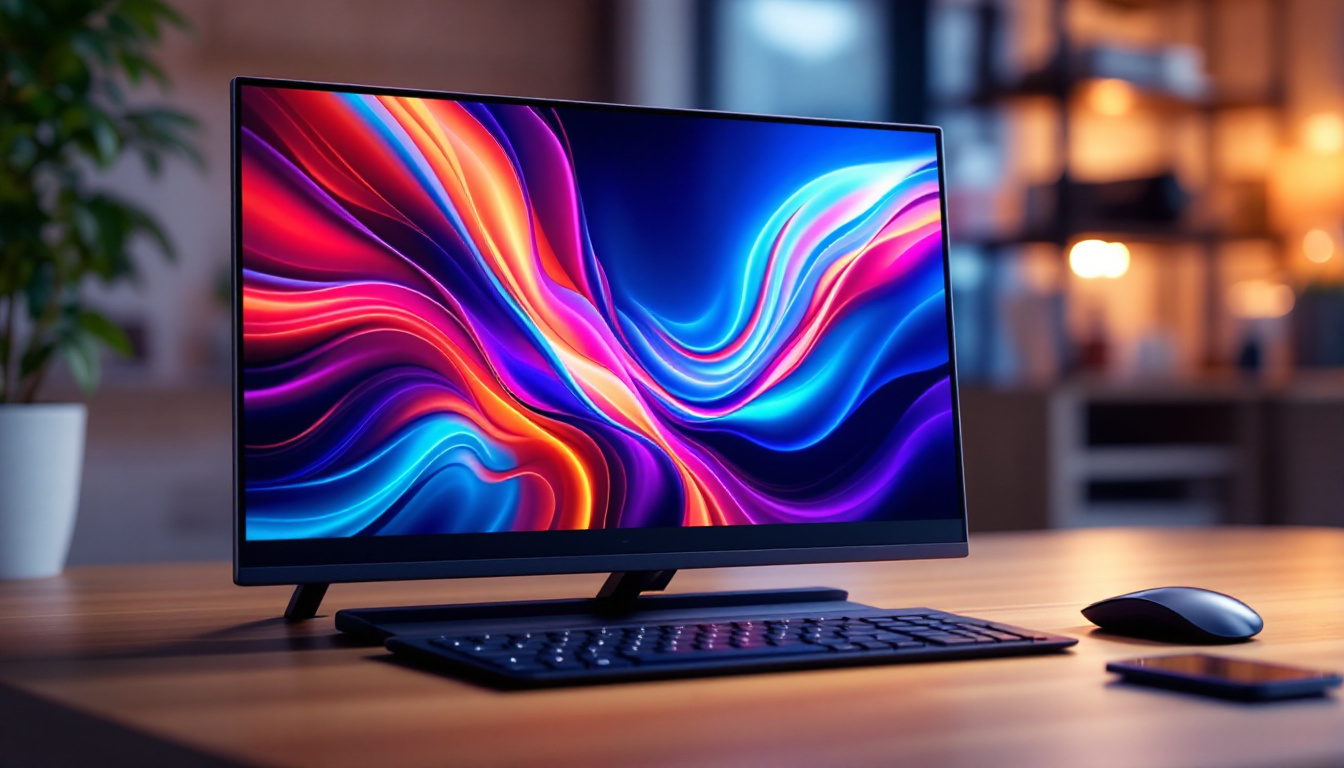
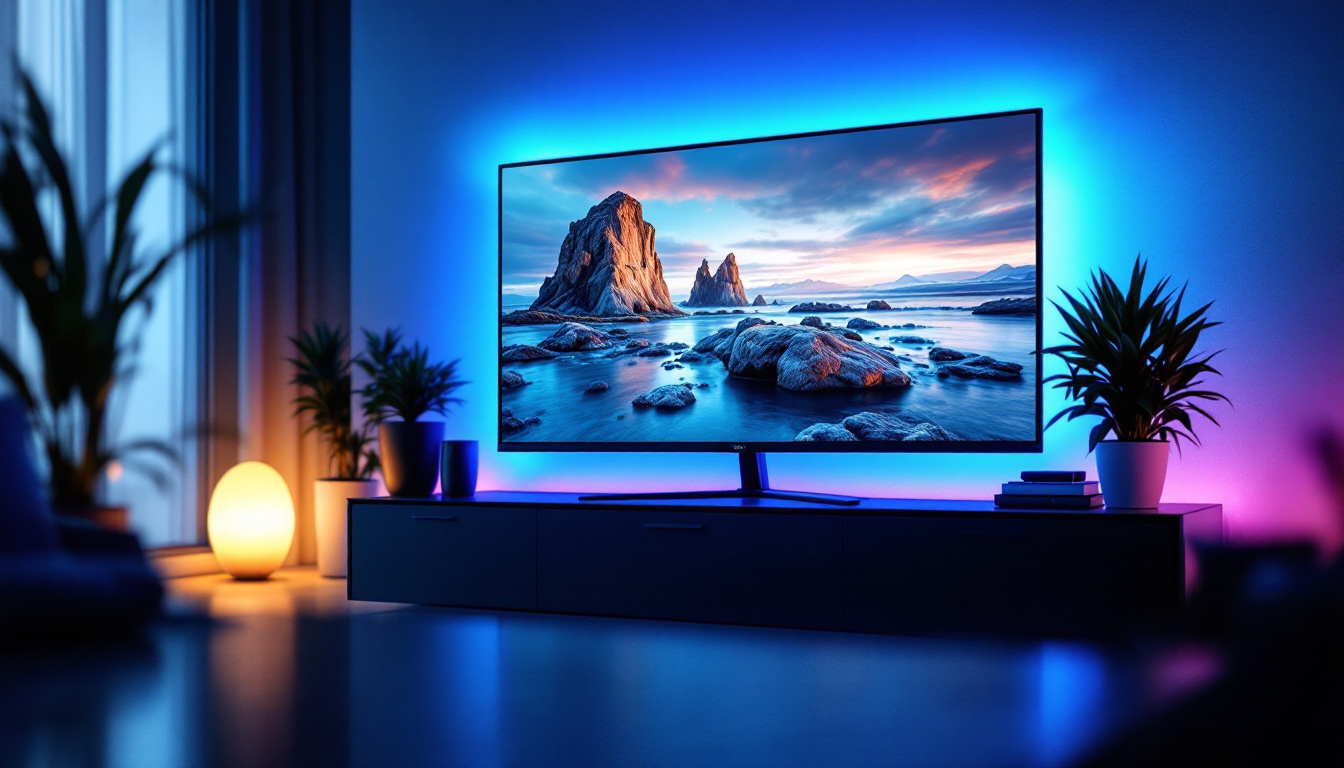
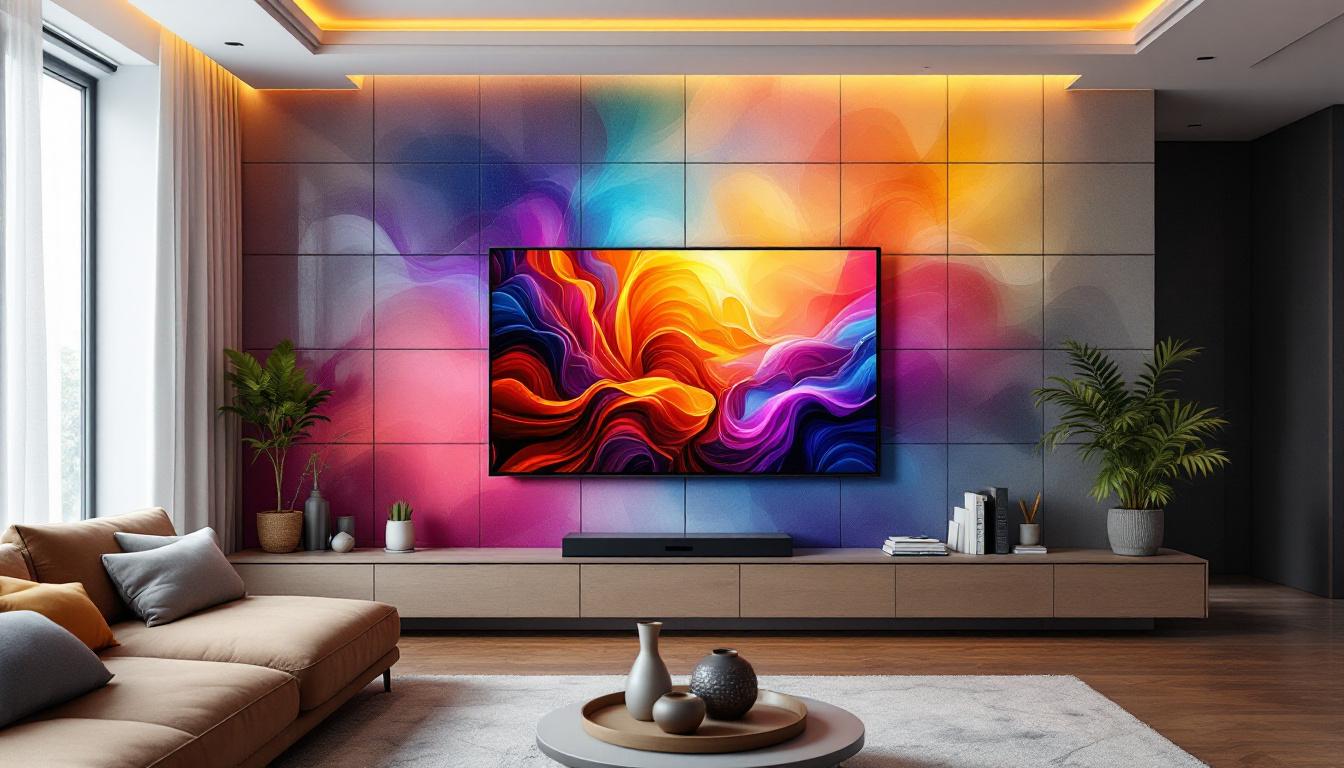
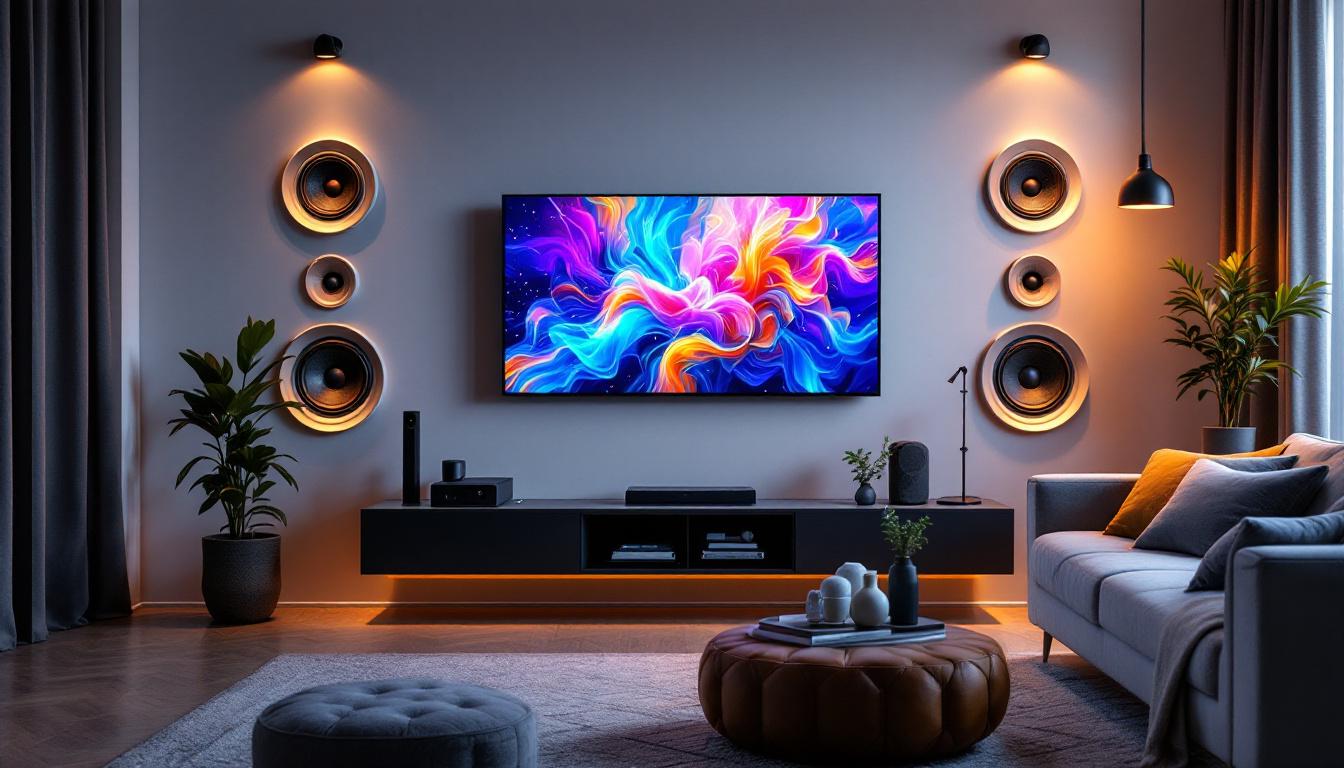
From smartphones and televisions to computer monitors and wearable devices, LED technology plays a central role. LED-backlit LCD screens dominate the market for TVs and monitors, offering better energy efficiency and thinner designs compared to older CCFL-backlit LCDs. OLED displays, a subtype of LED technology, are gaining popularity for their superior contrast ratios and flexibility.
Advertising and Public Information
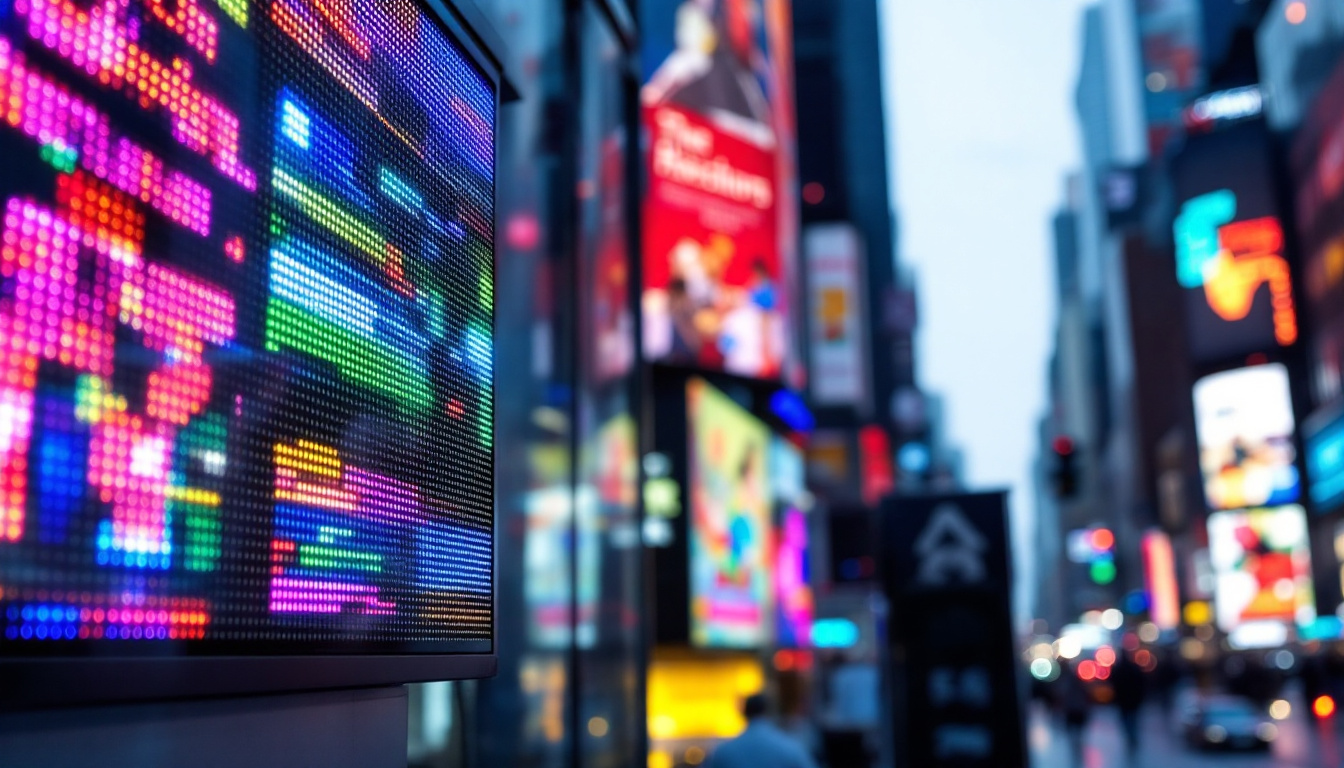
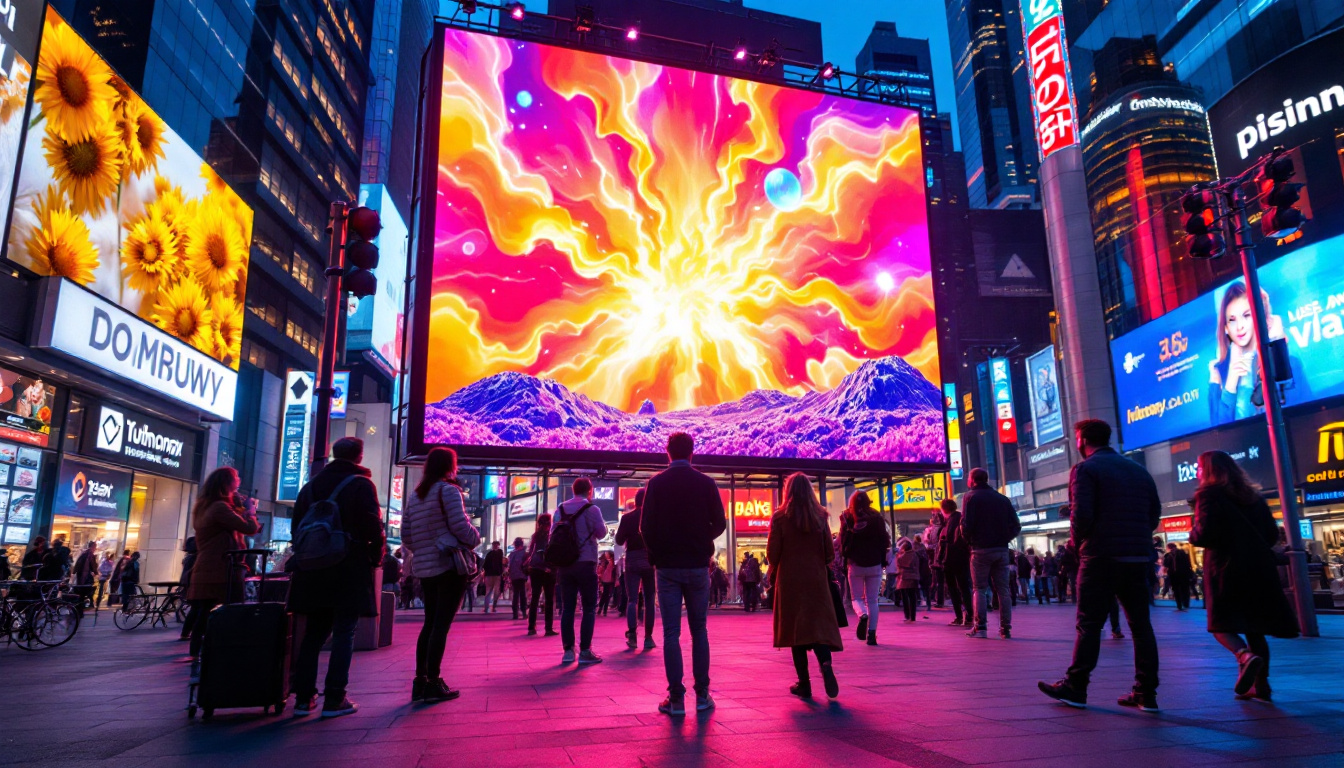
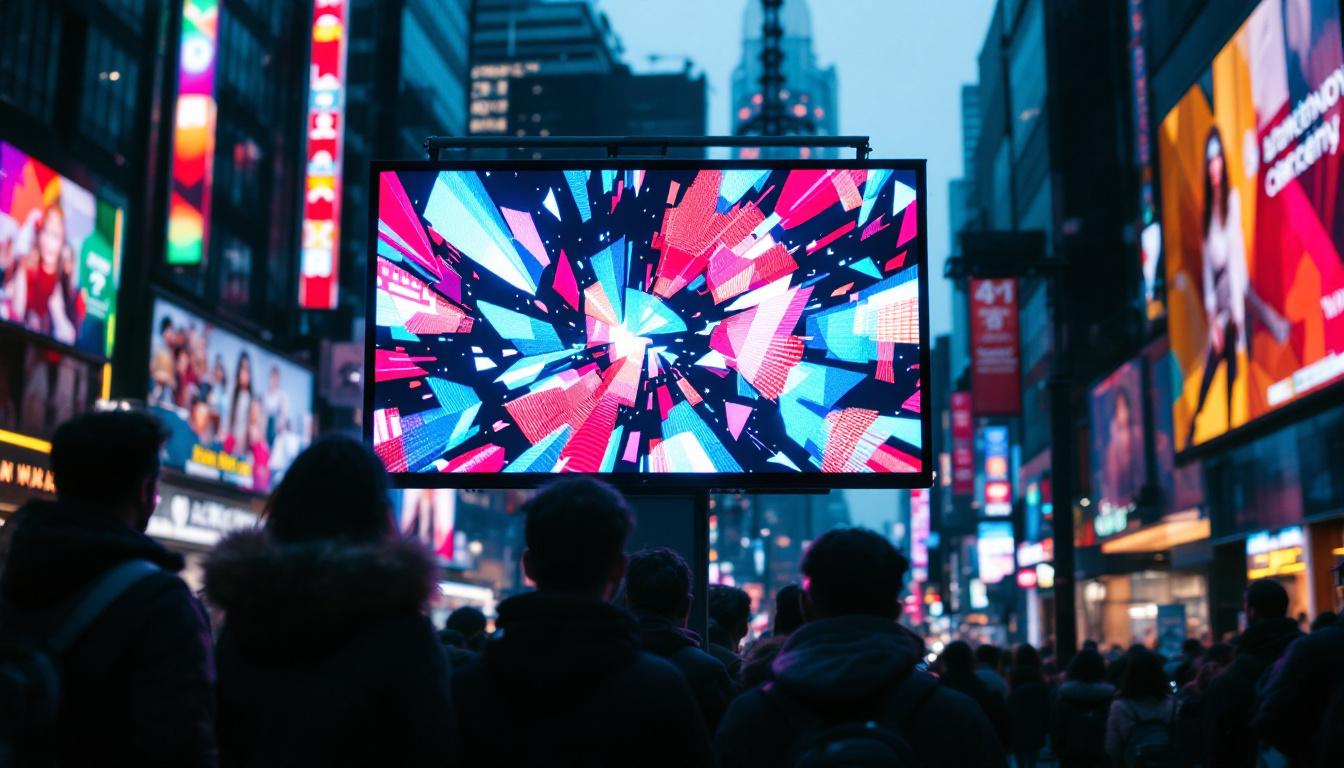
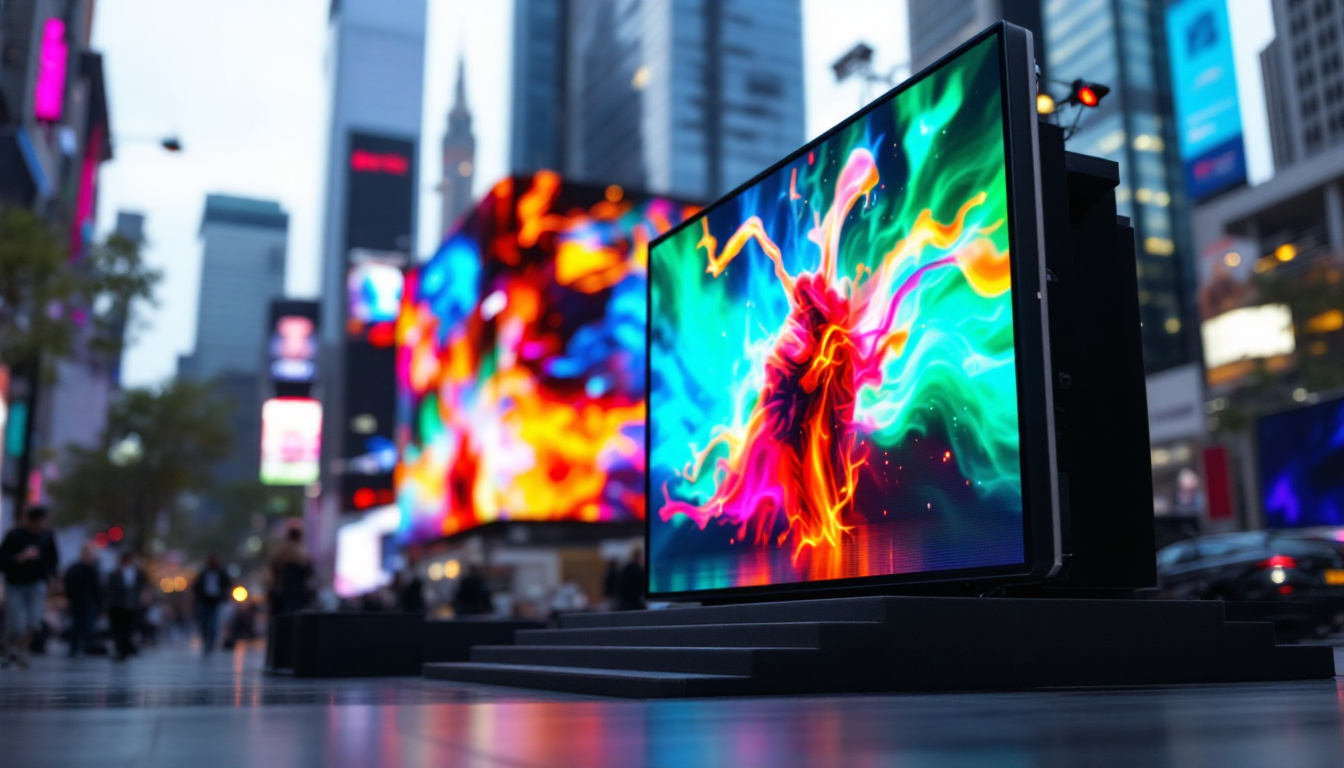
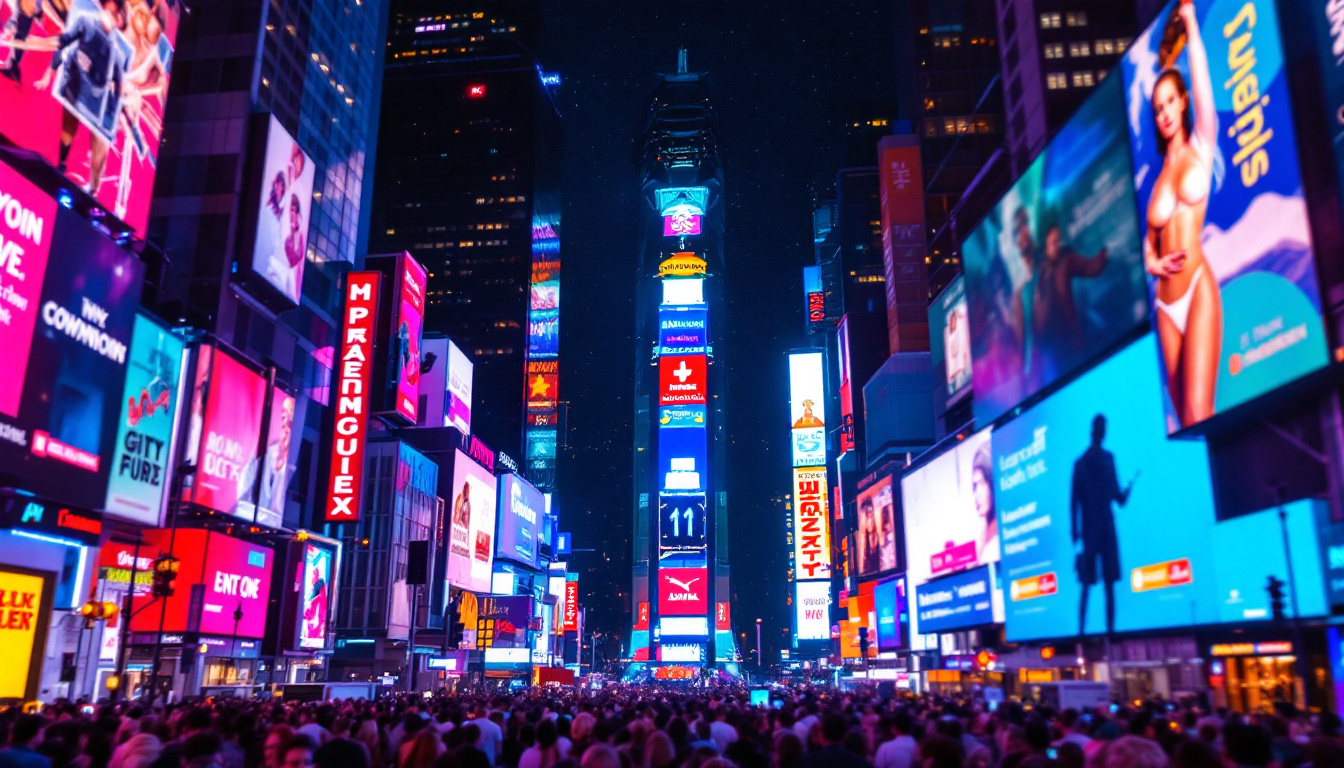
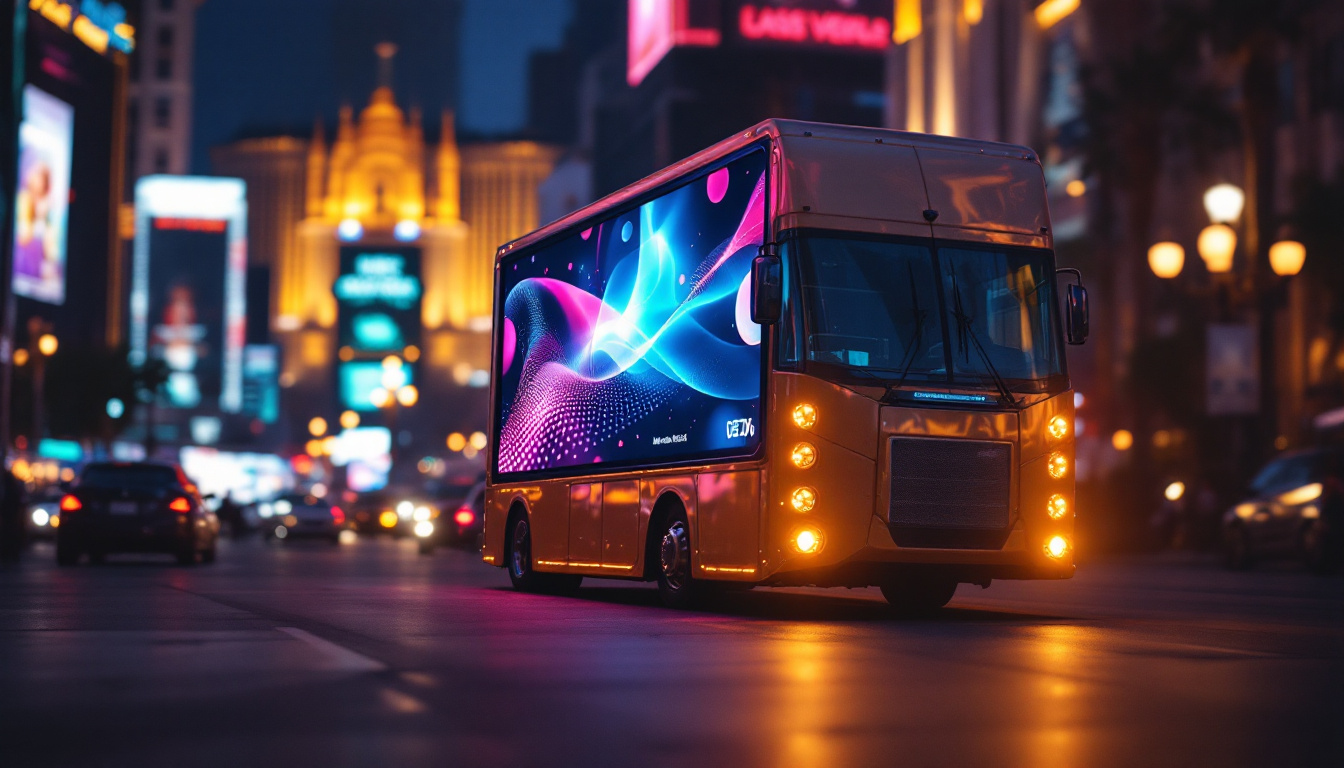
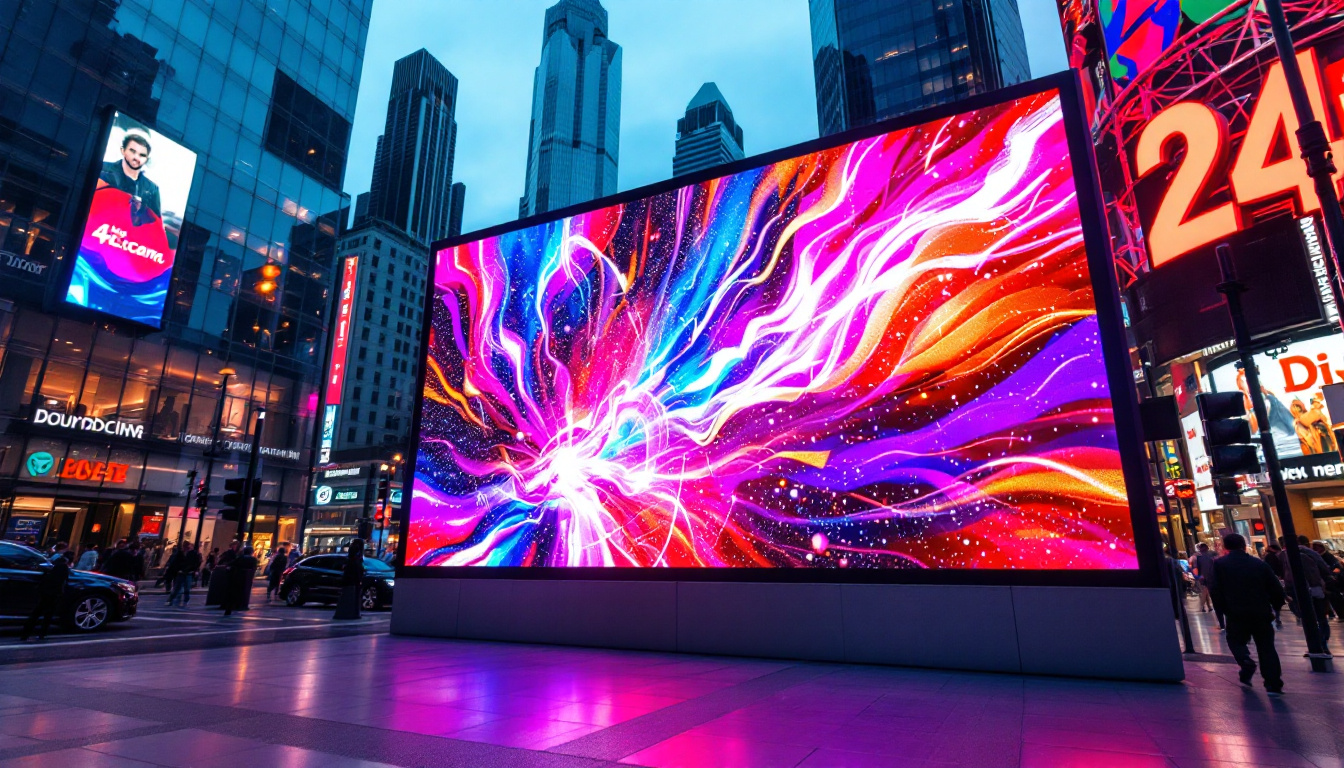
Large-format LED displays are a staple in outdoor advertising, sports arenas, and public transportation hubs. Their brightness and durability make them ideal for delivering dynamic content that can be updated in real-time. According to recent market reports, the global LED display market is projected to grow significantly, driven by increasing demand for digital signage and smart city initiatives.
Automotive Lighting and Displays
LEDs have revolutionized vehicle lighting, offering brighter headlights, taillights, and interior lighting with lower power consumption. Additionally, LED displays are used in dashboards and infotainment systems, improving visibility and aesthetics.
Future Trends in LED Display Technology
The LED industry continues to innovate, with several emerging trends shaping the future of displays.
MicroLED Displays
MicroLED technology involves tiny LEDs, each smaller than 100 micrometers, which serve as individual pixels. This technology promises the benefits of OLEDs—such as high contrast and wide color gamut—while overcoming their limitations like burn-in and shorter lifespan. MicroLED displays are expected to find applications in premium TVs, augmented reality (AR) devices, and wearable technology.
Flexible and Transparent Displays
Advancements in LED materials and manufacturing processes are enabling the creation of flexible and transparent LED displays. These can be integrated into windows, clothing, and curved surfaces, opening up new possibilities for advertising, interior design, and wearable tech.
Energy Harvesting and Smart Integration
Future LED displays may incorporate energy harvesting technologies, such as solar cells, to power themselves partially or fully. Additionally, integration with Internet of Things (IoT) platforms will allow for smarter, more interactive displays that adapt content based on environmental data and user interaction.
Conclusion
The full form of LED—Light Emitting Diode—belies the profound impact this technology has had on modern display and lighting solutions. From energy efficiency and longevity to superior brightness and color quality, LED displays have transformed how information and entertainment are presented across various industries.
Understanding the technology behind LED displays helps appreciate their advantages and potential. As innovations like MicroLED and flexible displays continue to develop, LEDs will remain at the forefront of visual technology, shaping the future of digital communication and lighting.
Discover the Future of Visual Technology with LumenMatrix
As you’ve seen, LED displays are integral to the evolution of digital communication and lighting. Embrace the future with LumenMatrix, a pioneer in LED display technology. Our extensive range of products, including Indoor and Outdoor LED Wall Displays, Vehicle LED Displays, LED Poster Displays, LED Sports Displays, Floor LED Displays, Custom LED Displays, All-in-One LED Displays, and LED Transparent Displays, are designed to captivate and engage your audience. Experience the revolution in visual communication and enhance your brand’s visibility with our cutting-edge solutions. Check out LumenMatrix LED Display Solutions today and see your message come to life with unparalleled clarity and impact.