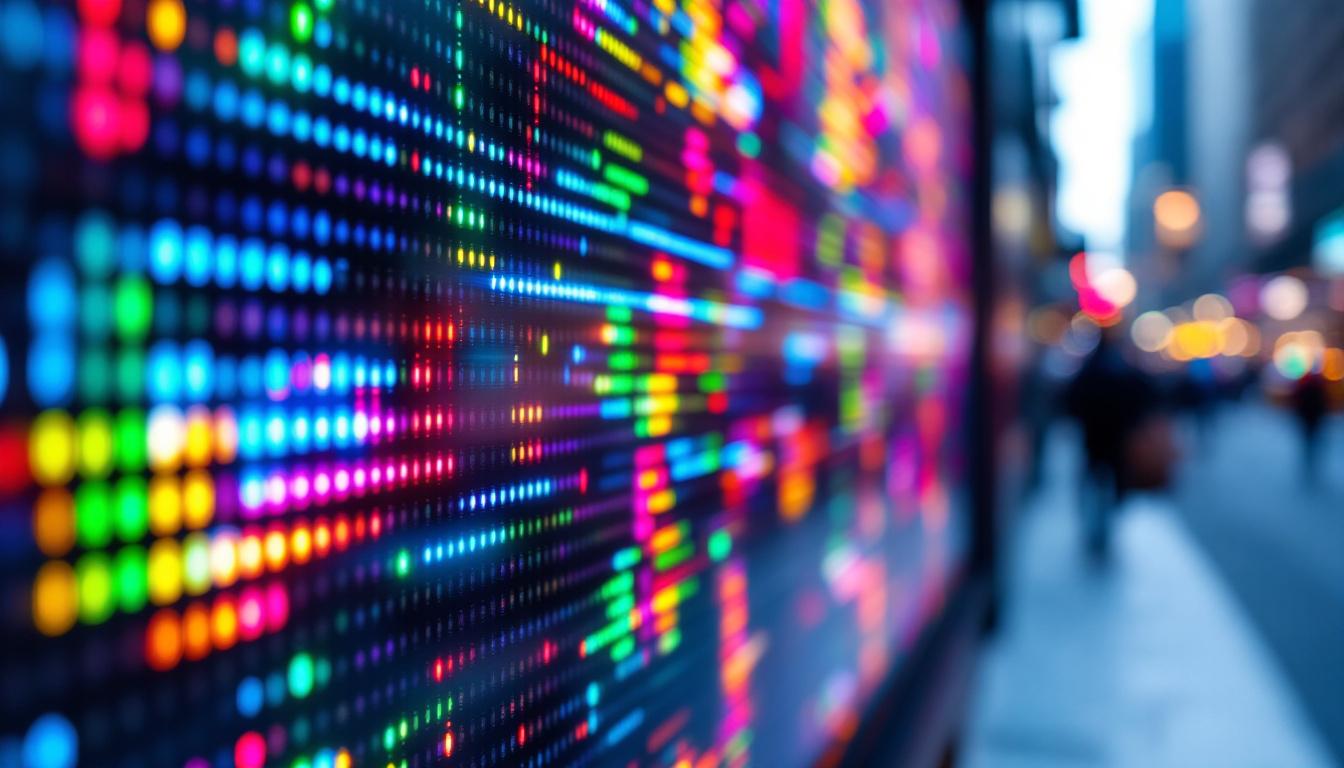
In today’s fast-paced digital world, visual communication plays a crucial role in how businesses, public institutions, and advertisers engage with their audiences. Among the most dynamic and versatile tools for visual messaging are LED programmable displays. These displays have revolutionized the way information is presented, offering vibrant, customizable, and energy-efficient solutions that capture attention instantly.
This article delves into the fundamentals of LED programmable displays, exploring their technology, applications, advantages, and future trends. Whether you’re a business owner considering digital signage or a technology enthusiast curious about LED innovations, this comprehensive guide will provide clarity and insight.
Understanding LED Programmable Displays
What Is an LED Programmable Display?
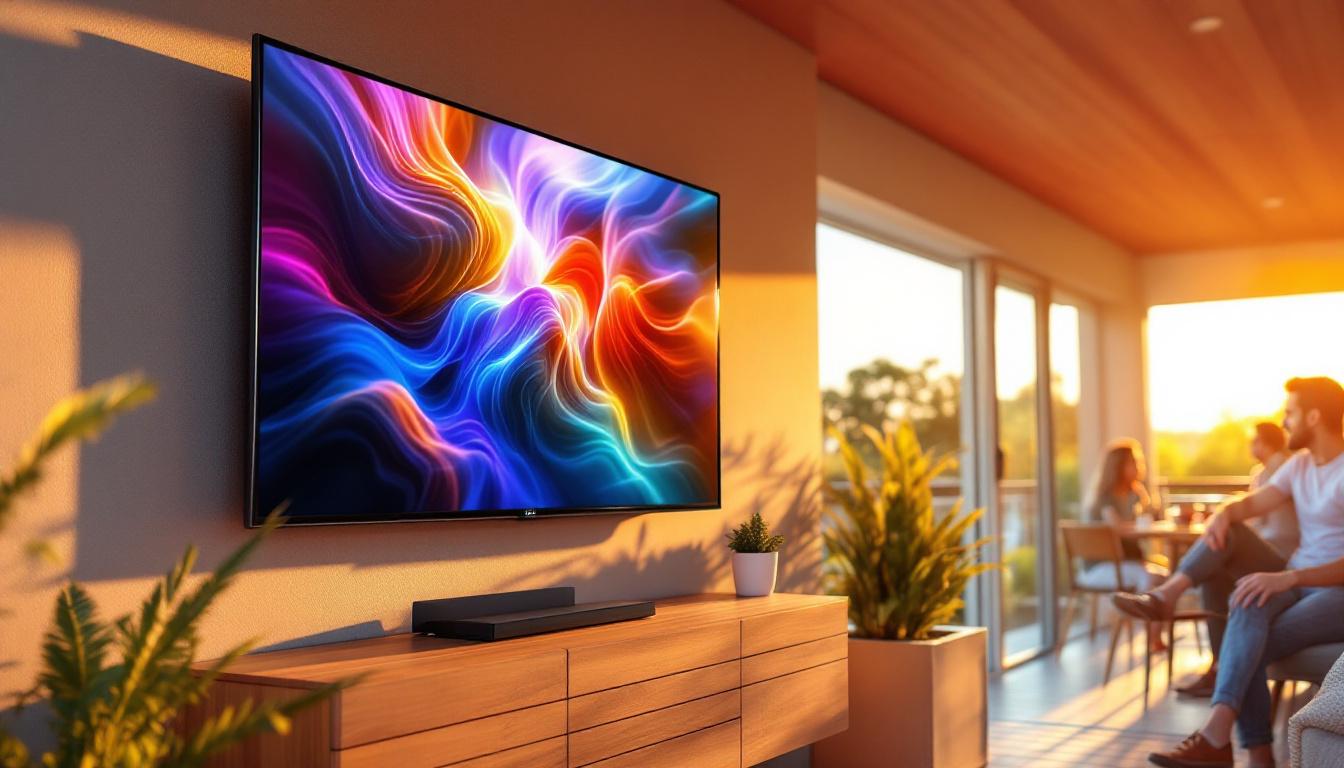
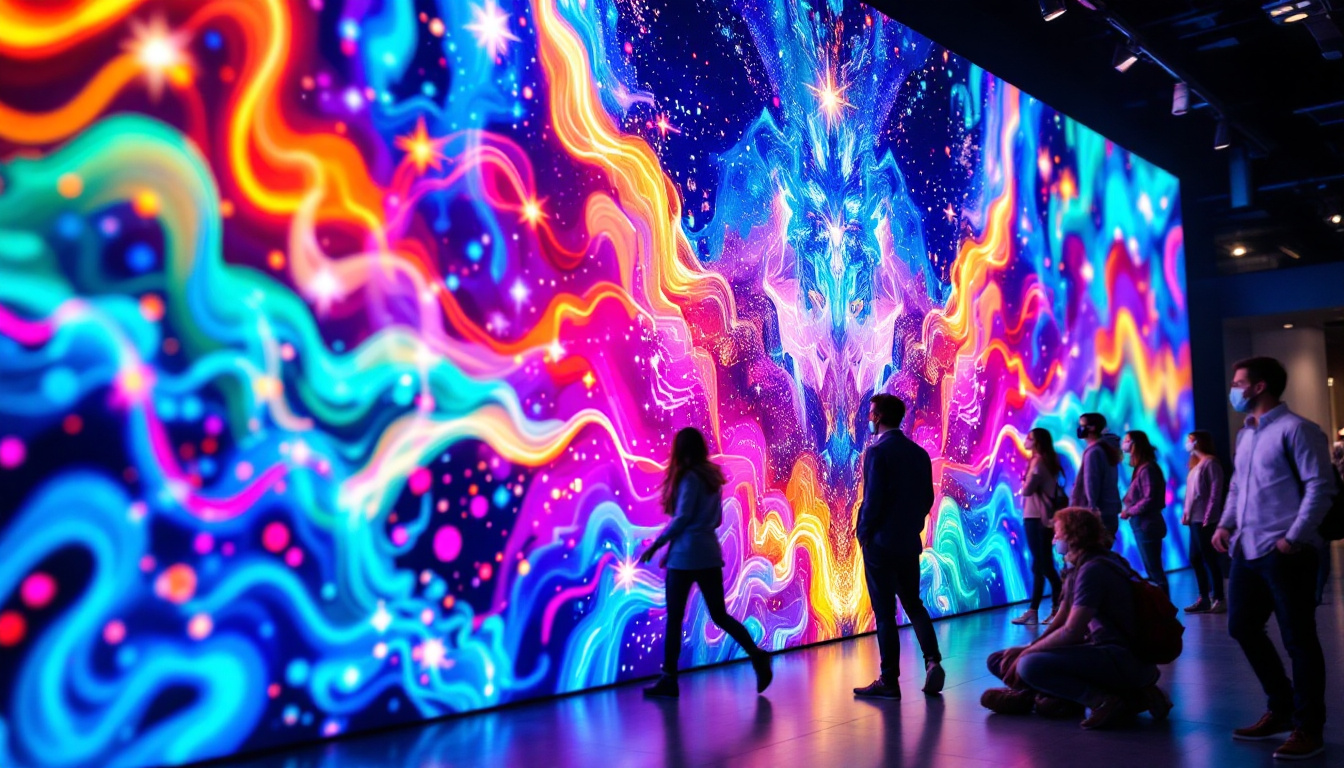
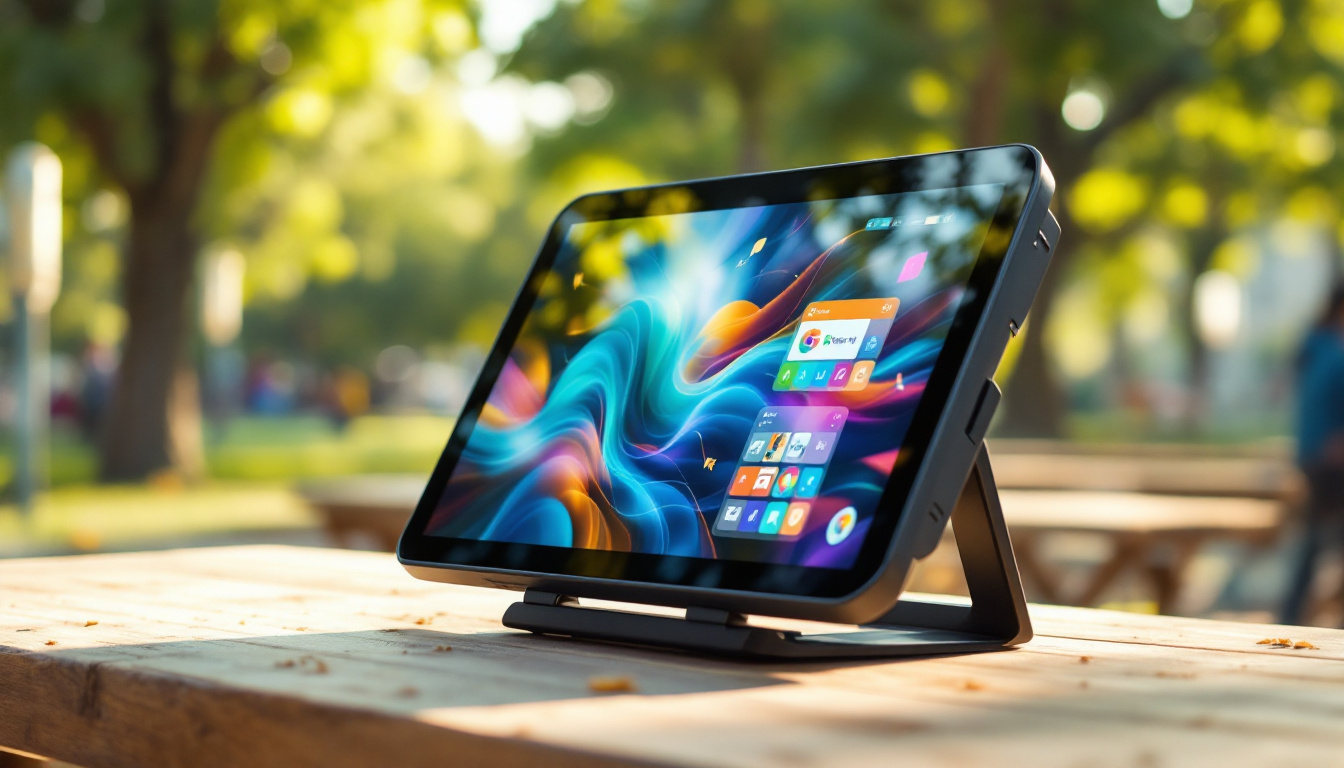
An LED programmable display is a digital screen composed of light-emitting diodes (LEDs) that can be programmed to show various types of content, including text, images, videos, and animations. Unlike traditional static signs, these displays allow users to change the content remotely and in real-time, making them highly adaptable for different messaging needs.
The programmability aspect means that the content can be scheduled, updated, or altered using software, often via a computer or mobile device. This flexibility is particularly beneficial for businesses and organizations that require frequent updates, such as retail promotions, event announcements, or public safety alerts. Additionally, the ability to customize messages based on specific times of day or audience demographics can significantly enhance engagement and effectiveness. For instance, a restaurant could display breakfast specials in the morning and transition to dinner promotions later in the day, maximizing the relevance of their messaging.
How Does an LED Display Work?
At the core of an LED display are thousands of tiny LEDs arranged in a grid. Each LED acts as a pixel, emitting light in red, green, and blue (RGB) colors. By adjusting the intensity of each color, the display can produce a wide spectrum of colors, enabling it to render detailed and vibrant images.
The display is controlled by a processor and software that manage the timing and color output of each LED. This control system receives input data—such as images or video files—and translates it into signals that drive the LEDs accordingly. The result is a seamless, bright, and eye-catching visual output. Moreover, advancements in technology have led to the development of high-definition LED displays that offer superior resolution and clarity, making them ideal for applications such as live event broadcasting or immersive advertising experiences. The integration of smart technology also allows these displays to interact with other devices, creating a more dynamic and engaging viewer experience.
Types of LED Displays
LED displays come in various forms, each suited for different environments and purposes. The most common types include:
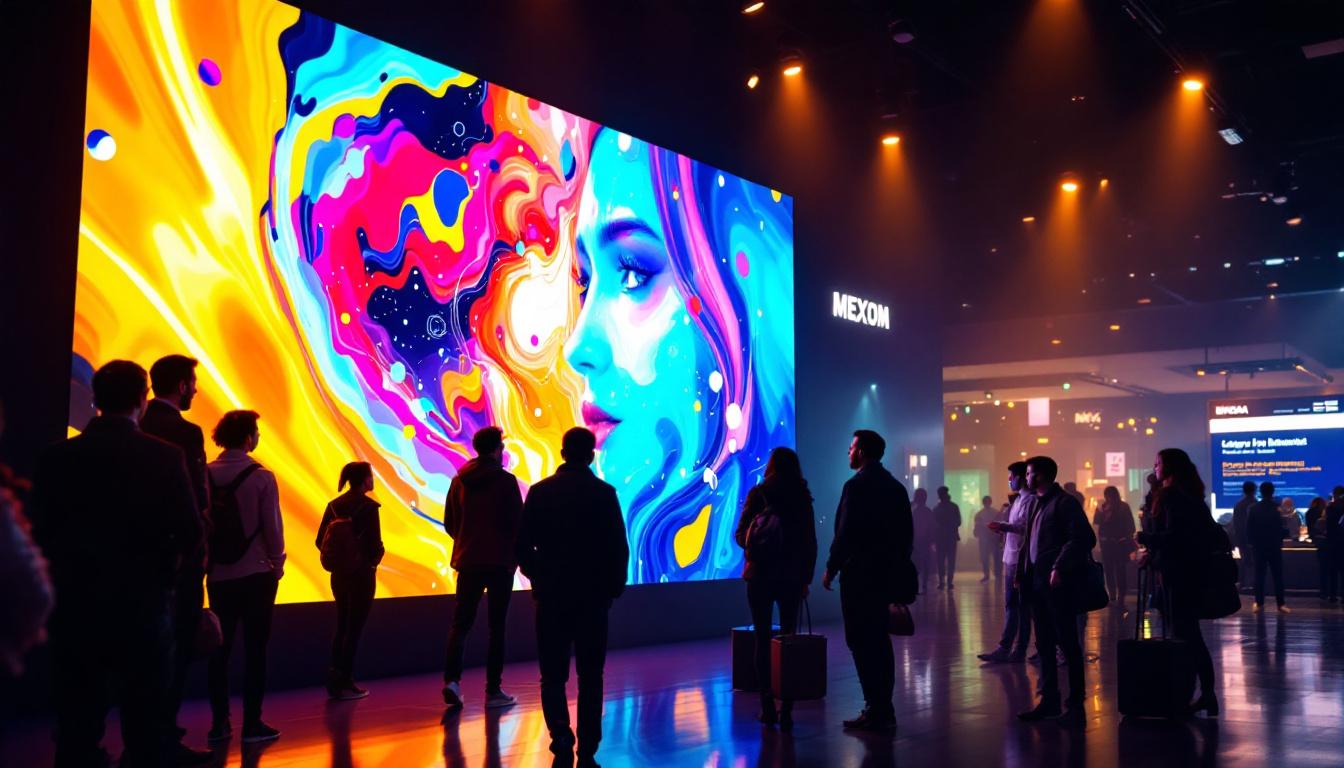
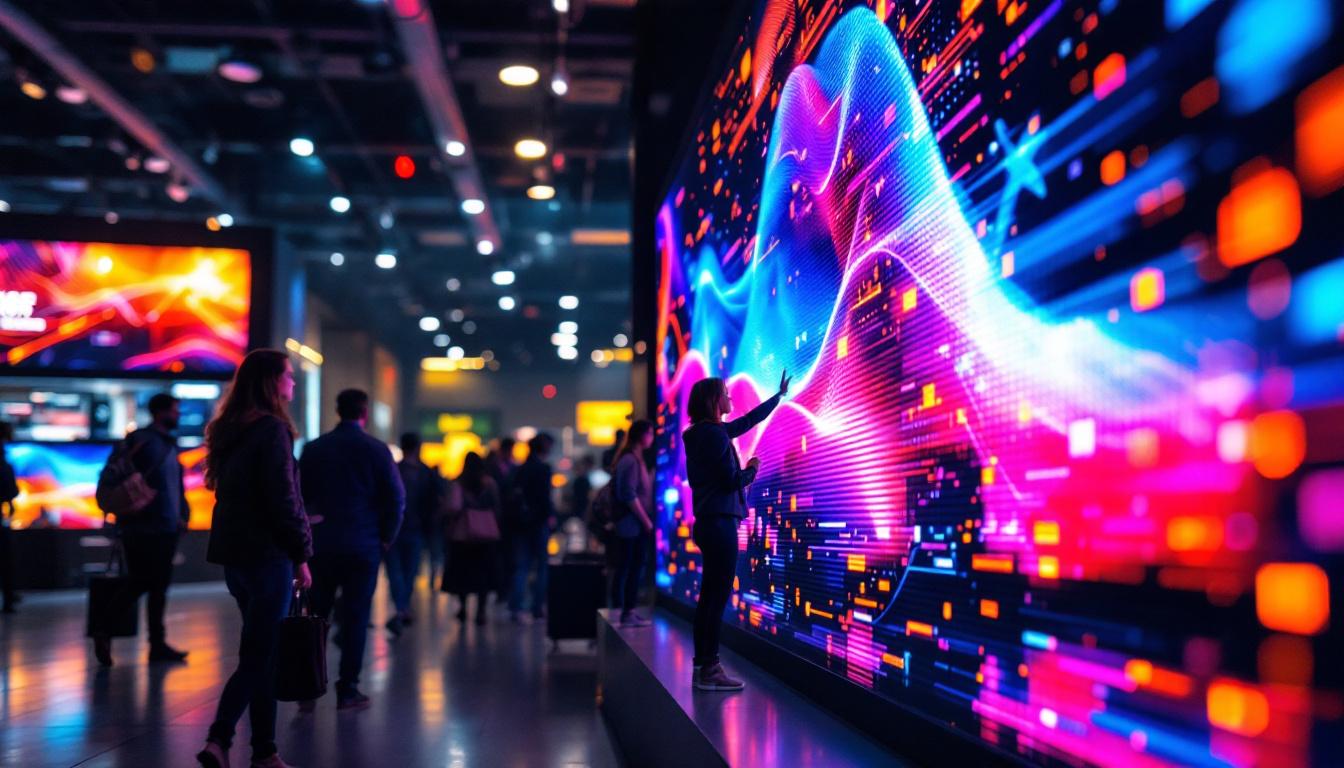
- Indoor LED Displays: Designed for controlled lighting conditions, these displays have higher pixel density for sharper images and are typically used in retail stores, conference rooms, and indoor advertising.
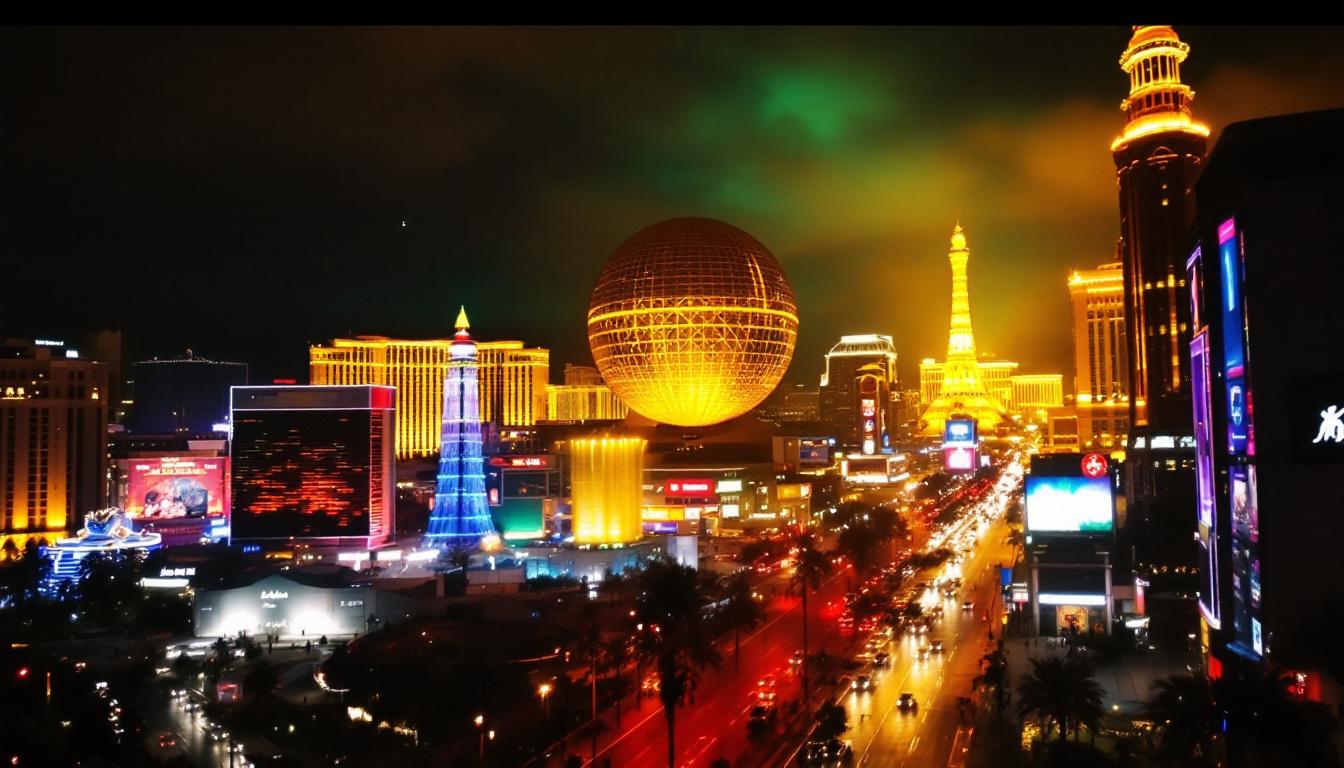
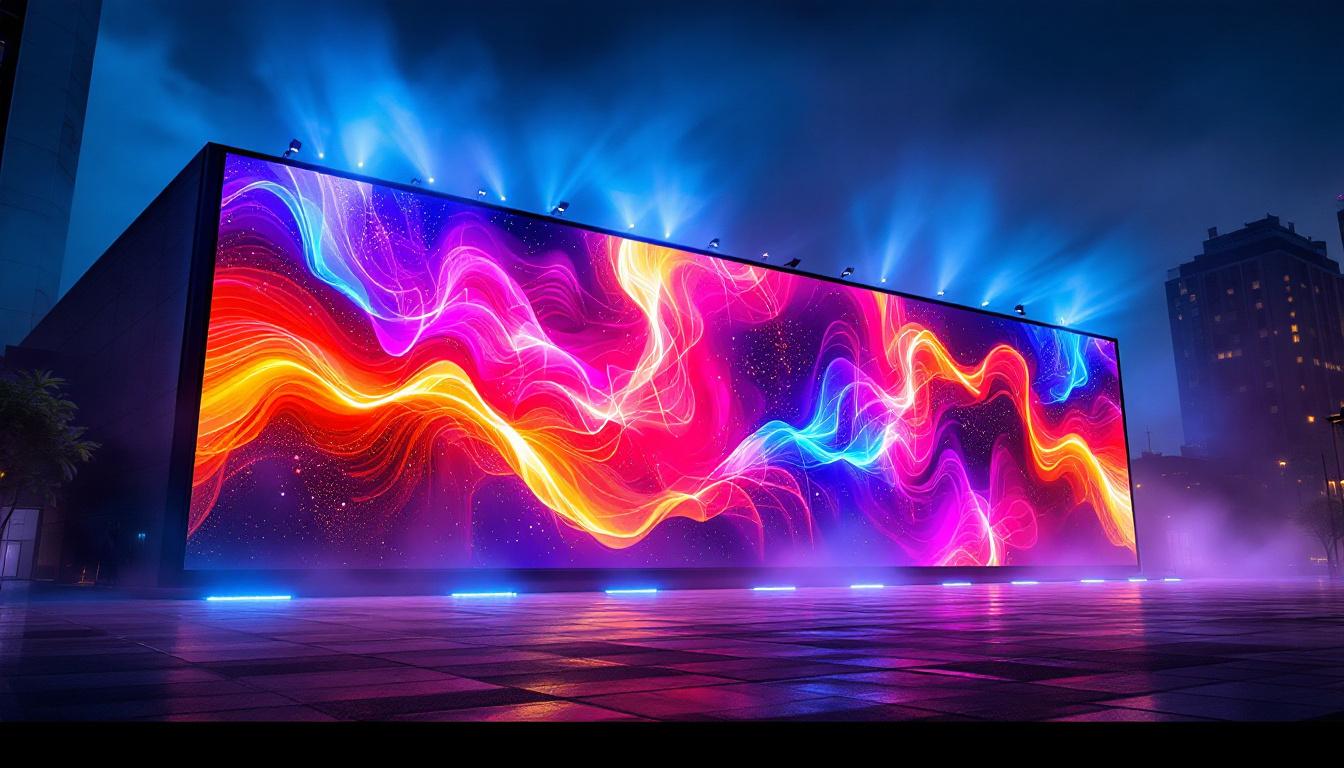
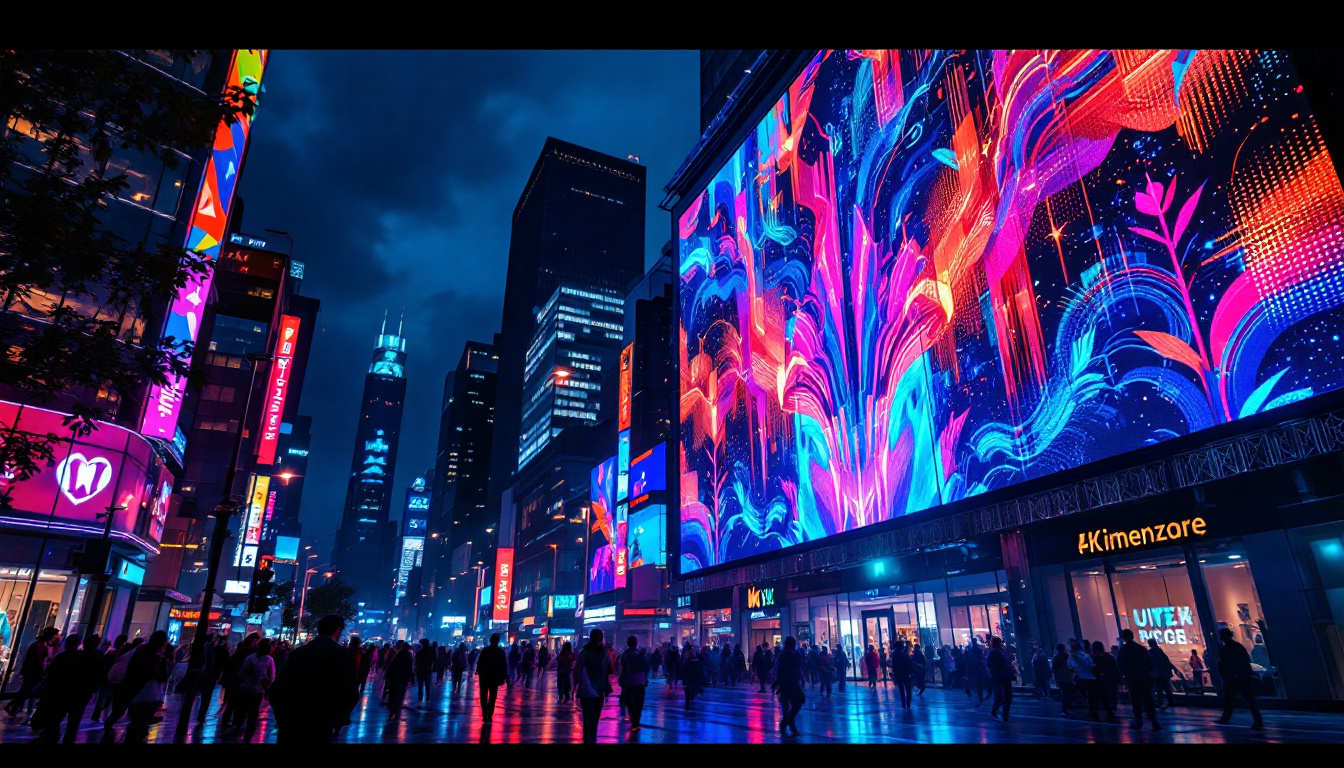
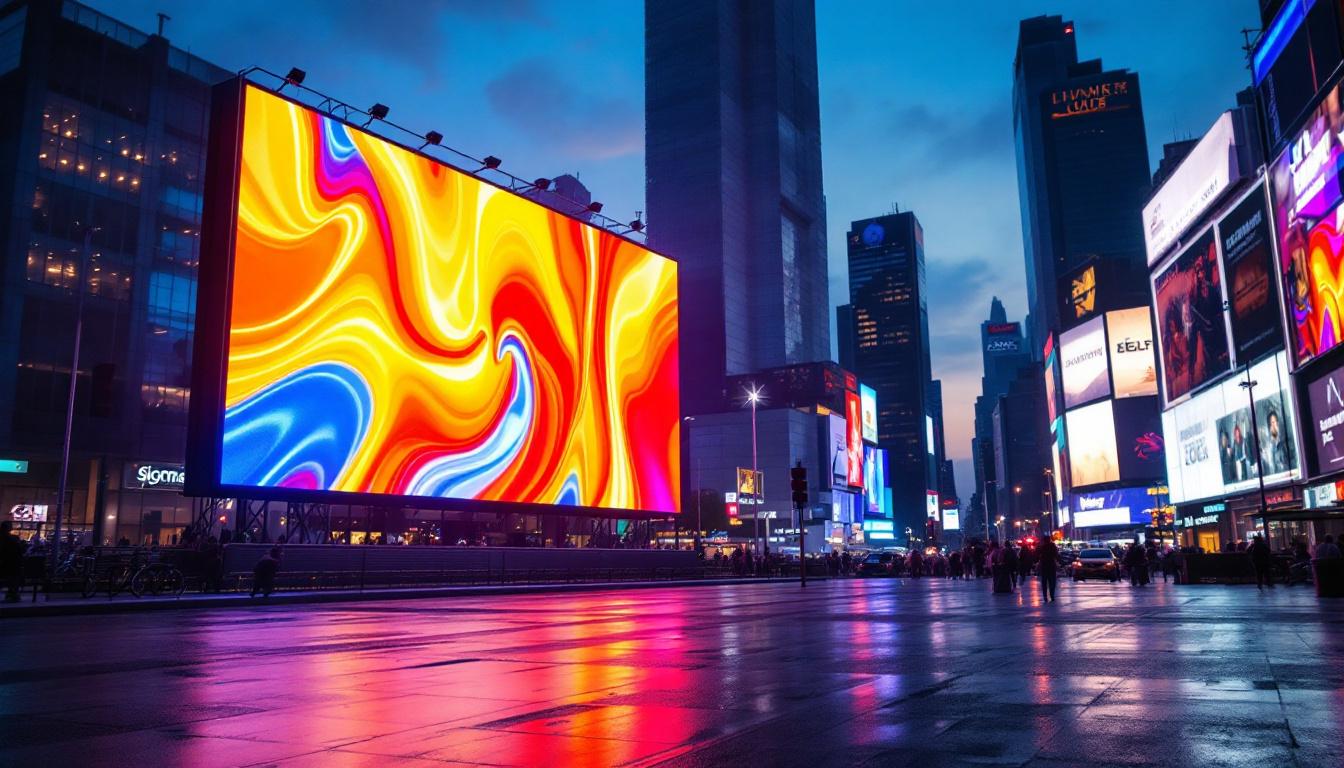
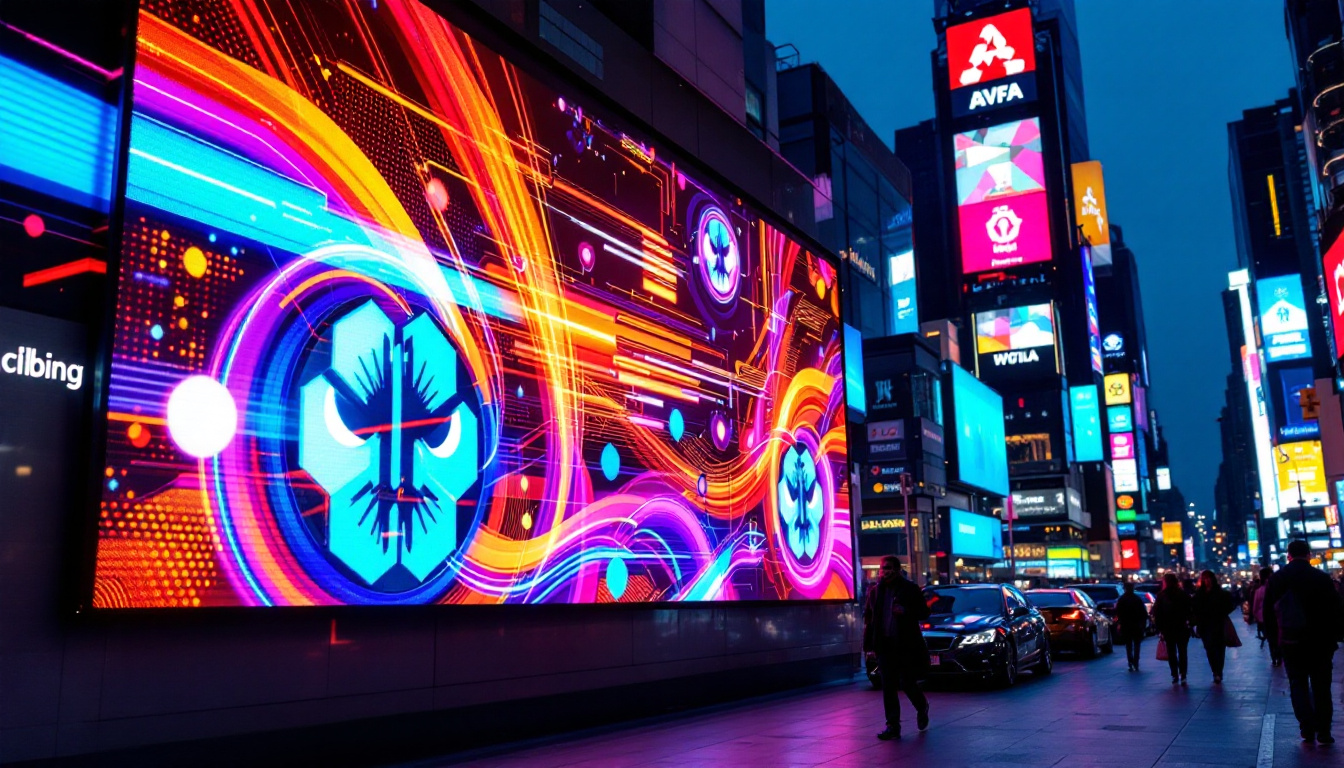
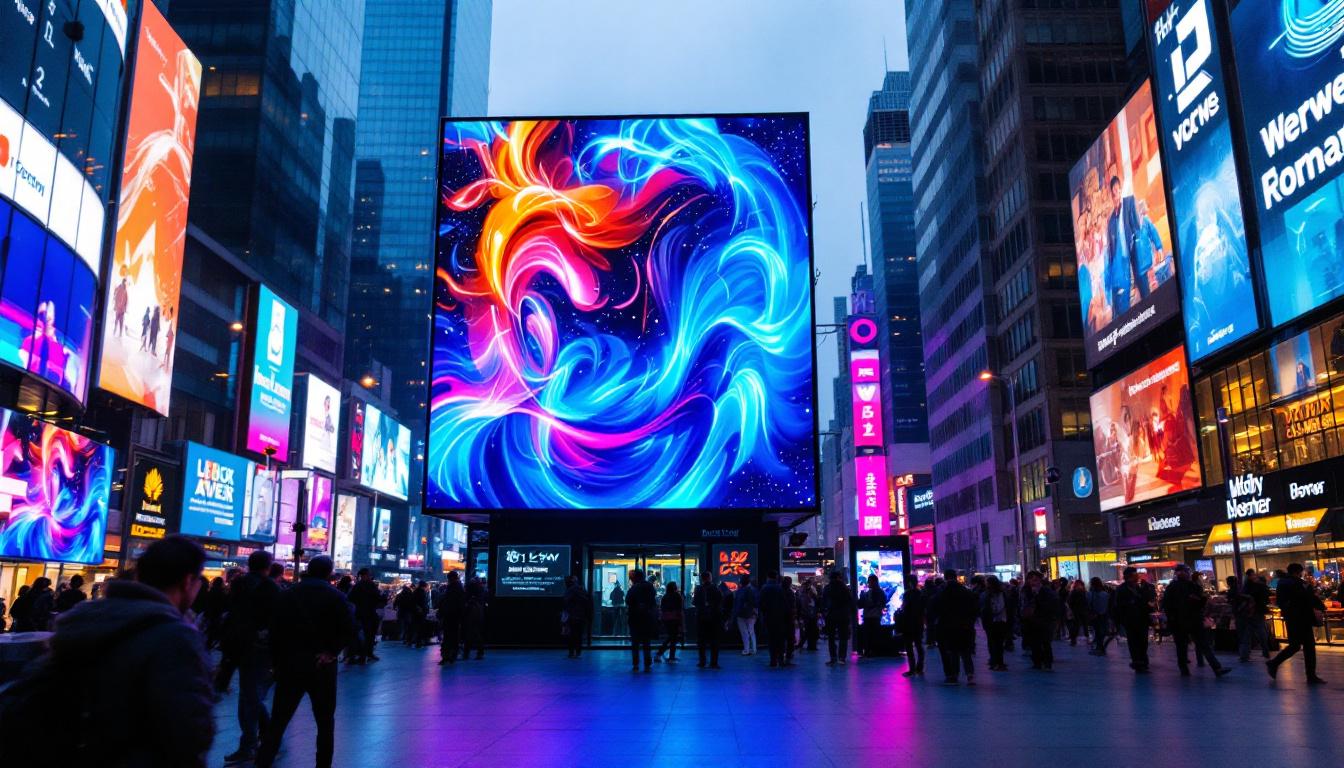
- Outdoor LED Displays: Built to withstand weather elements, these displays are brighter to compete with sunlight and are often used for billboards, stadium screens, and public information boards.
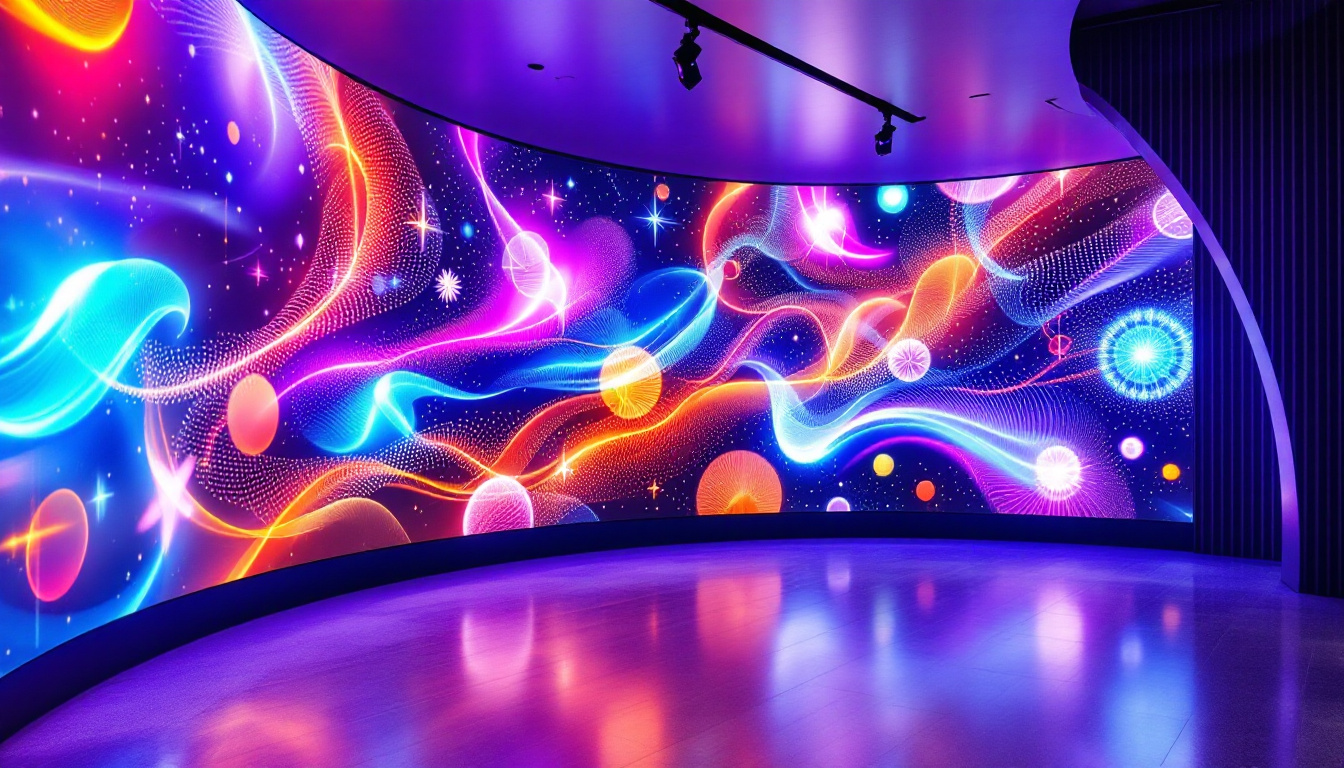
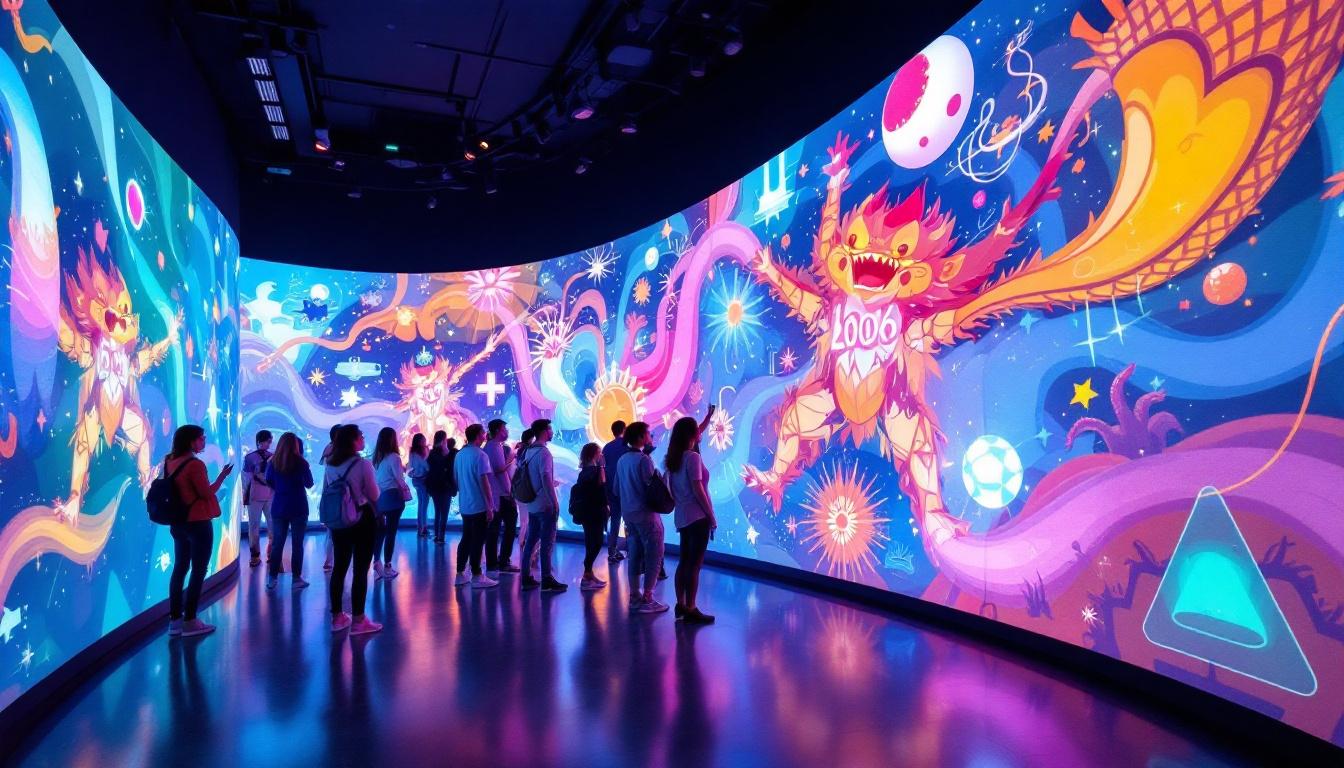
- Flexible and Curved LED Displays: These innovative displays can bend and curve, allowing creative installations on irregular surfaces or architectural features.
- Transparent LED Displays: Allowing light to pass through, these are ideal for storefront windows or glass walls, combining visibility with digital messaging.
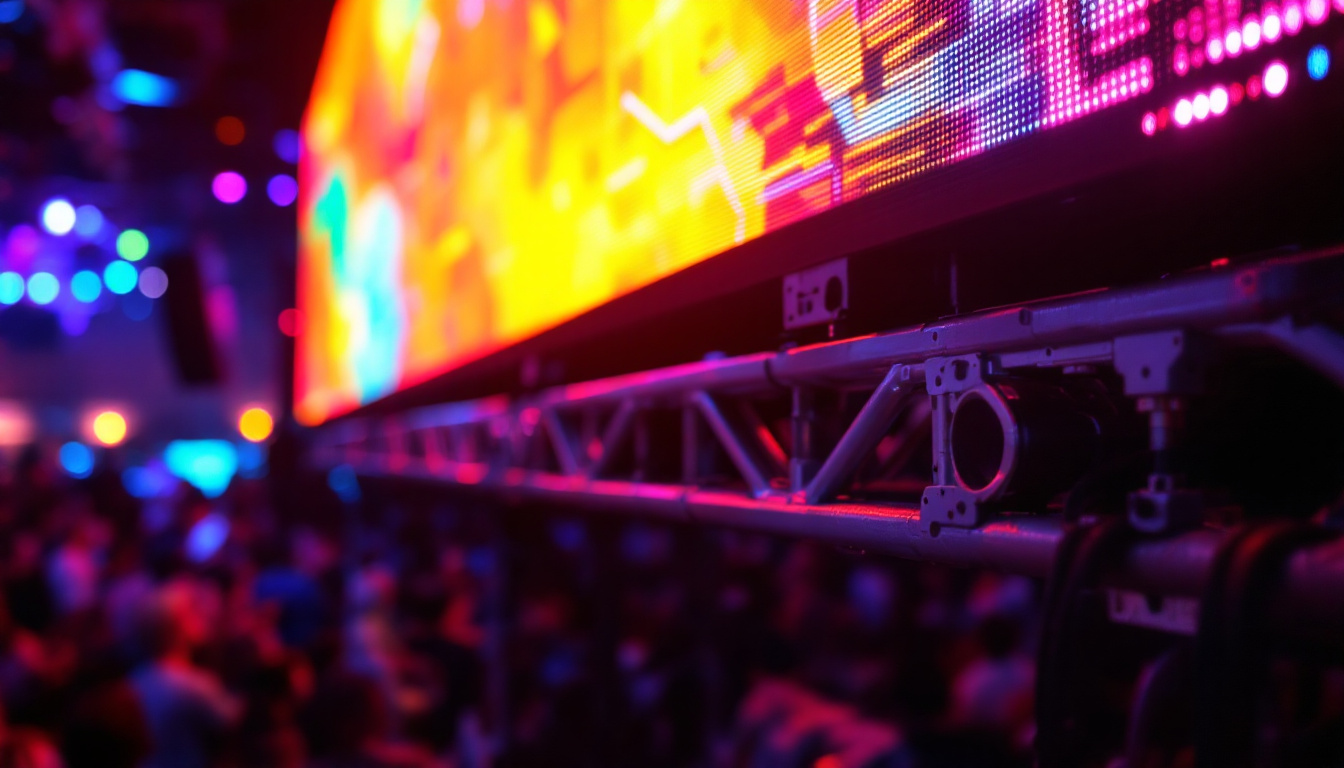
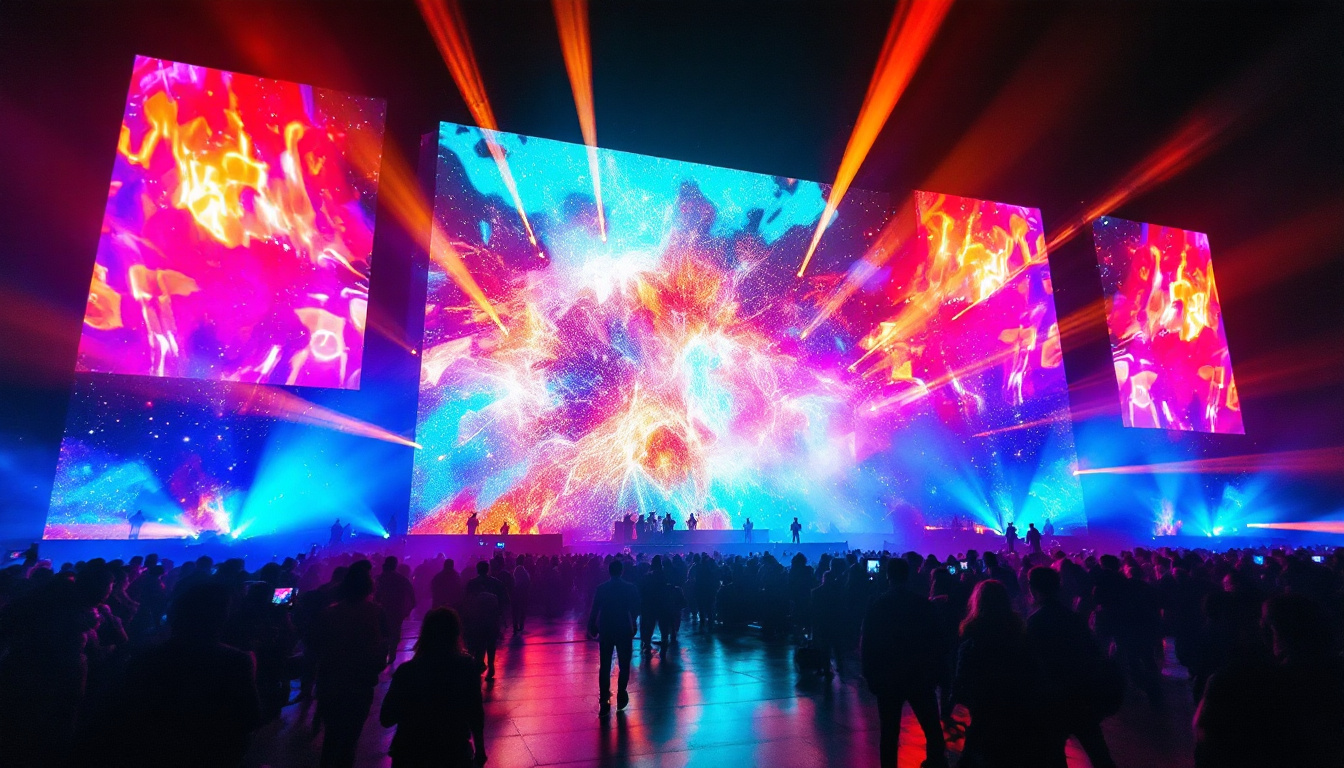
In addition to these common types, there are also specialized LED displays designed for niche applications. For example, rental LED displays are frequently used in concerts and events, providing a temporary yet striking visual experience. Similarly, high-brightness LED displays are specifically engineered for environments with extreme lighting conditions, such as outdoor sports arenas, ensuring that the visuals remain clear and vibrant regardless of the time of day. Furthermore, advancements in LED technology are leading to the emergence of microLED displays, which promise even greater resolution and efficiency, potentially revolutionizing the display market in the near future.
Applications of LED Programmable Displays
Advertising and Marketing
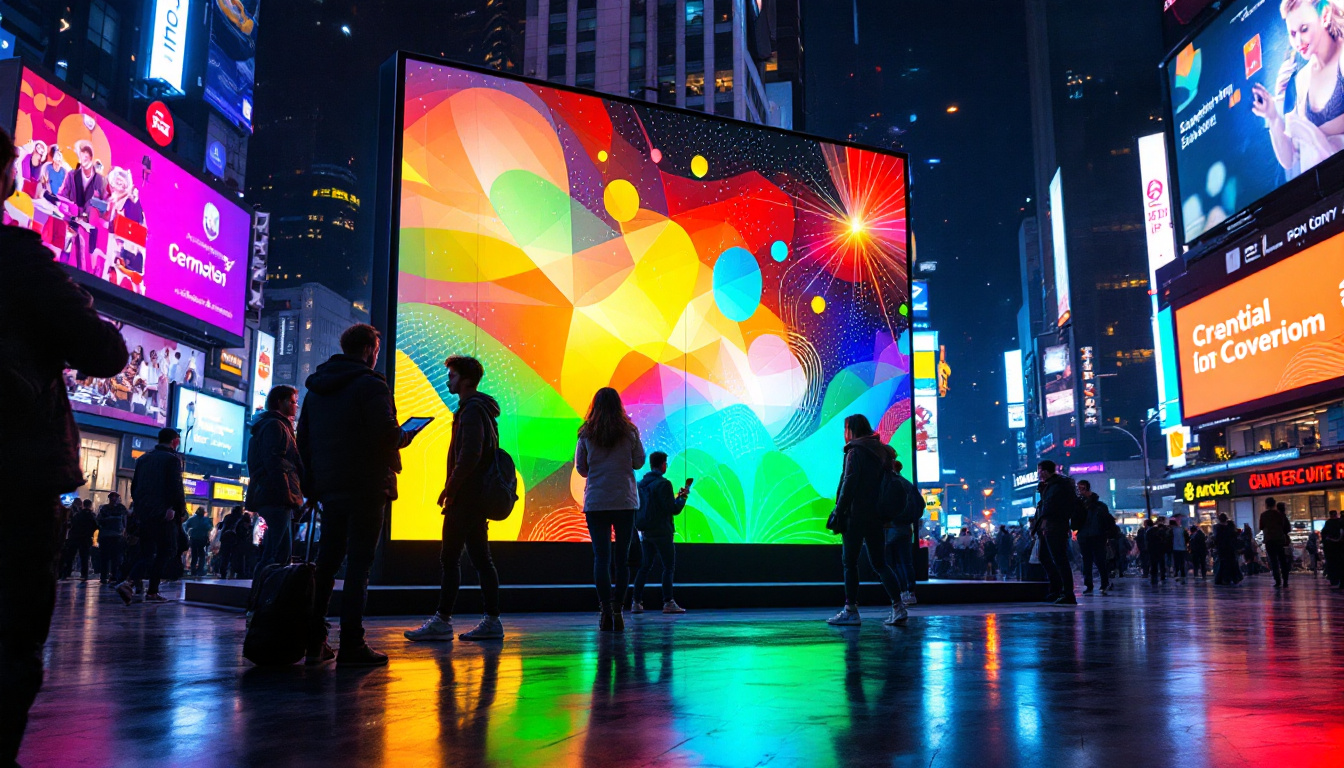
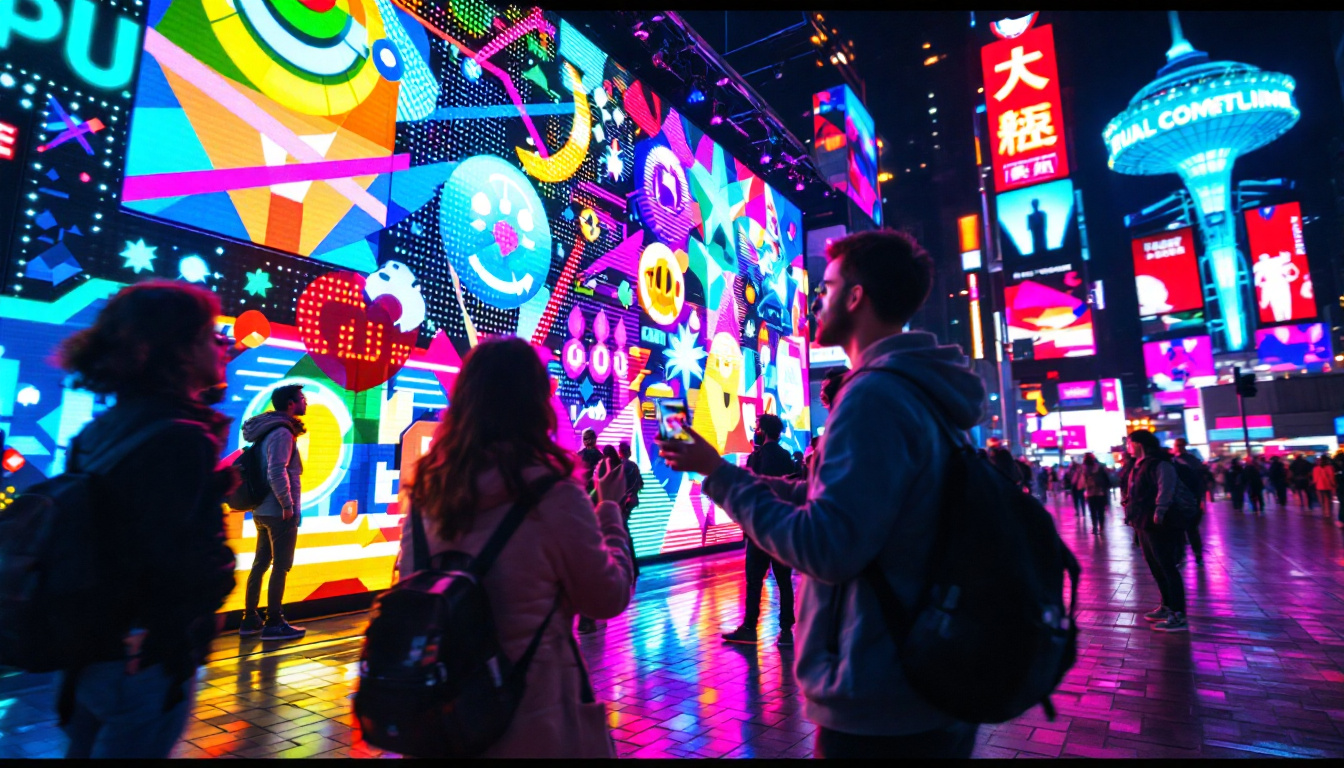
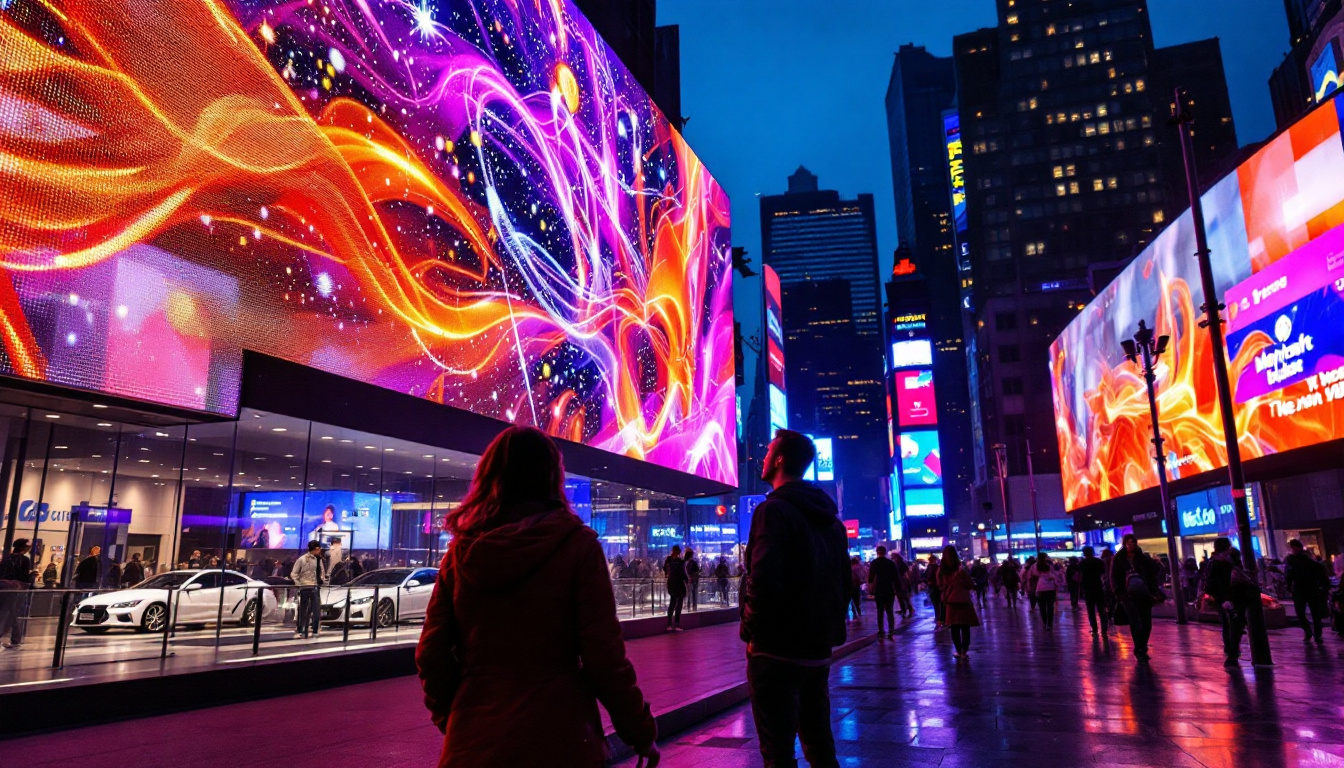
One of the most prevalent uses of LED programmable displays is in advertising. Digital billboards and signage enable brands to deliver eye-catching promotions that can be updated instantly to reflect new campaigns, seasonal offers, or real-time events. According to recent market research, the global digital signage market is expected to reach over $30 billion by 2027, driven largely by LED technology adoption.
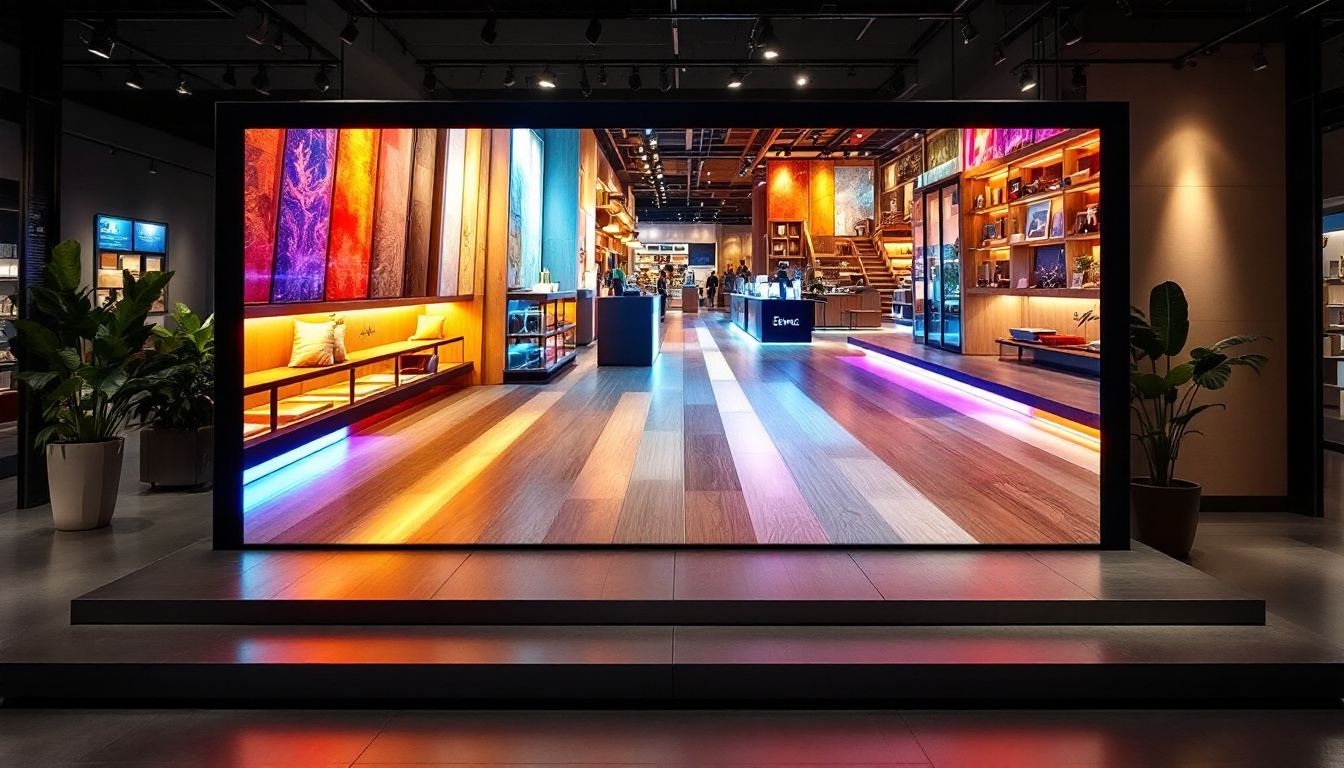
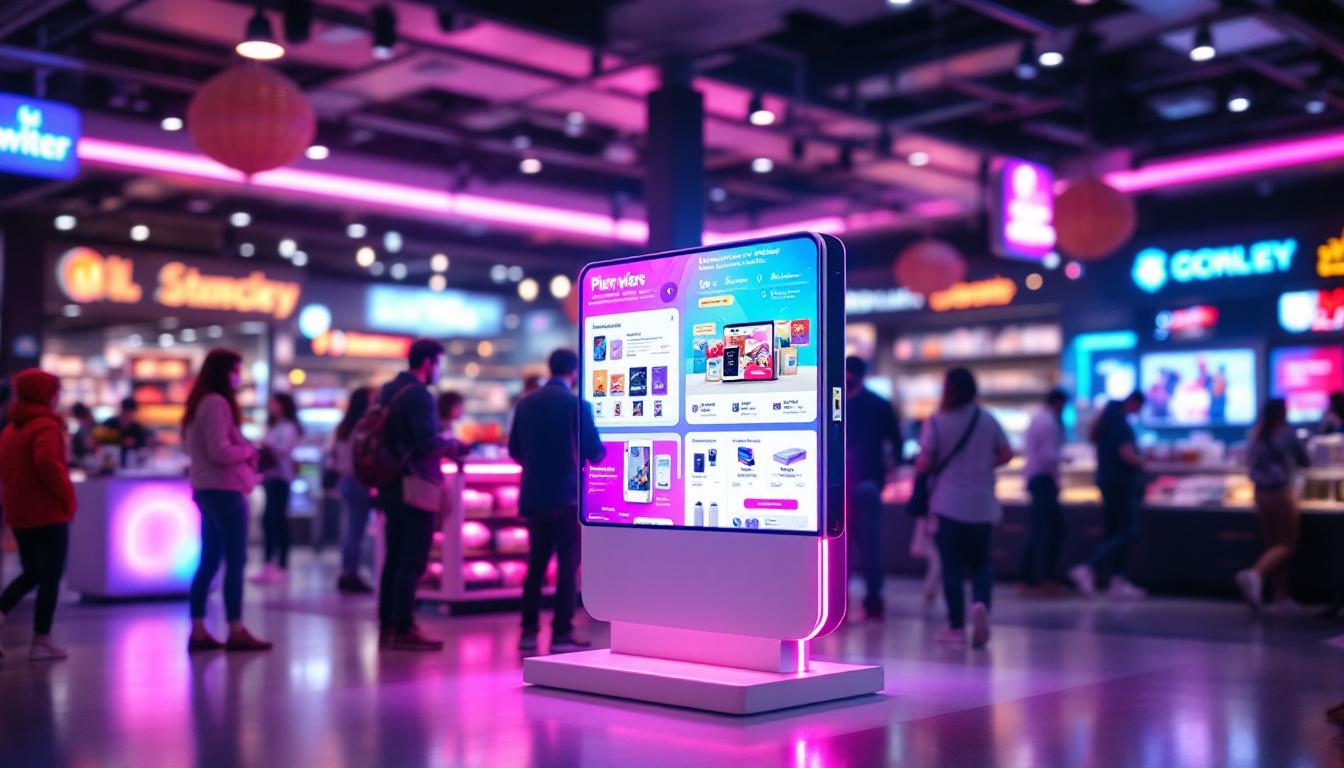
Retailers use LED displays to highlight products, announce flash sales, and enhance store ambiance, which can increase customer engagement and sales. The ability to schedule content based on time of day or audience demographics further enhances marketing effectiveness. Additionally, the integration of social media feeds and user-generated content on these displays can create a sense of community and encourage interaction, allowing brands to connect with their audience in a more meaningful way.
Public Information and Safety
Governments and municipalities utilize LED programmable displays to disseminate important information such as traffic updates, weather alerts, and emergency notifications. The clarity and brightness of LED screens ensure messages are visible even in harsh outdoor conditions, which is critical for public safety.
Transportation hubs like airports and train stations also rely on LED displays for real-time scheduling information, wayfinding, and announcements, improving passenger experience and operational efficiency. Furthermore, these displays can be programmed to show multilingual information, catering to diverse populations and international travelers, thus enhancing accessibility and ensuring that crucial information reaches all passengers effectively.
Entertainment and Events
From concerts to sports arenas, LED displays transform the spectator experience by providing large-scale visuals, instant replays, and interactive content. Programmable displays allow event organizers to tailor content dynamically, enhancing engagement and creating immersive environments.
Moreover, the rise of virtual and hybrid events has expanded the role of LED displays in studios and event venues, where they serve as backdrops and interactive elements that elevate production quality. The versatility of LED technology also allows for creative installations, such as curved or shaped displays that can fit unique venue layouts, further enhancing the visual storytelling aspect of events and making each experience memorable for attendees.
Corporate and Educational Use
In corporate settings, LED programmable displays are used for presentations, digital notice boards, and collaborative workspaces. Their ability to display high-resolution content and adapt quickly makes them valuable tools for communication and training.
Educational institutions also benefit from LED displays by using them for announcements, interactive learning modules, and campus navigation. The durability and low maintenance of LED technology make it a cost-effective choice for schools and universities. Additionally, these displays can facilitate remote learning by streaming lectures and presentations, enabling students to engage with content in real-time, regardless of their physical location. This adaptability not only enhances the learning experience but also prepares students for a future where digital literacy is paramount.
Advantages of LED Programmable Displays
High Visibility and Brightness
LED displays are renowned for their brightness, which can reach up to 10,000 nits in outdoor models. This ensures that content remains visible even under direct sunlight, a significant advantage over LCD or projection-based displays. The high contrast ratio also enhances readability and visual impact.
Energy Efficiency and Longevity
Compared to other display technologies, LEDs consume less power while delivering superior brightness. Modern LED modules can operate efficiently for over 100,000 hours, reducing the need for frequent replacements and lowering total cost of ownership.
Customization and Flexibility
The programmable nature of LED displays allows for extensive customization. Users can tailor content in real-time, schedule playlists, and integrate interactive features such as touch sensors or QR codes. This flexibility supports diverse communication strategies and creative applications.
Durability and Weather Resistance
Outdoor LED displays are engineered to withstand rain, dust, temperature fluctuations, and physical impacts. Many models feature IP65 or higher ratings, ensuring reliable operation in challenging environments. This robustness makes them ideal for long-term installations in public spaces.
Key Considerations When Choosing an LED Programmable Display
Pixel Pitch and Resolution
Pixel pitch refers to the distance between individual LEDs and directly influences image clarity. A smaller pixel pitch means higher resolution and sharper images, which is crucial for close-viewing distances, such as indoor displays. For outdoor displays viewed from afar, a larger pixel pitch is acceptable and more cost-effective.
Size and Viewing Distance
The physical size of the display should align with the intended viewing distance. Larger screens with appropriate resolution ensure that content is legible and visually appealing from the target audience’s perspective. Calculating optimal size and resolution helps maximize impact without unnecessary expense.
Installation Environment
Consider environmental factors such as lighting conditions, weather exposure, and mounting options. Indoor displays require less brightness but higher resolution, while outdoor displays must be weatherproof and extremely bright. Additionally, factors like power availability and network connectivity influence installation feasibility.
Content Management Software
The ease of programming and managing content is crucial for maximizing the utility of LED displays. Many manufacturers offer proprietary software with user-friendly interfaces, scheduling capabilities, and remote access. Choosing a platform that integrates well with existing systems and supports multiple content formats is advisable.
Future Trends in LED Programmable Displays
Mini-LED and Micro-LED Technologies
Emerging technologies such as Mini-LED and Micro-LED promise even higher brightness, better color accuracy, and thinner form factors. These advances will enable more immersive displays with improved energy efficiency, expanding possibilities in both consumer electronics and large-scale signage.
Integration with IoT and AI
Smart LED displays integrated with Internet of Things (IoT) devices and artificial intelligence (AI) are becoming more prevalent. These systems can adapt content based on environmental data, audience behavior, or real-time analytics, offering personalized and context-aware messaging.
Enhanced Interactivity
Interactive LED displays featuring touch, gesture recognition, or augmented reality elements are gaining traction. These innovations foster deeper engagement and open new avenues for marketing, education, and entertainment.
Conclusion
LED programmable displays represent a powerful convergence of technology, creativity, and communication. Their ability to deliver bright, dynamic, and customizable content makes them indispensable across various sectors, from advertising and public safety to entertainment and education.
Understanding the technical aspects, applications, and advantages of LED displays helps stakeholders make informed decisions that maximize impact and return on investment. As LED technology continues to evolve, embracing these innovations will be key to staying ahead in an increasingly visual and connected world.
Discover Cutting-Edge LED Display Solutions
Ready to elevate your visual communication strategy with the latest in LED display technology? LumenMatrix is at the forefront of innovation, offering a diverse range of LED display modules that are designed to captivate and engage. From vibrant Indoor LED Wall Displays to robust Outdoor LED Wall Displays, and from versatile Vehicle LED Displays to sleek LED Poster Displays, we have the solutions to bring your brand to life. Our mission is to transform your messaging with digital signage that combines impact with clarity. Don’t just take our word for it; check out LumenMatrix LED Display Solutions today and see how we can help you create unforgettable visual experiences.