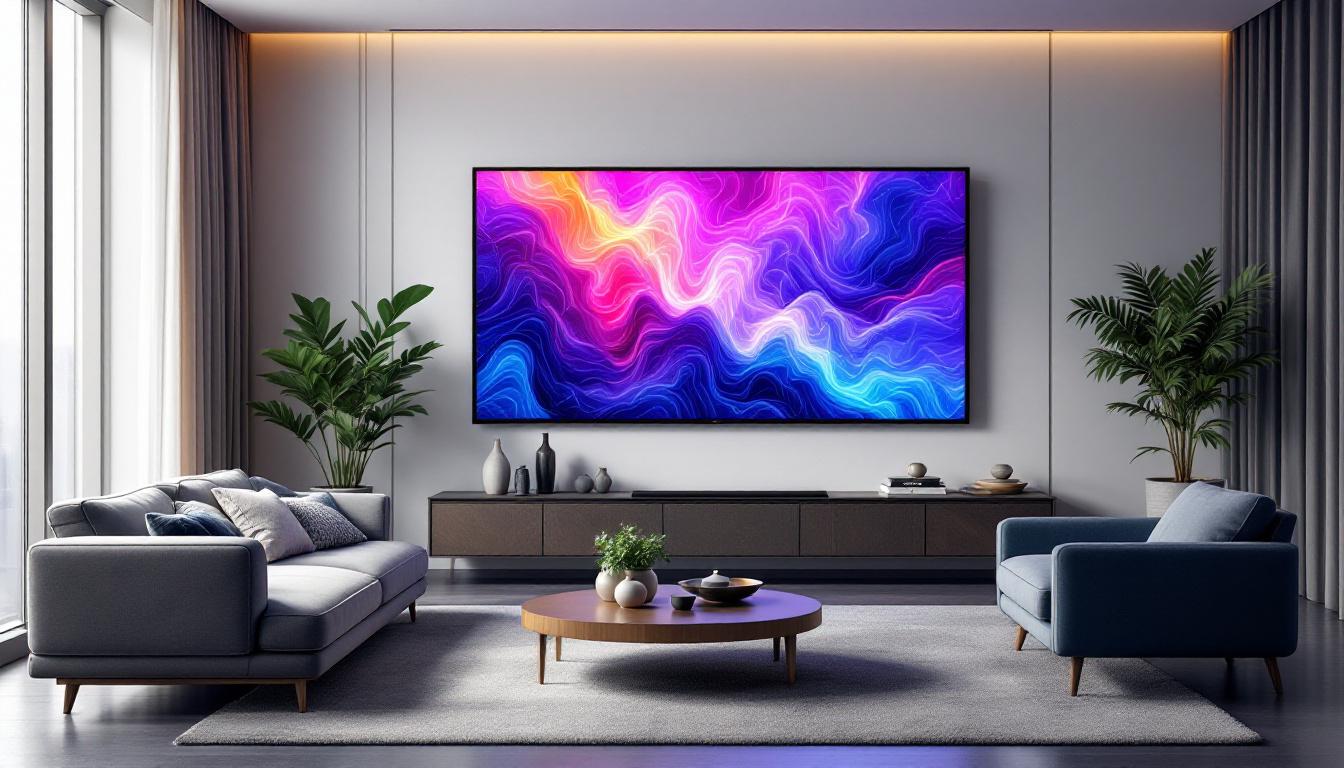
Largest Wall TV: LED Display Explained
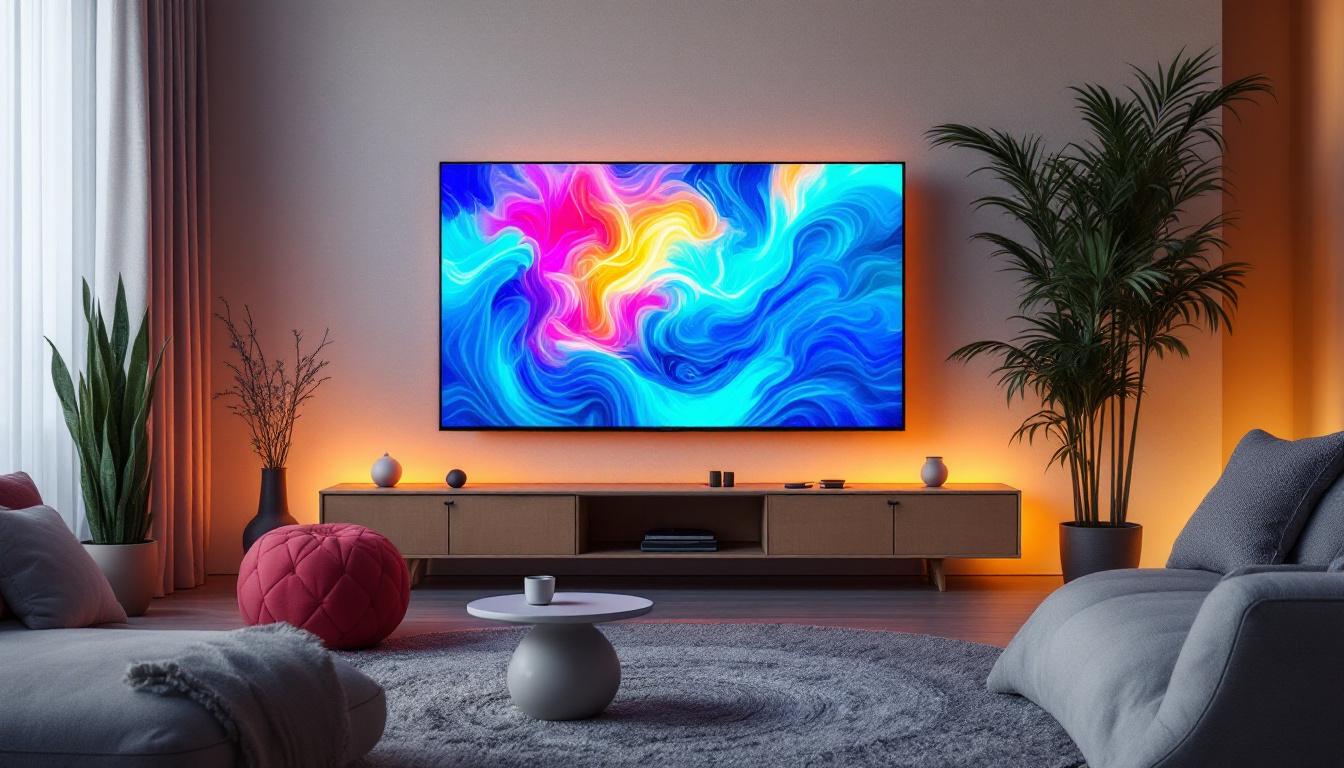
In recent years, the demand for larger and more immersive television displays has skyrocketed. From home theaters to commercial venues, the desire to experience crystal-clear visuals on massive screens has pushed technology to new heights. Among the most impressive advancements is the development of the largest wall TVs using LED display technology. These colossal screens redefine what it means to watch television or digital content, offering unparalleled brightness, color accuracy, and scalability.
This article explores the world of the largest wall TVs, focusing on LED displays. It delves into the technology behind these enormous screens, their applications, advantages, and what sets them apart from traditional TVs. Whether you’re a tech enthusiast, a business owner considering a large display, or simply curious about the future of visual technology, this comprehensive guide will illuminate everything you need to know.
Understanding LED Display Technology
What Is an LED Display?
LED stands for Light Emitting Diode, a semiconductor device that emits light when an electric current passes through it. LED displays use thousands or even millions of these tiny diodes arranged in a grid to create images. Each diode acts as a pixel or part of a pixel, producing light in different colors to form vibrant, high-resolution images.
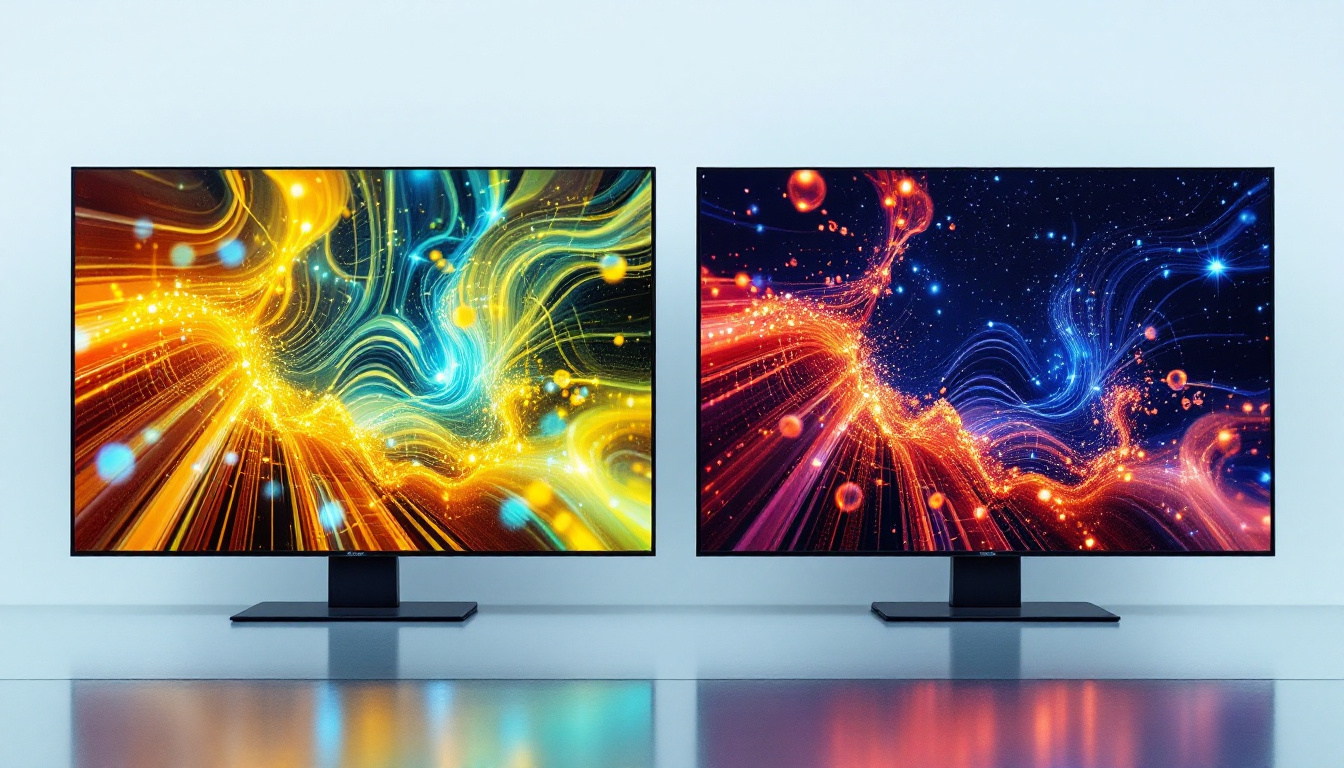
Unlike traditional LCD TVs that rely on backlighting, LED displays are self-emissive, meaning each diode generates its own light. This results in better contrast ratios, deeper blacks, and more vivid colors. The technology is scalable, allowing for the creation of screens ranging from small panels to massive walls spanning hundreds of square feet.
Types of LED Displays Used in Large Wall TVs
There are two primary types of LED displays commonly used in the largest wall TVs: Direct View LED (DVLED) and MicroLED.
- Direct View LED (DVLED): This technology uses individual LEDs as pixels. DVLED displays are modular, meaning they are built from smaller panels that fit together seamlessly. They are known for their brightness, durability, and ability to be customized to any size or shape, making them ideal for enormous wall installations.
- MicroLED: A newer and more advanced technology, MicroLED uses microscopic LEDs to create even higher resolution and better color accuracy. MicroLED displays offer excellent energy efficiency and longer lifespan but are currently more expensive and less common in large-scale applications.
The Scale of the Largest Wall TVs
Record-Breaking Sizes and Examples
When discussing the largest wall TVs, size is a critical factor. Unlike consumer-grade televisions, which typically max out around 85 to 100 inches, the largest LED wall TVs can span entire walls, measuring tens of feet in width and height.
For example, Samsung’s “The Wall” series features modular Direct View LED displays that can reach sizes exceeding 292 inches diagonally. In 2021, Samsung unveiled a 292-inch 8K MicroLED display, which is one of the largest and highest resolution consumer-grade LED wall TVs available. These displays boast pixel pitches as small as 0.84mm, allowing for stunning clarity even at close viewing distances.
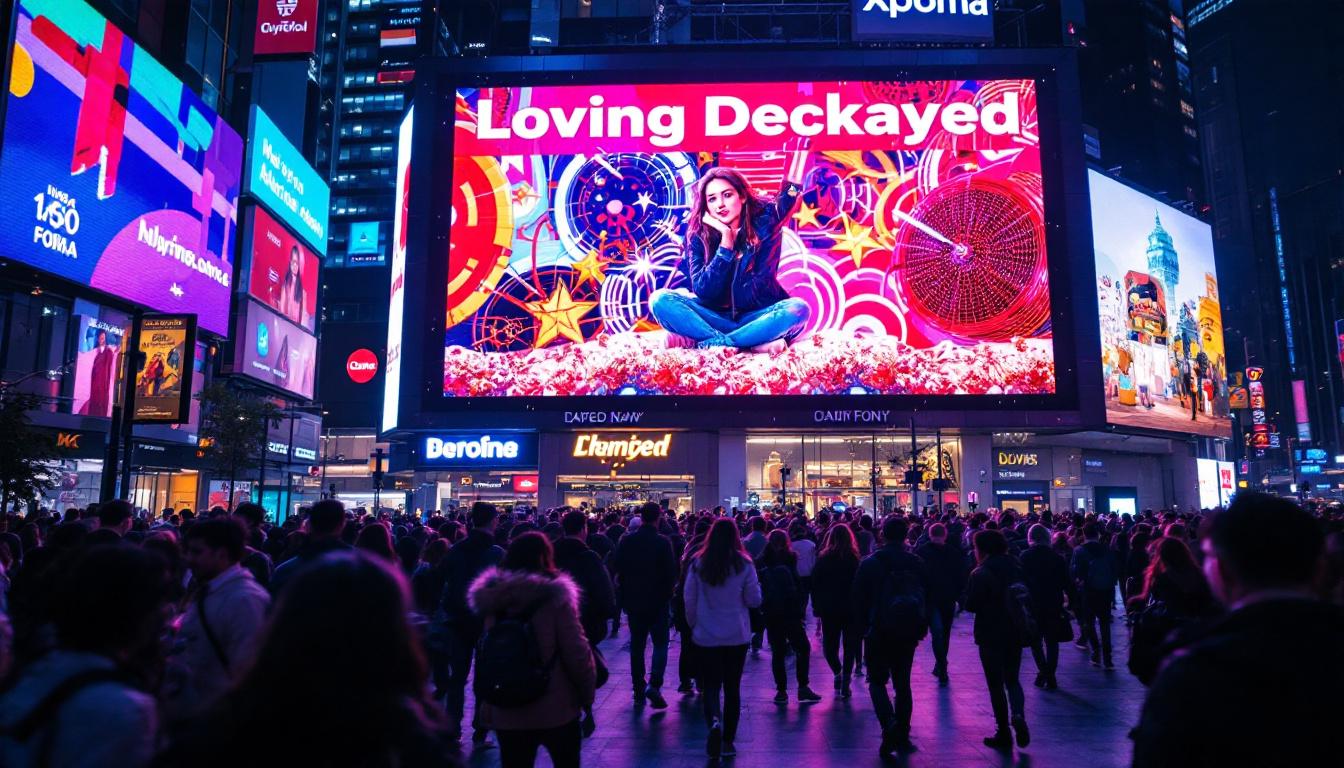
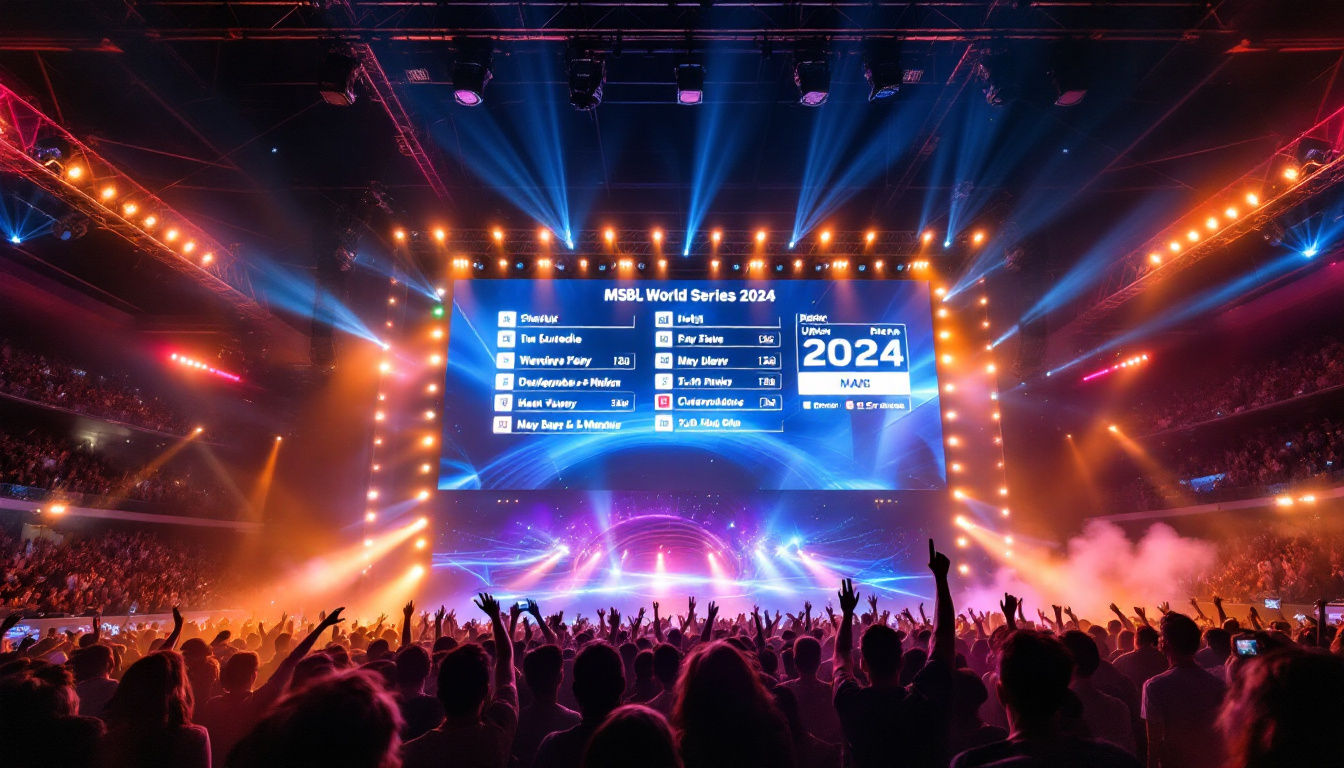
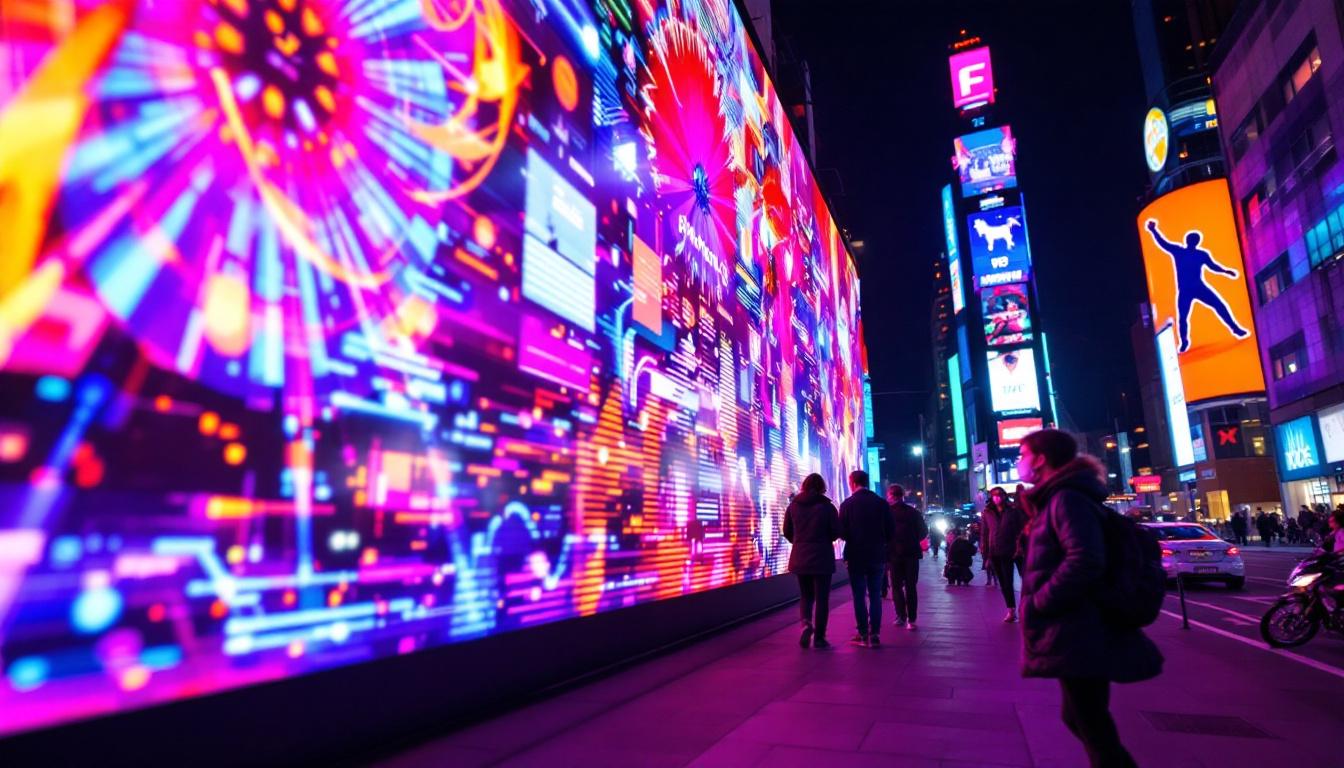
On a commercial scale, venues like stadiums, airports, and concert halls use LED walls that can be hundreds of feet wide. The largest outdoor LED screens, such as those used for advertising in Times Square or for sporting events, can measure over 10,000 square feet. These massive installations demonstrate the scalability and versatility of LED technology.
Pixel Pitch and Resolution Considerations
Pixel pitch, the distance between the centers of two adjacent LEDs, is a crucial factor in determining the resolution and viewing distance of an LED wall TV. Smaller pixel pitches mean higher resolution and sharper images, especially important for indoor viewing where viewers are closer to the screen.
For the largest wall TVs, pixel pitches typically range from 0.8mm to 2.5mm for indoor use. Outdoor LED walls often have larger pixel pitches (4mm to 20mm) because they are viewed from greater distances. Advances in LED manufacturing have enabled pixel pitches to shrink, allowing for ultra-high-definition displays even on massive screens.
Advantages of LED Wall TVs Over Traditional Displays
Superior Brightness and Contrast
One of the most significant advantages of LED wall TVs is their ability to produce extremely high brightness levels. This makes them ideal for environments with high ambient light, such as shopping malls, airports, or outdoor venues. LED displays can achieve brightness levels of 1,000 nits or more, far surpassing typical LCD or OLED TVs.
The self-emissive nature of LEDs also allows for true blacks and exceptional contrast ratios. Unlike LCDs, which rely on backlighting and can suffer from light bleed, LED displays can turn off individual pixels completely, enhancing image depth and realism.
Scalability and Customization
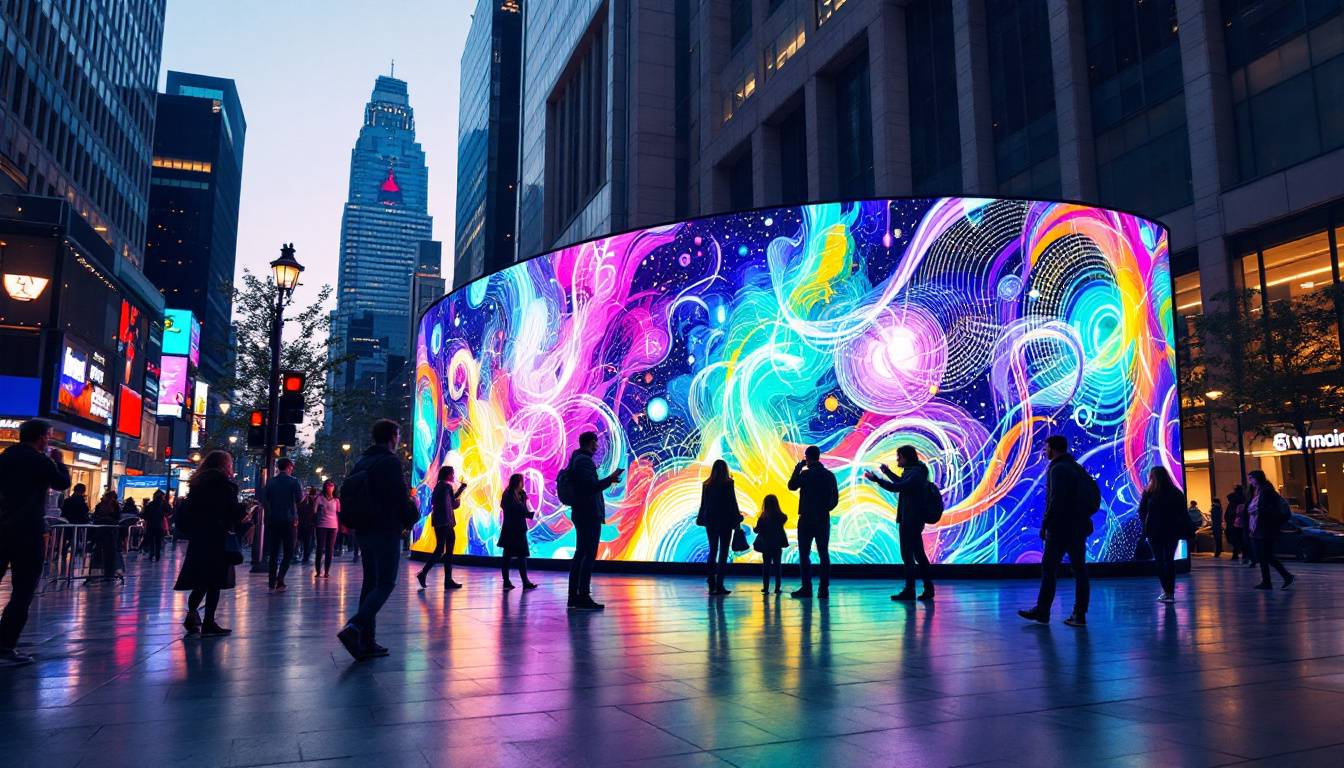
LED wall TVs are modular, meaning they can be assembled from multiple panels to create screens of virtually any size or shape. This flexibility allows architects and designers to integrate LED walls seamlessly into building interiors or façades, creating immersive visual experiences tailored to specific spaces.
Customization extends beyond size to include curvature, aspect ratios, and even transparency. Transparent LED displays, for instance, allow for glass walls that can display digital content without obstructing views, a popular choice for retail and corporate environments.
Durability and Longevity
LED displays are known for their robustness and long lifespan. High-quality LED panels can last upwards of 100,000 hours before brightness diminishes significantly. Additionally, LED walls are less susceptible to burn-in compared to OLED screens, making them suitable for applications involving static images or logos.
Many LED wall TVs are also designed to withstand harsh environmental conditions, including temperature fluctuations and moisture, especially those intended for outdoor use.
Applications of the Largest LED Wall TVs
Commercial and Advertising Uses
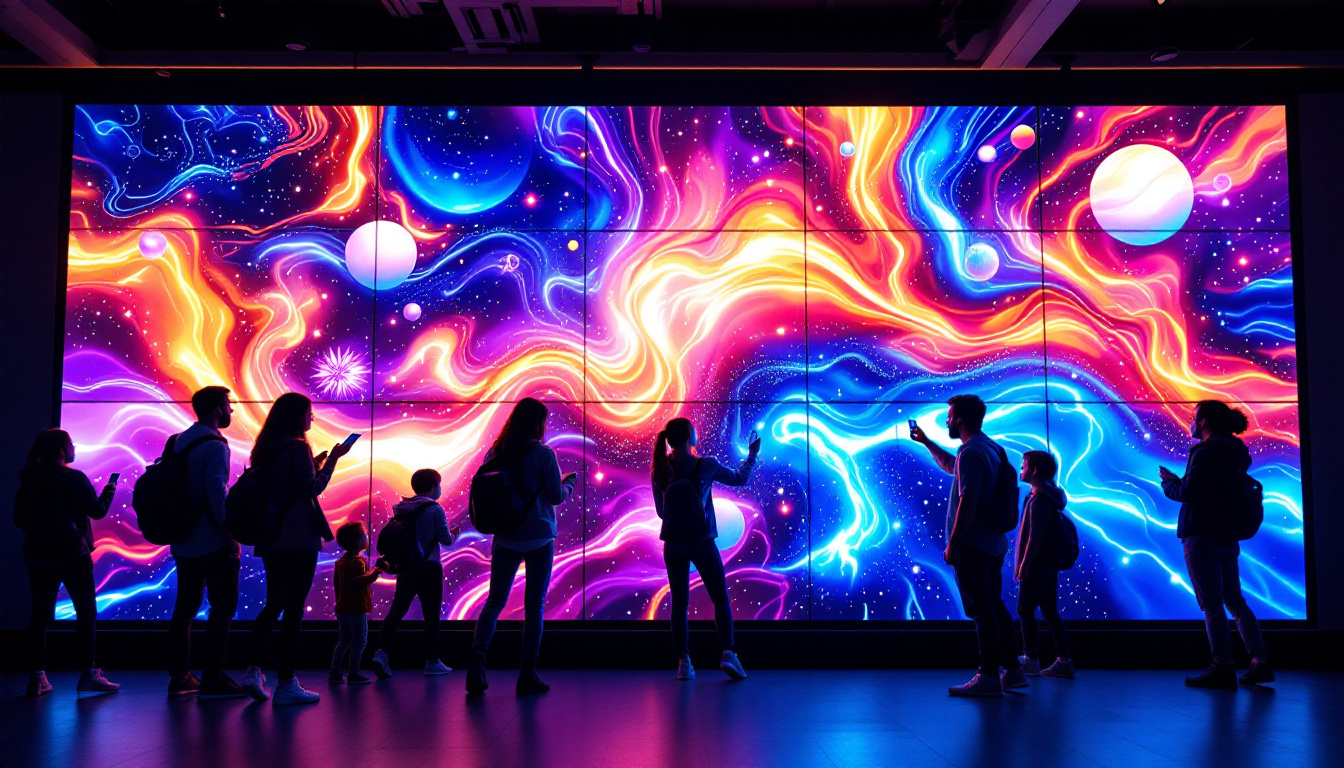
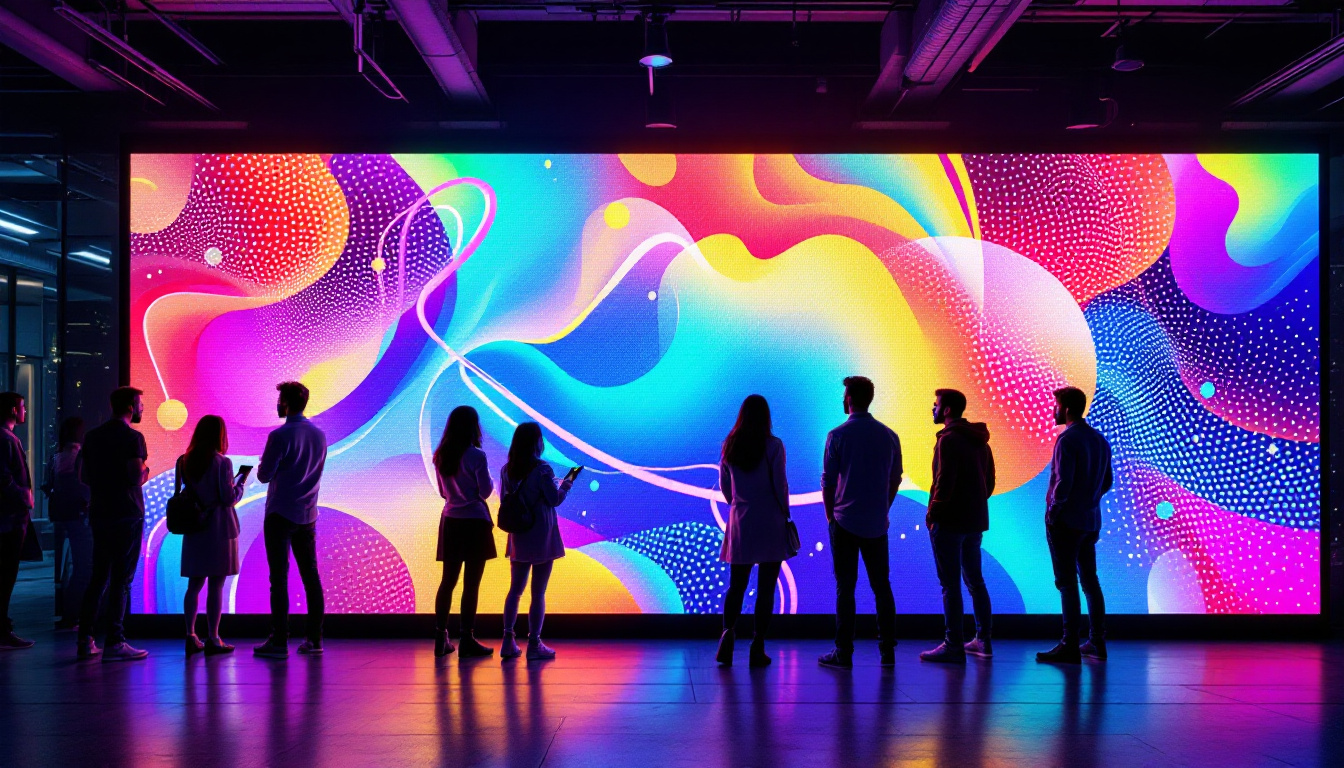
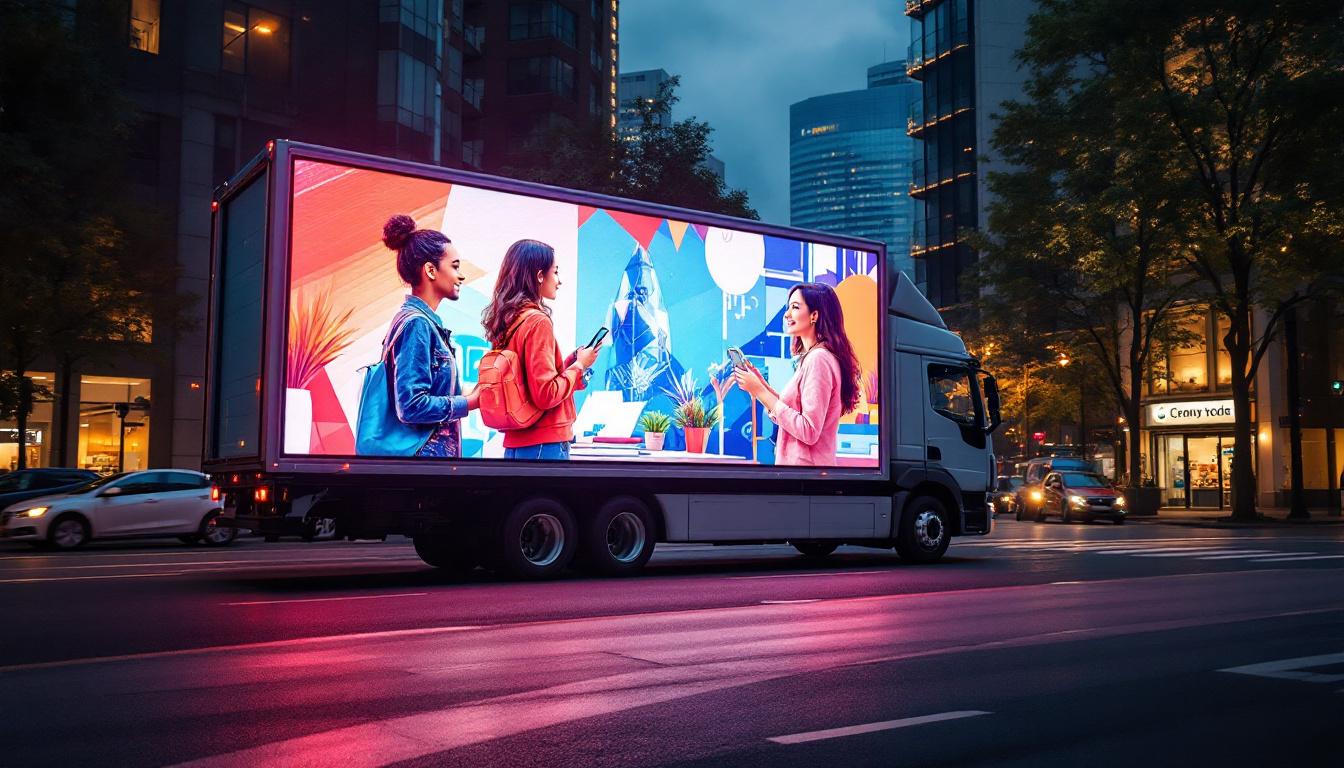
One of the most prominent uses of large LED wall TVs is in advertising. Billboards, storefronts, and public spaces leverage these displays to deliver dynamic, eye-catching content that can be updated remotely and instantly. The ability to display video, animations, and interactive content makes LED walls a powerful marketing tool.
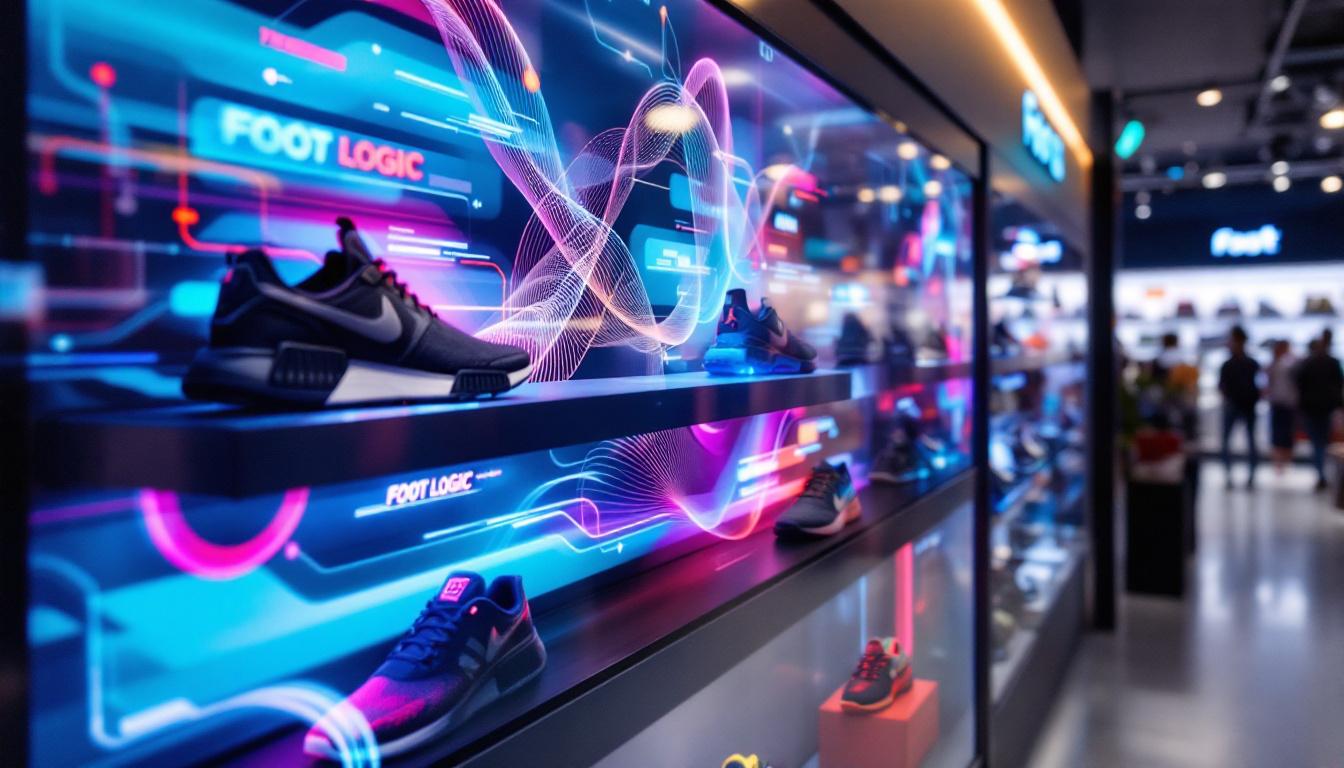
Retailers use LED walls to enhance customer engagement, showcase products, or create immersive brand experiences. For example, flagship stores often feature gigantic LED walls that serve as digital canvases for storytelling and promotion.
Entertainment and Sports Venues
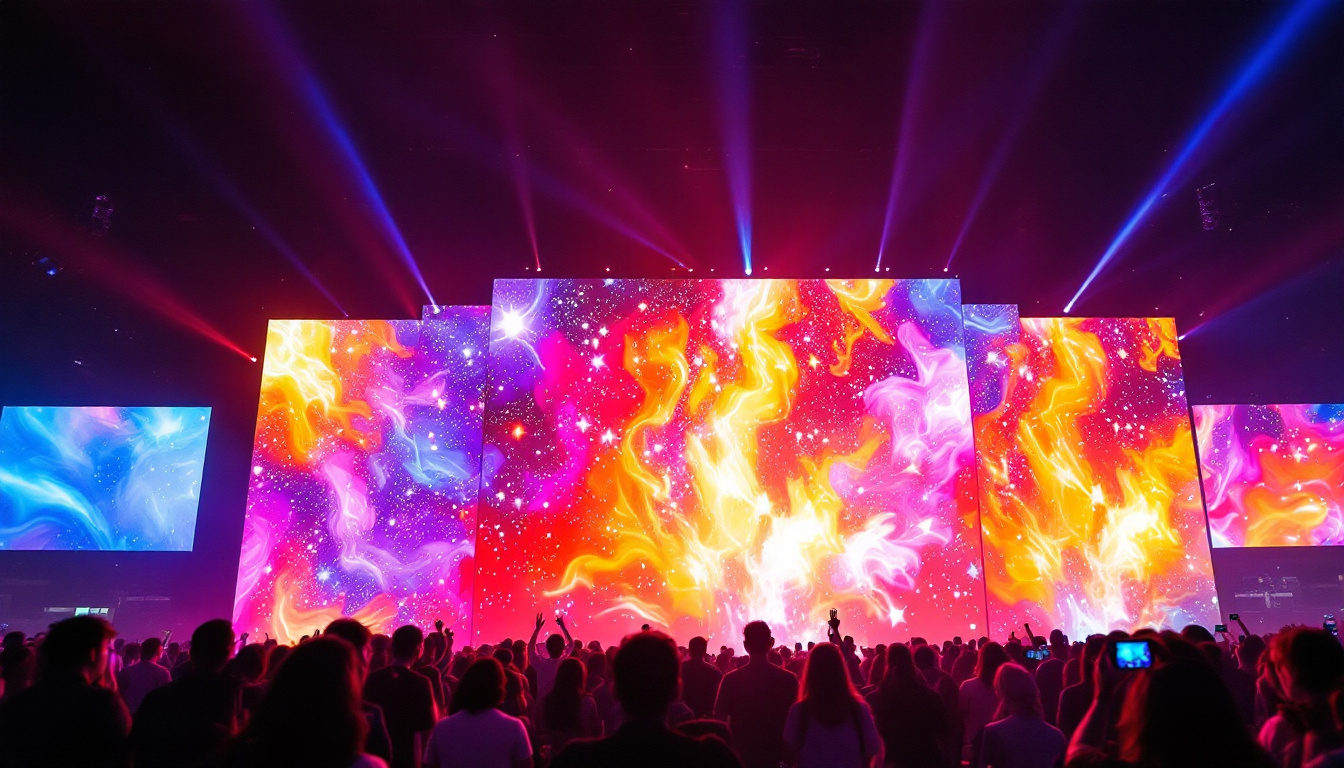
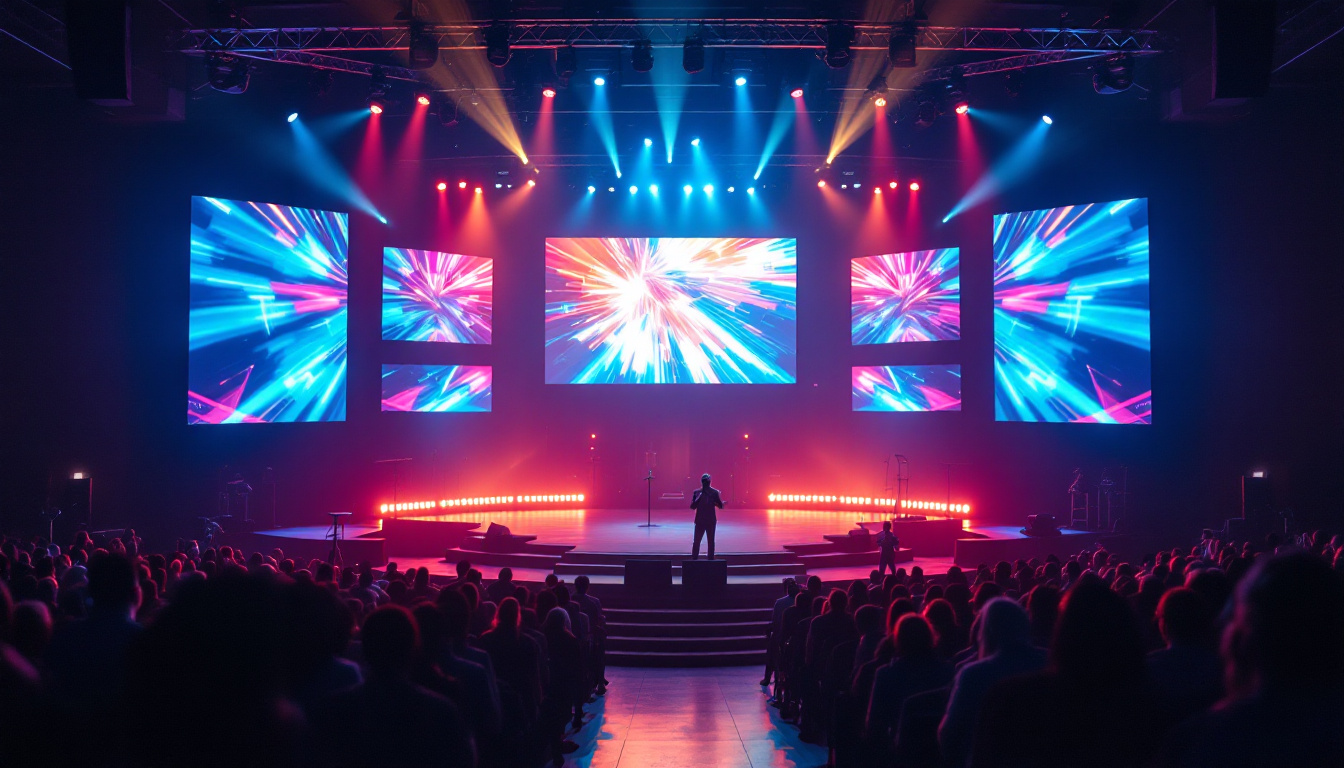
Sports arenas and concert venues rely heavily on massive LED walls to provide spectators with clear views of the action, replays, and interactive content. These displays enhance the live experience, ensuring that even those seated far from the stage or field can enjoy detailed visuals.
In theaters and concert halls, LED walls are also used as dynamic backdrops, enabling creative visual effects and immersive environments that elevate performances.
Corporate and Educational Environments
Large LED wall TVs are increasingly popular in corporate settings for presentations, video conferencing, and digital signage. Their high resolution and brightness make them ideal for boardrooms, auditoriums, and lobbies.
Educational institutions use LED walls for lectures, interactive learning, and large-scale events. The ability to display multiple content sources simultaneously enhances collaboration and engagement.
Challenges and Considerations When Choosing a Largest Wall TV
Cost and Installation Complexity
One of the primary challenges associated with the largest LED wall TVs is cost. These displays require significant investment not only for the panels themselves but also for installation, calibration, and maintenance. Prices can range from tens of thousands to millions of dollars depending on size, resolution, and customization.
Installation is complex and often requires professional expertise to ensure seamless panel alignment, proper ventilation, and electrical safety. Additionally, supporting infrastructure such as mounting systems and control hardware must be carefully planned.
Power Consumption and Heat Management
Large LED walls consume considerable power, especially at high brightness levels. Efficient power management and cooling systems are essential to maintain performance and prolong the lifespan of the display.
Modern LED panels incorporate energy-saving features and heat dissipation technologies, but these factors should be considered in the design and operation of the installation.
Content Management and Calibration
Managing content for such large displays requires specialized software and hardware. Content must be optimized for resolution, aspect ratio, and viewing distance to maximize impact.
Regular calibration is necessary to maintain color accuracy and uniform brightness across the entire screen. This process can be time-consuming but is vital for preserving image quality over time.
The Future of Largest Wall TVs and LED Displays
Emerging Technologies
The future of large wall TVs is promising, with ongoing advancements in LED technology. MicroLED is expected to become more affordable and widespread, offering even better resolution and energy efficiency. Flexible and transparent LED displays will open new possibilities for architectural integration and interactive experiences.
Artificial intelligence and machine learning are also being integrated into content management systems, enabling smarter content delivery and real-time adjustments based on audience engagement and environmental factors.
Environmental Impact and Sustainability
As the demand for larger displays grows, so does the focus on sustainability. Manufacturers are developing LED panels that use less power, employ recyclable materials, and have longer lifespans to reduce electronic waste.
Energy-efficient designs and smart power management will play a crucial role in minimizing the environmental footprint of these massive displays, especially in commercial and public installations.
Conclusion
The largest wall TVs using LED display technology represent a remarkable convergence of innovation, scalability, and visual excellence. From record-breaking sizes to stunning image quality, these displays are transforming how people experience digital content across various sectors.
Understanding the technology behind LED displays, their advantages, and the practical considerations involved is essential for anyone interested in deploying or appreciating these massive screens. As LED technology continues to evolve, the future holds exciting possibilities for even more immersive and sustainable large-scale visual experiences.
Whether for advertising, entertainment, corporate communication, or education, the largest LED wall TVs are setting new standards in display technology, pushing the boundaries of what is possible in visual storytelling and information sharing.
Discover the Future of Visual Experience with LumenMatrix
Ready to elevate your space with the most advanced LED display technology? LumenMatrix is at the forefront of creating immersive visual experiences that captivate and engage. Explore our diverse range of LED display solutions, from Indoor and Outdoor LED Walls to innovative Transparent Displays and beyond. Each solution is crafted to bring your brand’s message to life with unparalleled clarity and impact. Check out LumenMatrix LED Display Solutions today and join the revolution in visual communication.