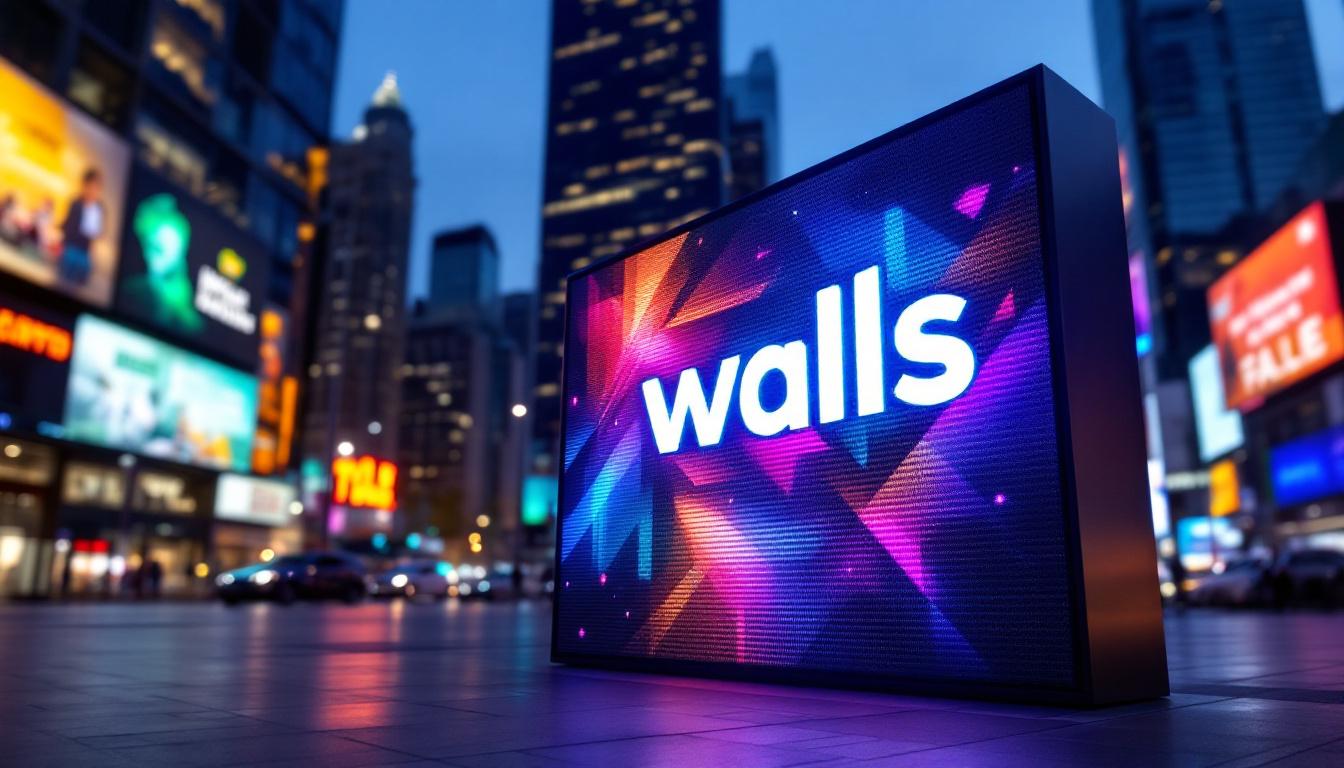
The Walls logo, prominently featured on the iconic ice cream brand’s packaging and advertising, has recently been brought to life through innovative LED display technology. This fusion of traditional branding with modern digital display techniques exemplifies how companies are leveraging LED technology to enhance brand visibility and consumer engagement. This article delves into the technical and design aspects of the Walls logo LED display, exploring its significance, construction, and impact on marketing strategies.
The Evolution of Brand Logos in the Digital Age
Brand logos have historically been static symbols, printed on packaging, billboards, and advertisements. However, the digital age has transformed the way brands communicate visually. Moving from simple print to dynamic digital displays allows brands to capture attention more effectively and create memorable experiences. This shift has not only changed the aesthetics of logos but has also influenced how brands engage with their audiences, fostering deeper connections through innovative storytelling and interactive elements.
LED displays have become a popular medium for brands to showcase their logos in vibrant, eye-catching formats. Unlike traditional signage, LED logos can incorporate animation, color changes, and interactive elements, making them more engaging for viewers. For a brand like Walls, known for its colorful and playful identity, an LED display offers a perfect platform to amplify its visual appeal. The ability to adapt and change logos in real-time means that brands can align their messaging with current events, seasonal changes, or even social media trends, creating a sense of relevance and immediacy that static logos simply cannot achieve.
Why LED Displays Matter for Branding
LED technology offers several advantages that make it ideal for brand logos:
- Brightness and Visibility: LED displays are exceptionally bright, ensuring logos are visible even in direct sunlight or low-light conditions.
- Color Accuracy and Range: Modern LEDs can produce a wide color gamut, allowing brands to maintain their exact color specifications.
- Dynamic Content: Logos can be animated or altered in real-time, providing opportunities for seasonal themes, promotions, or interactive campaigns.
- Energy Efficiency: Compared to traditional neon or incandescent signage, LEDs consume less power and have longer lifespans.
Moreover, the integration of LED technology into branding strategies has paved the way for innovative marketing campaigns that leverage augmented reality (AR) and virtual reality (VR). Brands can create immersive experiences where consumers interact with logos in a 3D space, enhancing brand recall and emotional connection. For instance, a brand could use AR to allow customers to visualize their logo in their own environment through a smartphone app, making the logo not just a symbol, but a part of the consumer’s daily life. This level of engagement is invaluable in a crowded marketplace where standing out is essential for success.
Additionally, as consumer preferences evolve, brands are increasingly focusing on sustainability. LED displays not only reduce energy consumption but can also be designed to be eco-friendly, using recyclable materials and minimizing waste. This commitment to sustainability resonates with modern consumers who prioritize brands that align with their values. As a result, the evolution of brand logos in the digital age is not just about aesthetics; it’s also about creating meaningful, responsible connections with audiences that reflect the changing landscape of consumer expectations.
Technical Breakdown of the Walls Logo LED Display
The Walls logo LED display is a sophisticated piece of technology, combining design precision with cutting-edge LED components. Understanding the technical aspects helps appreciate the complexity and craftsmanship behind such installations.
Design Specifications and Dimensions
The LED display replicating the Walls logo is designed to match the brand’s signature script and color palette with high fidelity. The dimensions of the display vary depending on placement, but typical installations measure approximately 2 meters wide by 1 meter tall, making it large enough to be a focal point in retail environments or outdoor advertising spaces.
Designers use vector graphic files of the logo to ensure every curve and letter is accurately represented. This digital blueprint guides the placement of each LED pixel to recreate the logo’s smooth lines and vibrant colors.
LED Technology and Pixel Density
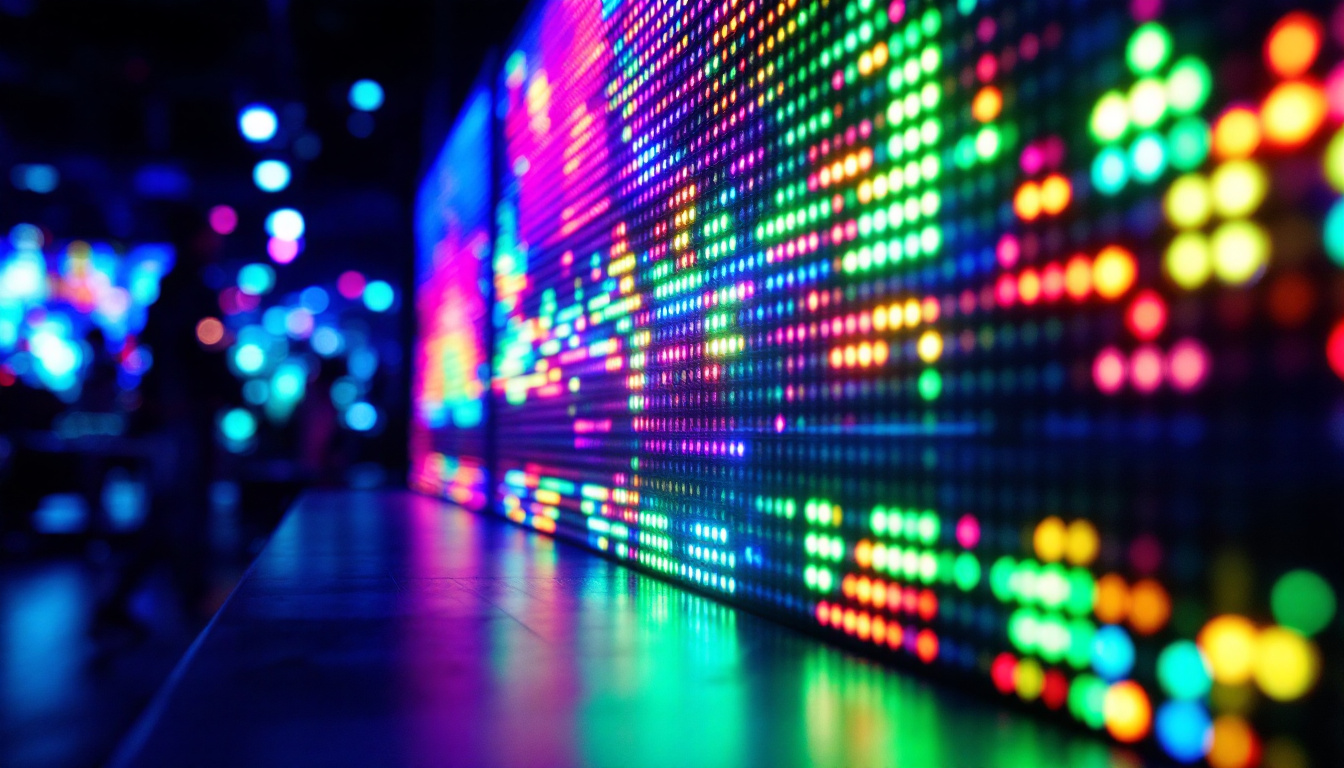
The display uses high-resolution RGB LEDs, capable of producing millions of colors through the combination of red, green, and blue diodes. Pixel density is a critical factor; the Walls logo LED display typically features a pixel pitch of 5mm or less. This means the distance between each LED pixel is 5 millimeters, allowing for sharp, clear images even at close viewing distances.
Higher pixel density ensures that the logo looks crisp and detailed, which is essential for maintaining brand integrity. Low-resolution displays can cause logos to appear pixelated or blurry, which could diminish brand perception.
Control Systems and Software Integration
The LED display is controlled by advanced software systems that manage color calibration, brightness levels, and animation sequences. These control systems allow for easy updates and modifications, enabling Walls to adapt the display for different marketing campaigns or events.
Integration with cloud-based platforms also allows remote management, meaning the display can be updated in real-time from any location. This flexibility is invaluable for brands looking to maintain fresh and relevant content without the need for physical intervention.
Applications and Marketing Impact of the Walls Logo LED Display
Deploying the Walls logo on LED displays has significant implications for marketing and consumer engagement. This section explores where and how these displays are used, and the measurable benefits they bring.
Retail Environments and Point-of-Sale Displays
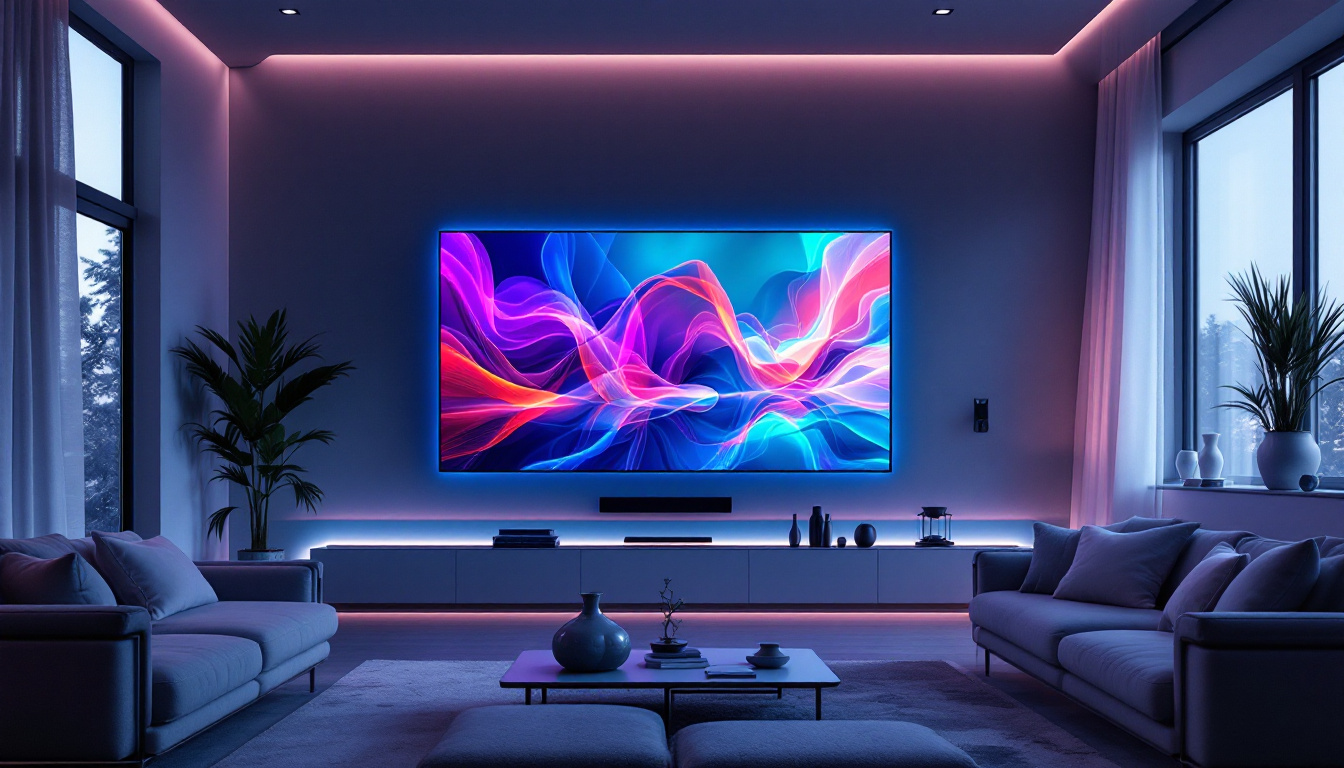
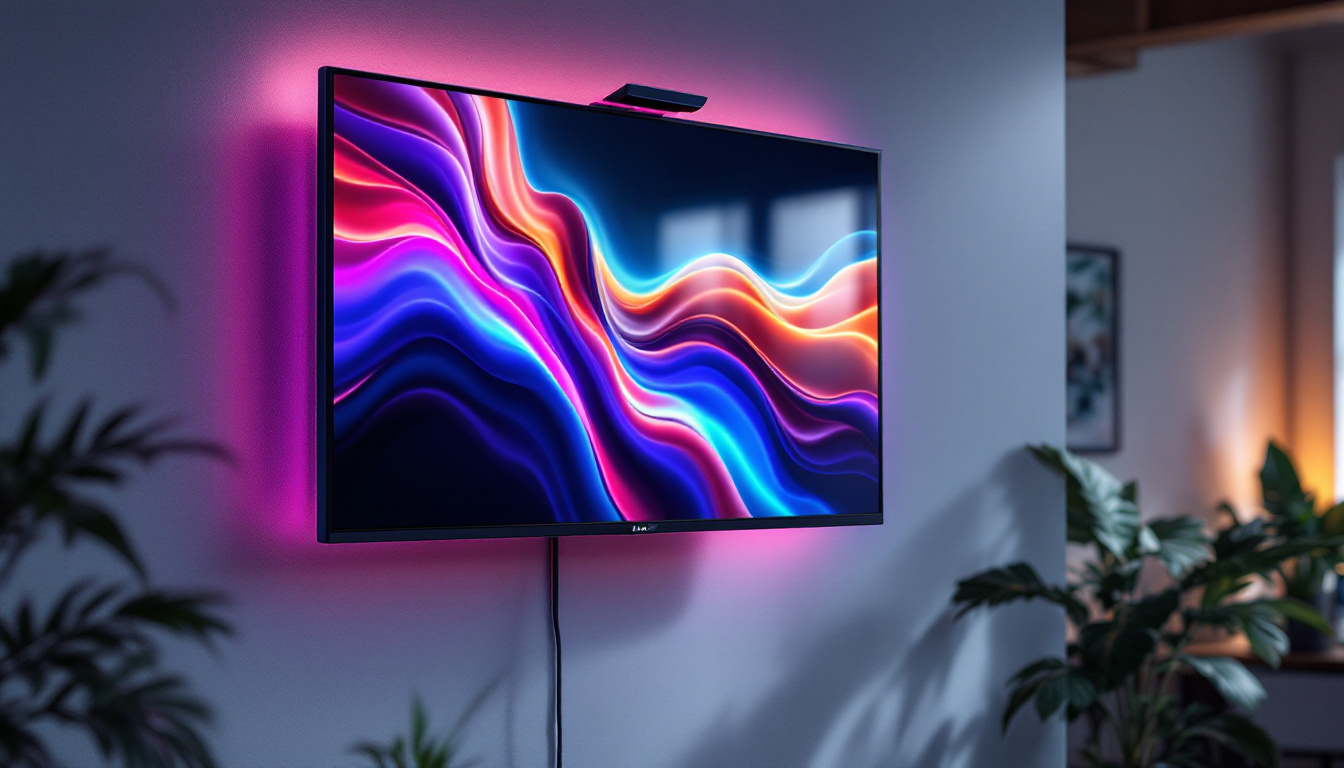
In retail settings, the LED logo display serves as a powerful point-of-sale tool. Positioned above freezer units or at store entrances, the bright and dynamic logo draws customers’ attention, increasing brand recall and encouraging impulse purchases.
Studies have shown that dynamic digital signage can increase customer dwell time by up to 30%, which often translates into higher sales. For a product like Walls ice cream, which relies heavily on impulse buying, this is a critical advantage.
Outdoor Advertising and Event Sponsorships
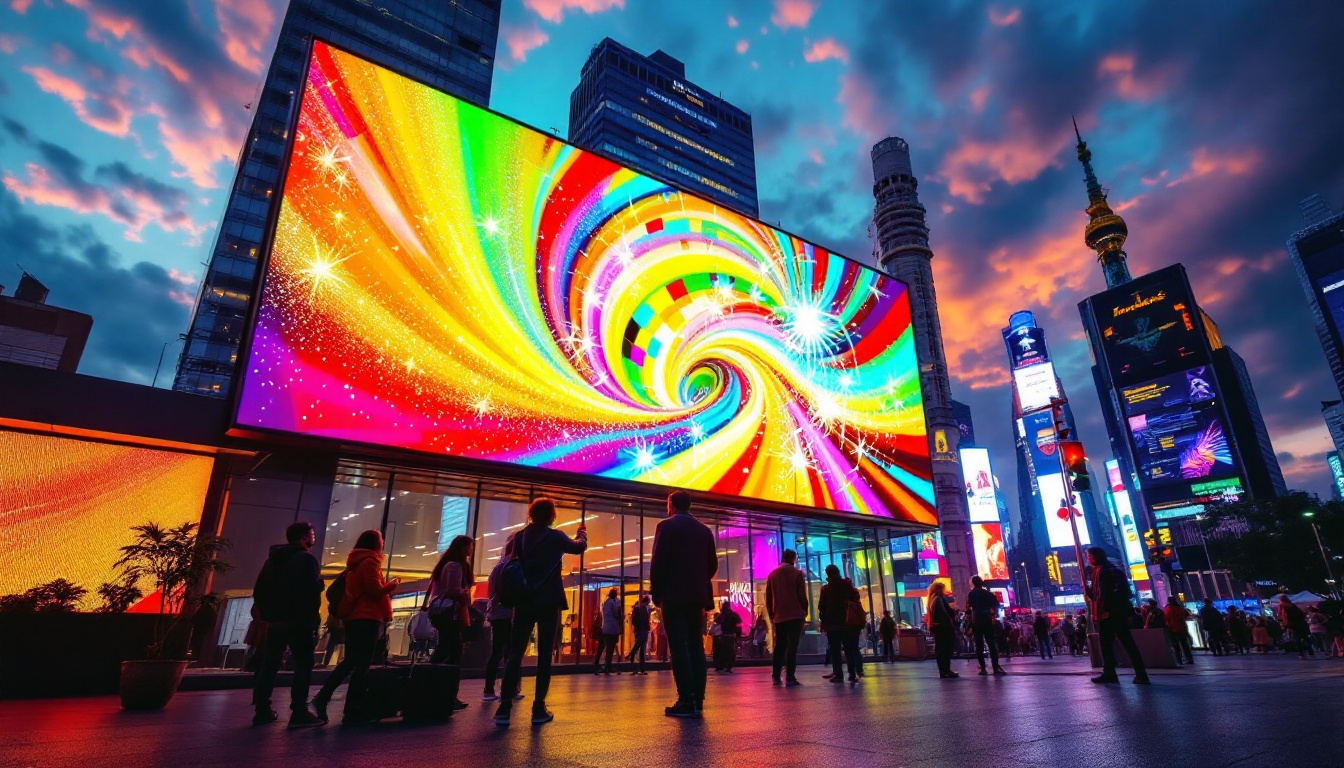
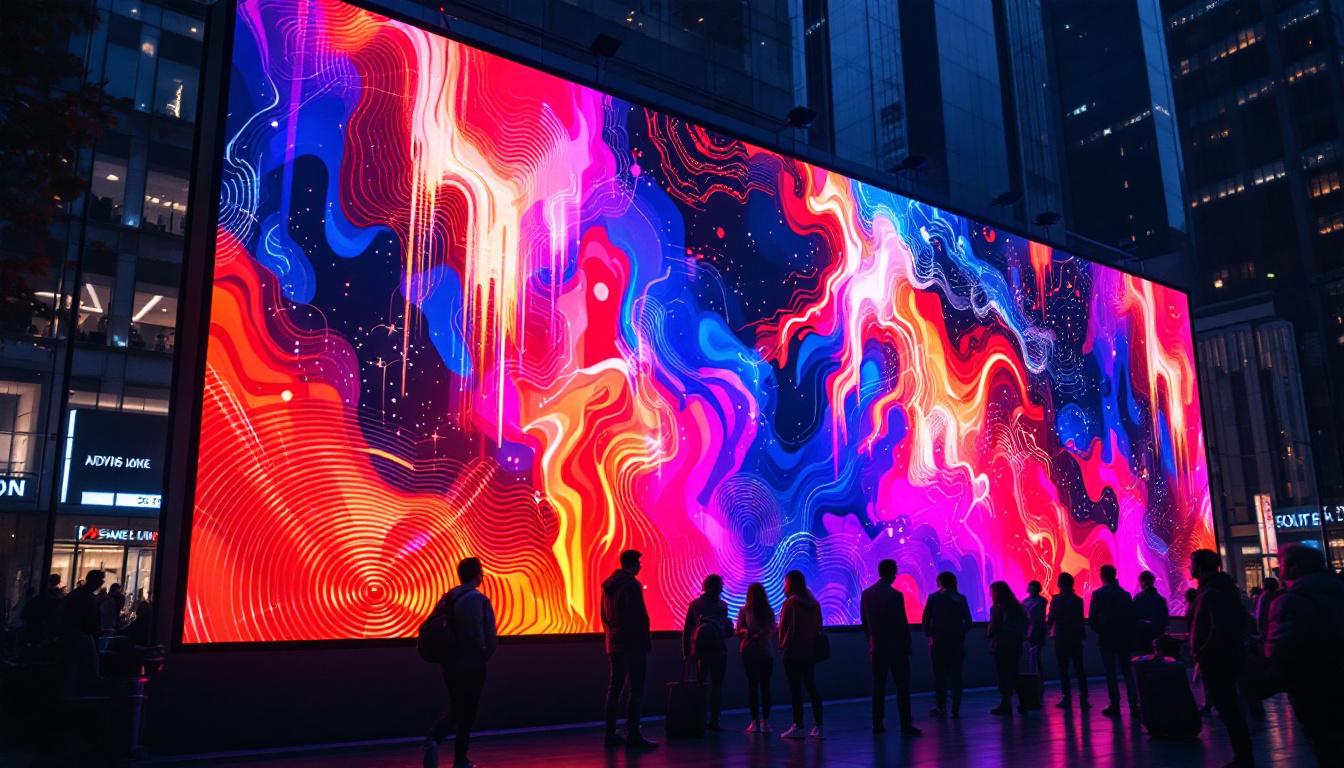
Walls has also utilized LED logo displays at sponsored events and outdoor advertising spaces. The durability and brightness of LED technology make these displays suitable for various weather conditions and lighting environments.
At summer festivals and sports events, for example, the Walls LED logo display not only reinforces brand presence but also enhances the atmosphere with vibrant visuals. This creates positive brand associations and increases social media sharing, amplifying reach beyond the physical event.
Interactive and Seasonal Campaigns
One of the unique benefits of LED displays is their ability to support interactive and seasonal content. Walls has experimented with animated logos that change colors or incorporate playful elements during holidays or promotional periods.
For example, during summer campaigns, the logo might feature animated melting effects or incorporate sun motifs, while winter campaigns could add snowflakes or festive colors. These dynamic changes keep the brand fresh and relevant, fostering deeper consumer engagement.
Challenges and Considerations in LED Logo Displays
While LED displays offer many benefits, there are challenges and important considerations to ensure successful implementation.
Cost and Maintenance
High-quality LED displays require significant upfront investment, especially for custom designs like the Walls logo. Costs include the LEDs themselves, control systems, installation, and ongoing maintenance.
Maintenance is crucial to ensure consistent brightness and color accuracy. Over time, LEDs can degrade or fail, requiring replacements or repairs. Brands must plan for these expenses to maintain the display’s impact.
Environmental Impact and Sustainability
Although LEDs are more energy-efficient than traditional lighting, large displays still consume considerable power. Walls and other brands are increasingly focusing on sustainability by using energy-efficient components and integrating solar power or other renewable energy sources where possible.
Additionally, the choice of materials for the display housing and recycling plans for electronic components are important factors in minimizing environmental impact.
Technical Limitations and Viewing Angles
LED displays have optimal viewing angles, and visibility can diminish when viewed from extreme sides. For logo displays, this means careful placement is necessary to ensure the logo is visible and legible from key vantage points.
Designers must also consider ambient lighting conditions and potential glare, adjusting brightness and contrast to maintain clarity without causing discomfort to viewers.
The Future of LED Logo Displays in Branding
As LED technology continues to advance, the potential for brand logos to become even more dynamic and interactive grows. Innovations such as flexible LED panels, transparent displays, and integration with augmented reality (AR) are poised to revolutionize how brands like Walls present their identity.
Flexible and Transparent LED Displays
Flexible LED panels allow logos to be displayed on curved or irregular surfaces, opening new creative possibilities. Transparent LED displays can be installed on glass surfaces, enabling logos to appear as if floating or integrated seamlessly into architectural elements.
These technologies could allow Walls to incorporate their logo into store windows, packaging displays, or even vehicles in innovative ways that captivate audiences.
Augmented Reality and Interactive Experiences
Combining LED logo displays with AR technology can create immersive brand experiences. Consumers could use smartphones or AR glasses to interact with the Walls logo, triggering animations, games, or product information.
This level of interactivity not only enhances engagement but also provides valuable data on consumer behavior and preferences, helping brands tailor their marketing strategies more effectively.
Conclusion
The Walls logo LED display represents a compelling intersection of branding, technology, and consumer experience. By leveraging the brightness, versatility, and dynamic capabilities of LED technology, Walls has enhanced its brand visibility and engagement in ways that traditional signage cannot match.
Understanding the technical details, applications, and challenges of LED logo displays provides valuable insights into why such innovations are becoming essential tools in modern marketing. As LED technology evolves, brands that embrace these advancements will continue to stand out in increasingly competitive marketplaces.
For Walls, the LED display is more than just a logo—it’s a vibrant, living symbol of the brand’s commitment to innovation and connection with its audience.
Illuminate Your Brand with LumenMatrix
Ready to elevate your brand’s presence and captivate your audience with the same dynamic impact as the Walls logo LED display? Discover LumenMatrix’s comprehensive range of LED display solutions, from Indoor and Outdoor LED Wall Displays to innovative LED Posters and Transparent Displays. Each product is crafted with the mission to revolutionize visual communication, ensuring your message resonates with brilliance and clarity. Don’t miss the opportunity to transform your brand’s visual storytelling. Check out LumenMatrix LED Display Solutions today and light up the path to unparalleled engagement.