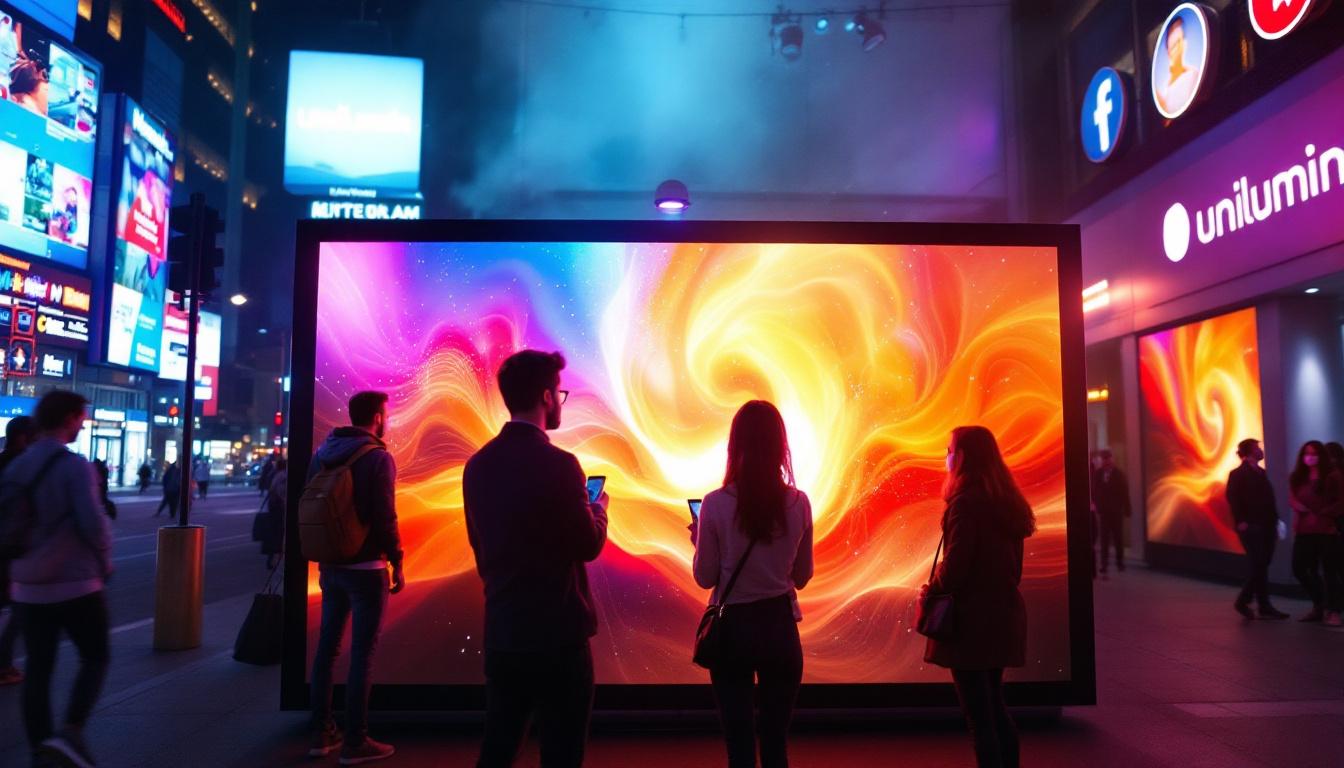
In the modern era of television technology, LED displays have become the standard in delivering vibrant, high-quality images. Whether you’re shopping for a new TV or simply curious about how your current screen works, understanding LED display technology is essential. This comprehensive guide explores the intricacies of TV panels, focusing on LED displays, their types, advantages, and how they compare to other technologies.
Understanding TV Panels: The Foundation of Display Technology
At the heart of every television is the panel—the component responsible for producing the images viewers see. The panel’s technology dictates the picture quality, color accuracy, brightness, and overall viewing experience. Over the years, several types of TV panels have emerged, including LCD, OLED, QLED, and LED, each with unique characteristics.
LED displays, in particular, have gained widespread popularity due to their balance of performance and affordability. But to appreciate what LED means in the context of TV panels, it’s important to understand the relationship between LEDs and LCD technology.
What Is an LED TV Panel?
Contrary to popular belief, an LED TV is not a completely different technology from LCD TVs. Instead, LED TVs are essentially LCD TVs that use Light Emitting Diodes (LEDs) as a backlighting source instead of the older Cold Cathode Fluorescent Lamps (CCFLs). This distinction is crucial because the actual image is still created by liquid crystals that control the passage of light.
The LEDs illuminate the LCD panel from behind or the edges, allowing the liquid crystals to modulate light and create images. This method improves brightness, contrast, and energy efficiency compared to traditional LCD TVs with fluorescent backlights. Additionally, the use of LEDs has allowed manufacturers to create thinner and lighter television sets, making them more aesthetically pleasing and easier to mount on walls.
Types of LED Backlighting in TV Panels
LED-backlit LCD TVs come primarily in two configurations: Edge-lit and Direct-lit (or Full-array). Each has its advantages and trade-offs, impacting picture quality and design.
- Edge-lit LED: LEDs are positioned along the edges of the screen, and light is spread across the panel using light guides. This design allows for thinner TVs and lower manufacturing costs, but it can sometimes result in uneven brightness and less precise local dimming.
- Full-array LED: LEDs are arranged in a grid directly behind the entire screen. This configuration enables more uniform brightness and better local dimming capabilities, enhancing contrast and black levels. Full-array LED TVs tend to be thicker and more expensive but offer superior picture quality.
In addition to these two primary types, advancements in LED technology have led to innovations such as Mini-LED and Micro-LED. Mini-LED technology uses smaller LEDs, allowing for more precise control over local dimming zones, which results in improved contrast and deeper blacks. Micro-LED, on the other hand, represents a significant leap forward, as it utilizes tiny self-emitting LEDs to create images without the need for a backlight at all. This technology promises even greater color accuracy and brightness, although it is still in the early stages of commercial availability.
As consumers become more discerning about picture quality, the competition among these technologies has intensified, leading to rapid advancements and innovations. Manufacturers are constantly refining their approaches to backlighting and panel technology, striving to deliver the best possible viewing experience. This ongoing evolution not only enhances the performance of televisions but also influences how content is produced and consumed, as filmmakers and content creators adapt to the capabilities of modern display technologies.
How LED Displays Work: The Science Behind the Picture
To truly grasp LED display technology, one must understand how the components work together to produce the images on the screen. The process involves several layers and mechanisms that manipulate light and color.
The Role of Liquid Crystals
Liquid Crystal Displays (LCDs) rely on liquid crystals that can change orientation when an electric current passes through them. These crystals do not emit light themselves but control how much light passes through each pixel. By adjusting the alignment of liquid crystals, the TV can modulate the intensity of light for each pixel, thereby creating the desired image.
Backlighting with LEDs
The backlight is the source of illumination for the LCD panel. In LED TVs, this backlight comes from arrays of LEDs, which can be white or RGB (red, green, blue) LEDs. The quality and arrangement of these LEDs directly affect the brightness, color accuracy, and contrast of the display.
For instance, some high-end LED TVs use quantum dot technology in conjunction with LED backlights to enhance color reproduction. Quantum dots are microscopic semiconductor particles that emit pure monochromatic red, green, or blue light when illuminated, resulting in a wider color gamut and more vivid images.
Local Dimming for Enhanced Contrast
One of the significant advancements in LED TV technology is local dimming. This feature allows the TV to dim or brighten specific zones of the backlight independently, improving contrast by making dark areas darker without affecting bright areas. Full-array LED TVs typically offer more local dimming zones than edge-lit models, leading to better picture depth and reduced halo effects around bright objects on dark backgrounds.
Advantages of LED TV Panels
LED display technology offers several benefits that have contributed to its dominance in the TV market. These advantages make LED TVs a compelling choice for a wide range of consumers.
Energy Efficiency
Compared to older CCFL-backlit LCD TVs, LED TVs consume significantly less power. LEDs are inherently more efficient light sources, converting more electricity into visible light with less waste heat. This efficiency not only reduces electricity bills but also contributes to environmental sustainability.
Improved Brightness and Color Accuracy
LED backlighting enables higher peak brightness levels, which are essential for HDR (High Dynamic Range) content. HDR requires displays to show a broader range of luminance, from deep shadows to bright highlights, and LED TVs are well-suited to meet these demands.
Moreover, advancements like quantum dot technology have enhanced color accuracy, allowing LED TVs to display a wider color gamut that closely matches real-world colors.
Thin and Lightweight Designs
Edge-lit LED TVs, in particular, allow manufacturers to produce ultra-thin and lightweight panels. This design flexibility has led to sleek, modern TVs that can be mounted flush against walls, enhancing aesthetics and saving space.
Longevity and Durability
LED backlights have a longer lifespan compared to CCFLs, often lasting tens of thousands of hours without significant degradation. This durability means LED TVs generally maintain consistent picture quality over many years of use.
Comparing LED Displays to Other TV Panel Technologies
While LED displays are prevalent, they are not the only technology available. Understanding how LED TVs compare to OLED and QLED panels helps consumers make informed decisions based on their viewing preferences and budget.
LED vs. OLED
Organic Light Emitting Diode (OLED) TVs differ fundamentally from LED-backlit LCDs. OLED panels consist of organic compounds that emit light individually when an electric current passes through them. This means each pixel can be turned on or off independently, allowing for perfect black levels and infinite contrast ratios.
In contrast, LED TVs rely on a backlight that illuminates the entire panel or zones, which can limit black level performance. OLEDs generally provide superior picture quality, especially in dark scenes, but they tend to be more expensive and can be susceptible to burn-in over prolonged use.
LED vs. QLED
Quantum Dot LED (QLED) TVs are essentially LED-backlit LCDs enhanced with quantum dot technology. The quantum dots improve color accuracy and brightness, often surpassing traditional LED TVs in these areas. QLEDs can achieve higher brightness levels, making them excellent for well-lit rooms.
However, QLEDs still rely on LED backlighting and do not offer the perfect blacks of OLEDs. They represent a middle ground between standard LED TVs and OLEDs, combining some of the best features of both technologies.
Choosing the Right LED TV Panel for Your Needs
With a variety of LED TV options available, selecting the right panel depends on several factors, including budget, room lighting, and viewing habits.
Consider Room Lighting
LED TVs, particularly those with high brightness levels and anti-reflective coatings, perform well in bright rooms. If your viewing environment has significant ambient light, an LED or QLED TV may be preferable to OLED, which can suffer from reflections.
Evaluate Picture Quality Requirements
If you prioritize deep blacks and superior contrast for cinematic viewing, an OLED TV might be worth the investment. However, for general use, sports, gaming, and daytime viewing, LED TVs with full-array local dimming offer excellent performance at a lower cost.
Budget and Size Considerations
LED TVs are available in a wide range of sizes and price points, from affordable 32-inch models to large 85-inch screens. Full-array LED TVs with advanced features will cost more but provide better picture quality. Edge-lit models are more budget-friendly and still deliver good performance for everyday viewing.
Future Trends in LED TV Panel Technology
The evolution of LED TV panels continues as manufacturers push the boundaries of picture quality and design.
Mini-LED and Micro-LED Innovations
Mini-LED technology uses thousands of tiny LEDs as backlighting zones, significantly increasing local dimming precision and contrast. This advancement narrows the gap between traditional LED and OLED TVs, offering improved black levels and brightness.
Micro-LED, still emerging, features self-emissive LEDs like OLED but with inorganic materials, promising longer lifespan and higher brightness without burn-in risks. Though currently expensive, Micro-LED TVs represent the future of display technology.
Integration with Smart Features
Modern LED TVs increasingly incorporate smart functionality, including AI-driven picture optimization and voice control. These enhancements improve user experience and allow TVs to adapt dynamically to content and environment.
Conclusion
LED display technology remains a cornerstone of modern television panels, offering a compelling blend of performance, efficiency, and affordability. Understanding the nuances of LED backlighting, panel types, and how they compare to other technologies empowers consumers to make informed choices tailored to their viewing preferences.
As innovations like Mini-LED and Micro-LED emerge, the future of LED TV panels promises even greater picture quality and versatility, ensuring that LED technology will continue to play a vital role in home entertainment for years to come.
Discover the Future of Visual Experience with LumenMatrix
Ready to elevate your visual experience with the latest in LED display technology? LumenMatrix is at the forefront of innovation, offering a diverse range of LED display solutions that bring your content to life. From mesmerizing Indoor LED Walls to dynamic Outdoor LED Displays, and from versatile Vehicle LED Displays to sleek LED Poster Displays, our products are designed to captivate and engage. Explore our cutting-edge LED Sports Displays, interactive Floor LED Displays, and the revolutionary All-in-One and Transparent LED Displays. Join us in shaping the future of digital signage and create impactful visual communications. Check out LumenMatrix LED Display Solutions and transform your space today.