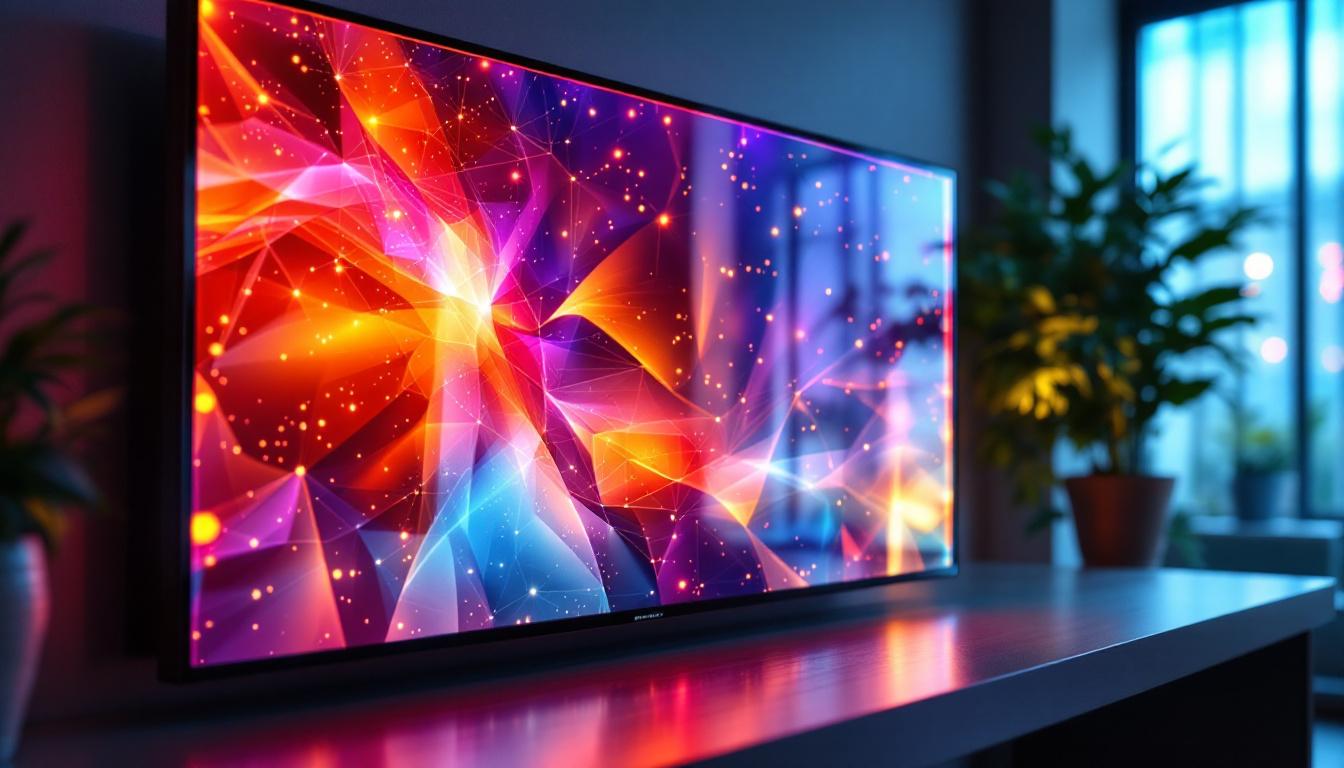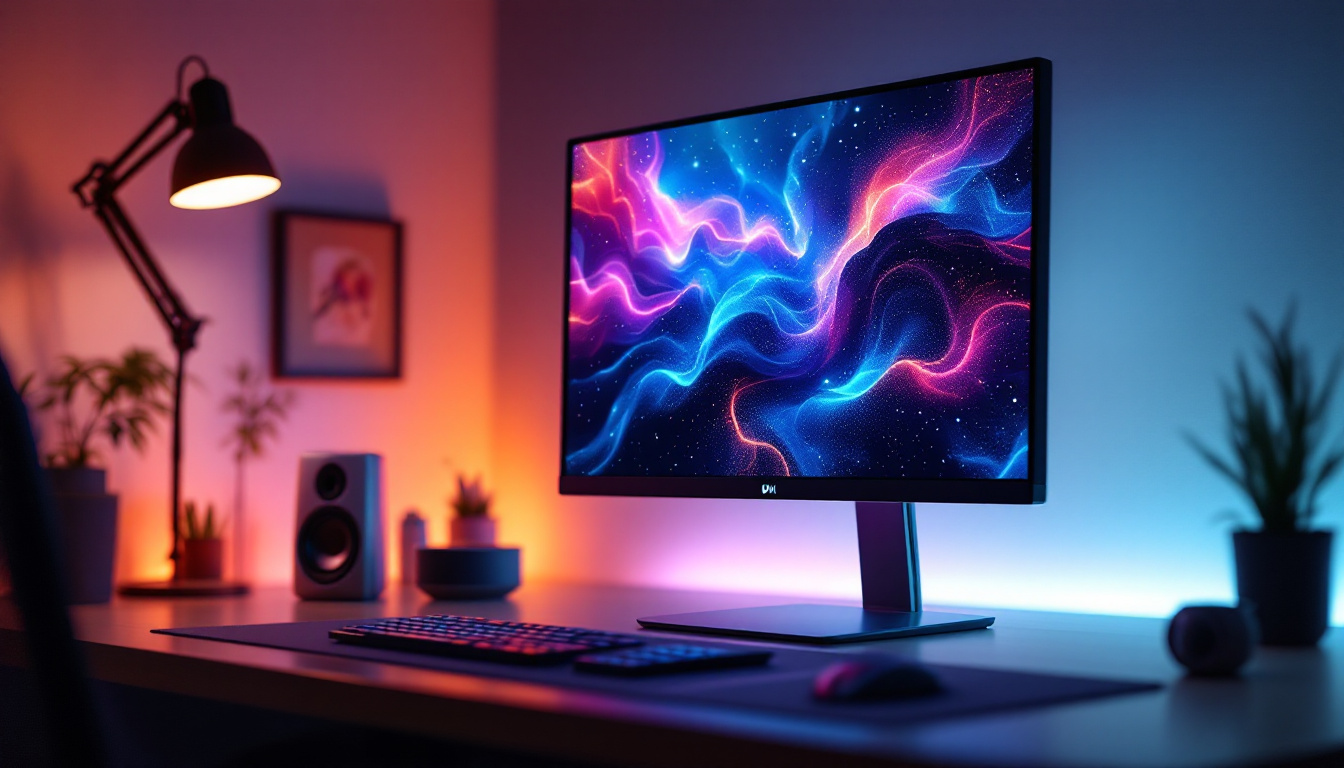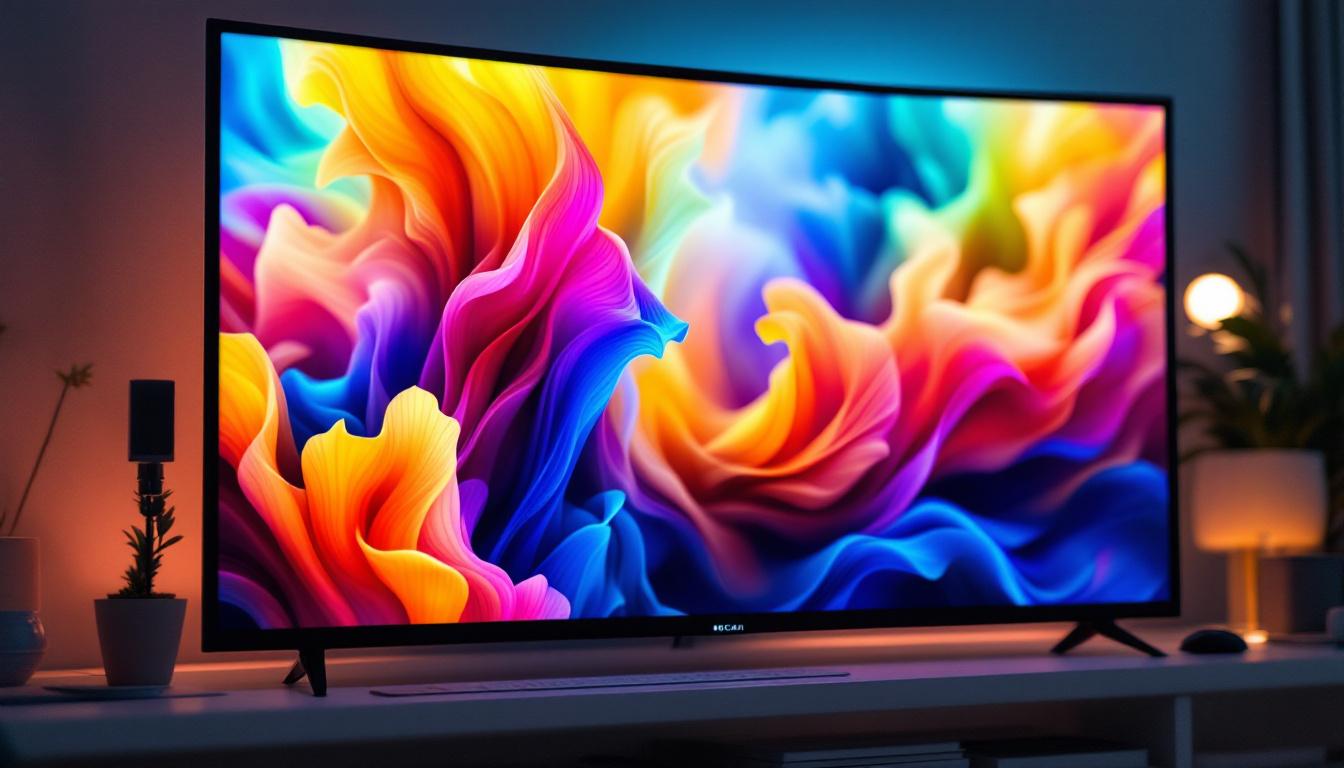
In the modern world of television technology, LED displays have become the standard for delivering vibrant, sharp, and energy-efficient images. Whether you’re shopping for a new TV or simply curious about how your screen produces such stunning visuals, understanding the technology behind LED displays is essential. This article breaks down the science, benefits, and nuances of LED TV screens, providing a comprehensive guide to help you appreciate what goes into that picture on your screen.
Understanding LED Display Technology
At its core, an LED TV screen is a type of LCD (Liquid Crystal Display) that uses Light Emitting Diodes (LEDs) as a backlight source. This combination allows for brighter images, better contrast, and improved energy efficiency compared to traditional LCD TVs that used cold cathode fluorescent lamps (CCFLs) for backlighting.
What Is an LED TV Screen?
LED TVs are essentially LCD TVs that use LEDs to illuminate the screen instead of older fluorescent tubes. The liquid crystals themselves don’t emit light; they act as shutters that control the amount of light passing through colored filters to create the image. The LEDs provide the light behind these crystals, enabling the screen to display images.
There are two main types of LED backlighting used in TVs: edge-lit and full-array. Edge-lit LED TVs position the LEDs along the edges of the screen, shining light across the display. Full-array LED TVs have LEDs spread evenly behind the screen, allowing for more precise control of brightness and contrast. This distinction is crucial for consumers, as full-array models often deliver superior performance, particularly in high-definition content where color accuracy and depth are paramount.
How LEDs Enhance Picture Quality
LED backlighting allows for higher brightness levels, which is crucial for viewing in well-lit rooms and achieving vivid colors. Additionally, LEDs can be dimmed or turned off in specific areas of the screen (a process known as local dimming), enhancing contrast by creating deeper blacks and brighter whites. This dynamic range improvement is especially noticeable in scenes with both dark shadows and bright highlights. Furthermore, the rapid response time of LEDs minimizes motion blur, making them ideal for fast-paced content such as sports or action films.
Moreover, advancements in LED technology have led to the development of Quantum Dot displays, which utilize tiny semiconductor particles to enhance color accuracy and brightness even further. These displays can produce a wider color gamut, allowing viewers to experience more lifelike images that closely resemble what the human eye perceives. As a result, the viewing experience is not only more immersive but also more enjoyable, as colors pop with a vibrancy that was previously unattainable in standard LED TVs. This evolution in display technology continues to push the boundaries of what’s possible in home entertainment, making LED TVs a popular choice among consumers seeking high-quality visual experiences.
The Science Behind the Picture: Pixels, Color, and Brightness
The picture quality on an LED TV screen depends on several factors, including pixel density, color accuracy, and brightness control. Understanding these elements helps explain why some LED TVs look better than others.
Pixels and Resolution
A pixel is the smallest unit of a digital image, and the resolution of a TV is defined by the number of pixels it contains. Common resolutions include Full HD (1920×1080 pixels) and 4K Ultra HD (3840×2160 pixels). The higher the resolution, the more pixels are packed into the screen, resulting in sharper and more detailed images.
Modern LED TVs predominantly feature 4K resolution, which has become the industry standard for delivering crisp visuals. Some premium models even offer 8K resolution, though content availability and price remain limiting factors.
Color Reproduction and Quantum Dots
Color accuracy is crucial for a realistic and immersive viewing experience. Many LED TVs use a technology called Quantum Dot enhancement to improve color reproduction. Quantum Dots are tiny semiconductor particles that emit very specific wavelengths of light when illuminated, resulting in purer and more vibrant colors.
Quantum Dot LED TVs, often branded as QLED, can cover a wider color gamut and achieve higher brightness levels than standard LED TVs. This technology is especially beneficial for HDR (High Dynamic Range) content, which relies on accurate color and contrast to deliver lifelike images.
Brightness and HDR Performance
Brightness is measured in nits, and modern LED TVs can reach peak brightness levels of 1000 nits or more, which is essential for HDR content. HDR enhances the dynamic range of the picture, allowing for more detail in both dark and bright areas.
LED TVs with local dimming and high peak brightness can display HDR content with impressive realism, making scenes appear more natural and immersive. This is a significant step up from standard dynamic range (SDR) TVs, which have limited brightness and contrast capabilities.
Types of LED Displays: Edge-Lit vs. Full-Array vs. Mini-LED
Not all LED TVs are created equal. The type of LED backlighting used can significantly affect picture quality, price, and viewing experience.
Edge-Lit LED TVs
Edge-lit LED TVs position LEDs along the edges of the screen. This design allows for thinner and lighter TVs at a lower cost. However, because the light must be spread across the screen, edge-lit TVs often struggle with uniform brightness and contrast, leading to issues like light bleed or uneven black levels.
While edge-lit TVs are suitable for casual viewing and budget-conscious buyers, they generally don’t offer the same picture quality as full-array models.
Full-Array LED TVs
Full-array LED TVs have LEDs distributed evenly behind the entire screen. This arrangement enables local dimming zones, where specific areas of LEDs can be dimmed or brightened independently. As a result, full-array TVs deliver superior contrast, deeper blacks, and more precise lighting control.
Though typically thicker and more expensive than edge-lit models, full-array LED TVs are favored by enthusiasts who prioritize picture quality, especially for HDR content.
Mini-LED Technology
Mini-LED is a recent advancement that uses thousands of tiny LEDs as the backlight source. Because the LEDs are much smaller, mini-LED TVs can have many more local dimming zones, allowing for even finer control over brightness and contrast.
This technology bridges the gap between traditional LED and OLED displays by offering excellent black levels and brightness without the risk of burn-in associated with OLED panels. Mini-LED TVs are becoming increasingly popular in premium models, offering a compelling balance of performance and cost.
Comparing LED Displays with Other TV Technologies
While LED TVs dominate the market, other display technologies like OLED and QLED are also popular. Understanding how LED compares helps in making informed decisions.
LED vs. OLED
OLED (Organic Light Emitting Diode) TVs differ fundamentally from LED TVs because each pixel emits its own light, eliminating the need for a backlight. This allows OLEDs to achieve perfect blacks and infinite contrast ratios, as pixels can be completely turned off.
However, OLEDs typically have lower peak brightness than LED TVs, which can affect HDR performance in very bright environments. Additionally, OLED panels are more susceptible to burn-in, where static images can leave permanent marks on the screen over time.
LED TVs, especially those with full-array or mini-LED backlighting, offer higher brightness and are less prone to burn-in, making them a better choice for bright rooms and varied content viewing.
LED vs. QLED
QLED is a marketing term used by some manufacturers to describe LED TVs enhanced with Quantum Dot technology. Essentially, QLED TVs are LED TVs with improved color accuracy and brightness capabilities.
QLED TVs can achieve higher brightness levels than standard LED TVs, making them excellent for HDR content and viewing in bright environments. However, since QLEDs still rely on LED backlighting, they cannot match the perfect black levels of OLED displays.
Practical Considerations When Choosing an LED TV
Beyond technology, several practical factors influence the viewing experience and satisfaction with an LED TV.
Screen Size and Viewing Distance
Choosing the right screen size depends on the viewing distance and room size. For 4K LED TVs, a viewing distance of about 1 to 1.5 times the screen diagonal is recommended to fully appreciate the increased resolution without noticing individual pixels.
For example, a 55-inch 4K TV is ideally viewed from 4.5 to 6.5 feet away. Larger screens are better suited for bigger rooms, but it’s essential to balance size with comfort to avoid eye strain.
Refresh Rate and Motion Handling
The refresh rate, measured in hertz (Hz), indicates how many times the image updates per second. Higher refresh rates, such as 120Hz, provide smoother motion, which is beneficial for fast-paced content like sports and gaming.
Many LED TVs use motion interpolation technologies to enhance perceived smoothness, but these can sometimes introduce unwanted artifacts or the “soap opera effect.” It’s important to test and adjust these settings based on personal preference.
Connectivity and Smart Features
Modern LED TVs come equipped with multiple HDMI ports, USB inputs, and support for wireless connections like Wi-Fi and Bluetooth. Smart TV platforms allow access to streaming services, apps, and voice control.
When selecting an LED TV, consider the availability of ports and compatibility with your existing devices. Features like HDMI 2.1 support are increasingly important for gamers and users of the latest media devices.
Energy Efficiency and Environmental Impact
LED TVs are generally more energy-efficient than older LCD models and plasma TVs. The use of LEDs as a backlight significantly reduces power consumption, contributing to lower electricity bills and a smaller environmental footprint.
Many LED TVs carry energy ratings and certifications that help consumers identify eco-friendly models. Additionally, advancements like mini-LED technology continue to improve energy efficiency without compromising picture quality.
Conclusion: Appreciating the Picture on Your LED TV Screen
The picture on an LED TV screen is the result of sophisticated technology combining liquid crystals, LED backlighting, and advanced color science. From the type of LED backlight to resolution and HDR capabilities, each factor plays a vital role in delivering the images that captivate viewers worldwide.
Whether opting for an affordable edge-lit model or a premium mini-LED TV, understanding these technologies empowers consumers to make informed choices tailored to their viewing habits and environments. As LED display technology continues to evolve, the future promises even more immersive and stunning television experiences.
Discover the Future of Visuals with LumenMatrix
Ready to elevate your viewing experience with the latest in LED display technology? LumenMatrix is at the forefront of innovation, offering a diverse range of LED display solutions that cater to every need. From the comfort of your home to the excitement of outdoor events, our Indoor and Outdoor LED Wall Displays, Vehicle LED Displays, and more are designed to bring your visuals to life. Embrace the future of visual communication with our cutting-edge LED Sports Displays, Floor LED Displays, and Custom LED Display options. Experience the difference with LumenMatrix and see how our All-in-One and LED Transparent Displays can transform your space and captivate any audience. Check out LumenMatrix LED Display Solutions today and join the revolution in high-impact, crystal-clear visual storytelling.