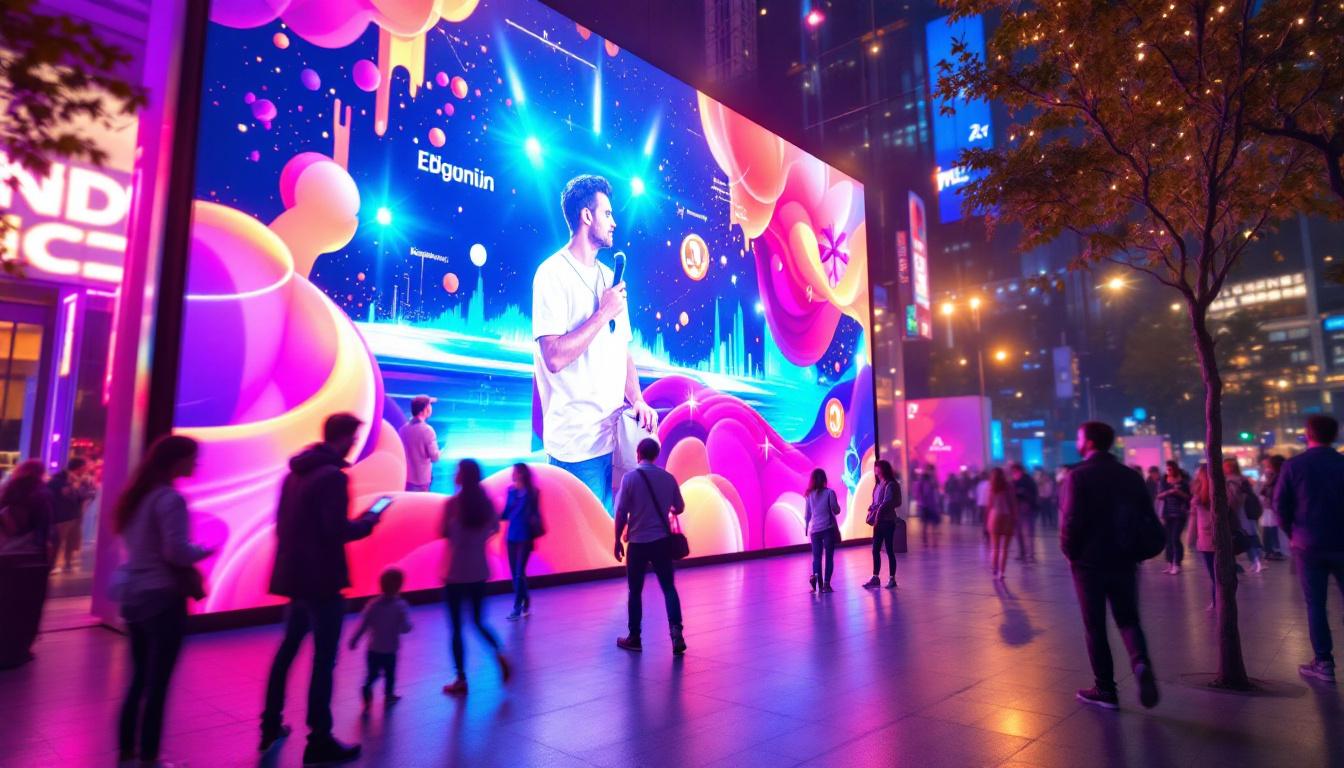
Outdoor LED screens have become an integral part of modern visual communication, transforming public spaces, advertising, and event experiences worldwide. These vibrant, high-resolution displays provide dynamic content that captures attention, delivers messages effectively, and withstands the challenges of outdoor environments. This article delves into the technology, applications, advantages, and considerations of outdoor LED screens, offering a comprehensive understanding for businesses, event organizers, and urban planners alike.
What Is an Outdoor LED Screen?
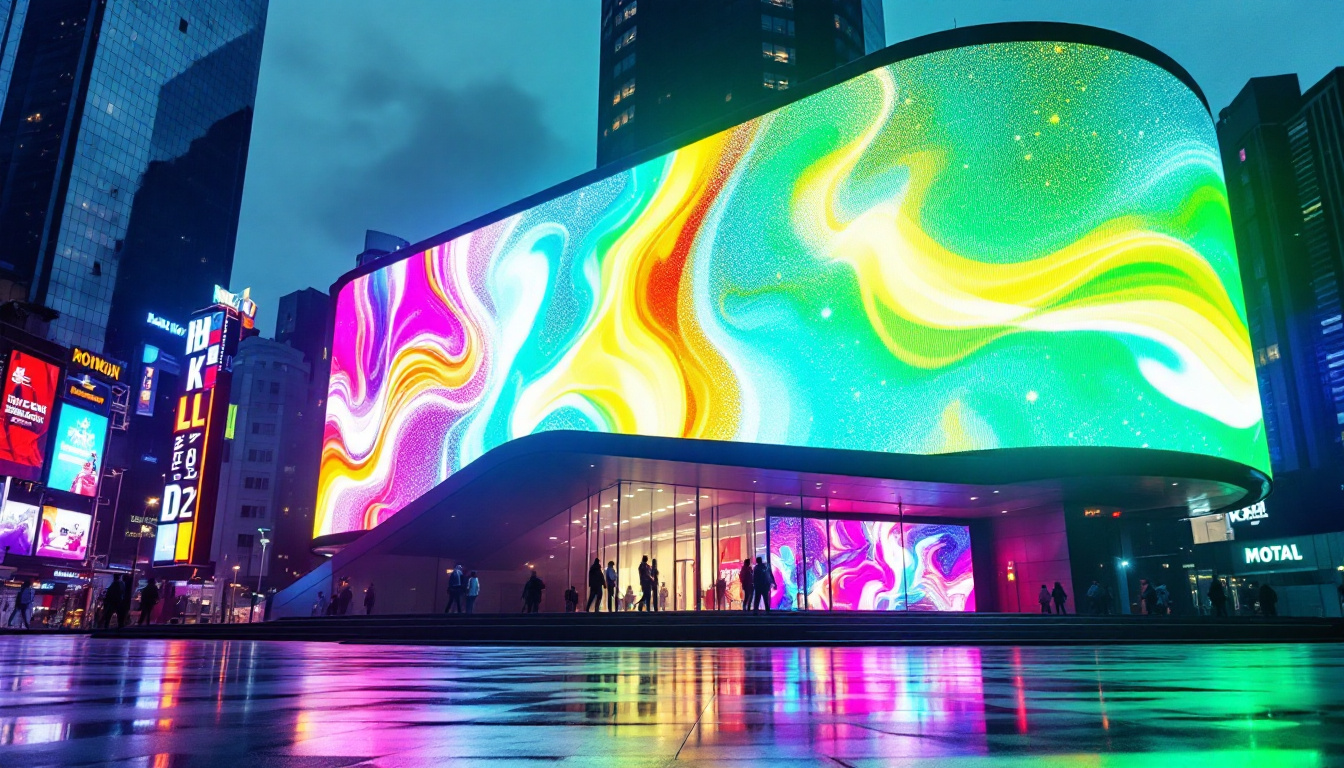
An outdoor LED screen is a large-format display composed of light-emitting diodes (LEDs) designed specifically for use in open-air environments. Unlike traditional screens, which may struggle with sunlight glare or weather exposure, outdoor LED screens are engineered to deliver bright, clear images visible even under direct sunlight. Their modular design allows for customization in size and resolution, making them suitable for various applications ranging from advertising billboards to live event backdrops.
The core technology behind these screens involves tiny LEDs arranged in a matrix, each capable of emitting red, green, or blue light. By controlling the intensity of these LEDs, the screen can produce millions of colors and display high-definition video content. The pixel pitch, or the distance between individual LEDs, determines the resolution and optimal viewing distance of the screen. Outdoor LED screens typically have a larger pixel pitch compared to indoor screens, balancing visibility and cost-effectiveness.
In addition to their impressive visual capabilities, outdoor LED screens are built to withstand the rigors of outdoor conditions. They are often equipped with protective features such as weatherproof casings and UV-resistant coatings, ensuring longevity and durability against rain, snow, and harsh sunlight. This resilience makes them ideal for a variety of settings, including sports stadiums, concert venues, and busy urban centers, where they can attract attention and convey messages effectively. Furthermore, many outdoor LED screens incorporate advanced cooling systems to prevent overheating, which can be a concern in high-temperature environments, thus maintaining optimal performance.
The versatility of outdoor LED screens extends beyond mere advertising; they can also serve as platforms for community engagement and entertainment. For instance, during major sporting events, these screens can display live feeds, replays, and interactive content, enhancing the experience for attendees. Additionally, they can be utilized for public service announcements, emergency alerts, and community events, making them a valuable tool for communication in public spaces. As technology continues to evolve, the integration of smart features, such as real-time content updates and audience interaction capabilities, is becoming increasingly common, further expanding the potential uses of outdoor LED screens.
Key Features That Define Outdoor LED Displays
Brightness and Visibility
One of the most critical features of outdoor LED screens is their brightness. Measured in nits, outdoor LED displays often range between 5,000 and 10,000 nits, which is significantly higher than indoor screens that usually operate around 300 to 500 nits. This high brightness ensures content remains vibrant and readable even in direct sunlight, a crucial factor for advertising effectiveness and audience engagement. Furthermore, advancements in LED technology have led to improved energy efficiency, allowing these displays to maintain high brightness levels without consuming excessive power. This not only reduces operational costs but also contributes to a more sustainable approach to outdoor advertising.
Durability and Weather Resistance
Outdoor environments expose LED screens to rain, wind, dust, and temperature fluctuations. To withstand these conditions, outdoor LED screens are built with robust materials and sealed enclosures, often rated with an IP65 or higher ingress protection rating. This means they are dust-tight and protected against water jets, ensuring reliable operation regardless of weather. Additionally, many screens incorporate temperature control systems such as fans or heaters to maintain optimal performance in extreme climates. The use of anti-reflective coatings further enhances visibility by minimizing glare, making it easier for viewers to see the content clearly, even during bright sunny days. This combination of durability and advanced technology ensures that outdoor LED displays can deliver consistent performance over time, reducing the need for frequent maintenance or replacements.
Viewing Angle and Pixel Pitch
The viewing angle of an LED screen determines how well the image can be seen from different positions. Outdoor LED screens typically offer wide viewing angles, often exceeding 120 degrees horizontally and vertically, allowing large crowds to view content clearly. Pixel pitch plays a complementary role; a smaller pixel pitch means higher resolution and better image detail at closer distances, while a larger pitch suits distant viewing scenarios like highway billboards. In addition, the advancements in pixel technology have led to the development of finer pixel pitches, enabling displays to achieve stunning clarity even in larger formats. This is particularly beneficial for events or venues where close-up viewing is common, such as concerts or sports arenas, where every detail counts. Moreover, the ability to customize pixel pitch based on the specific application allows advertisers and event organizers to tailor their displays for optimal impact, ensuring that their messages resonate effectively with their target audience.
Applications of Outdoor LED Screens
Advertising and Digital Billboards
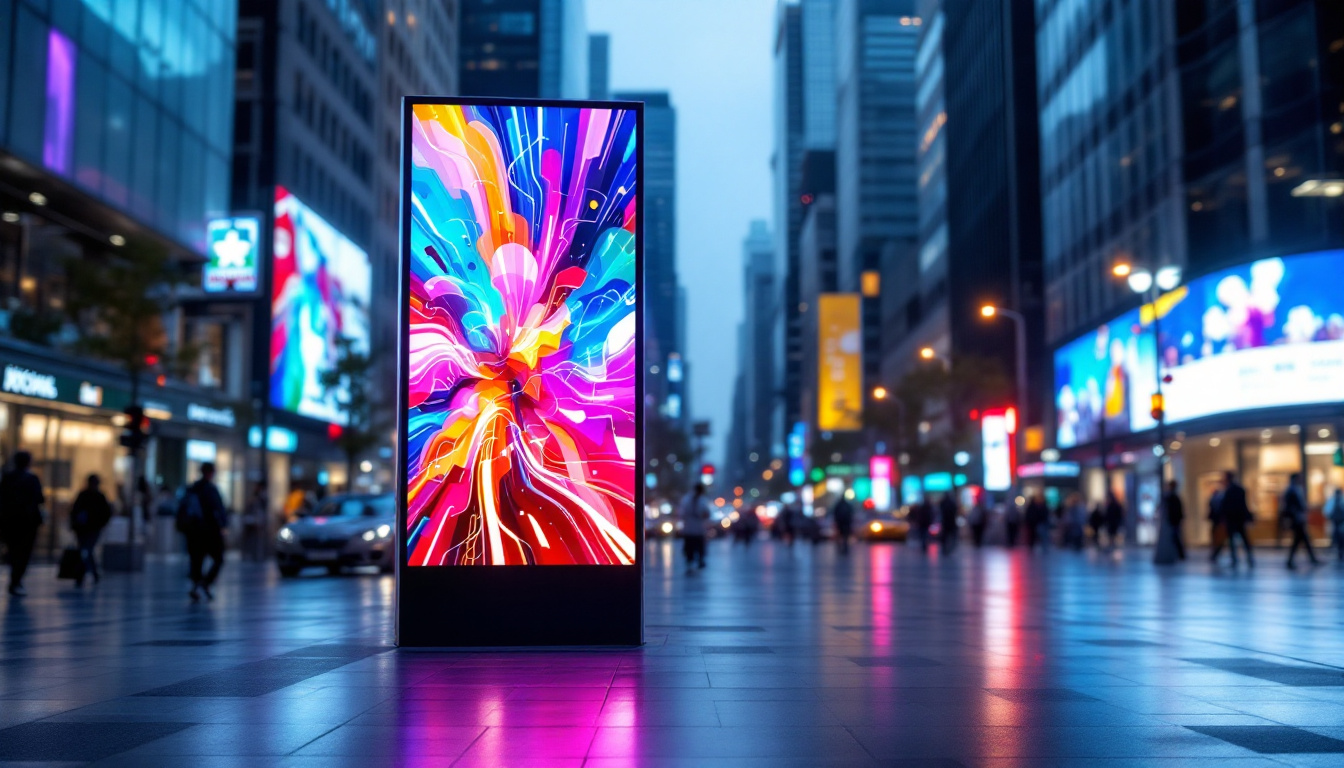
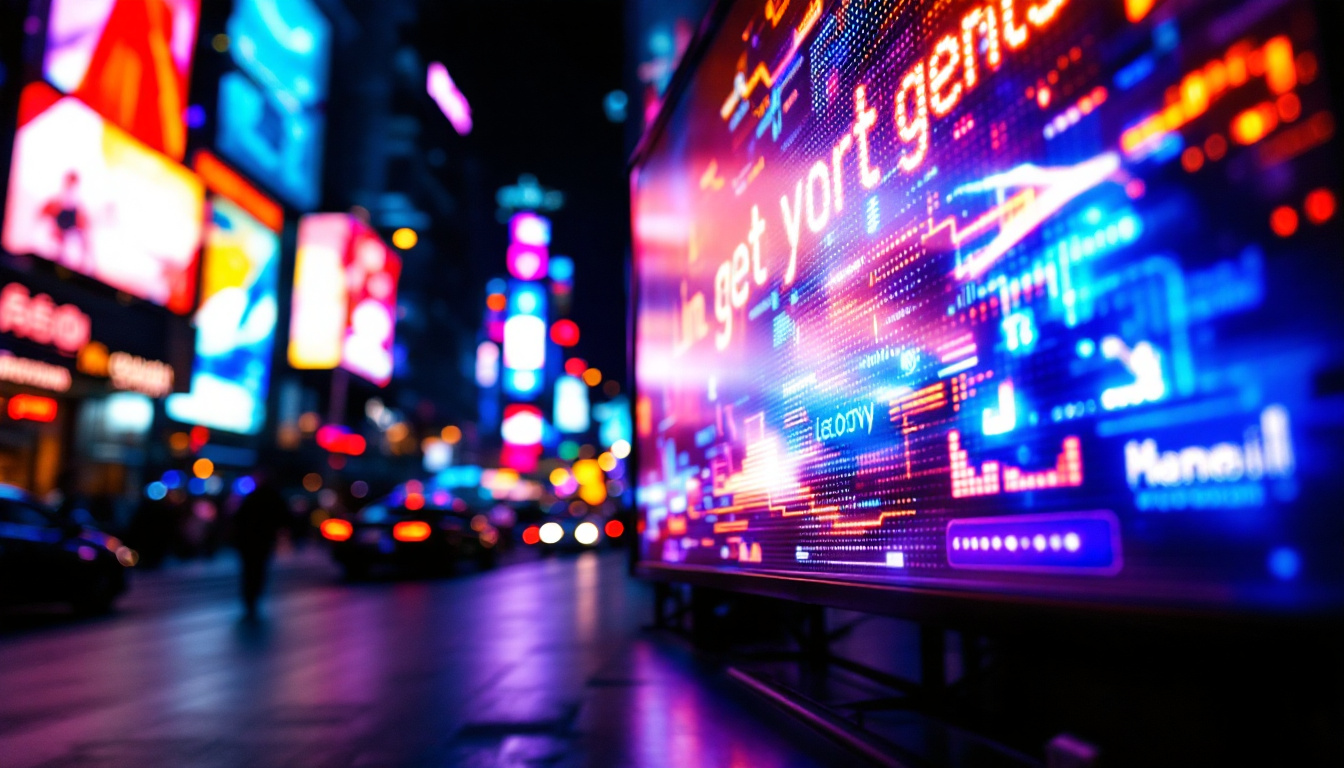
Outdoor LED screens have revolutionized advertising by enabling dynamic, eye-catching content that can be updated remotely and in real-time. Digital billboards using LED technology are now common in urban centers, shopping malls, and along highways. According to a 2023 report by the Digital Signage Federation, digital out-of-home advertising revenue surpassed $5 billion in the United States alone, reflecting the growing preference for LED-based displays over static billboards.
This dynamic capability allows advertisers to tailor messages based on time of day, weather conditions, or audience demographics, increasing campaign effectiveness. For example, a beverage company might display refreshing drink ads during hot afternoons and switch to promoting warm beverages in the evening.
Live Events and Entertainment
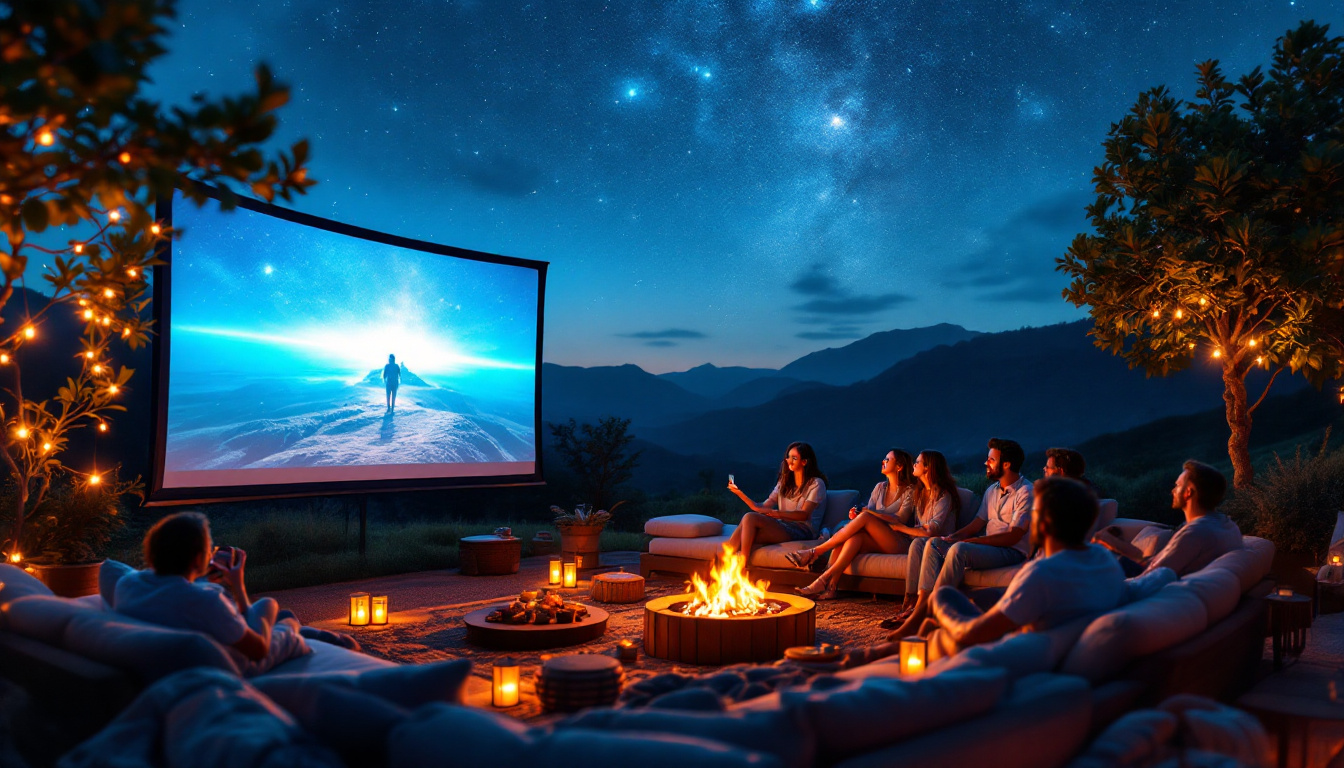
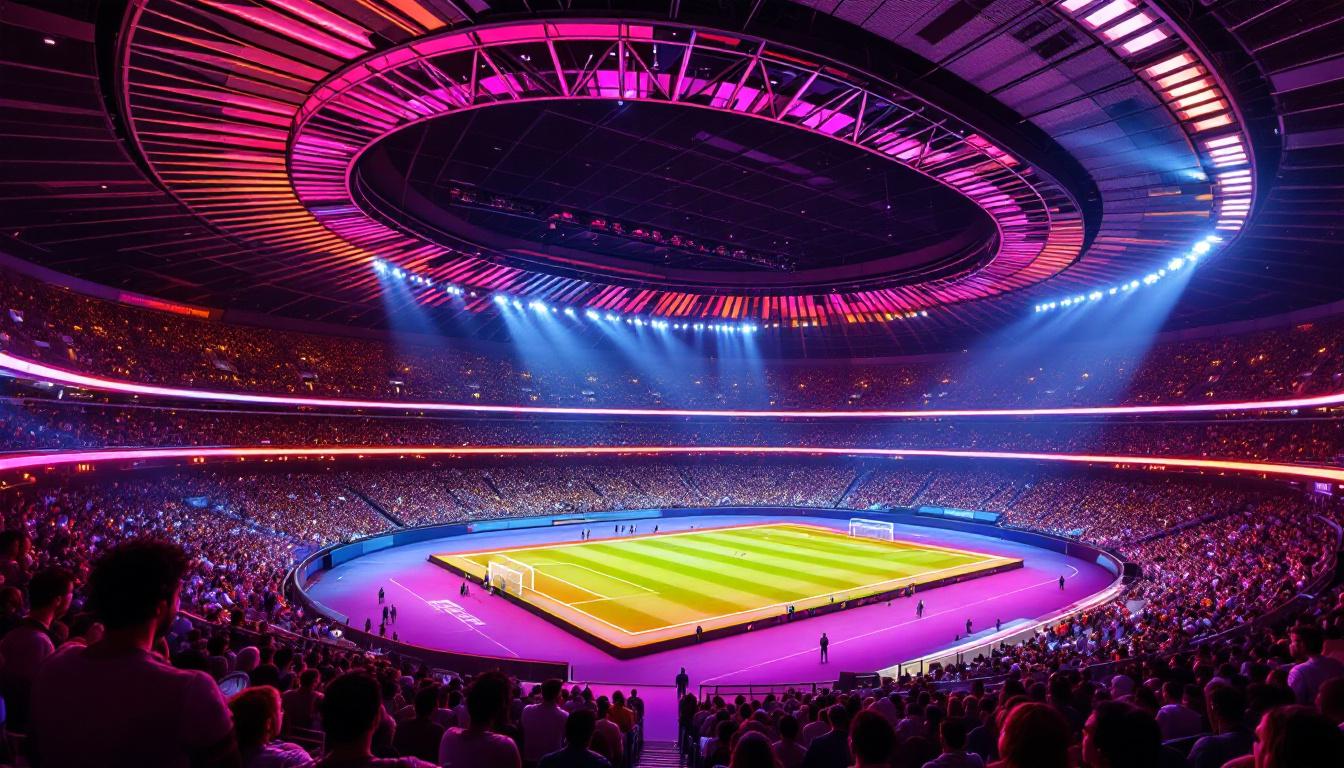
Concerts, sports arenas, festivals, and public gatherings frequently utilize outdoor LED screens to enhance the spectator experience. These screens provide live video feeds, instant replays, interactive content, and sponsor messaging. Their scalability allows for massive installations that can cover entire stages or stadium walls, creating immersive environments.
One notable example is the Super Bowl halftime shows, where giant outdoor LED screens deliver stunning visuals that complement live performances, engaging millions of viewers both onsite and via broadcasts.
Public Information and Safety
Municipalities and transportation authorities employ outdoor LED screens to disseminate real-time information such as traffic updates, weather alerts, emergency notifications, and public service announcements. Their high visibility and flexibility make them ideal for critical communication during events like natural disasters or large-scale public gatherings.
For instance, during the 2022 Winter Olympics, outdoor LED displays were strategically placed to provide visitors with schedules, directions, and safety protocols, enhancing overall event management and attendee experience.
Advantages of Outdoor LED Screens Over Other Technologies
Energy Efficiency and Longevity
Compared to traditional lighting and display technologies, LEDs consume significantly less power while delivering superior brightness. This energy efficiency translates into lower operating costs and reduced environmental impact. Furthermore, outdoor LED screens boast long lifespans, often exceeding 100,000 hours of operation before brightness diminishes noticeably, which equates to over 11 years of continuous use.
Flexibility and Content Management
Outdoor LED screens support a wide range of content formats, including video, images, text, and animations. Modern control systems enable remote content updates via cloud-based platforms, allowing operators to manage multiple screens across different locations seamlessly. This flexibility is invaluable for advertisers and event organizers who require timely and targeted messaging.
Cost-Effectiveness Over Time
While the initial investment in outdoor LED screens can be substantial, the combination of durability, energy savings, and dynamic content capabilities often results in a favorable return on investment. Digital signage analytics also help optimize advertising strategies, further enhancing revenue potential.
Considerations When Choosing an Outdoor LED Screen
Pixel Pitch and Viewing Distance
Selecting the appropriate pixel pitch is essential to ensure image clarity at the intended viewing distance. For example, a pixel pitch of 10mm might be suitable for a billboard viewed from 30 meters away, while a 4mm pitch would be necessary for closer viewing scenarios such as outdoor retail displays. Incorrect pixel pitch selection can lead to pixelation or unnecessarily high costs.
Environmental Conditions
Understanding the environmental conditions where the screen will be installed is critical. Areas with high humidity, salt air (near oceans), or extreme temperatures require specialized enclosures and materials to prevent corrosion and maintain performance. Additionally, local regulations regarding brightness levels and light pollution must be considered to ensure compliance.
Installation and Maintenance
Proper installation by experienced professionals ensures structural safety and optimal screen performance. Maintenance plans should include routine cleaning, inspection of electrical components, and software updates to prolong the screen’s lifespan. Accessibility for repairs is another factor to consider, especially for large or elevated installations.
Future Trends in Outdoor LED Technology
The outdoor LED display industry continues to evolve rapidly, driven by advancements in materials, software, and integration capabilities. Micro-LED technology promises even higher resolution and energy efficiency, while flexible and transparent LED panels open new possibilities for architectural integration.
Artificial intelligence and data analytics are also enhancing content personalization and audience measurement, enabling smarter advertising and public communication strategies. Furthermore, the integration of 5G connectivity allows for real-time, high-bandwidth content delivery, supporting interactive and augmented reality experiences on outdoor screens.
Conclusion
Outdoor LED screens represent a powerful medium for communication, combining technological innovation with practical benefits. Their brightness, durability, and versatility make them indispensable tools for advertising, entertainment, and public information in today’s visually driven world. Understanding the key features, applications, and considerations outlined in this article equips stakeholders with the knowledge to make informed decisions and harness the full potential of outdoor LED display technology.
Discover LumenMatrix LED Display Solutions
Ready to elevate your outdoor space with unparalleled visual impact? Look no further than LumenMatrix, a pioneer in LED display technology. Our extensive range of products, including Outdoor LED Wall Displays, LED Sports Displays, and Custom LED Solutions, are designed to captivate your audience and amplify your message. Embrace the future of visual communication with LumenMatrix and create experiences that resonate. Check out LumenMatrix LED Display Solutions today and transform your brand’s visibility.