In the rapidly evolving world of lighting and visual technology, LED display lamps have carved out a significant niche. These innovative devices combine the efficiency of LED lighting with the dynamic capabilities of digital displays, offering solutions for everything from advertising to interior design. This article delves into the fundamentals of LED display lamps, exploring their technology, applications, benefits, and future trends.
Understanding LED Display Lamps: The Basics
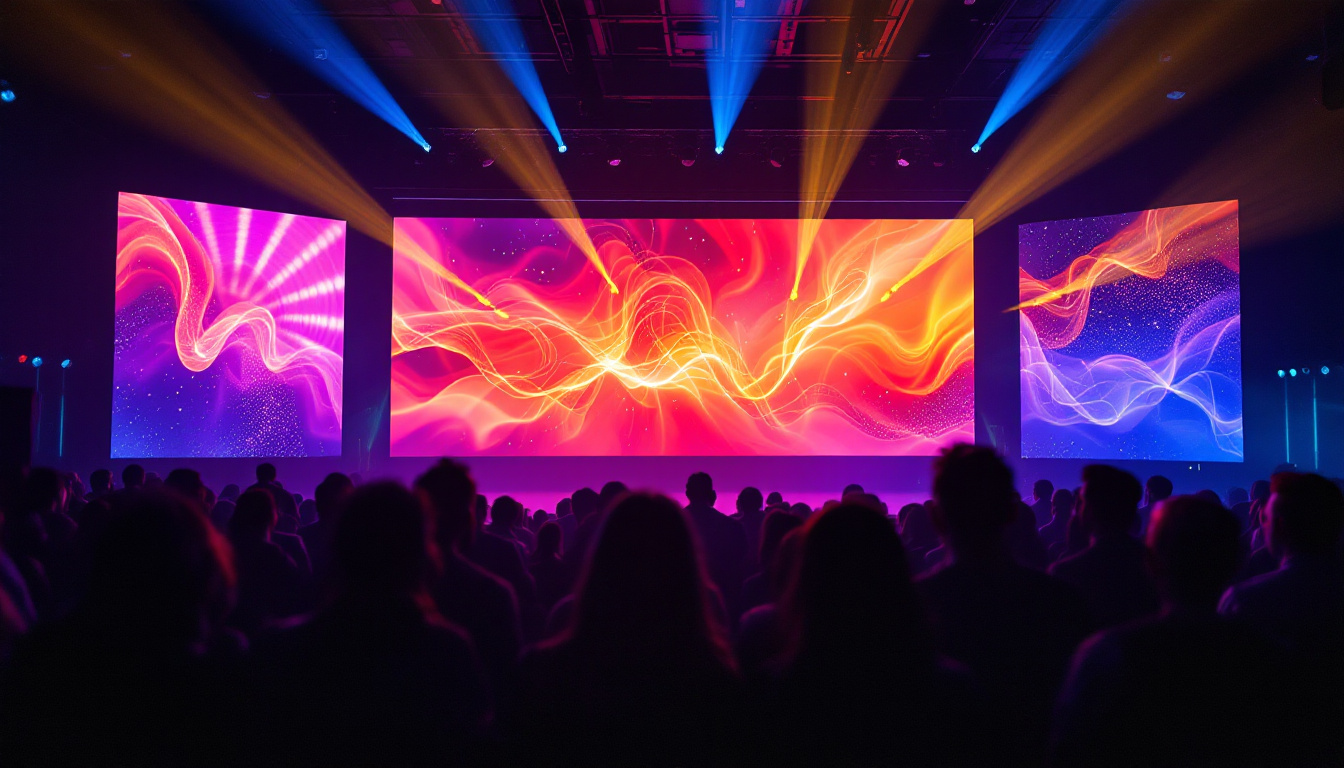
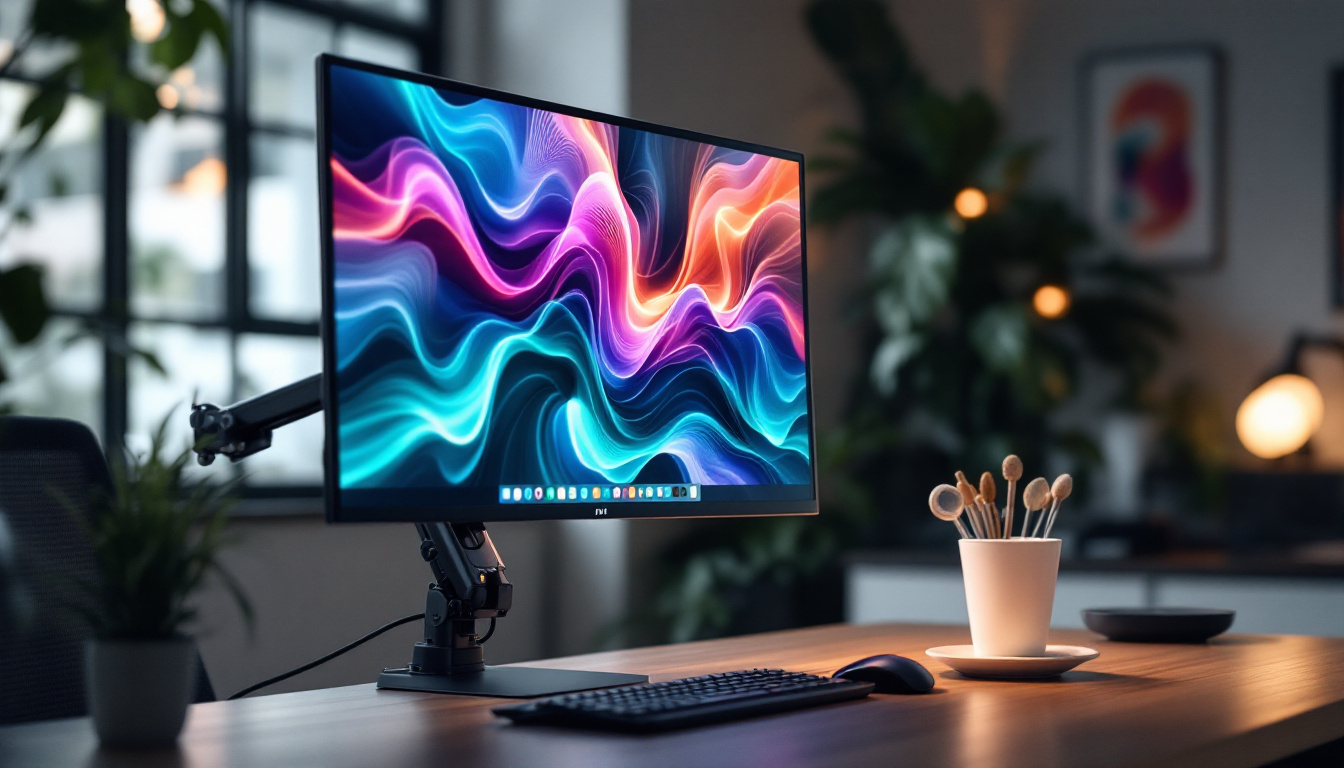
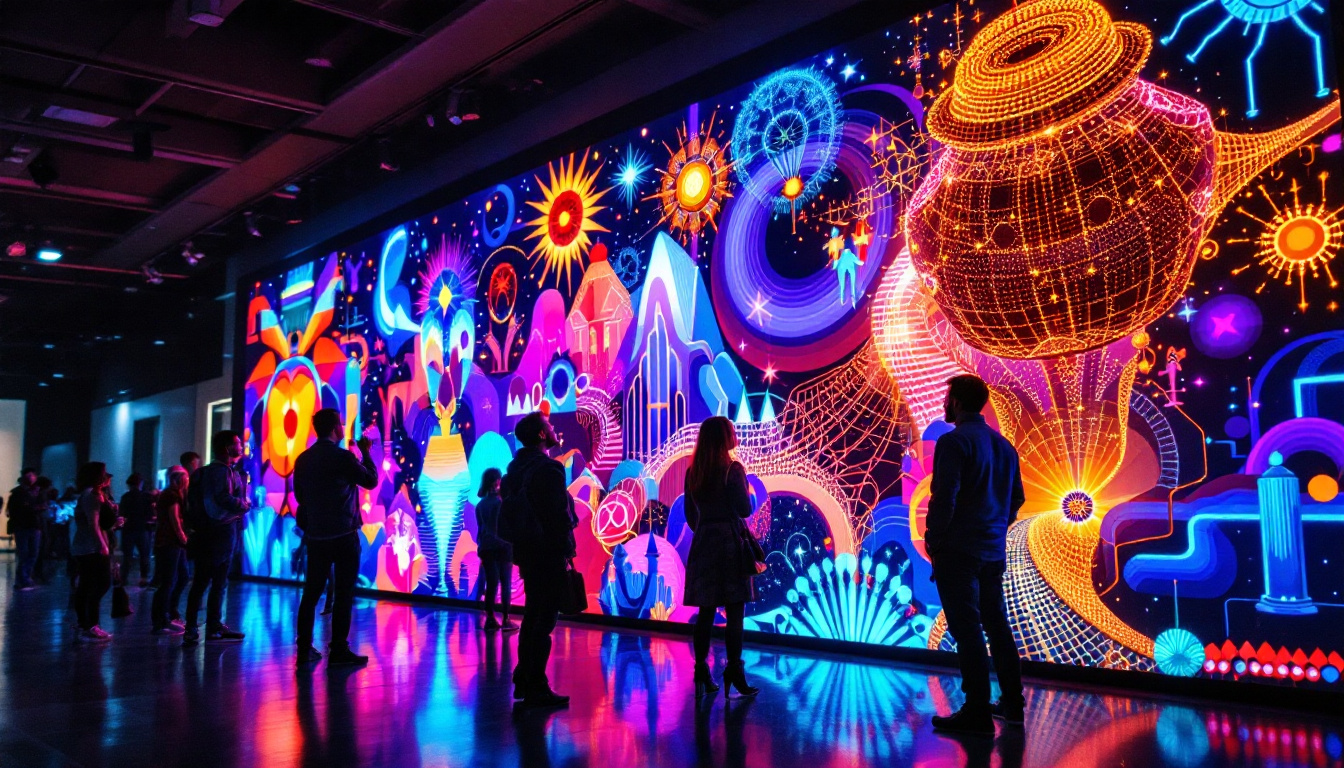
LED display lamps are lighting fixtures that integrate light-emitting diodes (LEDs) with display technology to present visual content. Unlike traditional lamps that solely emit light, these devices can showcase text, images, animations, or videos, making them versatile tools for communication and decoration. Their ability to convey information visually has made them increasingly popular in advertising, public information displays, and even in artistic installations, where the interplay of light and imagery can create captivating experiences.
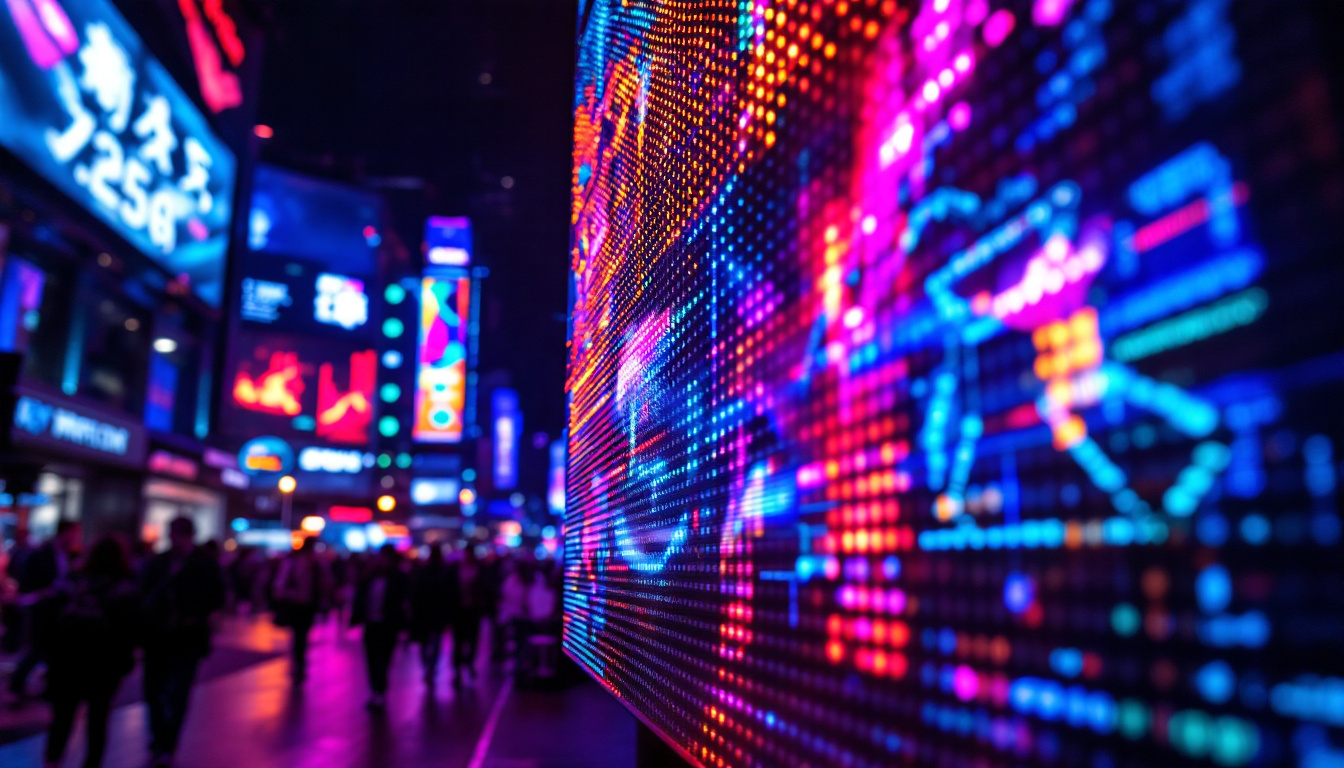
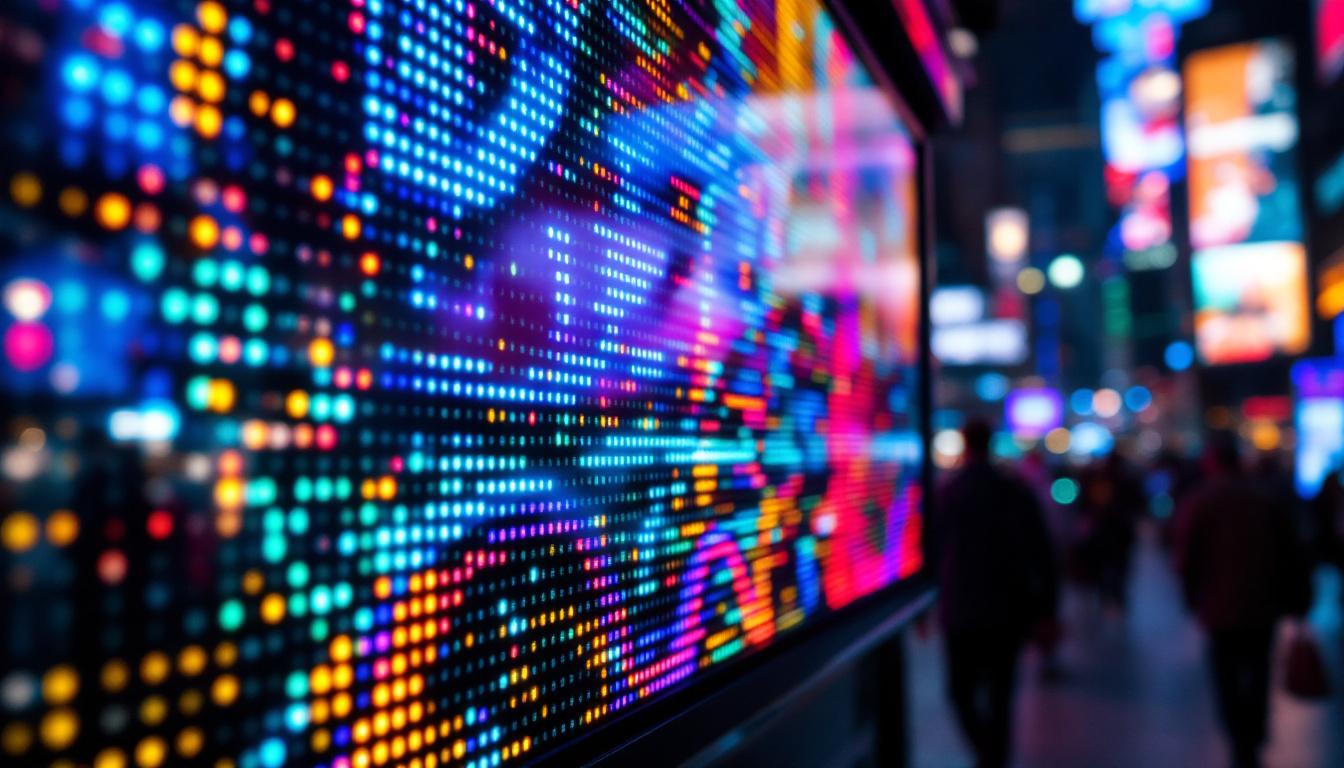
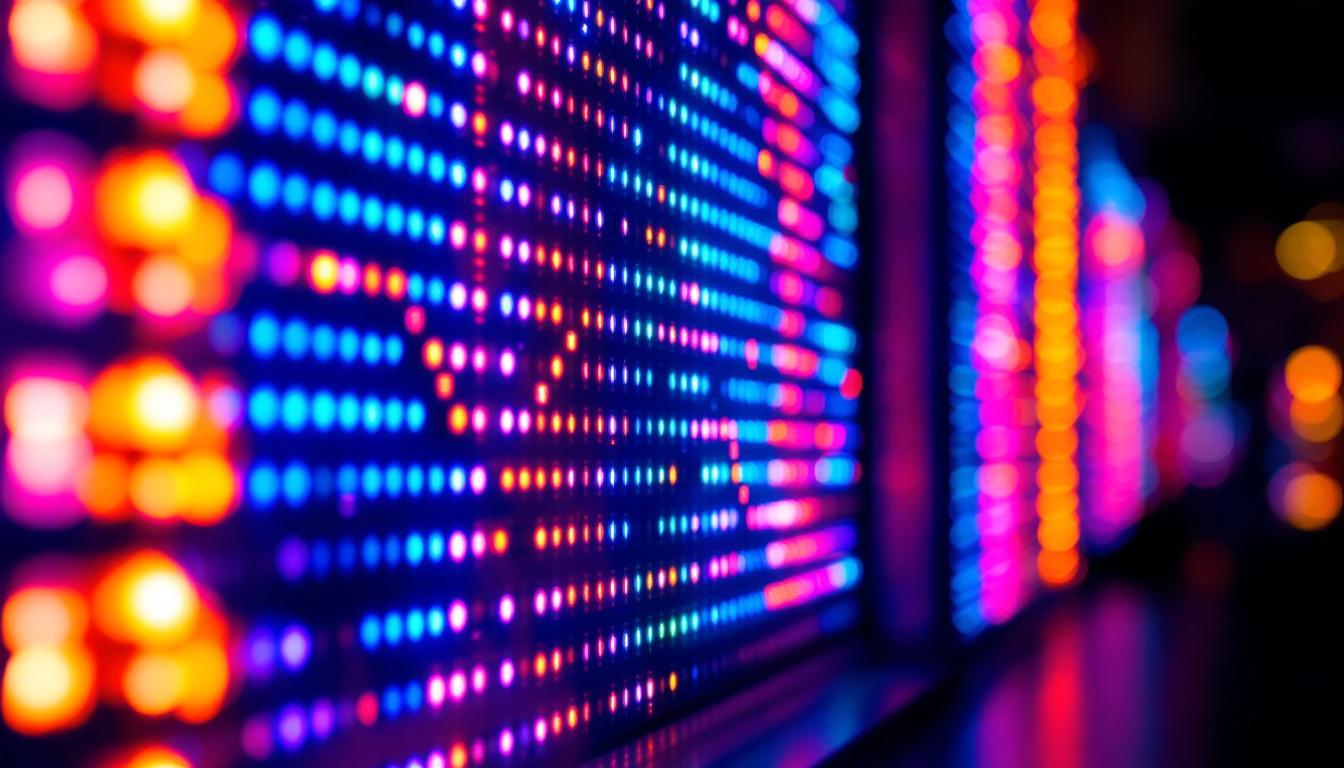
The core of an LED display lamp is the LED panel, composed of numerous tiny LEDs arranged in a matrix. Each LED acts as a pixel, capable of emitting light in various colors and intensities. By controlling these pixels, the lamp can render detailed visuals with vibrant colors and sharp contrasts. This pixel-based structure allows for high-resolution displays that can be seen from various angles, making them effective for both large audiences and intimate settings. The energy efficiency of LEDs also means that these lamps can operate at a fraction of the cost of traditional lighting solutions, further enhancing their appeal.
How LED Display Technology Works
At the heart of LED display technology lies the principle of electroluminescence, where semiconductors emit light when an electric current passes through them. Modern LED displays use either monochrome LEDs or full-color RGB LEDs. RGB LEDs combine red, green, and blue light to produce a wide spectrum of colors through varying intensities. This color mixing capability allows for the creation of intricate designs and animations that can capture attention and convey messages effectively.
Control systems, often driven by microcontrollers or specialized processors, manage the illumination of individual LEDs to create the desired images or animations. These systems can be programmed for static displays or dynamic content that changes in real-time, depending on the application. Advanced software can even allow for remote control and scheduling of content, making it easy to update displays for events, promotions, or seasonal decorations without the need for physical intervention.
Types of LED Display Lamps
LED display lamps come in various forms, tailored to different uses:
- Indoor LED Display Lamps: Designed for environments like homes, offices, and retail spaces, these lamps prioritize brightness suitable for indoor lighting and high-resolution displays for close viewing distances. They are often used in settings where clarity and detail are essential, such as in digital signage for product promotions or in home theaters for an immersive viewing experience.
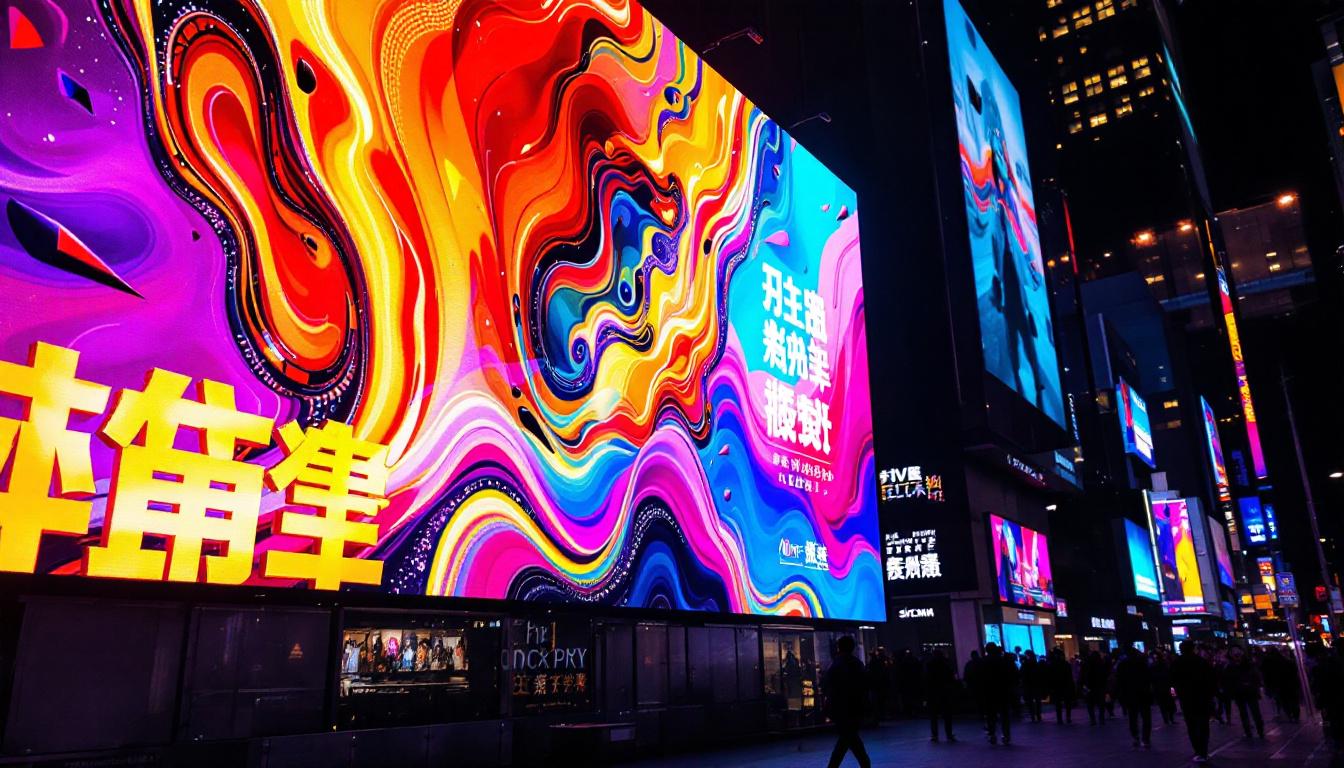
- Outdoor LED Display Lamps: Built to withstand weather conditions, these lamps feature higher brightness levels to combat sunlight glare and durable casings for protection. They are commonly seen in stadiums, public squares, and transportation hubs, where they provide critical information and entertainment to large crowds, even in bright daylight.
- Flexible LED Display Lamps: Utilizing bendable LED panels, these lamps can conform to curved surfaces, opening new possibilities in design and installation. This flexibility allows for creative applications in architecture and interior design, where traditional rigid displays may not fit. They can be used to create stunning visual installations that enhance the aesthetic appeal of a space, blending seamlessly with the environment.
Applications of LED Display Lamps
The versatility of LED display lamps has led to widespread adoption across multiple sectors. Their ability to combine illumination with visual messaging makes them valuable tools in both commercial and personal contexts.
Advertising and Marketing
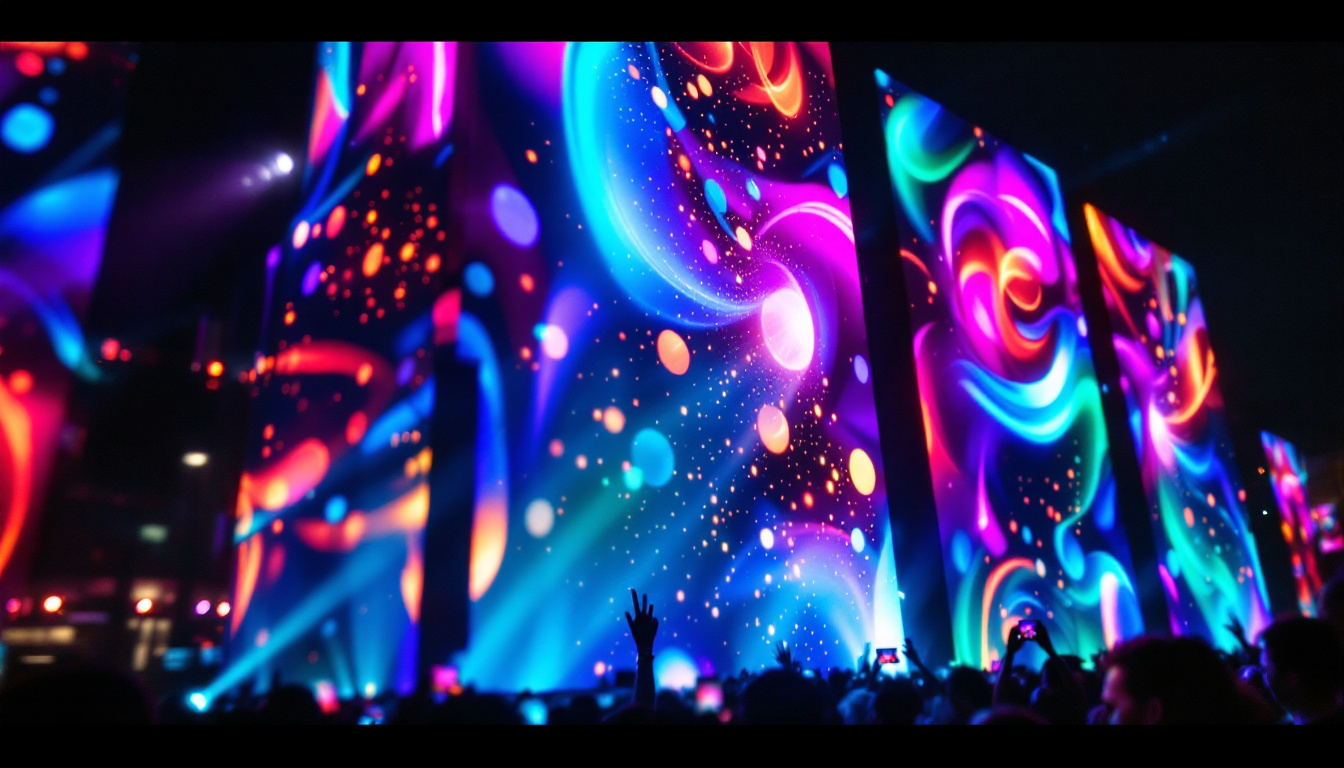
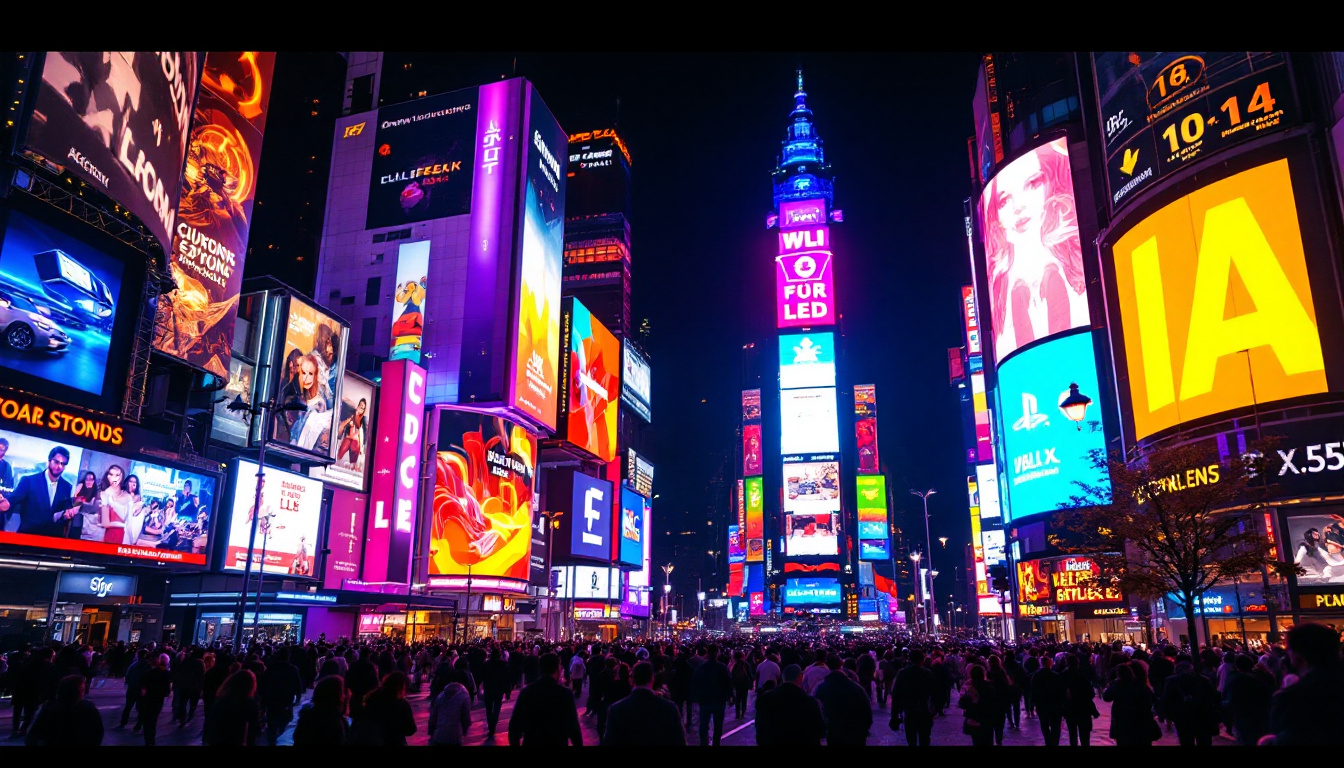
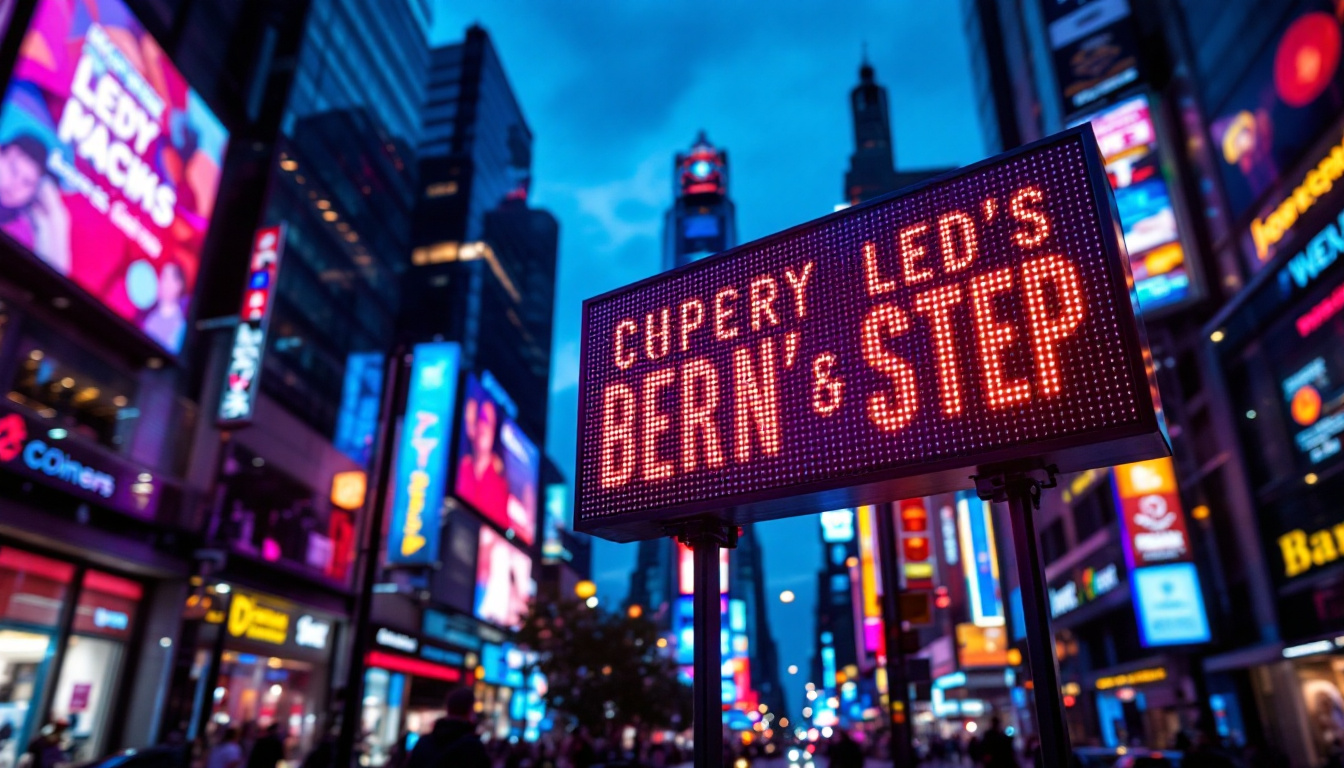
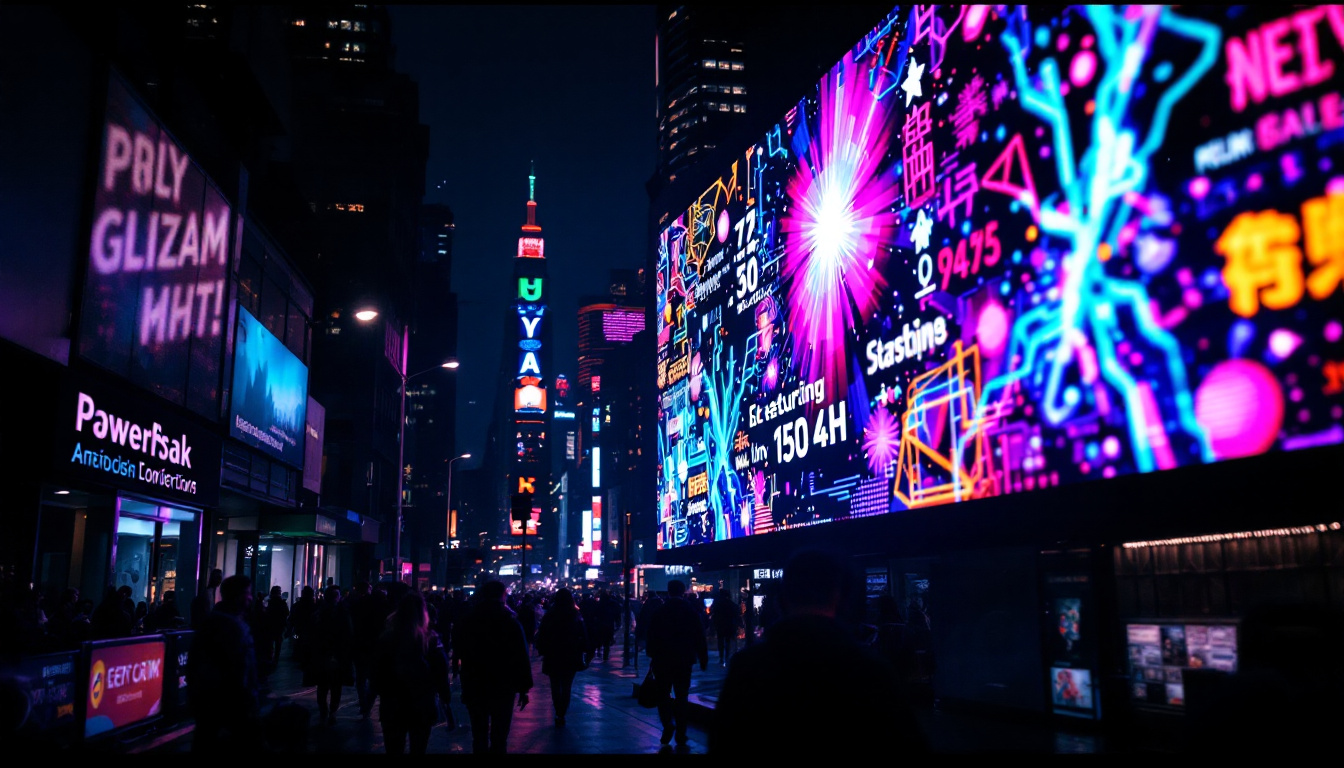
One of the most prominent uses of LED display lamps is in advertising. Businesses leverage these lamps to attract attention with bright, colorful, and dynamic content. LED display lamps can be integrated into signage, storefront displays, and promotional installations, providing eye-catching visuals that traditional lighting cannot match.
For example, retail stores use LED display lamps to highlight sales or new products, while event organizers employ them for branding and information dissemination. The flexibility to update content remotely and instantly is a significant advantage in fast-paced marketing environments. This adaptability allows businesses to tailor their messaging based on real-time data, such as foot traffic or seasonal trends, ensuring that their advertising remains relevant and impactful. Furthermore, the ability to incorporate animations and videos into these displays enhances engagement, capturing the attention of passersby in ways static signs simply cannot achieve.
Interior Decoration and Ambiance Creation
Beyond commercial use, LED display lamps are increasingly popular in interior design. They offer an innovative way to blend lighting with art, enabling homeowners and designers to customize room ambiance dynamically. From displaying abstract patterns to personalized messages, these lamps enhance aesthetic appeal while serving functional lighting needs.
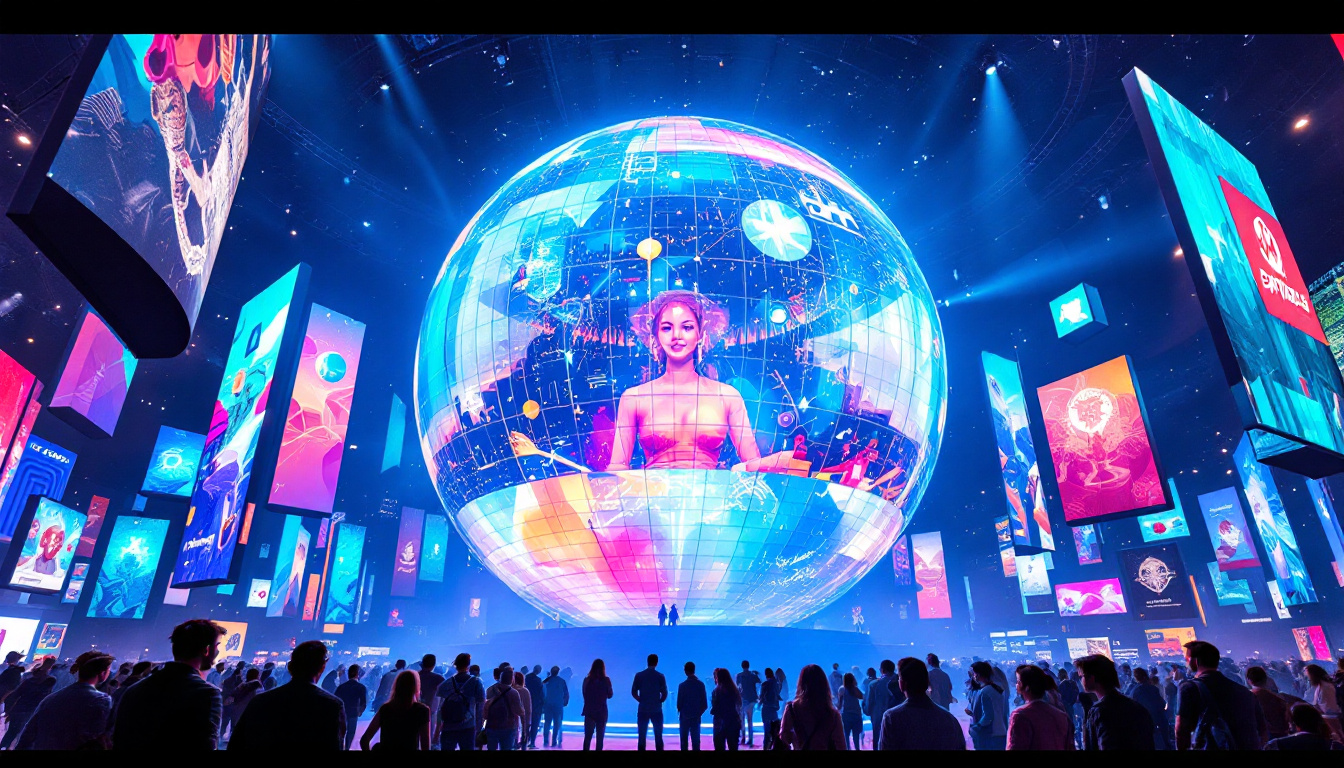
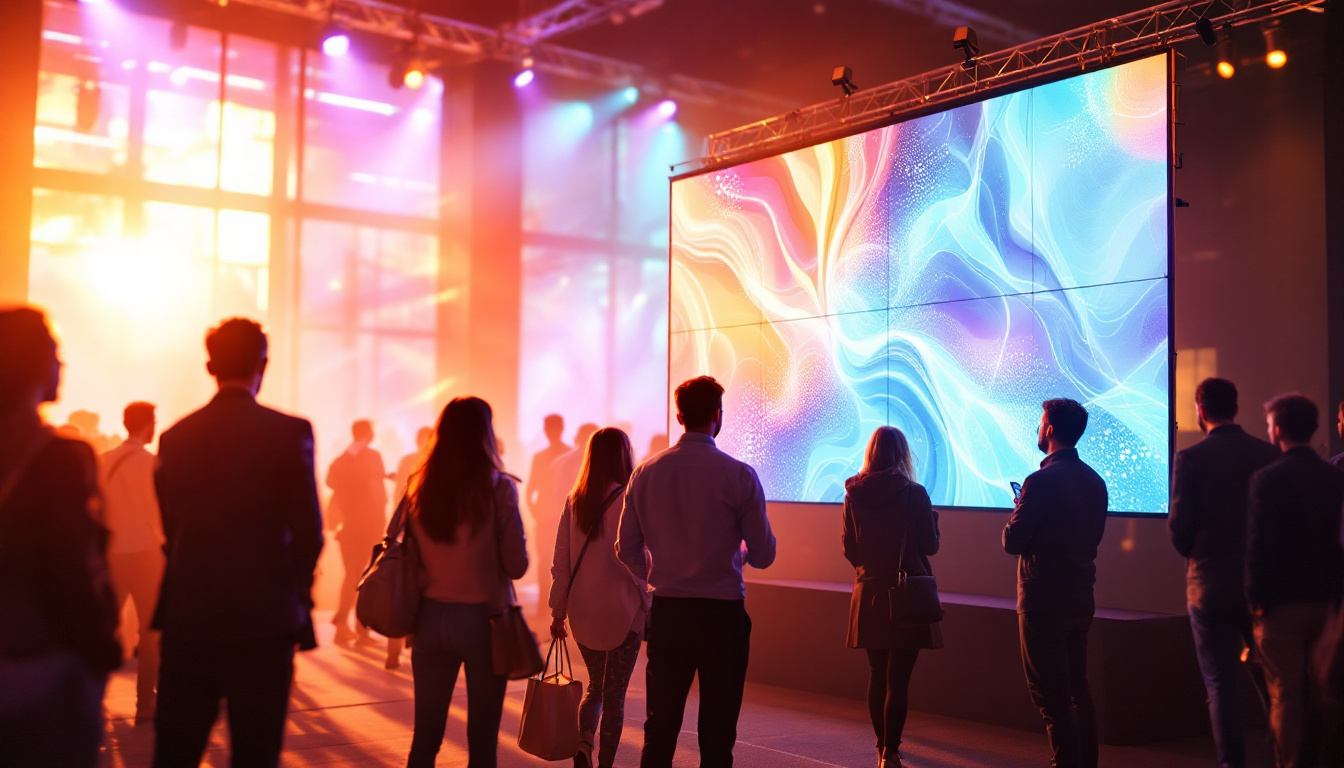
Hotels, restaurants, and entertainment venues also utilize LED display lamps to create immersive environments, adjusting lighting and visuals to match themes or moods. For instance, a restaurant might use LED lamps to project a serene underwater scene during a seafood promotion, enhancing the dining experience. Additionally, interior designers are now experimenting with LED technology to create interactive installations that respond to movement or sound, further blurring the lines between art and technology. This trend not only elevates the visual experience but also invites guests to engage with their surroundings in new and exciting ways.
Information Display and Public Communication
In public spaces such as airports, train stations, and conference centers, LED display lamps serve as informative tools. They provide real-time updates, directions, and alerts with high visibility and clarity. Their energy efficiency and long lifespan make them cost-effective for continuous operation.
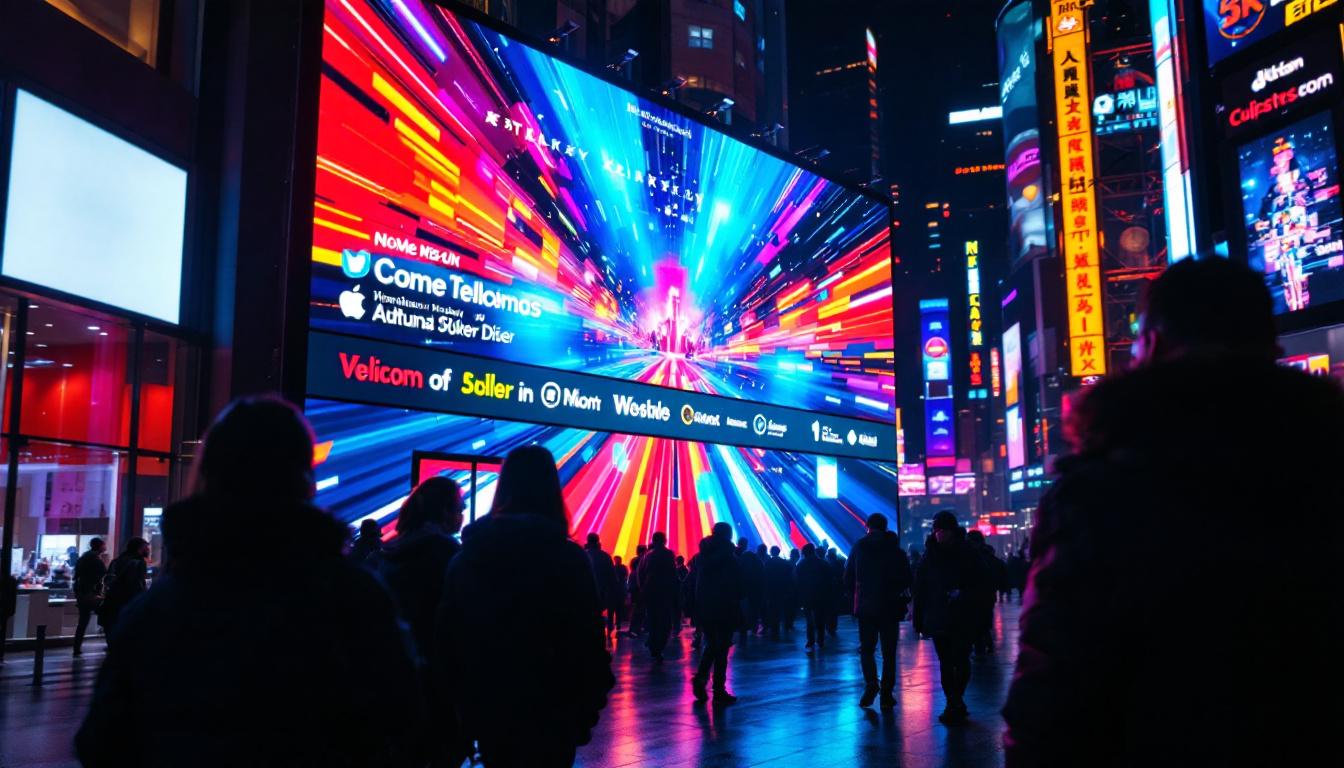
Moreover, the integration of LED display lamps into public communication systems has revolutionized how information is disseminated. For example, in transportation hubs, these displays can relay crucial information about delays or changes in schedules instantly, improving passenger experience and safety. Additionally, during emergencies, LED displays can quickly convey essential instructions or alerts to large crowds, demonstrating their critical role in public safety. As technology advances, we can expect to see even more innovative applications of LED display lamps in enhancing communication and information accessibility in our daily lives.
Benefits of LED Display Lamps
LED display lamps offer numerous advantages that contribute to their growing popularity. Understanding these benefits helps explain why they are preferred over traditional lighting and display technologies.
Energy Efficiency and Longevity
LED technology is renowned for its energy efficiency. LED display lamps consume significantly less power compared to incandescent or fluorescent lighting while delivering superior brightness. This efficiency translates into reduced electricity costs and a smaller environmental footprint.
Moreover, LEDs have a long operational life, often exceeding 50,000 hours. This durability reduces maintenance frequency and replacement costs, making LED display lamps a smart investment for both businesses and consumers.
High Brightness and Color Accuracy
LED display lamps provide exceptional brightness levels, ensuring visibility even in brightly lit environments or direct sunlight. Their ability to produce vivid colors with high accuracy enhances the visual impact of displayed content, essential for advertising and decorative purposes.
Flexibility and Customization
The modular nature of LED panels allows for extensive customization in size, shape, and resolution. This flexibility enables designers to create unique installations tailored to specific spatial and aesthetic requirements. Additionally, programmable control systems allow for dynamic content changes, enabling real-time updates and interactive experiences.
Environmental Impact
LED display lamps are more environmentally friendly than many traditional lighting options. They contain no hazardous materials like mercury, which is present in some fluorescent lamps, and their energy efficiency contributes to lower greenhouse gas emissions. The reduced need for frequent replacements also minimizes waste.
Challenges and Considerations
While LED display lamps offer many benefits, there are challenges and factors to consider when selecting and implementing these systems.
Initial Investment Costs
The upfront cost of LED display lamps, especially high-resolution or large-format models, can be higher than conventional lighting solutions. However, this cost is often offset over time by energy savings and reduced maintenance expenses.
Heat Management
Although LEDs generate less heat than traditional bulbs, the dense arrangement of LEDs in display panels can produce significant heat. Effective thermal management through heat sinks and ventilation is crucial to maintain performance and longevity.
Content Management and Software
To fully leverage the capabilities of LED display lamps, users need appropriate software for content creation and management. This requirement may involve a learning curve and additional costs for specialized software or services.
Viewing Angle and Resolution
The quality of the displayed image depends on the resolution of the LED panel and the viewing angle. Lower-resolution panels may appear pixelated when viewed up close, and narrow viewing angles can limit visibility. Selecting the right specifications based on the intended use is essential.
Emerging Trends and Future Outlook
The LED display lamp market continues to evolve with technological advancements and changing user demands. Several trends are shaping the future of this dynamic field.
Integration with Smart Technologies
Smart LED display lamps that connect to the Internet of Things (IoT) are becoming more prevalent. These devices can be controlled remotely via smartphones or integrated into building automation systems, enabling features like adaptive brightness, color tuning, and content scheduling based on environmental conditions or user preferences.
Flexible and Transparent Displays
Advancements in flexible LED technology are enabling the creation of bendable and even transparent display lamps. These innovations open new possibilities for architectural integration, wearable technology, and creative design applications.
Higher Resolution and Miniaturization
Ongoing improvements in LED manufacturing are leading to higher pixel densities, resulting in sharper and more detailed displays. Miniaturization of LEDs also allows for sleeker lamp designs and enhanced energy efficiency.
Sustainability and Circular Economy
Manufacturers are increasingly focusing on sustainable materials and recycling programs to reduce the environmental impact of LED display lamps. This shift aligns with global efforts to promote circular economy principles in electronics and lighting industries.
Conclusion
LED display lamps represent a fusion of lighting and digital display technologies, offering versatile and efficient solutions for a wide range of applications. Their ability to deliver bright, colorful, and dynamic content while maintaining energy efficiency and durability makes them an attractive option for businesses, designers, and consumers alike.
As technology advances, LED display lamps are poised to become even more integrated into daily life, transforming how spaces are illuminated and how information is communicated. Understanding their capabilities, benefits, and considerations is essential for making informed decisions and harnessing their full potential.
Illuminate Your Space with LumenMatrix
Ready to elevate your visual communication and create an unforgettable experience with vibrant, dynamic LED displays? LumenMatrix is at the forefront of LED display technology, offering a wide array of solutions tailored to your needs. From Indoor and Outdoor LED Wall Displays to innovative LED Transparent Displays, our products are designed to captivate your audience and amplify your message. Don’t just take our word for it; check out LumenMatrix LED Display Solutions today and see how we can transform your space with the power of LED technology.