In the world of sports broadcasting and live event production, visual quality is paramount. Fans demand immersive experiences that bring the thrill of the game right into their living rooms or stadium seats. One of the key technologies driving this transformation is the 4K LED display. These displays have revolutionized how sports content is presented, offering stunning clarity, vibrant colors, and dynamic backgrounds that enhance the overall viewing experience.
This article delves into the intricacies of 4K LED displays used as sports backgrounds, exploring their technology, benefits, applications, and future trends. Whether you are a broadcaster, event organizer, or a sports enthusiast curious about the technology behind your favorite sports visuals, this comprehensive guide provides valuable insights.
Understanding 4K LED Display Technology
What is a 4K LED Display?
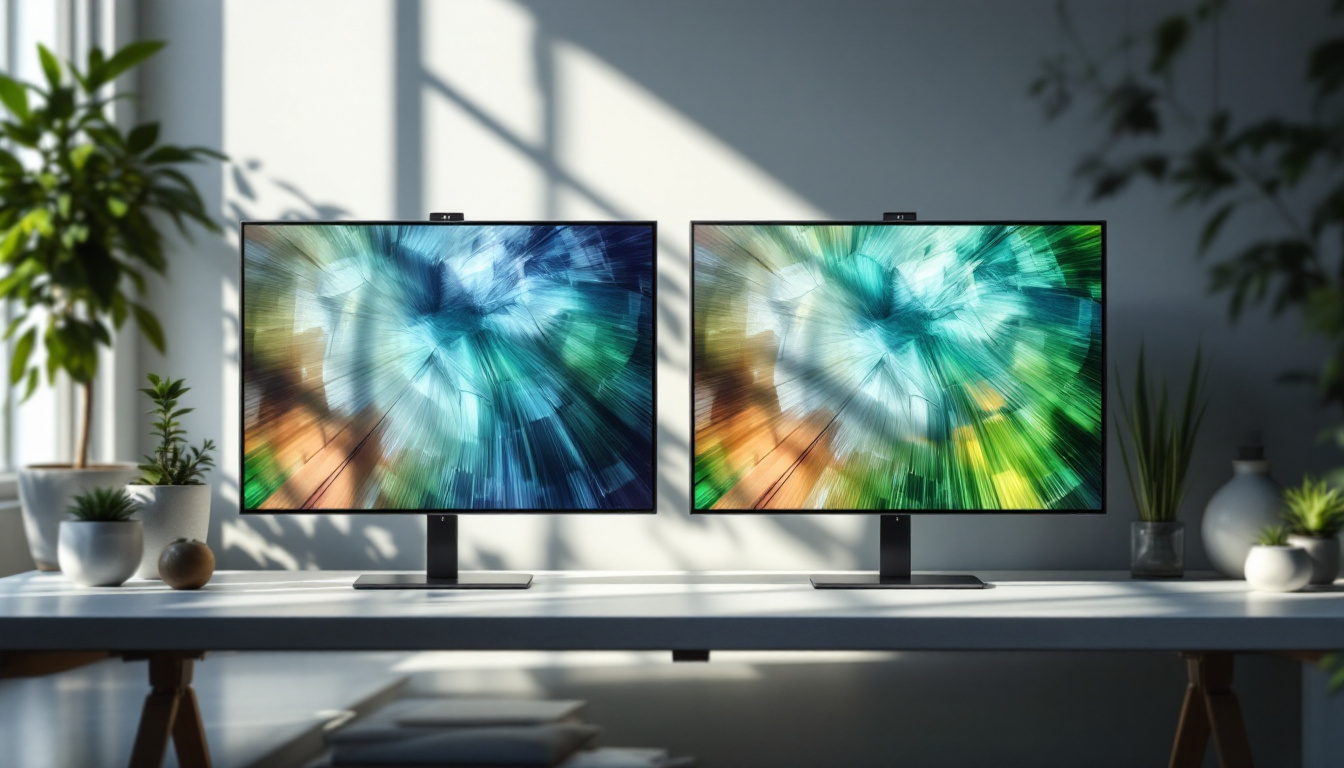
A 4K LED display refers to a screen that offers a resolution of approximately 3840 x 2160 pixels, which is four times the pixel count of Full HD (1080p). This high resolution allows for incredibly sharp and detailed images, making it ideal for displaying fast-paced sports action and intricate graphics.
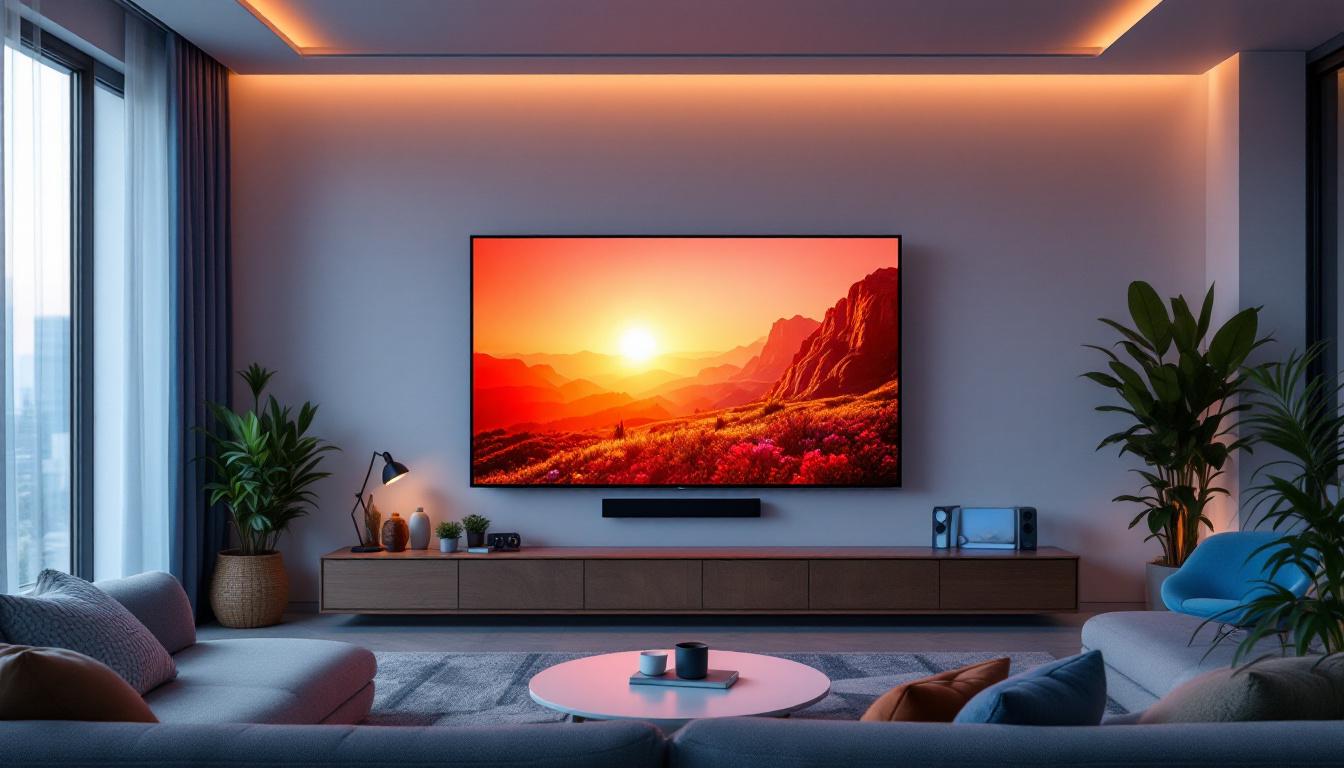
LED stands for Light Emitting Diode, a technology that uses tiny diodes to emit light and create images. Unlike traditional LCD screens that require a backlight, LED displays produce their own light, resulting in better contrast, deeper blacks, and more vibrant colors. When combined with 4K resolution, LED displays deliver an unmatched visual experience.
Key Components of LED Displays
At the heart of an LED display are the individual pixels composed of red, green, and blue LEDs. These pixels work together to produce a wide color gamut and high brightness levels, essential for visibility in various lighting conditions, including outdoor stadiums.
Modern sports LED displays often use SMD (Surface-Mounted Device) technology, where LEDs are mounted directly onto the circuit board. This design allows for higher pixel density and better viewing angles, crucial for large-scale sports backgrounds where audiences view the screen from different positions.
4K Resolution and Its Importance in Sports
The jump to 4K resolution in sports broadcasting has been driven by the need for greater clarity and detail. Sports events feature fast movements, small details such as ball spins, player expressions, and intricate graphics like scoreboards and statistics. 4K displays ensure these elements are rendered crisply, enhancing the viewer’s understanding and enjoyment.
Furthermore, 4K resolution supports larger screen sizes without loss of image quality. This is particularly important in stadiums and arenas where LED walls serve as dynamic backgrounds or live scoreboards visible to thousands of spectators.
Advantages of Using 4K LED Displays in Sports Backgrounds
Enhanced Visual Impact
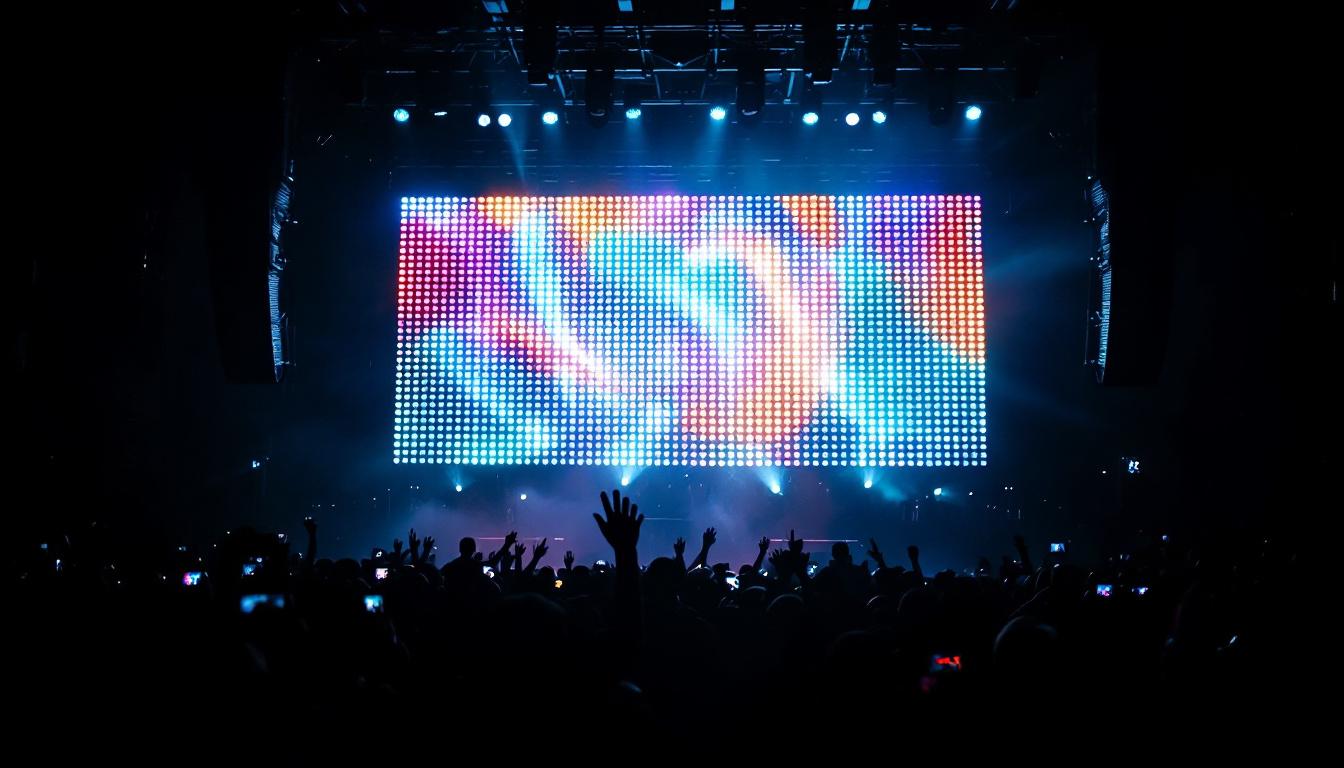
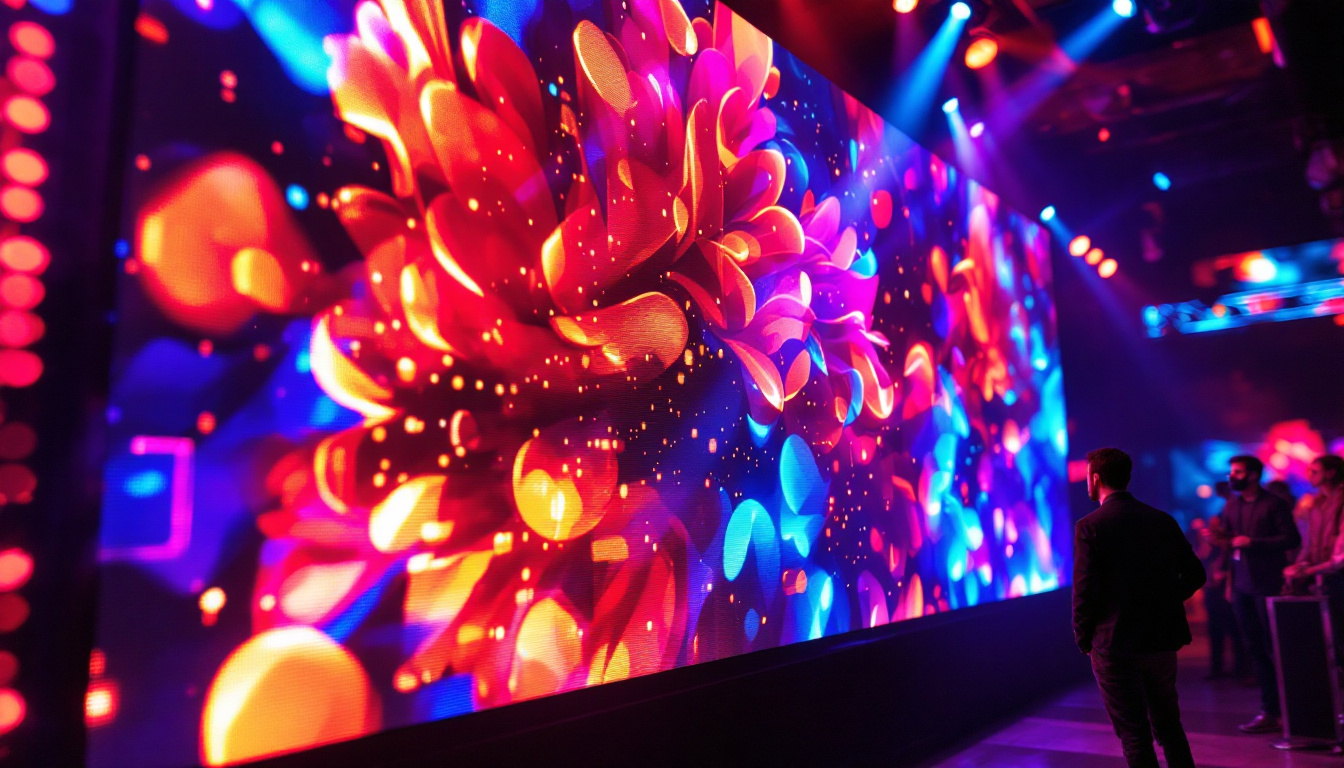
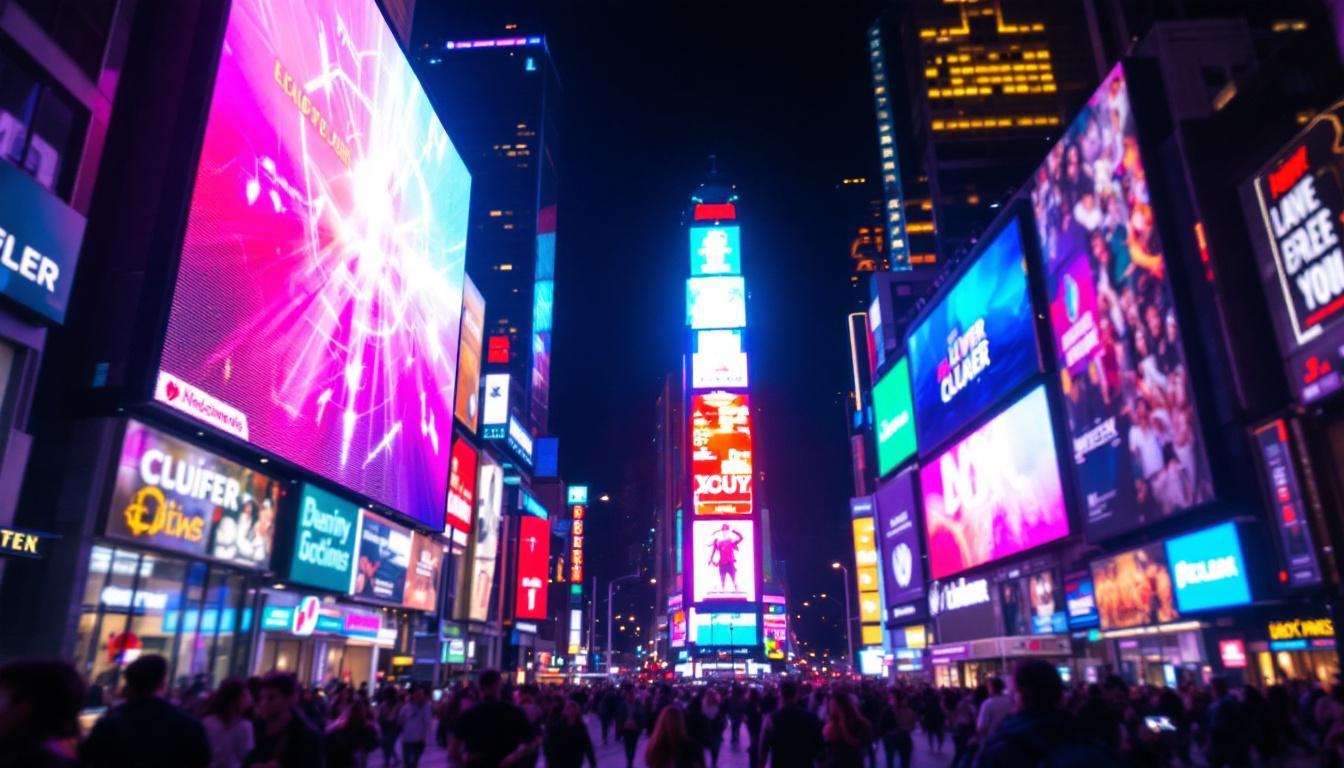
One of the most significant benefits of 4K LED displays is their ability to create visually stunning sports backgrounds. The high resolution combined with vibrant LED technology produces images that are bright, colorful, and lifelike. This visual impact captivates audiences and elevates the atmosphere of live events.
For broadcasters, these displays enable the integration of augmented reality (AR) elements and dynamic graphics that complement live footage. For example, during football matches, LED backgrounds can show player stats, heat maps, and instant replays with incredible clarity.
Improved Viewing Experience in Varied Environments
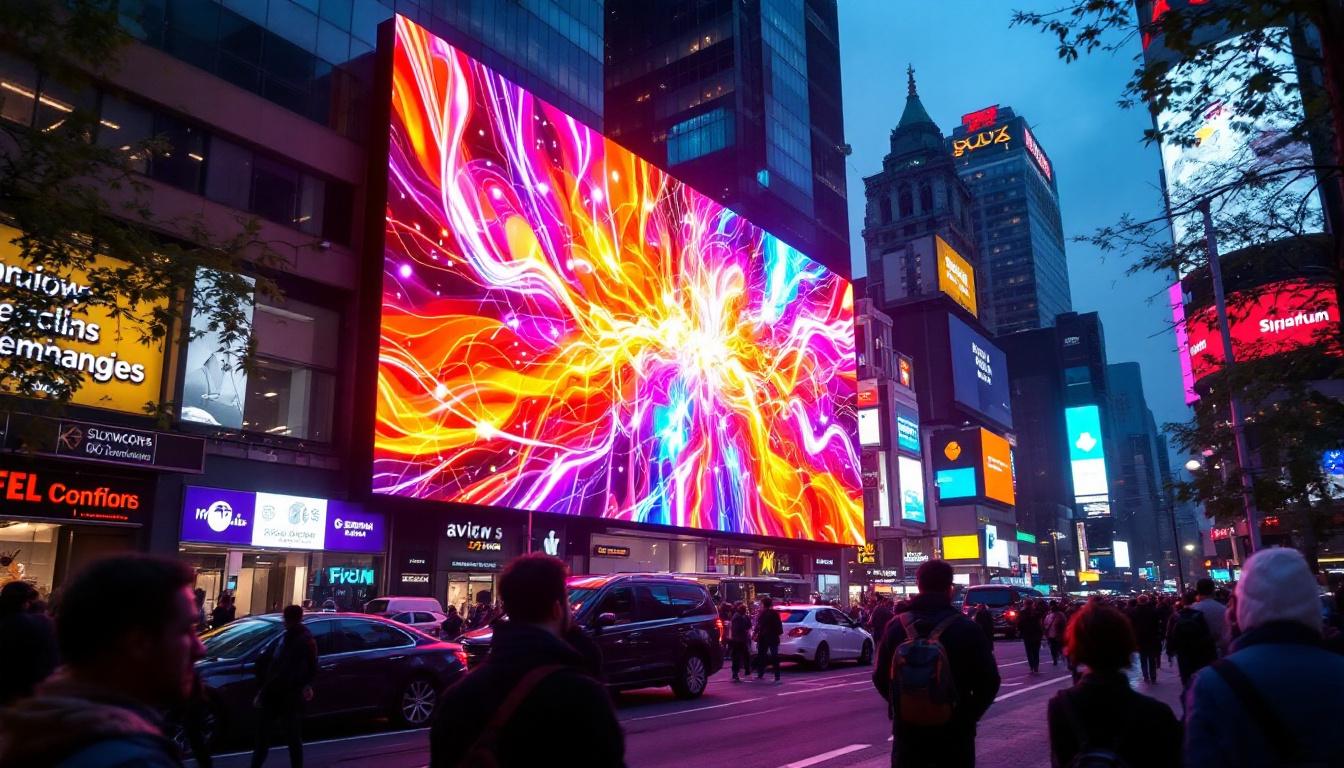
Sports events take place in diverse environments, from indoor arenas to open-air stadiums. LED displays are known for their high brightness levels, often exceeding 1,000 nits, allowing them to remain visible even under direct sunlight. This makes them ideal for outdoor sports backgrounds where traditional screens might wash out.
Additionally, LED displays offer wide viewing angles, ensuring that spectators seated at different points in the venue experience consistent image quality. This uniformity is crucial for maintaining engagement across large crowds.
Durability and Energy Efficiency
LED technology is inherently more durable than many other display types. Sports venues often require displays that can withstand constant use, varying weather conditions, and physical impacts. LED panels are robust and designed for long-term operation, reducing maintenance costs and downtime.
Moreover, LED displays are energy-efficient compared to older technologies like plasma or incandescent lighting. This efficiency is beneficial for sports organizations aiming to reduce operational costs and carbon footprints, aligning with growing sustainability goals in the sports industry.
Applications of 4K LED Displays in Sports
Dynamic Stadium Backgrounds and Scoreboards
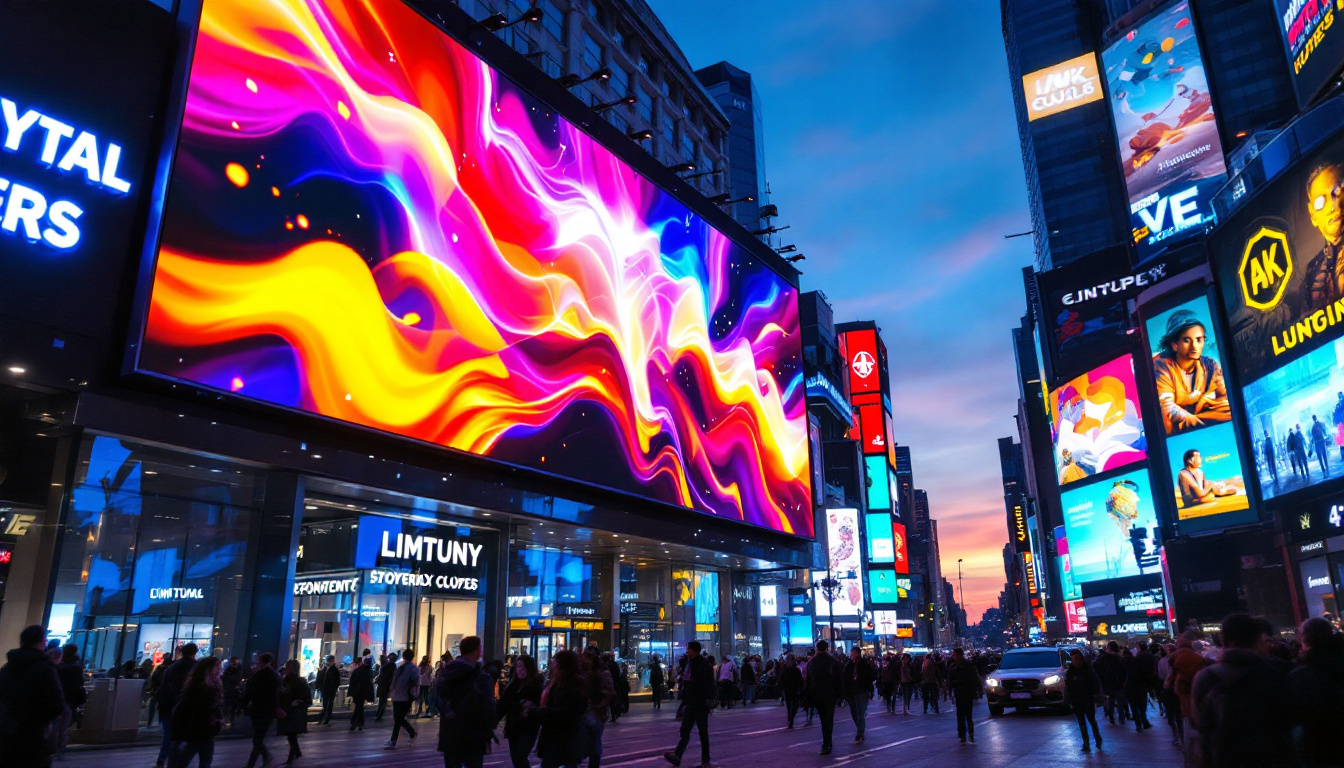
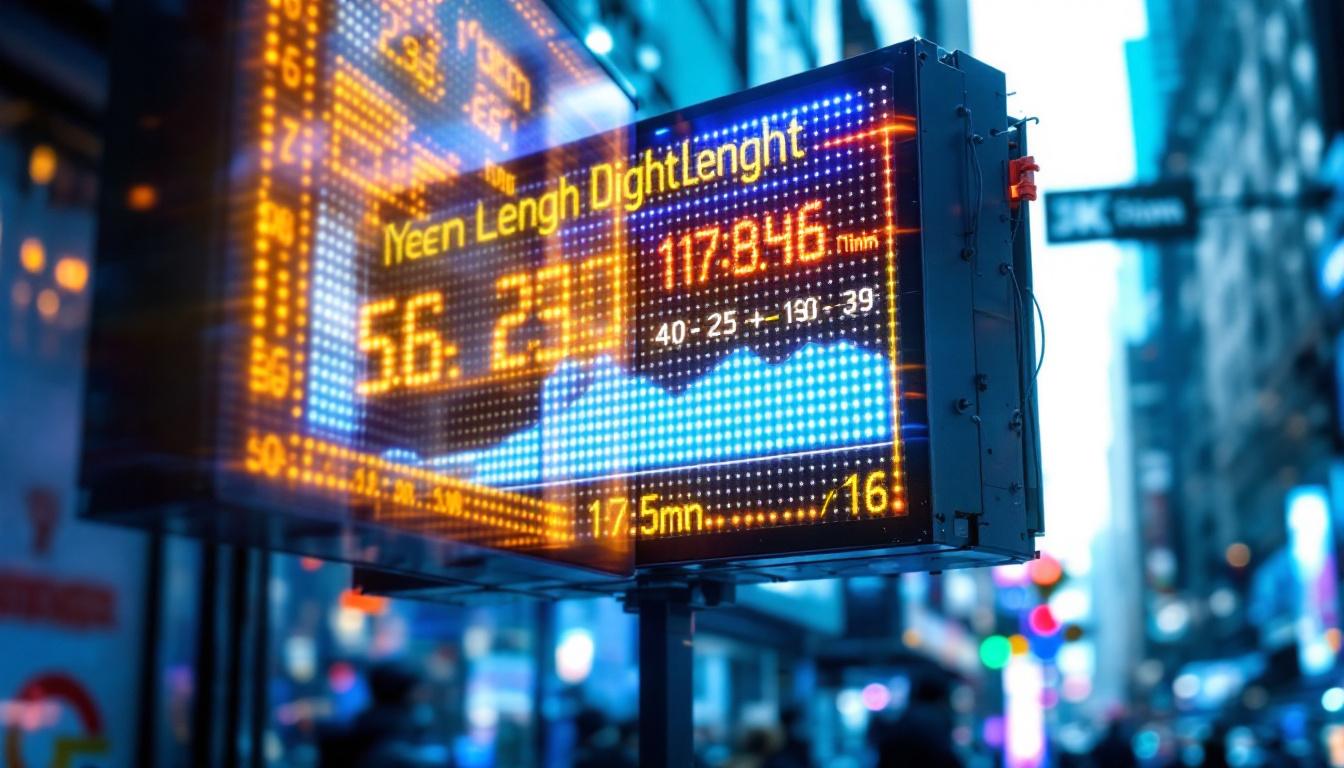
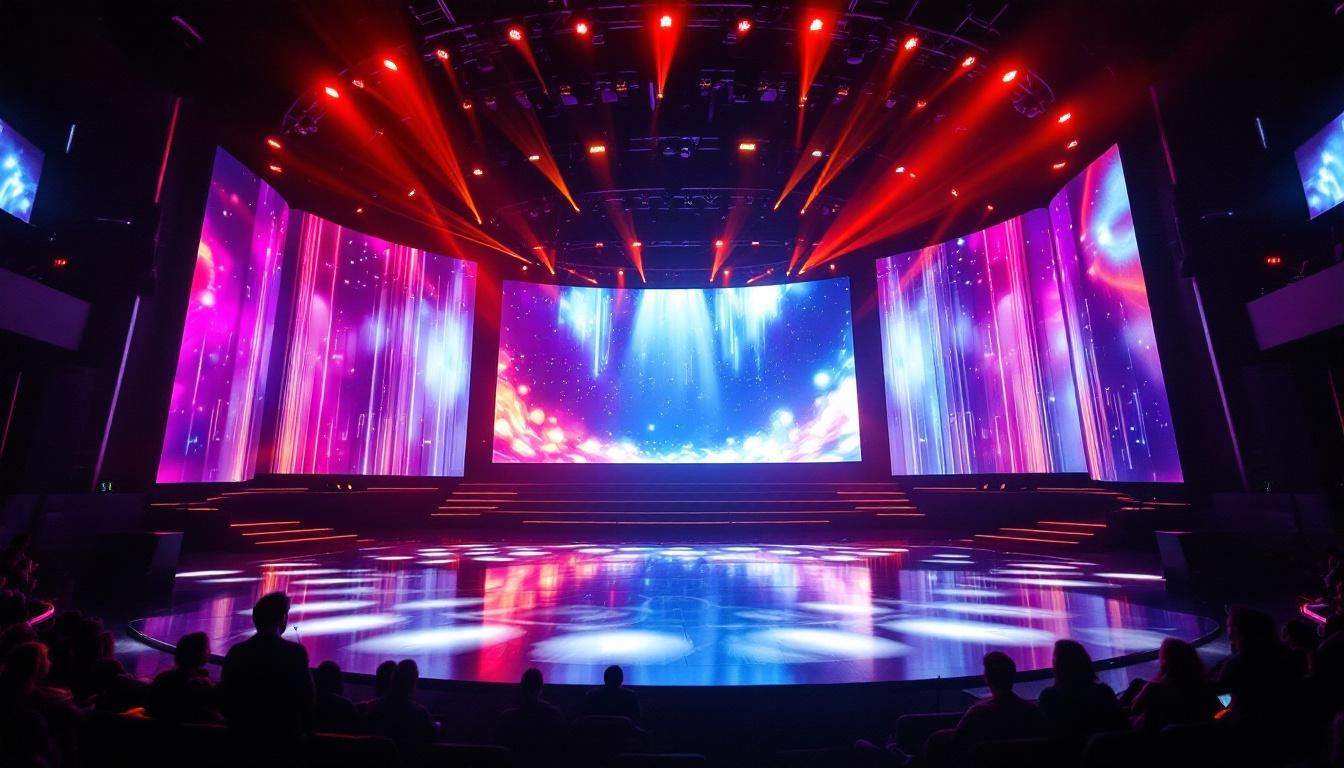
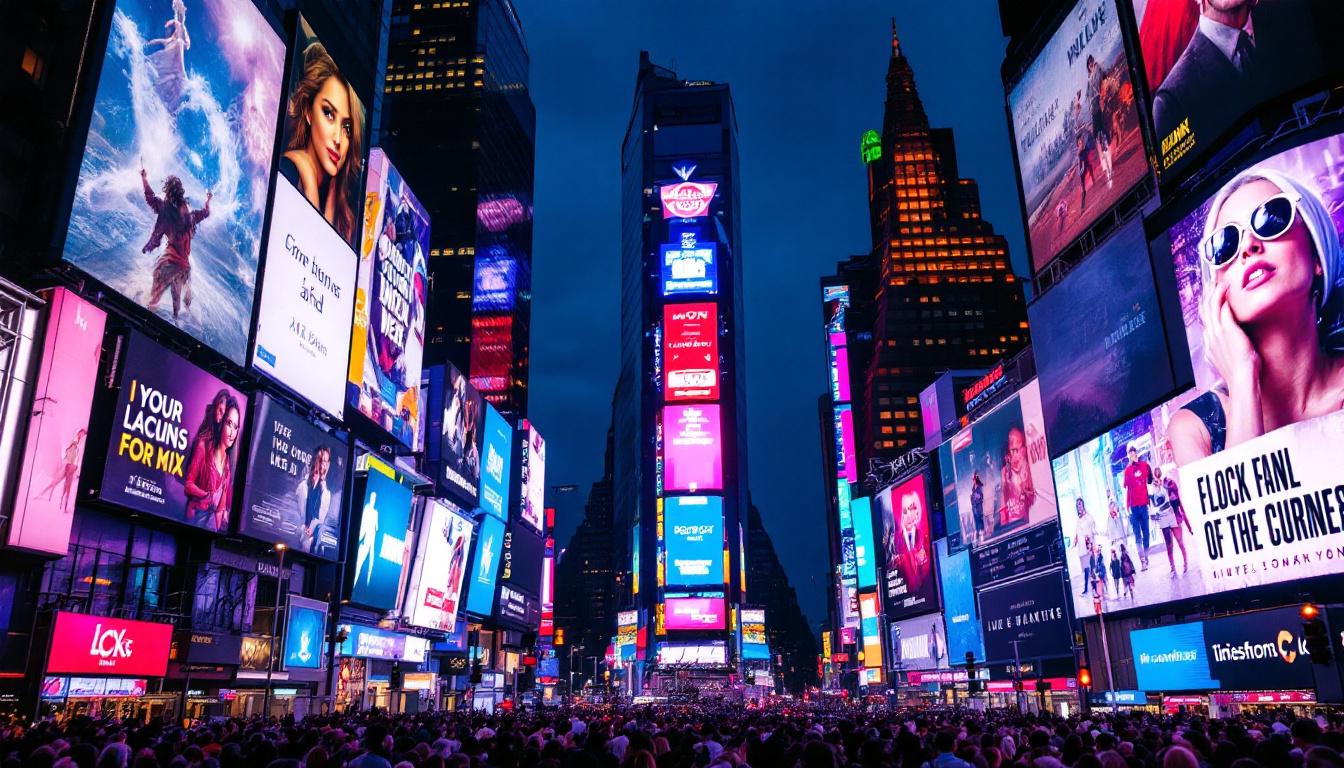
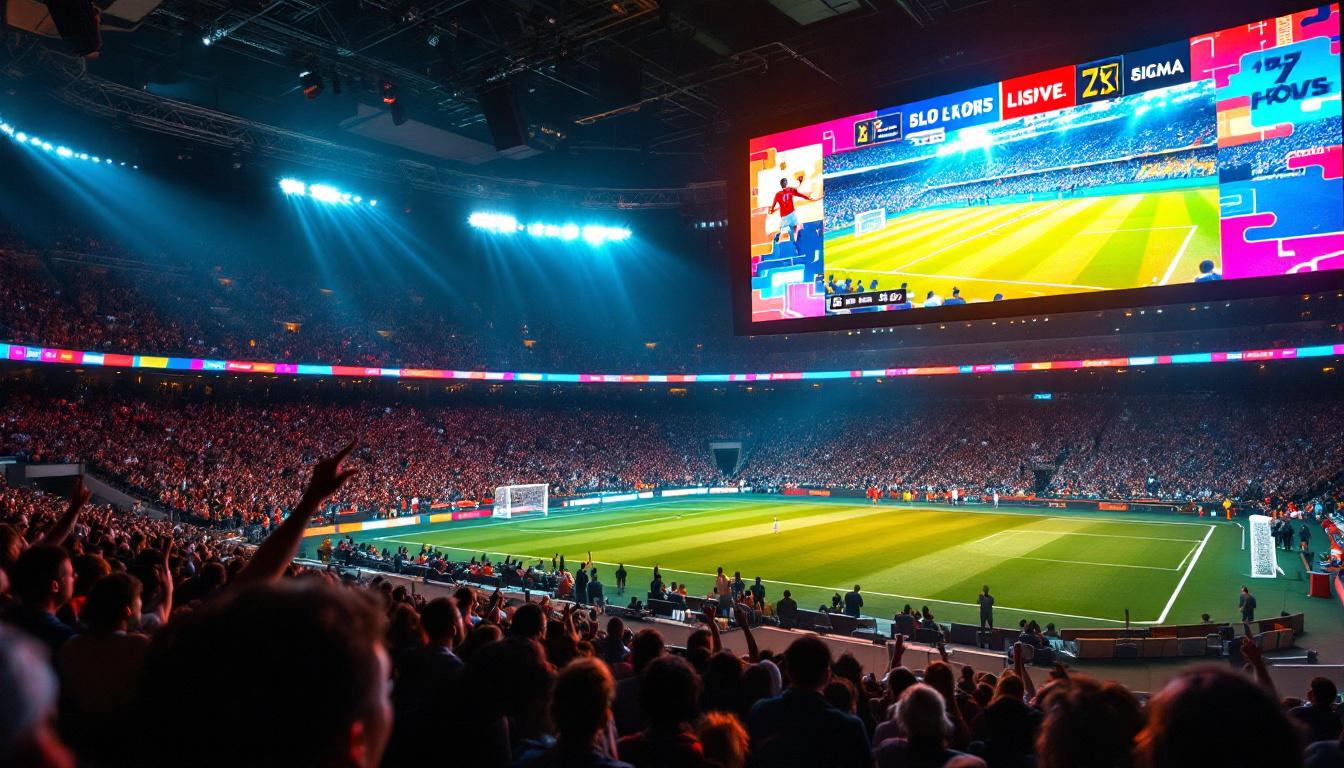
One of the most visible uses of 4K LED displays is as stadium backgrounds and scoreboards. These large-scale LED walls provide real-time information such as scores, player stats, and instant replays, enhancing the fan experience. Their ability to switch content seamlessly allows for dynamic advertising and promotional content during breaks.
For instance, the Dallas Cowboys’ AT&T Stadium features one of the largest 4K LED displays in the world, measuring over 160 feet wide. This massive screen serves as a central focal point during games, delivering crystal-clear visuals to tens of thousands of fans.
Broadcast Studios and Virtual Sets
In sports broadcasting studios, 4K LED walls are increasingly used to create immersive virtual sets and backgrounds. These LED walls replace traditional green screens, offering more realistic lighting and reflections that blend naturally with on-camera talent and graphics.
This technology enables broadcasters to simulate stadium environments, display live data feeds, and create engaging storytelling visuals. The flexibility of LED backgrounds also allows for rapid changes in set design, accommodating different sports and programming needs.
Training and Analysis Facilities
Beyond live events and broadcasts, 4K LED displays are valuable tools in sports training and analysis. Coaches and analysts use large LED screens to review game footage, analyze player movements, and strategize. The high resolution ensures that every detail is visible, aiding in precise decision-making.
Some professional teams have integrated LED walls into their training centers, enabling interactive sessions where players can visualize plays and receive immediate feedback. This application underscores the versatility of LED technology beyond entertainment.
Challenges and Considerations When Implementing 4K LED Displays
Cost and Installation Complexity
While 4K LED displays offer numerous benefits, they come with significant upfront costs. High-resolution LED panels, especially those designed for large venues, are expensive to manufacture and install. Additionally, the infrastructure needed to support these displays, including mounting systems, power supplies, and control hardware, adds to the investment.
Installation complexity is another factor. Large LED walls require precise calibration to ensure uniform brightness and color consistency across the entire surface. This process demands skilled technicians and can extend setup times, particularly for temporary event installations.
Content Production and Management
To fully leverage the capabilities of 4K LED displays, content must be produced at matching resolutions and optimized for LED technology. This means broadcasters and event organizers need to invest in high-quality cameras, graphics systems, and content management platforms.
Managing content across multiple LED panels, especially in live scenarios, requires robust software solutions that can handle real-time data feeds, synchronization, and failover mechanisms. Without proper content management, the visual experience can suffer, negating the advantages of the hardware.
Technical Limitations and Future-Proofing
Despite their advanced technology, 4K LED displays have limitations. Pixel pitch—the distance between individual LEDs—affects viewing distance and image sharpness. For very large screens viewed from close proximity, achieving true 4K resolution can be challenging without increasing costs significantly.
Additionally, as display technology evolves rapidly, sports organizations must consider future-proofing their investments. Emerging standards like 8K resolution and MicroLED technology promise even higher quality but require new infrastructure. Balancing current needs with future upgrades is a strategic consideration.
The Future of 4K LED Displays in Sports
Integration with Augmented and Virtual Reality
The intersection of 4K LED displays with augmented reality (AR) and virtual reality (VR) is poised to redefine sports viewing experiences. LED backgrounds can serve as interactive canvases where AR graphics blend seamlessly with live action, providing fans with enriched information layers and immersive storytelling.
For example, during broadcasts, virtual first-down lines, shot trajectories, and player tracking data can be displayed on LED walls in the studio or stadium, enhancing both in-person and at-home viewing.
Advancements in LED Technology
Emerging LED technologies such as MicroLED and MiniLED promise higher brightness, better contrast ratios, and thinner, lighter panels. These advancements will make 4K LED displays more versatile and cost-effective, enabling wider adoption across sports venues of all sizes.
Furthermore, improvements in energy efficiency and durability will support sustainability initiatives within the sports industry, aligning with global efforts to reduce environmental impact.
Personalized and Interactive Fan Experiences
Looking ahead, 4K LED displays will play a central role in creating personalized and interactive fan experiences. Integration with mobile apps and wearable devices could allow fans to customize the content they see on stadium LED screens, such as selecting camera angles or accessing player stats in real-time.
This level of interactivity not only enhances engagement but also opens new revenue streams through targeted advertising and premium content offerings.
Conclusion
4K LED displays have become an indispensable component of modern sports production and presentation. Their ability to deliver stunning visuals, withstand demanding environments, and support dynamic content makes them ideal for sports backgrounds in stadiums, broadcast studios, and training facilities.
While challenges such as cost and technical complexity exist, ongoing advancements in LED technology and content management are making these displays more accessible and versatile. As the sports industry continues to embrace digital innovation, 4K LED displays will remain at the forefront of delivering immersive, engaging, and unforgettable experiences for fans worldwide.
For anyone involved in sports production or event management, understanding the capabilities and considerations of 4K LED displays is essential to leveraging this powerful technology effectively.
Explore Cutting-Edge LED Display Solutions with LumenMatrix
Ready to elevate your sports production to the next level? Discover LumenMatrix’s innovative LED display technology, designed to captivate your audience with unparalleled visual experiences. From vibrant Indoor and Outdoor LED Wall Displays to dynamic LED Sports Displays and beyond, LumenMatrix offers a wide range of solutions tailored to your needs. Embrace the future of visual engagement and check out LumenMatrix LED Display Solutions today to transform your sports venue into a mesmerizing spectacle.