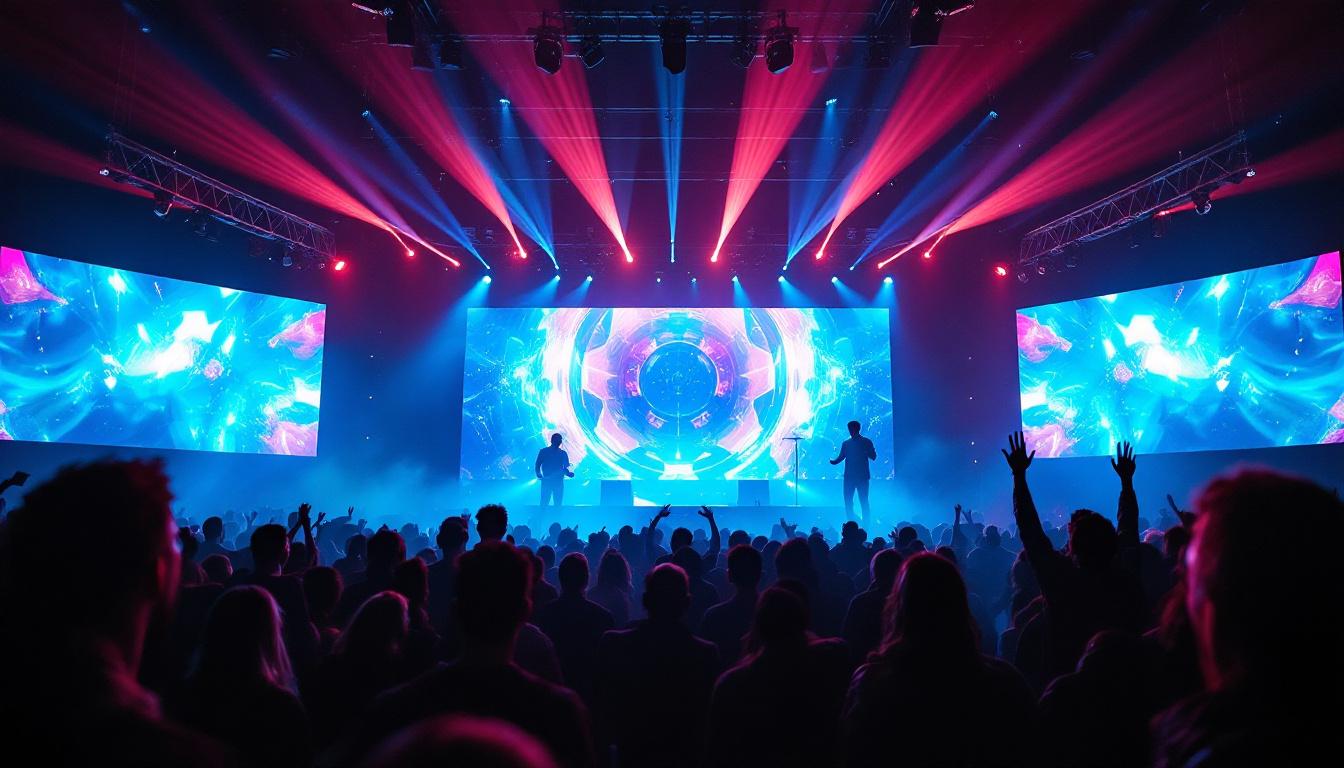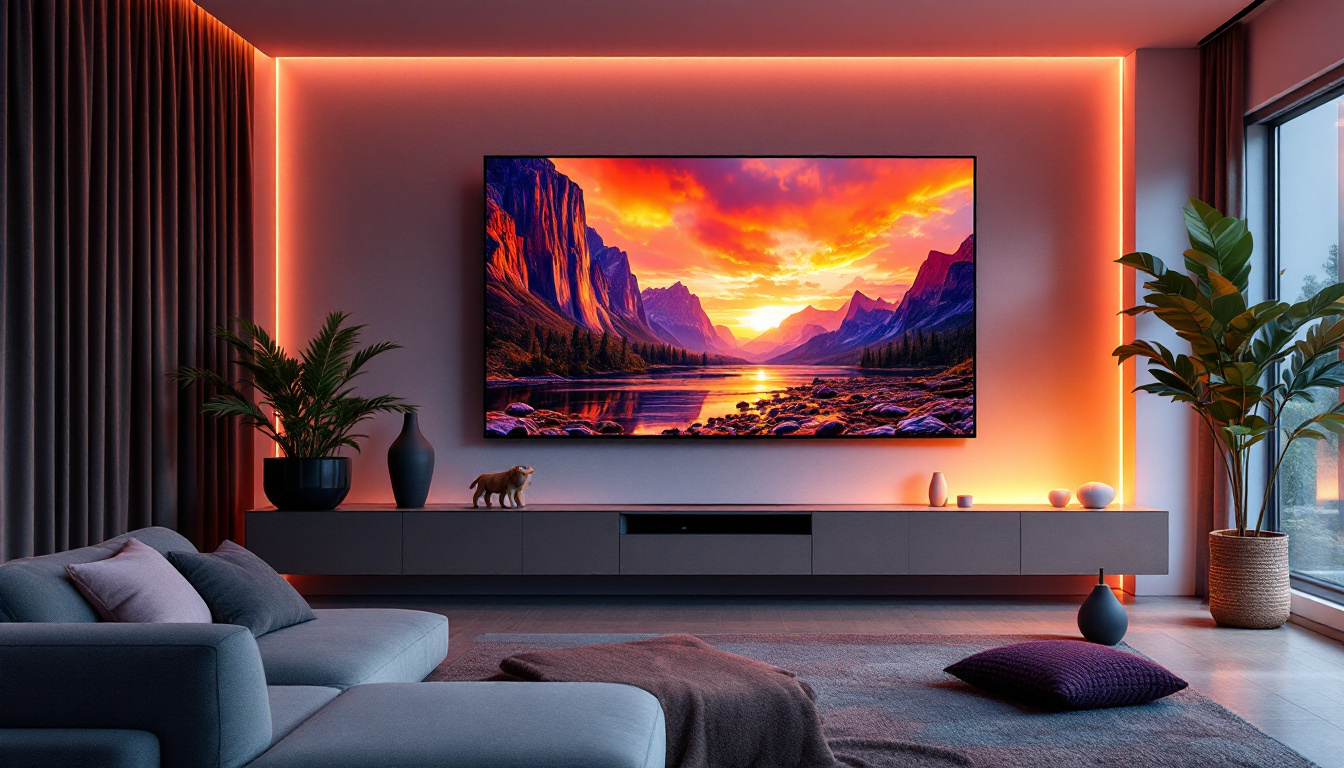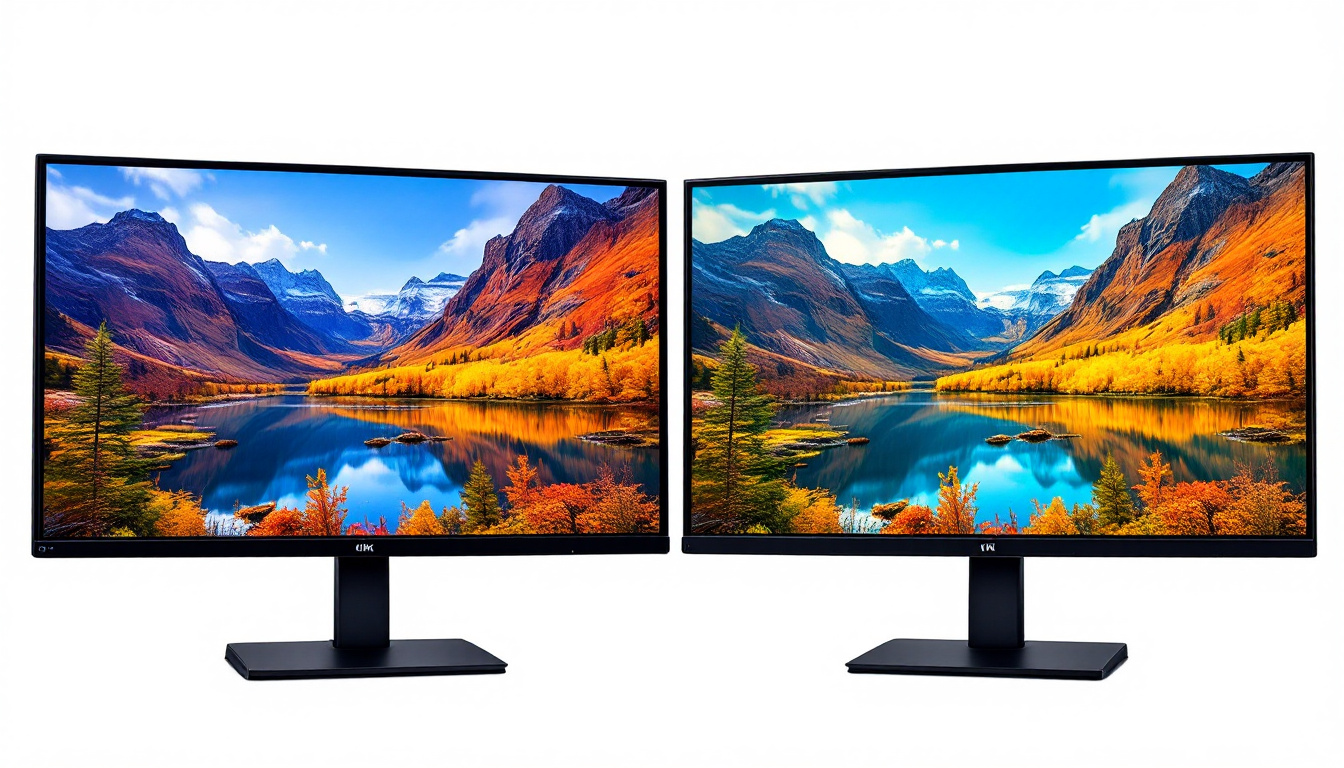
In the evolving world of cinema technology, the term “LED display” has become increasingly prominent. From home theaters to commercial cinemas, LED displays are revolutionizing how audiences experience movies. But what exactly is an LED display, and why is it becoming the go-to choice for movie cabinets and screens? This article delves deep into the technology behind LED displays, their advantages, and their growing role in the movie industry.
Understanding LED Display Technology
What is an LED Display?
LED stands for Light Emitting Diode, a semiconductor device that emits light when an electric current passes through it. An LED display is a flat panel that uses an array of these tiny diodes to create images and videos. Unlike traditional LCD or projection screens, LED displays generate their own light, which results in brighter and more vivid visuals. This self-illuminating feature allows for deeper blacks and a higher contrast ratio, making LED displays particularly appealing for environments where image quality is paramount, such as theaters and galleries.
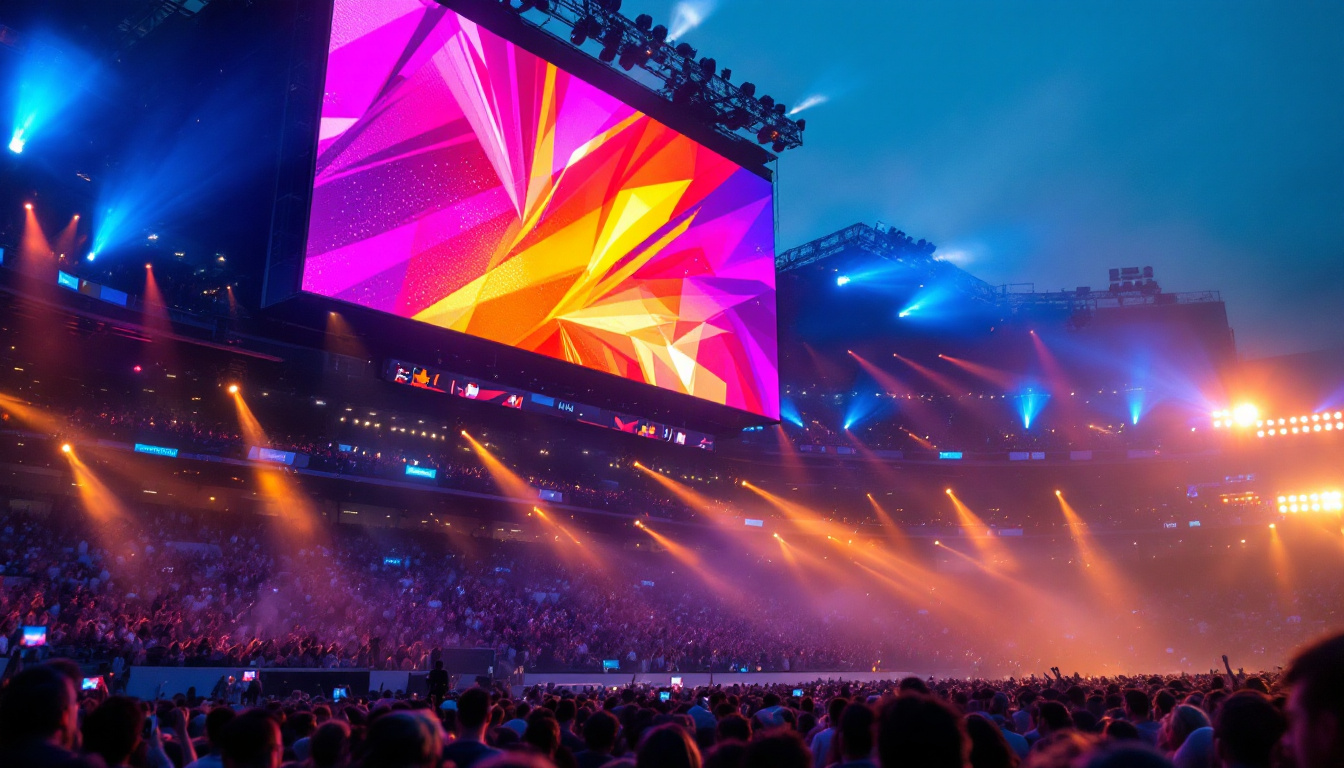
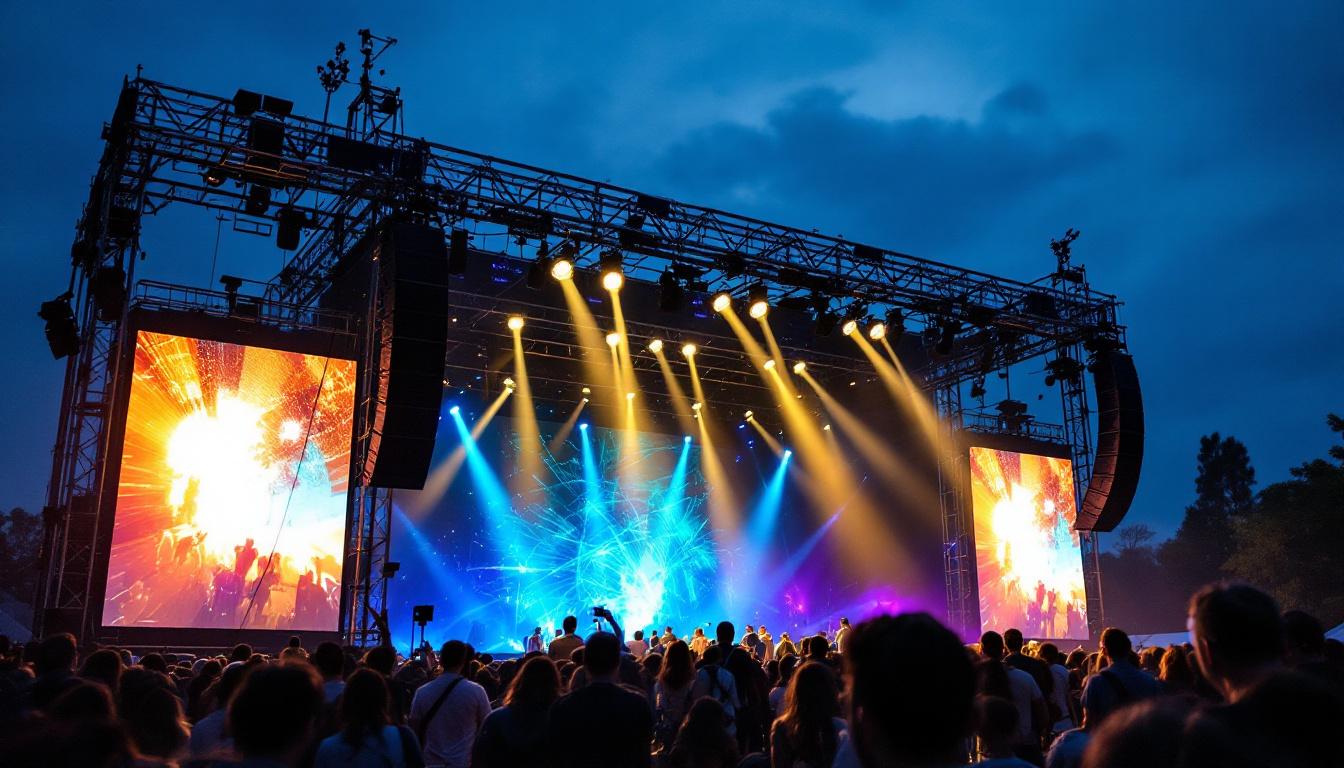
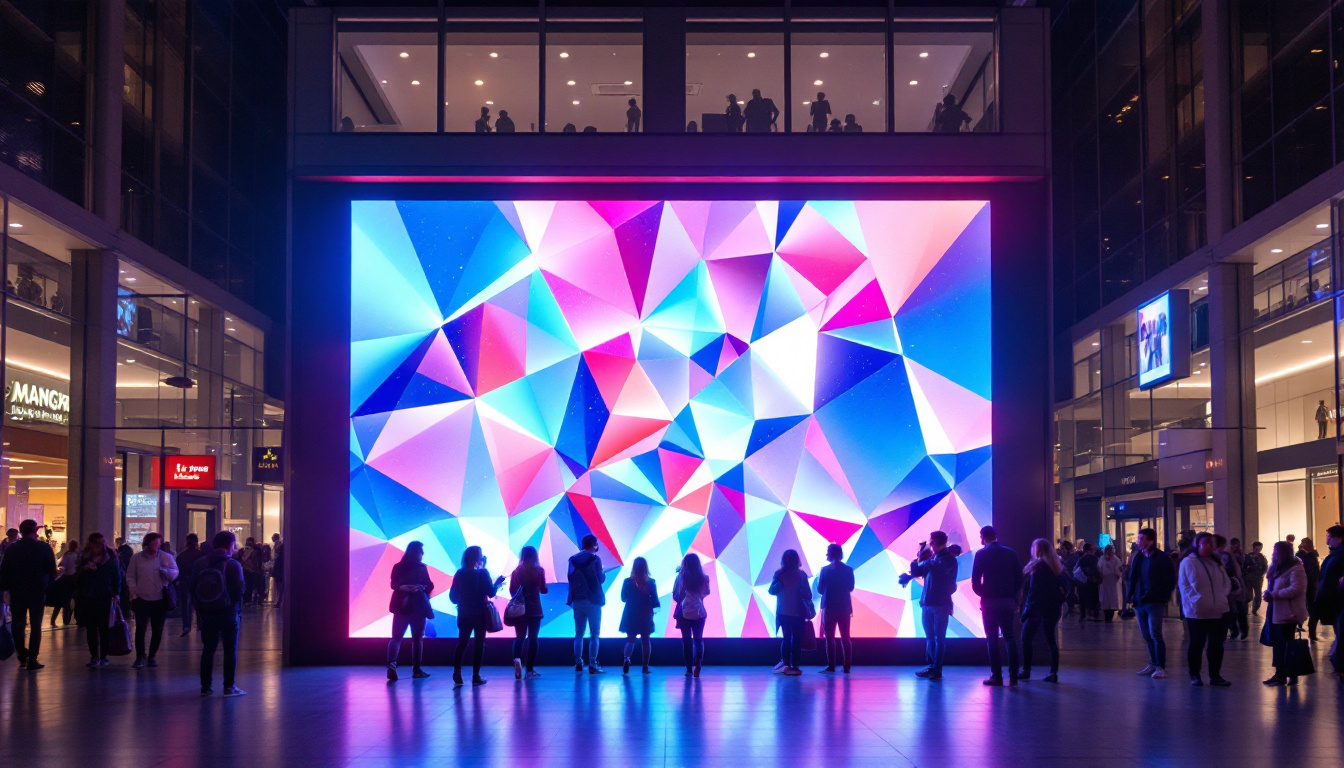
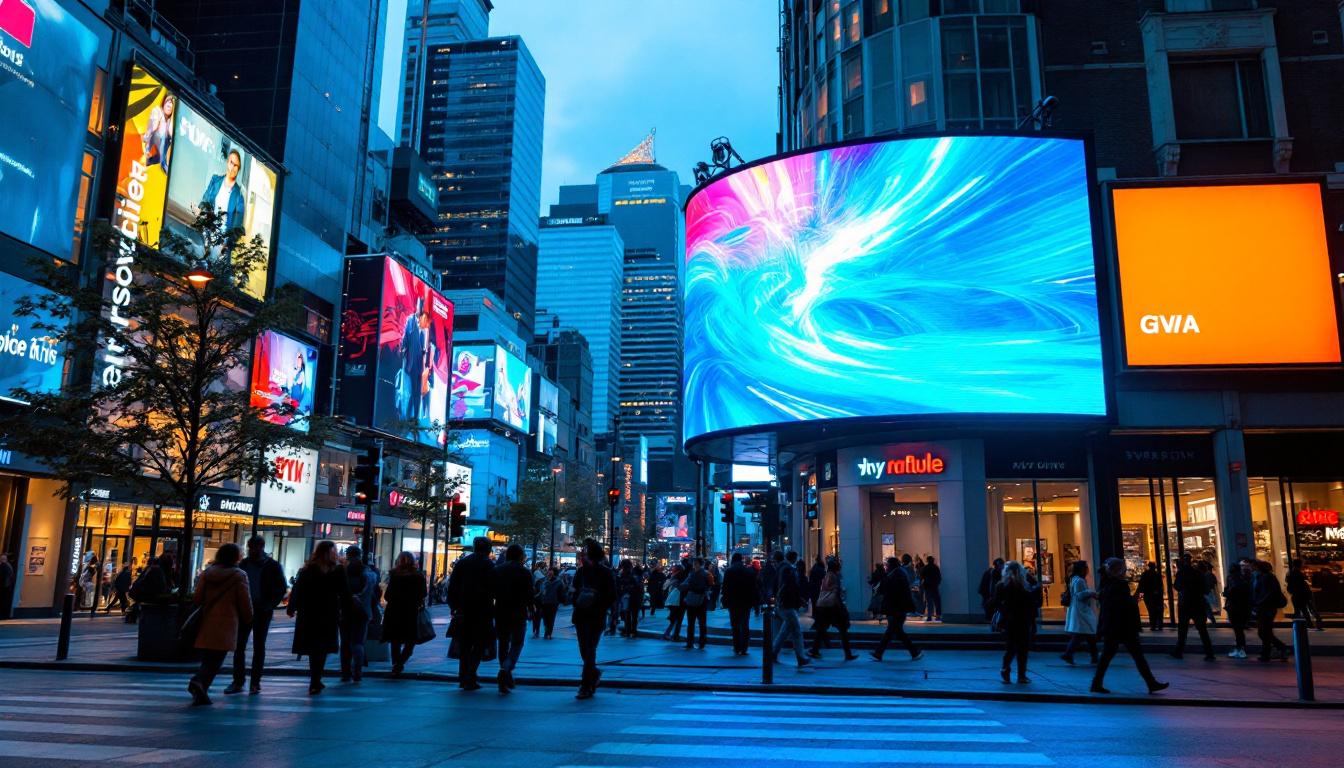
In the context of movie cabinets, an LED display serves as the screen onto which films are projected or directly displayed. This technology can be scaled from small home theater setups to massive commercial cinema screens, offering flexibility and superior image quality. Additionally, LED displays can be configured in various shapes and sizes, allowing for creative installations in public spaces, such as stadiums or art exhibitions. The versatility of LED technology has led to its adoption in digital signage, where dynamic content can be showcased to engage viewers effectively.
How Do LED Displays Work?
Each pixel in an LED display consists of red, green, and blue LEDs. By adjusting the brightness of each LED, the display can produce a wide spectrum of colors. These pixels are arranged in a grid, and the collective light output forms the images seen on the screen. The precision in color mixing is so refined that LED displays can reproduce over a billion different colors, making them ideal for displaying high-definition content that requires accurate color representation.
Modern LED displays use advanced control systems to manage color accuracy, brightness levels, and refresh rates. This ensures smooth motion rendering and reduces issues like flickering, which is crucial for an immersive movie-watching experience. Furthermore, many LED displays incorporate technologies such as HDR (High Dynamic Range) and local dimming, which enhance the viewing experience by providing more detail in both the shadows and highlights of an image. The integration of smart technology also allows users to customize settings and access streaming services directly from the display, making LED displays not just a passive viewing platform but an interactive entertainment hub.
Advantages of LED Displays in Movie Cabinets
Superior Brightness and Contrast
One of the most significant benefits of LED displays is their exceptional brightness. Unlike traditional projection systems that rely on external light sources, LED screens emit their own light, allowing them to achieve brightness levels upwards of 1,000 nits or more. This makes them ideal for environments with ambient light, such as home theaters with some natural light or commercial cinemas with less-than-ideal lighting conditions.
Additionally, LED displays offer superior contrast ratios. Because LEDs can be turned off individually, true blacks are achievable, enhancing the depth and realism of movie scenes. This contrast superiority is a game-changer for genres like horror, sci-fi, and dramas where visual detail is paramount. The ability to display intricate shadow details without losing clarity allows filmmakers to create more immersive experiences, drawing viewers deeper into the narrative.
Furthermore, the high dynamic range (HDR) capabilities of many LED displays allow for a more nuanced representation of light and shadow. This means that viewers can experience the full spectrum of brightness, from the brightest highlights to the darkest shadows, making every scene visually stunning. The combination of brightness and contrast not only enhances the viewing experience but also allows for a more accurate representation of the filmmaker’s artistic intentions.
Color Accuracy and Wide Color Gamut
Color accuracy is essential for filmmakers and audiences alike. LED displays cover a broader color gamut compared to traditional screens, often exceeding the DCI-P3 standard used in digital cinema. This means colors appear more vibrant and true to life, preserving the director’s original vision.
For instance, the latest LED cinema screens can reproduce over 90% of the Rec. 2020 color space, a benchmark for ultra-high-definition content. This capability ensures that subtle color gradations and rich hues are faithfully displayed, enhancing the overall viewing experience. The precision in color reproduction is particularly beneficial for animated films and visually rich content, where every shade contributes to the storytelling. The result is a more engaging and emotionally resonant experience for the audience, as they can fully appreciate the artistry behind the visuals.
Moreover, advancements in LED technology have led to improved color uniformity across the entire screen. This means that viewers sitting at different angles or distances can enjoy consistent color performance, eliminating the distracting color shifts that can occur with other display technologies. Such advancements ensure that every seat in the theater offers an equally captivating visual experience, making LED displays a preferred choice for both commercial and home cinema setups.
Durability and Longevity
LED displays are known for their durability. Unlike projection bulbs that have a limited lifespan and require frequent replacement, LEDs can last tens of thousands of hours with minimal degradation. This longevity reduces maintenance costs and downtime for cinemas and home theaters alike.
Moreover, LED screens are less susceptible to damage from environmental factors such as dust and humidity, making them a reliable choice for long-term installations. Their robust construction often includes protective coatings that guard against scratches and impacts, ensuring that the display remains in pristine condition even in high-traffic areas. This resilience not only contributes to lower operational costs but also enhances the overall aesthetic appeal of the viewing environment, as the screens maintain their clarity and vibrancy over time.
In addition, the energy efficiency of LED technology contributes to sustainability efforts, as they consume less power than traditional projection systems. This not only lowers electricity bills but also aligns with the growing demand for eco-friendly solutions in the entertainment industry. As cinemas and home theaters strive to reduce their carbon footprint, the adoption of LED displays represents a forward-thinking choice that benefits both the environment and the bottom line.
Applications of LED Displays in the Movie Industry
Commercial Cinemas and LED Walls
In recent years, major cinema chains have started adopting LED display technology for their screens. Samsung’s Onyx Cinema LED, for example, is a pioneering product that replaces traditional projection with a massive LED wall. This technology offers unparalleled image quality, with 4K resolution and HDR capabilities.
These LED cinema screens provide a brighter, sharper, and more immersive experience, especially in large auditoriums. They also support 3D content without the need for specialized glasses, thanks to their high refresh rates and precise pixel control.
Home Theater Systems
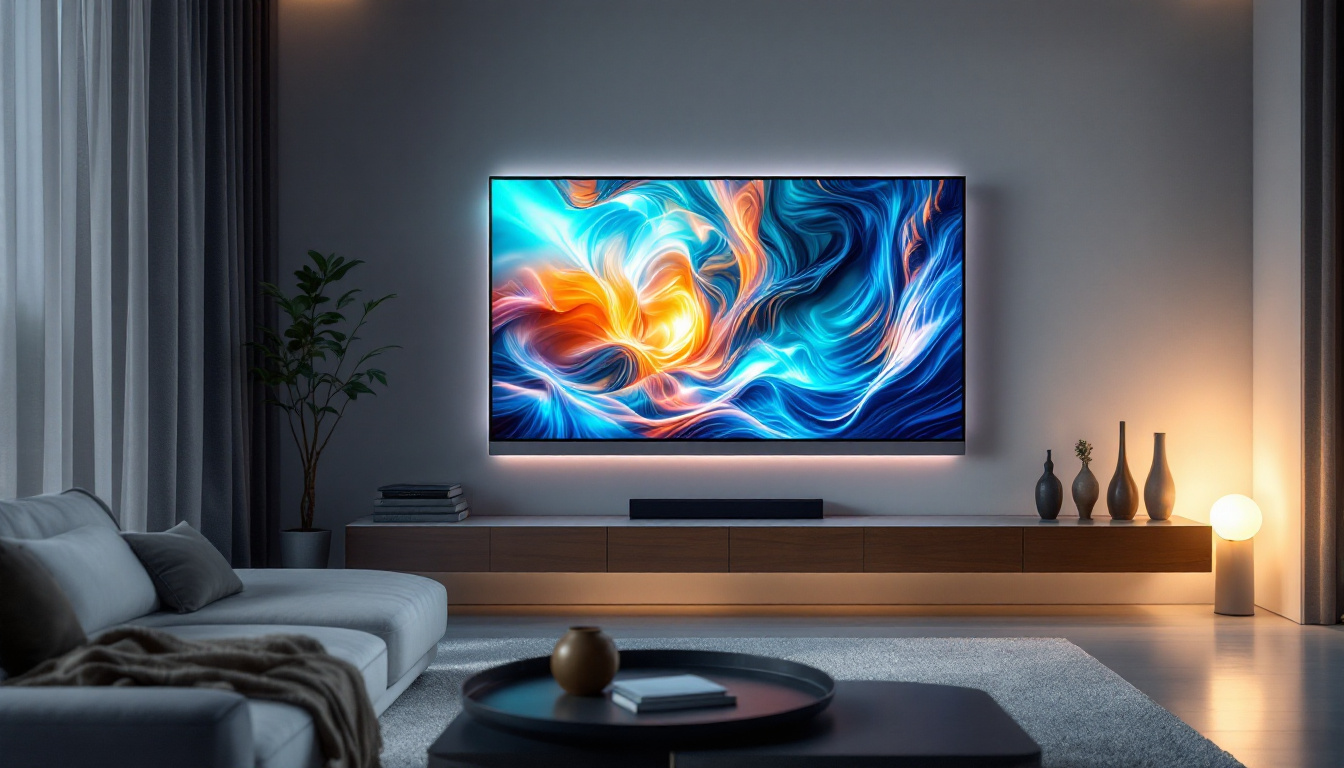
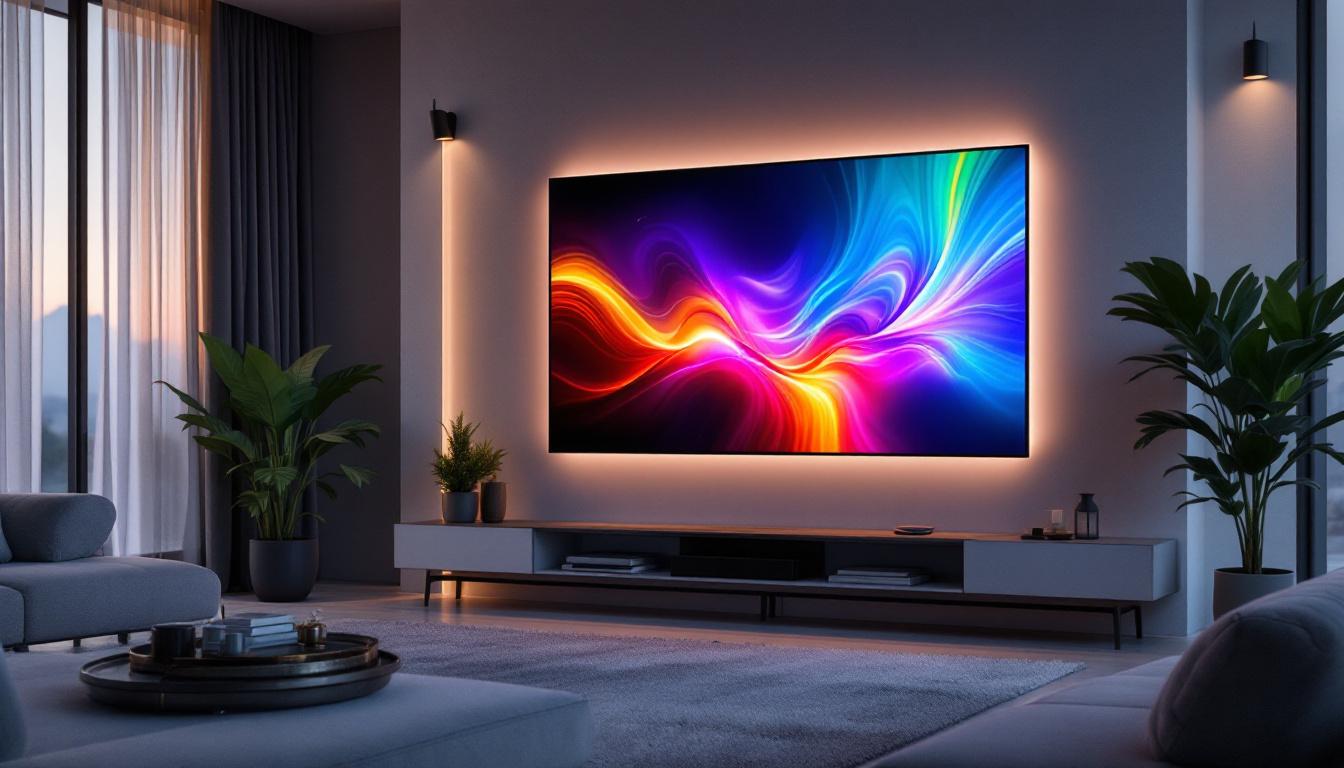
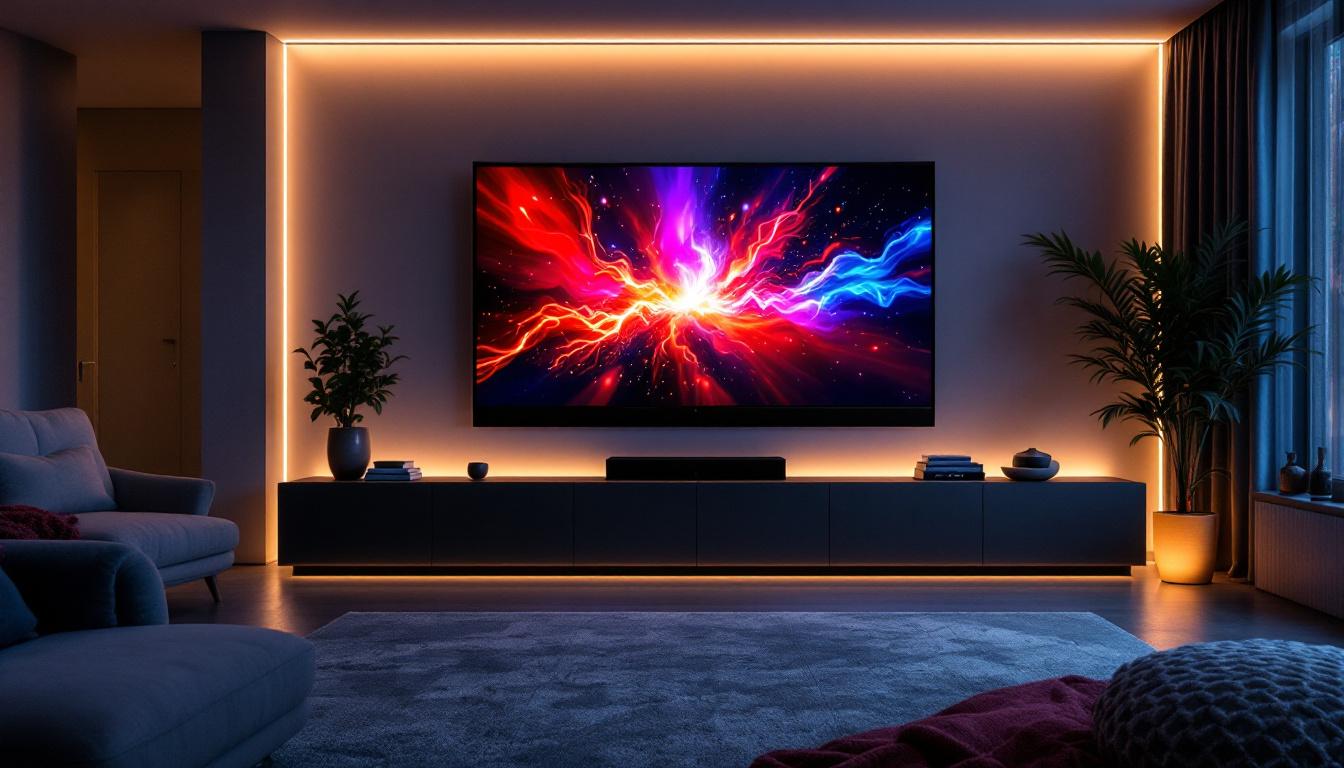
LED displays have also made their way into high-end home theater cabinets. Enthusiasts seeking cinema-quality visuals at home are increasingly opting for LED screens over projectors. The benefits include easier installation, no need for darkened rooms, and consistent picture quality over time.
With the rise of 4K and 8K content streaming, LED displays provide the resolution and color fidelity necessary to fully appreciate modern films. Additionally, their slim profiles and customizable sizes allow for seamless integration into home entertainment setups.
Virtual Production and LED Volumes
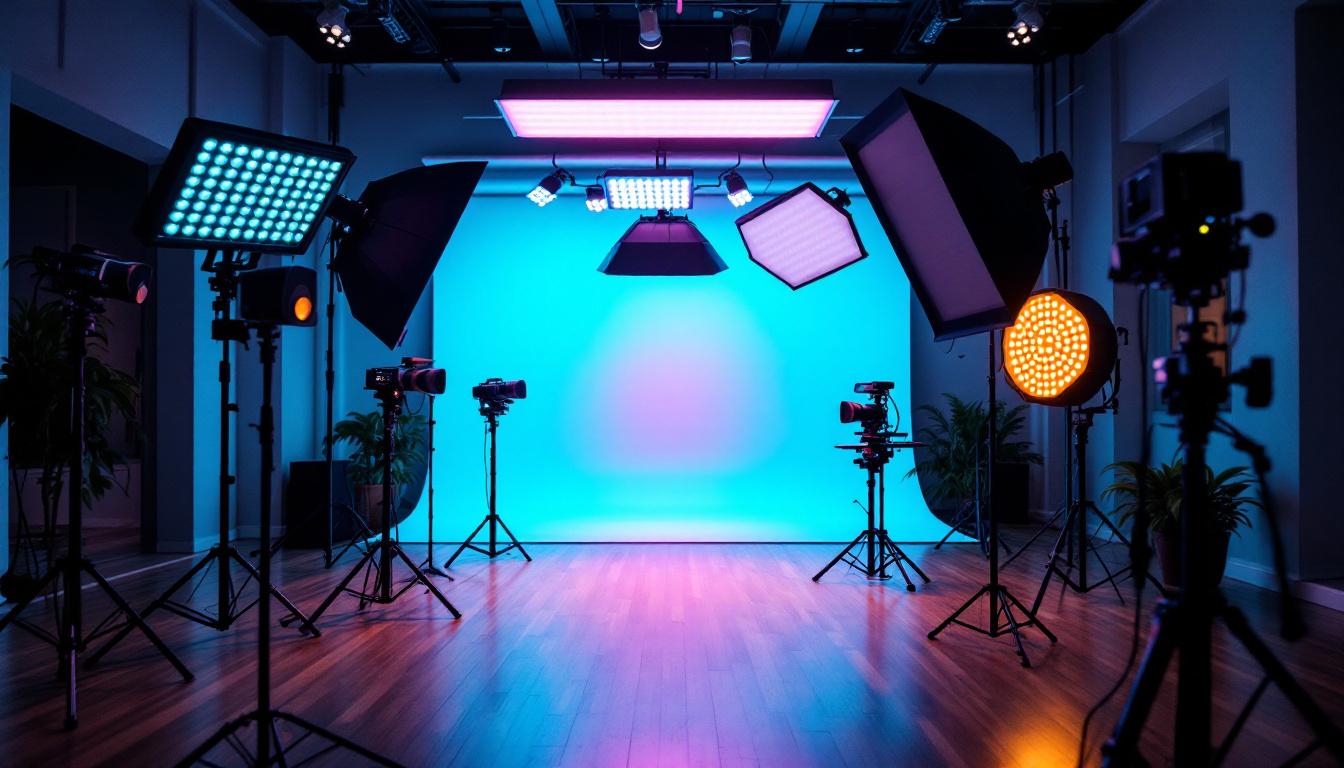
Beyond traditional viewing, LED displays are transforming movie production itself. Virtual production studios use large LED volumes—walls and ceilings made of LED panels—to create dynamic, real-time backgrounds during filming. This technique was famously used in productions like “The Mandalorian,” enabling filmmakers to capture complex visual effects in-camera rather than relying on post-production CGI.
These LED volumes offer realistic lighting and reflections, which enhance the authenticity of scenes and reduce production costs and timelines. This innovative use of LED technology is reshaping how movies are made and experienced.
Technical Considerations When Choosing an LED Display for Movie Cabinets
Resolution and Pixel Pitch
Resolution is a critical factor in selecting an LED display. Higher resolutions mean more pixels per inch, resulting in sharper images. Pixel pitch—the distance between the centers of adjacent pixels—also plays a vital role. Smaller pixel pitches allow for closer viewing distances without visible pixelation, which is essential for home theaters or smaller cinema rooms.
For commercial cinemas, pixel pitches typically range from 1.2mm to 2.5mm, balancing cost and image quality. Home theater setups might require even finer pixel pitches to ensure optimal clarity at close range.
Brightness and HDR Support
Brightness requirements vary depending on ambient lighting conditions and screen size. For instance, a home theater in a controlled lighting environment might only need 300-500 nits, whereas commercial cinemas benefit from displays exceeding 1,000 nits.
High Dynamic Range (HDR) support is increasingly important, as it enhances the contrast and color depth of movies. When choosing an LED display, ensure it supports HDR standards like HDR10 or Dolby Vision to future-proof the investment.
Refresh Rate and Motion Handling
Movies often contain fast-moving scenes, so a high refresh rate is essential to prevent motion blur and judder. Most LED displays designed for cinema use support refresh rates of 120Hz or higher, ensuring smooth playback of 24fps or 30fps content.
Advanced motion interpolation technologies can further enhance the viewing experience, but purists may prefer native frame rates to preserve the cinematic feel.
Future Trends in LED Displays for Movie Cabinets
MicroLED and MiniLED Technologies
Emerging technologies like MicroLED and MiniLED promise to push LED display performance even further. MicroLED uses microscopic LEDs to achieve even higher resolutions, better contrast, and improved energy efficiency. This technology is expected to become mainstream in cinema and home theater applications within the next five years.
MiniLED, on the other hand, enhances backlighting for LCD panels with thousands of tiny LEDs, improving contrast and brightness at a lower cost than MicroLED. Both technologies are driving innovation in display quality and affordability.
Integration with Smart and Interactive Features
As smart home technology advances, LED movie cabinets are becoming more integrated with voice control, AI-driven content optimization, and interactive features. These enhancements allow users to customize their viewing experience dynamically, adjusting picture settings based on ambient light or content type automatically.
Interactive LED walls in cinemas may also offer new forms of audience engagement, such as synchronized lighting effects or augmented reality overlays, creating more immersive storytelling possibilities.
Conclusion
LED displays are transforming the movie cabinet landscape by delivering superior brightness, contrast, color accuracy, and durability. From commercial cinemas adopting massive LED walls to home theaters seeking cinema-quality visuals, this technology is redefining how movies are displayed and experienced.
With ongoing advancements like MicroLED and smart integration, the future of LED displays in the movie industry looks brighter than ever. Whether for watching the latest blockbuster or producing cutting-edge virtual environments, LED technology is at the forefront of cinematic innovation.
Discover the Future of Cinematic Displays with LumenMatrix
As you embrace the cutting-edge advancements in LED display technology for an unparalleled movie-watching experience, LumenMatrix stands at the helm of innovation. Our extensive range of LED display solutions, from the immersive Indoor LED Wall Display to the dynamic Outdoor LED Wall Display, and from the versatile Vehicle LED Display to the sleek LED Poster Display, is designed to transform any space into a captivating visual journey. Whether you’re looking to elevate your home theater or engage audiences in a commercial cinema, LumenMatrix has the perfect LED display to meet your needs. Experience the revolution in visual communication and enhance your storytelling with clarity and impact. Check out LumenMatrix LED Display Solutions today and step into the future of cinematic viewing.