In the evolving world of display technology, the term “no bezel monitor” has gained significant traction among consumers and professionals alike. As screens become larger, thinner, and more immersive, the bezel—the frame surrounding a display—has become a focal point in design discussions. This article dives deep into what no bezel monitors are, how LED technology plays a pivotal role in their development, and why they are increasingly popular in both consumer and professional settings.
Understanding No Bezel Monitors
What Does “No Bezel” Really Mean?
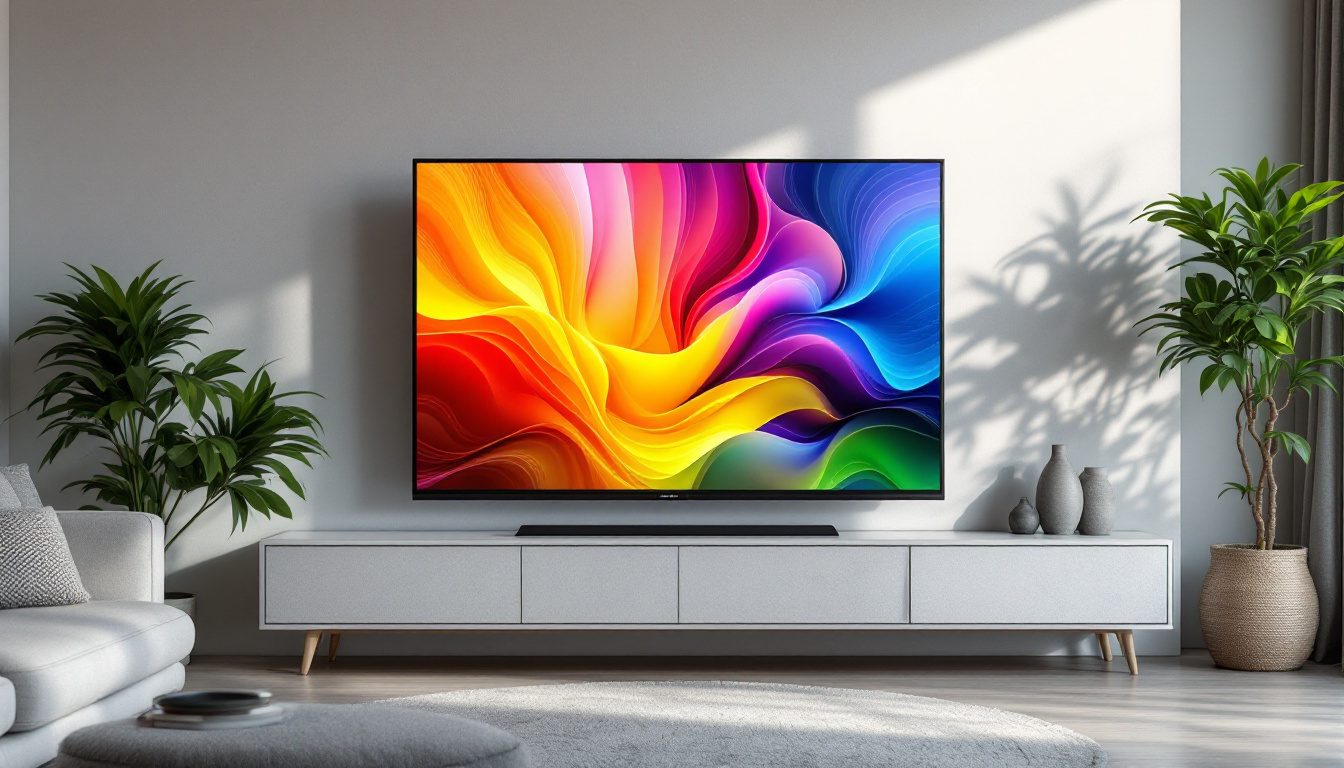
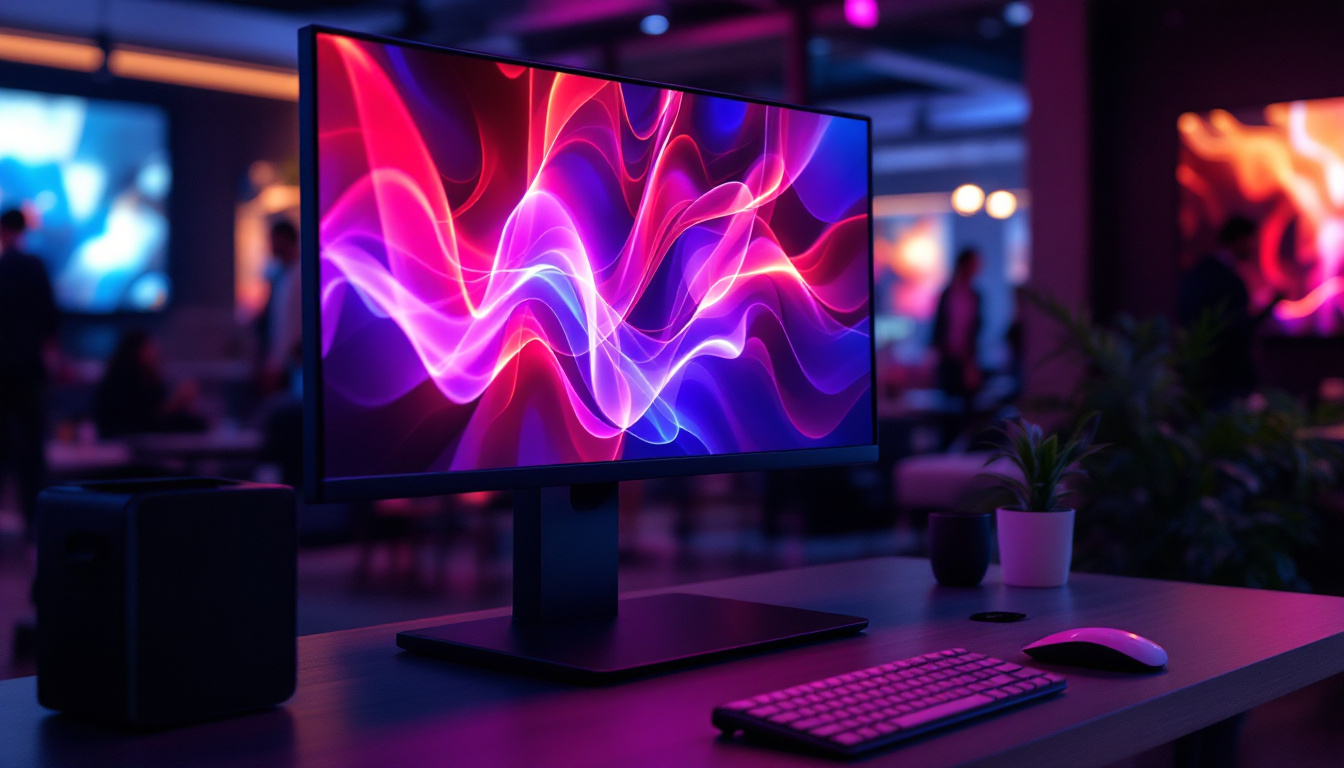
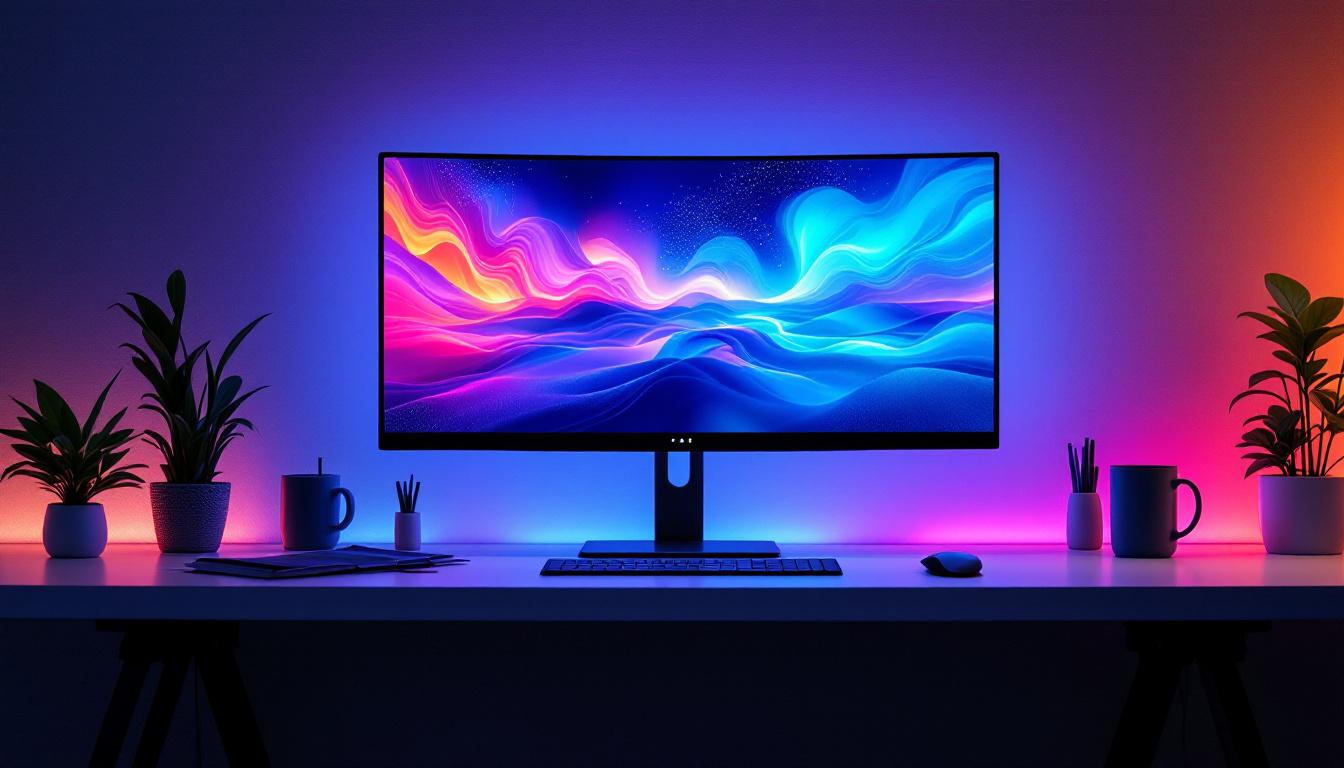
When manufacturers advertise a “no bezel” monitor, they typically refer to displays with ultra-thin or virtually invisible borders around the screen. While it is technically impossible to have a completely bezel-free monitor—since some frame is necessary to house internal components—the term is used to describe designs where the bezel is minimized to the point of being barely noticeable.
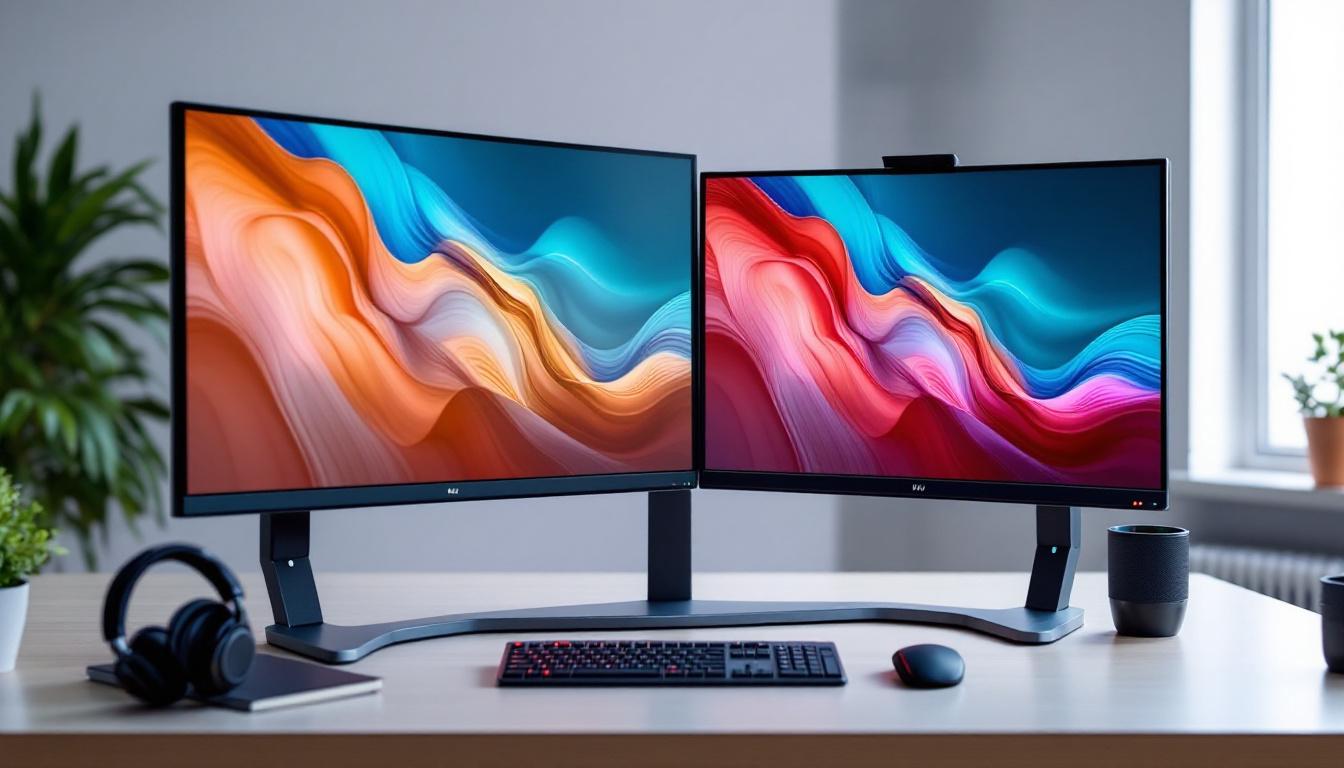
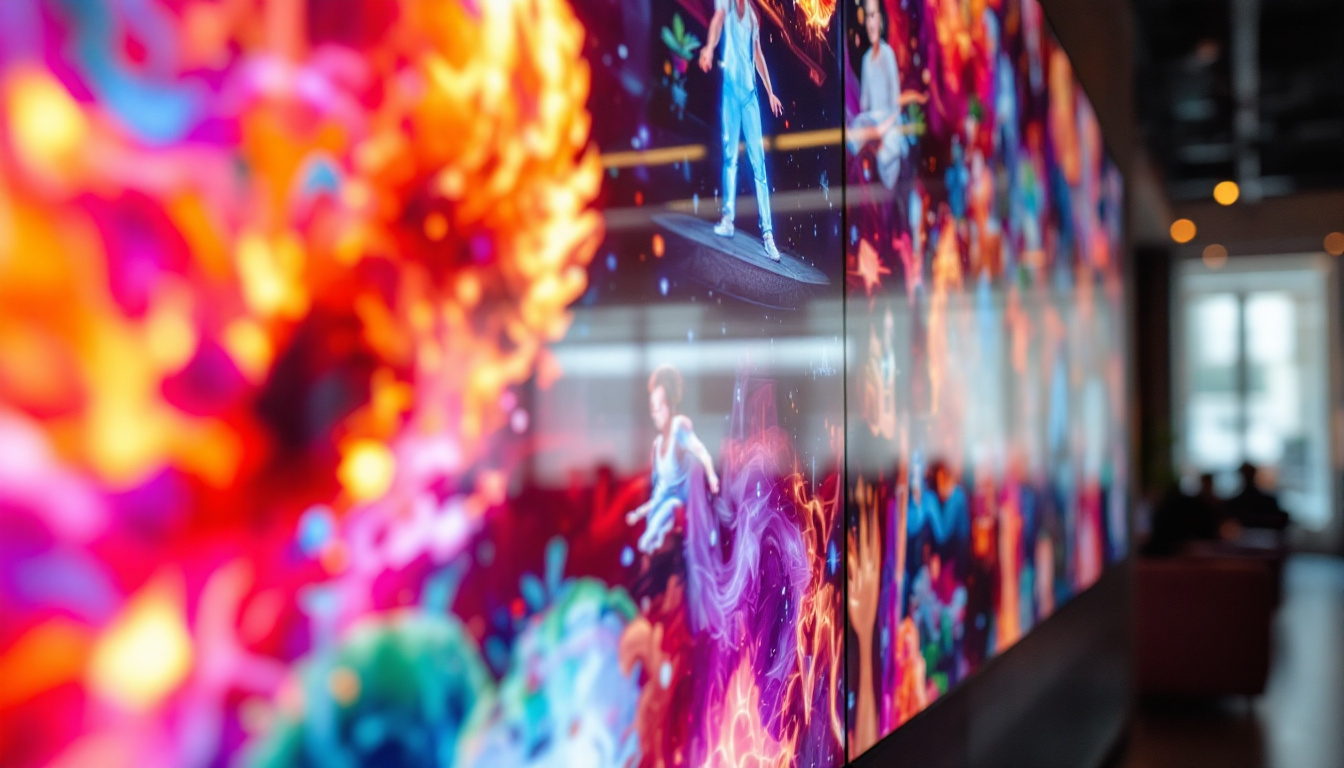
This design approach enhances the visual experience by maximizing the screen-to-body ratio, making the display appear larger and more immersive. No bezel monitors are especially favored in multi-monitor setups, where the thin borders allow for a nearly seamless viewing experience across several screens. This seamlessness is not only aesthetically pleasing but also functional, as it reduces distractions during gaming or professional work, allowing users to focus entirely on their tasks without the interruption of thick bezels breaking their line of sight.
Moreover, the absence of prominent bezels can also contribute to a more modern and sophisticated workspace. In environments such as design studios or high-end offices, the sleek appearance of no bezel monitors can complement contemporary decor, creating a visually appealing atmosphere that enhances productivity and creativity.
The Evolution of Monitor Bezels
Historically, monitors featured thick bezels not only for structural integrity but also to accommodate bulky cathode ray tube (CRT) technology and early liquid crystal display (LCD) components. As technology advanced, manufacturers began to slim down bezels to meet consumer demand for sleeker devices.
By the late 2010s, the push for minimal bezels intensified, driven by trends in smartphones, laptops, and desktop monitors. Today, no bezel or ultra-thin bezel monitors are a standard feature in premium display models, reflecting a broader shift toward minimalist, space-efficient designs. This evolution has not only changed the aesthetics of monitors but has also influenced the way we interact with technology. With larger screen areas and less visual interruption, users can engage more deeply with content, whether it’s for gaming, video editing, or simply browsing the web.
Furthermore, the manufacturing processes have also evolved to support these designs. Advances in materials and engineering techniques have allowed for the creation of sturdy yet lightweight frames that can support larger screens without the need for extensive bezels. This innovation not only enhances the visual appeal but also contributes to the overall durability and functionality of the monitors, making them a preferred choice for both casual users and professionals alike.
The Role of LED Technology in No Bezel Monitors
What is LED Display Technology?
LED, or Light Emitting Diode, technology refers to the method used to illuminate the pixels on a screen. In most modern monitors, LED backlighting is used in conjunction with LCD panels to produce bright, vibrant images. Unlike older CCFL (cold cathode fluorescent lamp) backlights, LEDs are more energy-efficient, offer better brightness control, and enable thinner panel designs.
There are two primary types of LED backlighting: edge-lit and direct-lit. Edge-lit LED monitors place LEDs along the edges of the screen, allowing for thinner bezels and slimmer profiles. Direct-lit monitors have LEDs distributed evenly behind the panel, often resulting in better uniformity but thicker bezels.
How LED Enables Thinner Bezels
One of the main advantages of LED backlighting is its compact size. LEDs are significantly smaller than CCFL tubes, allowing manufacturers to reduce the thickness of the monitor’s frame. This reduction directly contributes to the ability to create ultra-thin or no bezel designs.
Edge-lit LED technology is particularly instrumental in bezel minimization. By positioning LEDs along the edges, the internal components can be arranged more efficiently, enabling the screen to extend closer to the physical edge of the monitor. This design choice is a key reason why many no bezel monitors rely on LED technology.
Benefits of No Bezel LED Monitors
Enhanced Aesthetics and Immersion
One of the most immediate benefits of no bezel LED monitors is their sleek, modern appearance. The minimal frame creates a clean, uninterrupted surface, which appeals to users who value aesthetics in their workspace or gaming setup.
Moreover, the reduced bezel size enhances immersion, especially in multi-monitor configurations. Gamers, graphic designers, and financial traders often use multiple screens side-by-side, and the thin bezels help create a nearly continuous visual field, improving productivity and user experience.
Improved Space Efficiency
No bezel monitors typically have a smaller footprint compared to traditional monitors with thick borders. This compactness allows for more efficient use of desk space, which is particularly valuable in crowded office environments or home setups where space is limited.
The ability to place monitors closer together without large gaps also means users can enjoy a more cohesive and ergonomic workspace, reducing the need to turn the head excessively when working across multiple screens.
Energy Efficiency and Longevity
LED backlighting not only enables thinner bezels but also contributes to energy efficiency. According to the U.S. Department of Energy, LED-backlit monitors consume up to 30% less power than CCFL-backlit counterparts. This reduction in power consumption translates to lower electricity bills and a smaller environmental footprint.
Additionally, LEDs tend to have longer lifespans, often exceeding 50,000 hours of use, which means no bezel LED monitors generally require less frequent replacement or maintenance, offering long-term cost savings.
Applications of No Bezel LED Monitors
Professional Work Environments
In professional settings, no bezel LED monitors are highly valued for their ability to improve productivity and workspace aesthetics. Industries such as finance, software development, and digital content creation benefit from multi-monitor setups where thin bezels minimize distractions and maximize screen real estate.
For example, stock traders often use arrays of monitors to track multiple data streams simultaneously. No bezel designs allow for a more seamless visual experience, reducing eye strain and improving reaction times.
Gaming and Entertainment
Gamers are among the most enthusiastic adopters of no bezel LED monitors. The immersive experience provided by edge-to-edge displays enhances gameplay, especially in racing simulators, first-person shooters, and strategy games. Many gaming monitors also incorporate high refresh rates and low response times alongside thin bezels to deliver superior performance.
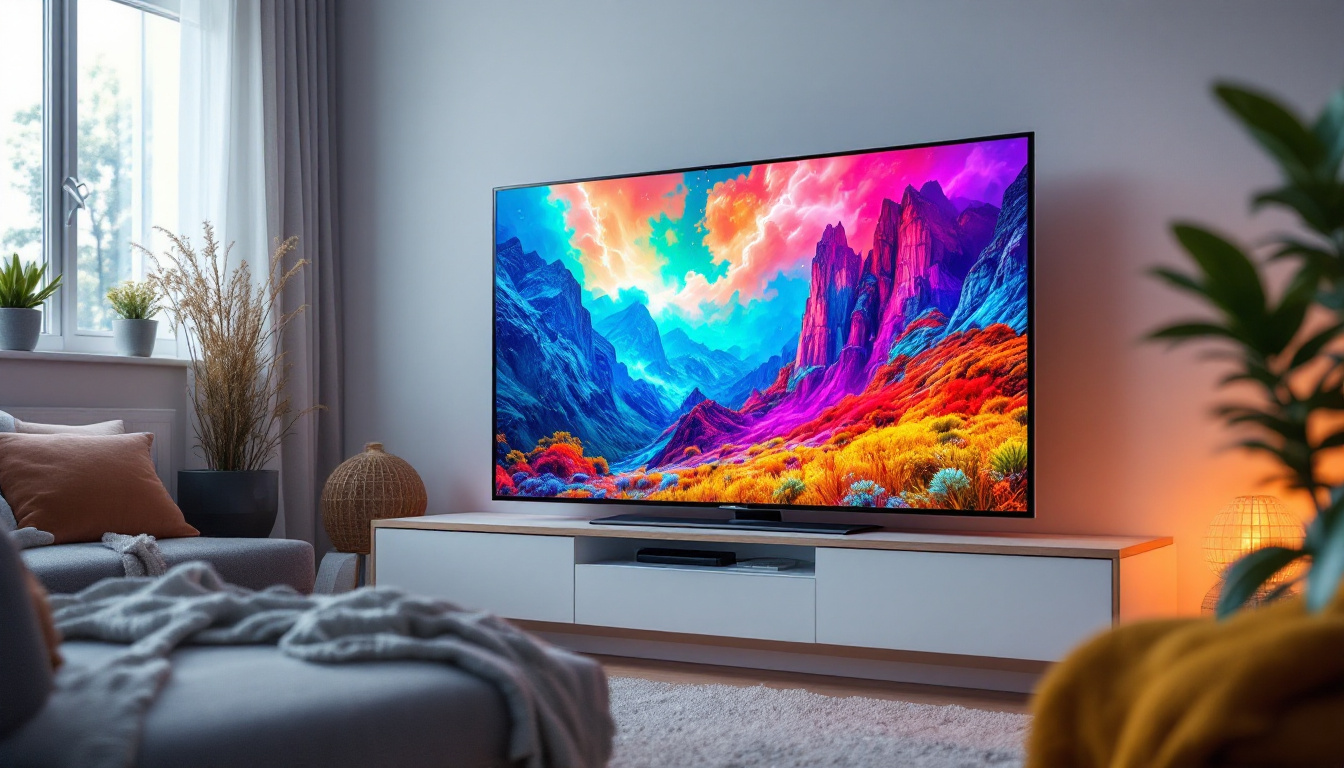
For home entertainment, no bezel monitors offer a sleek alternative to traditional televisions, especially in setups where multiple screens are used for streaming or media consumption.
Creative Industries
Graphic designers, video editors, and photographers benefit from the precision and clarity of LED displays combined with minimal bezels. The ability to view images and videos across multiple screens without distracting borders allows for more accurate color grading and detailed work.
Many professional-grade no bezel monitors also support wide color gamuts and high resolutions, catering to the demanding needs of creative professionals.
Challenges and Considerations
Cost Implications
No bezel LED monitors, especially those with premium features such as 4K resolution, high refresh rates, or color accuracy, tend to be more expensive than standard monitors. The advanced manufacturing processes required to minimize bezels and integrate LED technology contribute to higher production costs.
Consumers and businesses must weigh the benefits of enhanced aesthetics and functionality against the increased price, particularly when purchasing multiple units for multi-monitor setups.
Durability and Repairability
While no bezel designs are visually appealing, the slim frames can sometimes be more fragile than traditional monitors. The reduced structural material around the edges may increase susceptibility to damage from drops or impacts.
Additionally, repairs can be more complex and costly due to the compact internal layout and delicate components. Users should consider warranty options and handle no bezel monitors with care to maximize their lifespan.
Potential for Light Bleed and Uniformity Issues
Edge-lit LED monitors, which are common in no bezel designs, can sometimes suffer from light bleed—where light from the LEDs spills over into areas of the screen that should be dark. This can affect contrast and overall image quality, particularly in dark scenes.
While manufacturers have made significant improvements in backlight technology, users sensitive to these issues may prefer direct-lit or OLED displays, though these often come with thicker bezels or higher costs.
Future Trends in No Bezel and LED Display Technology
Advances in OLED and MicroLED Displays
While LED-backlit LCDs currently dominate the no bezel monitor market, emerging technologies like OLED (Organic Light Emitting Diode) and MicroLED promise even thinner, more flexible displays with superior color accuracy and contrast ratios.
OLED panels emit light at the pixel level, eliminating the need for backlighting and enabling true edge-to-edge displays with virtually no bezel. However, challenges related to cost, lifespan, and burn-in remain barriers to widespread adoption in monitors.
Flexible and Transparent Displays
Research into flexible and transparent LED displays suggests a future where monitors can be curved, folded, or even integrated into windows and other surfaces. These innovations could redefine the concept of bezels entirely, making displays more adaptable to various environments and uses.
Such technologies are still in the experimental or early commercial stages but hold exciting potential for the next generation of no bezel monitors.
Integration with Smart Technologies
As monitors become smarter, integrating AI-driven features such as adaptive brightness, eye-tracking, and gesture control, the demand for sleek, bezel-less designs is likely to increase. Minimal bezels complement these technologies by providing unobstructed sensor placement and a more futuristic aesthetic.
Manufacturers are investing heavily in combining no bezel designs with smart capabilities to create more intuitive and user-friendly displays.
Conclusion
No bezel monitors represent a significant advancement in display design, driven largely by the capabilities of LED technology. Their ultra-thin frames and vibrant, energy-efficient displays cater to a wide range of users—from gamers and creatives to professionals requiring multi-monitor setups.
While there are considerations such as cost and potential durability issues, the aesthetic and functional benefits of no bezel LED monitors are compelling. As display technology continues to evolve, these monitors are poised to become even more integral to how we interact with digital content, blending form and function in increasingly innovative ways.
Discover the Future of Display with LumenMatrix
Embrace the cutting-edge of no bezel monitor technology with LumenMatrix. As a pioneer in LED display solutions, we are committed to enhancing your visual experience with our wide array of innovative products. From immersive Indoor LED Wall Displays to dynamic Outdoor LED Wall Displays, and from sleek LED Poster Displays to engaging LED Sports Displays, LumenMatrix offers tailored solutions that bring your content to life. Elevate your space and captivate your audience with our revolutionary LED displays. Check out LumenMatrix LED Display Solutions today and see how we can transform your visual communication.