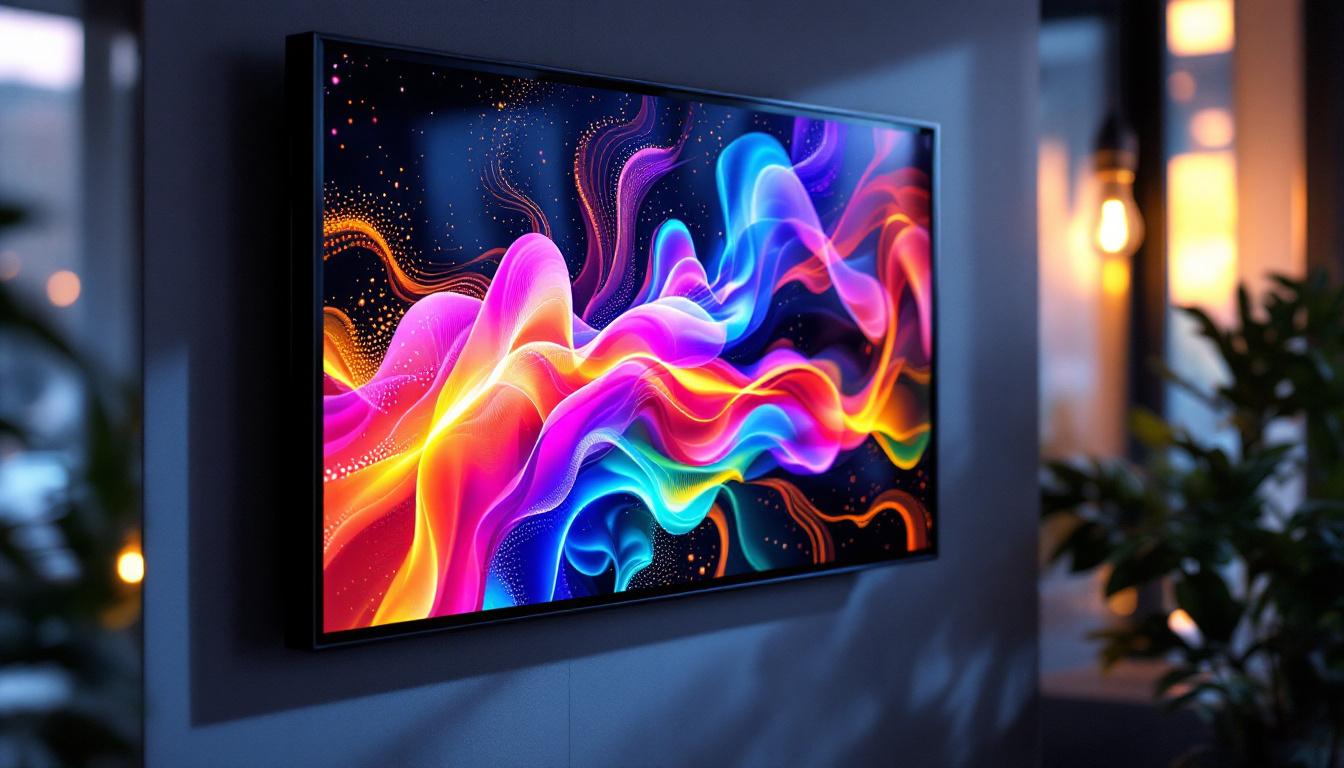
In today’s fast-paced digital world, LED displays have become an integral part of visual communication, transforming how information, advertisements, and entertainment are presented. Among the various types of LED screens, framed screens stand out for their versatility, durability, and visual impact. This article delves into the technology behind framed LED screens, their applications, advantages, and what makes them a preferred choice across industries.
Understanding LED Display Technology
LED, or Light Emitting Diode, technology revolutionized display screens by offering brighter, more energy-efficient, and longer-lasting alternatives to traditional LCD and plasma screens. At its core, an LED display consists of numerous tiny diodes that emit light when an electric current passes through them. These diodes are arranged in a matrix to form images, videos, or text.
Framed LED screens refer to LED displays that are encased within a sturdy frame, providing structural support and protection. This framing is crucial for maintaining the screen’s integrity, especially in large-scale installations or outdoor environments where weather and physical impacts can pose risks. The frame not only enhances durability but also contributes to the aesthetic appeal of the display, allowing for seamless integration into various architectural designs.
How LED Displays Work
Each LED pixel is made up of red, green, and blue diodes that combine to produce a full spectrum of colors through varying intensities. The screen’s controller processes input signals and adjusts the brightness and color of each pixel accordingly. This allows for high-resolution images and smooth video playback, even on very large screens. The ability to control each pixel independently enables dynamic content that can adapt to different lighting conditions, ensuring optimal visibility in both bright and dim environments.
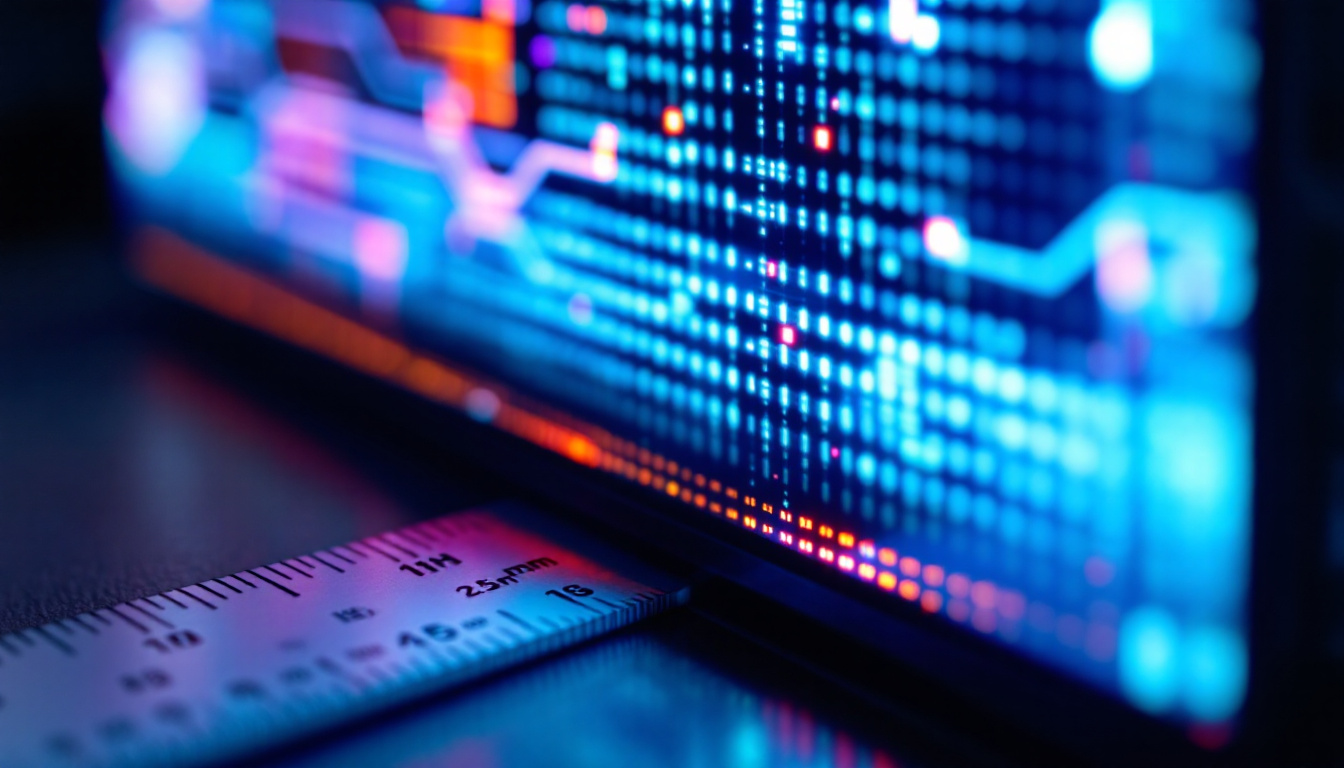
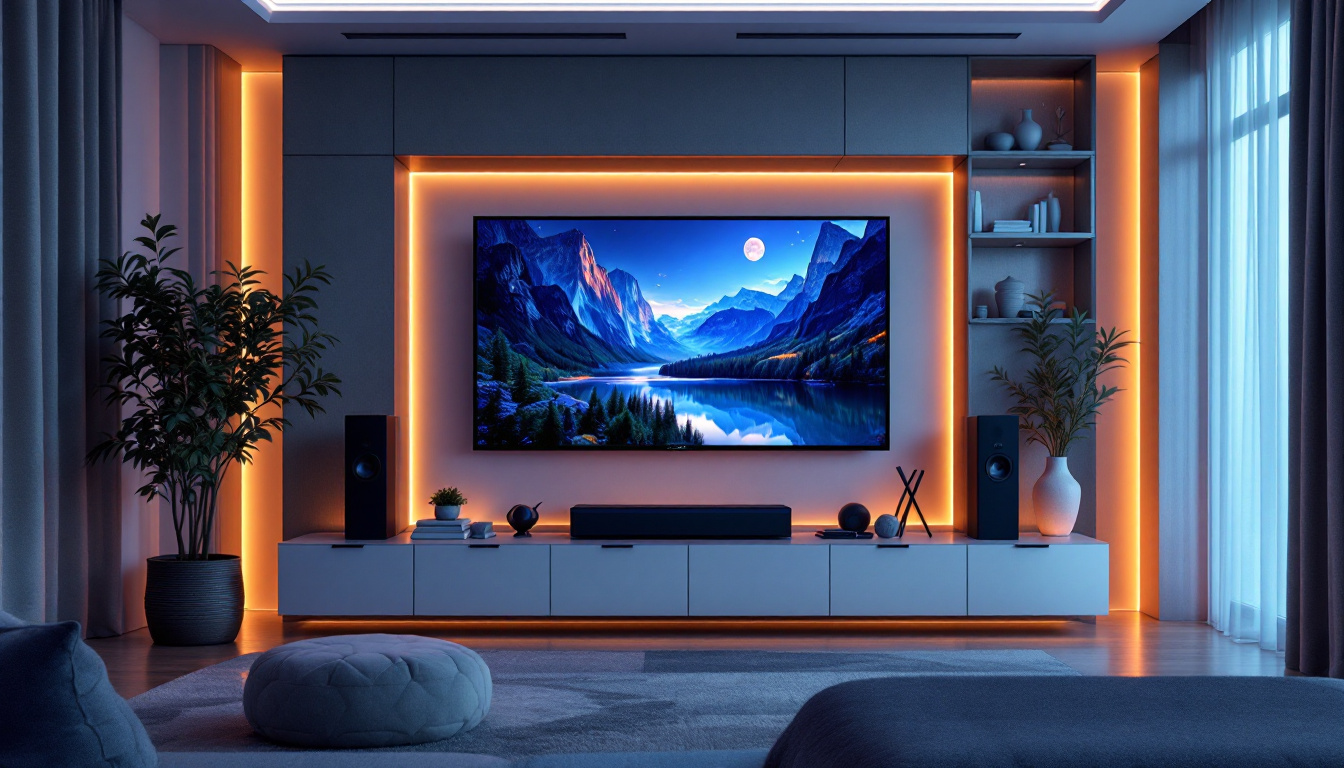
Modern LED displays use surface-mounted device (SMD) technology, where LEDs are mounted directly onto the circuit board, enabling finer pixel pitches and better image clarity. The pixel pitch, which is the distance between the centers of two adjacent pixels, is a key factor in determining the resolution and viewing distance of the display. Smaller pixel pitches allow for closer viewing distances, making them ideal for applications in retail environments, trade shows, and high-end home theaters. Additionally, advancements in color calibration techniques have improved the accuracy and consistency of color reproduction across different screens, further enhancing the viewing experience.
Types of Framed LED Screens
Framed LED screens come in various configurations designed to meet different needs. Understanding these types helps in selecting the right screen for a specific application.
Indoor vs Outdoor LED Screens
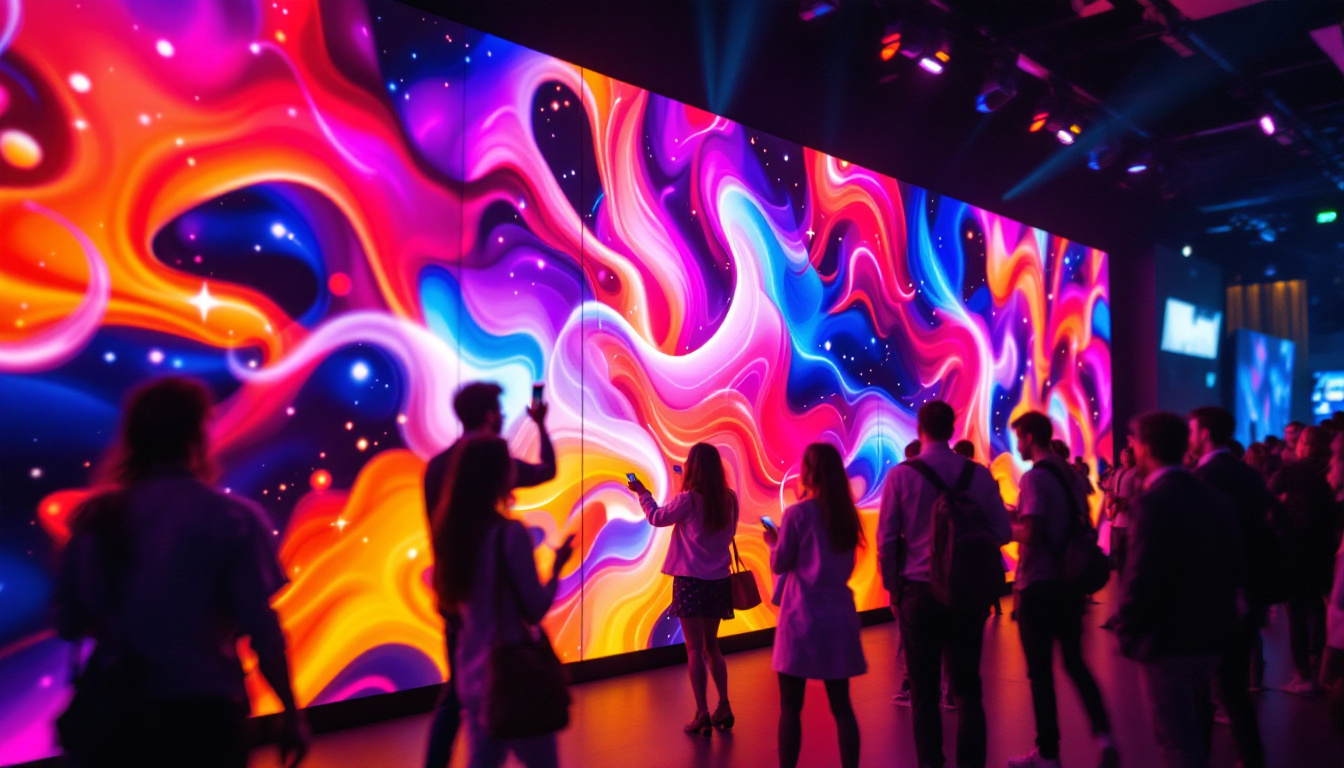
Indoor LED screens typically have a smaller pixel pitch (ranging from 1.2mm to 4mm), offering higher resolution suitable for close viewing distances. They are designed with less brightness, usually around 800 to 1,200 nits, since they are used in controlled lighting environments. These screens are often utilized in settings such as conference rooms, retail spaces, and entertainment venues, where clarity and detail are paramount. The ability to display high-definition content makes them ideal for presentations, interactive displays, and immersive experiences that engage viewers.
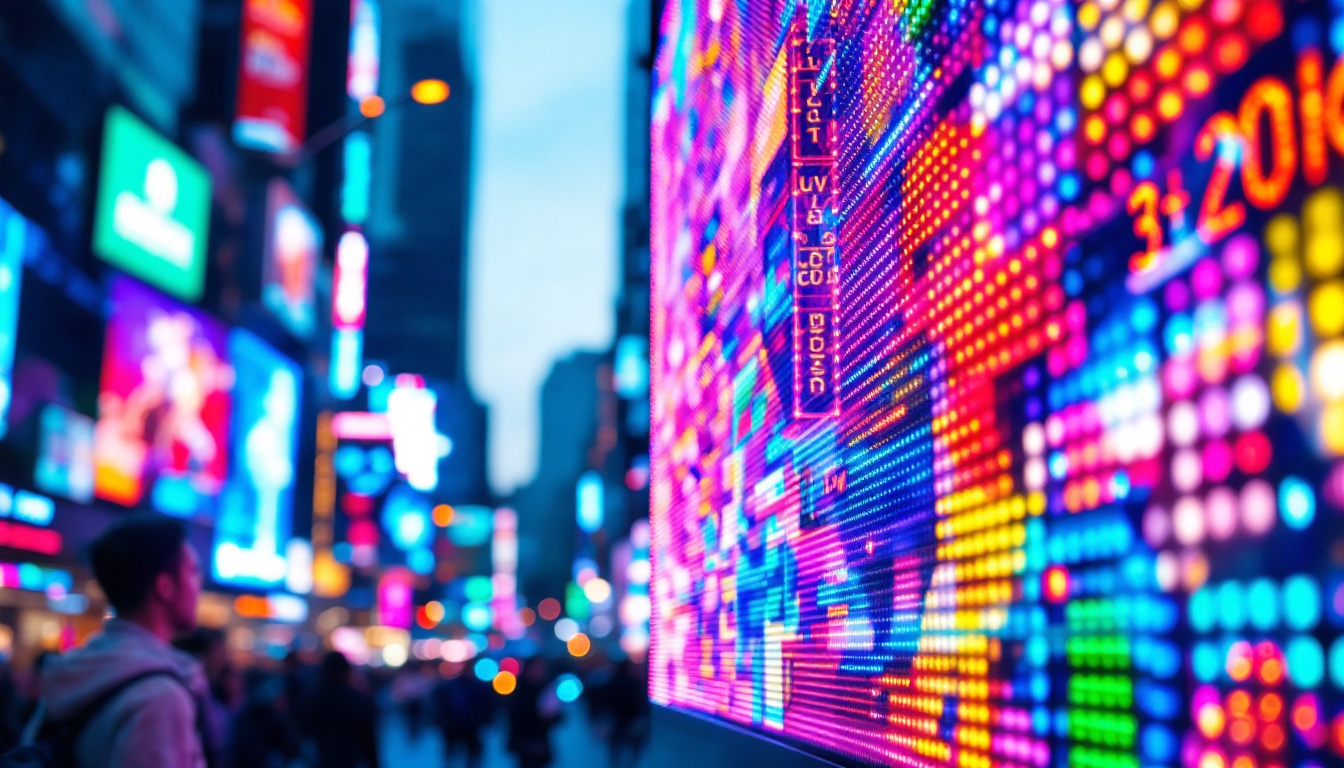
Outdoor LED screens, on the other hand, require higher brightness levels (often exceeding 5,000 nits) to remain visible under direct sunlight. They are built with weatherproof frames and protective coatings to resist rain, dust, and extreme temperatures. The pixel pitch is usually larger (4mm to 20mm) because these screens are viewed from greater distances. Outdoor screens are commonly found in public spaces like billboards, sports arenas, and festivals, where they serve as dynamic advertising platforms or information displays. Their robust construction ensures longevity, making them a reliable choice for year-round outdoor use.
Fixed vs Rental LED Screens
Fixed framed LED screens are permanently installed in one location, such as stadiums, shopping malls, or corporate lobbies. Their frames are designed for long-term durability and often customized to fit architectural requirements. These installations can be integrated with advanced technology, allowing for features such as interactive touch capabilities or synchronized displays across multiple screens. The permanence of fixed screens means they can be continuously updated with fresh content, ensuring that the information remains relevant and engaging for audiences over time.
Rental LED screens are modular and portable, with frames that facilitate quick assembly and disassembly. These are popular for events, concerts, trade shows, and temporary advertising campaigns. The framing system is lightweight yet robust, ensuring ease of transport without compromising structural integrity. Rental screens often come with customizable options, allowing event organizers to select sizes and configurations that best fit their venue. Additionally, advancements in technology have made it possible for rental screens to offer high-definition visuals and seamless connectivity, enhancing the overall experience for attendees and maximizing the impact of the displayed content.
Key Benefits of Framed LED Displays
Framed LED screens offer numerous advantages that contribute to their widespread adoption across various sectors.
Enhanced Durability and Protection
The frame acts as a protective barrier against physical damage, environmental factors, and mechanical stress. This is especially critical for outdoor installations exposed to wind, rain, dust, and temperature fluctuations. High-quality frames are often made from aluminum or steel, providing strength without excessive weight.
Improved Installation and Maintenance
Framed screens simplify the installation process by providing a stable structure to mount the display panels. This reduces setup time and ensures precise alignment of LED modules, which is essential for seamless image quality. Additionally, the frame design often includes easy access points for maintenance, allowing technicians to replace or repair individual LED modules without dismantling the entire screen.
Superior Visual Performance
The rigidity of the frame prevents screen warping or bending, which can distort images. This stability ensures consistent pixel alignment, resulting in sharper images and better color accuracy. For large-format displays, this is vital to maintain a professional and engaging visual experience.
Applications of Framed LED Displays
The versatility of framed LED screens has led to their adoption in a wide array of applications, each benefiting from the unique properties of LED technology and the protective framing.
Advertising and Digital Signage
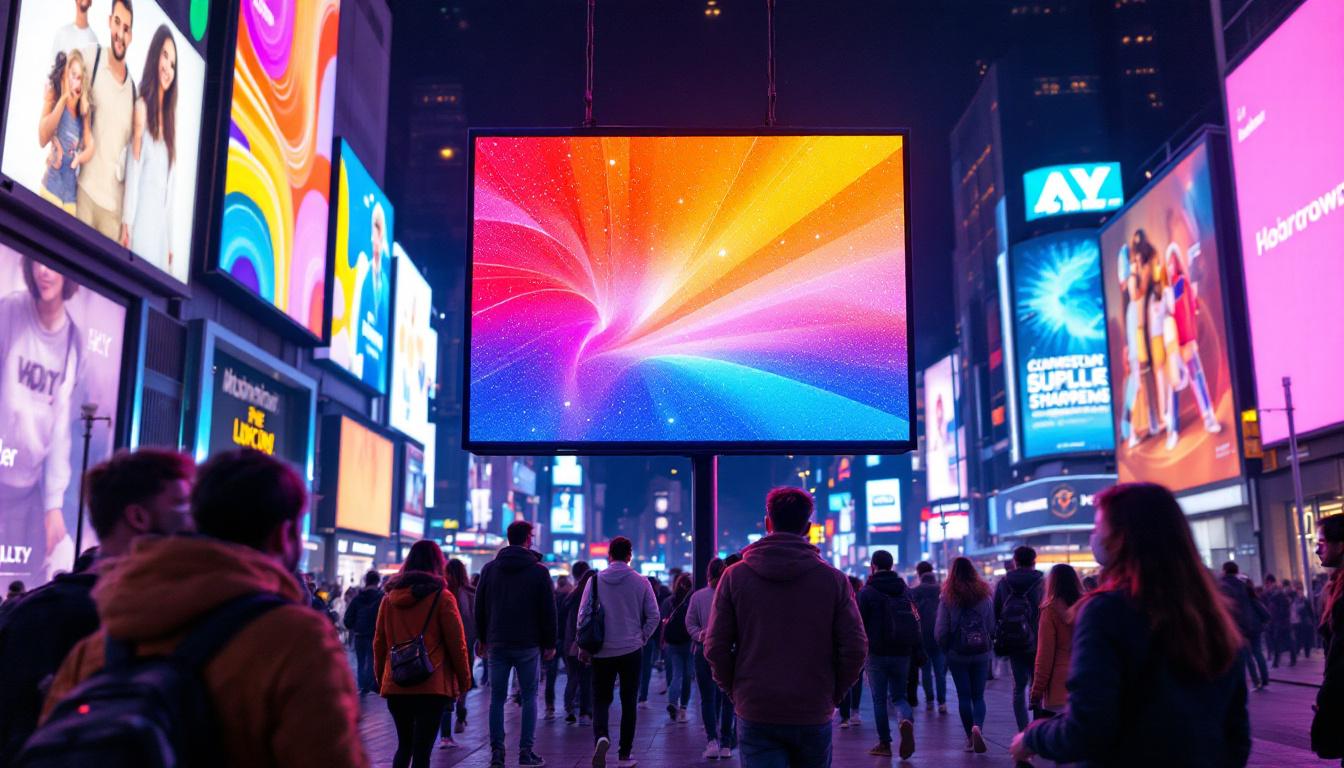
Retailers, shopping centers, and outdoor advertisers rely heavily on framed LED displays to capture consumer attention. The brightness and dynamic content capabilities of LED screens outperform traditional billboards, enabling real-time updates and interactive features. According to industry reports, digital out-of-home advertising using LED displays is projected to grow at a compound annual growth rate (CAGR) of over 10% through 2026.
Sports and Entertainment Venues
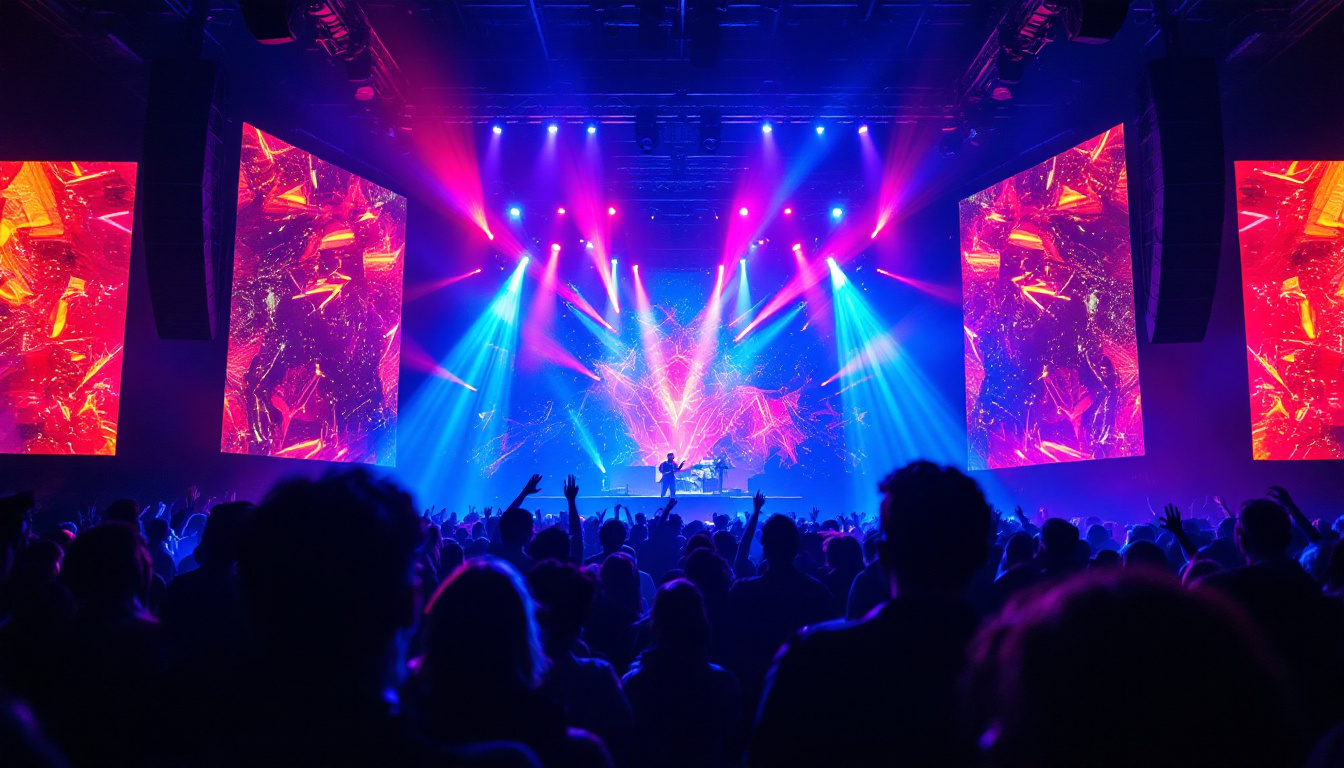
Stadiums and arenas use massive framed LED screens to broadcast live action, replays, and advertisements. The robustness of framed screens ensures they withstand the rigors of large crowds and outdoor conditions. Additionally, their high brightness and resolution enhance the spectator experience, even from distant seats.
Corporate and Educational Environments
In corporate lobbies, conference rooms, and educational institutions, framed LED displays serve as information hubs, presentation tools, and branding elements. Their sleek design and high image quality make them ideal for delivering impactful messages and facilitating communication.
Choosing the Right Framed LED Display
Selecting the appropriate framed LED screen involves considering several factors to ensure the display meets the specific needs of the application.
Pixel Pitch and Resolution
The pixel pitch must correspond to the typical viewing distance. For example, a pixel pitch of 1.5mm is suitable for indoor screens viewed from a few feet away, while a 10mm pitch works well for outdoor billboards seen from hundreds of feet. Choosing the wrong pixel pitch can result in blurry images or unnecessarily high costs.
Brightness and Contrast
Brightness levels should be matched to the ambient lighting conditions. Outdoor screens require higher brightness to combat sunlight, while indoor screens benefit from higher contrast ratios for better image depth. Many modern LED displays also feature automatic brightness adjustment sensors to optimize visibility and reduce power consumption.
Frame Material and Design
The frame’s material impacts the screen’s weight, durability, and heat dissipation. Aluminum frames are lightweight and corrosion-resistant, making them popular for both indoor and outdoor use. Steel frames offer superior strength but are heavier and may require additional coatings to prevent rust. The design should also facilitate airflow to prevent overheating of LED modules.
Future Trends in Framed LED Display Technology
As LED technology continues to evolve, framed LED displays are becoming smarter, more efficient, and more adaptable.
Higher Resolutions and Smaller Pixel Pitches
Advancements in SMD technology are enabling pixel pitches below 1mm, pushing LED displays into territories traditionally dominated by LCDs. This opens up new possibilities for ultra-high-definition indoor screens and even flexible or curved framed LED displays.
Integration with IoT and AI
Smart LED displays equipped with sensors and AI-powered content management systems can dynamically adjust content based on audience demographics, weather conditions, or time of day. This level of interactivity enhances engagement and maximizes advertising effectiveness.
Energy Efficiency and Sustainability
Manufacturers are focusing on reducing power consumption through improved LED efficiency and intelligent brightness controls. Additionally, recyclable frame materials and modular designs contribute to sustainability by extending the lifespan and reducing electronic waste.
Conclusion
Framed LED displays represent a powerful combination of cutting-edge technology and practical design. Their ability to deliver vibrant, high-resolution content with durability and ease of maintenance makes them indispensable in advertising, entertainment, corporate, and educational sectors. Understanding the nuances of LED technology, frame construction, and application requirements ensures that businesses and organizations can harness the full potential of these dynamic visual tools.
As the technology advances, framed LED screens will continue to push the boundaries of digital communication, offering ever more immersive and engaging experiences for audiences worldwide.
Discover LumenMatrix’s Innovative LED Display Solutions
Ready to elevate your visual communication with the latest in LED display technology? Look no further than LumenMatrix, where innovation meets excellence. From captivating Indoor and Outdoor LED Wall Displays to versatile Vehicle and Sports LED Displays, our solutions are designed to make your brand shine. Experience the future of digital signage with our Custom, All-in-One, and Transparent LED Displays, each crafted to provide unparalleled engagement and clarity. Don’t miss out on the opportunity to transform your space with LumenMatrix’s cutting-edge LED solutions. Check out LumenMatrix LED Display Solutions today and step into a world of vivid imagery and dynamic storytelling.