In today’s technology-driven world, display panels have become an integral part of numerous devices, from smartphones and televisions to industrial equipment and automotive dashboards. Among the various display technologies, LCD side panels with LED backlighting have gained significant prominence due to their efficiency, clarity, and versatility. This article delves into the intricacies of LCD side panels, focusing on the LED display technology that powers them, exploring how they work, their advantages, and their applications across different industries.
Understanding LCD Side Panels
What is an LCD Side Panel?
An LCD (Liquid Crystal Display) side panel refers to a flat panel display that is typically mounted on the side of a device or enclosure. These panels are designed to provide visual information, such as status indicators, graphical data, or interactive controls, in a compact and accessible format. Unlike traditional front-facing displays, side panels are often used in environments where space is limited or where the user needs to monitor information from a specific angle.
LCD technology uses liquid crystals that modulate light to produce images. However, these crystals do not emit light themselves, which is why a backlighting system is essential for visibility. This is where LED (Light Emitting Diode) technology comes into play, providing the necessary illumination behind the LCD panel. The combination of LCD and LED technology not only enhances the brightness and clarity of the display but also contributes to energy efficiency, making these panels suitable for a variety of applications, from consumer electronics to industrial machinery.
Furthermore, the versatility of LCD side panels allows for customization in terms of size, shape, and functionality. Manufacturers can tailor these displays to meet specific requirements, such as touch sensitivity for interactive applications or rugged designs for harsh environments. This adaptability ensures that LCD side panels can be integrated seamlessly into a wide range of devices, enhancing both aesthetics and user experience.
How LCD Side Panels Differ From Other Display Types
Compared to OLED (Organic Light Emitting Diode) or plasma displays, LCD side panels with LED backlighting offer several distinct advantages. They tend to be more cost-effective, have longer lifespans, and are less prone to burn-in issues. Moreover, LCD panels can be manufactured in a wide range of sizes and resolutions, making them highly adaptable for various applications.
Additionally, the side panel format allows for ergonomic placement in devices where front-facing displays are impractical. This is particularly useful in industrial control systems, automotive dashboards, and smart home devices where side-mounted displays enhance usability without increasing device footprint. For instance, in automotive applications, side-mounted LCD panels can provide critical information such as navigation prompts or vehicle diagnostics without obstructing the driver’s view of the road. This design consideration not only improves safety but also enhances the overall driving experience by keeping essential information readily accessible.
Moreover, the integration of advanced technologies such as touchscreens and multi-touch capabilities into LCD side panels opens up new possibilities for user interaction. These features allow users to engage with the display in a more intuitive manner, enabling quick adjustments to settings or accessing information with simple gestures. This trend is particularly evident in smart home devices, where users can control lighting, temperature, and security systems through an interactive side panel, making their living spaces more efficient and user-friendly.
The Role of LED Technology in LCD Side Panels
LED Backlighting Explained
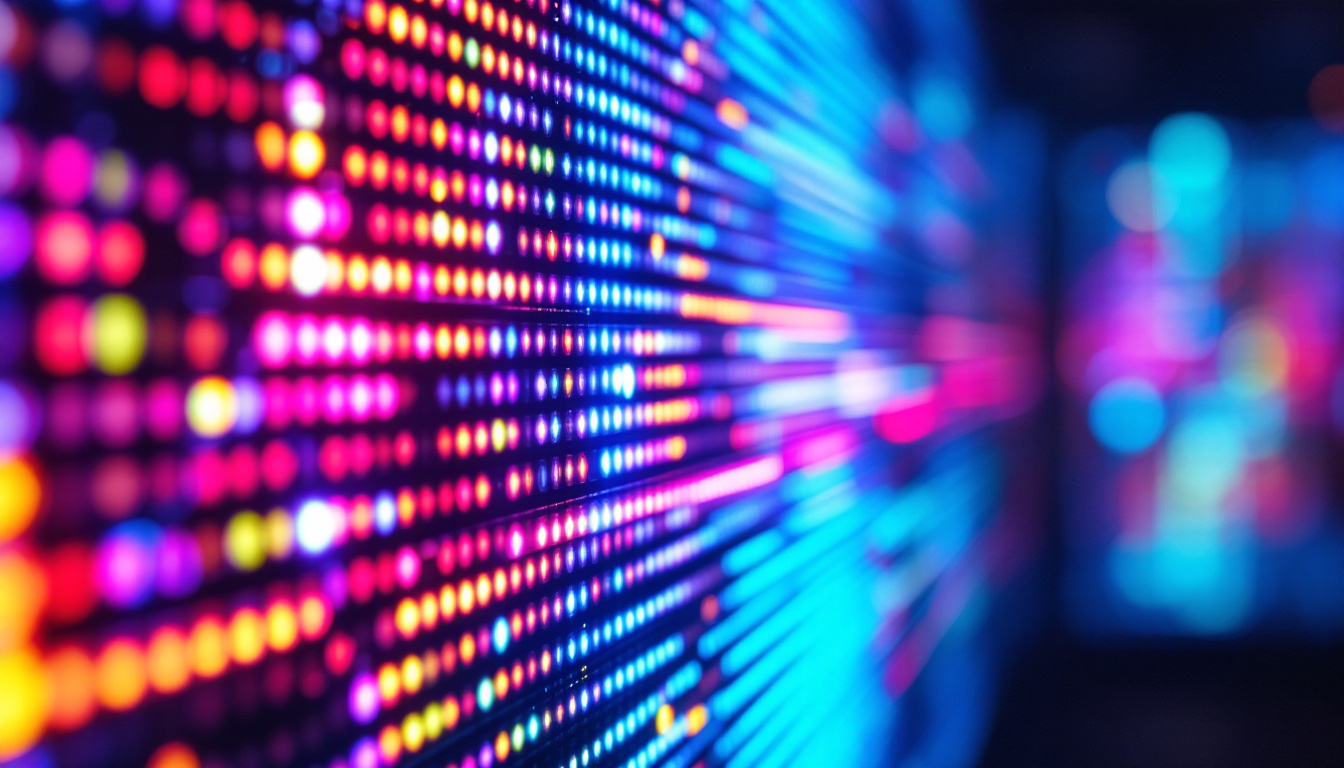
Liquid crystals in an LCD do not emit light; they manipulate light passing through them. To make the display visible, a light source is required behind the LCD matrix. LEDs serve as this light source by providing bright, energy-efficient, and uniform illumination.
LED backlighting can be implemented in several ways:
- Edge-Lit LED: LEDs are placed along the edges of the panel, and light is distributed across the screen using light guides. This method allows for thinner displays.
- Direct-Lit LED: LEDs are positioned directly behind the LCD panel, offering better uniformity and brightness control, often used in higher-end displays.
- Mini-LED and Micro-LED: Advanced forms of direct backlighting with smaller LED units, enabling higher contrast ratios and localized dimming for improved picture quality.
Advantages of LED Backlighting
LED backlighting offers numerous benefits over older technologies such as CCFL (Cold Cathode Fluorescent Lamp) backlights:
- Energy Efficiency: LEDs consume significantly less power, which is crucial for battery-operated devices and reduces overall energy costs in industrial applications.
- Longer Lifespan: LEDs typically last tens of thousands of hours, minimizing maintenance and replacement costs.
- Improved Brightness and Contrast: LED backlights provide higher brightness levels and better contrast ratios, enhancing readability and visual appeal.
- Environmental Benefits: LEDs do not contain mercury or other hazardous materials, making them more environmentally friendly.
In addition to these advantages, LED backlighting also supports a wider color gamut, which means that displays can produce a more vibrant and diverse range of colors. This is particularly beneficial for applications in graphic design, photography, and gaming, where color accuracy is paramount. The ability of LEDs to produce pure white light, as well as their compatibility with advanced color calibration technologies, allows for displays that can meet the demanding standards of professional users.
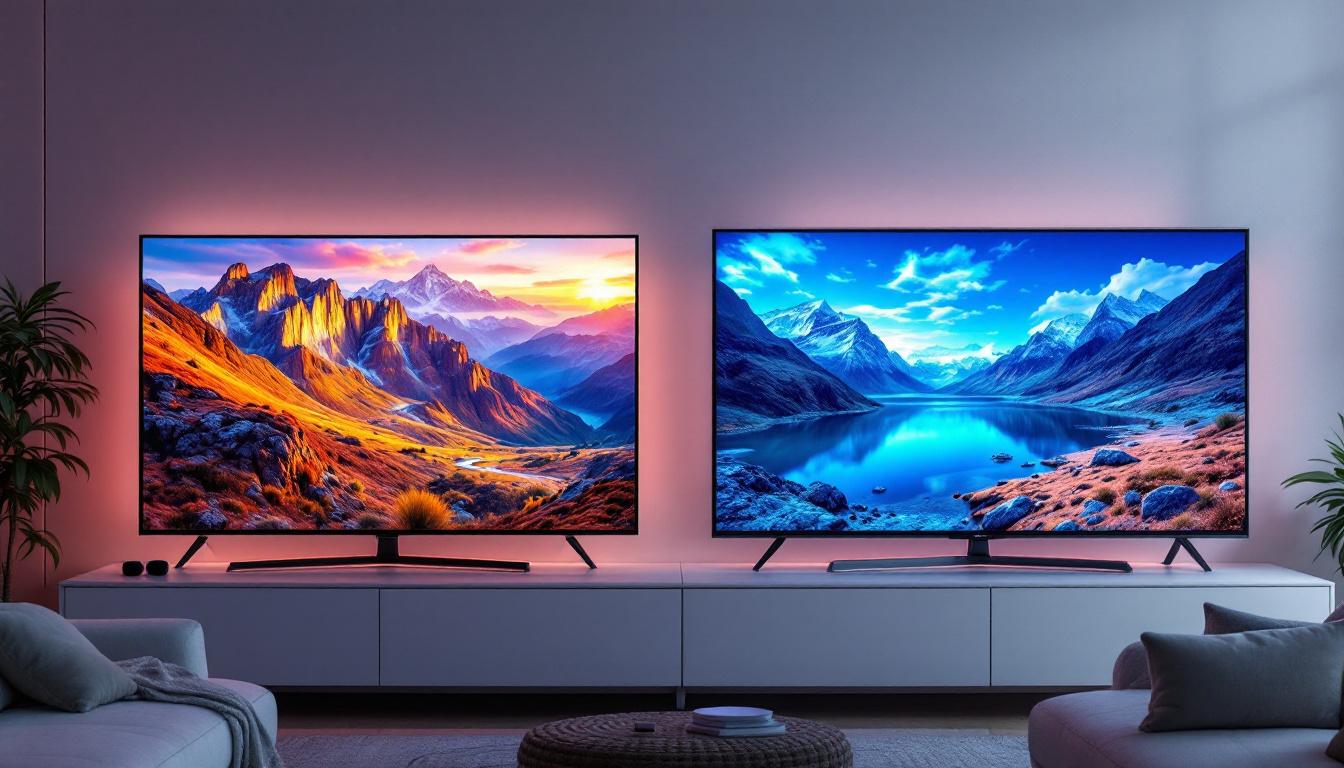
Moreover, the versatility of LED technology extends beyond just backlighting. Innovations such as dynamic local dimming, where specific areas of the screen can be dimmed or brightened independently, enhance the viewing experience by improving the depth of blacks and the overall contrast of the image. This feature is especially noticeable in dark scenes, where traditional backlighting methods may struggle to deliver the same level of detail and clarity. As a result, LED backlighting not only enhances the visual quality of displays but also opens up new possibilities for immersive viewing experiences across various media formats.
Technical Components of an LCD Side Panel with LED Display
Liquid Crystal Layer
The core of the LCD side panel is the liquid crystal layer, which consists of molecules that can be aligned to control light passage. When an electric field is applied, these crystals twist to allow varying amounts of light to pass through, creating images by modulating light intensity at each pixel.
Polarizing Filters
Polarizing filters are placed before and after the liquid crystal layer to control the orientation of light waves. These filters are essential for the LCD’s operation, as they ensure that only light with a specific polarization reaches the viewer, enabling the display of images.
Color Filters
To produce color images, LCD panels use red, green, and blue (RGB) color filters arranged in subpixels. By varying the light intensity passing through each subpixel, the display can render a full spectrum of colors.
LED Backlight Module
The LED backlight module provides the necessary illumination. It is composed of multiple LEDs arranged either along the edges or directly behind the panel. The module includes diffusers and light guides to ensure even light distribution across the screen, preventing hotspots or uneven brightness.
Driver Electronics
Driver circuits control the voltage applied to the liquid crystals and manage the LED backlighting intensity. These electronics are crucial for synchronizing image rendering and adjusting brightness based on ambient lighting conditions, enhancing user experience and reducing power consumption.
Applications of LCD Side Panels with LED Displays
Consumer Electronics
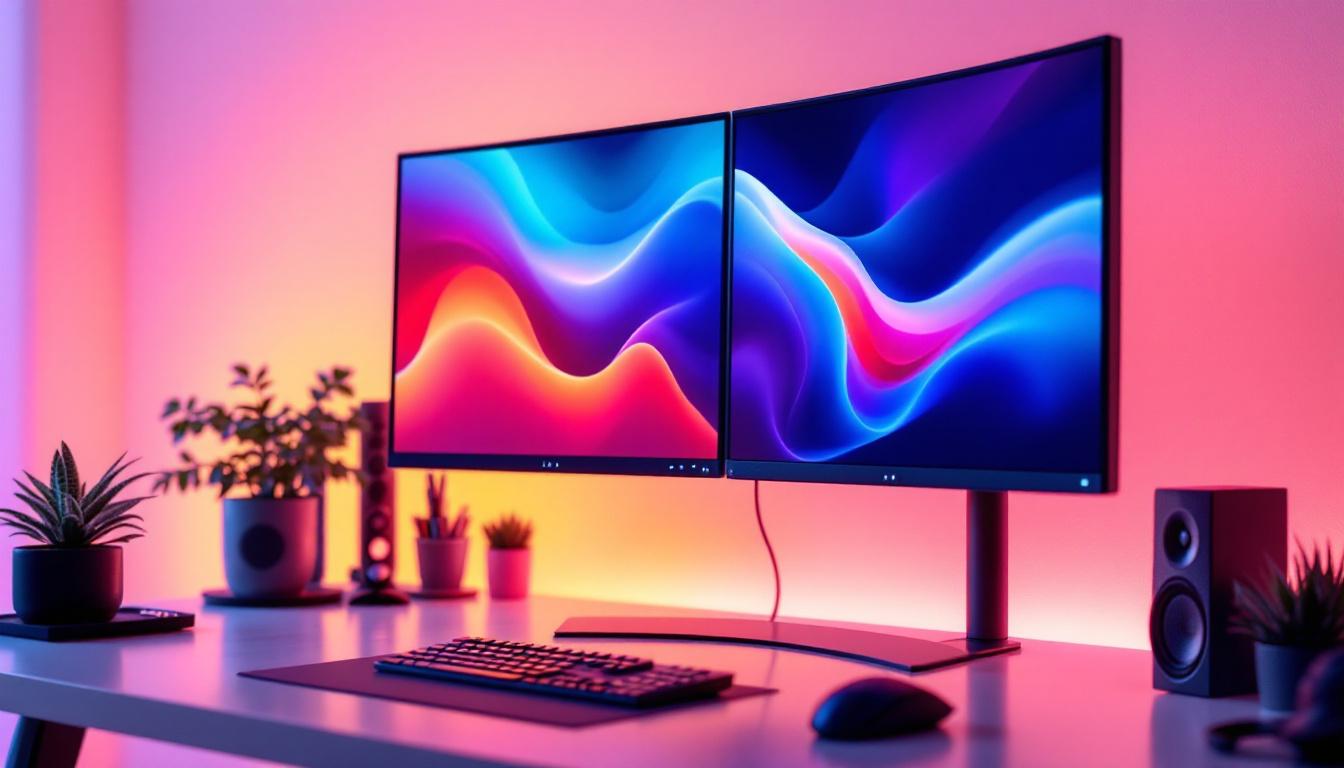
LCD side panels with LED displays are widely used in consumer electronics such as laptops, monitors, and smart home devices. In laptops, for example, side panels may serve as secondary displays for notifications or quick access controls. Smart thermostats and home automation hubs use side-mounted LCD panels to provide intuitive interfaces without occupying prime front-facing space.
Automotive Industry
Modern vehicles increasingly incorporate LCD side panels in dashboards and door panels to display information such as speed, fuel levels, and navigation prompts. LED-backlit LCDs offer high visibility under varying lighting conditions, including direct sunlight, which is critical for driver safety and convenience.
Industrial and Medical Equipment
In industrial settings, LCD side panels are used on machinery and control systems to provide real-time data and status updates. Their durability, clarity, and energy efficiency make them ideal for harsh environments. Similarly, medical devices employ LED-backlit LCD panels to display vital information with precision and reliability, aiding healthcare professionals in critical decision-making.
Public Information Displays
LCD side panels with LED backlighting are also found in kiosks, ATMs, and public transport systems. Their bright, clear displays ensure information is accessible even in outdoor or brightly lit environments, enhancing user interaction and satisfaction.
Future Trends in LCD Side Panel and LED Display Technology
Mini-LED and Micro-LED Innovations
The evolution of LED technology is pushing the boundaries of LCD performance. Mini-LED and micro-LED backlighting allow for thousands of tiny LEDs to be used in a single panel, enabling local dimming zones that significantly improve contrast and color accuracy. This technology is expected to become more prevalent in side panels, especially in premium industrial and automotive applications.
Flexible and Transparent Displays
Research into flexible LCD panels with LED backlighting is opening new possibilities for side panels that can conform to curved surfaces or be integrated into unconventional device designs. Transparent LCDs with LED illumination are also emerging, potentially allowing side panels to display information without obstructing the view behind them.
Integration with Smart Technologies
As the Internet of Things (IoT) expands, LCD side panels with LED displays are increasingly integrated with sensors, voice control, and AI-driven interfaces. This integration enhances interactivity and functionality, making side panels not just display units but smart hubs for user interaction.
Conclusion
LCD side panels with LED displays represent a convergence of mature liquid crystal technology and advanced LED backlighting, resulting in versatile, efficient, and high-quality display solutions. Their widespread adoption across consumer electronics, automotive, industrial, and medical fields underscores their importance in modern device design. With ongoing advancements in LED technology and display integration, LCD side panels are poised to become even more capable and adaptable, meeting the evolving demands of users and industries alike.
Understanding the technical aspects and benefits of LCD side panels with LED displays helps manufacturers and users make informed decisions about their implementation, ensuring optimal performance and user satisfaction.
Discover Cutting-Edge LED Displays with LumenMatrix
As you consider the advanced capabilities and benefits of LCD side panels with LED displays, LumenMatrix stands at the forefront of this technology, ready to elevate your visual experience. Our commitment to innovation ensures that you have access to a wide array of LED display solutions, from Indoor and Outdoor LED Wall Displays to specialized options like Vehicle LED Displays and LED Sports Displays. Whether you’re looking to create an immersive environment with a Floor LED Display or seeking a Custom LED Display tailored to your unique needs, LumenMatrix is your partner in revolutionizing visual communication. Don’t miss the opportunity to engage and captivate your audience. Check out LumenMatrix LED Display Solutions today and see how we can help you share your message with unparalleled impact and clarity.