In the world of art exhibitions, galleries, and event displays, the presentation of artwork is just as important as the artwork itself. Display panels have long been a staple for showcasing paintings, photographs, and mixed media pieces. However, with technological advancements, LED display panels have emerged as a dynamic alternative, offering vibrant, versatile, and interactive options for art presentation. This article explores the benefits and considerations of purchasing used art display panels, with a special focus on LED display technology.
Understanding Art Display Panels: Traditional vs. LED
Traditional Art Display Panels: A Reliable Classic
Traditional art display panels typically consist of rigid or foldable boards made from materials such as wood, metal, or composite materials. These panels provide a stable and neutral backdrop, allowing artworks to be hung or mounted securely. They are favored for their simplicity, durability, and ease of use in various exhibition settings.
Many galleries and artists prefer traditional panels because they do not interfere with the artwork’s aesthetics. However, their static nature limits the ability to display digital art or multimedia content, which is increasingly popular in contemporary art scenes. Additionally, traditional panels can be customized with various finishes and colors to complement the artwork being displayed, enhancing the overall visual experience for viewers. Artists often appreciate the tactile quality of these materials, which can evoke a sense of nostalgia and authenticity that resonates with audiences.
Moreover, the use of traditional panels allows for a more intimate viewing experience. Visitors can engage with the artwork in a physical space that encourages contemplation and reflection. The absence of digital distractions can create a serene environment where the nuances of the artwork can be fully appreciated, fostering a deeper connection between the viewer and the artist’s intent.
LED Display Panels: The Future of Art Presentation
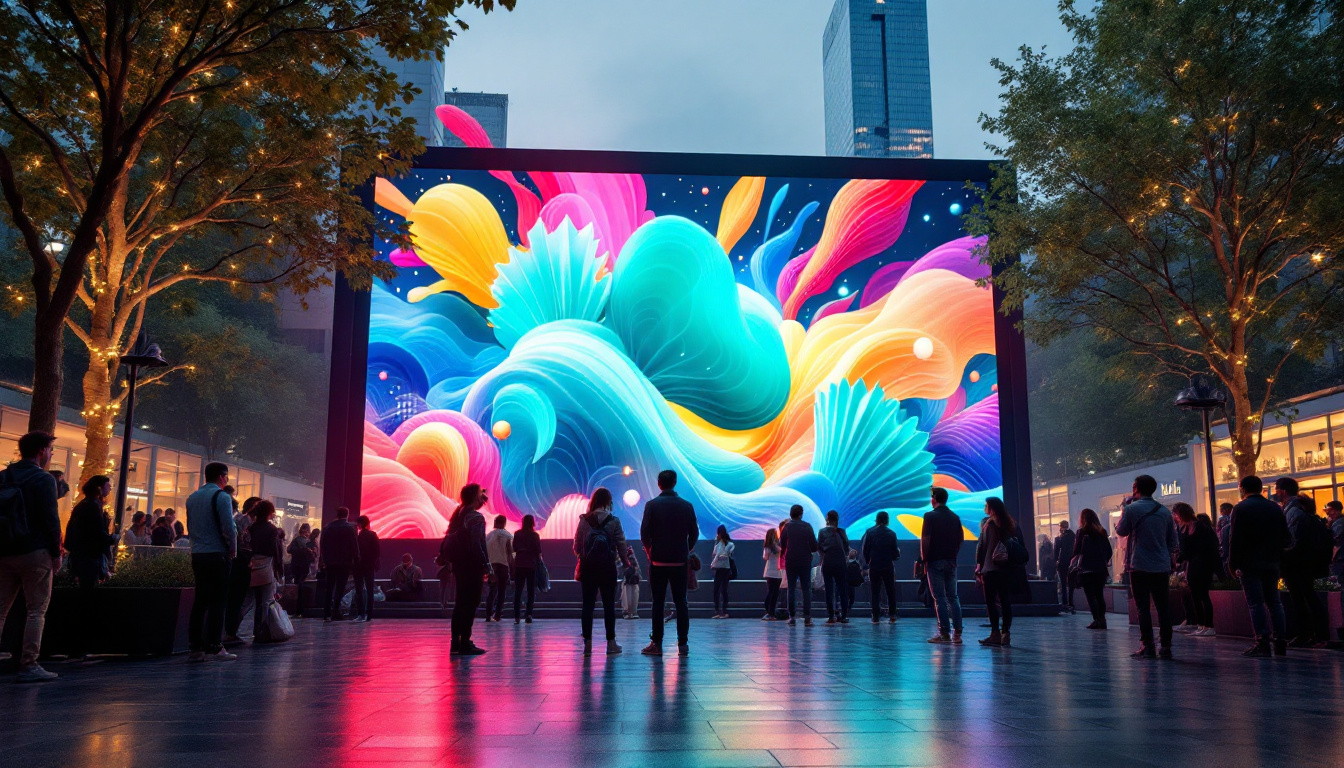
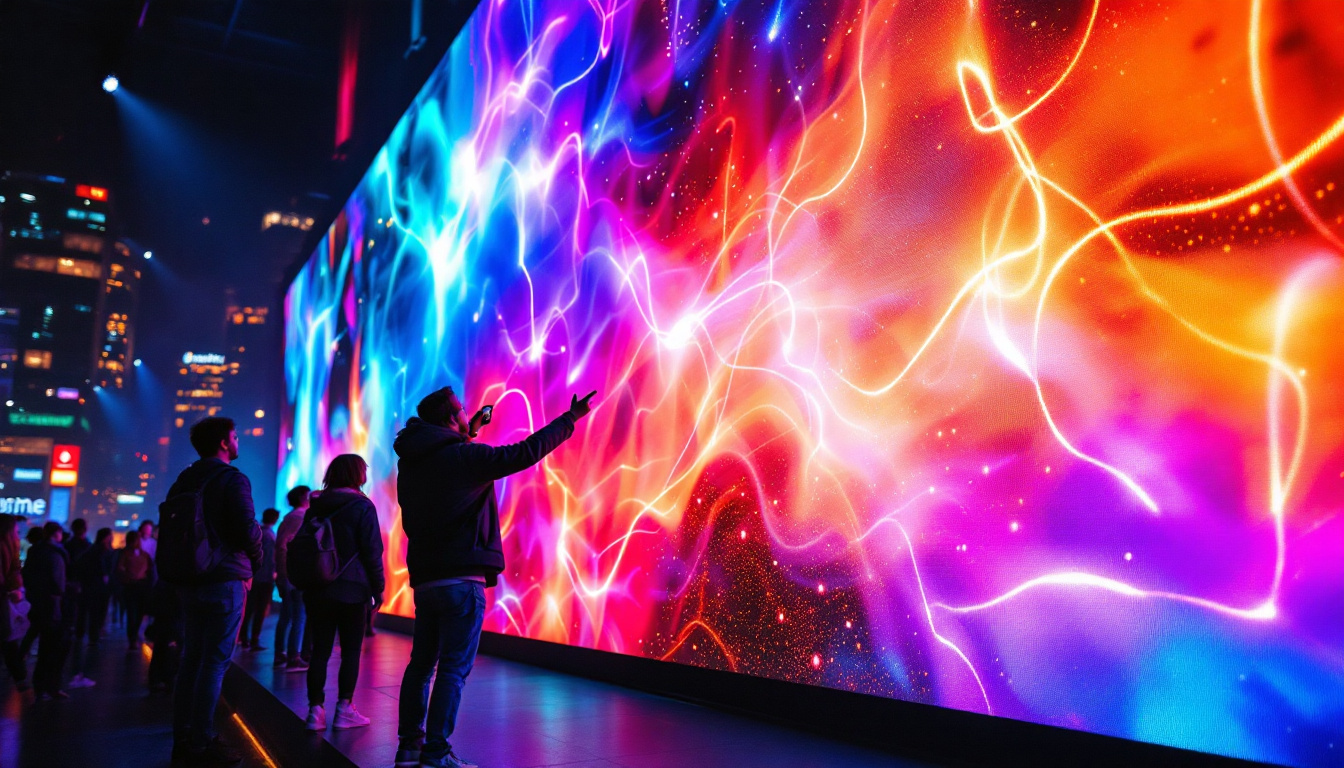
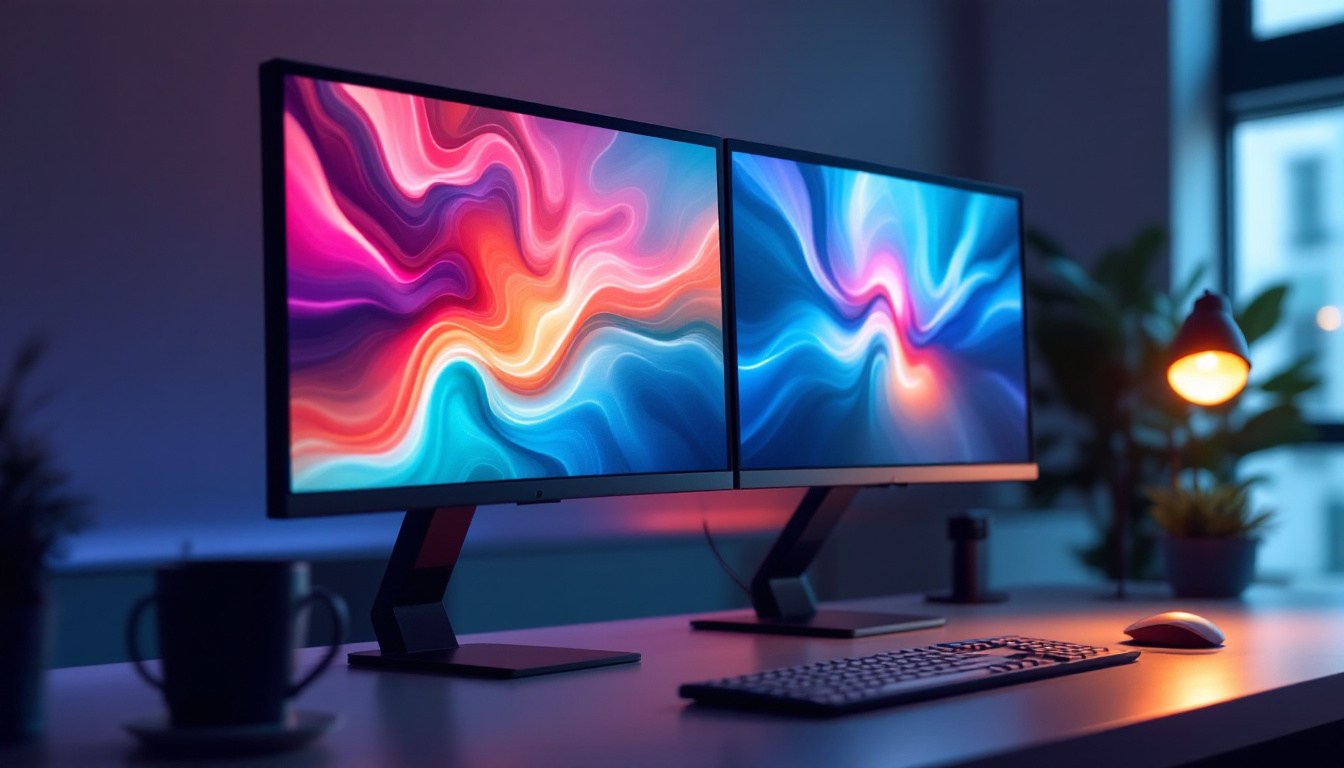
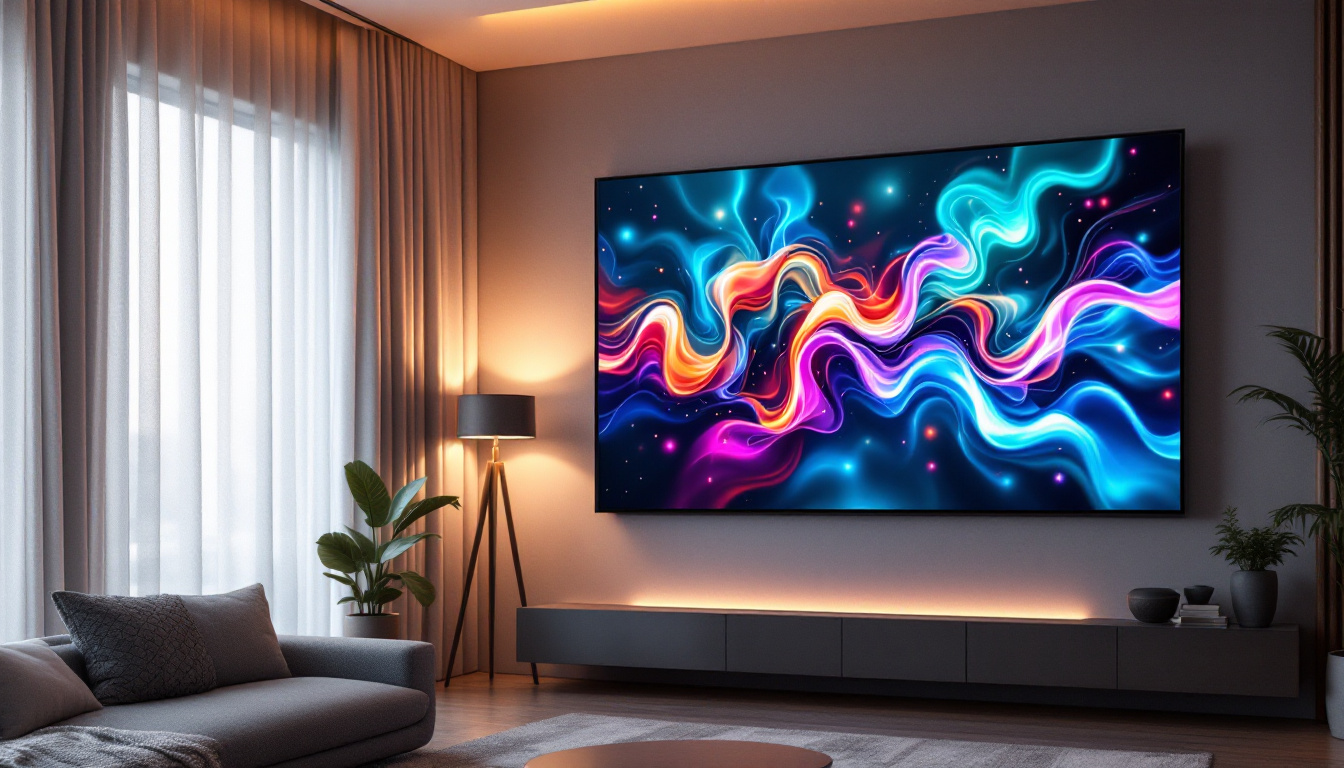
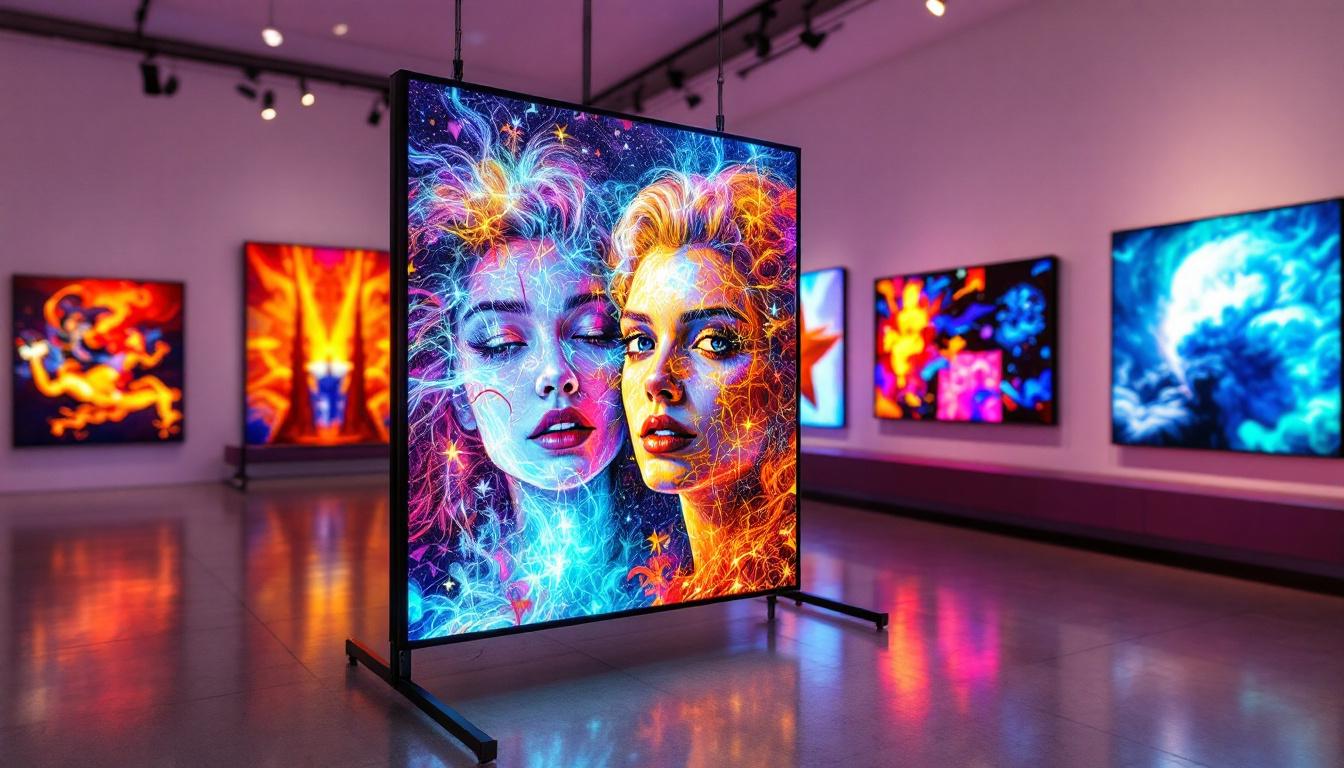
LED (Light Emitting Diode) display panels represent a significant leap forward in art display technology. Unlike traditional panels, LED displays can showcase digital images, videos, and interactive content with vivid colors and high resolution. This capability opens up new possibilities for artists and curators to present dynamic and engaging exhibitions.
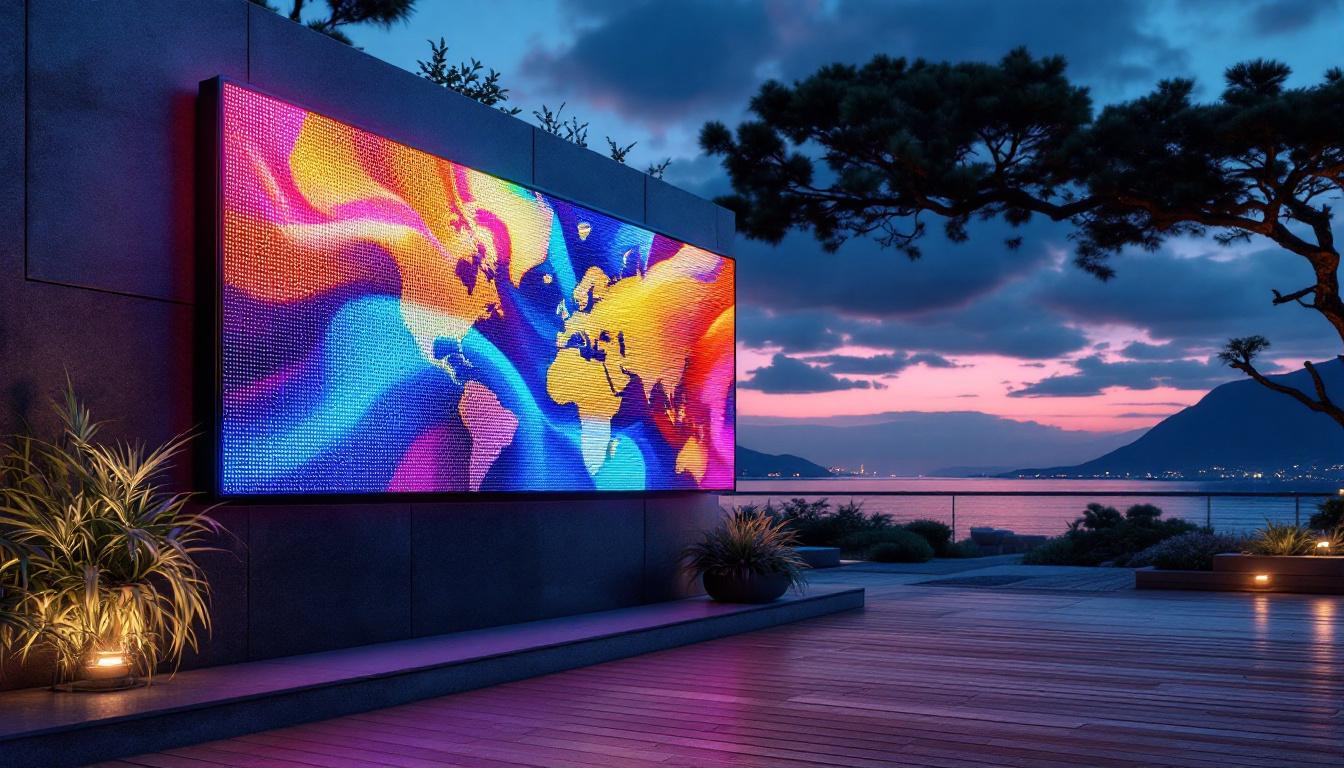
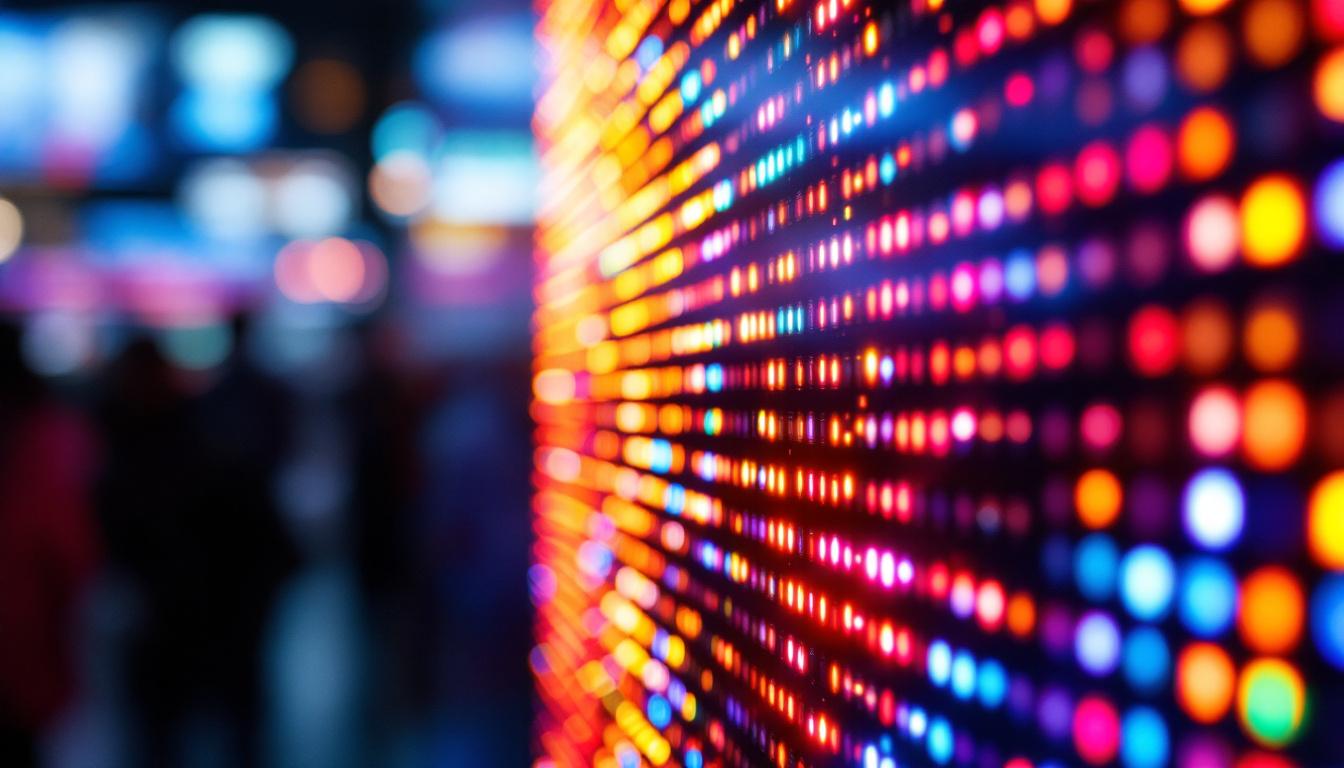
LED panels are composed of thousands of tiny LEDs arranged in a grid, which can be individually controlled to create images and animations. This technology allows for seamless transitions between artworks, real-time updates, and even audience interaction through touch or motion sensors. The versatility of LED panels also enables artists to incorporate sound and movement, creating immersive environments that can transport viewers into the artwork itself.
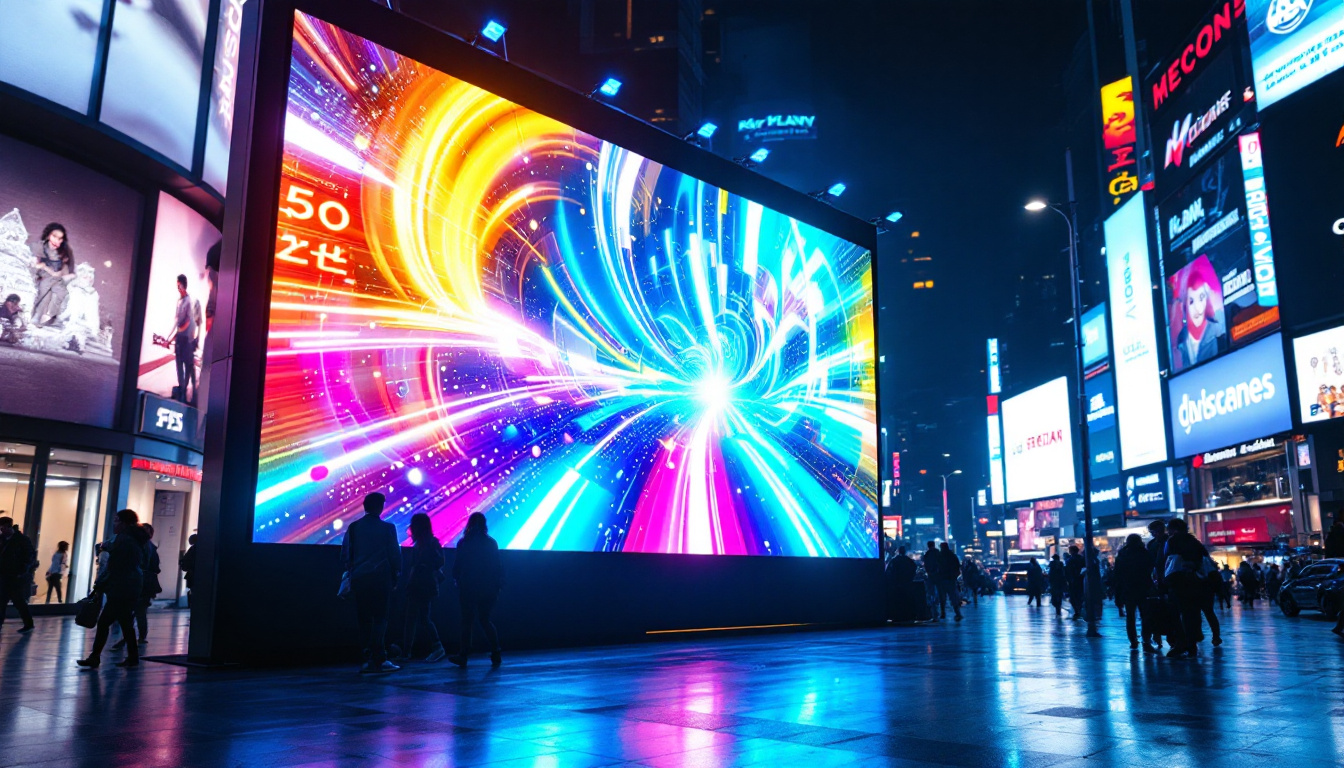
Furthermore, LED display panels can be used in a variety of settings, from large-scale public installations to intimate gallery spaces. Their lightweight design makes them easy to transport and install, allowing for more flexible exhibition layouts. As artists continue to explore the boundaries of digital media, LED panels are becoming an essential tool for pushing creative limits and engaging audiences in innovative ways. The integration of augmented reality (AR) and virtual reality (VR) with LED technology is also on the rise, promising even more interactive experiences that challenge traditional notions of art presentation.
Why Consider Used Art Display Panels?
Cost Efficiency and Budget Management
Art display panels, especially LED models, can be a significant investment. Purchasing used panels offers a cost-effective solution for galleries, museums, and event organizers working within tight budgets. Used panels often come at a fraction of the price of new units, enabling organizations to allocate resources to other critical areas such as marketing, artist commissions, or event logistics.
For example, a high-quality LED display panel that retails for $5,000 might be available used for $2,500 to $3,000, depending on condition and specifications. This price reduction can make advanced display technology accessible to smaller galleries or independent artists. Moreover, the savings can be reinvested into enhancing the overall visitor experience, such as improving lighting, creating interactive installations, or hosting workshops that engage the community. Such strategic financial management can elevate the profile of an organization while also fostering a deeper connection with its audience.
Environmental Benefits of Buying Used
Purchasing used display panels also aligns with sustainable practices by extending the lifecycle of electronic equipment and reducing electronic waste. The art community increasingly values eco-conscious decisions, and opting for used panels supports this ethos while maintaining professional presentation standards. By choosing pre-owned equipment, organizations can actively participate in the circular economy, where resources are reused and repurposed rather than discarded. This not only minimizes the environmental footprint but also encourages a culture of sustainability within the art world, inspiring artists and patrons alike to consider the broader implications of their choices.
Access to High-End Technology
Used panels often include models that might otherwise be out of reach due to their high initial cost or discontinued status. This access allows curators and event planners to experiment with advanced display options without committing to the latest models, which can depreciate quickly as new technologies emerge. For instance, a gallery could acquire a top-tier brand known for its vibrant color accuracy and exceptional resolution, which could significantly enhance the visual impact of their exhibitions. Additionally, this opportunity to utilize high-end technology can foster innovation in exhibition design, encouraging curators to push creative boundaries and explore new ways to engage viewers through dynamic presentations.
Furthermore, the availability of used panels can lead to a more diverse range of artistic expressions. Artists can utilize these displays to incorporate multimedia elements into their work, creating immersive environments that captivate audiences. By leveraging technology that was once considered too expensive, artists can experiment with video art, digital installations, and interactive displays, ultimately enriching the cultural landscape and offering fresh perspectives on contemporary issues. This democratization of technology not only benefits individual artists but also enhances the overall vibrancy of the art community.
Key Features of LED Art Display Panels
Resolution and Pixel Pitch
One of the most critical factors in LED display quality is resolution, which depends on pixel pitch—the distance between individual LEDs. A smaller pixel pitch results in higher resolution and sharper images, essential for detailed artwork reproduction.
For art displays, a pixel pitch of 1.5mm to 2.5mm is typically recommended to ensure clarity at close viewing distances. Panels with larger pixel pitches may be suitable for larger venues where viewers are farther away but may not provide the fine detail required for intricate artworks.
Brightness and Color Accuracy
LED panels are known for their high brightness levels, which can range from 800 to over 1,500 nits. This brightness ensures visibility even in well-lit environments, such as galleries with natural light. However, excessive brightness can wash out colors, so adjustable brightness settings are essential.
Color accuracy is paramount in art displays to preserve the integrity of the artist’s vision. High-quality LED panels support wide color gamuts and advanced calibration options to reproduce colors faithfully. When buying used, it’s important to verify that the panel’s color calibration can be maintained or restored.
Size and Modularity
LED display panels come in various sizes, often designed to be modular. This modularity allows multiple panels to be combined seamlessly to create large, custom-sized displays. This flexibility is beneficial for exhibitions that require unique spatial configurations or large-scale presentations.
When purchasing used panels, consider the compatibility of modules and the availability of spare parts to ensure long-term usability and ease of maintenance.
Practical Considerations When Buying Used LED Display Panels
Condition and Functionality Assessment
Used LED panels should be thoroughly inspected to assess their physical condition and operational functionality. Key aspects to check include:
- Pixel integrity: Look for dead or stuck pixels that can affect image quality.
- Uniformity: Ensure consistent brightness and color across the panel.
- Connectivity: Verify that input ports and control systems are fully functional.
- Physical damage: Check for dents, scratches, or signs of water damage.
Requesting a demonstration or video proof of the panel in operation can help confirm its condition before purchase.
Warranty and Support
Many used LED panels may no longer be covered by the original manufacturer’s warranty. It’s advisable to inquire about any remaining warranty or the possibility of purchasing extended coverage from the seller or third-party providers.
Additionally, consider the availability of technical support and replacement parts, as these factors impact the panel’s longevity and ease of maintenance.
Compatibility and Software Requirements
LED display panels typically require specific software for content management and calibration. Ensure that the used panels you are considering are compatible with your existing systems or that you have access to the necessary software licenses.
Compatibility with common media formats and ease of content uploading are important for smooth operation during exhibitions.
Applications of LED Art Display Panels
Gallery and Museum Exhibitions
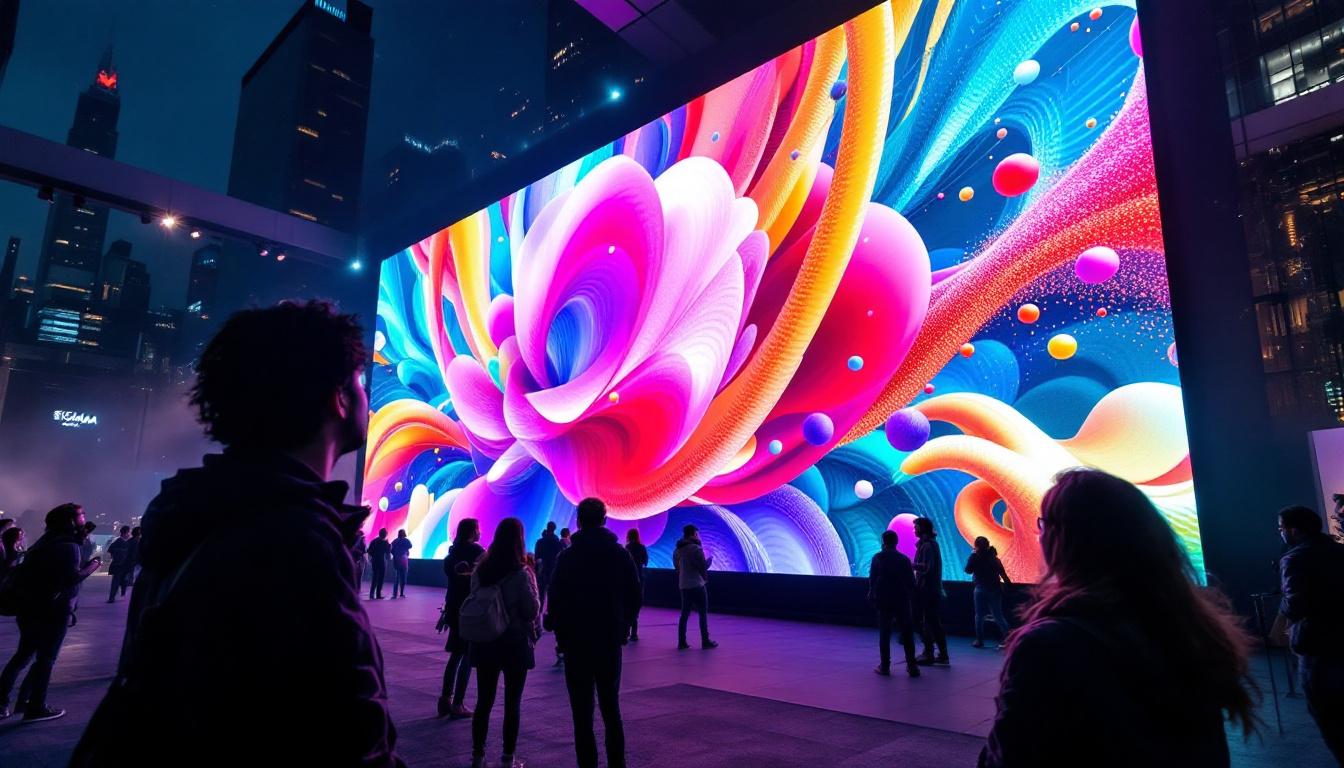
LED panels enable galleries and museums to showcase digital art, video installations, and interactive exhibits that engage visitors in new ways. They also facilitate rotating exhibitions without the need for physical artwork handling, reducing risk and labor costs.
Art Fairs and Pop-Up Events
For temporary events like art fairs or pop-up galleries, LED display panels offer portability and quick setup. Their modular design allows for creative configurations that can adapt to various spaces and themes, making them ideal for dynamic environments.
Educational and Community Art Projects
Educational institutions and community art programs benefit from LED displays by incorporating multimedia art forms into curricula and public projects. Used panels make these technologies more accessible, fostering creativity and digital literacy.
Where to Find Quality Used Art Display Panels
Specialized Resellers and Marketplaces
Several specialized resellers focus on used LED display panels, offering certified products with warranties and technical support. These vendors often refurbish panels to ensure optimal performance, providing peace of mind to buyers.
Auctions and Liquidation Sales
Auctions and liquidation sales from companies upgrading their equipment can be excellent sources for high-quality used panels at competitive prices. However, these purchases may require more due diligence regarding condition and support.
Direct Purchases from Other Galleries or Artists
Networking within the art community can reveal opportunities to purchase used panels directly from other galleries or artists who are upgrading or downsizing. This approach can facilitate negotiations and provide insights into the panel’s history and usage.
Conclusion: Making an Informed Decision
Used art display panels, particularly LED models, offer a compelling combination of cost savings, technological advancement, and environmental responsibility. Understanding the technical features, assessing condition carefully, and considering the specific needs of your exhibition space are crucial steps in selecting the right panels.
Whether upgrading a gallery, organizing a large-scale event, or exploring digital art formats, used LED display panels can provide vibrant, flexible, and impactful presentation solutions. By investing time in research and evaluation, art professionals can harness the benefits of this technology while maintaining budgetary and aesthetic goals.
Discover Cutting-Edge LED Display Panels with LumenMatrix
Ready to elevate your art exhibitions with the latest in LED display technology? LumenMatrix offers an extensive range of innovative LED display solutions tailored to your creative needs. From captivating Indoor LED Wall Displays to dynamic Outdoor LED Wall Displays, and from versatile Vehicle LED Displays to sleek LED Poster Displays, our products are designed to transform your visual presentations. Embrace the future of art display with LumenMatrix’s mission to revolutionize visual communication. Check out LumenMatrix LED Display Solutions today and create unforgettable experiences for your audience.