In today’s digital age, the demand for high-quality, interactive display technologies is growing rapidly. Among these technologies, LED monitor touchscreens stand out as a popular choice for both personal and professional use. But what exactly is an LED monitor touchscreen, and how does the LED display technology work? This article dives deep into the world of LED displays, exploring their mechanics, advantages, and the integration of touchscreen capabilities.
Understanding LED Display Technology
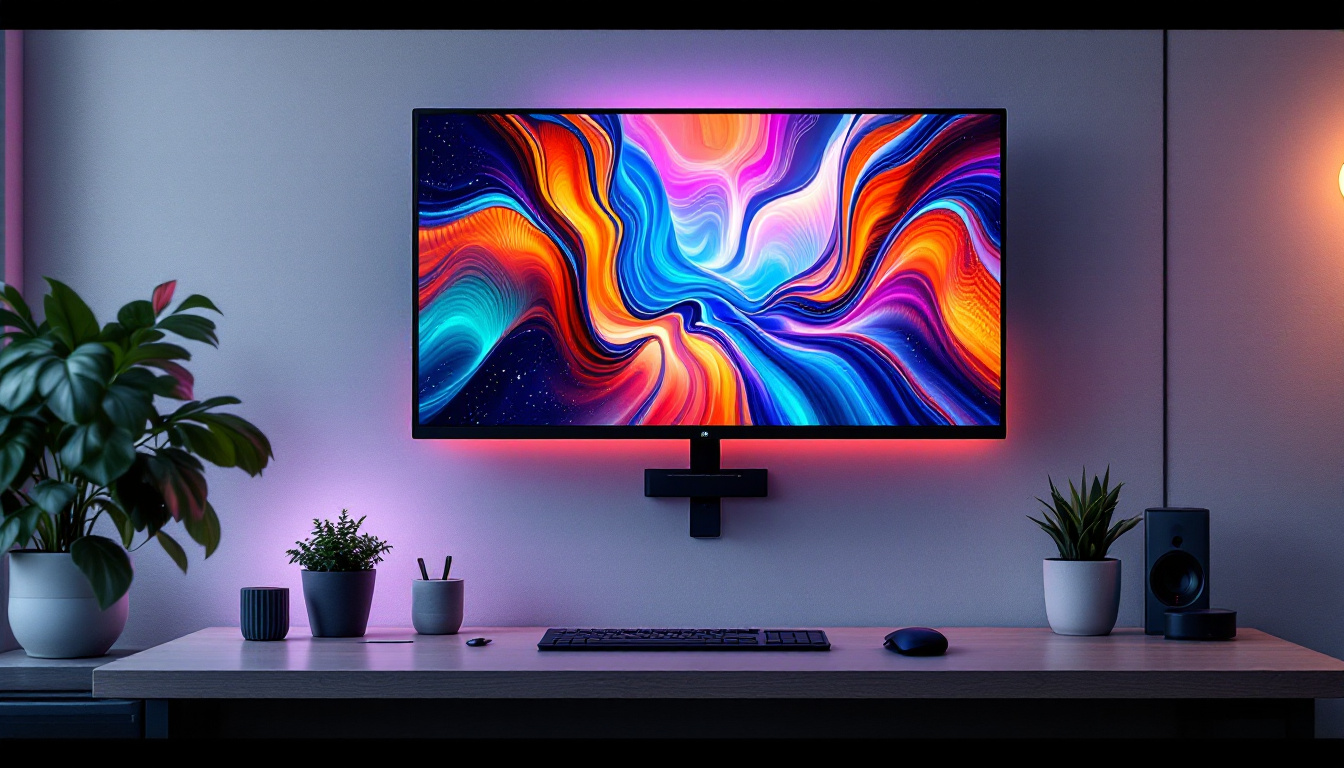
LED, or Light Emitting Diode, technology has revolutionized the way screens display images and videos. Unlike traditional LCDs that rely on fluorescent backlighting, LED displays use tiny diodes that emit light when an electric current passes through them. This fundamental difference results in brighter, more energy-efficient, and vibrant screens. The development of LED technology has not only enhanced the viewing experience for consumers but has also paved the way for innovative applications in various fields, including advertising, gaming, and even architectural lighting.
How LED Displays Work
At the core of an LED display are millions of microscopic LEDs. These diodes emit light in red, green, and blue (RGB) colors, which combine to create the full spectrum of colors visible on the screen. By adjusting the intensity of each LED, the display can produce precise and vivid images with high contrast ratios. This capability allows for dynamic content, such as video games and movies, to be rendered with stunning realism. Furthermore, advancements in technology have led to the development of OLED (Organic LED) displays, which take the concept further by using organic compounds to produce light, resulting in even deeper blacks and improved color accuracy.
There are two primary types of LED displays used in monitors:
- Edge-Lit LED: LEDs are positioned along the edges of the screen, and light is distributed across the panel using light guides.
- Direct-Lit or Full-Array LED: LEDs are placed directly behind the screen in a grid pattern, allowing for more precise local dimming and better contrast.
Full-array LED displays tend to offer superior picture quality but are often more expensive. The choice between edge-lit and full-array technology can significantly impact not only the visual experience but also the overall cost and energy consumption of the display. As consumers become more discerning about their viewing preferences, manufacturers are continually innovating to deliver displays that meet the demands for both performance and affordability.
Advantages of LED Displays Over Other Technologies
LED displays offer several advantages compared to older technologies such as CCFL-backlit LCDs and plasma screens:
- Energy Efficiency: LEDs consume less power, making them environmentally friendly and cost-effective over time.
- Brightness and Contrast: They provide higher brightness levels and deeper blacks, enhancing image clarity.
- Thin and Lightweight: LED panels are slimmer and lighter, allowing for sleek monitor designs.
- Longevity: LEDs have a longer lifespan, often exceeding 50,000 hours of use.
- Color Accuracy: Modern LED displays support wide color gamuts, essential for professional photo and video editing.
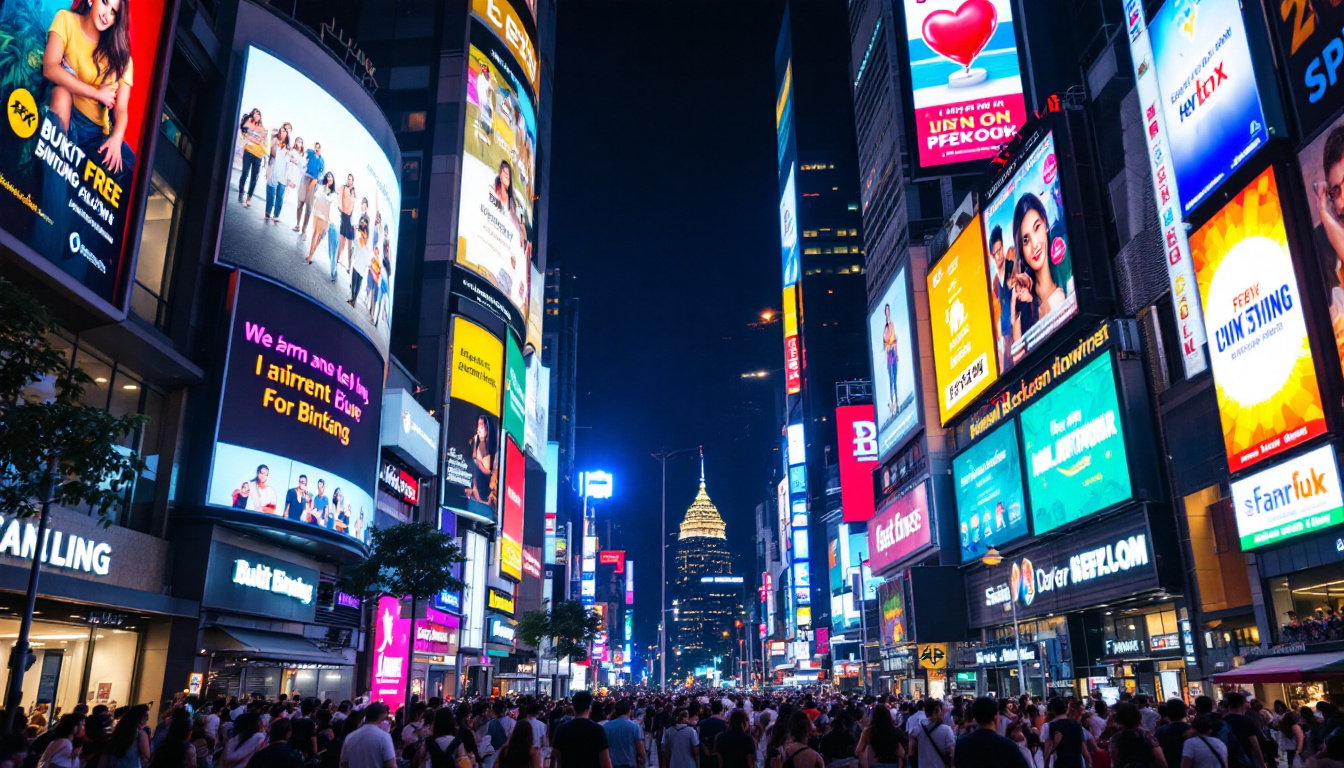
In addition to these benefits, LED displays are also more versatile in terms of application. They are increasingly being used in outdoor advertising, where their brightness and visibility in direct sunlight make them ideal for billboards and signage. Moreover, the flexibility of LED technology allows for the creation of curved and even flexible displays, opening up new possibilities for design and functionality in both commercial and residential settings. As the technology continues to evolve, we can expect to see even more innovative uses that enhance our daily lives and experiences.
The Integration of Touchscreen Technology
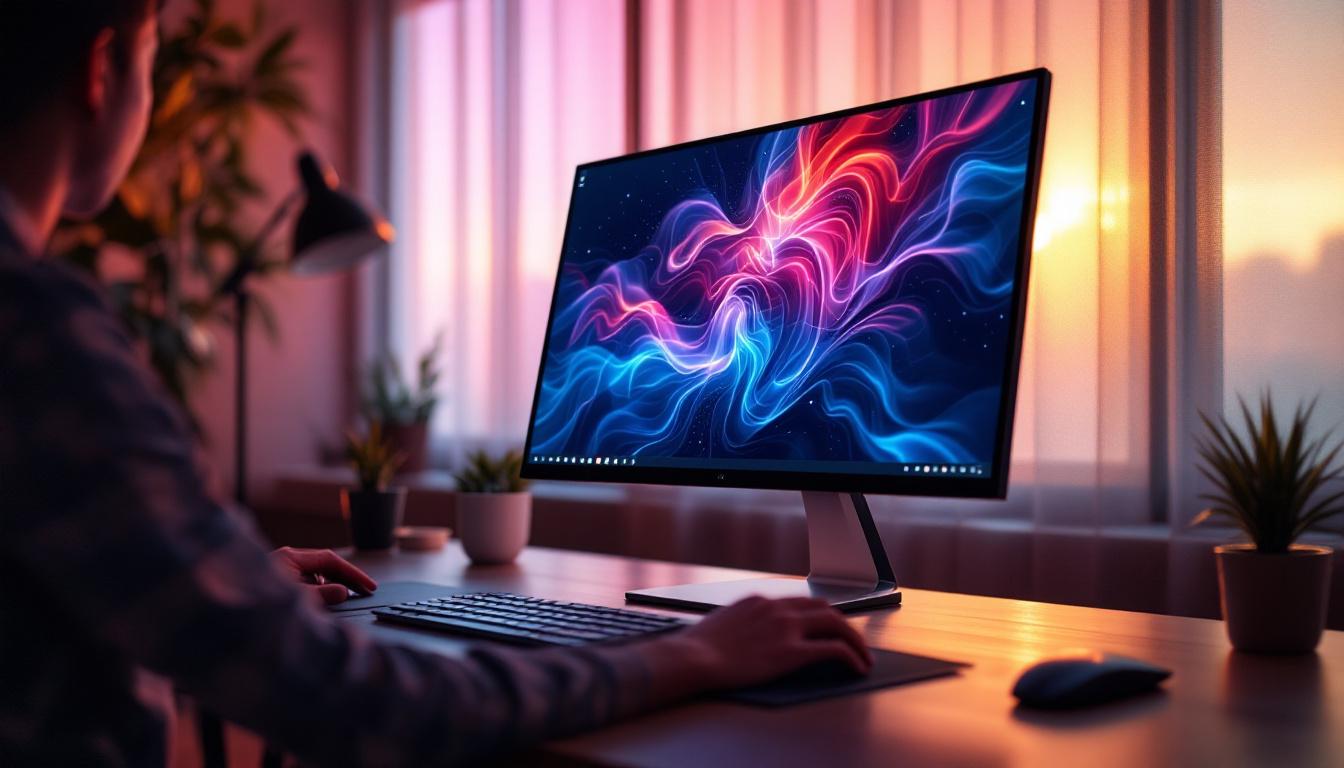
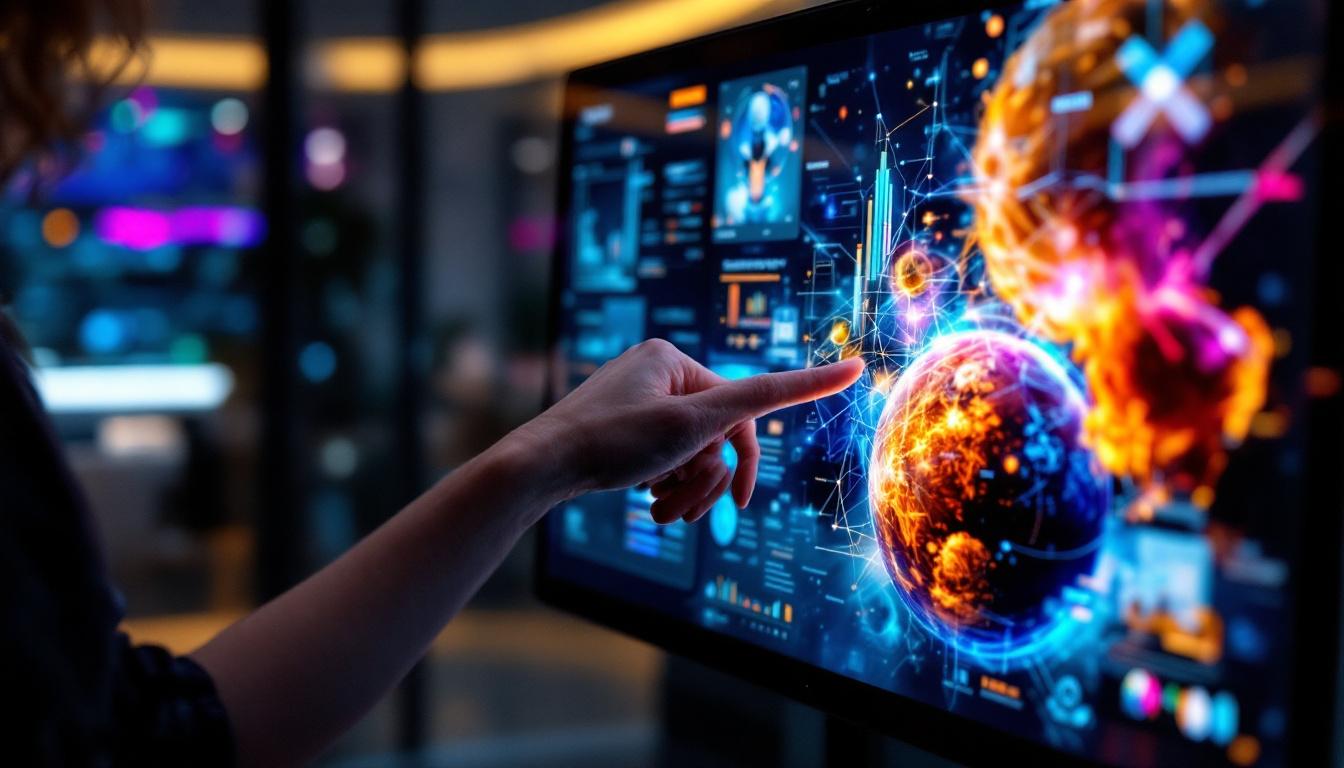
Adding touchscreen capabilities to LED monitors has transformed how users interact with their devices. Touchscreens enable direct manipulation of on-screen elements, making interfaces more intuitive and accessible.
Types of Touchscreen Technologies Used in LED Monitors
There are several touchscreen technologies commonly integrated with LED monitors, each with unique characteristics:
- Resistive Touchscreens: These consist of multiple layers that detect touch through pressure. While cost-effective and compatible with any input tool, they typically offer lower clarity and responsiveness.
- Capacitive Touchscreens: These detect touch via the electrical properties of the human body. They provide higher sensitivity, multi-touch support, and better image clarity, making them the preferred choice for modern LED touch monitors.
- Infrared Touchscreens: Using an array of IR sensors around the screen edges, these detect touch without physical contact on the screen surface. They are durable and support multi-touch but can be more expensive.
- Optical Imaging Touchscreens: These use cameras and infrared light to detect touch points. They are scalable for large displays and provide excellent clarity.
Benefits of Touchscreen LED Monitors
Combining LED display technology with touchscreens results in a powerful interactive device. Some of the key benefits include:
- Enhanced User Interaction: Touchscreens allow users to interact directly with content, improving engagement and efficiency.
- Versatility: Ideal for various applications such as kiosks, point-of-sale systems, educational tools, and creative workstations.
- Space-Saving: Touchscreen monitors eliminate the need for external input devices like a mouse or keyboard in certain settings.
- Accessibility: Touchscreens can be easier to use for individuals with limited dexterity or those unfamiliar with traditional input devices.
Applications of LED Monitor Touchscreens
LED monitor touchscreens are ubiquitous across many industries due to their versatility and performance. Understanding their applications helps highlight why this technology continues to grow in popularity.
Consumer Electronics and Personal Use
Touchscreen LED monitors have become commonplace in laptops, all-in-one PCs, and tablets. Their responsiveness and vibrant display quality enhance everyday tasks such as browsing, gaming, and multimedia consumption. For example, many modern laptops incorporate capacitive touchscreens with LED displays to provide seamless interaction and vivid visuals.
Professional and Creative Industries
In fields like graphic design, video editing, and architecture, accurate color representation and precise touch input are critical. LED touchscreen monitors with high color accuracy and multi-touch support enable professionals to work more intuitively and efficiently. Devices supporting stylus input further enhance precision for detailed work.
Retail and Hospitality
Point-of-sale systems and self-service kiosks rely heavily on touchscreen LED monitors. The bright, clear displays attract customers, while the touch interface simplifies transactions and information retrieval. In restaurants, touchscreen menus powered by LED displays streamline ordering processes and reduce wait times.
Education and Training
Interactive whiteboards and touchscreen monitors are transforming classrooms by fostering collaboration and engagement. The combination of LED display clarity and touch responsiveness supports dynamic teaching methods and interactive learning experiences.
Healthcare
Medical professionals use touchscreen LED monitors for patient data management, diagnostics, and imaging. The high resolution and responsive touch capabilities facilitate accurate and efficient workflows in demanding environments.
Choosing the Right LED Monitor Touchscreen
Selecting the right LED touchscreen monitor depends on several factors, including intended use, budget, and desired features. Here are some key considerations:
Screen Size and Resolution
Screen size impacts usability and viewing comfort. For personal use, monitors between 21 and 27 inches are common, while larger sizes may be preferred for professional or collaborative environments. Resolution is equally important; Full HD (1920×1080) is standard, but 4K UHD (3840×2160) monitors are becoming more accessible and offer superior detail.
Touch Technology and Responsiveness
Capacitive touchscreens are generally recommended for their accuracy and multi-touch capabilities. Response time and touch sensitivity are critical for tasks requiring precision, such as drawing or gaming.
Brightness and Contrast Ratio
Higher brightness levels ensure visibility in well-lit environments, while a high contrast ratio improves image depth and clarity. Look for monitors with at least 250-300 nits of brightness and a contrast ratio above 1000:1 for optimal performance.
Connectivity Options
Modern LED touchscreen monitors should offer versatile connectivity, including HDMI, DisplayPort, USB-C, and USB hubs for peripherals. Some models also support wireless connections for added convenience.
Durability and Build Quality
Especially in commercial or educational settings, durability is crucial. Monitors with reinforced glass, anti-glare coatings, and robust frames withstand frequent use and reduce maintenance costs.
Future Trends in LED Monitor Touchscreen Technology
The LED touchscreen market continues to evolve, driven by advances in display technology and user interface design. Several trends are shaping the future landscape:
Mini-LED and Micro-LED Displays
Emerging technologies like Mini-LED and Micro-LED promise even better brightness, contrast, and energy efficiency. Mini-LED uses thousands of tiny LEDs for backlighting, enabling more precise local dimming and deeper blacks. Micro-LED takes this further by using microscopic LEDs as individual pixels, potentially surpassing OLED in performance and durability.
Flexible and Transparent Displays
Flexible LED displays that can bend or fold are gaining traction, offering new form factors for touchscreens. Transparent LED screens are also being developed, allowing for innovative applications in retail, automotive, and augmented reality.
Improved Touch Sensitivity and Haptics
Advancements in touch technology include enhanced sensitivity and haptic feedback, which simulate the sensation of pressing physical buttons. This can improve user experience in gaming, design, and accessibility.
Integration with AI and Gesture Controls
Future LED touchscreen monitors may integrate AI-driven features and gesture recognition, enabling users to interact without direct touch. This could be particularly useful in sterile environments or for accessibility purposes.
Conclusion
LED monitor touchscreens combine the best of display and interactive technologies, offering bright, vibrant visuals alongside intuitive user interfaces. Their energy efficiency, durability, and versatility make them suitable for a wide range of applications—from consumer electronics to professional environments.
Understanding the underlying LED technology and touchscreen types helps users make informed decisions when selecting a monitor that meets their needs. As display technology continues to advance, LED touchscreen monitors will become even more capable, opening new possibilities for interaction and visual experience.
Whether for work, education, retail, or entertainment, investing in a quality LED monitor touchscreen ensures a future-proof solution that enhances productivity and engagement.
Discover the Future of Visual Experience with LumenMatrix
Ready to elevate your visual engagement to the next level? LumenMatrix is at the forefront of LED display innovation, offering a comprehensive range of solutions that bring your content to life. From stunning Indoor and Outdoor LED Wall Displays to dynamic Vehicle and Sports LED Displays, our technology is designed to captivate and communicate with unparalleled clarity. Explore our versatile LED Poster Displays, interactive Floor LED Displays, and sleek All-in-One LED solutions to find the perfect fit for your needs. Experience the transformative power of our Custom and Transparent LED Displays and see how LumenMatrix is redefining visual storytelling. Check out LumenMatrix LED Display Solutions today and join the revolution in digital display technology.