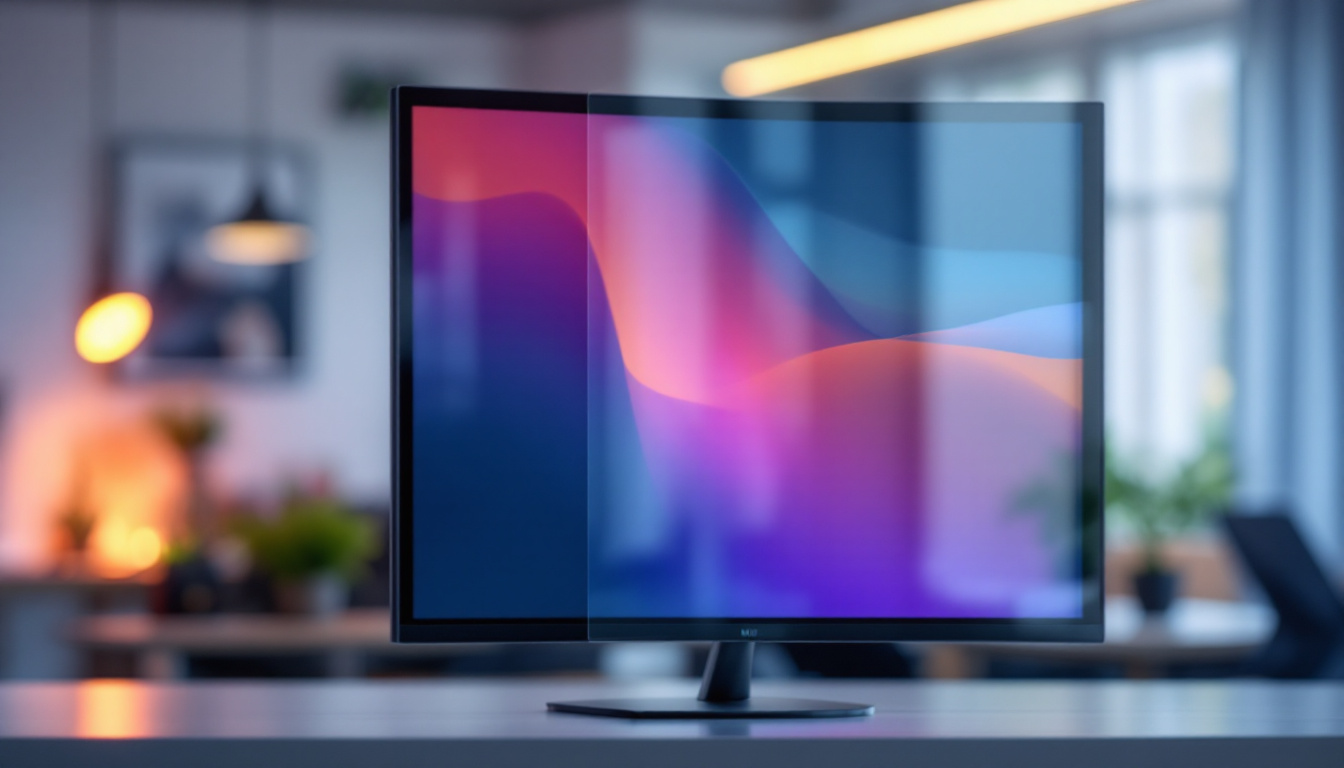
In the rapidly evolving world of display technology, flexible touch screens combined with LED displays represent a significant leap forward. These innovations are reshaping how devices interact with users, offering new possibilities in design, functionality, and user experience. This article explores the fundamentals of flexible touch screens and LED displays, their technological underpinnings, applications, and the future they promise.
Understanding Flexible Touch Screen Technology
What Is a Flexible Touch Screen?
A flexible touch screen is a type of display that can bend, fold, or curve without losing functionality. Unlike traditional rigid screens, these displays are designed using materials and structures that allow for physical deformation while maintaining touch sensitivity and image clarity.
At the core, flexible touch screens combine flexible substrates, such as plastic or thin glass, with advanced touch-sensitive layers. This design enables devices to be more durable and versatile, opening up new form factors like foldable smartphones, wearable devices, and rollable displays. The potential applications for flexible touch screens extend beyond consumer electronics; they are being explored in automotive displays, smart home devices, and even medical equipment, where adaptability and space-saving designs are paramount.
Key Components of Flexible Touch Screens
Flexible touch screens typically consist of several integral layers:
- Flexible Substrate: Usually made from polyimide or ultra-thin glass, this layer provides the base for the display and touch components.
- Conductive Layers: Transparent conductive materials such as indium tin oxide (ITO) or newer alternatives like silver nanowires or graphene enable touch sensitivity.
- Display Layer: This includes the light-emitting elements, which can be OLED or LED-based, responsible for producing the images.
- Protective Coating: A flexible, durable layer that protects the screen from scratches and environmental damage.
Advancements in materials science have been crucial in enabling these components to maintain performance while being flexible. Researchers are continuously exploring new materials that can enhance the durability and efficiency of flexible screens. For instance, the development of organic light-emitting diodes (OLEDs) has allowed for thinner displays that consume less power while providing vibrant color reproduction. Furthermore, innovations in touch technology, such as haptic feedback systems, are being integrated into these screens, offering users a more immersive experience that simulates the feel of physical buttons or textures.
The manufacturing processes for flexible touch screens are also evolving, with techniques such as roll-to-roll printing becoming more common. This method allows for the mass production of flexible electronics at a lower cost, making it feasible for widespread adoption across various industries. As these technologies continue to advance, we can anticipate a future where flexible touch screens become an integral part of our daily lives, seamlessly blending into our environments and enhancing our interactions with technology.
LED Displays: The Backbone of Modern Screens
What Is an LED Display?
LED (Light Emitting Diode) displays use an array of tiny light-emitting diodes to create images. These diodes emit light when an electric current passes through them, producing bright, vibrant colors with high energy efficiency. LED technology is widely used in everything from large outdoor billboards to the screens of smartphones, televisions, and monitors. The versatility of LED displays extends beyond just consumer electronics; they are also utilized in professional settings, such as in broadcasting studios and digital signage, where clarity and visibility are paramount.
LED displays can be categorized into two main types: direct LED and OLED. Direct LED displays use discrete LEDs for backlighting an LCD panel, while OLED (Organic LED) displays use organic compounds that emit light themselves, allowing for thinner, more flexible screens with better contrast. This flexibility opens up new possibilities for innovative designs, such as curved screens and even transparent displays, which can blend seamlessly into various environments, enhancing the aesthetic appeal of spaces.
Advantages of LED Displays
LED displays offer several benefits over traditional display technologies:
- Brightness and Contrast: LEDs provide exceptional brightness levels and deep blacks, enhancing image quality.
- Energy Efficiency: LEDs consume less power compared to older technologies like CCFL backlighting, which is crucial for portable devices.
- Thin and Lightweight: The compact nature of LEDs allows for slim display designs.
- Durability: LEDs have longer lifespans and are more resistant to shock and vibration.
These advantages make LED displays a natural fit for flexible screen applications. Moreover, the rapid advancements in LED technology have led to the development of features such as adaptive brightness, which adjusts the screen’s luminosity based on ambient light conditions, further enhancing user experience. The integration of smart technology into LED displays has also paved the way for interactive screens that respond to touch and gestures, creating immersive environments in retail and entertainment sectors. As a result, LED displays are not just a technological upgrade; they represent a significant leap forward in how we interact with visual media.
How Flexible Touch Screens and LED Displays Work Together
Integration Challenges and Solutions
Combining flexible touch screens with LED displays involves overcoming several technical challenges. The primary difficulty lies in maintaining display performance and touch sensitivity while allowing the screen to bend or fold.
Traditional LED displays rely on rigid substrates and glass layers, which are incompatible with flexibility. To address this, manufacturers have turned to OLED technology, which inherently supports flexible substrates due to its thin organic layers that emit light without needing a backlight.
Moreover, replacing brittle conductive materials like ITO with flexible alternatives such as silver nanowires or graphene has been pivotal. These materials maintain electrical conductivity even when stretched or bent, ensuring consistent touch responsiveness.
Recent Innovations in Flexible LED Displays
Recent years have seen significant breakthroughs in flexible LED display technology. For example, Samsung’s Galaxy Z Fold series utilizes foldable OLED screens that can bend multiple times without damage. Similarly, LG has developed rollable OLED TVs that can retract into a compact base, demonstrating the versatility of flexible LED displays.
Research institutions have also made strides in developing micro-LED displays on flexible substrates. Micro-LEDs offer higher brightness and longer lifespans than OLEDs, and their small size enables high-resolution flexible displays suitable for augmented reality (AR) and wearable devices.
Applications of Flexible Touch Screen LED Displays
Consumer Electronics
Flexible touch screen LED displays are revolutionizing consumer electronics by enabling new device designs. Foldable smartphones and tablets provide larger screen real estate without sacrificing portability. Wearable devices, such as smartwatches and fitness bands, benefit from curved or wrap-around displays that conform to the body for enhanced comfort and usability.
Additionally, flexible displays are being integrated into laptops and monitors, allowing for portable, lightweight devices that can be adjusted to different viewing angles or folded for easy transport.
Automotive and Transportation
The automotive industry is embracing flexible LED displays for dashboards, infotainment systems, and heads-up displays. Flexible screens can curve around the interior contours of vehicles, offering drivers more intuitive and ergonomic interfaces. These displays also improve safety by providing clearer, customizable information without distracting the driver.
Moreover, flexible LED panels are used in public transportation for dynamic signage and route information, benefiting from their durability and adaptability to curved surfaces.
Healthcare and Wearables
In healthcare, flexible touch screen LED displays enable advanced wearable medical devices that monitor vital signs in real time. Flexible sensors and displays conform to the skin, providing continuous, non-invasive health tracking. This technology supports remote patient monitoring and personalized medicine, improving outcomes and reducing hospital visits.
Flexible displays also find use in diagnostic equipment, where adaptable screens can enhance user interfaces and improve portability.
The Future of Flexible Touch Screen LED Displays
Emerging Trends and Technologies
Looking ahead, the future of flexible touch screen LED displays is promising, driven by ongoing research and market demand. Micro-LED technology is expected to become more prevalent, offering superior brightness, energy efficiency, and lifespan compared to OLEDs, while maintaining flexibility.
Advances in materials science, such as stretchable electronics and self-healing polymers, could further enhance the durability and functionality of flexible displays. Integration with emerging technologies like augmented reality (AR), virtual reality (VR), and the Internet of Things (IoT) will expand use cases and improve user experiences.
Market Growth and Economic Impact
The global flexible display market is projected to grow substantially in the coming years. According to industry reports, the market size was valued at approximately $8 billion in 2023 and is expected to exceed $30 billion by 2030, driven by strong demand in consumer electronics, automotive, and healthcare sectors.
This growth will stimulate innovation, reduce production costs, and increase accessibility, making flexible touch screen LED displays a common feature in everyday devices.
Challenges and Considerations
Manufacturing Complexity and Costs
Despite the exciting potential, manufacturing flexible touch screen LED displays remains complex and costly. Producing large volumes with consistent quality requires advanced fabrication techniques and stringent quality control. Yield rates can be lower than traditional displays, impacting profitability.
However, as technology matures and economies of scale improve, costs are expected to decrease, making flexible displays more affordable for a broader range of products.
Durability and Longevity
Flexible displays must withstand repeated bending, environmental exposure, and mechanical stress. Ensuring durability without compromising performance is a key challenge. Manufacturers are investing in protective coatings and robust materials to enhance longevity.
Consumer education on proper handling and care will also play a role in maximizing the lifespan of flexible devices.
Conclusion
Flexible touch screen LED displays represent a transformative technology that is redefining the boundaries of device design and user interaction. By combining the adaptability of flexible substrates with the vibrant, efficient illumination of LED technology, these displays offer unprecedented possibilities across industries.
As research continues and production scales up, flexible displays are poised to become ubiquitous, powering the next generation of smartphones, wearables, automotive interfaces, and medical devices. Understanding their technology, applications, and challenges is essential for businesses, developers, and consumers eager to embrace this exciting future.
Discover the Future of LED Displays with LumenMatrix
As we stand on the brink of a new era in display technology, the potential of flexible touch screen LED displays is just beginning to be tapped. LumenMatrix is at the forefront of this revolution, offering a comprehensive range of LED display solutions that bring your brand to life. From captivating Indoor LED Wall Displays to dynamic Outdoor LED Wall Displays, and from innovative Vehicle LED Displays to engaging LED Sports Displays, our products are designed to create immersive visual experiences. Whether you’re looking to enhance customer engagement, increase brand visibility, or simply make a powerful statement, LumenMatrix has the cutting-edge technology to make it happen. Check out LumenMatrix LED Display Solutions and join us in shaping the future of visual communication.