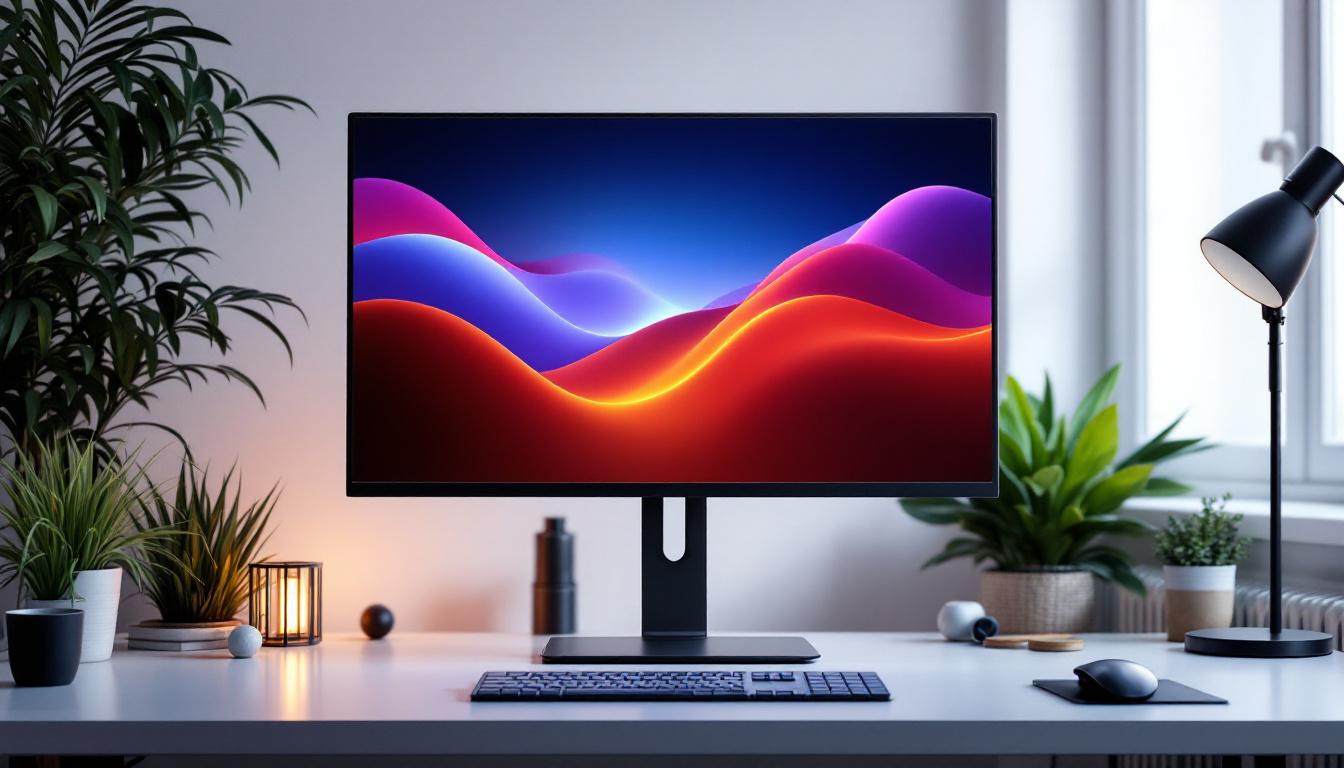
In today’s fast-paced digital world, display technology continues to evolve rapidly, influencing everything from personal computing to professional environments. Smaller monitors, particularly those utilizing LED display technology, have become increasingly popular for their compact size, energy efficiency, and vibrant image quality. This article delves into the intricacies of LED displays in smaller monitors, exploring how they work, their advantages, and why they are a preferred choice for many users.
Understanding LED Display Technology
What is an LED Display?
LED stands for Light Emitting Diode, a semiconductor device that emits light when an electric current passes through it. In the context of monitors, LED displays use these tiny diodes as a source of backlighting for LCD (Liquid Crystal Display) panels. Unlike older CCFL (Cold Cathode Fluorescent Lamp) backlights, LEDs provide a more efficient, brighter, and longer-lasting light source.
It’s important to clarify that most “LED monitors” are actually LCD monitors illuminated by LED backlights. True LED displays, such as OLED (Organic LED), differ in that each pixel emits its own light, but these are less common in smaller, budget-friendly monitors. The distinction is crucial for consumers who seek the best visual experience, as OLED technology offers deeper blacks and a wider color gamut, making it particularly popular for high-end televisions and professional-grade monitors.
How LED Backlighting Works in Smaller Monitors
In smaller monitors, LED backlighting typically comes in two forms: edge-lit and direct-lit. Edge-lit LED displays position LEDs along the edges of the screen, using light guides to distribute illumination evenly across the panel. This design allows for thinner screens and lower production costs. The edge-lit design is particularly advantageous for portable devices and compact workspaces, where saving space is a priority.
Direct-lit LED displays place LEDs directly behind the LCD panel, offering better brightness uniformity and contrast but often resulting in a thicker monitor. For smaller monitors, edge-lit designs are more common due to their sleek profile and sufficient image quality for everyday use. However, as technology advances, some manufacturers are beginning to incorporate local dimming into direct-lit models, enhancing contrast ratios by selectively dimming areas of the screen, thus improving the overall viewing experience. This innovation is particularly beneficial for watching movies or playing video games, where dynamic lighting can significantly impact immersion.
Advantages of LED Displays in Smaller Monitors
Energy Efficiency and Environmental Impact
One of the most significant benefits of LED displays is their energy efficiency. Compared to traditional CCFL-backlit monitors, LED-backlit monitors consume up to 40% less power. This efficiency is especially advantageous for smaller monitors, which are often used in settings where energy savings and reduced heat output are priorities.
Moreover, LEDs do not contain mercury, unlike CCFLs, making them a more environmentally friendly option. As sustainability becomes a critical consideration for consumers and businesses alike, the shift toward LED technology in smaller monitors aligns with global efforts to reduce hazardous materials and carbon footprints. In addition to their lower energy consumption, many manufacturers are now adopting eco-friendly practices in the production and packaging of LED monitors, further minimizing their environmental impact. This holistic approach not only appeals to environmentally conscious consumers but also encourages a broader industry shift towards sustainable technology solutions.
Improved Image Quality and Brightness
LED backlighting enhances image quality by providing brighter and more consistent illumination. This results in better contrast ratios and more vivid colors, which are essential for tasks ranging from graphic design to video streaming on smaller screens. Many smaller LED monitors now offer brightness levels exceeding 250 nits, sufficient for most indoor environments.
Additionally, LED technology supports dynamic dimming features such as local dimming, which adjusts the brightness of specific screen areas to improve black levels and overall picture quality. While more common in larger or premium models, these features are increasingly available in smaller monitors as well. The advancements in color accuracy and response times also make LED displays ideal for gaming and multimedia applications, where every detail counts. Users can enjoy a more immersive experience, with colors that pop and motion that flows smoothly, making these monitors a versatile choice for various activities.
Compact Design and Durability
Smaller monitors benefit from the compact nature of LED backlighting. The thin profile of edge-lit LED displays allows manufacturers to design sleek, lightweight monitors that fit comfortably on desks with limited space. This is particularly valuable for users in home offices, classrooms, or mobile setups where portability and space efficiency matter.
LEDs also have a longer lifespan compared to CCFLs, often rated at 30,000 to 50,000 hours of use. This durability reduces the need for frequent replacements and maintenance, making LED-backlit smaller monitors a cost-effective investment over time. Furthermore, the robust nature of LED technology means that these monitors are less prone to damage from shocks and vibrations, making them suitable for a variety of environments, including schools and workplaces where equipment may be subject to wear and tear. With the increasing demand for versatile and resilient technology, smaller LED monitors are positioned to meet the needs of a dynamic user base, ensuring they remain a popular choice for years to come.
Applications and Use Cases for Smaller LED Monitors
Home and Office Environments
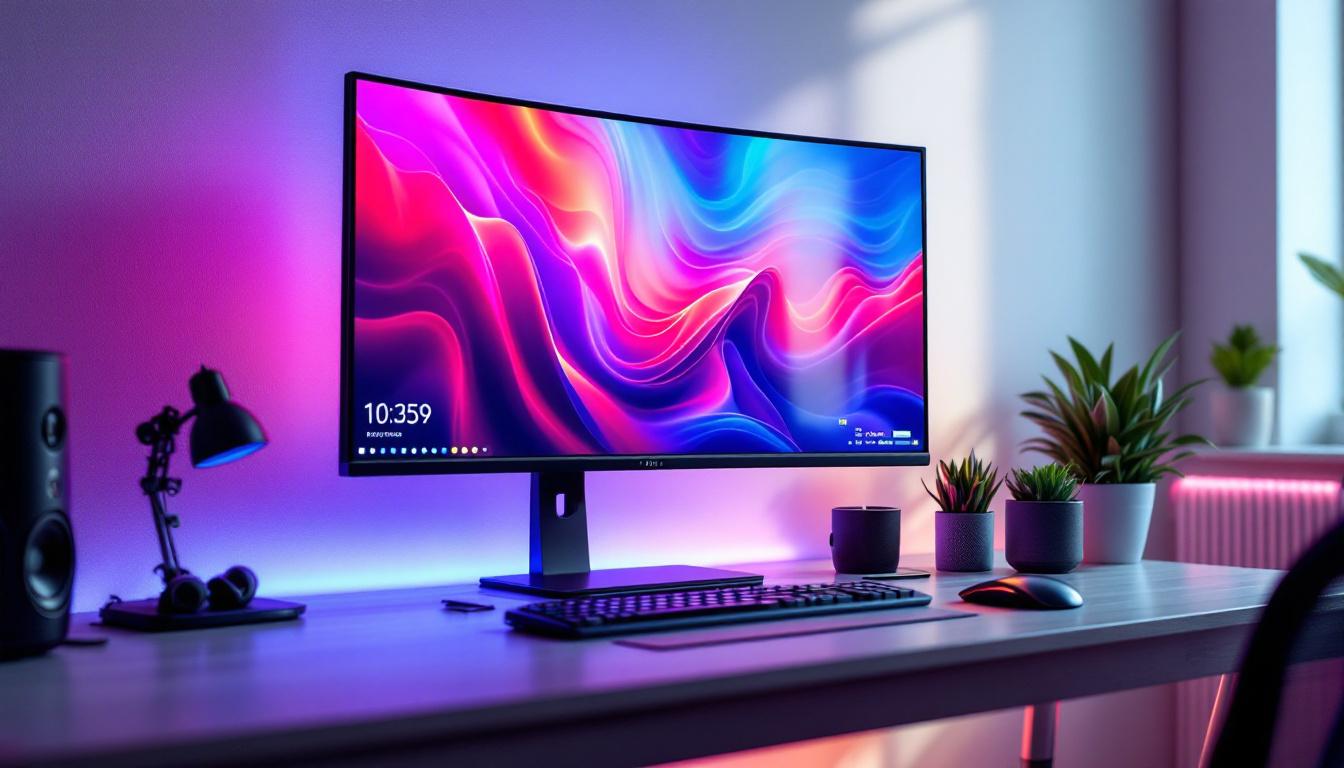
Smaller LED monitors, typically ranging from 17 to 24 inches, are ideal for home and office use. Their compact size fits well on crowded desks, while the LED backlighting ensures clear, bright displays for everyday tasks such as document editing, web browsing, and video conferencing.
For professionals working in finance, programming, or administrative roles, these monitors provide sufficient screen real estate without overwhelming the workspace. Additionally, energy efficiency translates into lower electricity bills, a practical benefit for businesses managing multiple workstations.
Gaming and Entertainment
While larger screens dominate the gaming market, smaller LED monitors still hold appeal for gamers seeking portability or secondary displays. Many smaller LED monitors now offer fast refresh rates (up to 144Hz) and low response times (under 5ms), critical for smooth gameplay and reduced motion blur.
For entertainment, LED displays deliver vibrant colors and sharp images, enhancing the viewing experience for streaming movies or casual gaming. The compact size also makes them suitable for multi-monitor setups, where users can extend their digital workspace or gaming environment.
Education and Public Displays
In educational settings, smaller LED monitors are used extensively for computer labs, interactive kiosks, and digital signage. Their energy efficiency and durability make them cost-effective for institutions managing large fleets of devices.
Public display applications, such as point-of-sale terminals or information booths, benefit from the bright, clear images provided by LED technology, ensuring visibility even in well-lit environments. The slim design also allows for easy installation in tight spaces.
Choosing the Right Smaller LED Monitor
Key Specifications to Consider
When selecting a smaller LED monitor, several specifications should guide the decision-making process:
- Resolution: Full HD (1920×1080) is standard for most 21- to 24-inch monitors, providing sharp images and adequate workspace.
- Refresh Rate: For general use, 60Hz is sufficient, but gamers should look for 120Hz or higher for smoother motion.
- Response Time: Lower response times (1-5ms) reduce ghosting and blurring in fast-moving visuals.
- Panel Type: IPS panels offer better color accuracy and viewing angles compared to TN panels, important for creative work.
- Connectivity: HDMI, DisplayPort, and USB-C inputs ensure compatibility with various devices.
Budget and Brand Considerations
Smaller LED monitors are available across a wide price range, from budget models under $100 to premium units exceeding $300. While cost is a factor, investing in a reputable brand known for quality and customer support can prevent issues such as uneven backlighting or premature failure.
Brands like Dell, ASUS, LG, and Samsung consistently receive positive reviews for their smaller LED monitors, balancing performance, build quality, and warranty services. Reading user reviews and professional evaluations can also provide insights into real-world performance and reliability.
Future Trends in Smaller LED Monitor Technology
Mini-LED and Micro-LED Innovations
Emerging technologies such as Mini-LED and Micro-LED promise to revolutionize smaller monitors by enhancing brightness, contrast, and color accuracy. Mini-LED uses thousands of tiny LEDs as backlighting zones, enabling precise local dimming and deeper blacks without the cost of OLED panels.
Micro-LED, still in early stages of commercial adoption, features self-emissive pixels similar to OLED but with higher brightness and longer lifespan. These advancements could soon bring premium display quality to smaller monitors at more accessible prices.
Integration with Smart and Portable Devices
As remote work and mobile computing continue to grow, smaller LED monitors are increasingly designed with portability and smart features in mind. USB-C powered monitors with built-in speakers, webcams, and touch capabilities are becoming common, providing all-in-one solutions for on-the-go professionals.
Additionally, integration with cloud computing and wireless display technologies may reduce cable clutter and enhance flexibility, making smaller LED monitors even more versatile in various environments.
Conclusion
Smaller monitors with LED display technology offer a compelling combination of compact design, energy efficiency, and impressive image quality. Whether for professional use, gaming, education, or entertainment, these monitors meet the needs of users seeking performance without sacrificing space or power consumption.
Understanding the fundamentals of LED backlighting, the advantages it brings, and the evolving trends in display technology can help consumers make informed choices when selecting smaller monitors. As innovations like Mini-LED and Micro-LED mature, the future promises even more vibrant, efficient, and versatile displays tailored to the demands of modern digital lifestyles.
Discover the Future of LED Displays with LumenMatrix
Ready to experience the pinnacle of LED display technology in your own space? LumenMatrix is at the forefront of innovation, offering a diverse range of LED display solutions that cater to any need—be it for a vibrant home entertainment setup, an engaging educational tool, or a dynamic professional environment. From Indoor and Outdoor LED Wall Displays to specialized options like Vehicle, Sports, and Floor LED Displays, LumenMatrix has you covered. Embrace the future of visual communication and let your message shine with unparalleled clarity and impact. Check out LumenMatrix LED Display Solutions today and transform your visual experience.