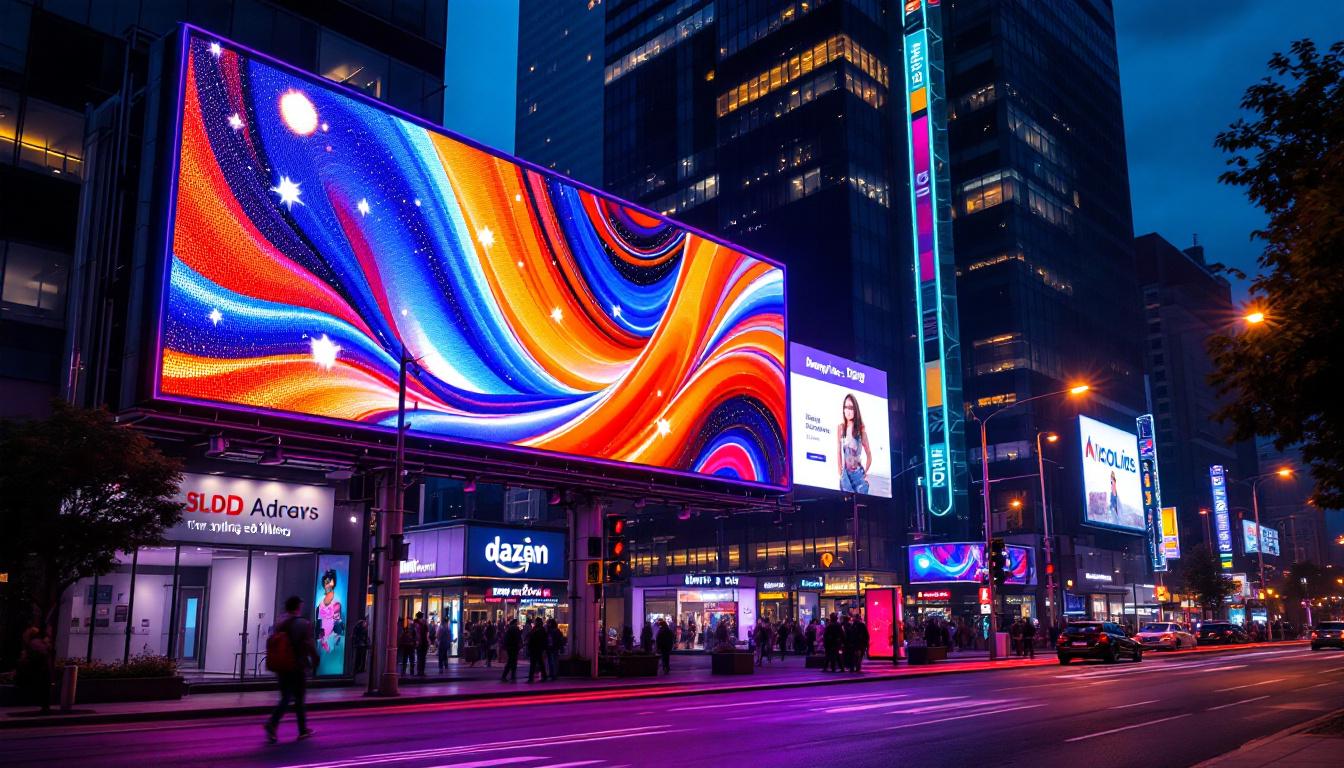
In today’s fast-paced advertising landscape, grabbing consumer attention is more challenging than ever. Traditional billboards are evolving, and one of the most eye-catching innovations is the 3D LED billboard. These dynamic displays offer brands a unique way to engage audiences with vivid, immersive visuals that seem to leap off the screen. However, the investment required for such cutting-edge technology can be substantial. Understanding the cost structure behind 3D LED billboards is essential for businesses and advertisers looking to maximize their return on investment.
This article dives deep into the components that influence 3D billboard costs, the technology behind LED displays, and practical considerations for budgeting and implementation. Whether you’re a marketing professional, business owner, or industry enthusiast, this comprehensive guide will help you navigate the complexities of 3D LED billboard pricing and technology.
Understanding 3D LED Billboard Technology
What Makes a Billboard “3D”?
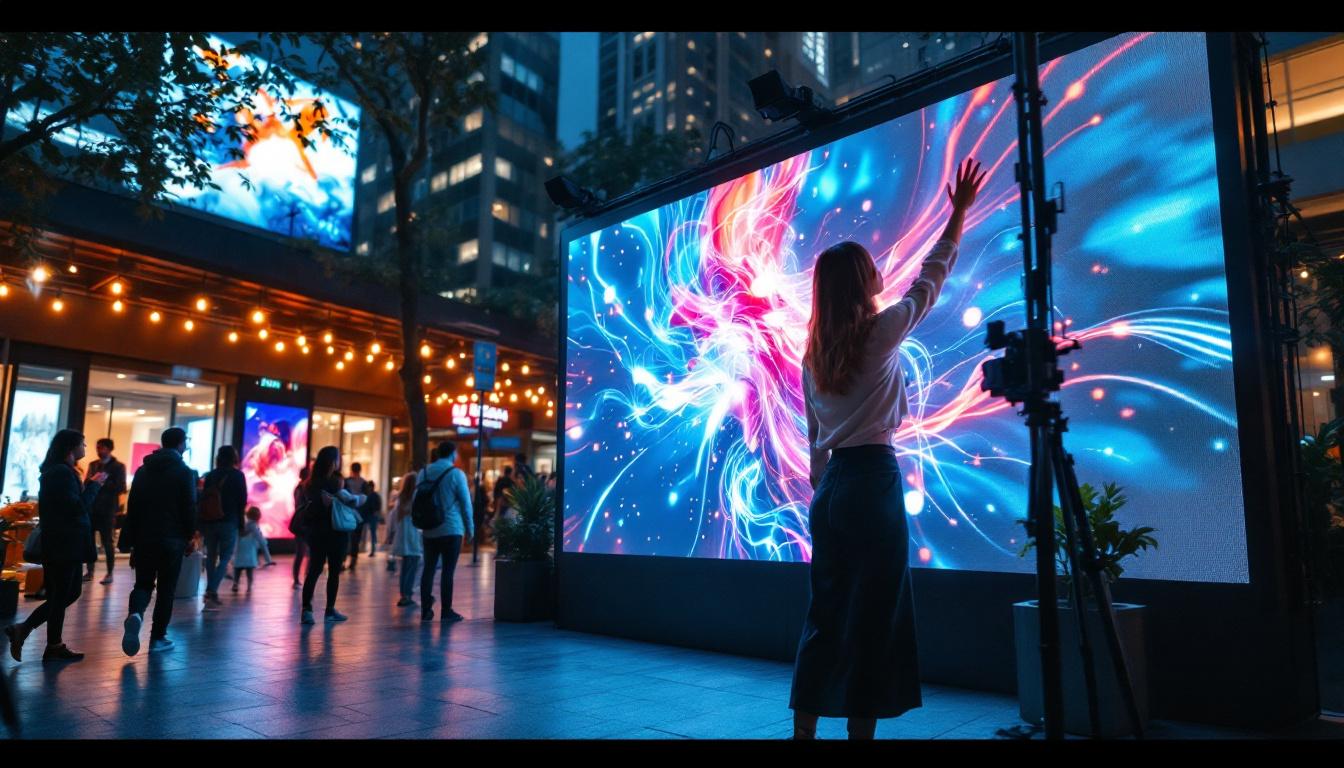
Unlike traditional flat billboards, 3D LED billboards create an illusion of depth and movement by leveraging advanced display technology and creative content design. The “3D” effect is typically achieved through the use of high-resolution LED panels arranged in a way that allows for dynamic lighting, shading, and perspective shifts. This can include layered screens, curved or angled panels, and specially designed animations that trick the eye into perceiving three-dimensional objects.
One popular technique is the use of anamorphic visuals, where the content is distorted in a specific way so that when viewed from a particular angle, it appears to pop out or have depth. This approach requires precise installation and content creation but results in a stunning visual impact that can significantly boost brand visibility.
LED Display Fundamentals
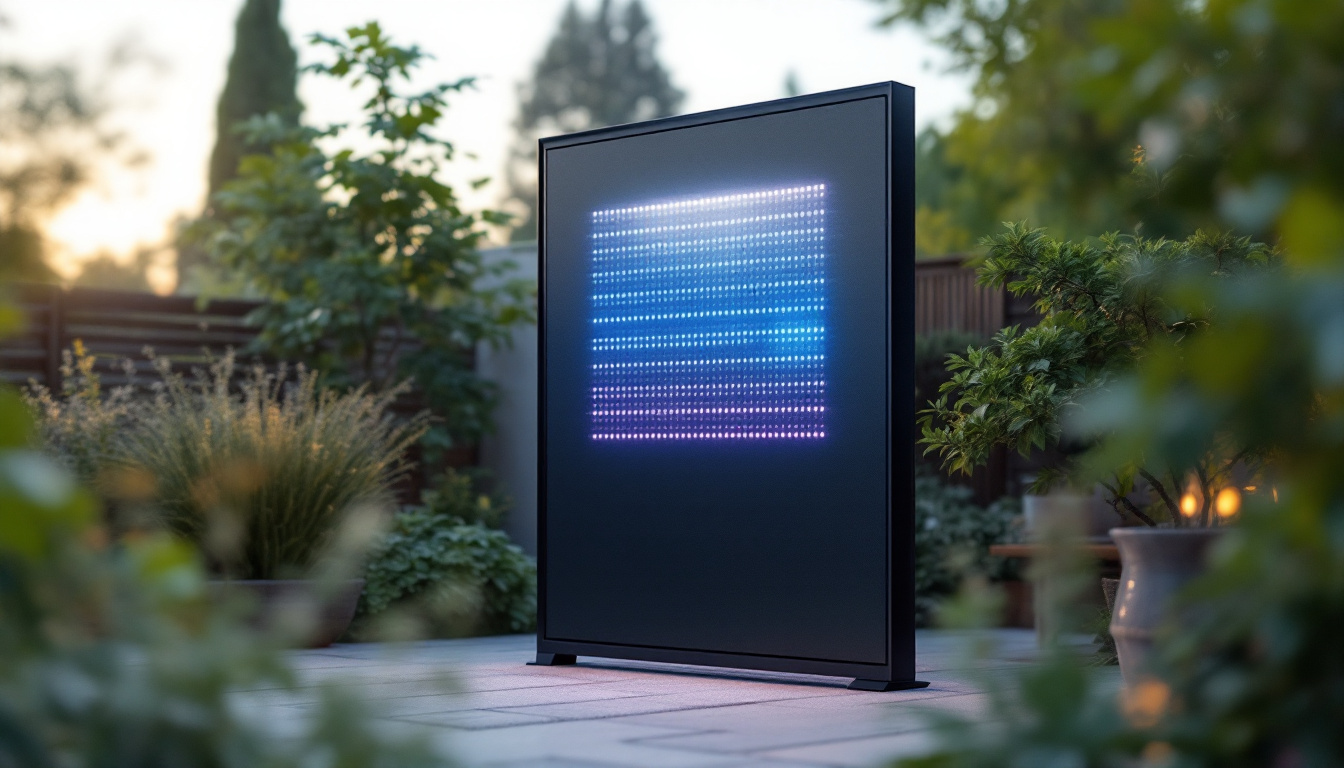
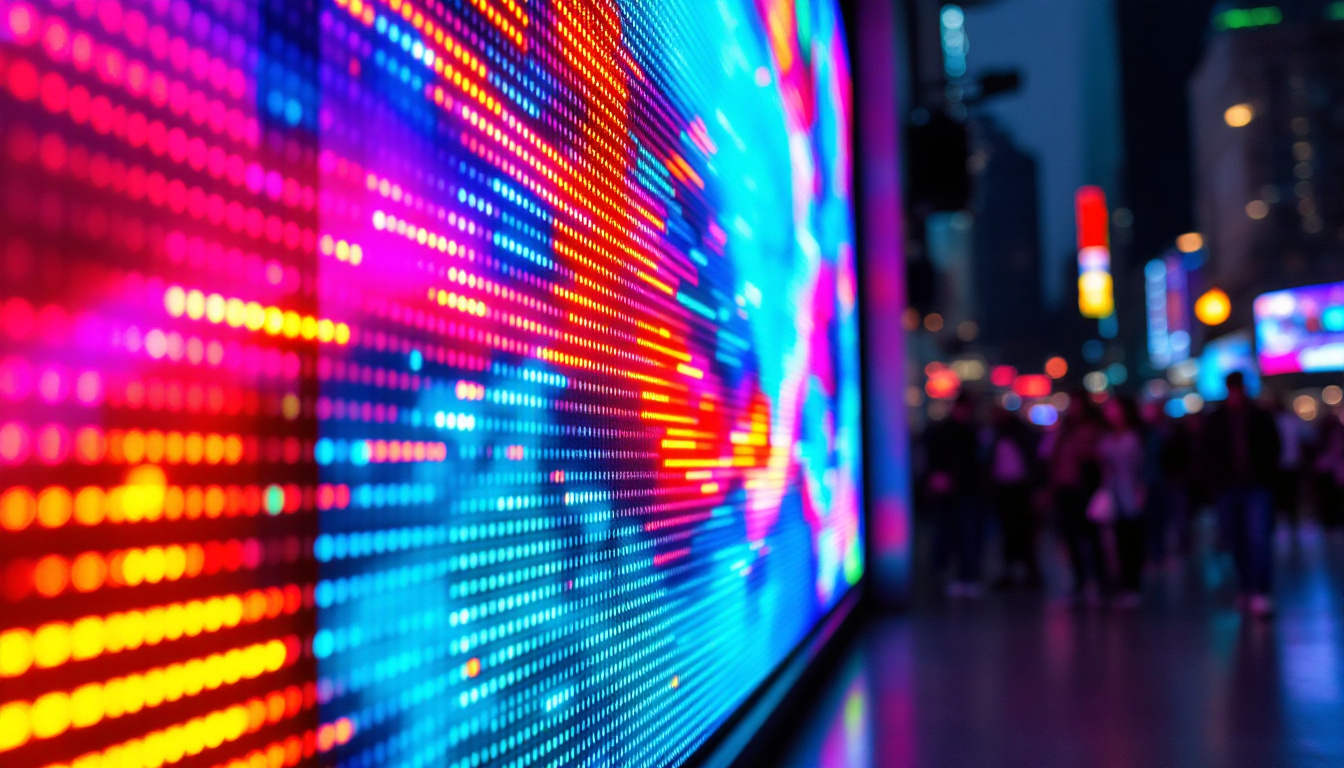
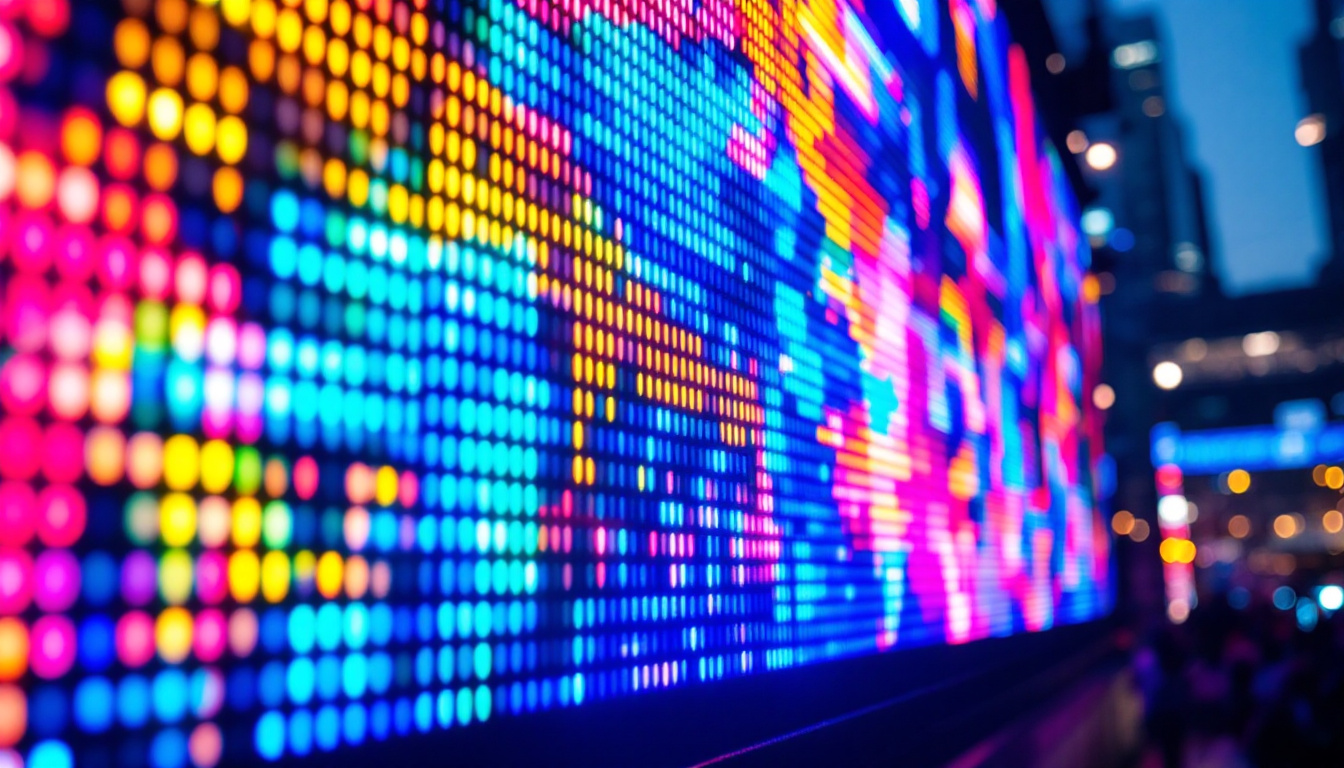
At the heart of any 3D billboard is the LED display technology. LEDs (light-emitting diodes) are tiny semiconductor devices that emit light when an electric current passes through them. These diodes are arranged in clusters called pixels, which form the images and videos displayed on the billboard.
Key specifications that affect both the quality and cost of LED displays include:
- Pixel Pitch: The distance between the centers of two adjacent pixels, usually measured in millimeters. Smaller pixel pitch means higher resolution and sharper images but comes at a higher cost.
- Brightness: Measured in nits, brightness determines how well the display can be seen in various lighting conditions, especially outdoors in direct sunlight.
- Refresh Rate: The frequency at which the display updates its image, important for smooth video playback and reducing flicker.
- Viewing Angle: The maximum angle from which the display can be viewed clearly without color distortion or brightness loss.
Understanding these technical factors helps in evaluating the quality and pricing of 3D LED billboards.
Factors Influencing 3D Billboard Cost
Size and Resolution
The size of the billboard is one of the most significant cost drivers. Larger displays require more LED modules, increased power consumption, and more robust structural support. For instance, a 20-foot by 40-foot billboard will cost exponentially more than a 10-foot by 20-foot display, not only because of the number of LEDs but also due to installation complexity.
Resolution, closely tied to pixel pitch, also affects cost. High-resolution displays with small pixel pitches (e.g., 2mm to 4mm) provide crisp, detailed images suitable for close-up viewing but are more expensive. Conversely, billboards with larger pixel pitches (e.g., 10mm or more) are more affordable but best suited for long-distance viewing.
Content Creation and Software
Creating effective 3D content requires specialized skills and software. Unlike standard 2D advertisements, 3D visuals often involve animation, perspective mapping, and sometimes interactive elements. Hiring experienced digital artists or agencies to produce this content can add significantly to the overall cost.
Additionally, software licenses for content management systems (CMS) that control the LED display, schedule content, and monitor performance may involve ongoing fees. Some advanced systems offer remote control and real-time analytics, which can be valuable but come at a premium.
Installation and Maintenance
Installing a 3D LED billboard is a complex process that involves electrical work, structural engineering, and precise alignment to achieve the desired 3D effect. Labor costs vary depending on location, complexity, and regulatory requirements, such as permits and inspections.
Maintenance is another ongoing expense. LED panels require periodic cleaning, calibration, and occasional repairs. Weather conditions, especially in outdoor installations, can accelerate wear and tear, necessitating more frequent upkeep.
Location and Permitting
Billboard location heavily influences cost. High-traffic urban areas with premium visibility command higher prices for installation and permits. Some cities have strict zoning laws and advertising regulations that can increase the time and expense required to get approval.
In some cases, leasing the physical space for the billboard can be a substantial recurring cost, especially in prime locations. These fees should be factored into the total budget.
Typical Cost Breakdown of a 3D LED Billboard
Initial Investment
The upfront cost of a 3D LED billboard can vary widely depending on the factors discussed above. As a general estimate:
- LED Panels: $1,000 to $3,000 per square meter for high-quality panels with fine pixel pitch.
- Structural Framework: $10,000 to $50,000+ depending on size and complexity.
- Installation: $20,000 to $100,000+, influenced by location and labor rates.
- Content Creation: $5,000 to $50,000+ depending on the complexity of 3D animations and interactivity.
- Permitting and Legal Fees: $1,000 to $10,000+ depending on local regulations.
For a mid-sized 3D LED billboard (around 200 square feet), the total initial investment can range from $150,000 to over $500,000.
Ongoing Expenses
After installation, ongoing costs include:
- Electricity: LED billboards consume significant power, with monthly costs varying by size and brightness but often ranging from $500 to $2,000.
- Maintenance and Repairs: Budgeting 5-10% of the initial investment annually is common to cover routine upkeep and unexpected repairs.
- Content Updates: Regularly refreshing content is vital to maintain audience engagement, with costs depending on the frequency and complexity of updates.
- Lease or Rental Fees: If the billboard space is leased, monthly or yearly payments must be factored into the budget.
Benefits of Investing in 3D LED Billboards
Enhanced Engagement and Brand Impact
3D LED billboards stand out in crowded advertising environments. Their ability to captivate audiences with vivid motion and depth creates memorable brand experiences. Studies show that digital billboards can increase brand recall by up to 47% compared to static displays, and 3D effects amplify this impact further.
For brands seeking to differentiate themselves, the immersive quality of 3D LED advertising offers a compelling advantage, often translating into higher foot traffic, increased sales, and stronger brand loyalty.
Flexibility and Dynamic Content
Unlike traditional billboards, LED displays allow for quick content changes without the need for physical replacements. This flexibility enables advertisers to run time-sensitive promotions, tailor messages to different audiences, and experiment with creative storytelling.
Moreover, some 3D LED billboards incorporate interactive or augmented reality elements, further enhancing user engagement and data collection opportunities.
Long-Term Cost Efficiency
While the initial investment is high, LED technology offers durability and energy efficiency compared to older lighting methods. Advances in LED manufacturing have improved lifespan and reduced power consumption, making these displays more cost-effective over time.
Additionally, the ability to update content digitally reduces printing and installation costs associated with traditional billboards.
Key Considerations Before Investing
Assessing Target Audience and Location
Before committing to a 3D LED billboard, it’s crucial to evaluate whether the target audience frequents the billboard’s location and if the message suits the medium. High foot traffic areas, urban centers, and locations near retail hubs tend to maximize impact.
Understanding audience demographics and behavior helps tailor content and justify the investment.
Budget Planning and ROI Analysis
Given the significant costs involved, detailed budget planning is essential. This includes not only upfront expenses but also ongoing operational costs. Conducting a return on investment (ROI) analysis based on expected reach, engagement, and conversion rates can guide decision-making.
Some advertisers leverage pilot campaigns or phased rollouts to test effectiveness before scaling up.
Partnering with Experienced Providers
Choosing reputable manufacturers and installation experts ensures quality and reliability. Experienced providers can also offer valuable insights into content strategy, technical support, and maintenance planning, helping to avoid costly mistakes.
Requesting case studies and client references can provide confidence in a provider’s capabilities.
Future Trends in 3D LED Billboard Technology
Integration with Artificial Intelligence and Data Analytics
Emerging technologies are enabling 3D LED billboards to become smarter and more responsive. AI-powered systems can tailor content in real-time based on audience demographics, weather conditions, or traffic patterns, enhancing relevance and engagement.
Data analytics tools provide advertisers with detailed insights into campaign performance, enabling continuous optimization.
Advancements in Display Technology
Research in microLED and OLED technologies promises even higher resolution, better color accuracy, and thinner, more flexible displays. These innovations could reduce costs over time and open new possibilities for billboard shapes and placements.
Increased Interactivity and Immersive Experiences
Future 3D billboards may incorporate augmented reality (AR), virtual reality (VR), and gesture recognition, transforming passive viewers into active participants. Such interactivity could revolutionize outdoor advertising by creating personalized and memorable brand experiences.
Conclusion
3D LED billboards represent a powerful evolution in outdoor advertising, combining technological innovation with creative storytelling to capture audience attention like never before. While the costs can be substantial, understanding the factors that influence pricing and the benefits of this medium helps advertisers make informed decisions.
From size and resolution to content creation and maintenance, each element plays a critical role in the overall investment. By carefully assessing needs, budget, and location, businesses can leverage 3D LED billboards to elevate their brand presence and achieve impressive marketing results in a competitive marketplace.
Illuminate Your Brand with LumenMatrix
Ready to take your advertising to the next dimension? LumenMatrix is at the forefront of LED display innovation, offering a wide array of solutions to make your brand stand out. From Indoor and Outdoor LED Wall Displays to dynamic Vehicle and Sports LED Displays, our products are designed to captivate and engage. Experience the transformative power of LED technology with our Custom, All-in-One, and Transparent LED Displays, all crafted to deliver your message with unparalleled clarity. Don’t just advertise—mesmerize with LumenMatrix. Check out LumenMatrix LED Display Solutions today and revolutionize your visual communication.