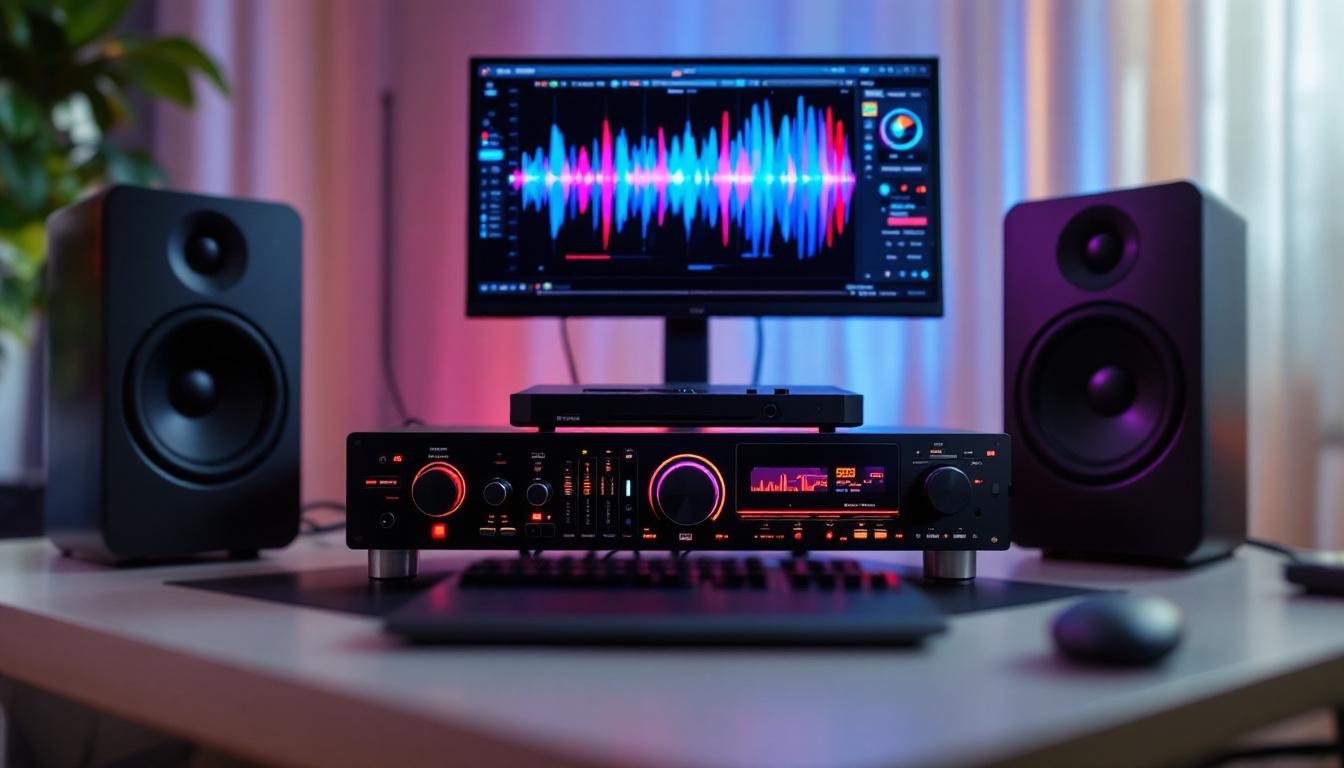
High-resolution audio (Hi-Res Audio) has become a buzzword among audiophiles and casual listeners alike, promising sound quality that surpasses conventional digital formats. As Hi-Res Audio gains traction, the technology that supports it, including LED displays on audio devices, has evolved to provide users with more information and control over their listening experience. This article explores the relationship between Hi-Res Audio files and LED displays, explaining how these displays enhance the user interface and contribute to a superior audio experience.
Understanding Hi-Res Audio Files
Hi-Res Audio refers to audio files that have a higher sampling frequency and bit depth than standard CD-quality audio. While CDs typically use a 44.1 kHz sampling rate and 16-bit depth, Hi-Res Audio files often feature sampling rates of 96 kHz or 192 kHz and 24-bit depth or higher. This increase in data density allows for a more accurate representation of the original sound wave, resulting in richer, more detailed audio playback.
The most common Hi-Res Audio formats include FLAC (Free Lossless Audio Codec), ALAC (Apple Lossless Audio Codec), WAV, and DSD (Direct Stream Digital). These formats preserve the nuances of the original recording, which are often lost in compressed formats like MP3 or AAC. For instance, FLAC is particularly popular among audiophiles due to its lossless compression, which retains all audio details while reducing file size, making it easier to store large music libraries without sacrificing quality.
According to a 2023 report by the Consumer Technology Association, the global market for Hi-Res Audio devices is projected to grow by over 15% annually, reflecting increasing consumer demand for premium audio experiences. This trend underscores the importance of devices that can effectively display and manage Hi-Res Audio content. As more consumers become aware of the limitations of standard audio formats, the shift towards Hi-Res Audio is not just a trend but a movement towards a more enriched auditory experience.
Why Hi-Res Audio Matters
Hi-Res Audio offers several benefits over standard audio, including improved dynamic range, clearer instrument separation, and a more immersive soundstage. For musicians, producers, and audiophiles, these qualities translate into a more authentic listening experience that closely mirrors the original studio recording. The ability to hear subtle details, such as the soft strumming of a guitar or the ambient sounds in a live recording, can transform a simple listening session into a captivating journey through sound.
Moreover, advancements in streaming services have made Hi-Res Audio more accessible. Platforms like Tidal, Qobuz, and Amazon Music HD offer extensive libraries of Hi-Res tracks, making it easier for consumers to explore high-quality sound without investing in physical media. This accessibility is further enhanced by the rise of compatible hardware, including high-resolution DACs (Digital-to-Analog Converters) and headphones designed to fully utilize the capabilities of Hi-Res Audio. As a result, listeners can enjoy a premium audio experience on the go, whether they are commuting, exercising, or simply relaxing at home.
The Role of LED Displays in Hi-Res Audio Devices
As Hi-Res Audio files demand more sophisticated playback hardware, LED displays on audio devices have become critical for delivering detailed information and enhancing user interaction. From portable music players to home audio systems and digital-to-analog converters (DACs), LED displays provide visual feedback that helps users navigate complex audio settings and monitor playback quality.
Types of LED Displays Used in Audio Equipment
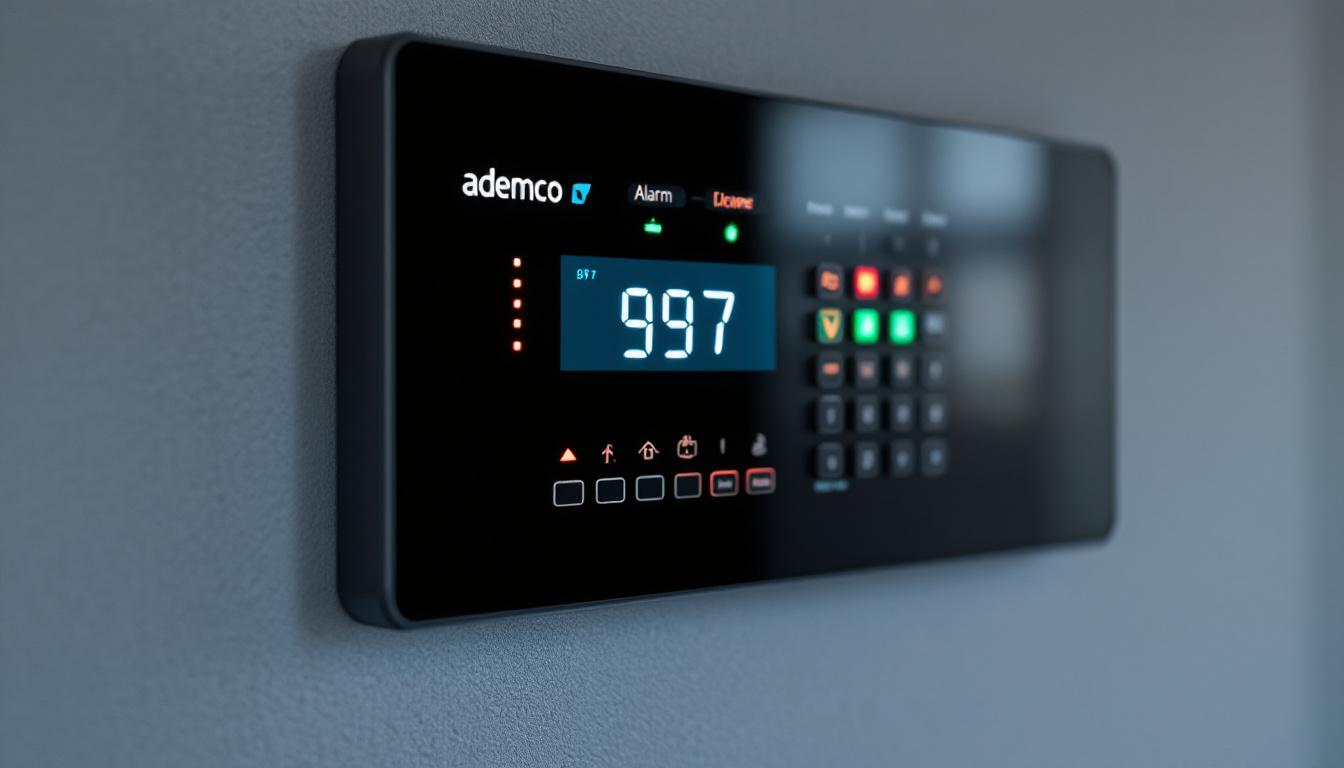
LED displays in audio devices come in various forms, including simple numeric displays, alphanumeric panels, and full-color OLED screens. The choice of display technology depends on the device’s complexity and intended use.
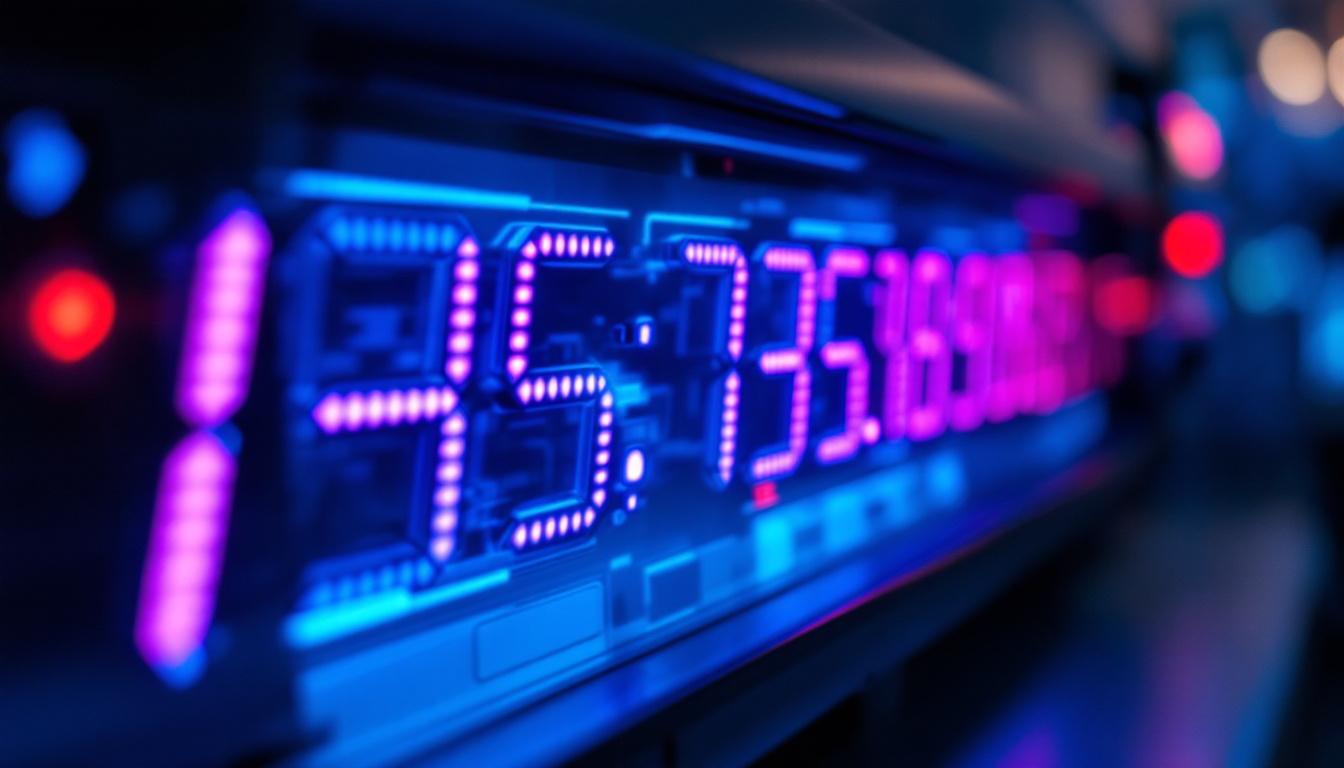
- Segment LED Displays: These are basic numeric or alphanumeric displays often found in entry-level devices. They show essential information such as track numbers, volume levels, and sample rates.
- Dot Matrix LED Displays: Offering more flexibility, these displays can show text and simple graphics, allowing for more detailed metadata like track titles, artist names, and file formats.
- OLED and Full-Color LED Displays: High-end Hi-Res Audio players and DACs often feature OLED or full-color LED screens. These displays provide vibrant visuals, album art, and comprehensive system menus, enhancing the overall user experience.
How LED Displays Enhance Hi-Res Audio Playback
LED displays serve several important functions in Hi-Res Audio devices:
- File Information Display: Users can see detailed information about the current track, including format (e.g., FLAC, DSD), bit depth, and sample rate. This transparency ensures listeners know they are truly experiencing Hi-Res quality.
- Playback Status and Controls: Displays provide real-time feedback on playback status—play, pause, skip—and allow users to adjust settings such as equalizer presets or output modes.
- System Diagnostics: Advanced displays can show device status, battery life, and connectivity options (Wi-Fi, Bluetooth), which are crucial for portable Hi-Res Audio players.
- Visual Feedback for Audio Processing: Some devices use LED indicators to show active audio processing features like upsampling, digital filters, or noise reduction, giving users insight into how their audio is being handled.
Interpreting LED Displays: What Audiophiles Should Know
Understanding the information presented on LED displays can significantly improve the Hi-Res Audio listening experience. Here are key display elements and what they mean:
Sample Rate and Bit Depth Indicators
One of the most important pieces of information is the sample rate and bit depth of the audio file being played. Common indicators include:
- 44.1 kHz / 16-bit: Standard CD quality.
- 96 kHz / 24-bit: Entry-level Hi-Res Audio.
- 192 kHz / 24-bit or higher: High-end Hi-Res Audio files.
Devices often display these values prominently to reassure users that the playback is at the intended quality level. Some players also show when upsampling or downsampling is occurring, which can affect sound fidelity.
File Format and Codec Information
Knowing the file format is useful for understanding the compression and potential quality of the audio. For example, a FLAC file is lossless, meaning no audio data is lost during compression, while MP3 is lossy and sacrifices some quality for smaller file sizes.
LED displays that show codec information help users verify that their device is decoding the audio correctly, which is especially important for formats like DSD that require specialized processing.
Volume and Output Mode
Volume levels are typically displayed numerically or via bar graphs on LED screens. Some devices also indicate the output mode, such as headphone output, line out, or balanced output, which can influence the audio characteristics.
Connectivity and Battery Status
For portable Hi-Res Audio players, LED displays often include icons or text indicating Bluetooth connectivity, Wi-Fi status, and battery life. These indicators help users manage their listening sessions without interrupting playback.
Practical Examples of LED Displays in Hi-Res Audio Devices
To better understand how LED displays function in real-world devices, consider the following examples from popular Hi-Res Audio players and DACs.
Portable Hi-Res Audio Players
Devices like the Sony NW-WM1Z and Astell&Kern A&ultima SP2000 feature high-resolution OLED displays that show detailed track information, including album art, sample rate, bit depth, and playback time. These displays also allow users to navigate extensive music libraries and adjust sound settings intuitively.
In addition to aesthetics, these displays provide critical feedback on whether the player is outputting true Hi-Res Audio or if it is downsampling to a lower resolution, a feature that audiophiles appreciate for maintaining sound integrity.
Desktop DACs and Amplifiers
High-end DACs such as the Chord Hugo 2 or the RME ADI-2 DAC FS incorporate LED displays that show input source, sample rate, volume level, and filter settings. These displays are essential for professional users who require precise control over audio parameters during mixing or mastering.
Some devices also include LED meters that visualize audio signals, helping users monitor levels and avoid clipping or distortion.
Home Audio Systems
Modern home Hi-Res Audio systems often integrate LED displays into their front panels to provide quick access to playback information and system status. Brands like Marantz and Denon use displays that can show metadata, input selection, and even network streaming status, enhancing the convenience of managing multiple audio sources.
Future Trends: The Evolution of LED Displays in Hi-Res Audio
As technology advances, LED displays in Hi-Res Audio devices are becoming more sophisticated, incorporating touchscreens, customizable interfaces, and integration with smart home ecosystems.
Touchscreen and Interactive Displays
Touchscreens allow users to interact directly with their audio devices, making navigation faster and more intuitive. This is particularly beneficial for managing large Hi-Res Audio libraries or adjusting complex sound settings on the fly.
Integration with Voice Assistants and Smart Devices
Future Hi-Res Audio devices may feature LED displays that work in tandem with voice assistants like Amazon Alexa or Google Assistant. This integration could enable hands-free control and provide visual feedback for voice commands, creating a seamless user experience.
Enhanced Visualizations and Customization
Advanced LED displays may offer customizable visualizations that respond to the music being played, adding an aesthetic dimension to the listening experience. Users might also personalize display themes, fonts, and information layouts according to their preferences.
Conclusion
LED displays play a crucial role in the Hi-Res Audio ecosystem, bridging the gap between complex audio technology and user-friendly interfaces. By providing clear, detailed information about file formats, sample rates, playback status, and device settings, these displays empower listeners to fully appreciate the benefits of high-resolution sound.
As Hi-Res Audio continues to grow in popularity, the evolution of LED display technology will be key to delivering an engaging and informative listening experience. Whether through simple numeric readouts or vibrant, interactive touchscreens, LED displays enhance the way users interact with their audio devices, making Hi-Res Audio more accessible and enjoyable for everyone.
Discover the Future of Hi-Res Audio with LumenMatrix
As you delve into the world of high-resolution audio, the importance of a superior visual interface becomes undeniable. LumenMatrix stands at the forefront of this auditory revolution, offering a suite of innovative LED display solutions that transform your listening experience. From the comfort of your home to the excitement of live events, our Indoor and Outdoor LED Wall Displays, along with specialized options like Vehicle and Sports LED Displays, ensure that every note and nuance is paired with visual excellence. Embrace the future of Hi-Res Audio and check out LumenMatrix LED Display Solutions to elevate your audio-visual journey.