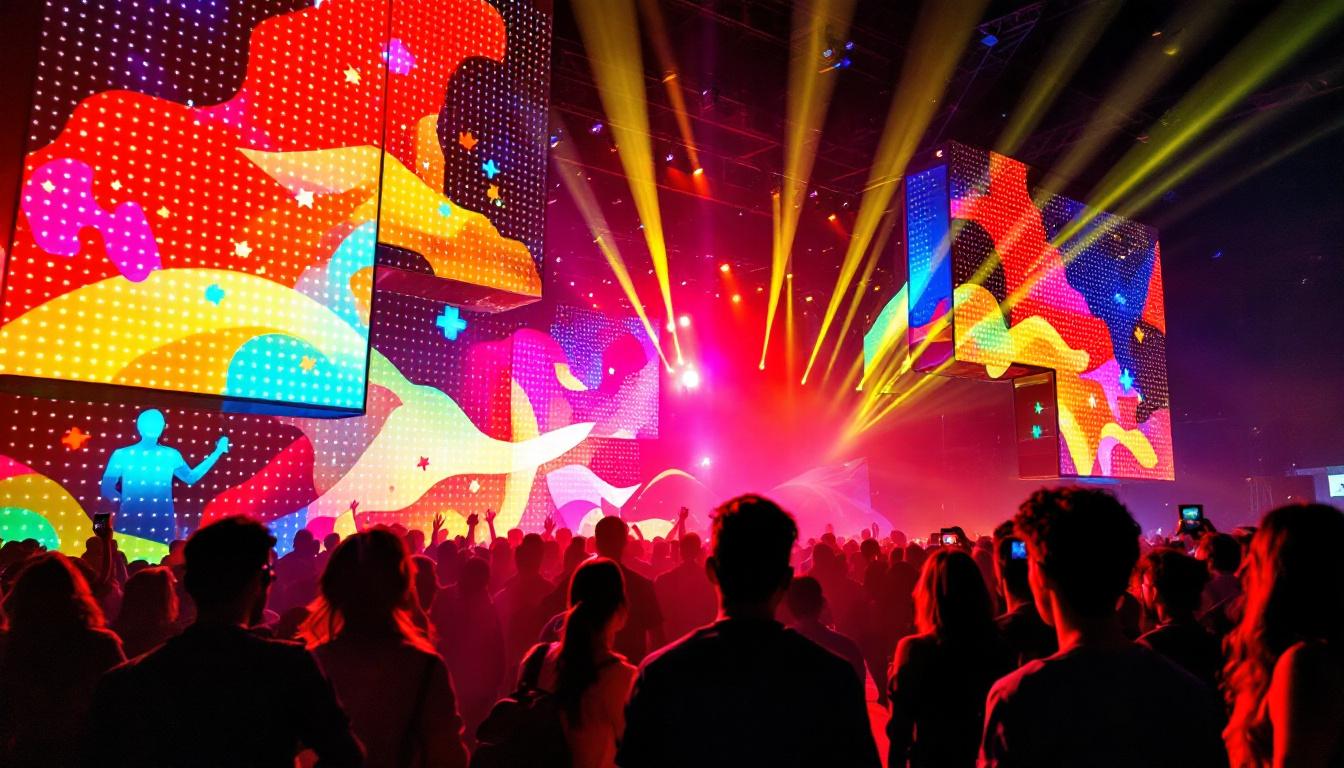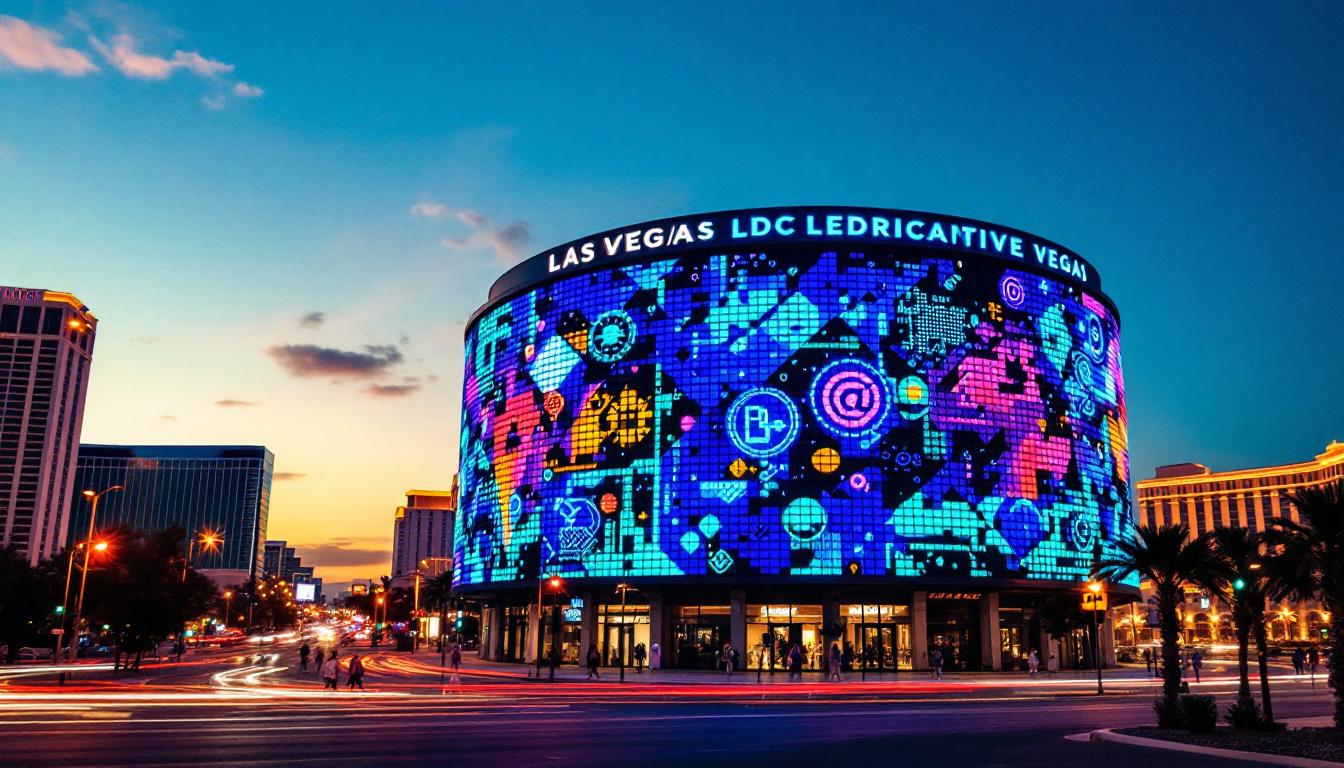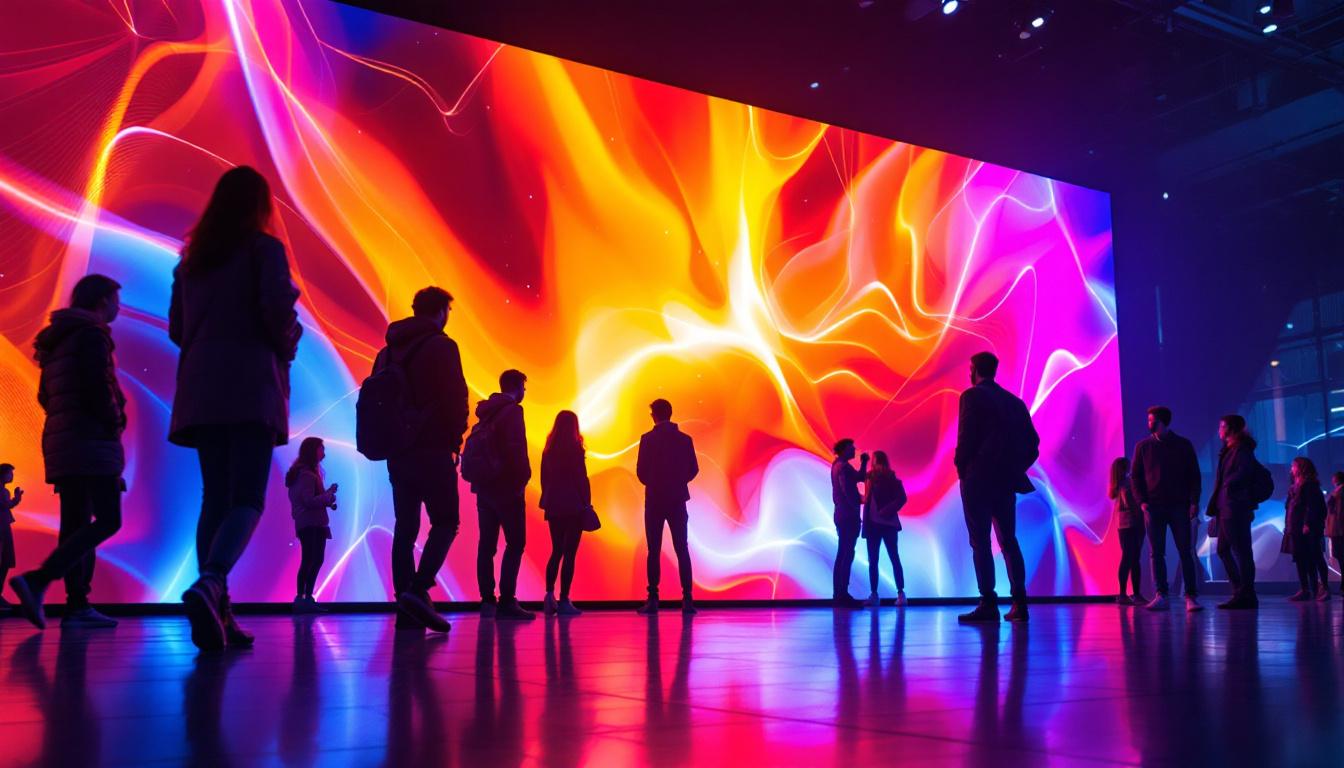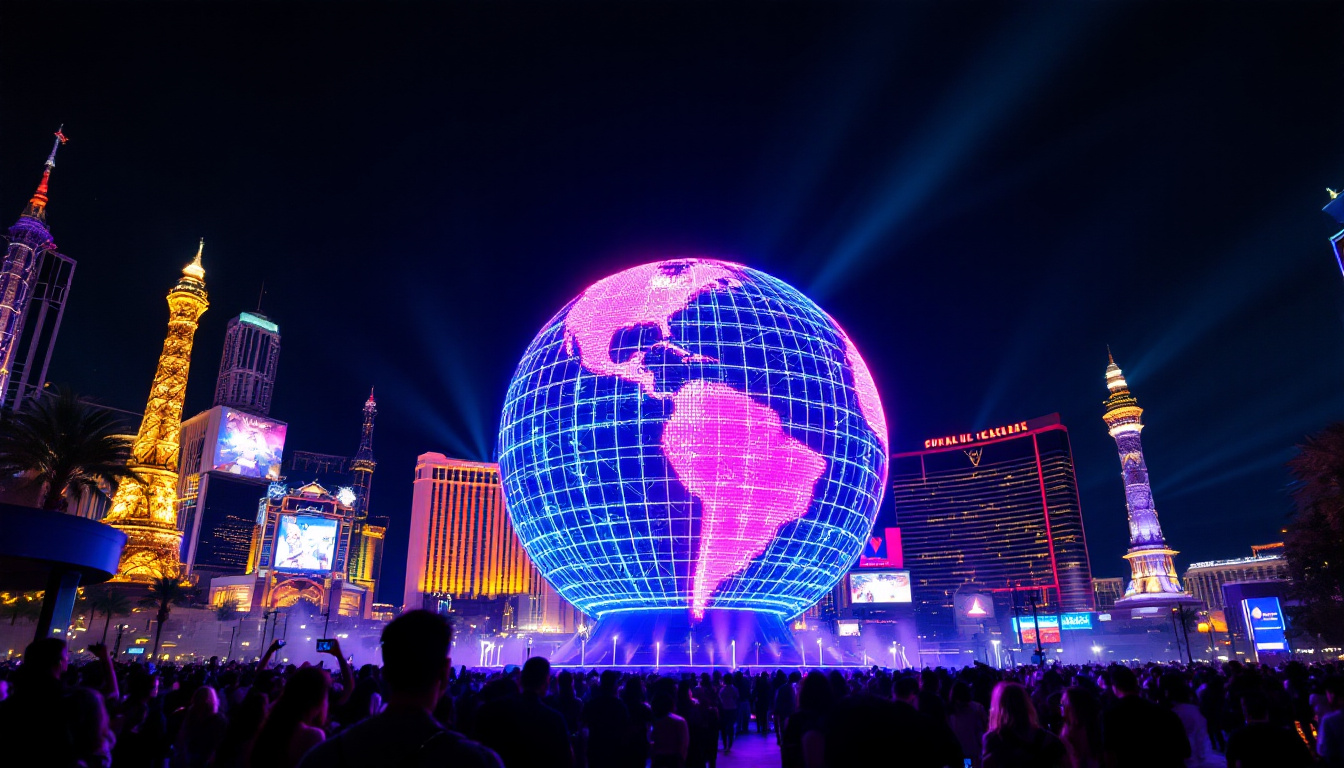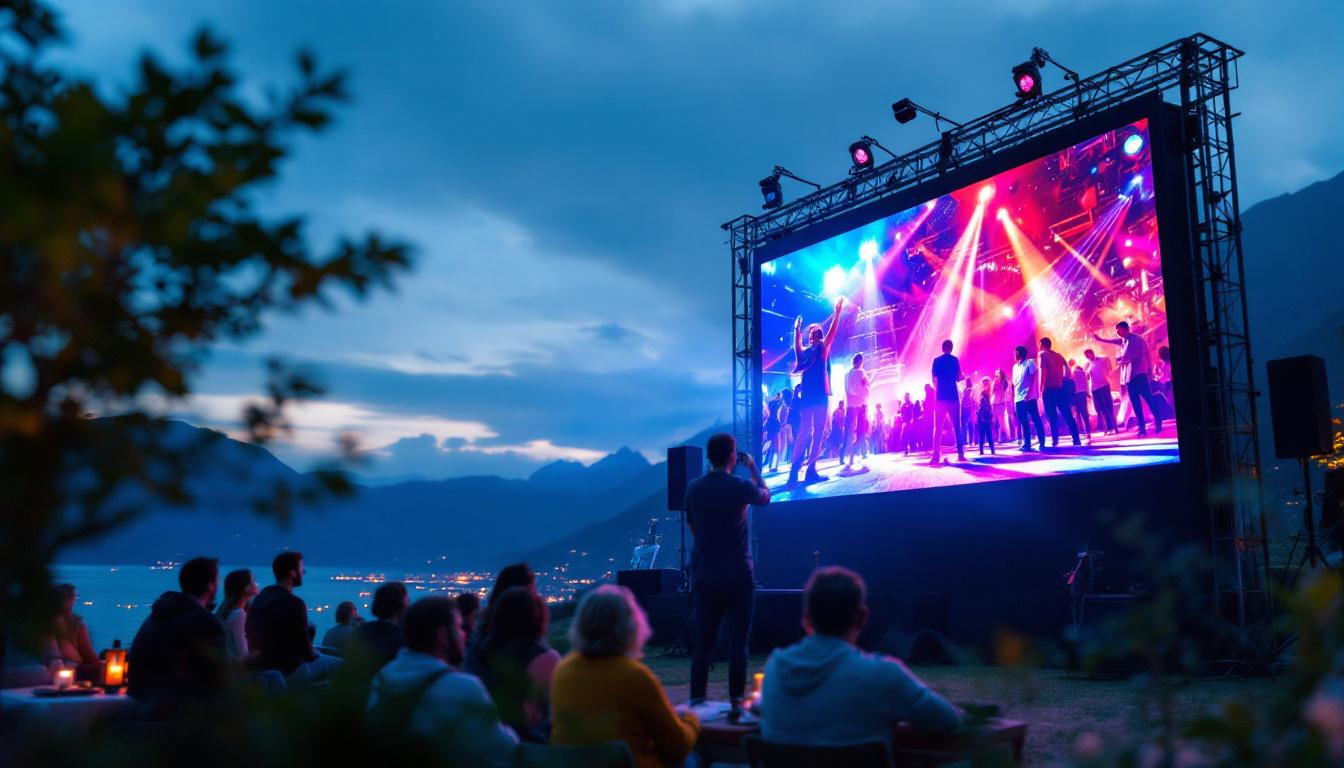
Outdoor events, from concerts and sports games to corporate gatherings and community festivals, increasingly rely on large, vibrant displays to engage audiences. Among the most popular technologies for these applications is the LED display, favored for its brightness, durability, and versatility. Understanding how LED displays work, their advantages over traditional projection systems, and key considerations for outdoor use can help event organizers, venue managers, and tech enthusiasts make informed decisions about their visual presentation needs.
What Is an Outdoor LED Display?
An outdoor LED display is a large screen composed of numerous light-emitting diodes (LEDs) arranged in a grid to form images and videos. These displays are designed specifically for outdoor environments, with features that ensure visibility even under direct sunlight and resistance to weather conditions such as rain, wind, and dust.
The technology behind LED displays involves tiny semiconductor devices that emit light when an electric current passes through them. By controlling the intensity and color of individual LEDs, the screen can produce high-resolution images with vivid colors and sharp contrast. This capability allows outdoor LED displays to be used for a variety of applications, from advertising and promotions to public information and entertainment, making them a versatile choice for businesses and municipalities alike.
Key Characteristics of Outdoor LED Displays
Outdoor LED screens differ from indoor screens primarily in brightness and durability. Typical indoor LED displays have brightness levels ranging from 800 to 1,500 nits, whereas outdoor screens often exceed 5,000 nits to combat sunlight glare. Additionally, outdoor models come with weatherproof casings rated by IP (Ingress Protection) standards, often IP65 or higher, ensuring protection against dust and water. This robustness is crucial for installations in various climates, as it guarantees that the displays can function optimally regardless of environmental challenges.
Another important characteristic is pixel pitch, which refers to the distance between the centers of adjacent LEDs. Outdoor displays usually have a larger pixel pitch (e.g., 6 mm to 20 mm) compared to indoor displays, as viewers tend to be farther away, making extremely fine resolution less critical. The choice of pixel pitch also influences the overall cost and installation process, as larger pitches can reduce the number of LEDs needed, thus lowering manufacturing expenses. Furthermore, advancements in technology have led to the development of flexible LED displays, which can be curved or shaped to fit unique architectural designs, enhancing their aesthetic appeal and functionality in urban landscapes.
Advantages of LED Displays Over Traditional Outdoor Projectors
Outdoor projection systems have long been used for large-scale visual presentations. However, LED displays have gained significant traction due to several advantages that make them better suited for many outdoor applications.
Superior Brightness and Visibility
One of the biggest challenges with outdoor projection is ambient light. Even the most powerful projectors struggle to produce clear images in daylight, often requiring dusk or nighttime conditions for optimal viewing. In contrast, LED displays maintain high visibility in bright sunlight, thanks to their intense brightness and anti-glare surface treatments. This capability not only enhances the viewing experience for audiences but also broadens the potential for daytime events, allowing for a wider range of programming options and increased attendance.
Durability and Weather Resistance
Projectors are sensitive to moisture, dust, and temperature fluctuations, often necessitating protective enclosures and careful placement. LED displays are built to withstand harsh outdoor conditions, with sealed modules and robust frames that can operate reliably in rain, heat, and cold. This resilience means that events can proceed without the constant worry of equipment failure due to unpredictable weather, providing peace of mind for event organizers and ensuring a seamless experience for attendees.
Flexible Installation and Scalability
LED screens can be assembled in various sizes and shapes, from small portable units to massive stadium walls. Their modular design allows for easy scaling and customization, while projectors require specific throw distances and surfaces, limiting placement options. This flexibility enables venues to adapt their setups for different types of events, whether it’s a concert, sporting event, or corporate presentation, ensuring that the visual experience is always optimized for the audience’s needs.
Lower Maintenance and Operational Costs
While the initial investment in LED technology may be higher, ongoing maintenance costs tend to be lower than for projectors, which require regular bulb replacements, cleaning, and calibration. LEDs have long lifespans, often exceeding 100,000 hours, reducing downtime and service expenses. Additionally, the energy efficiency of LED displays contributes to lower electricity bills, making them a more sustainable choice in the long run. This combination of longevity and efficiency allows organizations to allocate resources more effectively, focusing on enhancing their events rather than managing equipment upkeep.
Enhanced Color Accuracy and Image Quality
Another significant advantage of LED displays is their ability to produce vibrant colors and sharp images. Unlike projectors, which can suffer from color fading and distortion over time, LED technology ensures consistent color accuracy and brightness. This capability is particularly important for events that rely on visual storytelling, such as film screenings or artistic displays, where the impact of the imagery can be crucial to the overall experience. Furthermore, advancements in LED technology have led to improved refresh rates, which means smoother motion and less blurring during fast-paced scenes, enhancing the viewing experience even further.
Eco-Friendly Options
In an age where environmental considerations are paramount, LED displays offer a more eco-friendly alternative to traditional projectors. Many LED systems are designed with sustainable materials and energy-efficient components, contributing to a reduced carbon footprint. Additionally, the long lifespan of LEDs means fewer electronic waste concerns compared to the frequent disposal of projector bulbs and components. This environmental consciousness resonates with audiences and organizations alike, making LED displays not only a smart choice for visual presentations but also a responsible one.
How Outdoor LED Displays Work: Technical Overview
Understanding the technical aspects of outdoor LED displays helps clarify why they perform so well in challenging environments. The core components include the LED modules, control system, power supply, and protective housing.
LED Modules and Pixel Configuration
Each LED module contains multiple LEDs arranged in clusters of red, green, and blue diodes. By varying the intensity of each color, the module can produce a wide color gamut. The pixel pitch determines the screen’s resolution and viewing distance suitability. For example, a 10 mm pixel pitch means LEDs are spaced 10 millimeters apart, ideal for viewers standing 10 meters or more away.
Control Systems and Signal Processing
The control system manages the input video signals, processes the data, and sends commands to each LED module to display the correct colors and brightness levels. Advanced systems support real-time video, live streaming, and dynamic content changes, making them versatile for various event types.
Power Supply and Energy Efficiency
Outdoor LED displays require stable power sources capable of handling high current loads. Modern LED technology is energy-efficient compared to older lighting methods, but large screens still consume significant electricity. Efficient power management and cooling systems help maintain performance and prolong component life.
Protective Housing and Environmental Adaptation
The casing protects sensitive electronic components from environmental hazards. It also includes ventilation and sometimes heating elements to prevent overheating or condensation. High IP ratings ensure resistance to water jets and dust ingress, crucial for outdoor reliability.
Applications of Outdoor LED Displays
Outdoor LED screens have transformed how information and entertainment are delivered in public spaces. Their versatility and impact make them valuable across numerous sectors.
Sports and Entertainment Events
Stadiums and arenas use massive LED displays to broadcast live action, replays, and advertisements. These screens enhance the fan experience by providing clear visuals regardless of lighting conditions. For example, the Dallas Cowboys’ AT&T Stadium features one of the largest indoor LED displays, while outdoor arenas employ similar technology for open-air events.
Advertising and Digital Billboards
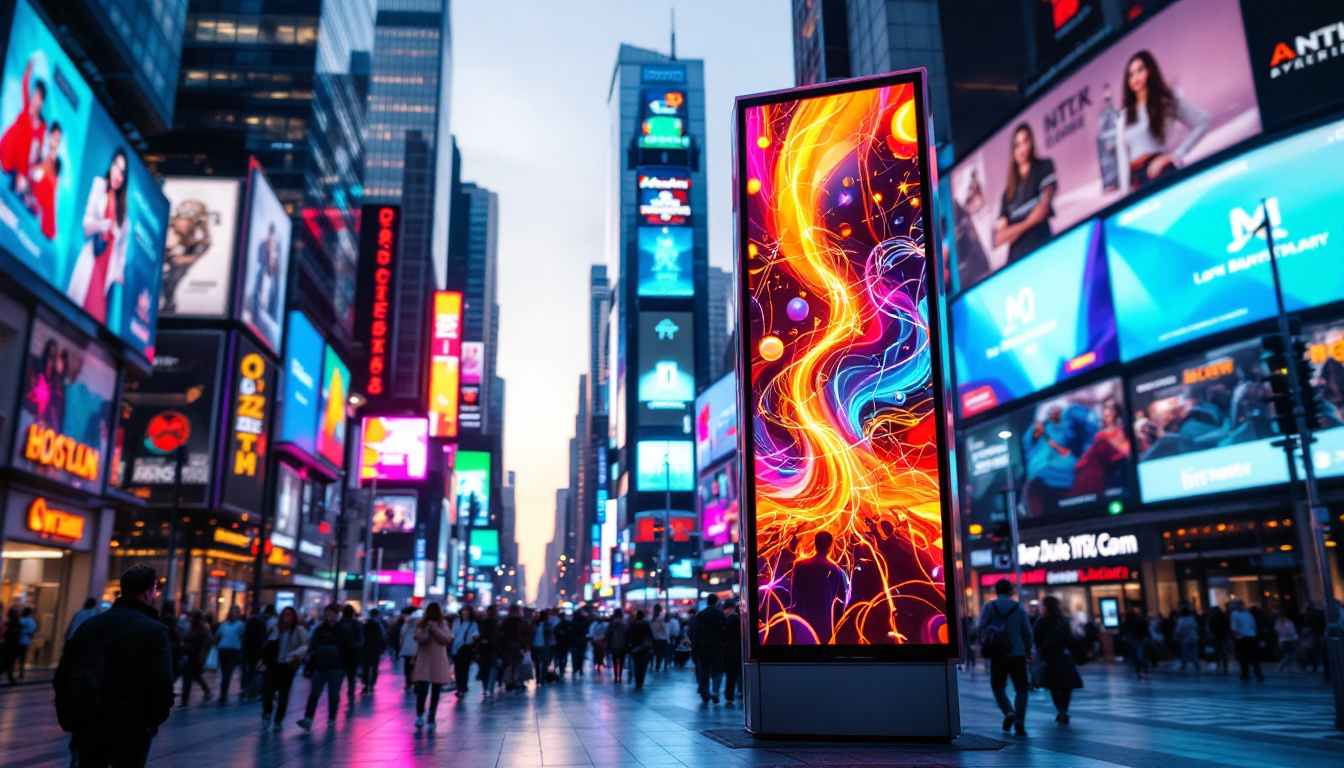
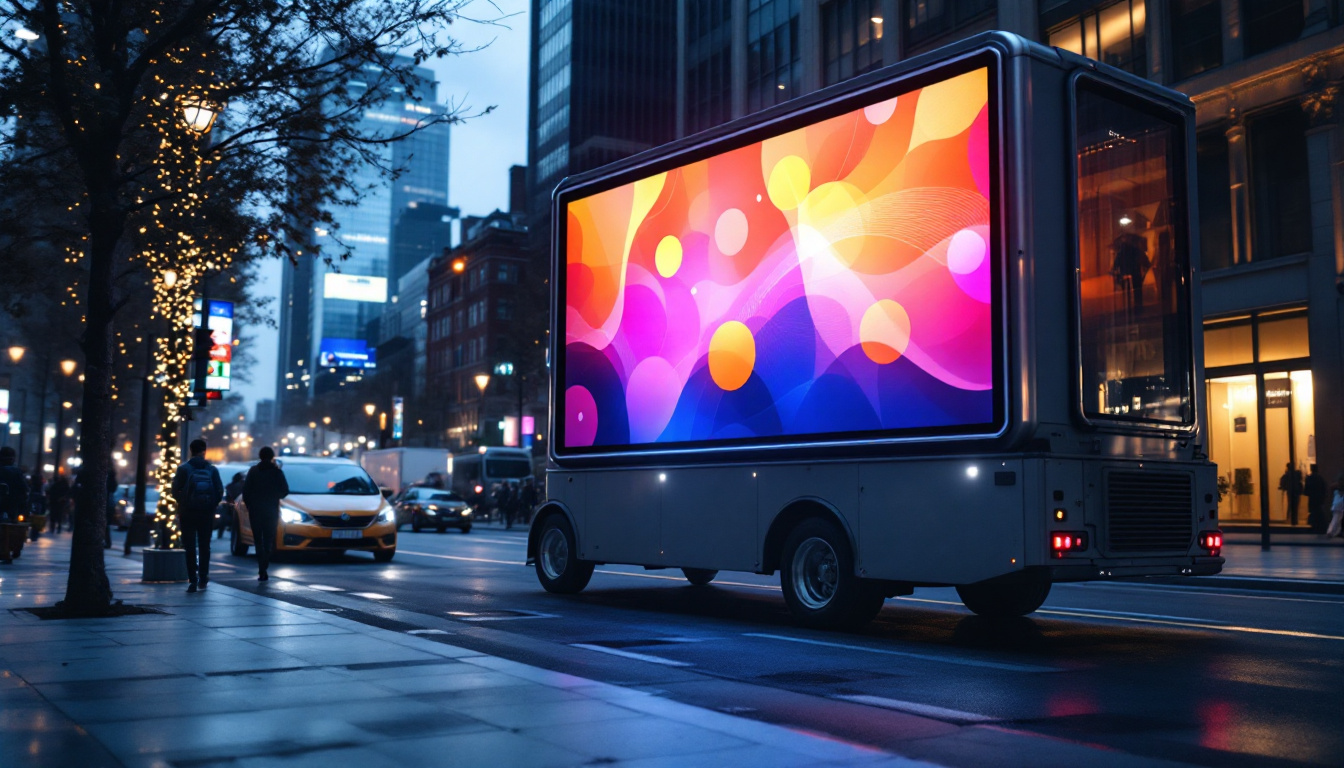
Outdoor LED billboards have become a staple in urban advertising, offering dynamic content that can be updated remotely. According to a 2023 market report, digital out-of-home advertising revenue is projected to exceed $7 billion globally, driven largely by LED display adoption.
Public Information and Emergency Messaging
Municipalities use LED screens to disseminate important information such as traffic updates, weather alerts, and emergency notifications. Their high visibility and reliability make them ideal for critical communications.
Corporate and Community Events
Companies and local organizations utilize outdoor LED displays for product launches, festivals, and public celebrations. The ability to display high-quality video content and interactive media helps engage audiences and create memorable experiences.
Choosing the Right Outdoor LED Display
Selecting an appropriate LED display involves balancing technical specifications, budget, and intended use. Several factors should be considered to ensure optimal performance and value.
Brightness and Viewing Distance
Brightness is measured in nits, with outdoor displays typically requiring 5,000 to 8,000 nits or more. The viewing distance influences pixel pitch choice; closer audiences need finer resolution, while distant viewers can accommodate larger pixel spacing.
Screen Size and Aspect Ratio
The physical dimensions should suit the venue and audience size. Aspect ratio affects content formatting—common ratios include 16:9 for video and 4:3 for presentations. Modular LED panels enable flexible sizing and shapes.
Durability and Weatherproofing
Look for displays with IP65 or higher ratings for water and dust protection. Consider additional features like anti-corrosion coatings and robust mounting systems for areas prone to extreme weather.
Installation and Maintenance
Evaluate the complexity of installation, including structural support and power requirements. Maintenance access and serviceability are critical for minimizing downtime, especially for permanent installations.
Cost Considerations
Initial costs vary widely based on size, resolution, and features. While LED displays can be more expensive upfront than projectors, their longevity and lower operating costs often justify the investment. Leasing options and rental services are also available for temporary events.
Future Trends in Outdoor LED Display Technology
As LED technology evolves, several trends are shaping the future of outdoor displays, enhancing their capabilities and applications.
Higher Resolution and Pixel Density
Advancements in LED manufacturing are enabling smaller pixel pitches, even for outdoor screens. This allows for sharper images and closer viewing distances, expanding the range of possible uses.
Energy Efficiency and Sustainability
New LED chips consume less power and generate less heat, reducing environmental impact and operational costs. Integration with solar power and smart energy management systems is also increasing.
Interactive and Smart Displays
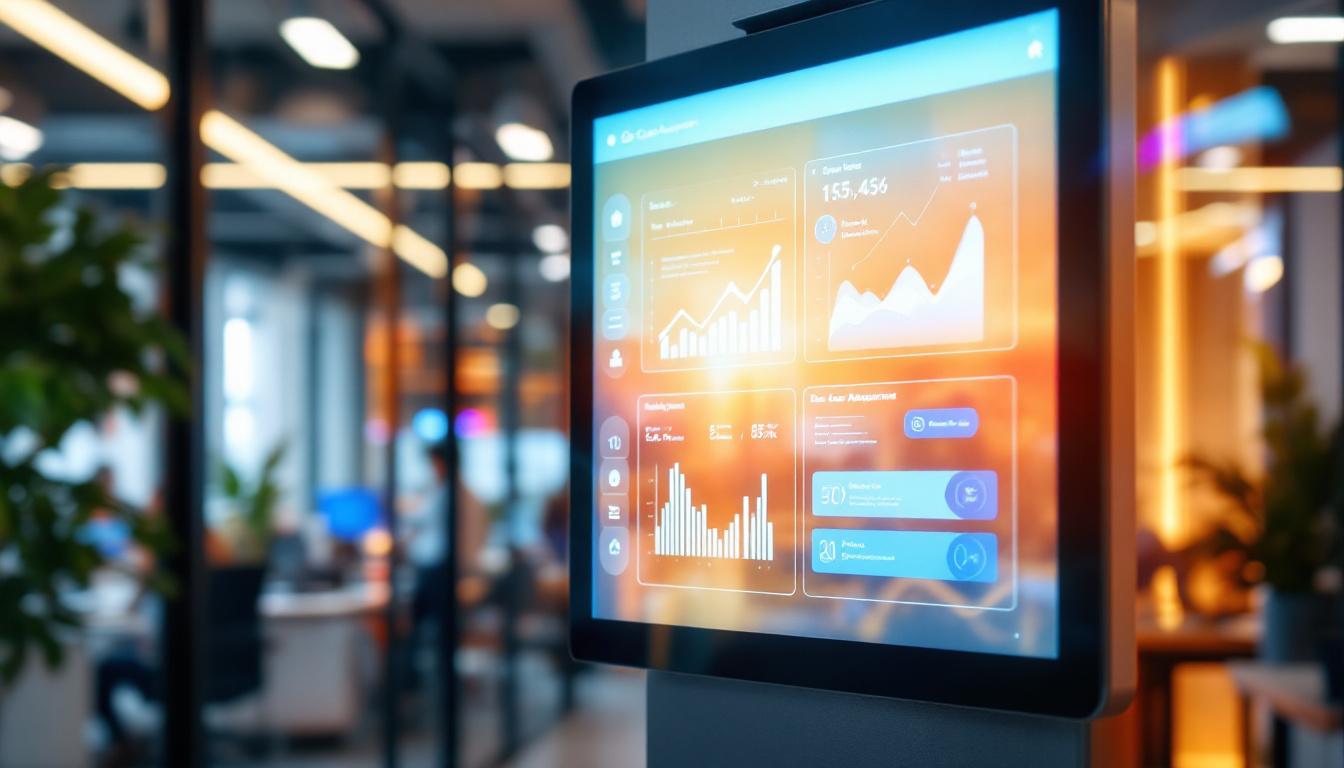
Touch-sensitive and sensor-enabled LED screens are becoming more common, allowing for interactive advertising and audience engagement. AI-driven content customization and real-time analytics are enhancing marketing effectiveness.
Flexible and Transparent LED Panels
Innovations in flexible and transparent LED technology open up new possibilities for architectural integration and creative display designs, blending screens seamlessly into urban environments.
Conclusion
Outdoor LED displays represent a powerful and versatile solution for delivering high-impact visuals in a variety of settings. Their superior brightness, durability, and flexibility make them ideal for sports venues, advertising, public information, and events. By understanding the technology, advantages, and key selection criteria, stakeholders can leverage LED displays to create engaging, reliable, and memorable outdoor experiences.
As the technology continues to advance, outdoor LED displays will become even more dynamic and sustainable, offering exciting opportunities for innovation in visual communication.
Illuminate Your Space with LumenMatrix
Ready to elevate your outdoor events with unparalleled clarity and vibrancy? Discover LumenMatrix’s innovative LED display solutions, where cutting-edge technology meets creative design. From robust Outdoor LED Wall Displays to interactive Floor LED Displays, LumenMatrix offers a wide range of options to captivate your audience. Embrace the future of visual communication with our Custom LED Displays and All-in-One LED Display solutions, designed to make your brand shine. Check out LumenMatrix LED Display Solutions today and transform your visual storytelling into an unforgettable experience.