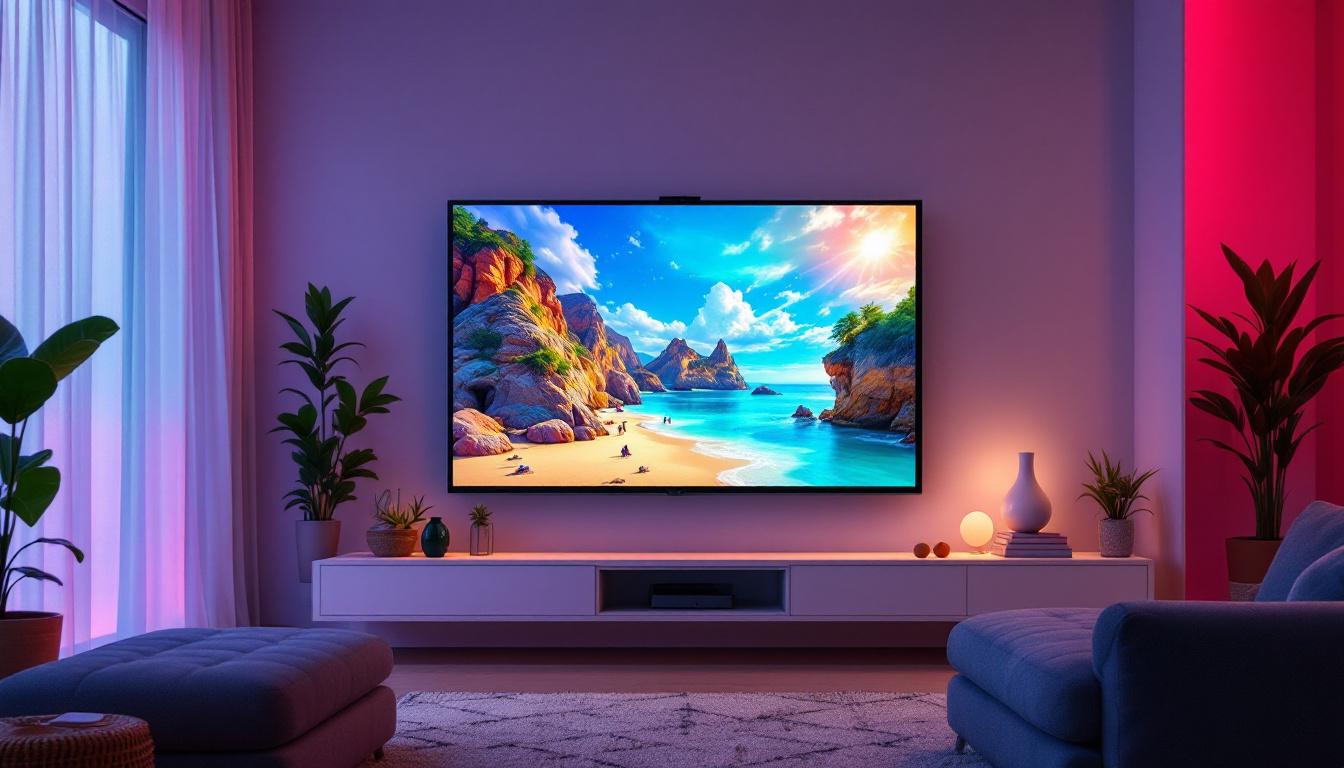
In recent years, the evolution of display technology has taken remarkable strides, with foldable LED screens emerging as one of the most innovative breakthroughs. These displays combine the vibrant, high-contrast visuals of traditional LED technology with the flexibility to bend and fold, opening up new possibilities for consumer electronics, advertising, and large-scale installations. This article explores the fundamentals of foldable LED screens, how they work, their applications, and what the future holds for this exciting technology.
Understanding LED Display Technology
What is an LED Display?
At its core, an LED (Light Emitting Diode) display is a flat panel that uses an array of tiny light-emitting diodes to produce images. Unlike LCDs, which rely on backlighting, LEDs emit their own light, resulting in brighter displays with better contrast and energy efficiency. These qualities make LED displays popular for everything from smartphone screens to massive outdoor billboards. The vibrant colors and sharpness achieved by LED technology have revolutionized how we consume visual content, making it an essential component in modern advertising, entertainment, and information dissemination.
Traditional LED displays are rigid, constructed on solid substrates that cannot bend or fold without damaging the components. However, advancements in materials science and manufacturing have led to the development of flexible and foldable LED screens, which retain the image quality of LEDs while offering new form factors. This innovation has opened up a plethora of possibilities for designers and engineers, allowing for creative applications in architecture, automotive displays, and even wearable technology. The integration of LED displays into everyday objects is transforming the way we interact with our environment, making information more accessible and engaging.
How Do Foldable LED Screens Work?
Foldable LED screens utilize flexible substrates such as plastic films or ultra-thin glass combined with micro-LED or OLED technology. Micro-LEDs are tiny LEDs, often less than 100 micrometers in size, that can be individually controlled and arranged on flexible surfaces. This flexibility allows the display to bend or fold without breaking the electrical connections or degrading image quality. The incorporation of advanced manufacturing techniques, such as inkjet printing and roll-to-roll processing, has further enhanced the production of these displays, making them more cost-effective and scalable.
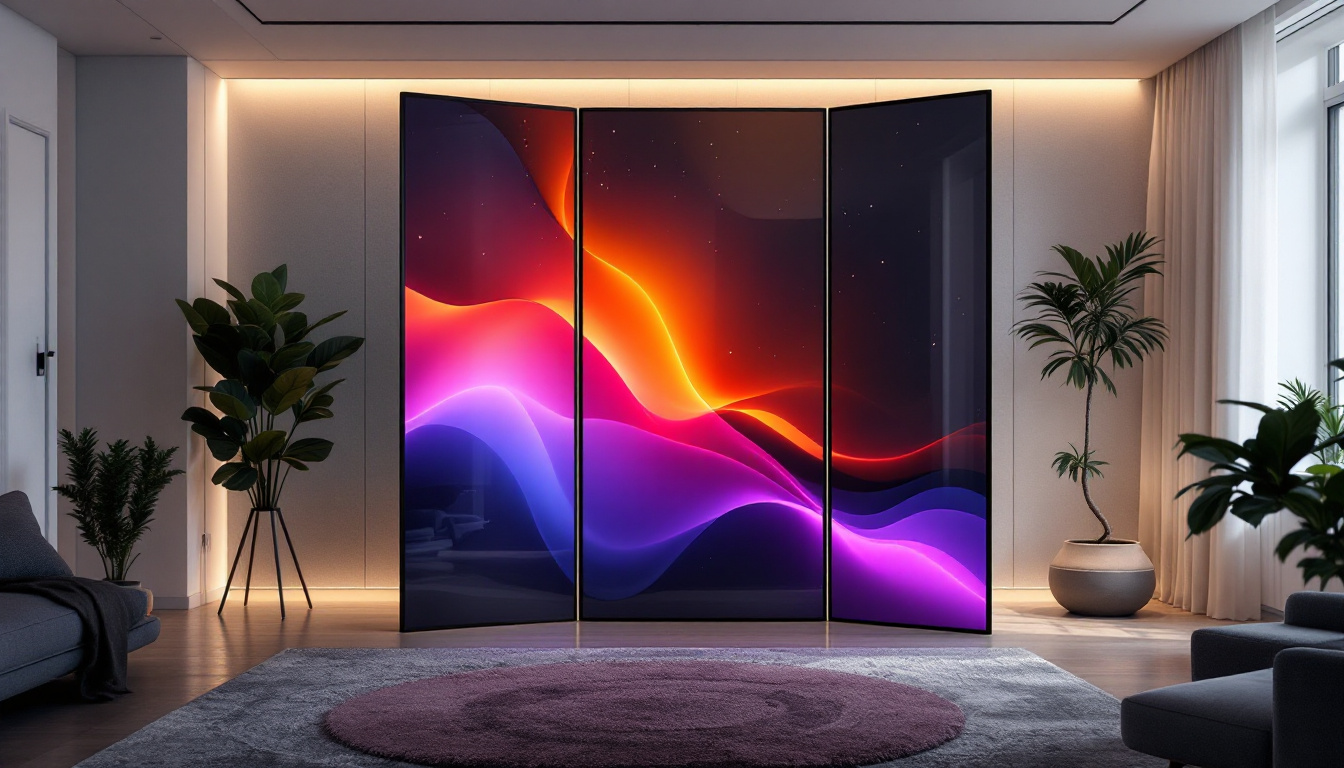
In some designs, the screen is segmented into smaller panels connected by hinges or flexible circuits, enabling folding similar to a book or smartphone. Others employ continuous flexible materials that can be rolled or curved. The challenge lies in maintaining pixel integrity, brightness uniformity, and durability during repeated folding cycles. Engineers are continually working to improve the lifespan of these displays, focusing on materials that can withstand wear and tear while maintaining performance. Additionally, the development of smart algorithms for image processing helps to ensure that the visual output remains consistent, regardless of the screen’s shape or orientation. As these technologies evolve, we can expect to see foldable LED screens becoming a staple in various industries, from consumer electronics to innovative advertising solutions.
Advantages of Foldable LED Screens
Portability and Space Efficiency
One of the most significant benefits of foldable LED screens is their portability. Devices equipped with foldable displays can be compacted into smaller sizes for easy transport and then unfolded to provide larger viewing areas. This is particularly advantageous for mobile devices such as smartphones and tablets, where screen real estate is valuable but device size must remain manageable.
Beyond consumer electronics, foldable LED panels can be transported and installed more easily for events, exhibitions, and advertising. Their lightweight and flexible nature reduce shipping costs and setup time, making them ideal for temporary or mobile installations. The ability to create large, seamless displays by connecting multiple foldable panels also enhances their appeal for businesses looking to make a bold visual statement without the constraints of traditional rigid screens.
Enhanced User Experience
Foldable LED screens offer users a more immersive and adaptable viewing experience. For example, smartphones with foldable displays can switch between compact phone mode and a larger tablet-like screen, improving multitasking and media consumption. In automotive or wearable technology, flexible displays can conform to curved surfaces, creating more ergonomic and visually appealing designs. This adaptability not only enhances functionality but also allows for innovative applications, such as foldable screens in smart home devices that can transform their shape based on user needs.
Moreover, the interactive capabilities of foldable LED screens open new avenues for user engagement. With touch-sensitive surfaces and the potential for gesture controls, these screens can facilitate a more intuitive interaction, whether in gaming, education, or professional settings. The immersive experience is further amplified by high-resolution displays that deliver vibrant colors and sharp images, making every interaction feel dynamic and engaging.
Durability and Energy Efficiency
Modern foldable LED screens are designed to withstand thousands of folding cycles, with some devices rated for over 200,000 folds. The use of micro-LEDs also contributes to energy efficiency, as each diode emits light individually, reducing power consumption compared to traditional backlit displays. This efficiency is crucial for battery-powered devices where longevity is a priority. Additionally, advancements in materials used for foldable screens, such as ultra-thin glass and flexible polymers, have significantly improved their resilience against scratches and impacts, ensuring that users can enjoy their devices without the constant worry of damage.
Furthermore, the energy-efficient nature of these displays not only benefits individual users but also has a positive environmental impact. With reduced energy consumption, foldable LED screens contribute to lower carbon footprints for manufacturers and consumers alike. As the world increasingly shifts towards sustainable technology, the adoption of foldable displays can play a pivotal role in promoting eco-friendly practices within the tech industry, aligning with global efforts to reduce energy waste and promote greener alternatives.
Applications of Foldable LED Screens
Consumer Electronics
Foldable LED technology has made significant inroads into the consumer electronics market, particularly in smartphones and tablets. Leading manufacturers have released foldable phones that feature OLED or micro-LED displays capable of bending without compromising image quality. These devices offer users a blend of portability and larger screen sizes, catering to evolving demands for versatile gadgets.
Wearable devices such as smartwatches and fitness trackers also benefit from foldable displays that can better fit the contours of the wrist, providing larger, more readable screens without increasing bulk.
Advertising and Digital Signage
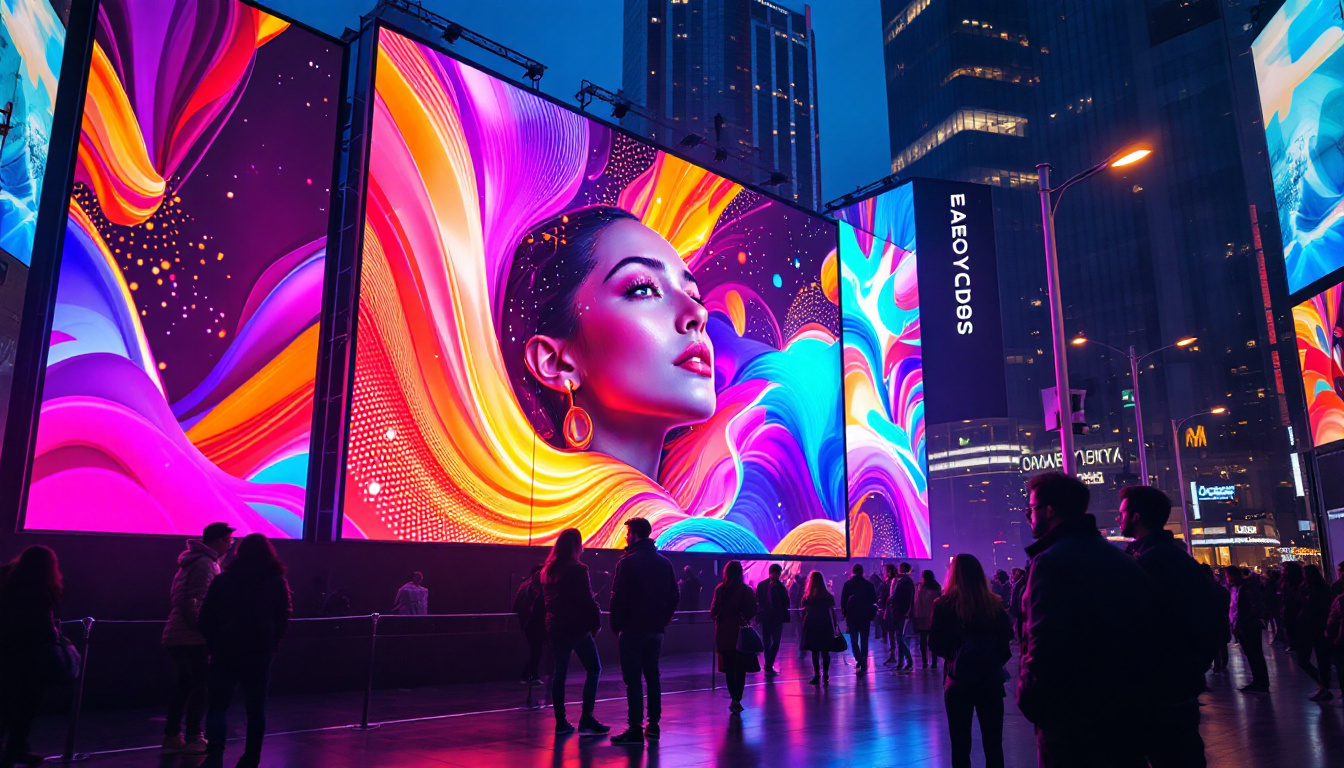
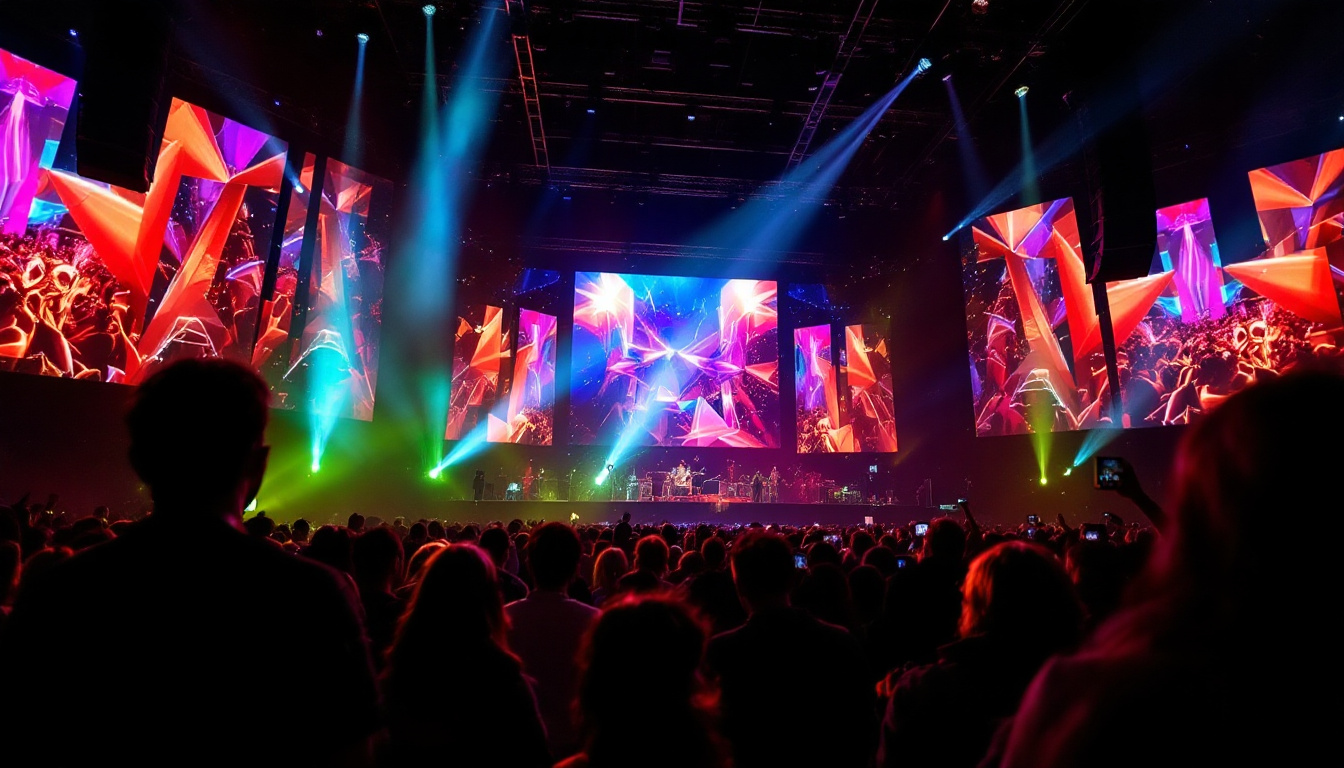
In advertising, foldable LED screens enable dynamic and eye-catching displays that can be installed in unconventional spaces. For instance, curved or folded billboards can wrap around corners or pillars, creating immersive brand experiences. The ability to fold and transport these displays easily also makes them ideal for trade shows, concerts, and sporting events.
Automotive and Transportation
Automakers are exploring foldable LED displays for dashboards and infotainment systems that conform to the interior design of vehicles. Flexible displays can provide panoramic views, customizable interfaces, and enhanced safety features by integrating seamlessly into curved surfaces. Public transportation hubs also use foldable LED panels for dynamic information boards that can be adjusted or relocated as needed.
Medical and Industrial Uses
In medical technology, foldable LED screens offer compact, high-resolution displays for portable diagnostic devices and wearable monitors. Their flexibility allows for better integration with the human body, improving comfort and usability. Industrial applications include foldable control panels and wearable heads-up displays for workers in complex environments.
Challenges and Limitations
Manufacturing Complexity and Cost
Producing foldable LED screens involves sophisticated manufacturing processes that require precision and advanced materials. The integration of flexible circuits, micro-LED arrays, and protective layers drives up production costs compared to traditional rigid displays. As a result, foldable LED devices often come with premium price tags, limiting widespread adoption in some markets.
Durability Concerns
Despite improvements, foldable LED screens face challenges related to mechanical stress and environmental exposure. Repeated folding can cause micro-cracks or delamination over time, potentially leading to dead pixels or display failure. Protective coatings and robust hinge mechanisms help mitigate these issues, but long-term durability remains a focal point for ongoing research.
Image Quality and Brightness Uniformity
Maintaining consistent image quality across a foldable display is technically demanding. Variations in pixel alignment or brightness can occur at folding creases or hinge areas. Manufacturers employ advanced calibration and compensation techniques to address these issues, but subtle imperfections may still be noticeable to discerning users.
The Future of Foldable LED Screens
Emerging Technologies and Innovations
Research into next-generation materials such as graphene and ultra-thin flexible glass promises to enhance the durability and performance of foldable LED screens. Innovations in micro-LED manufacturing, including mass transfer techniques and improved pixel control, are expected to reduce costs and improve scalability.
Additionally, hybrid displays combining micro-LEDs with OLED or quantum dot technologies may offer superior color accuracy, brightness, and flexibility. These advances will likely expand the range of foldable display applications beyond current possibilities.
Market Growth and Adoption Trends
The foldable display market is projected to grow significantly in the coming years. According to industry reports, the global foldable smartphone market alone is expected to reach over $20 billion by 2027, driven by consumer demand for innovative form factors. Commercial and industrial sectors are also anticipated to increase adoption as costs decline and technology matures.
As foldable LED screens become more affordable and reliable, they will likely transform how people interact with digital content, enabling new user experiences and design paradigms across multiple industries.
Conclusion
Foldable LED screens represent a remarkable convergence of cutting-edge display technology and flexible materials science. By enabling high-quality, vibrant images on bendable surfaces, they open up exciting opportunities for consumer electronics, advertising, automotive design, and beyond. While challenges remain in manufacturing, durability, and cost, ongoing innovations are steadily overcoming these hurdles.
For businesses and consumers alike, understanding the capabilities and potential of foldable LED displays is essential as this technology reshapes the digital landscape. Whether it’s a smartphone that unfolds into a tablet or a dynamic advertising panel that wraps around architectural features, foldable LED screens are poised to redefine visual communication in the years ahead.
Discover the Future of Visuals with LumenMatrix
Ready to experience the next level of visual engagement? LumenMatrix is at the forefront of LED display innovation, offering a wide range of solutions that bring your brand to life. From immersive Indoor LED Wall Displays to dynamic Outdoor LED Wall Displays, and from sleek LED Poster Displays to interactive Floor LED Displays, our products are designed to captivate and impress. Embrace the future of digital signage with LumenMatrix and transform your visual communication. Check out LumenMatrix LED Display Solutions today and see how we can help you make a lasting impression.