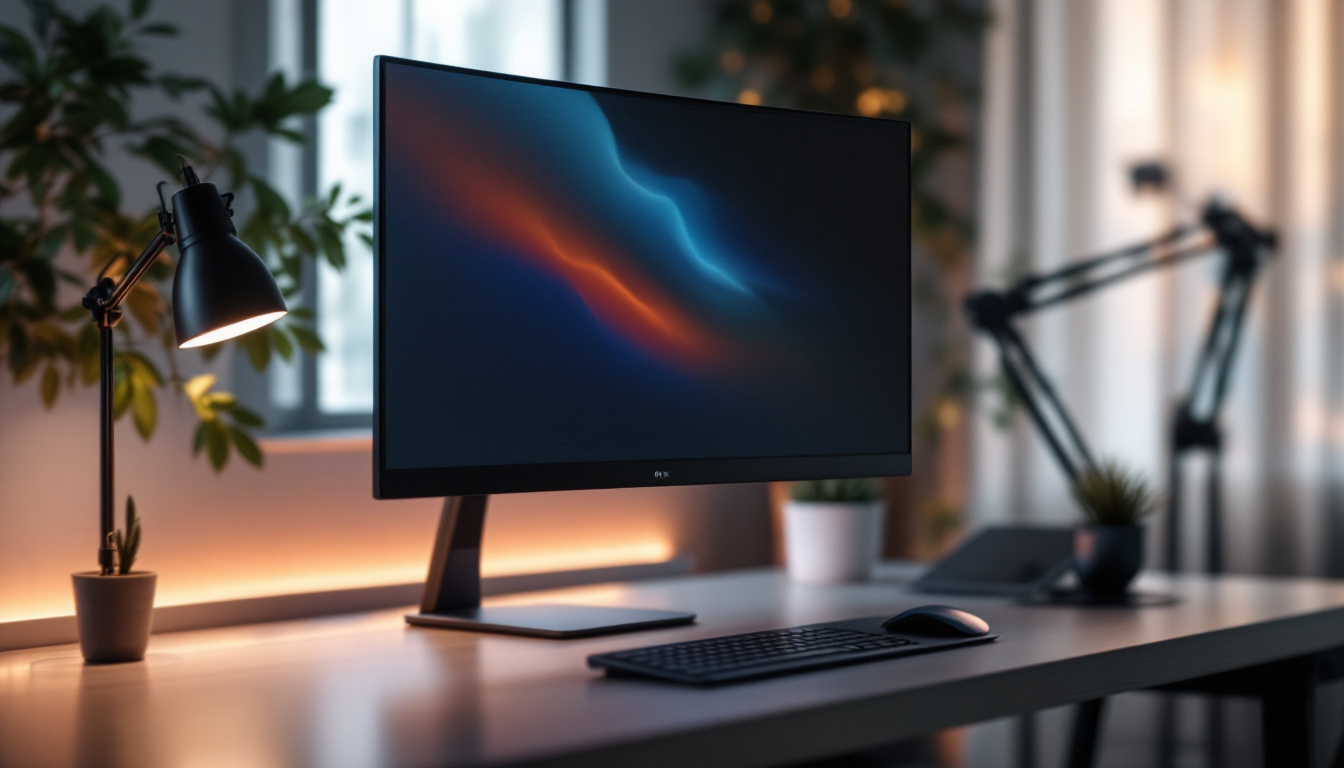
In the rapidly evolving world of television technology, LED TVs have become a household staple, offering vibrant colors, energy efficiency, and sleek designs. Yet, despite their popularity, many consumers remain unclear about what “LED” truly means in the context of TV displays. This article aims to demystify LED displays, explain their technology, and provide insights into why LED TVs have become the preferred choice for millions worldwide.
Understanding LED Technology in TVs
At its core, the term “LED TV” refers to an LCD television that uses Light Emitting Diodes (LEDs) as a backlighting source. Unlike older LCD TVs that relied on cold cathode fluorescent lamps (CCFLs), LED TVs employ LEDs to illuminate the screen, resulting in better picture quality and energy efficiency.
The LED backlighting can be arranged in different ways: edge-lit or full-array. Edge-lit LED TVs place LEDs along the edges of the screen, allowing for thinner panels. Full-array LED TVs position LEDs behind the entire screen, enabling better control over brightness and contrast through local dimming.
The Role of LEDs in Display Quality
LEDs provide a more uniform and brighter backlight compared to CCFLs, which enhances the display’s color accuracy and contrast ratios. This improvement is particularly noticeable in darker scenes where LED TVs can offer deeper blacks and more vivid colors. The ability to dim or brighten specific screen areas individually (local dimming) further elevates the viewing experience.
Moreover, the advancements in LED technology have paved the way for innovations such as Quantum Dot displays and Mini-LEDs. Quantum Dot technology utilizes tiny semiconductor particles that emit specific colors when illuminated by a backlight, resulting in an even wider color gamut and improved brightness. This technology is especially beneficial for viewers who enjoy high dynamic range (HDR) content, as it allows for more lifelike images with enhanced detail in both shadows and highlights. Mini-LEDs, on the other hand, are smaller than traditional LEDs, allowing for a greater number of them to be packed into the same space. This leads to finer control over local dimming zones, further enhancing contrast and reducing blooming effects that can occur around bright objects on a dark background.
As consumers become more discerning about picture quality, manufacturers are continually refining LED technology to meet these demands. Features such as ultra-thin bezels, higher refresh rates, and advanced image processing capabilities are becoming standard in modern LED TVs. These enhancements not only improve the overall viewing experience but also make LED TVs more versatile for various content types, from fast-paced sports to cinematic films. Additionally, smart TV functionalities integrated into LED televisions allow users to stream content directly from popular platforms, making them a central hub for entertainment in the home.
Types of LED TVs: Edge-Lit vs. Full-Array
When shopping for an LED TV, understanding the difference between edge-lit and full-array LED backlighting is crucial. Each type has its advantages and limitations that impact picture quality and price.
Edge-Lit LED TVs
Edge-lit LED TVs position LEDs along the perimeter of the screen. Light is then diffused across the display using light guides. This design allows manufacturers to create ultra-thin and lightweight TVs, which appeal to consumers prioritizing aesthetics and space-saving.
However, edge-lit models often struggle with uniform brightness and contrast, especially in scenes with high dynamic range. The light bleed from the edges can cause a halo effect around bright objects on dark backgrounds.
Full-Array LED TVs
Full-array LED TVs distribute LEDs evenly behind the entire screen. This setup supports local dimming zones, where specific areas of the screen can be dimmed or brightened independently. As a result, full-array TVs typically deliver superior contrast, deeper blacks, and more precise lighting control.
While full-array models tend to be thicker and more expensive than edge-lit TVs, many enthusiasts and professionals prefer them for their enhanced picture quality.
LED TV vs. OLED TV: What’s the Difference?
In the landscape of modern television technology, OLED (Organic Light Emitting Diode) TVs often come up as an alternative to LED TVs. Understanding the differences between these technologies helps consumers make informed decisions based on their viewing preferences and budget.
How OLED Works
Unlike LED TVs, which use LEDs solely for backlighting an LCD panel, OLED TVs feature pixels that emit their own light. Each pixel in an OLED display is made of organic compounds that glow when electricity passes through them. This self-emissive property allows OLEDs to achieve perfect black levels by turning off individual pixels completely.
Comparing Picture Quality
OLED TVs excel in contrast ratio, color accuracy, and viewing angles. Because each pixel can be individually controlled, OLEDs can display true blacks and vibrant colors without the halo effects sometimes seen on LED TVs. However, OLEDs are generally more expensive and can suffer from burn-in if static images are displayed for extended periods.
LED TVs, particularly full-array models, offer excellent brightness levels and are less susceptible to burn-in, making them ideal for brightly lit rooms and varied content consumption.
Energy Efficiency and Environmental Impact
One of the significant advantages of LED TVs over older technologies is their energy efficiency. LEDs consume less power than CCFL backlights and older plasma displays, which translates to lower electricity bills and reduced environmental impact.
Energy Consumption Statistics
According to the U.S. Department of Energy, modern LED TVs use approximately 30-50% less energy than comparable plasma or CCFL-backlit LCD TVs. For example, a typical 55-inch LED TV consumes around 70-100 watts during operation, whereas older plasma models could consume upwards of 200 watts.
This reduction in power consumption not only benefits consumers financially but also contributes to lowering greenhouse gas emissions associated with electricity production.
Recycling and Sustainability
While LED TVs are more environmentally friendly in use, disposal and recycling remain important considerations. Components such as circuit boards, plastics, and glass must be properly recycled to minimize environmental harm. Many manufacturers now participate in take-back programs to encourage responsible recycling of old TVs.
Common Misconceptions About LED TVs
Despite widespread adoption, some misconceptions about LED TVs persist, potentially confusing consumers during the purchasing process.
LED TVs Are Not True LED Displays
One common misunderstanding is that LED TVs are made entirely of LED pixels. In reality, the display panel is an LCD (liquid crystal display), and LEDs serve only as the backlight source. True LED displays, such as those used in large outdoor screens, consist of individual LEDs forming the image directly.
LED TVs Are Not Always Better Than LCDs
Since LED TVs are essentially LCD TVs with LED backlighting, the term “LED TV” can be misleading. The quality of the LCD panel itself—such as resolution, refresh rate, and color gamut—is equally important. A high-end LCD TV with CCFL backlighting might outperform a low-end LED TV in some aspects.
Not All LED TVs Support HDR Equally
High Dynamic Range (HDR) is a feature that enhances contrast and color range. While many LED TVs support HDR, the effectiveness depends on peak brightness and local dimming capabilities. Edge-lit LED TVs with limited local dimming zones may not deliver the full HDR experience compared to full-array models.
Choosing the Right LED TV for Your Needs
Selecting the perfect LED TV involves balancing picture quality, budget, room conditions, and intended use. Here are key factors to consider:
Screen Size and Resolution
Screen size should correspond to the viewing distance. For example, a 55-inch 4K TV is ideal for viewing from 6 to 9 feet away. Higher resolutions like 4K provide sharper images, especially on larger screens, and are becoming the standard in new models.
Backlighting Type and Local Dimming
Full-array LED TVs with local dimming zones generally offer better contrast and HDR performance. If budget allows, opting for full-array over edge-lit models enhances viewing quality, particularly in dark environments.
Smart Features and Connectivity
Modern LED TVs often come with built-in smart platforms, supporting popular streaming services and voice assistants. Ensuring your TV has the necessary ports (HDMI 2.1, USB, Ethernet) and wireless capabilities (Wi-Fi, Bluetooth) is essential for a seamless entertainment experience.
Budget Considerations
LED TVs span a wide price range. While premium models deliver cutting-edge features and superior picture quality, mid-range TVs still provide excellent value for everyday viewing. It’s important to prioritize features that align with your viewing habits and environment.
The Future of LED TV Technology
LED TV technology continues to evolve, with manufacturers pushing the boundaries of picture quality, design, and energy efficiency.
Mini-LED and Micro-LED Innovations
Mini-LED technology uses thousands of tiny LEDs as backlights, allowing for more precise local dimming and improved contrast. This advancement narrows the gap between traditional LED and OLED TVs in terms of black levels and HDR performance.
Micro-LED represents a more revolutionary approach, with self-emissive pixels similar to OLED but using inorganic LEDs. Micro-LED displays promise higher brightness, longer lifespan, and no burn-in risk, although they remain costly and primarily targeted at premium markets.
Integration with Smart Home Ecosystems
As smart homes become more prevalent, LED TVs are increasingly integrated with voice assistants, IoT devices, and home automation systems. This connectivity enhances user convenience and enables new interactive entertainment experiences.
Conclusion
LED TVs are a cornerstone of modern home entertainment, combining advanced backlighting technology with LCD panels to deliver bright, energy-efficient, and visually stunning displays. Understanding the nuances of LED backlighting, differences between edge-lit and full-array models, and how LED compares to OLED empowers consumers to make informed purchasing decisions.
With ongoing innovations like Mini-LED and Micro-LED, the future of LED TV technology promises even greater enhancements in picture quality and user experience. Whether upgrading an existing setup or purchasing a new television, knowing the fundamentals of LED display technology ensures viewers get the best value and enjoyment from their investment.
Discover the Future of Visual Experience with LumenMatrix
Ready to elevate your viewing experience with the latest in LED display technology? Look no further than LumenMatrix, a pioneer in crafting immersive visual solutions. From the comfort of your home to the excitement of outdoor events, LumenMatrix offers a diverse range of LED display modules, including Indoor and Outdoor LED Wall Displays, Vehicle LED Displays, and innovative LED Sports and Floor Displays. Embrace the future of digital signage with our Custom, All-in-One, and Transparent LED Displays, designed to captivate and engage. Check out LumenMatrix LED Display Solutions today and transform how you share your message with the world.