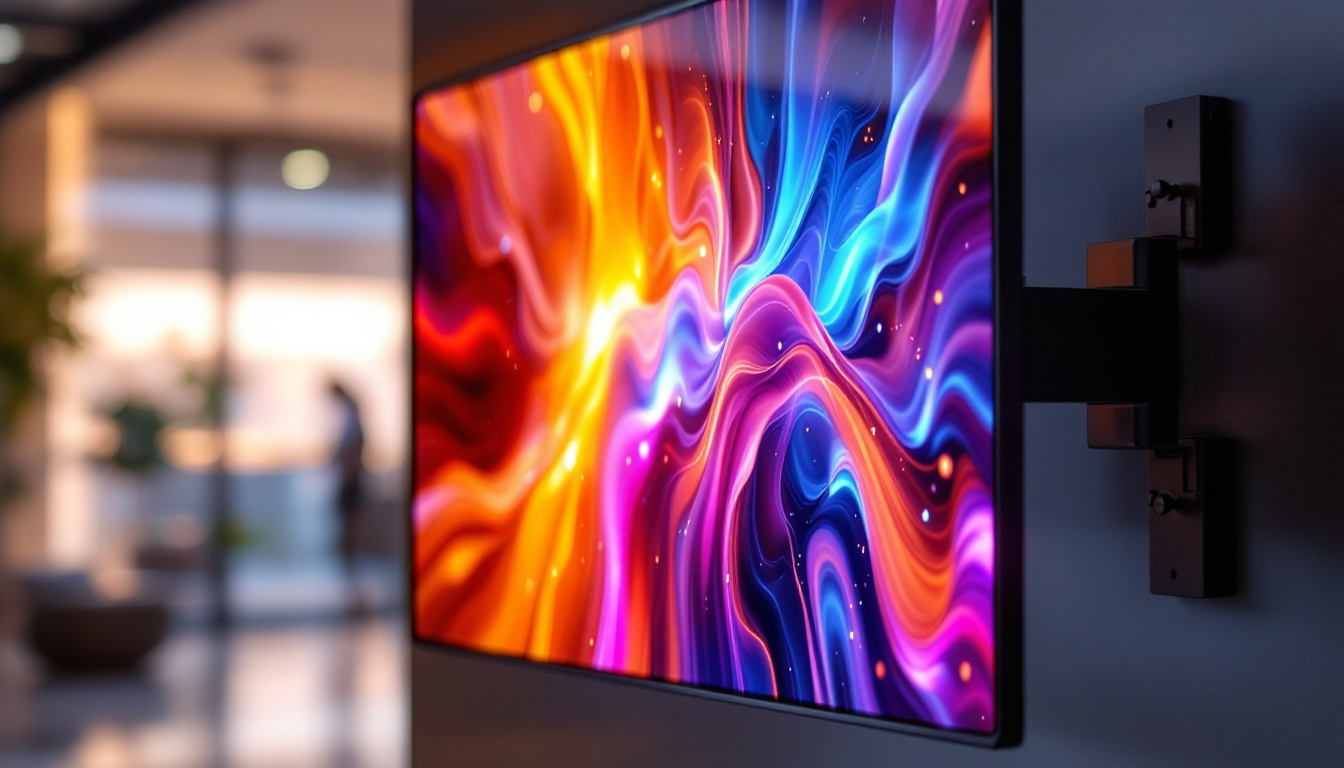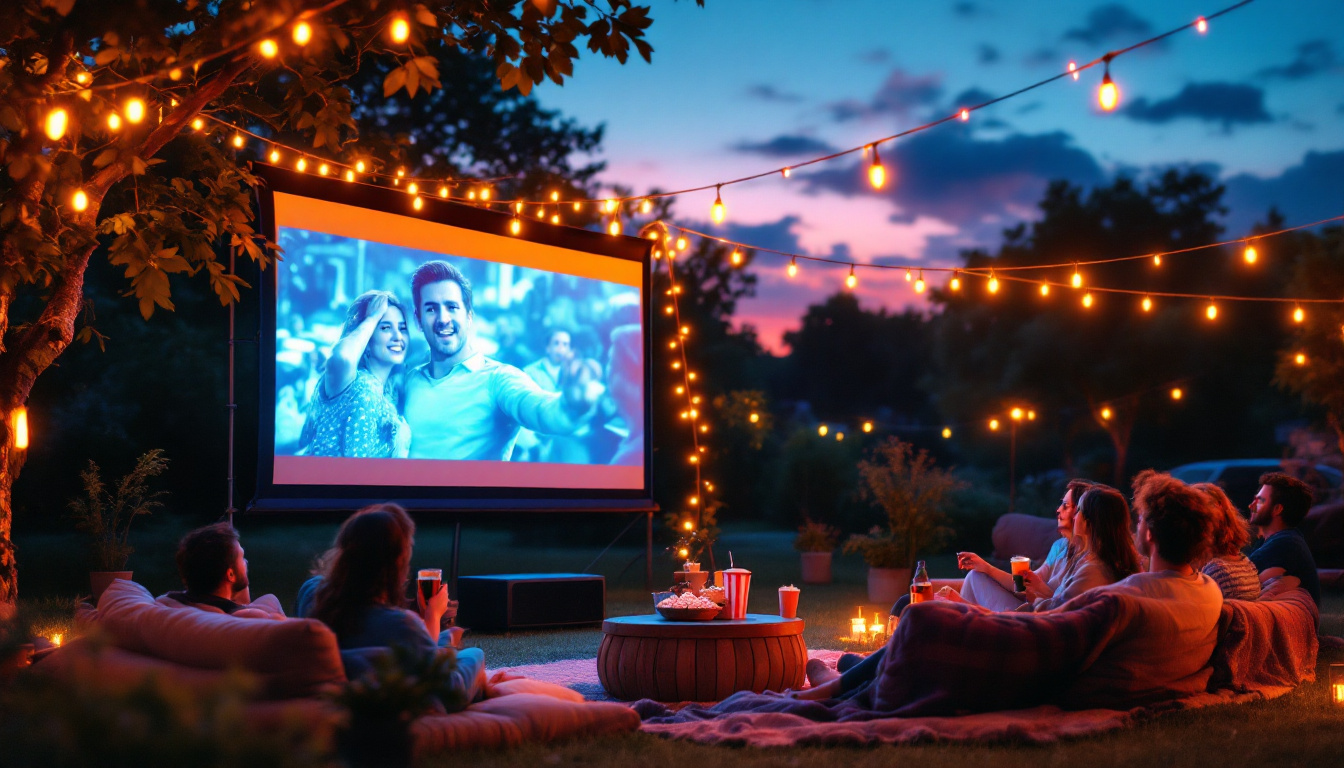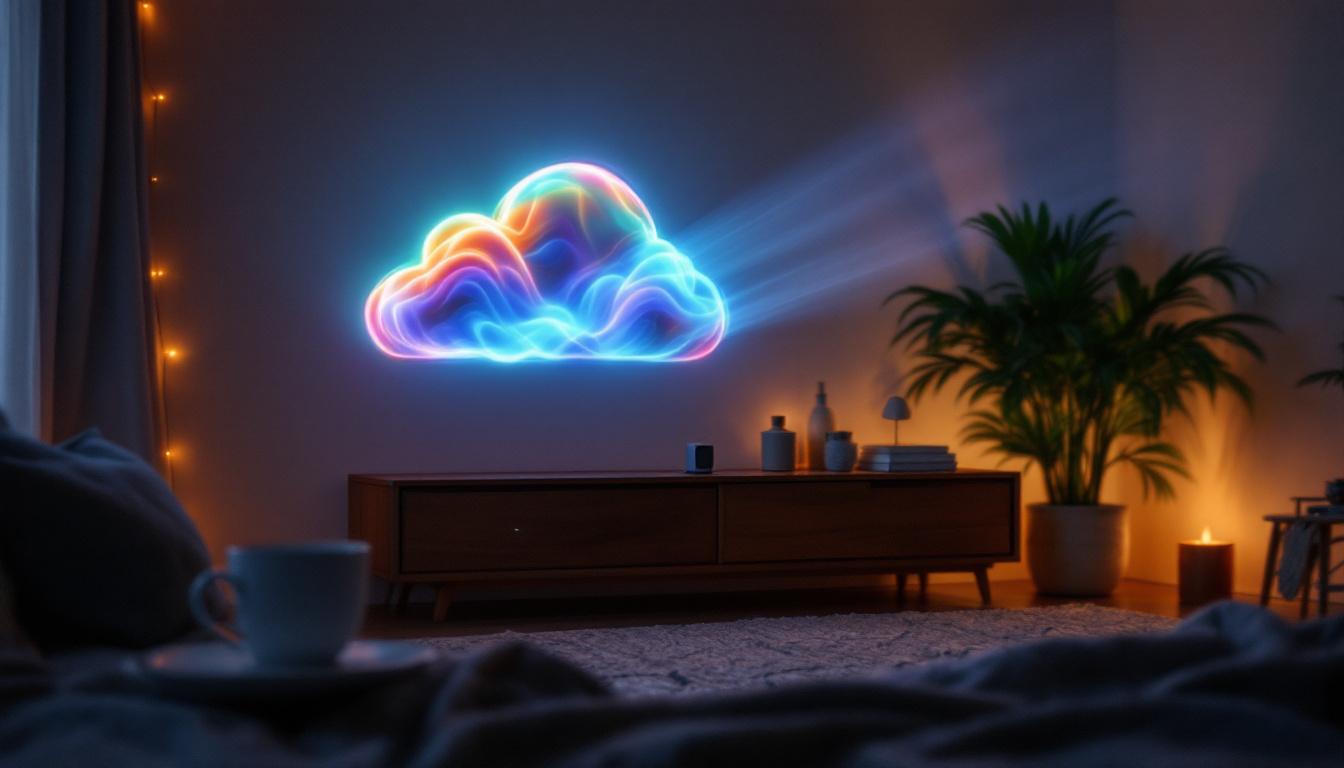
In an era where digital displays dominate advertising, entertainment, and event production, the emergence of cloud projectors combined with LED display technology is revolutionizing how visuals are presented. This article explores the concept of cloud projectors, their integration with LED displays, and the implications for industries ranging from retail to live events. Understanding this technology is essential for businesses and professionals aiming to leverage cutting-edge visual solutions for maximum impact.
What Is a Cloud Projector?
The term “cloud projector” might initially evoke images of projecting visuals into the sky or onto clouds, but in the context of modern display technology, it refers to a system that harnesses cloud computing to manage and deliver projection content. Essentially, a cloud projector is a projector system whose content and controls are managed remotely via cloud-based platforms.
This approach enables users to upload, schedule, and modify content from anywhere with internet access, offering unprecedented flexibility and scalability. Unlike traditional projectors that require physical media or local connections, cloud projectors integrate with cloud storage and software, streamlining content management and reducing the need for on-site technical support.
How Cloud Projectors Work
Cloud projectors operate by connecting to the internet and syncing with cloud servers where the content is stored. Users can log into a web interface or app to upload new visuals, adjust playback schedules, or monitor device status. The projector then streams or downloads the content for display. This system supports real-time updates, multi-location synchronization, and automated content rotation, which are particularly valuable for businesses with multiple venues or dynamic advertising needs.
In addition to these functionalities, cloud projectors often come equipped with advanced analytics tools that allow users to track viewer engagement and content performance. This data can be invaluable for businesses looking to optimize their marketing strategies or improve audience interaction. For instance, a retail store might analyze which promotional video led to the highest foot traffic, allowing them to refine their advertising approach based on real-time insights.
Moreover, cloud projectors are increasingly being integrated with other smart technologies, such as IoT devices and AI-driven content creation tools. This integration can facilitate automated content updates based on environmental factors or audience demographics, ensuring that the displayed material is always relevant and engaging. As a result, cloud projectors are not only enhancing the way content is delivered but are also paving the way for more interactive and personalized viewing experiences.
The Role of LED Displays in Modern Projection
While cloud projectors focus on content delivery and management, LED displays represent the physical medium on which visuals are rendered. LED (Light Emitting Diode) technology has become the gold standard for digital displays due to its brightness, energy efficiency, and versatility.
Traditional projectors rely on projecting light onto a surface, which can be affected by ambient light and surface quality. In contrast, LED displays are composed of millions of tiny light-emitting diodes that produce vivid images with high contrast and color accuracy, regardless of environmental conditions. This inherent quality allows LED displays to maintain their visual integrity in diverse settings, from bustling city streets to dimly lit conference rooms, making them a preferred choice for a wide range of applications.
Advantages of LED Displays
LED displays offer several key benefits that make them ideal for integration with cloud projector systems:
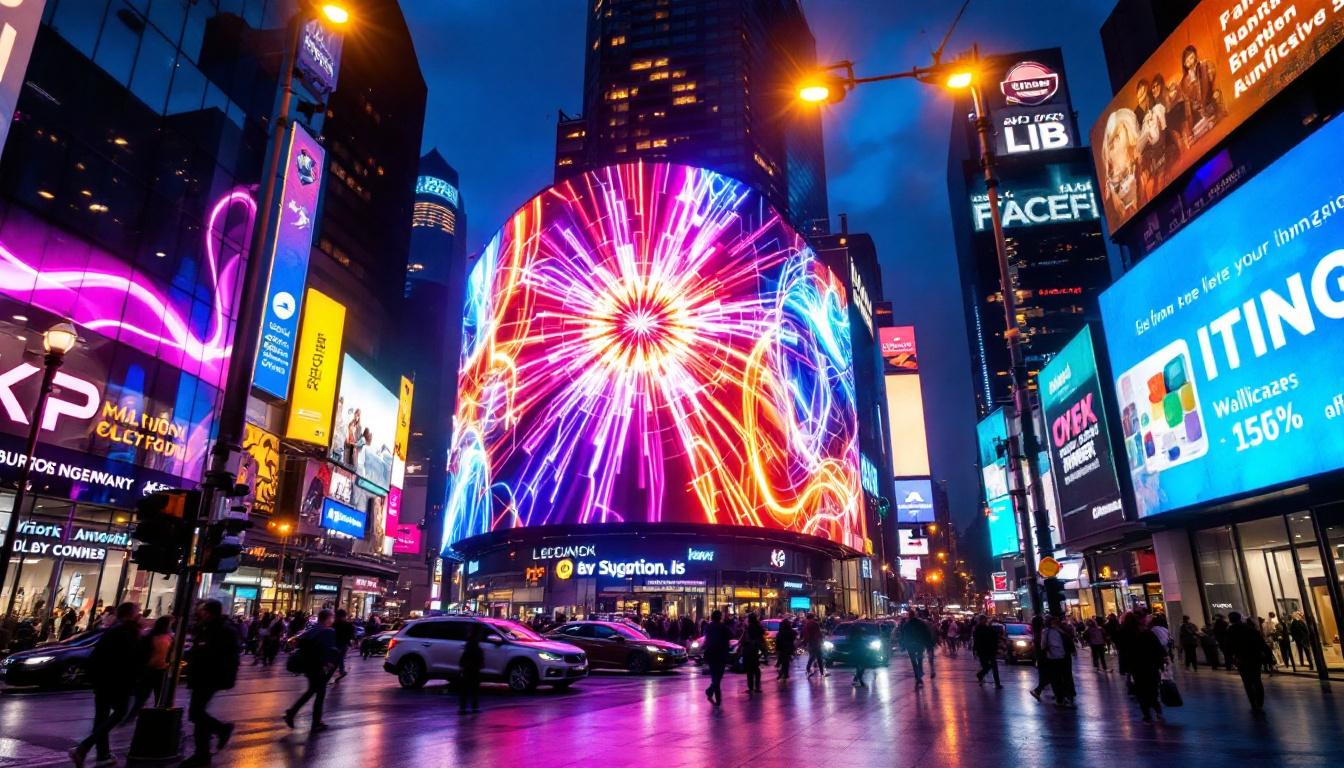
- Brightness and Visibility: LED screens can reach brightness levels of over 5,000 nits, making them visible even in direct sunlight. This is crucial for outdoor advertising and events.
- Durability and Longevity: LEDs have a lifespan of up to 100,000 hours, significantly reducing maintenance and replacement costs compared to traditional projectors or LCD screens.
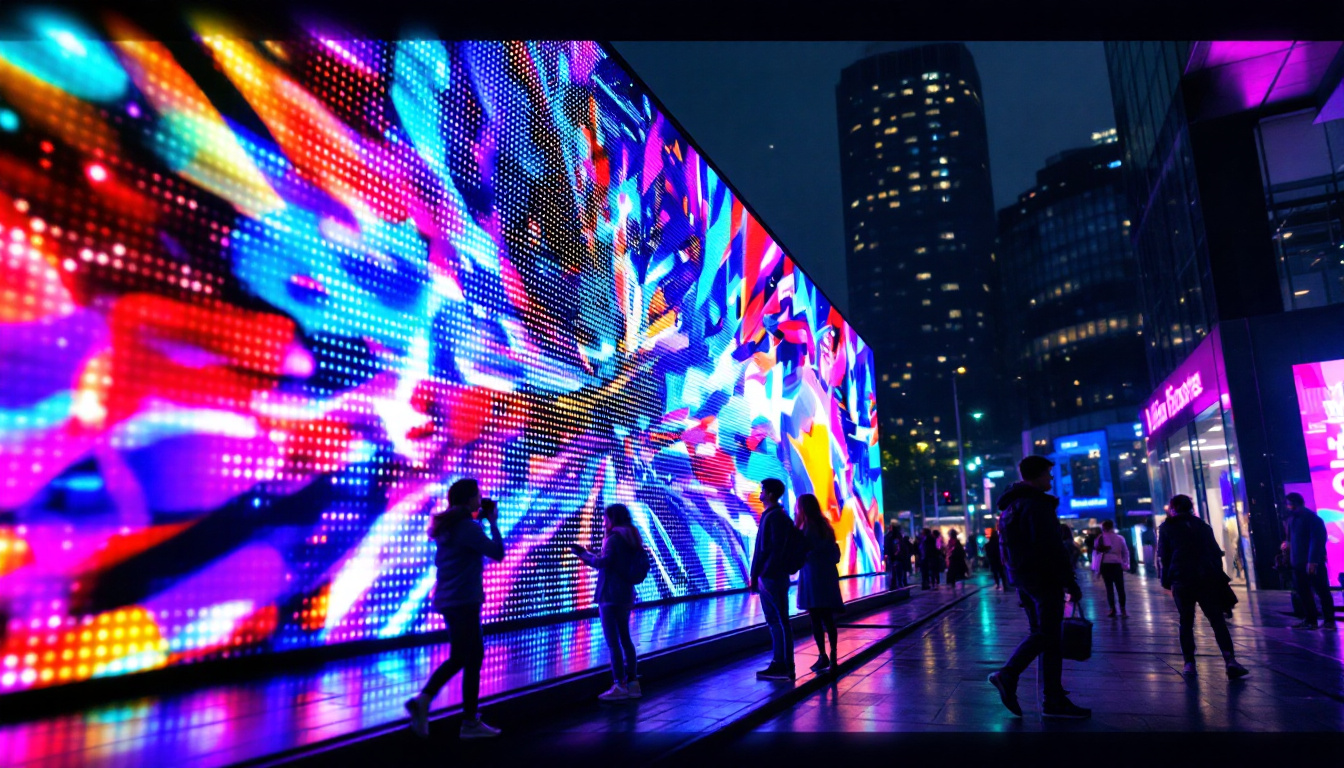
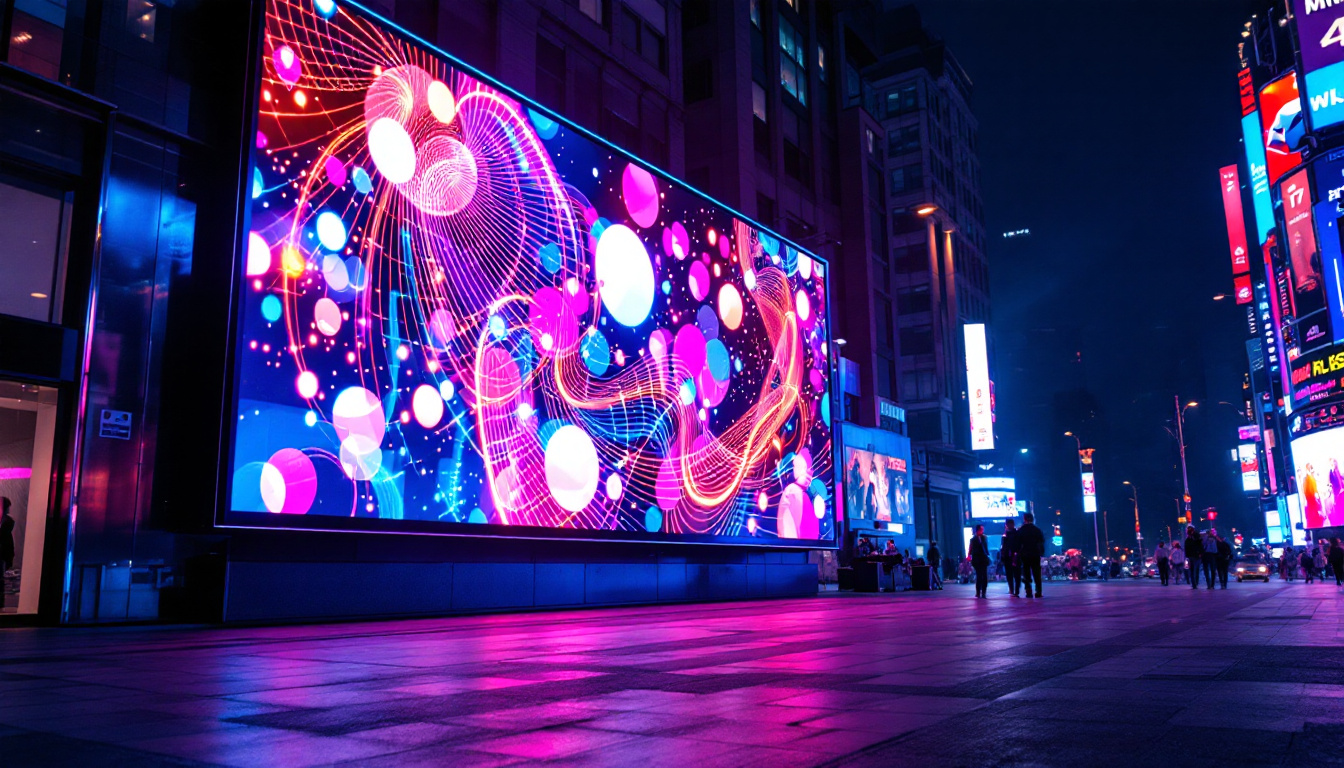
- Flexibility in Size and Shape: LED panels can be assembled into various configurations, from small indoor displays to massive outdoor billboards, enabling creative and immersive visual experiences.
- Energy Efficiency: LEDs consume less power than conventional lighting or projection systems, aligning with sustainability goals and reducing operational expenses.
Moreover, the rapid advancements in LED technology have led to the development of features such as high dynamic range (HDR) and enhanced color gamut, which further elevate the viewing experience. These innovations allow for more lifelike images that capture the nuances of color and detail, making LED displays particularly appealing for industries such as entertainment, education, and retail. In addition, the integration of smart technology with LED displays enables real-time content updates and interactivity, allowing businesses to engage their audience in innovative ways. This capability is transforming how brands communicate their messages, as they can now tailor content dynamically based on viewer demographics or even environmental factors.
Another significant advantage of LED displays is their ability to seamlessly integrate with other technologies, such as augmented reality (AR) and virtual reality (VR). This compatibility opens up new avenues for immersive experiences that can captivate audiences in ways that traditional projection methods simply cannot. For example, in a museum setting, an LED display can enhance a virtual tour by providing vivid backdrops and interactive elements that draw visitors deeper into the narrative. As industries continue to explore the possibilities of LED technology, it is clear that these displays are not just a trend but a fundamental shift in how we visualize and interact with information.
Integrating Cloud Projectors with LED Displays
The fusion of cloud projector technology with LED displays creates a powerful ecosystem for digital signage and visual communication. This integration allows content to be centrally managed and seamlessly displayed on high-quality LED screens, delivering dynamic and engaging visuals to audiences.
Use Cases and Applications
Several industries benefit from this combination:
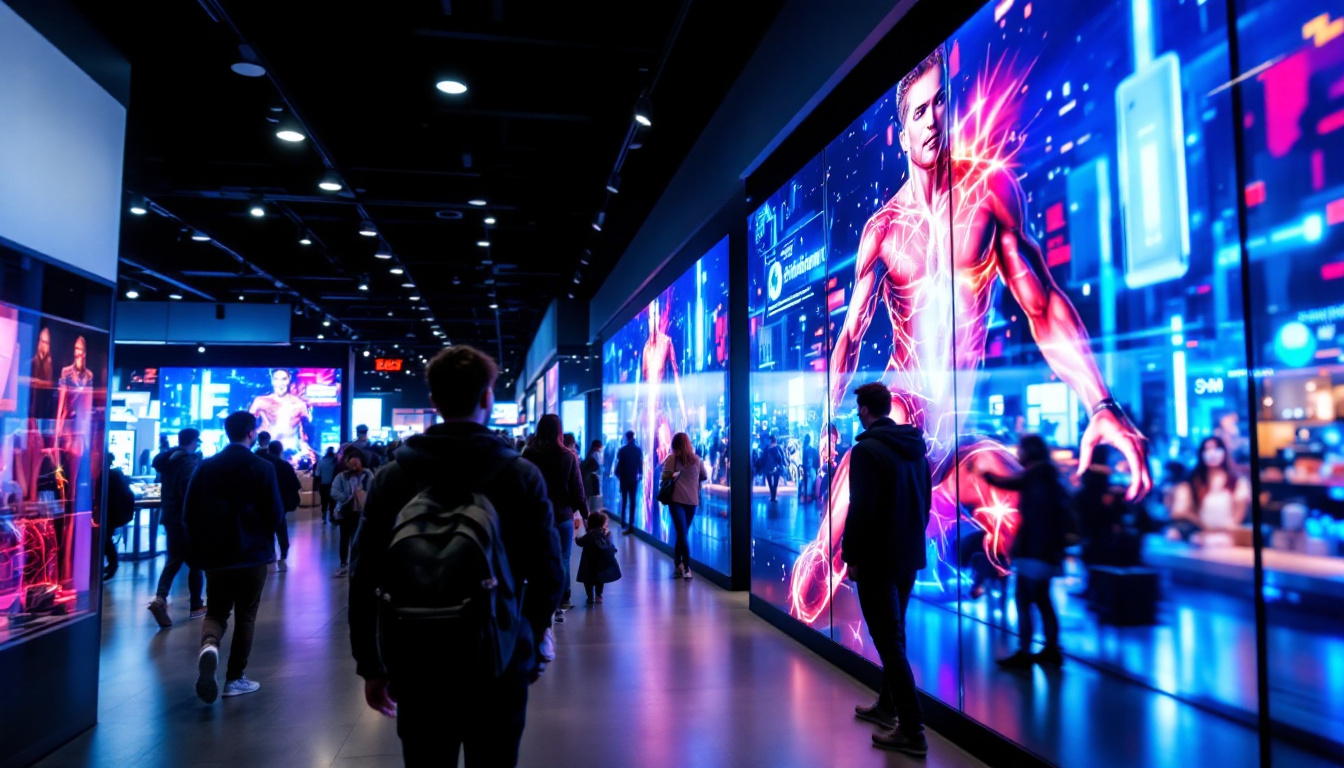
- Retail: Retailers use cloud-managed LED displays to showcase promotions, product launches, and interactive content. Real-time updates enable timely marketing campaigns tailored to customer behavior and seasonal trends.
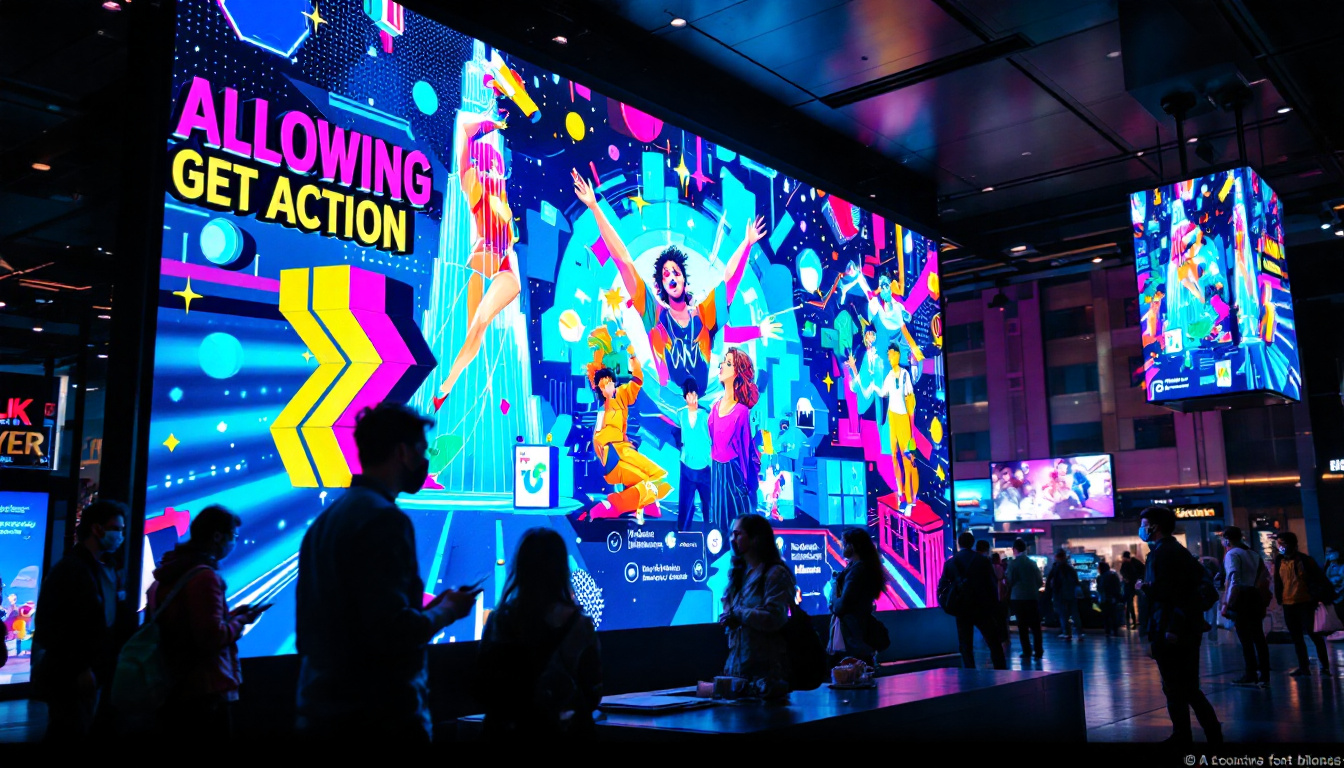
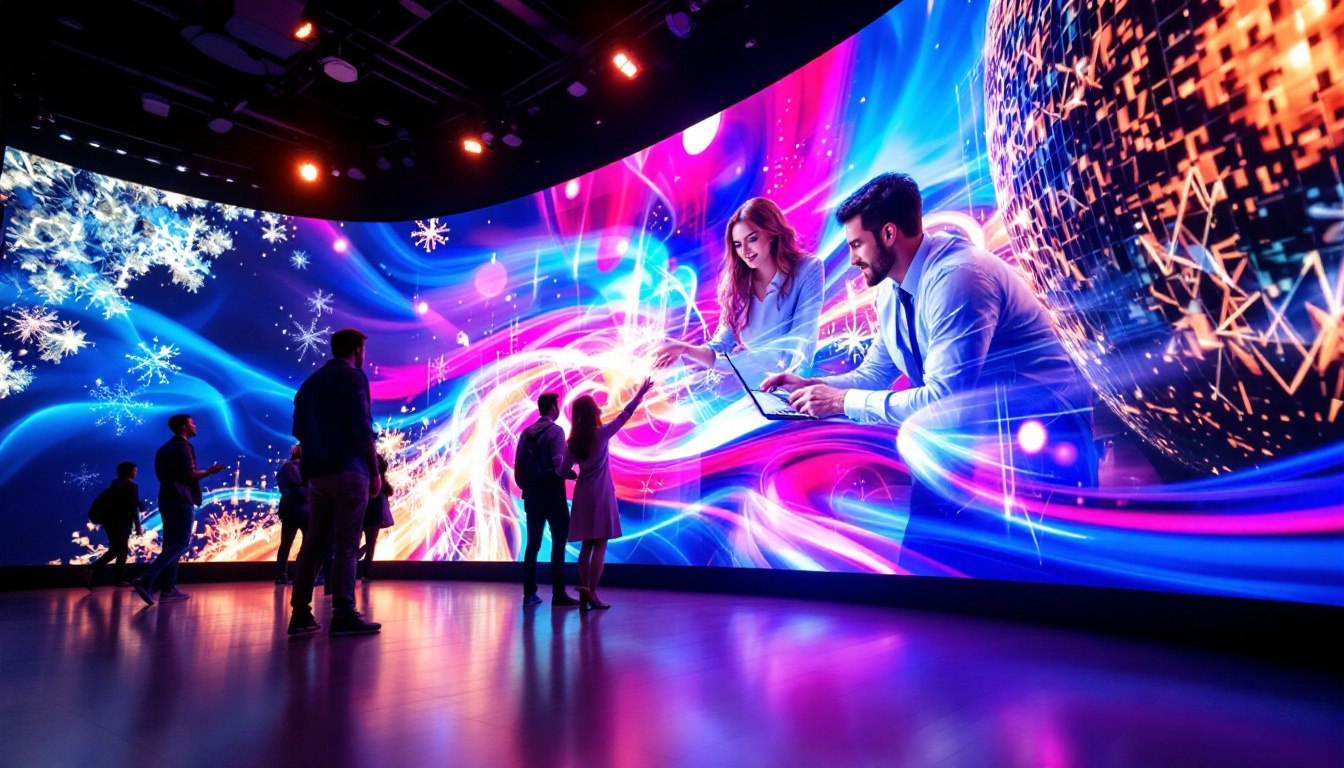
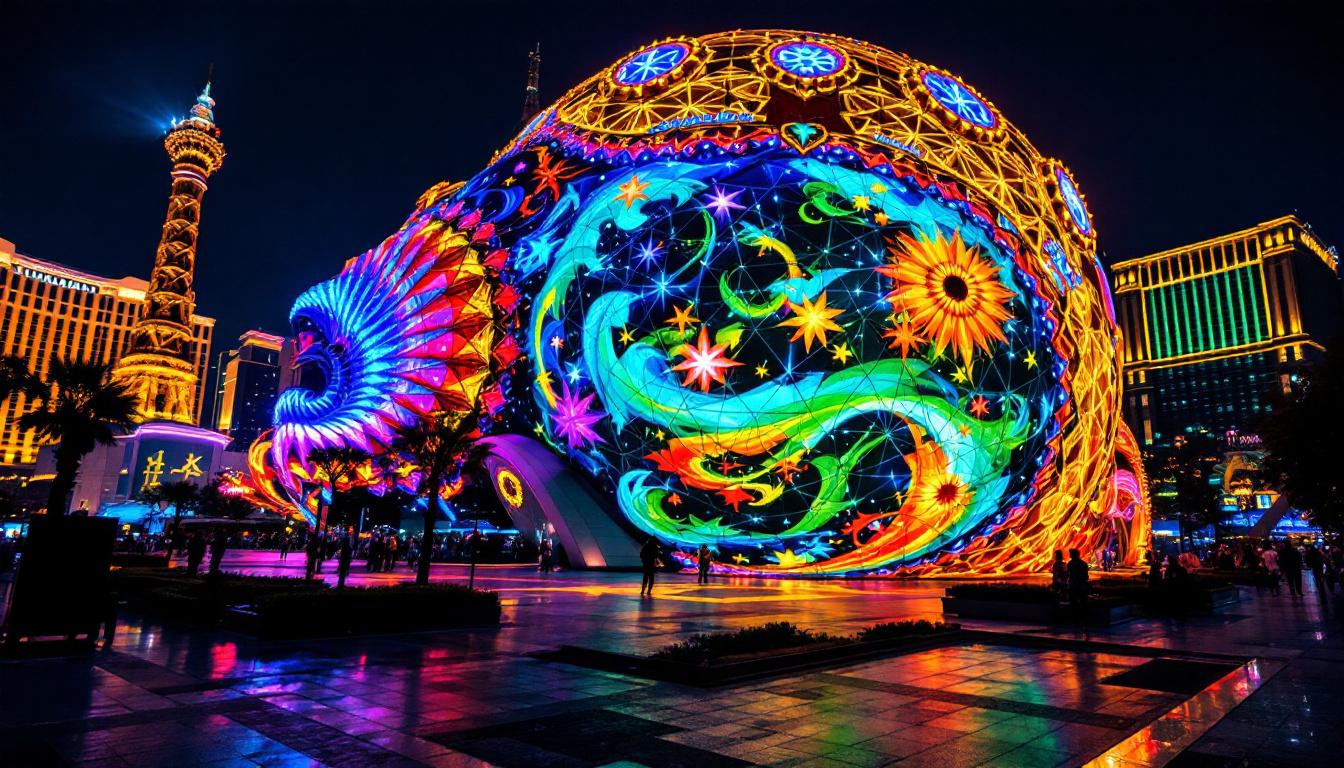
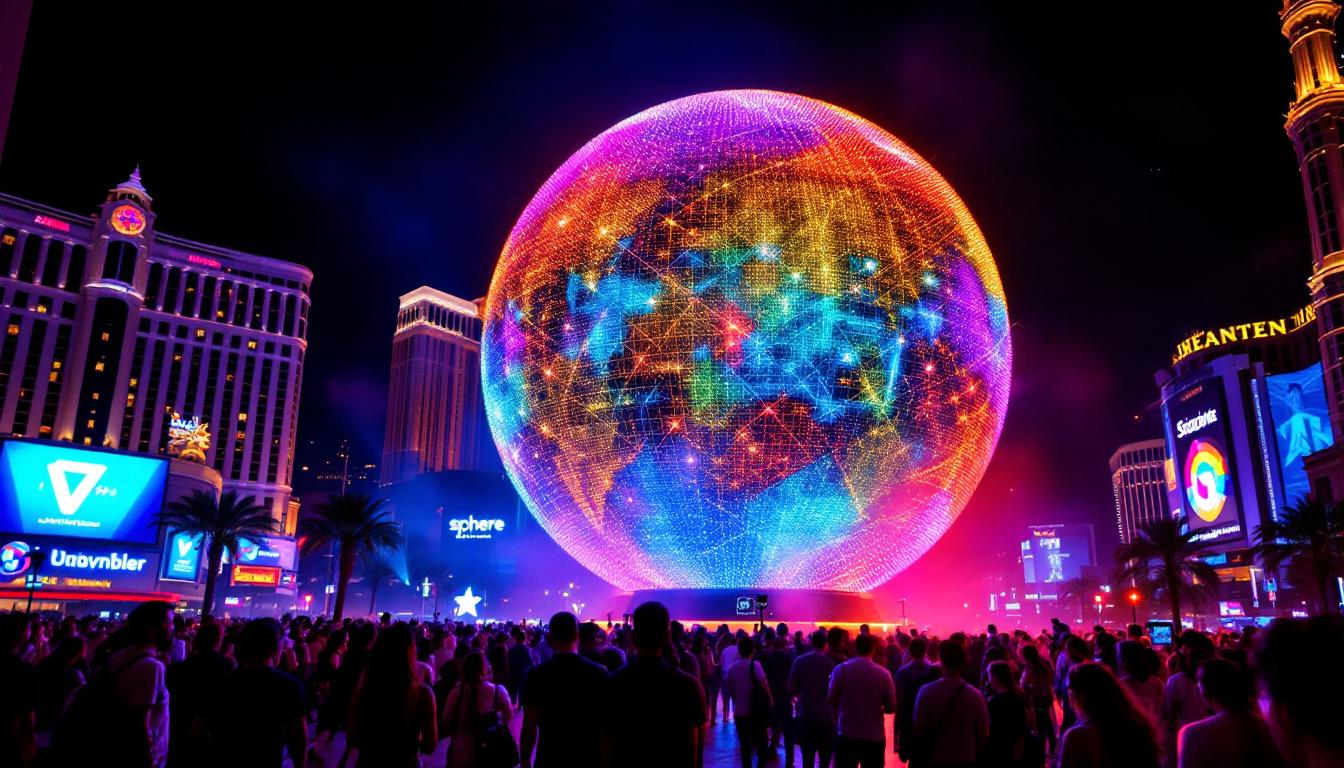
- Events and Entertainment: Concerts, festivals, and conferences deploy large LED walls controlled via cloud platforms to synchronize visuals, live feeds, and interactive elements, enhancing audience engagement.
- Transportation Hubs: Airports, train stations, and bus terminals utilize cloud-controlled LED displays for real-time information, advertising, and emergency notifications, improving passenger experience.
- Corporate Environments: Offices and campuses implement LED displays for internal communications, digital wayfinding, and branding, with cloud systems enabling centralized management across multiple locations.
Technical Considerations
Integrating cloud projectors with LED displays requires attention to several technical factors:
- Connectivity: Reliable internet connections are essential for seamless cloud communication and content streaming. Redundancies and failover mechanisms help prevent downtime.
- Content Management Systems (CMS): Robust CMS platforms facilitate scheduling, content versioning, and multi-screen synchronization. Many CMS solutions offer analytics to measure viewer engagement and optimize content strategy.
- Resolution and Pixel Pitch: Choosing the right LED panel resolution and pixel pitch ensures image clarity at intended viewing distances. High-resolution displays are critical for close-up viewing, while larger pixel pitches suffice for distant audiences.
- Security: Cloud projector systems must implement strong cybersecurity measures to protect content and prevent unauthorized access or tampering.
Benefits of Cloud-Based LED Display Systems
Combining cloud projectors with LED displays brings several strategic advantages that extend beyond technical performance.
Scalability and Flexibility
Cloud-based management allows organizations to scale their display networks effortlessly. New screens can be added and configured remotely without the need for on-site technicians. Content can be tailored to specific locations, times, or audience segments, enabling personalized messaging.
Cost Efficiency
By centralizing control and automating content delivery, businesses reduce operational costs associated with manual updates, travel for maintenance, and hardware dependencies. LED displays’ energy efficiency further contributes to lower long-term expenses.
Enhanced Customer Engagement
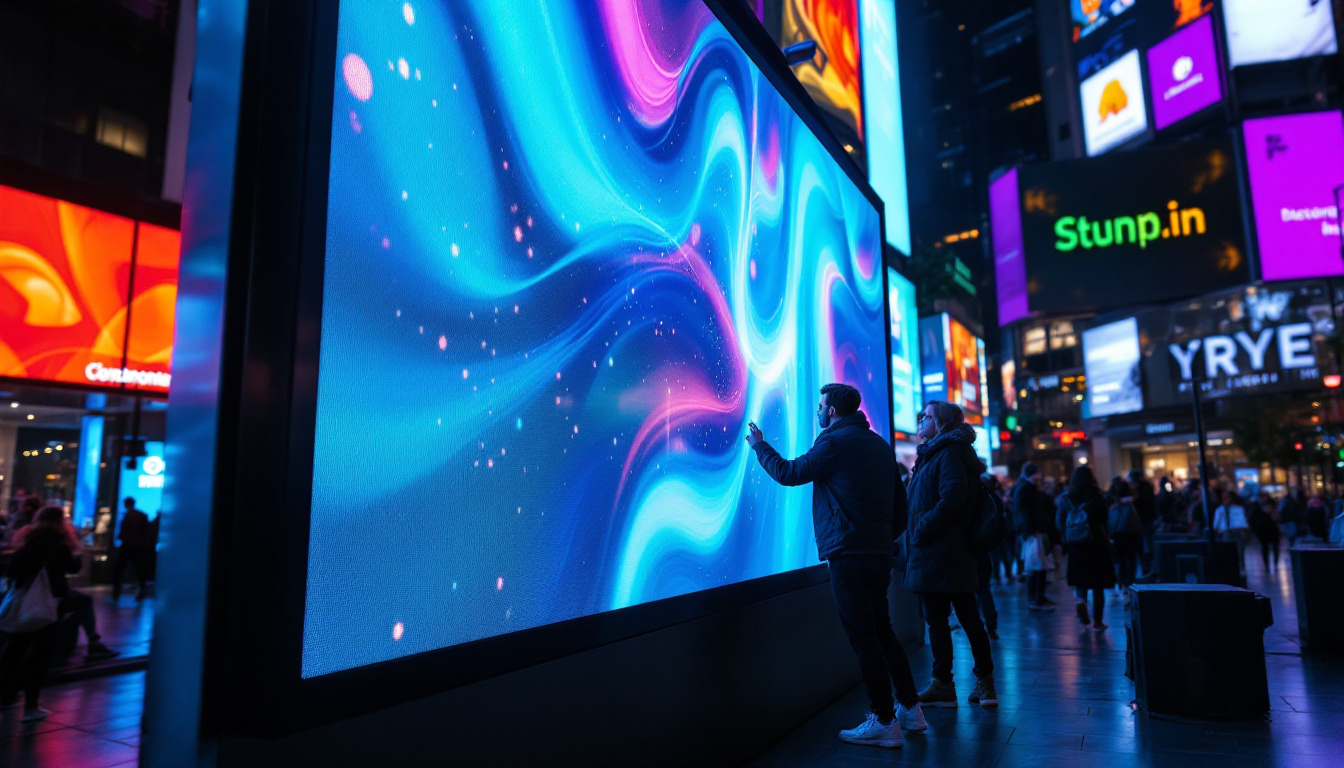
Dynamic content powered by cloud projectors and LED displays captures attention more effectively than static signage. Interactive capabilities, such as touchscreens or integration with mobile devices, create immersive experiences that drive customer interaction and brand loyalty.
Data-Driven Insights
Many cloud platforms provide analytics on content performance, viewer demographics, and engagement metrics. This data empowers marketers and operators to refine their strategies, optimize content schedules, and maximize return on investment.
Challenges and Future Trends
Despite the numerous benefits, deploying cloud projector and LED display systems also presents challenges that organizations must address.
Infrastructure Requirements
High-quality LED displays and cloud projectors require robust infrastructure, including stable internet connections, power supply, and environmental protection for outdoor installations. Initial setup costs can be significant, although they are often offset by long-term gains.
Content Creation and Management
Producing engaging and relevant content demands creative resources and strategic planning. Automated content generation and AI-driven personalization are emerging trends that may alleviate some of these challenges in the future.
Technological Advances to Watch
Several innovations are shaping the future of cloud projector and LED display technology:
- MicroLED Displays: Offering even higher brightness and energy efficiency, microLED technology promises thinner, more flexible screens with exceptional image quality.
- 5G Connectivity: The rollout of 5G networks enhances cloud projector systems by enabling faster, more reliable data transmission, especially for mobile and outdoor applications.
- Augmented Reality Integration: Combining LED displays with AR technologies could create hybrid experiences where physical and digital elements blend seamlessly.
- AI-Powered Content Management: Artificial intelligence will increasingly automate content scheduling, optimization, and audience targeting, making cloud projector systems smarter and more responsive.
Conclusion
The convergence of cloud projectors and LED display technology is transforming the landscape of digital visual communication. By leveraging cloud-based content management and the superior performance of LED screens, businesses and event organizers can deliver vibrant, flexible, and impactful visual experiences.
As technology continues to evolve, staying informed about the latest developments and best practices will be crucial for organizations seeking to maintain a competitive edge. Investing in cloud projector and LED display solutions today offers a pathway to more dynamic, efficient, and engaging digital environments tomorrow.
Discover LumenMatrix’s Innovative LED Solutions
Ready to elevate your visual communication strategy with the latest in LED technology? LumenMatrix is at the forefront of creating immersive and dynamic visual experiences. From Indoor and Outdoor LED Wall Displays to specialized solutions like Vehicle LED Displays and LED Sports Displays, our extensive range meets every need. Embrace the future with our Custom, All-in-One, and Transparent LED Displays, designed to captivate your audience and amplify your message. Check out LumenMatrix LED Display Solutions and join the visual revolution today.