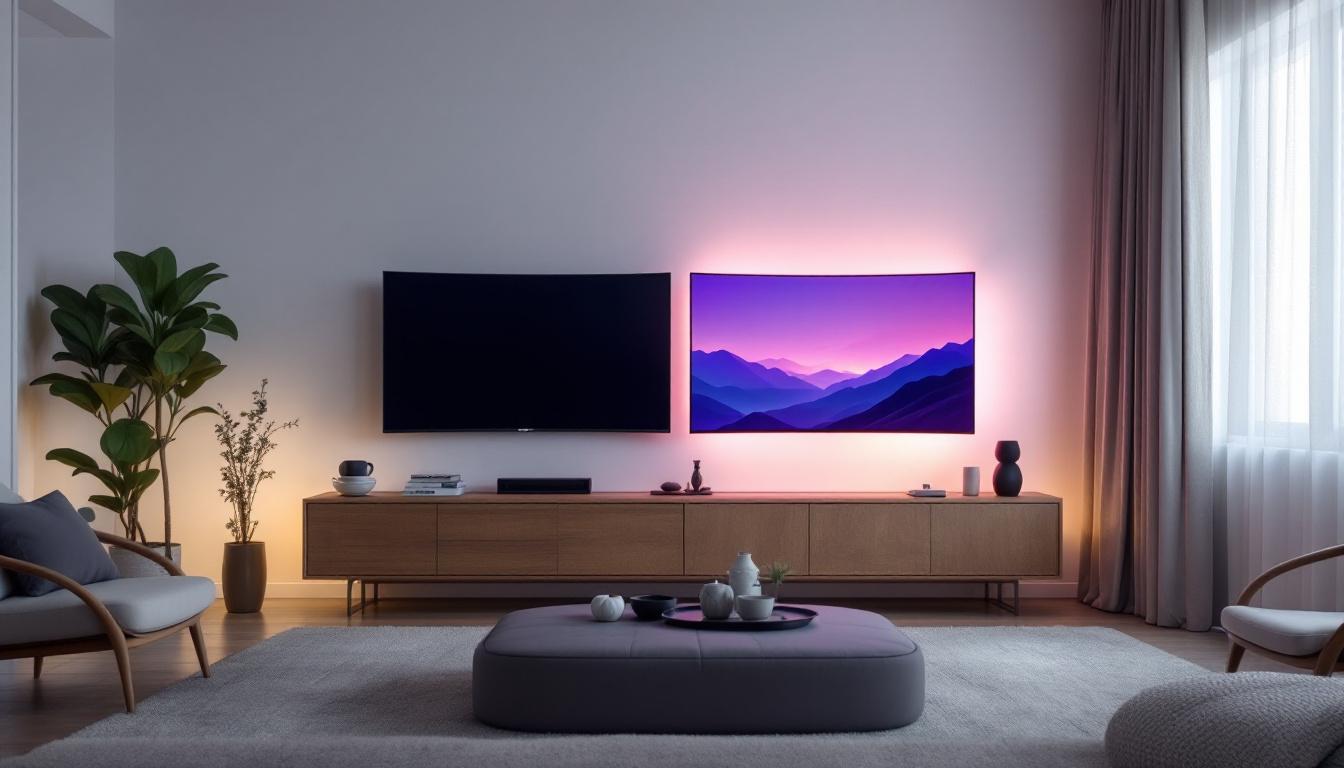
Curved Vs Flat TV: LED Display Explained
Choosing the right television has become increasingly complex as technology advances. Among the many options available, the debate between curved and flat LED TVs remains a popular topic for consumers seeking the best viewing experience. Both designs offer unique advantages and potential drawbacks, making it essential to understand their differences before making a purchase.
This article delves into the technical aspects, viewing experience, design considerations, and practical implications of curved versus flat LED TVs. By the end, readers will be equipped with the knowledge to select the TV that best fits their lifestyle and preferences.
Understanding LED TV Technology
What is an LED TV?
LED TVs are a type of LCD (Liquid Crystal Display) television that uses Light Emitting Diodes (LEDs) as the backlight source. This technology replaced the older CCFL (Cold Cathode Fluorescent Lamp) backlighting, offering better brightness, energy efficiency, and thinner designs. The shift to LED technology has revolutionized the television industry, making it possible for manufacturers to create sleeker models that fit seamlessly into modern home decor.
LED TVs come in two main types: edge-lit and full-array. Edge-lit models place LEDs around the screen edges, allowing for slimmer profiles, while full-array TVs distribute LEDs evenly behind the screen, enabling better local dimming and contrast control. Additionally, some manufacturers have introduced variations like mini-LED technology, which uses smaller LEDs to enhance precision in backlighting, resulting in improved picture quality and a more immersive viewing experience.
How Does LED Backlighting Affect Picture Quality?
The quality of LED backlighting directly impacts brightness, contrast ratio, and color accuracy. Full-array LED TVs with local dimming zones can produce deeper blacks and more vibrant colors compared to edge-lit models. This distinction is crucial when comparing curved and flat TVs, as the design can influence how light is distributed and perceived. Furthermore, the advancements in HDR (High Dynamic Range) technology have elevated the viewing experience, allowing for a wider range of colors and improved detail in both the brightest and darkest scenes.
In addition to the type of backlighting, the panel technology used in conjunction with LED backlighting plays a significant role in overall picture quality. For instance, IPS (In-Plane Switching) panels offer wider viewing angles and better color reproduction, making them ideal for family rooms where viewers might be seated at various angles. On the other hand, VA (Vertical Alignment) panels typically provide superior contrast ratios, making them a popular choice for home theater setups. As consumers become more discerning about their viewing preferences, understanding these nuances in LED TV technology can greatly enhance their purchasing decisions.
Curved TVs: Design and Viewing Experience
The Concept Behind Curved Screens
Curved TVs feature a screen that bends inward, creating a concave shape. The curvature is designed to mimic the natural curve of the human eye, theoretically providing a more immersive viewing experience. By wrapping the image slightly around the viewer, curved screens aim to enhance depth perception and reduce distortion at the edges.
Manufacturers often use a curvature radius measured in millimeters (e.g., 1800R or 3000R), where a smaller number indicates a more pronounced curve.
Advantages of Curved TVs
Immersive Viewing: The curved design can create a sense of depth, making movies and games feel more engaging. This is especially noticeable on larger screens, typically above 55 inches, where the curve can fill more of the viewer’s peripheral vision.
Reduced Glare and Reflections: By angling the screen inward, curved TVs can minimize reflections from ambient light sources, improving picture clarity in well-lit rooms.
Improved Viewing Angles (When Sitting Centrally): When the viewer sits directly in front of the TV, the curve can help maintain consistent image quality across the screen, reducing distortion and color shifts.
Limitations and Considerations
Optimal Viewing Position: The immersive effect of a curved TV is best experienced when sitting directly in front of the screen. Off-center viewing can lead to image distortion and color inconsistencies, making curved TVs less suitable for wide seating arrangements.
Wall Mounting Challenges: Curved TVs do not sit flush against the wall, requiring specialized mounts or leaving a noticeable gap, which may affect room aesthetics.
Price Premium: Curved TVs often come at a higher price point compared to flat models of the same size and specifications, which may not justify the benefits for all users.
Flat TVs: The Traditional and Versatile Choice
Design and Popularity
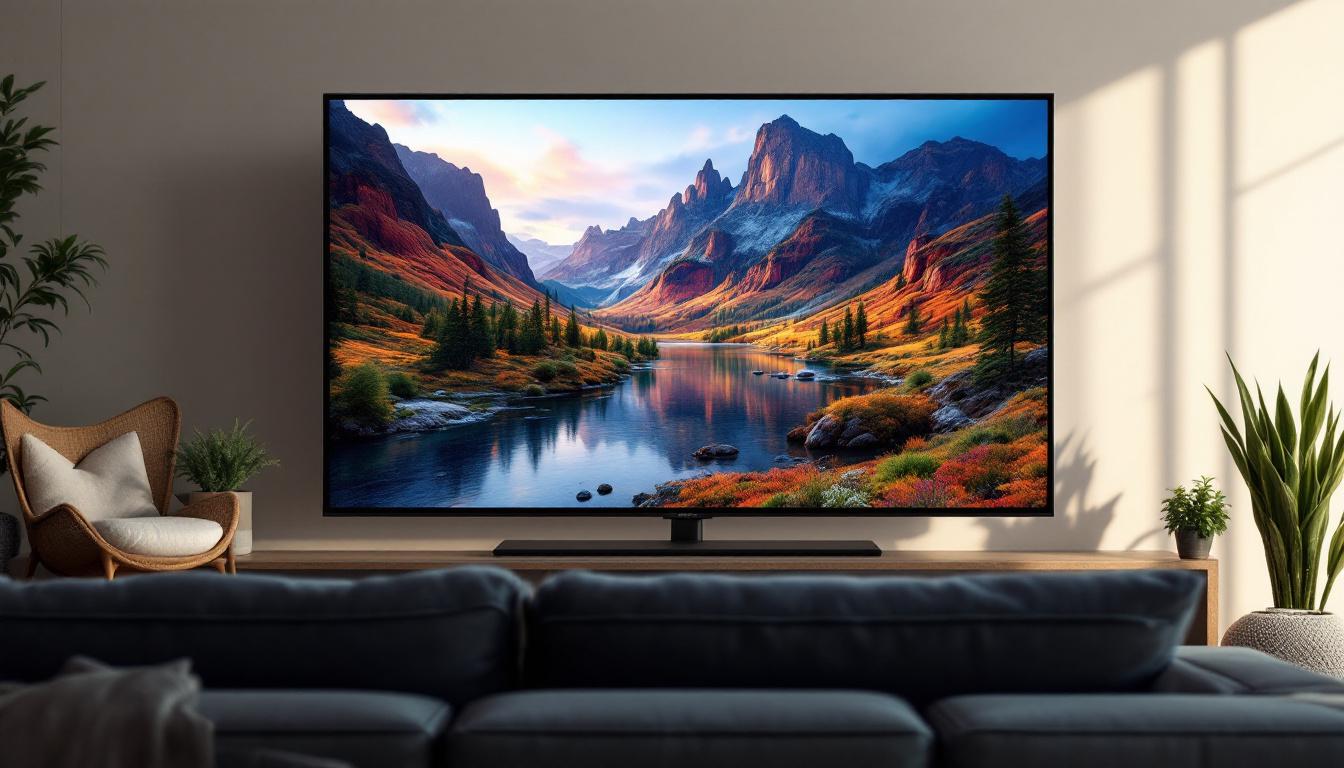
Flat TVs have dominated the market for decades, offering a straightforward, sleek design that fits seamlessly into most living spaces. Their flat panel allows for easy wall mounting and compatibility with a wide range of furniture and entertainment setups.
Their widespread adoption has driven down costs, making flat LED TVs available in a broad spectrum of sizes and price points.
Advantages of Flat TVs
Consistent Viewing Experience: Flat screens provide uniform image quality regardless of the viewer’s position, making them ideal for rooms with multiple seating areas.
Ease of Installation: Flat TVs mount flush against walls and are compatible with standard brackets, simplifying setup and enhancing room aesthetics.
Wide Range of Options: From budget models to premium 4K and 8K displays, flat TVs offer extensive choices, allowing consumers to prioritize features such as HDR support, refresh rates, and smart TV capabilities.
Potential Drawbacks
Less Immersive Experience: Without the curvature, flat TVs may not provide the same sense of depth or wrap-around effect, which some viewers find less engaging for cinematic or gaming content.
Glare Sensitivity: Flat screens can reflect ambient light more directly, potentially causing distracting glare in brightly lit environments.
Comparing Picture Quality: Curved Vs Flat LED TVs
Brightness and Contrast
Brightness levels in LED TVs depend more on panel quality and backlighting technology than on screen curvature. Both curved and flat TVs can achieve similar peak brightness, especially when using full-array local dimming.
However, the curved design may enhance perceived contrast by reducing reflections and focusing light toward the viewer, which can make blacks appear deeper in certain viewing conditions.
Viewing Angles and Distortion
Flat TVs generally maintain consistent color accuracy and brightness across wide viewing angles, making them suitable for group viewing. Conversely, curved TVs optimize viewing for a narrow central zone. Sitting off-axis on a curved screen can result in image distortion, color shifts, and reduced brightness.
Color Accuracy and Uniformity
Color performance is primarily determined by the display panel and processing technology rather than screen shape. Both curved and flat LED TVs can deliver excellent color accuracy when calibrated correctly. However, curved screens may exhibit slight variations in color uniformity due to their shape, especially at the edges.
Practical Considerations for Consumers
Room Size and Seating Arrangement
The layout of the viewing space plays a crucial role in choosing between curved and flat TVs. Curved TVs excel in smaller rooms where viewers sit close and centrally, such as dedicated home theaters or gaming setups.
In contrast, flat TVs are better suited for larger living rooms with multiple seating positions, ensuring everyone enjoys a consistent picture.
Screen Size and Viewing Distance
Curved TVs tend to be more effective on larger screens, typically 55 inches and above. The curvature enhances immersion and reduces edge distortion at these sizes. For smaller screens, the curve’s benefits are less noticeable and may not justify the added cost.
Viewing distance also matters. The ideal distance for a 55-inch 4K TV is around 4.5 to 6.5 feet. Sitting too far away diminishes the immersive effect of a curved screen, while sitting too close can cause discomfort.
Content Type and Usage
For movie enthusiasts and gamers seeking an immersive experience, curved TVs may offer a subtle advantage. The wrap-around effect can enhance depth perception and focus.
For general TV watching, sports, or casual viewing with family and friends, flat TVs provide versatility and consistent performance regardless of seating position.
Price and Availability
Flat LED TVs dominate the market, resulting in a wider selection and more competitive pricing. Curved TVs, while still available, are less common and often priced higher for comparable specifications.
Consumers should weigh whether the immersive benefits of a curved screen justify the premium cost based on their viewing habits and room setup.
Future Trends and Innovations
Emergence of OLED and QLED Technologies
While LED TVs remain popular, OLED (Organic Light Emitting Diode) and QLED (Quantum Dot LED) technologies are reshaping the market. OLED TVs offer superior contrast, perfect blacks, and wider viewing angles, often making screen curvature less necessary for immersion.
QLED TVs enhance brightness and color volume, further improving picture quality on flat panels.
Curved Screens in Ultra-Wide Monitors and Gaming
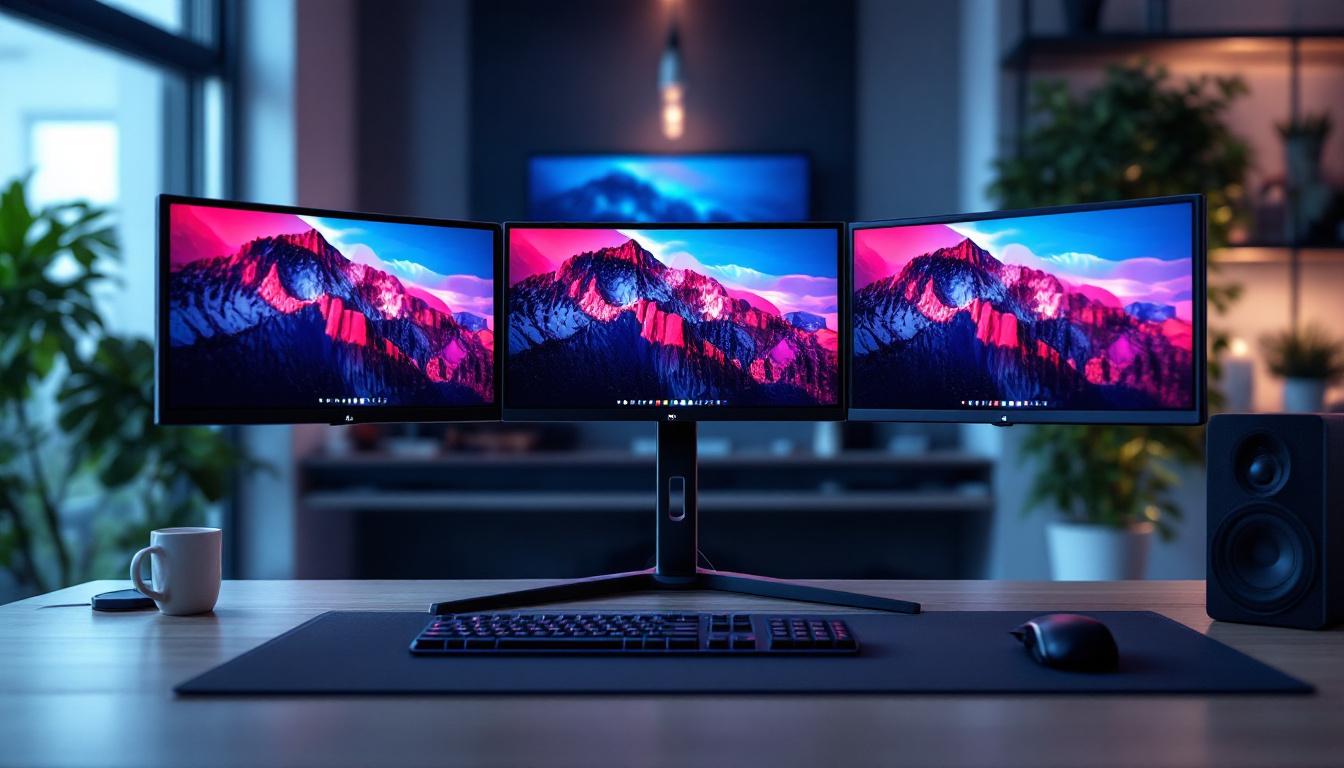
Curved displays have found a strong foothold in the PC monitor market, especially for ultra-wide gaming monitors. The curvature enhances peripheral vision and reduces eye strain during extended use. This trend may influence future TV designs, but current consumer TVs prioritize flat panels for versatility.
Smart TV Integration and User Experience
Modern TVs increasingly focus on smart features, voice control, and seamless integration with streaming services. These advancements are largely independent of screen curvature but contribute significantly to overall user satisfaction.
Conclusion: Which is Right for You?
The choice between a curved and flat LED TV ultimately depends on individual preferences, room configuration, and viewing habits. Curved TVs offer a unique, immersive experience best suited for single viewers in controlled environments, while flat TVs provide versatility, ease of installation, and consistent picture quality for diverse viewing situations.
When selecting a TV, consider factors such as screen size, seating arrangement, budget, and the types of content you watch most frequently. Additionally, prioritize panel quality, resolution, and smart features to ensure a satisfying long-term investment.
By understanding the strengths and limitations of curved and flat LED TVs, consumers can make informed decisions that enhance their entertainment experience for years to come.
Discover Your Perfect LED TV with LumenMatrix
Ready to elevate your viewing experience with the latest in LED display technology? LumenMatrix offers a diverse range of cutting-edge LED display solutions tailored to your needs. Whether you’re drawn to the immersive depth of a curved screen or the versatile performance of a flat panel, our innovative products are designed to bring your content to life. Explore our Indoor and Outdoor LED Wall Displays, Custom LED Displays, and more to find the perfect match for your space and viewing preferences. Check out LumenMatrix LED Display Solutions today and transform the way you watch, play, and engage.