In recent years, the mobile phone market has witnessed a significant shift towards larger devices with expansive displays. These big-screen smartphones cater to users who prioritize immersive media consumption, gaming, and productivity on the go. Central to this evolution is the advancement in LED display technology, which has enabled manufacturers to produce bigger, brighter, and more energy-efficient screens without compromising portability.
This article explores the trend of the biggest mobile phones available today, delves into the intricacies of LED display technology, and explains why these displays are pivotal to the user experience. Whether you are a tech enthusiast, a potential buyer, or simply curious about mobile display innovations, this comprehensive guide will illuminate the key aspects of large-screen smartphones and their LED displays.
The Rise of Big-Screen Smartphones
Smartphones have come a long way since their inception, evolving from compact communication devices to powerful multimedia hubs. One of the most noticeable trends in this evolution is the increasing screen size. The average smartphone screen size has grown from around 3.5 inches in the early 2010s to over 6.5 inches today.
Several factors have driven this trend. First, consumer demand for better video streaming, gaming, and multitasking experiences has pushed manufacturers to prioritize larger displays. Second, improvements in display technology, such as thinner bezels and foldable screens, have allowed bigger displays to fit into manageable device sizes. Finally, the rise of mobile productivity apps and remote work has made bigger screens more practical for everyday use.
Current Examples of the Biggest Mobile Phones
As of 2024, some of the largest smartphones on the market include the Samsung Galaxy S23 Ultra, with a 6.8-inch Dynamic AMOLED 2X display, and the Xiaomi Mi Max 3, which boasts a 6.9-inch IPS LCD screen. Additionally, foldable phones like the Samsung Galaxy Z Fold 5 offer even larger displays when unfolded, reaching up to 7.6 inches, blending portability with expansive screen real estate.
These devices illustrate how manufacturers balance size, weight, and usability to meet the needs of users who want the biggest possible screen without sacrificing comfort or battery life. The trend towards larger screens is not just about size; it also encompasses advancements in user interface design. With bigger displays, developers can create more immersive experiences, such as split-screen multitasking, which allows users to run multiple apps simultaneously. This capability is particularly beneficial for professionals who rely on their smartphones for work, enabling them to review documents while participating in video calls, all on a single device.
Moreover, the rise of big-screen smartphones has also influenced content creation and consumption. With larger screens, users find it easier to edit photos and videos directly on their devices, leading to a surge in mobile content creation. Social media platforms have adapted to this trend, optimizing their interfaces for larger displays to enhance user engagement. As a result, the line between smartphones and traditional computing devices continues to blur, making big-screen smartphones an essential tool for both leisure and productivity in today’s digital landscape.
Understanding LED Display Technology
At the heart of every large-screen smartphone is the display technology that brings images and videos to life. LED, or Light Emitting Diode, displays have become the standard for mobile devices due to their superior brightness, color accuracy, and energy efficiency compared to older LCD technologies.
What is an LED Display?
LED displays use an array of tiny light-emitting diodes to produce images. In mobile phones, two main types of LED display technologies are prevalent: OLED (Organic Light Emitting Diode) and traditional LED-backlit LCDs.
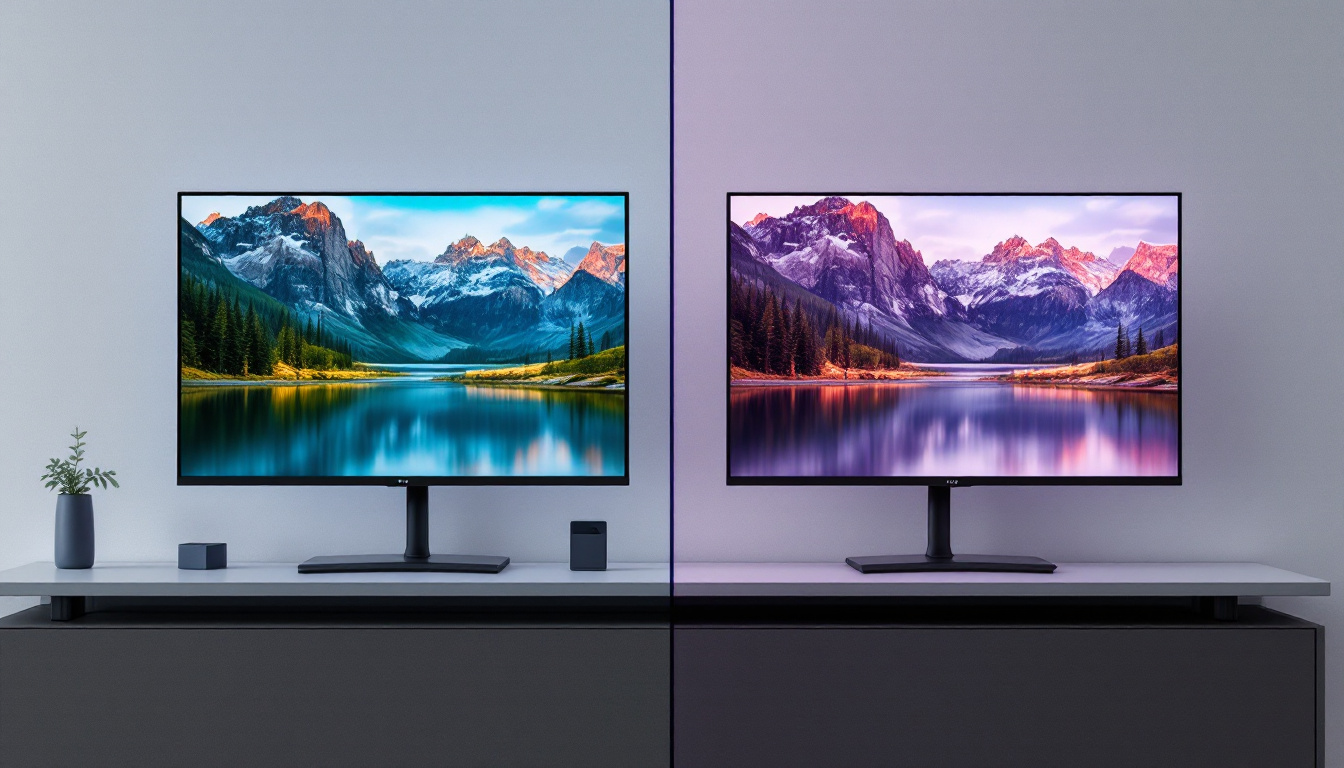
OLED displays consist of organic compounds that emit light when an electric current passes through them. This allows each pixel to be individually lit, resulting in true blacks, high contrast ratios, and vibrant colors. On the other hand, LED-backlit LCDs use LEDs as a backlight behind a liquid crystal layer, which modulates the light to form images. While generally less vibrant than OLEDs, LED-backlit LCDs can offer excellent brightness and color accuracy at a lower cost.
Advantages of LED Displays in Large Smartphones
LED displays offer several key benefits that make them ideal for big-screen smartphones:
- Brightness and Visibility: LED technology provides high brightness levels, ensuring clear visibility even under direct sunlight. This is crucial for large displays where screen real estate is maximized outdoors.
- Color Accuracy and Contrast: OLED displays, in particular, deliver deep blacks and vivid colors, enhancing the viewing experience for videos, photos, and games.
- Energy Efficiency: Because OLED pixels emit light individually, they consume less power when displaying darker images, extending battery life despite the larger screen size.
- Thin and Flexible Panels: OLEDs can be made thinner and even flexible, enabling innovations like foldable phones and curved displays that maximize screen size without increasing device bulk.
In addition to these advantages, LED displays are also known for their rapid response times, which is particularly beneficial for gaming and fast-paced video content. The quick refresh rates of OLED screens minimize motion blur, allowing for a smoother viewing experience that is essential for action-packed scenes. Furthermore, advancements in display technology have led to features like HDR (High Dynamic Range), which enhances the contrast and color range, making images appear more lifelike and immersive. This is particularly appealing for media consumption, as it allows users to enjoy their favorite shows and movies in stunning detail.
Moreover, the durability of LED displays is another significant factor contributing to their popularity. With the introduction of Gorilla Glass and other protective technologies, modern smartphones are equipped to withstand daily wear and tear, including scratches and drops. This resilience is especially important for larger devices, which may be more prone to accidental damage. As manufacturers continue to innovate, we can expect even more enhancements in LED display technology, such as improved energy efficiency and sustainability, which will further solidify their place in the mobile device market.
Challenges of Big LED Displays in Mobile Phones
While the benefits of large LED displays are clear, manufacturers face several challenges when integrating these screens into mobile devices.
Battery Life and Power Consumption
Larger screens naturally demand more power, which can strain battery life. Although OLED technology helps mitigate this by turning off pixels to display black, high brightness levels and prolonged usage of vibrant content can still drain batteries quickly. To address this, manufacturers often equip big-screen phones with larger batteries and optimize software for power efficiency.
Device Weight and Ergonomics
Big phones tend to be heavier and bulkier, which can affect user comfort during extended use. Balancing screen size with manageable weight and grip is a critical design consideration. Innovations such as lighter materials and ergonomic shapes help alleviate these issues, but the trade-off remains a factor for many users.
Durability Concerns
Large LED displays, especially OLED panels, can be more susceptible to damage from drops or pressure. Additionally, OLED screens may experience burn-in over time if static images are displayed for prolonged periods. Manufacturers combat these issues with reinforced glass, flexible display layers, and software features that minimize burn-in risk.
Future Trends in Big Mobile Phone Displays
The future of large mobile phone displays looks promising, with ongoing advancements in LED technology and form factors set to redefine user experiences.
MicroLED: The Next Generation
MicroLED technology is emerging as a potential successor to OLED, offering even higher brightness, better energy efficiency, and longer lifespan without the burn-in issues. MicroLED displays use microscopic LEDs to create images, combining the best attributes of OLED and traditional LED displays. While still in early stages for mobile devices, MicroLED holds great promise for future big-screen smartphones.
Foldable and Rollable Displays
Foldable phones have already begun to change the landscape by providing large displays that can fold into pocket-friendly sizes. As manufacturing techniques improve, rollable displays—screens that can extend and retract like a scroll—are expected to enter the market, offering unprecedented flexibility in screen size without increasing device footprint.
Higher Refresh Rates and HDR Enhancements
Big-screen smartphones are increasingly adopting higher refresh rates (90Hz, 120Hz, or more) for smoother scrolling and gaming experiences. Coupled with advanced HDR (High Dynamic Range) support, these improvements enhance visual fluidity and color depth, making large displays even more engaging.
Choosing the Right Big Phone with LED Display
For consumers considering a large-screen smartphone, understanding LED display technology and its implications is essential to making an informed choice.
Assessing Display Quality
Look for key specifications such as resolution (Full HD+, Quad HD+), display type (OLED vs. LCD), brightness levels (measured in nits), and color accuracy (DCI-P3 or sRGB coverage). These factors directly impact the clarity and vibrancy of the screen.
Balancing Size and Usability
While bigger screens offer more immersive experiences, they may not suit everyone’s daily use. Consider how comfortable the device feels in hand, its weight, and whether it fits your typical usage scenarios, such as one-handed operation or pocket carry.
Battery and Performance Considerations
Since large LED displays consume more power, check battery capacity and software optimizations that extend usage time. Additionally, ensure the device’s processor and RAM can handle high-resolution content smoothly, especially for gaming or multitasking.
Conclusion
The trend towards bigger mobile phones is driven by consumer demand for enhanced multimedia and productivity experiences. LED display technology, particularly OLED, plays a pivotal role in enabling large, bright, and energy-efficient screens that elevate the user experience.
While challenges such as battery consumption, device ergonomics, and durability remain, ongoing innovations in display technology and form factors promise exciting developments ahead. By understanding the nuances of LED displays and their impact on large smartphones, consumers can make better choices tailored to their needs.
As the mobile industry continues to push the boundaries of screen size and quality, the future holds even more impressive and versatile big-screen devices that blend cutting-edge LED technology with user-centric design.
Discover the Future of Big-Screen Experiences with LumenMatrix
As you embrace the era of big-screen mobile phones and the exceptional visual experiences they offer, LumenMatrix stands at the forefront of LED display innovation. Our commitment to enhancing multimedia and productivity experiences extends beyond mobile devices, offering a wide array of LED display solutions that transform public spaces, entertainment venues, and businesses. From captivating Indoor LED Wall Displays to dynamic Outdoor LED Wall Displays, and from versatile Vehicle LED Displays to sleek LED Poster Displays, LumenMatrix is dedicated to revolutionizing visual communication. Explore our full range of products, including LED Sports Displays, Floor LED Displays, Custom LED Displays, All-in-One LED Displays, and LED Transparent Displays, and see how we can help you share your message with impact. Check out LumenMatrix LED Display Solutions today and step into a world where clarity and engagement define every visual encounter.