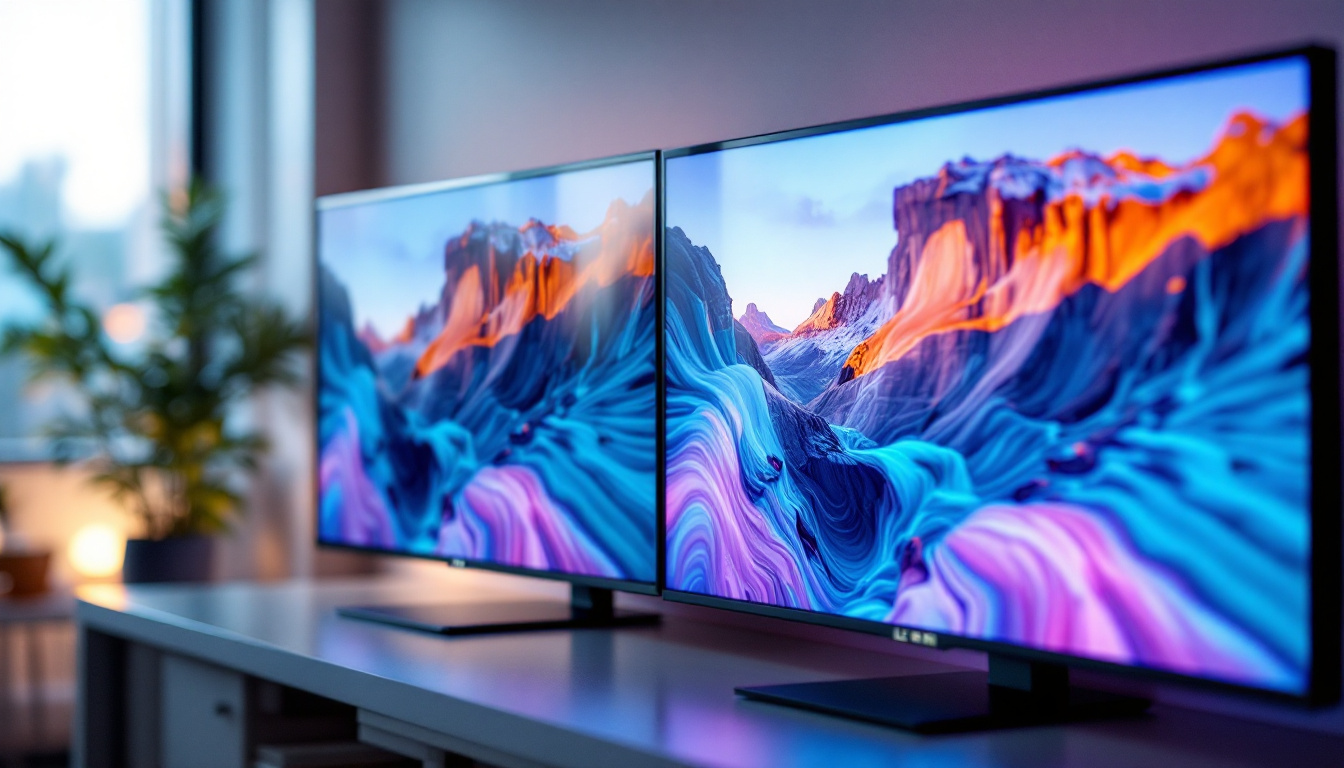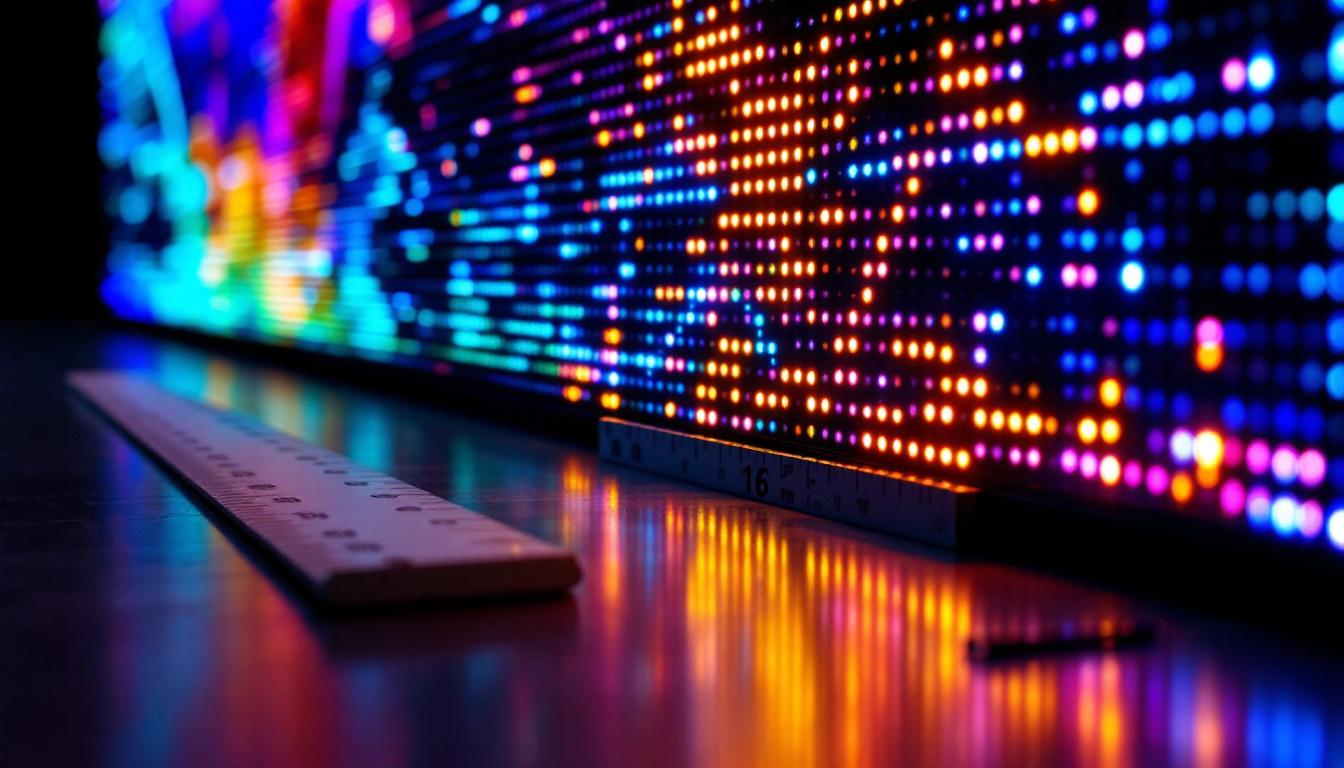
When shopping for a new television or monitor, terms like “LED” and “Full HD” often appear side by side, sometimes causing confusion. Are they the same thing? Do they refer to the same technology? Understanding the difference between LED and Full HD is crucial for making an informed purchase that meets your viewing needs. This article explores these concepts in detail, clarifying what LED and Full HD mean, how they relate to each other, and what factors to consider when choosing a display device.
Understanding the Basics: What is LED?
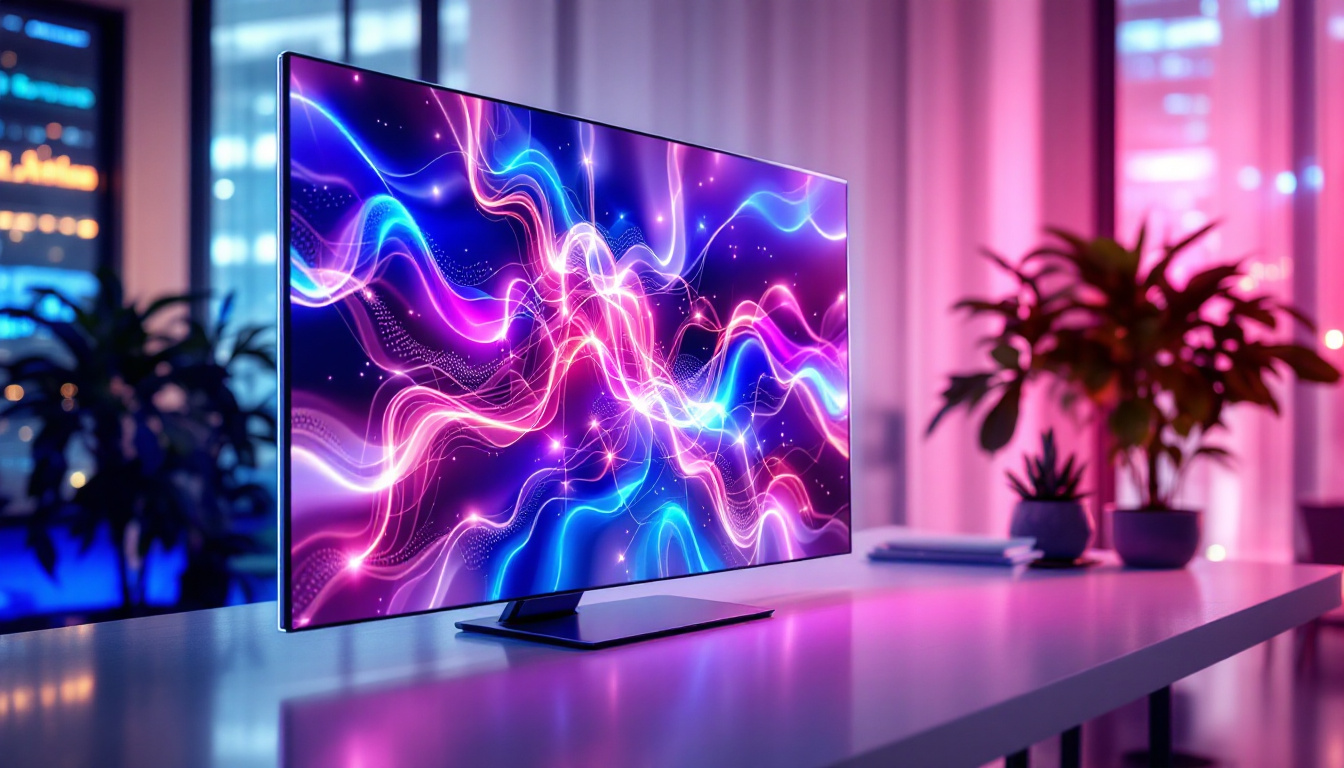
LED stands for Light Emitting Diode, a type of technology used to illuminate display screens. When referring to “LED TVs” or “LED monitors,” the term typically describes the backlighting method used in LCD (Liquid Crystal Display) panels. Unlike older LCDs that used cold cathode fluorescent lamps (CCFLs) for backlighting, LED displays use arrays of LEDs to illuminate the screen.
This shift to LED backlighting brought several advantages, including improved energy efficiency, thinner panel designs, and better brightness control. However, it’s important to note that LED itself does not define the resolution or the image quality of the display—it primarily refers to how the screen is lit.
Types of LED Backlighting
There are mainly two types of LED backlighting used in displays:
- Edge-Lit LED: LEDs are positioned along the edges of the screen, and light is spread across the display using light guides. This design allows for ultra-thin screens but can sometimes lead to uneven brightness or contrast.
- Full-Array LED: LEDs are distributed evenly behind the entire screen, enabling better control over brightness and contrast through local dimming zones. This results in improved picture quality, especially in dark scenes.
Understanding these types helps consumers appreciate why some LED TVs or monitors perform better than others, even within the same resolution category. Additionally, the choice between edge-lit and full-array LED technology can significantly impact the viewing experience, particularly in terms of color accuracy and depth of blacks. For instance, full-array LED displays often excel in rendering high dynamic range (HDR) content, providing a more immersive experience with vibrant colors and enhanced detail in both bright and dark areas of an image.
Moreover, advancements in LED technology have led to the emergence of Mini-LED and Micro-LED displays. Mini-LEDs utilize smaller diodes to create more local dimming zones, further enhancing contrast and brightness control, while Micro-LED technology promises even greater improvements by using microscopic LEDs to form individual pixels. These innovations not only push the boundaries of display quality but also open up new possibilities for ultra-high-definition content, making them an exciting area of development in the world of visual technology.
What Does Full HD Mean?
Full HD, short for Full High Definition, refers to a display resolution of 1920 x 1080 pixels. This resolution became the standard for high-definition content and displays over the past decade, offering a significant improvement over standard definition (SD) and HD Ready (720p) resolutions. The transition to Full HD has allowed viewers to enjoy movies, television shows, and video games with greater clarity and detail, making it a popular choice for both home entertainment systems and portable devices.
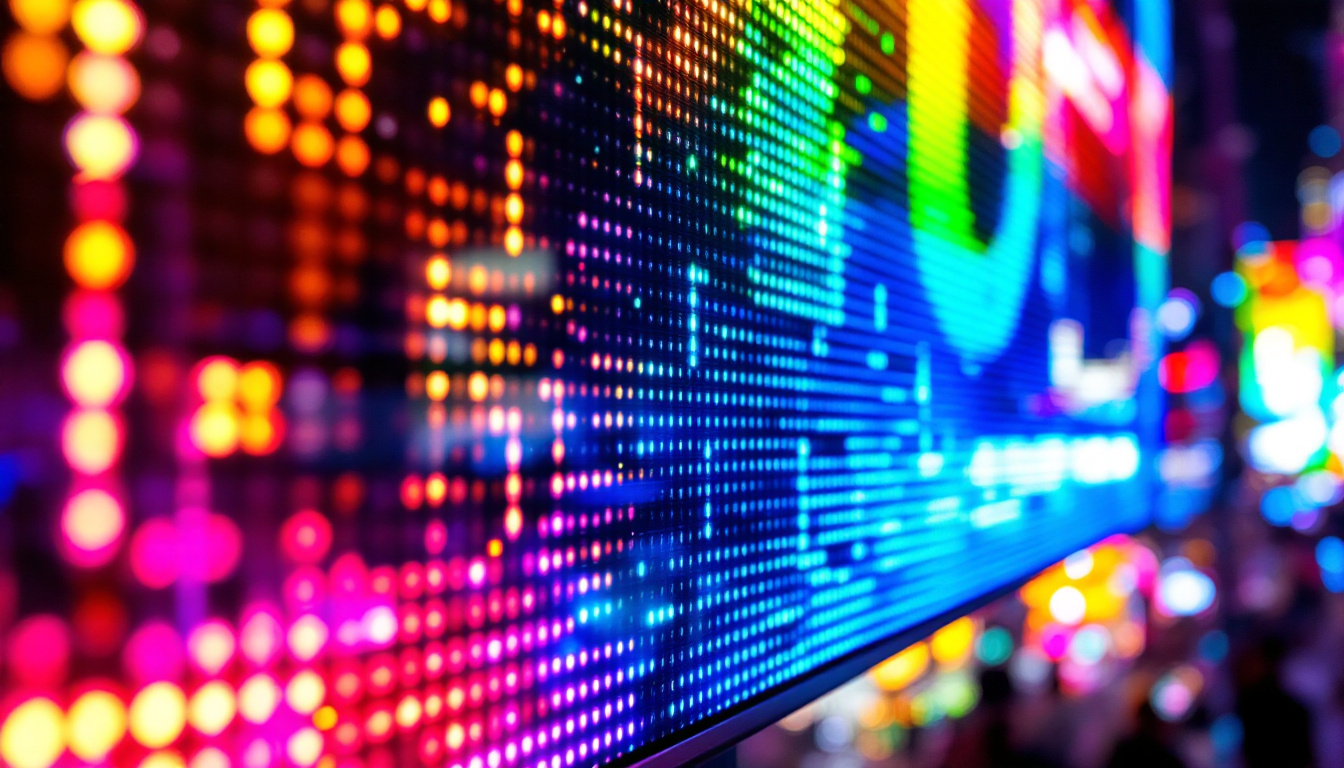
Full HD defines the number of pixels displayed on the screen, which directly affects the sharpness and detail of the image. More pixels mean more detail, assuming the source content is also in Full HD or higher quality. This increase in pixel density has led to a more immersive viewing experience, allowing audiences to appreciate finer textures and subtleties in visuals that were previously lost in lower resolutions.
Resolution and Image Quality
Resolution is a key factor in image clarity, but it is not the sole determinant. A Full HD screen with poor color accuracy, low contrast ratio, or subpar backlighting may not deliver an enjoyable viewing experience. Conversely, a well-calibrated Full HD display with good panel quality can produce vibrant, sharp images suitable for most viewing purposes. Factors such as refresh rate and response time also play critical roles, especially for fast-paced content like action movies or competitive gaming, where motion blur can detract from the overall experience.
It’s also worth noting that Full HD is now considered a baseline resolution, with many new devices offering 4K (3840 x 2160 pixels) or even 8K resolutions for enhanced detail, particularly on larger screens. As technology continues to advance, the demand for higher resolutions has grown, pushing manufacturers to innovate and improve display technologies. This evolution not only enhances the visual experience but also influences content creation, as filmmakers and game developers aim to produce material that takes full advantage of these higher resolutions, leading to richer storytelling and more engaging visuals.
LED and Full HD: How Do They Relate?
LED and Full HD describe different aspects of a display. LED refers to the backlighting technology used in LCD panels, while Full HD refers to the resolution of the display. Therefore, an LED TV or monitor can have various resolutions, including Full HD, HD Ready, 4K, or higher.
For example, a 32-inch LED TV may have a Full HD resolution of 1920 x 1080 pixels, whereas a larger 55-inch LED TV might offer 4K resolution. The LED backlighting technology enhances the display’s brightness and contrast, but the resolution determines how detailed the image appears.
Common Misconceptions
One common misconception is that “LED TV” implies a certain resolution or image quality. In reality, LED TVs can vary widely in resolution and overall performance. Similarly, “Full HD” does not specify the type of panel or backlighting used. A Full HD display could be an older CCFL-backlit LCD or a modern LED-backlit screen.
Understanding this distinction helps consumers avoid marketing jargon and focus on the specifications that truly impact viewing experience. Additionally, many consumers may not realize that the viewing distance can also play a significant role in perceived image quality. For instance, sitting too far from a Full HD display may not allow the viewer to appreciate the finer details, while a 4K display could provide a more immersive experience even from a greater distance, thanks to its higher pixel density.
Moreover, advancements in LED technology, such as Quantum Dot and Mini-LED, have further blurred the lines between traditional LED displays and their performance capabilities. These innovations can enhance color accuracy and contrast ratios, providing a more vibrant and lifelike picture. Therefore, when considering a new display, it’s essential to look beyond just the LED or Full HD label and delve into the specific technologies and features that will best suit your viewing habits and preferences.
Comparing LED Displays with Other Technologies
To fully appreciate LED displays, it’s useful to compare them with other common display technologies:
LED vs. OLED
OLED (Organic Light Emitting Diode) displays differ fundamentally from LED-backlit LCDs. Each pixel in an OLED screen emits its own light, enabling perfect blacks and exceptional contrast ratios. LED displays rely on backlighting, which can sometimes cause light bleed and less precise contrast.
While OLEDs generally offer superior picture quality, they tend to be more expensive and may have issues like burn-in over time. LED-backlit LCDs remain popular for their affordability and brightness, especially in well-lit rooms.
LED vs. QLED
QLED (Quantum Dot LED) is a marketing term used mainly by some manufacturers to describe LED-backlit LCDs enhanced with quantum dot technology. This technology improves color accuracy and brightness by using quantum dots to emit precise colors when illuminated by the LED backlight.
QLED displays are essentially advanced LED displays, often paired with Full HD or 4K resolutions, offering a middle ground between standard LED and OLED technologies.
Practical Considerations When Choosing Between LED and Full HD Displays
When selecting a display, understanding the interplay between LED backlighting and Full HD resolution is essential. Here are some factors to consider:
Intended Use
If the primary use involves watching HD content, gaming, or general computer use, a Full HD LED display often provides a good balance of quality and affordability. For professional photo or video editing, higher resolutions and color-accurate panels may be necessary.
Screen Size and Viewing Distance
Resolution requirements depend on screen size and how far you sit from the display. For smaller screens (under 32 inches), Full HD is usually sufficient. On larger screens, higher resolutions like 4K become more noticeable and beneficial.
Budget
LED-backlit Full HD displays are widely available at various price points, making them accessible to most consumers. Higher-end technologies like OLED or 4K QLED displays come at a premium but offer enhanced picture quality and features.
Energy Efficiency and Lifespan
LED backlighting is more energy-efficient than older CCFL technology, reducing power consumption and heat output. Additionally, LED displays tend to have longer lifespans and better reliability, important considerations for long-term use.
The Future of Display Technology
Display technology continues to evolve rapidly. While LED-backlit Full HD displays remain common, 4K and even 8K resolutions are becoming mainstream, driven by streaming services and gaming platforms offering ultra-high-definition content.
Emerging technologies such as MicroLED and improvements in OLED manufacturing promise even better picture quality, brightness, and durability. However, LED-backlit Full HD displays will likely remain relevant for budget-conscious consumers and certain applications for years to come.
Summary
In summary, LED and Full HD describe different aspects of display technology. LED refers to the backlighting method used in LCD screens, while Full HD specifies the resolution. Both play important roles in determining the overall viewing experience.
Choosing the right display depends on understanding these terms, your specific needs, and budget. Whether opting for an LED-backlit Full HD TV or a higher-resolution OLED model, informed decisions lead to greater satisfaction with your purchase.
Discover Cutting-Edge LED Displays with LumenMatrix
Now that you understand the nuances between LED and Full HD technologies, it’s time to elevate your visual experience with LumenMatrix’s innovative LED display solutions. Whether you’re looking to enhance brand visibility, create immersive environments, or communicate with dynamic impact, LumenMatrix offers a comprehensive range of products, from Indoor and Outdoor LED Wall Displays to specialized solutions like Vehicle LED Displays and LED Sports Displays. Embrace the future of visual communication with our All-in-One LED Displays and LED Transparent Displays, designed to captivate and engage. Check out LumenMatrix LED Display Solutions and see how we can transform your space into a vibrant canvas of light and color.