In recent years, outdoor entertainment has experienced a significant transformation, especially with the rise of advanced display technologies. While traditional projector screens have long been the go-to solution for outdoor movie nights, sports events, and public gatherings, LED displays are rapidly gaining popularity as a superior alternative. This article explores the concept of outdoor projector screens, delves into the technology behind LED displays, and explains why LED is becoming the preferred choice for outdoor visual presentations.
Understanding Outdoor Projector Screens
What Are Outdoor Projector Screens?
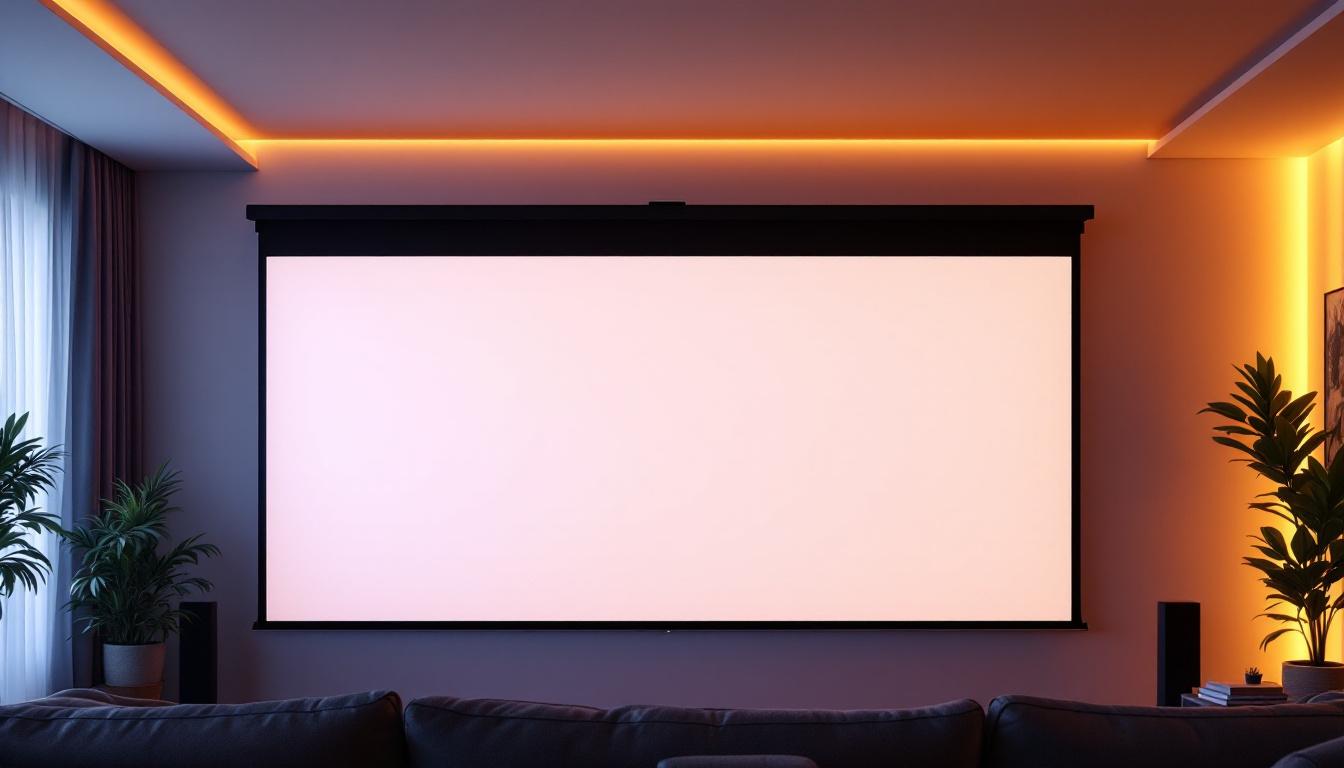
Outdoor projector screens are specially designed surfaces that reflect projected images for viewing in open-air environments. Unlike indoor screens, these are built to withstand environmental factors such as wind, moisture, and sunlight. They come in various forms, including inflatable screens, fixed-frame screens, and portable pull-up screens, each suited to different types of outdoor setups. Inflatable screens, for instance, are particularly popular for large gatherings or events, as they can be easily transported and set up in a matter of minutes, providing a large viewing area without the need for a permanent installation.
Typically, outdoor projector screens rely on a projector to cast images onto the screen surface. The quality of the viewing experience depends on factors such as screen material, ambient light conditions, and projector brightness. While this setup has been popular for decades, it has some inherent limitations when used outdoors, especially in bright or large-scale environments. Many outdoor screens are designed with specialized materials that enhance contrast and reduce glare, allowing for a better viewing experience even when the sun is still up. This innovation has made outdoor movie nights and presentations increasingly popular, turning backyards into makeshift theaters.
Challenges with Traditional Outdoor Projector Screens
One of the main challenges with traditional outdoor projector screens is their dependence on controlled lighting. Projectors require relatively low ambient light to produce clear, vibrant images. During daylight or in well-lit outdoor areas, the image quality can degrade significantly, making it difficult to enjoy the content. To combat this, many enthusiasts recommend waiting until dusk for the best viewing conditions or utilizing high-lumen projectors that can better compete with ambient light. Additionally, some outdoor screens come with a matte finish that helps diffuse light, further enhancing the image quality in less-than-ideal conditions.
Moreover, projectors can be sensitive to weather conditions and require careful placement to avoid shadows or obstructions. Setting up a projector and screen outdoors also involves logistical considerations such as power supply, mounting, and protection from elements, which can complicate the process. It’s essential to consider the distance between the projector and the screen, as well as the angle of projection, to ensure a clear image. Many users invest in portable power solutions or battery-operated projectors to eliminate the hassle of finding an electrical outlet. Furthermore, using weather-resistant equipment and protective covers can safeguard your setup against unexpected rain or wind, allowing you to enjoy your outdoor movie experience without worry.
Introduction to LED Displays for Outdoor Use
What Is an LED Display?
LED (Light Emitting Diode) displays are digital screens composed of thousands or millions of tiny LEDs that emit light to form images and videos. Unlike projector screens, LED displays are self-illuminating, meaning they generate their own light rather than relying on an external source. This fundamental difference offers several advantages, particularly in outdoor environments.
LED technology has evolved dramatically, with modern displays offering high resolution, vibrant colors, and excellent brightness levels. These attributes make LED displays suitable for diverse applications, including advertising billboards, sports stadium screens, and outdoor entertainment setups.
Types of Outdoor LED Displays
Outdoor LED displays come in various configurations, primarily distinguished by pixel pitch—the distance between individual LEDs. A smaller pixel pitch means higher resolution and sharper images, which is crucial for close viewing distances. Common types include:
- Large Pixel Pitch Displays: Typically used for billboards and stadium screens where viewers are far away. Pixel pitch ranges from 10mm to 20mm.
- Fine Pixel Pitch Displays: Designed for closer viewing, with pixel pitches as low as 1.5mm to 4mm, delivering crisp and detailed visuals.
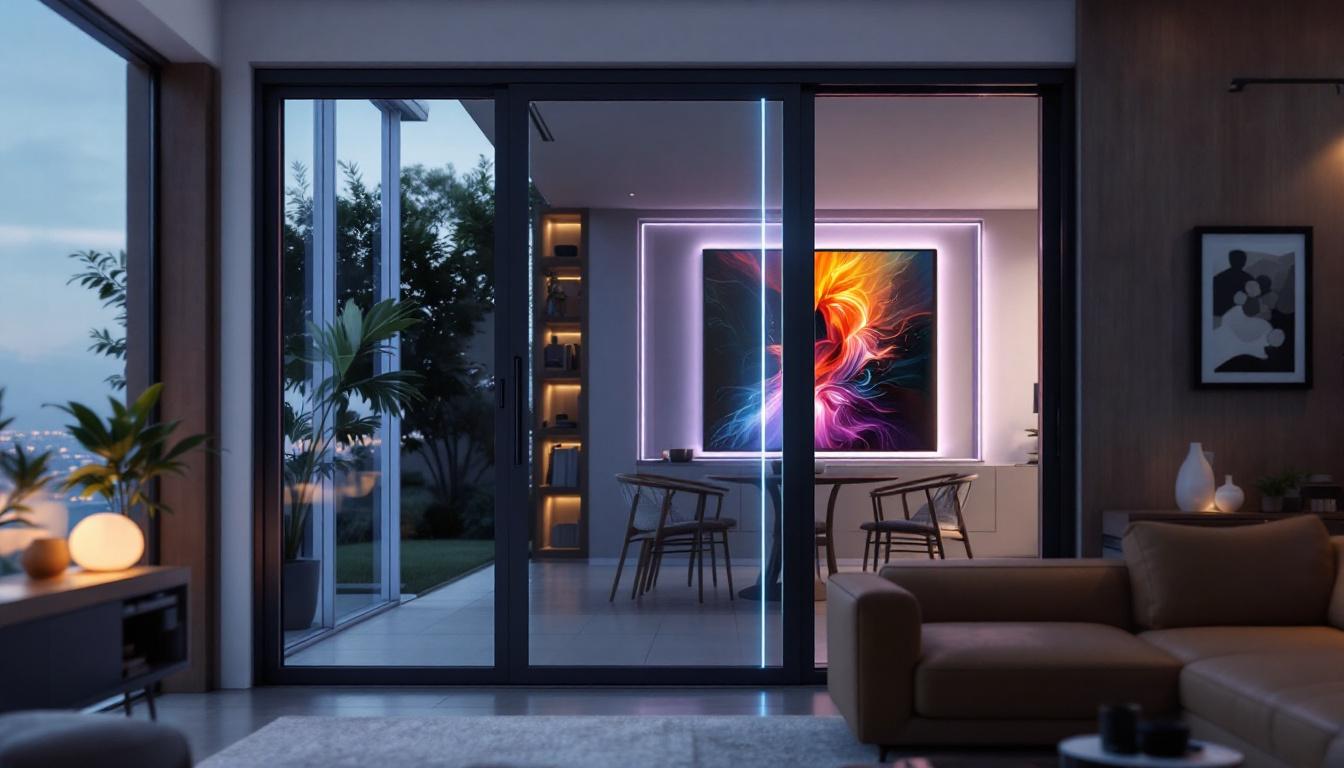
- Transparent LED Screens: These allow light to pass through, making them ideal for storefronts or glass walls, blending digital content with natural light.
Advantages of LED Displays Over Traditional Projector Screens
Superior Brightness and Visibility
One of the most significant advantages of LED displays is their exceptional brightness. Outdoor LED screens can reach brightness levels exceeding 5,000 nits, which is substantially brighter than most projectors. This high luminance ensures clear visibility even in direct sunlight, a scenario where projector screens often struggle.
This capability makes LED displays ideal for daytime events, outdoor advertising, and public information displays where ambient light cannot be controlled.
Enhanced Image Quality and Color Accuracy
LED displays provide vibrant colors and high contrast ratios, which contribute to a more immersive viewing experience. Unlike projector screens that rely on reflected light, LEDs emit precise colors directly, resulting in consistent and accurate color reproduction.
Additionally, LED technology supports high dynamic range (HDR) content, further enhancing the depth and realism of images. For outdoor cinema or live event broadcasting, this means audiences can enjoy visuals that are both stunning and true-to-life.
Durability and Weather Resistance
Outdoor LED displays are engineered to withstand harsh environmental conditions. They are typically rated with IP65 or higher ingress protection, meaning they are dust-tight and protected against water jets. This weather resistance ensures reliable performance in rain, wind, or dust storms, unlike projectors and screens that require protective enclosures.
Moreover, LED modules are built with robust materials that resist corrosion and UV damage, extending the lifespan of the display even under prolonged exposure to sunlight.
Flexibility and Versatility
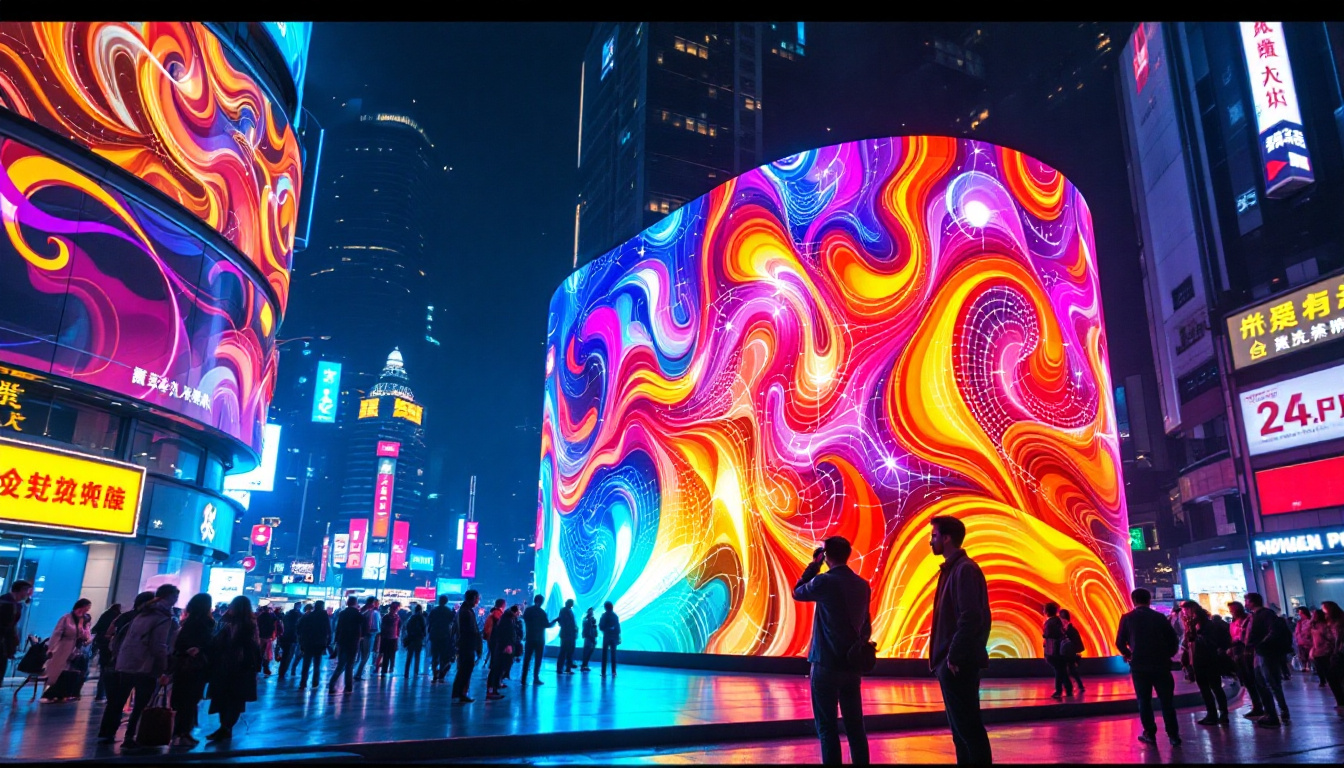
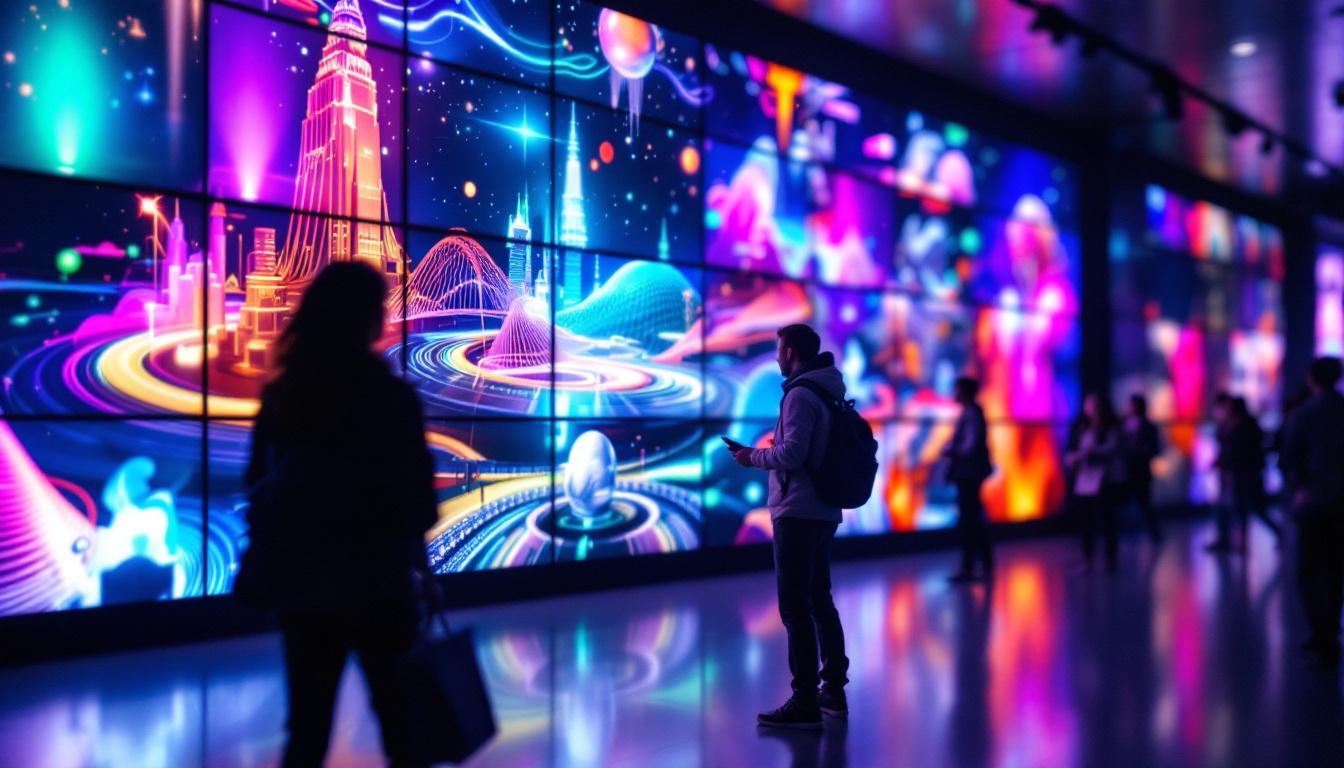
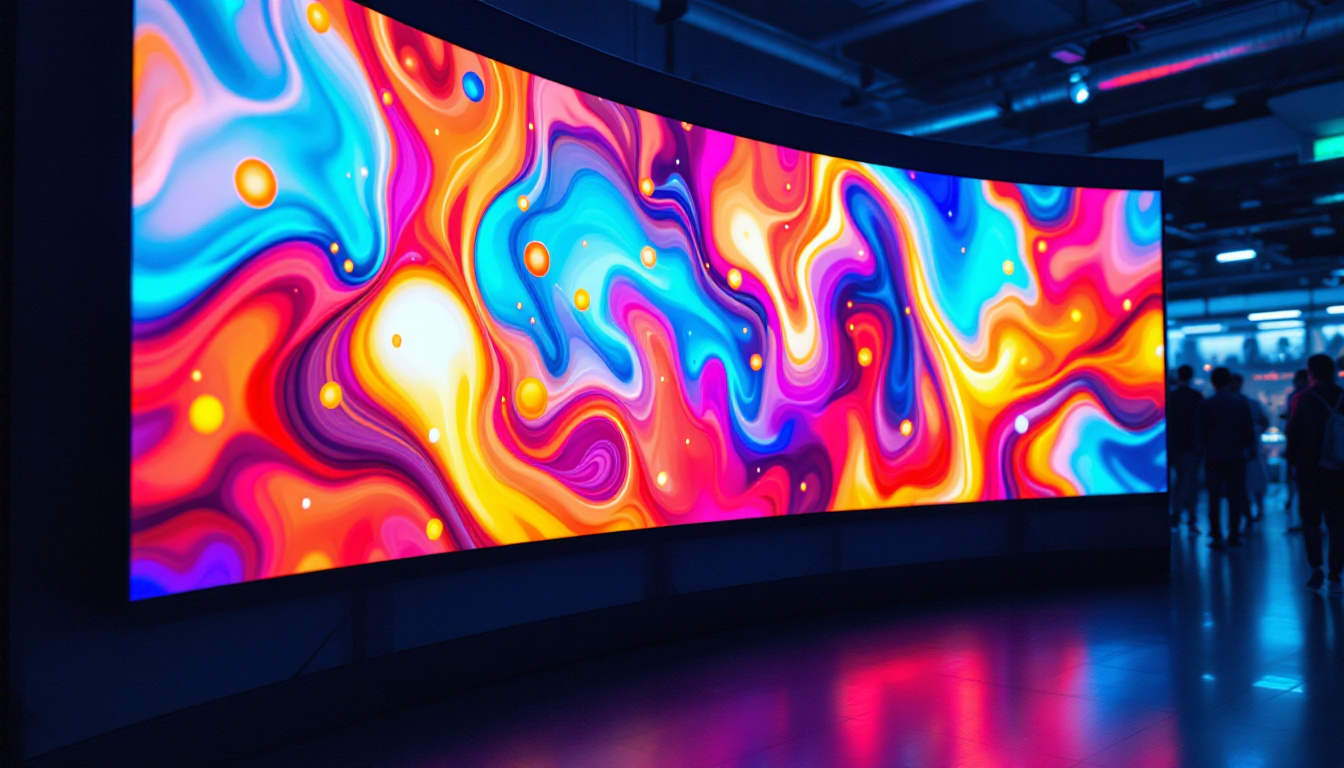
LED displays offer greater flexibility in terms of size and shape. Modular LED panels can be assembled into custom configurations, from massive stadium screens to curved or irregularly shaped installations. This adaptability allows event organizers and advertisers to create unique visual experiences tailored to specific venues.
In contrast, projector screens are generally limited to flat surfaces and standard aspect ratios, which can restrict creative possibilities.
Lower Maintenance and Operational Costs
While the initial investment in an outdoor LED display can be higher than a projector setup, the long-term operational costs tend to be lower. LEDs consume less power compared to high-lumen projectors, reducing energy expenses. Additionally, LEDs have longer lifespans and require less frequent replacement or calibration.
Projectors, on the other hand, often need bulb replacements, regular cleaning, and alignment adjustments, all of which add to maintenance overhead.
Applications of Outdoor LED Displays
Outdoor Cinemas and Events
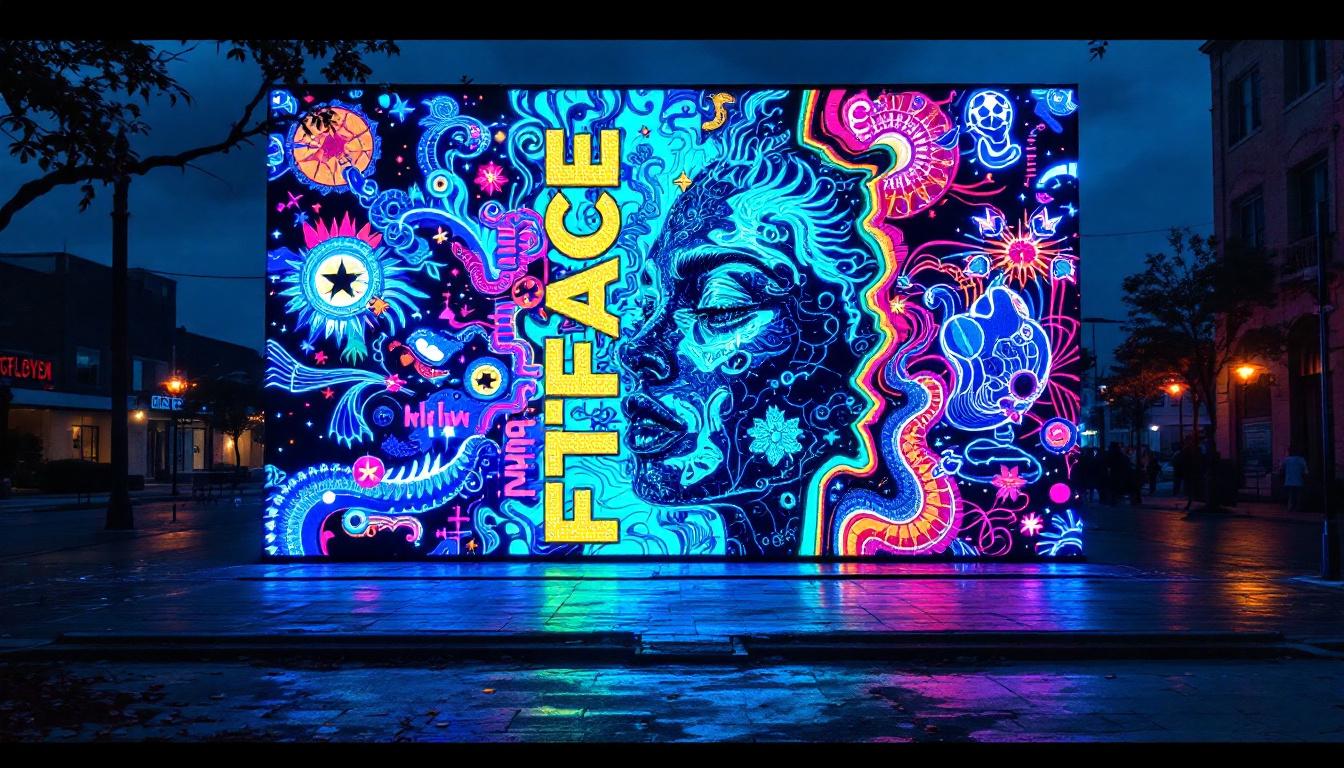
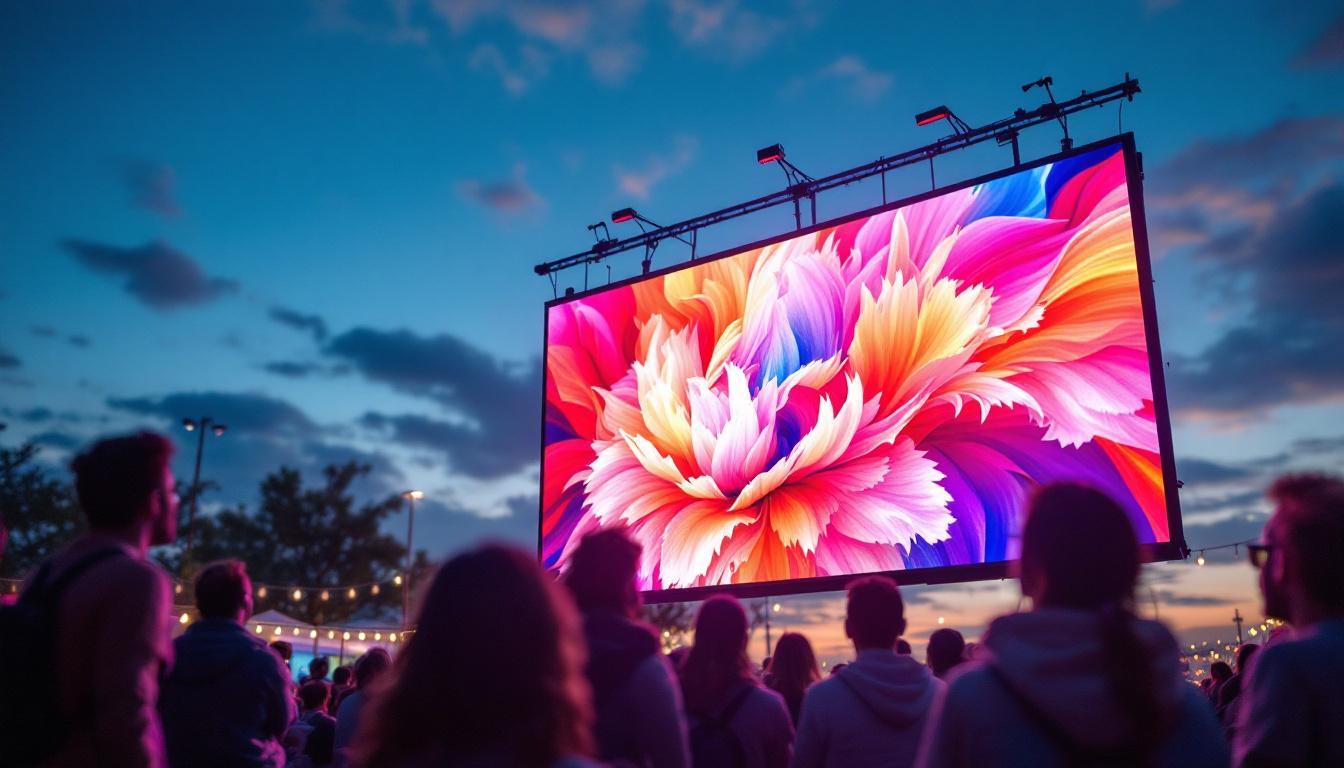
Outdoor LED displays have revolutionized the outdoor cinema experience. Their ability to deliver bright, high-quality images regardless of ambient light levels means movie screenings can occur during twilight or even daylight hours without sacrificing visual quality.
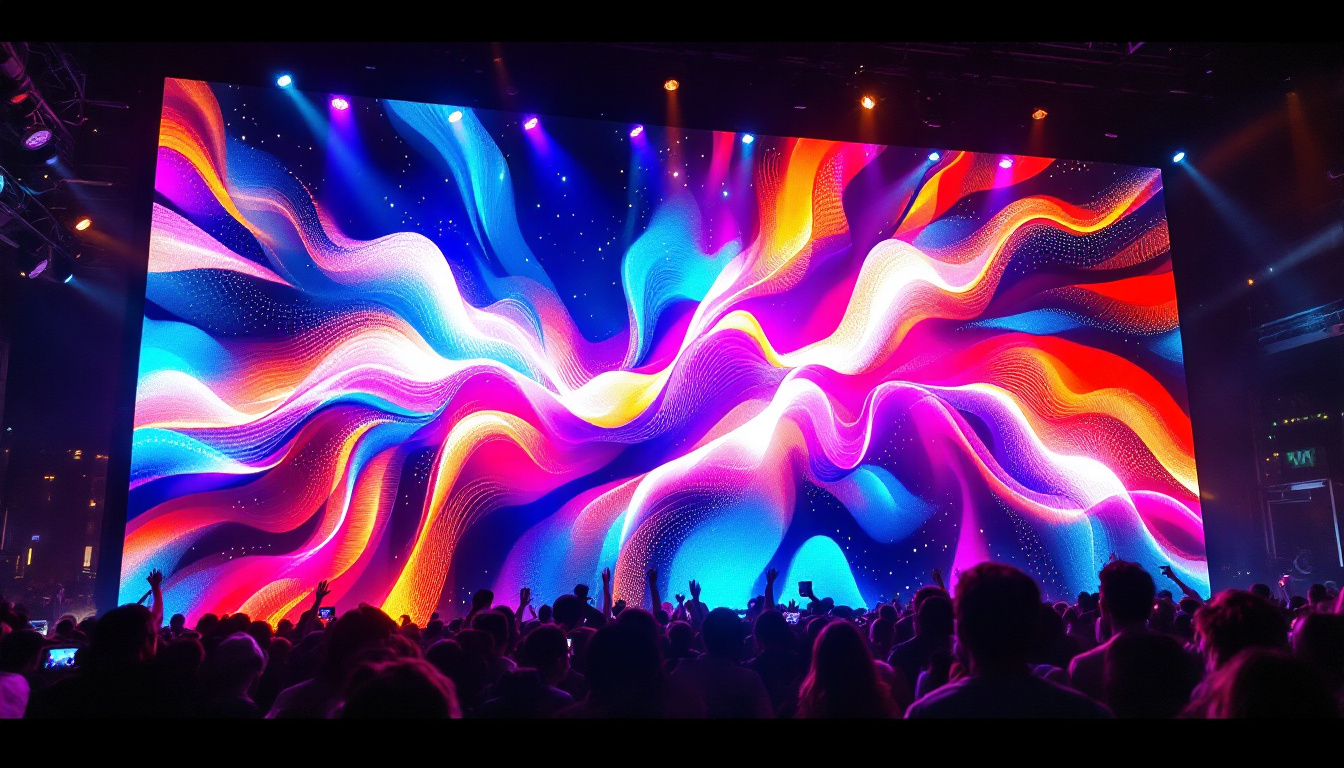
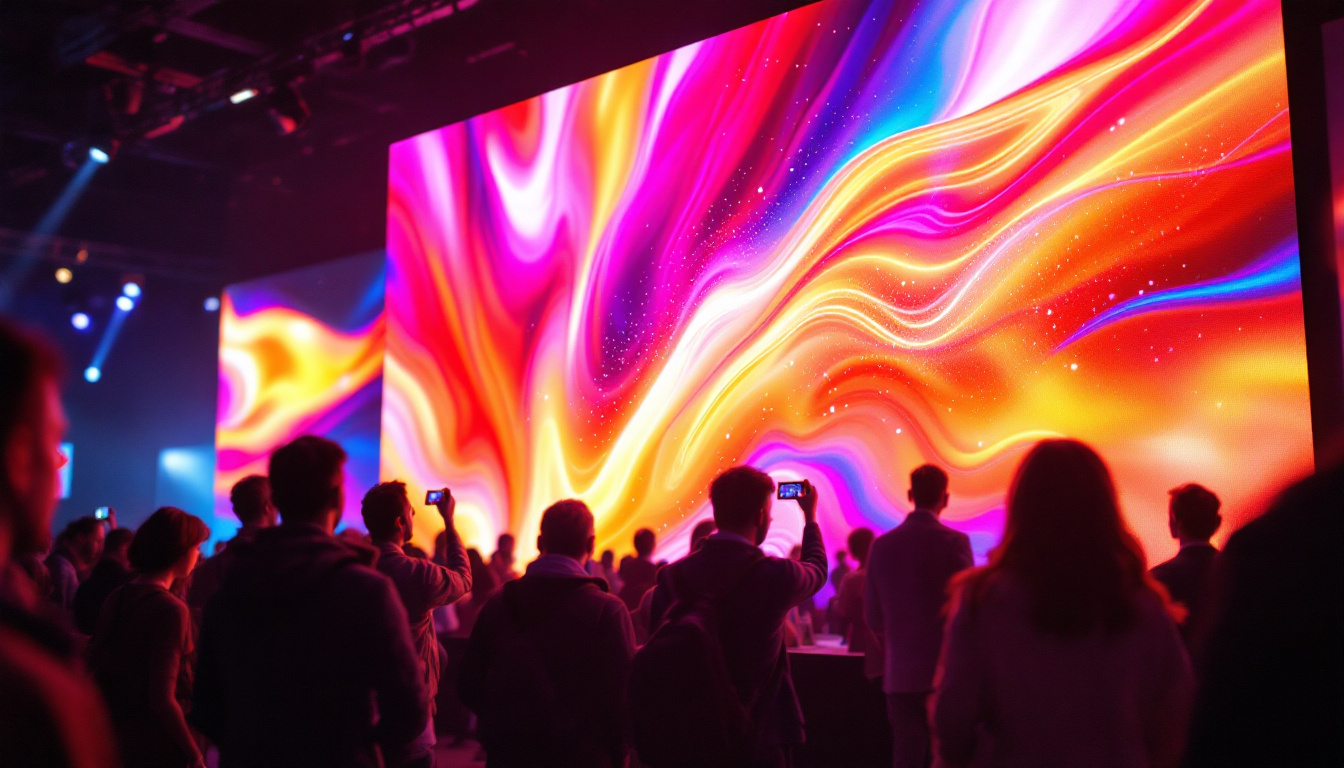
Event organizers also use LED screens for concerts, festivals, and live broadcasts, where large audiences need clear views from varying distances. The scalability of LED displays allows for seamless integration into diverse event environments.
Sports Venues and Stadiums
Sports arenas increasingly rely on massive LED displays for scoreboards, instant replays, and advertising. These screens provide dynamic content that enhances fan engagement and delivers real-time information with unparalleled clarity.
Advertising and Public Information
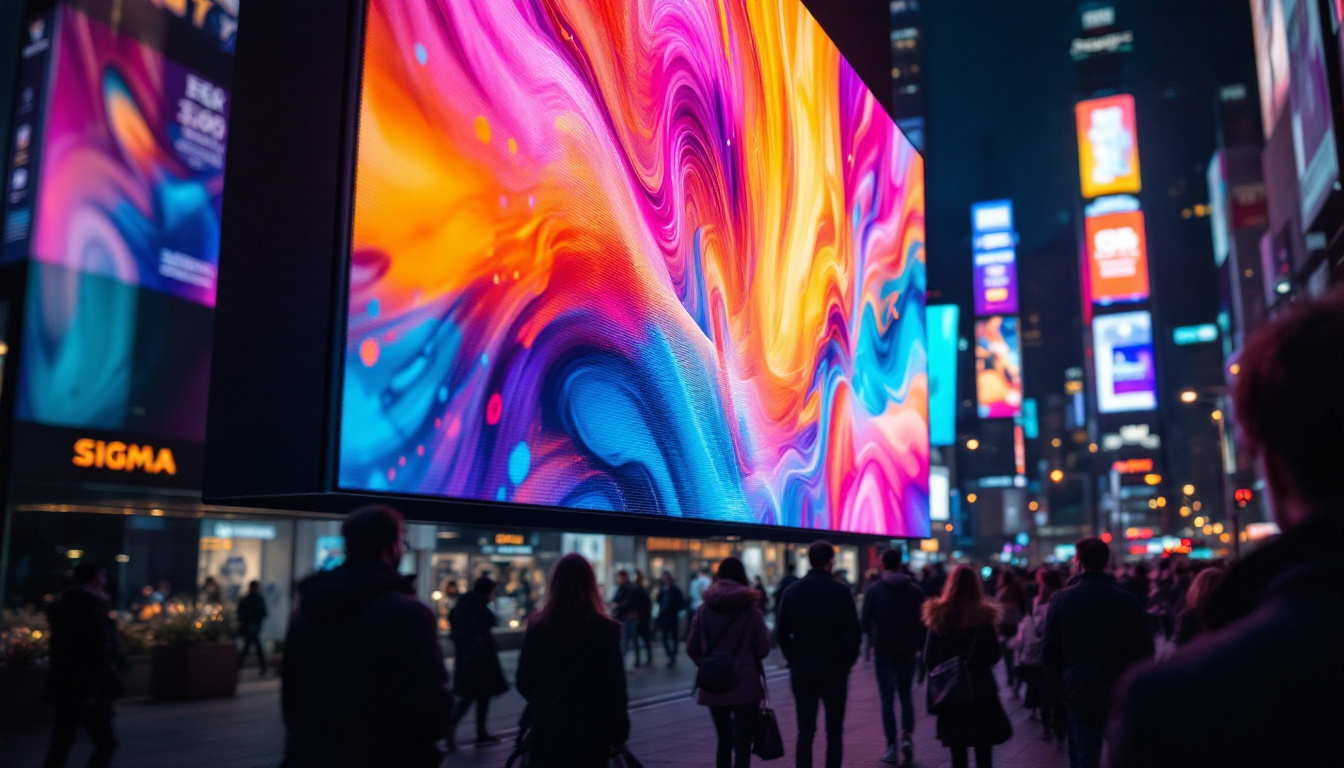
Outdoor LED billboards are a staple of modern advertising, offering eye-catching visuals that attract attention in busy urban areas. Their brightness and color fidelity make them effective for brand messaging, promotions, and public service announcements.
Municipalities also use LED displays for traffic updates, emergency alerts, and community event notifications, leveraging their visibility and reliability.
Considerations When Choosing Between Outdoor Projector Screens and LED Displays
Budget Constraints
Cost is often the primary consideration. Outdoor projector setups generally have lower upfront costs, making them accessible for casual or occasional use. However, for frequent or professional applications, the durability and performance of LED displays often justify the higher initial investment.
Viewing Environment
The ambient light conditions and viewing distance play a critical role in determining the best display technology. For nighttime events in low-light environments, traditional projector screens may suffice. Conversely, for daytime or brightly lit venues, LED displays offer superior visibility.
Installation and Portability
Projector screens are typically more portable and easier to set up for temporary events. Inflatable screens, for example, can be quickly deployed and packed away. LED displays, while increasingly modular and transportable, often require more complex installation and setup.
Content and Resolution Requirements
High-resolution content and detailed visuals benefit from fine-pitch LED displays, especially when viewers are close to the screen. Projectors may struggle to deliver the same level of detail without significant investment in high-end equipment.
Future Trends in Outdoor Display Technology
Advancements in LED Technology
LED technology continues to evolve with innovations such as microLED and miniLED displays, which promise even higher resolutions, improved energy efficiency, and thinner form factors. These advancements will further enhance the appeal of LED displays for outdoor applications.
Integration with Smart Technologies
Outdoor LED displays are increasingly integrated with smart sensors, IoT devices, and AI-driven content management systems. This integration allows for dynamic content adjustments based on environmental conditions, audience demographics, and real-time data, creating more engaging and personalized experiences.
Environmental Sustainability
As sustainability becomes a priority, manufacturers are focusing on eco-friendly materials and energy-efficient designs for outdoor displays. LED technology inherently consumes less power than projectors, and ongoing improvements aim to reduce environmental impact further.
Conclusion
Outdoor projector screens have served as a reliable medium for open-air visual entertainment for many years. However, the rise of LED display technology offers compelling advantages that address many of the limitations of traditional setups. From superior brightness and durability to flexible design options and lower long-term costs, LED displays are redefining what is possible in outdoor visual presentations.
Whether for movie nights, live events, sports venues, or advertising, understanding the strengths and considerations of each technology is essential for making informed decisions. As LED technology continues to advance, it is poised to become the dominant choice for outdoor displays, delivering vibrant, high-quality visuals that captivate audiences in any environment.
Explore the Future of Outdoor Visuals with LumenMatrix
Ready to elevate your outdoor visual experiences with cutting-edge technology? LumenMatrix, a pioneer in LED display innovation, offers an extensive range of solutions tailored to bring your visual communication to life. From immersive outdoor LED walls to dynamic sports displays and beyond, our products are designed to captivate your audience and amplify your message. Embrace the future of outdoor displays and check out LumenMatrix LED Display Solutions today to see how we can transform your space into a vibrant canvas for storytelling and engagement.