In the rapidly evolving world of display technology, 4K LED monitors have become a cornerstone for professionals, gamers, and multimedia enthusiasts alike. The combination of 4K resolution with LED backlighting offers users stunning visuals, sharper images, and improved energy efficiency compared to older display technologies. However, understanding what makes a 4K LED monitor unique requires a deeper dive into the technology behind it, its benefits, and how it compares to other display types.
This article explores the fundamentals of 4K LED monitors, explaining the technology, its advantages, and practical considerations for selecting the right display for your needs.
Understanding 4K Resolution: What Does 4K Mean?
4K resolution refers to a display resolution of approximately 3840 x 2160 pixels, which is four times the pixel count of Full HD (1920 x 1080). This increase in pixel density results in significantly sharper and more detailed images, especially noticeable on larger screens or when viewing content up close.
The term “4K” originated from the digital cinema industry, where professional projectors used a horizontal resolution of around 4000 pixels. For consumer monitors and TVs, 4K typically means Ultra High Definition (UHD) with 3840 x 2160 pixels. This resolution standard has become the benchmark for high-end displays, enabling users to experience content with exceptional clarity.
For professionals working in graphic design, video editing, or photography, 4K resolution provides a much larger workspace and finer detail, allowing for more precise work. Gamers benefit from immersive visuals with enhanced textures and sharper environments, while general users enjoy crisper text and improved overall image quality.
The Impact of Pixel Density
Pixel density, measured in pixels per inch (PPI), plays a crucial role in how sharp a display appears. A 4K monitor with a screen size of 27 inches or less typically offers a high PPI, resulting in incredibly sharp images. Conversely, on larger screens, the pixel density decreases, which can affect perceived sharpness.
Choosing the right screen size paired with 4K resolution is essential to maximize the benefits of this technology. For instance, a 32-inch 4K monitor provides a good balance between screen real estate and pixel density, making it popular among professionals and gamers.
LED Technology: How LED Displays Work
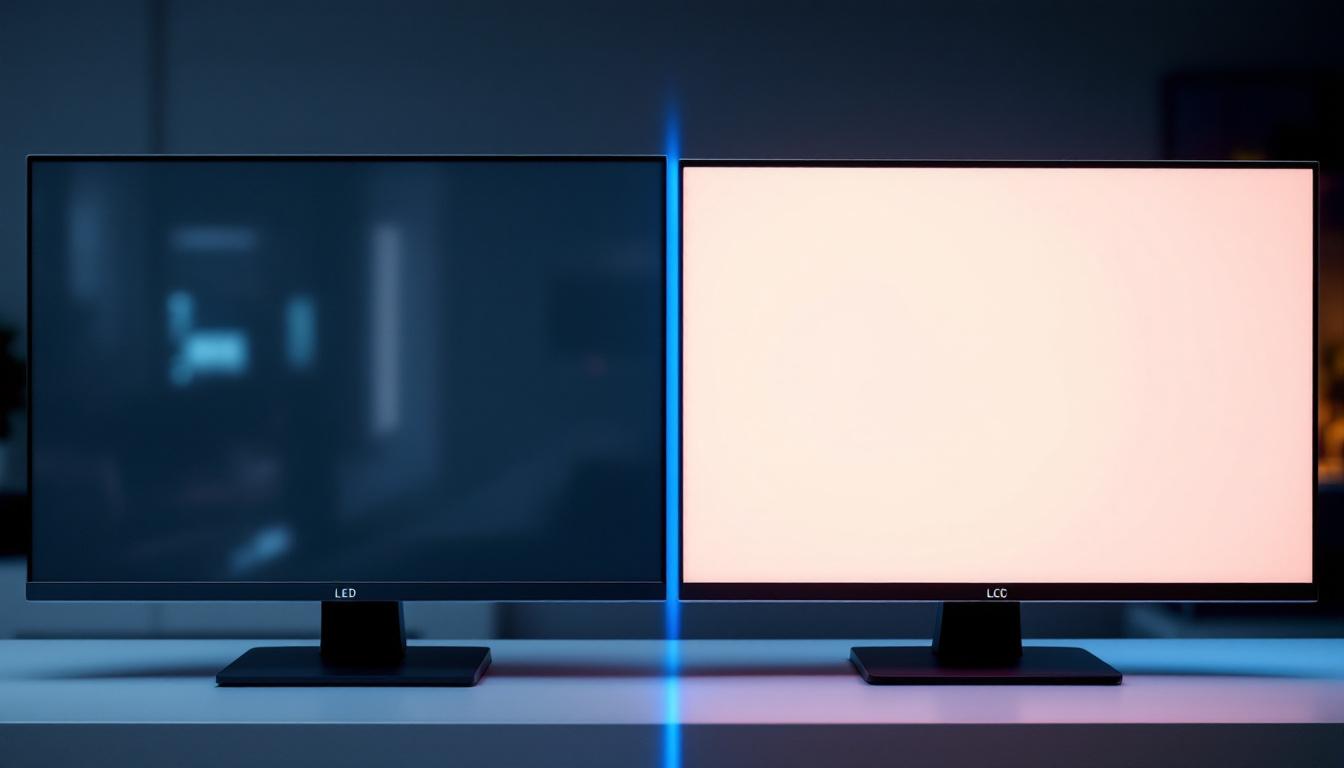
LED, or Light Emitting Diode, technology refers to the backlighting method used in LCD (Liquid Crystal Display) panels. Unlike older CCFL (Cold Cathode Fluorescent Lamp) backlit displays, LED monitors use an array of LEDs to illuminate the screen. This shift has brought several advantages, including better energy efficiency, thinner designs, and improved brightness and contrast.
It’s important to note that the term “LED monitor” often refers to an LCD panel with LED backlighting, not a display made entirely of LEDs. True LED displays, like those used in large outdoor screens, are different and typically not used for desktop monitors.
Types of LED Backlighting
There are primarily two types of LED backlighting used in monitors: edge-lit and full-array.
- Edge-lit LED: LEDs are placed along the edges of the screen. This design allows for thinner monitors and is generally more cost-effective. However, edge-lit displays may have less uniform brightness and contrast compared to full-array.
- Full-array LED: LEDs are distributed evenly behind the entire screen. This setup enables local dimming, where specific areas of the screen can be dimmed or brightened independently, resulting in better contrast and deeper blacks.
Full-array LED monitors tend to be more expensive but offer superior picture quality, especially in dark scenes, making them ideal for video editing and high-end gaming.
Advantages of LED Backlighting
LED backlighting offers several benefits over older technologies:
- Energy Efficiency: LEDs consume less power than CCFLs, reducing electricity usage and heat generation.
- Thinner and Lighter Designs: LED backlighting allows manufacturers to create slimmer monitors without sacrificing brightness.
- Better Brightness and Contrast: LEDs can achieve higher brightness levels and support advanced dimming techniques, enhancing picture quality.
- Longer Lifespan: LEDs generally last longer than fluorescent lamps, contributing to the durability of the monitor.
Combining 4K Resolution with LED Technology: What to Expect
The marriage of 4K resolution and LED backlighting results in monitors that deliver stunning visual fidelity with efficient performance. This combination is particularly advantageous for users who demand both high resolution and excellent image quality.
Image Quality and Color Accuracy
4K LED monitors often support wide color gamuts such as Adobe RGB or DCI-P3, which means they can display a broader range of colors more accurately. This feature is critical for professionals in creative fields who require precise color reproduction.
Additionally, many high-end 4K LED monitors incorporate technologies like HDR (High Dynamic Range), which enhances contrast and color depth by expanding the range between the darkest and brightest parts of an image. HDR support can make a significant difference in gaming, video playback, and photo editing.
Refresh Rates and Response Times
While 4K resolution is a major selling point, refresh rates and response times are equally important, especially for gamers. Traditional 4K monitors often run at 60Hz, which is sufficient for most productivity tasks and casual gaming. However, competitive gamers may prefer monitors with higher refresh rates, such as 120Hz or 144Hz, to enjoy smoother motion and reduced input lag.
Manufacturers have started producing 4K LED monitors with higher refresh rates, combining the benefits of ultra-high resolution with fast performance. Response times, typically measured in milliseconds (ms), indicate how quickly pixels can change color. Lower response times reduce motion blur and ghosting, enhancing the viewing experience.
Choosing the Right 4K LED Monitor: Key Considerations
Selecting a 4K LED monitor involves balancing several factors based on your specific needs, budget, and use cases. Understanding these considerations can help you make an informed decision.
Screen Size and Viewing Distance
As mentioned earlier, the size of the monitor impacts pixel density and viewing comfort. For desktop use, 27 to 32 inches is generally ideal for 4K monitors. Larger screens may require sitting further back to avoid eye strain and to fully appreciate the resolution.
Panel Type: IPS vs. VA vs. TN
The panel technology affects color accuracy, viewing angles, and response times:
- IPS (In-Plane Switching): Known for excellent color reproduction and wide viewing angles, making it the preferred choice for professionals and general users.
- VA (Vertical Alignment): Offers better contrast ratios and deeper blacks but can have slower response times. Suitable for multimedia consumption.
- TN (Twisted Nematic): Provides the fastest response times but generally poorer color accuracy and viewing angles. Often favored by competitive gamers on a budget.
Connectivity Options
Modern 4K LED monitors typically include multiple input options such as HDMI 2.0 or 2.1, DisplayPort 1.4, and USB-C. These ports support high bandwidth necessary for 4K at higher refresh rates. USB-C with Power Delivery is especially useful for laptop users, enabling video, data, and charging through a single cable.
Ergonomics and Build Quality
Adjustable stands that offer height, tilt, swivel, and pivot adjustments improve comfort during extended use. Additionally, good build quality ensures durability and stability. Some monitors also feature blue light filters and flicker-free technology to reduce eye strain.
Price and Warranty
4K LED monitors vary widely in price, from affordable models under $300 to premium displays costing over $1,000. Higher-priced monitors generally offer better color accuracy, build quality, and additional features. Checking warranty terms and customer support is also important to protect your investment.
Comparing 4K LED Monitors to Other Display Technologies
While 4K LED monitors are popular, it’s useful to understand how they stack up against other display types such as OLED and QLED.
4K LED vs. OLED
OLED (Organic Light Emitting Diode) displays feature self-emissive pixels that can turn off individually, resulting in perfect blacks and outstanding contrast ratios. This technology offers superior image quality compared to LED-backlit LCDs but is generally more expensive and less common in desktop monitors.
OLED displays also tend to have faster response times and wider viewing angles. However, they may suffer from burn-in issues over time, which is a consideration for static content usage.
4K LED vs. QLED
QLED (Quantum Dot LED) is a marketing term used primarily by some manufacturers to describe LED monitors that use quantum dot technology to enhance color accuracy and brightness. QLED monitors are essentially LED-backlit LCDs but with improved color performance.
Compared to standard LED monitors, QLED displays can produce more vivid colors and higher peak brightness, making them attractive for HDR content. However, the underlying technology remains similar to LED LCDs.
Future Trends in 4K LED Monitor Technology
The display industry continues to innovate, and 4K LED monitors are evolving with new features and improvements.
Higher Refresh Rates and Variable Refresh Technologies
As 4K content becomes more prevalent, especially in gaming, manufacturers are pushing for higher refresh rates at 4K resolution. Technologies like NVIDIA G-Sync and AMD FreeSync help synchronize the monitor’s refresh rate with the GPU, reducing screen tearing and stuttering for smoother gameplay.
Mini-LED and Micro-LED Backlighting
Mini-LED technology uses thousands of tiny LEDs for backlighting, allowing for even more precise local dimming and better contrast than traditional full-array LED monitors. This technology bridges the gap between LED and OLED, offering improved HDR performance without the burn-in risk.
Micro-LED, still in early stages for consumer monitors, promises self-emissive pixels like OLED but with higher brightness and durability. This could represent the next leap in display technology.
Enhanced Color Standards and HDR Formats
Support for wider color gamuts and advanced HDR standards such as HDR10+, Dolby Vision, and HLG is becoming more common. These enhancements provide richer colors and better dynamic range, improving the viewing experience for movies, games, and professional work.
Conclusion
4K LED monitors represent a significant advancement in display technology, combining ultra-high resolution with efficient and effective LED backlighting. Whether for professional content creation, immersive gaming, or everyday computing, these monitors offer crisp images, vibrant colors, and improved energy efficiency.
Understanding the nuances of 4K resolution, LED backlighting types, panel technologies, and additional features is essential for selecting the right monitor. As technology continues to advance with innovations like mini-LED and higher refresh rates, the future of 4K LED displays looks promising, delivering even better visual experiences for users across all domains.
Investing in a quality 4K LED monitor today can provide years of enhanced productivity and entertainment, making it a worthwhile consideration for anyone seeking top-tier display performance.
Discover the Future of Visual Display with LumenMatrix
Ready to elevate your visual experience with the latest in 4K LED technology? LumenMatrix is at the forefront of LED display innovation, offering a wide array of solutions that bring your content to life. From immersive Indoor LED Wall Displays to dynamic Outdoor LED Wall Displays, and from versatile Vehicle LED Displays to sleek LED Poster Displays, our products are designed to captivate and engage. Explore our comprehensive range, including LED Sports Displays, Floor LED Displays, Custom LED Displays, All-in-One LED Displays, and LED Transparent Displays. Experience the revolution in visual communication with LumenMatrix and transform the way you share your message. Check out LumenMatrix LED Display Solutions today and join the visual revolution.