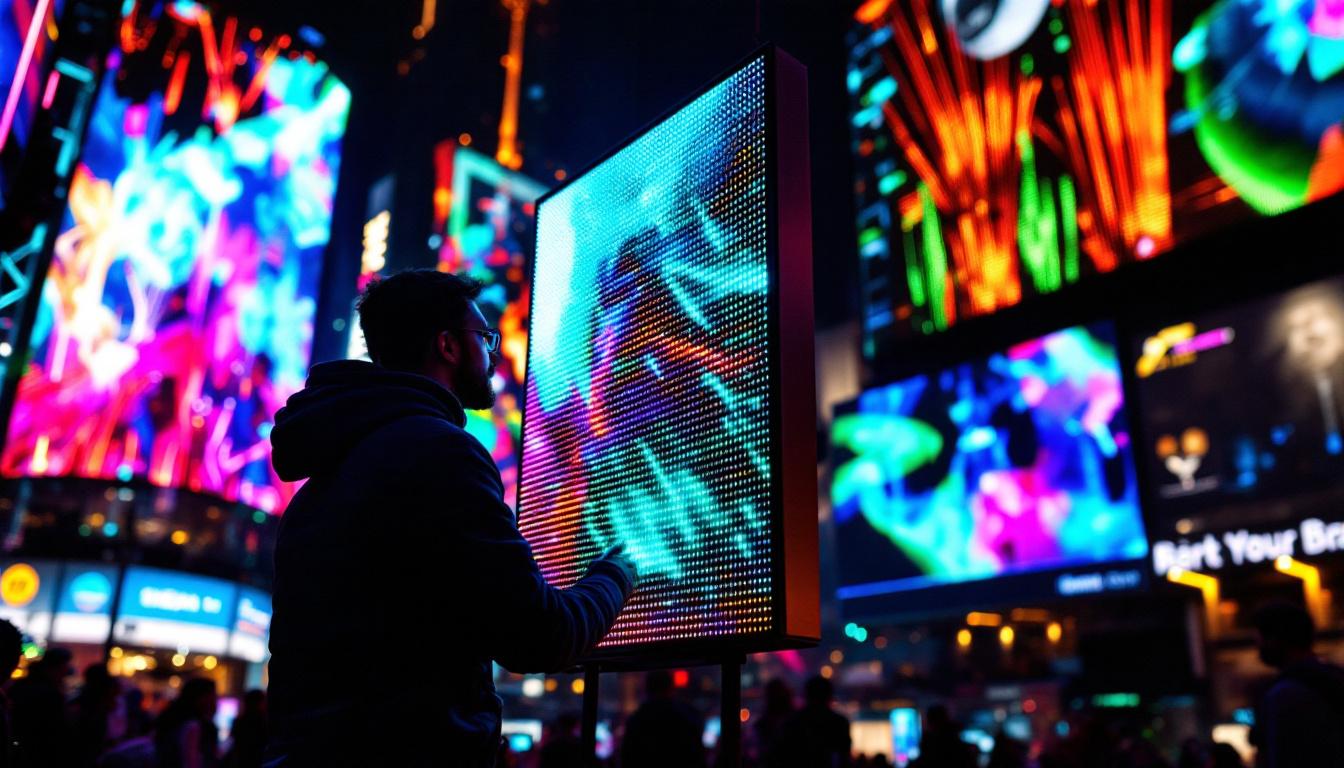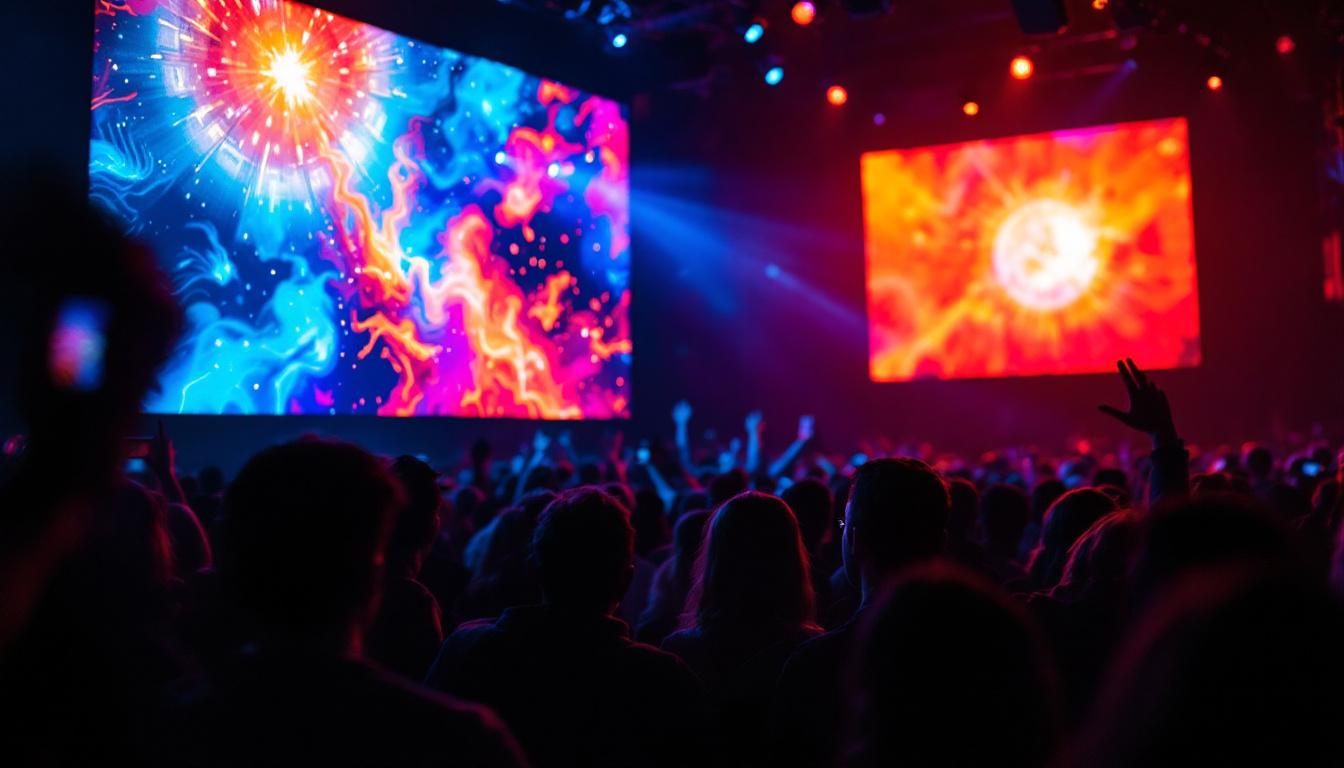
In the dynamic world of live events, concerts, conferences, and exhibitions, visual presentation plays a pivotal role in audience engagement and overall experience. LED displays have revolutionized staging solutions, offering unparalleled brightness, flexibility, and impact. This article delves into the intricacies of LED display technology, exploring its types, benefits, applications, and considerations for selecting the right solution for your staging needs.
Understanding LED Display Technology
LED, or Light Emitting Diode, displays consist of numerous tiny diodes that emit light when an electric current passes through them. These diodes are arranged in panels that combine to form large screens capable of displaying vivid images and videos. Unlike traditional display technologies such as LCD or projection, LED displays offer superior brightness and contrast, making them ideal for both indoor and outdoor events.
The fundamental advantage of LED technology lies in its self-emissive nature. Each diode produces its own light, eliminating the need for backlighting. This results in deeper blacks, higher contrast ratios, and vibrant colors that remain consistent from wide viewing angles. Additionally, LED displays are known for their energy efficiency, consuming less power compared to other display types, which can significantly reduce operational costs over time. This efficiency not only benefits event organizers but also contributes to more sustainable practices in the industry.
Types of LED Displays Used in Staging
LED displays for staging come in various forms, each suited for different environments and requirements. The most common types include:
- Indoor LED Displays: Designed for controlled lighting environments, these displays have smaller pixel pitches (distance between diodes) ranging from 1.2mm to 4mm, offering high resolution and sharp images. Their ability to render intricate details makes them perfect for concerts, conferences, and corporate events where clarity is paramount.
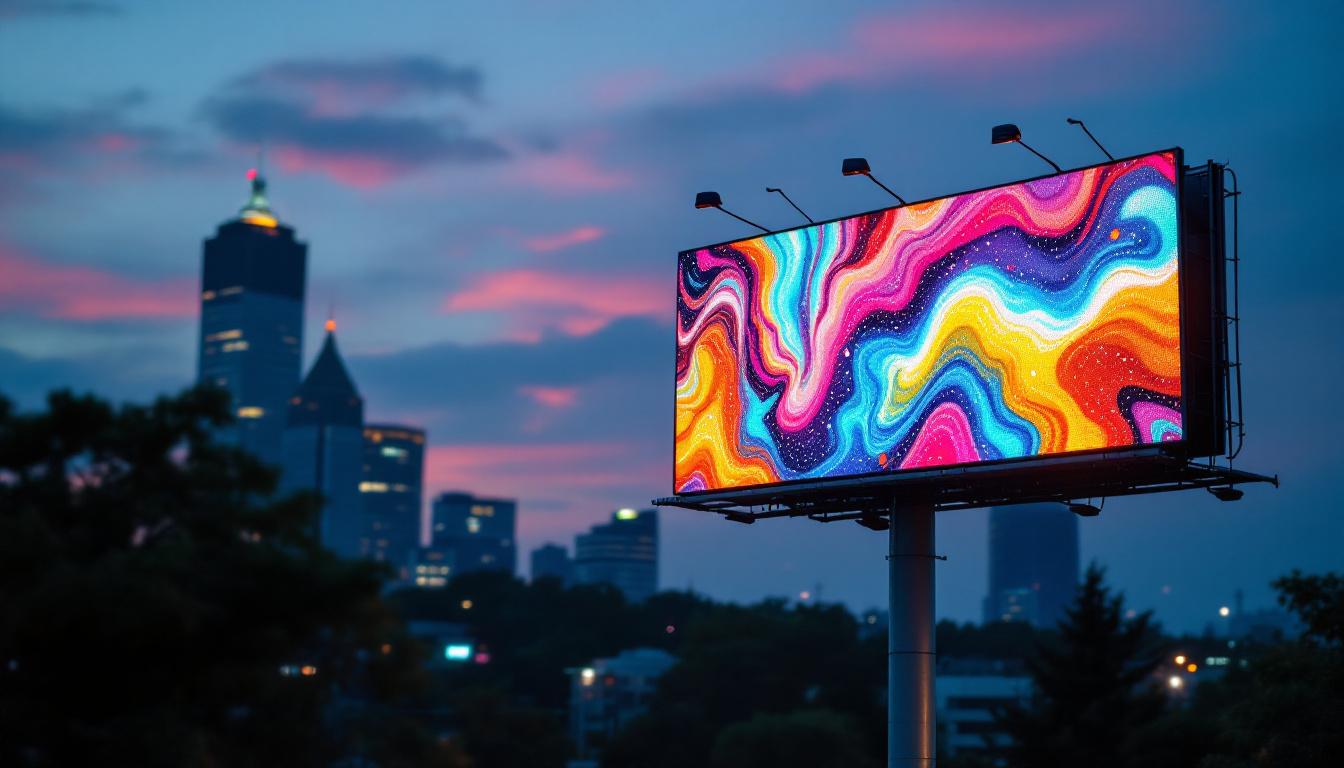
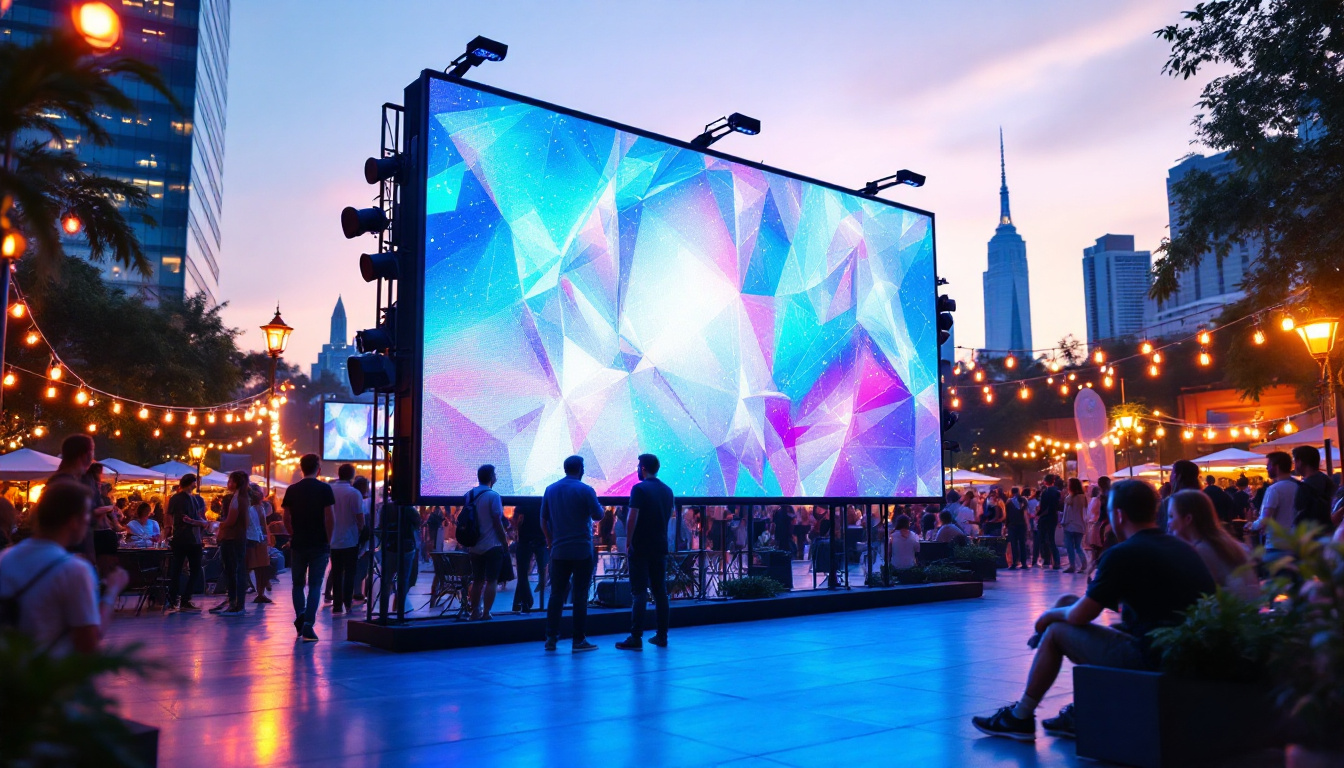
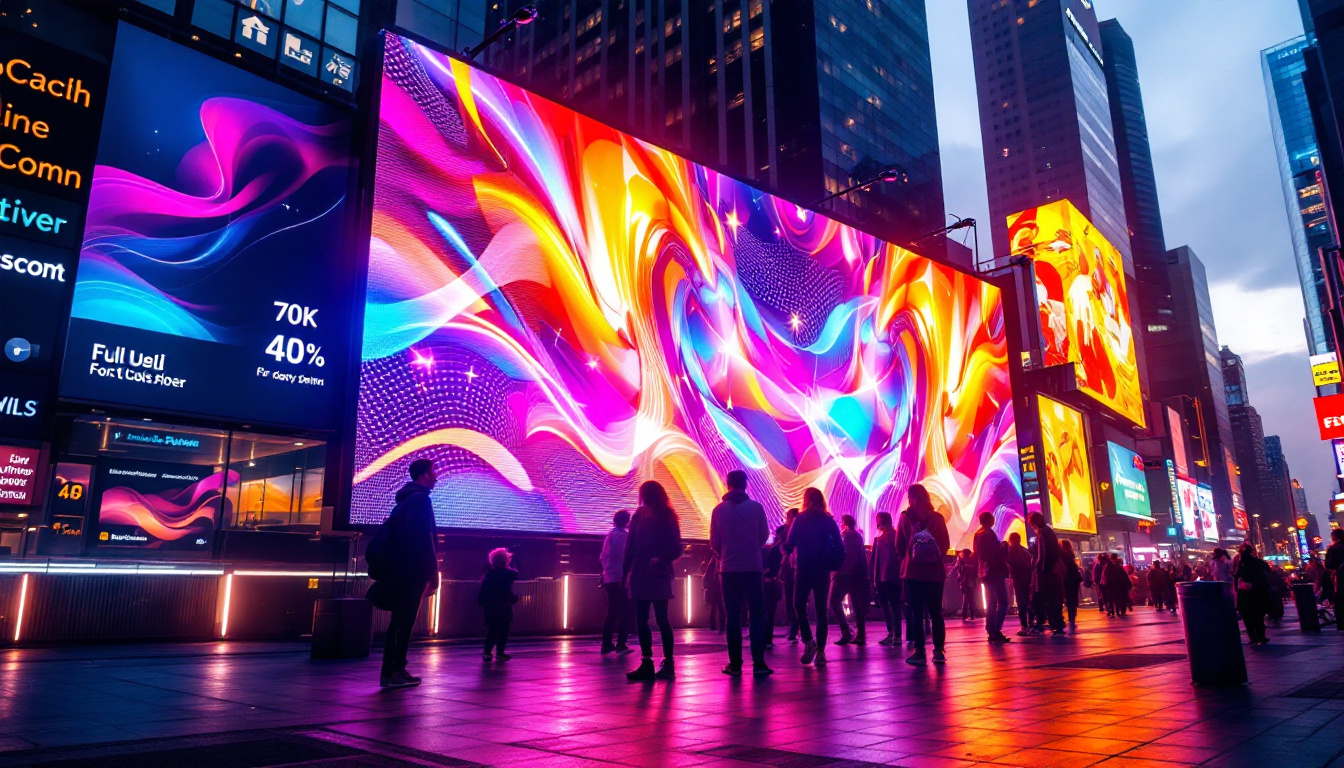
- Outdoor LED Displays: Built to withstand weather conditions, these displays have larger pixel pitches, typically 6mm to 20mm, and higher brightness levels exceeding 5,000 nits to combat sunlight glare. They are often used in festivals, sports events, and advertising, ensuring that visuals remain impactful even in direct sunlight.
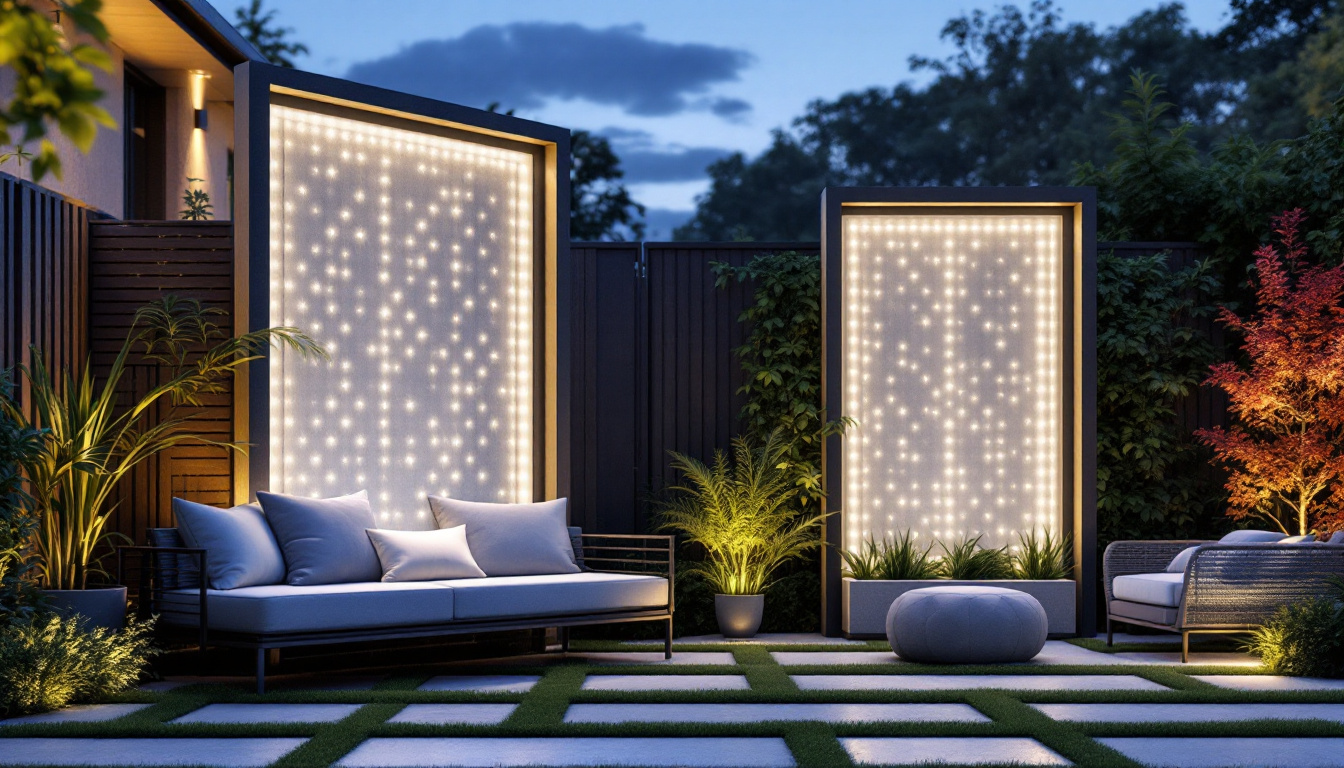
- Flexible and Transparent LED Displays: These innovative solutions allow for curved, bendable, or see-through screens, enabling creative stage designs and immersive experiences. Their versatility opens up new possibilities for artistic expression, allowing designers to create dynamic backdrops that can transform the atmosphere of any event.
Moreover, advancements in LED technology have led to the development of high-definition and ultra-high-definition displays, which provide even more detail and clarity. This evolution has been particularly beneficial for industries such as film and television, where visual quality is critical. The integration of smart technology into LED displays has also enhanced their functionality, enabling features such as remote management, real-time content updates, and interactive capabilities that engage audiences in new ways. As the demand for captivating visual experiences continues to grow, LED display technology is poised to play an even more significant role in shaping the future of live events and presentations.
Key Benefits of LED Displays in Staging
LED displays have become the go-to choice for event professionals due to their numerous advantages over traditional staging visuals. Understanding these benefits helps event planners and production teams make informed decisions.
Exceptional Brightness and Visibility
One of the standout features of LED displays is their brightness. With luminance levels often exceeding 1,000 nits for indoor and 5,000 nits or more for outdoor use, LED screens remain clearly visible even in direct sunlight or brightly lit venues. This ensures that content is vivid and legible from all audience vantage points, significantly enhancing the visual impact of any event. The ability to maintain clarity and color accuracy in various lighting conditions makes LED displays ideal for a wide range of events, from corporate presentations to music festivals, where lighting can change dramatically throughout the performance.
Scalability and Customization
LED panels are modular, allowing for scalable screen sizes tailored to the venue and event requirements. Whether it’s a small conference backdrop or a massive festival stage, LED displays can be configured into virtually any shape or size. This flexibility extends to resolution and pixel pitch, enabling crisp visuals for close-up viewing or large-scale imagery for distant audiences. Furthermore, event planners can create dynamic displays that incorporate multiple screens, allowing for unique layouts that can enhance storytelling and audience engagement. This adaptability not only captivates viewers but also allows for innovative designs that can transform the atmosphere of any event.
Durability and Reliability
Designed to endure the rigors of live events, LED displays are highly durable. Outdoor LED screens are weatherproof and resistant to dust, moisture, and temperature fluctuations. Additionally, LED technology boasts a long lifespan, often exceeding 100,000 hours of operation, reducing maintenance costs and downtime. This robustness means that event organizers can focus on delivering a seamless experience without the constant worry of equipment failure. Moreover, many LED displays come equipped with advanced cooling systems that prevent overheating, ensuring consistent performance even during extended use, which is crucial for events that run for several hours or days.
Energy Efficiency
Compared to traditional lighting and projection systems, LED displays consume less power while delivering brighter images. This energy efficiency translates to lower operational costs and a smaller environmental footprint, aligning with the growing emphasis on sustainable event production. In addition to reducing energy consumption, many LED displays are designed with recyclable materials, further contributing to eco-friendly practices in the events industry. As more organizations strive to meet sustainability goals, the use of LED technology not only supports these initiatives but also enhances the overall image of the event, showcasing a commitment to innovation and responsibility.
Applications of LED Displays in Modern Staging
LED displays have transformed the staging landscape, finding applications across diverse event types and industries. Their versatility and performance make them indispensable tools for creating immersive and memorable experiences.
Concerts and Music Festivals
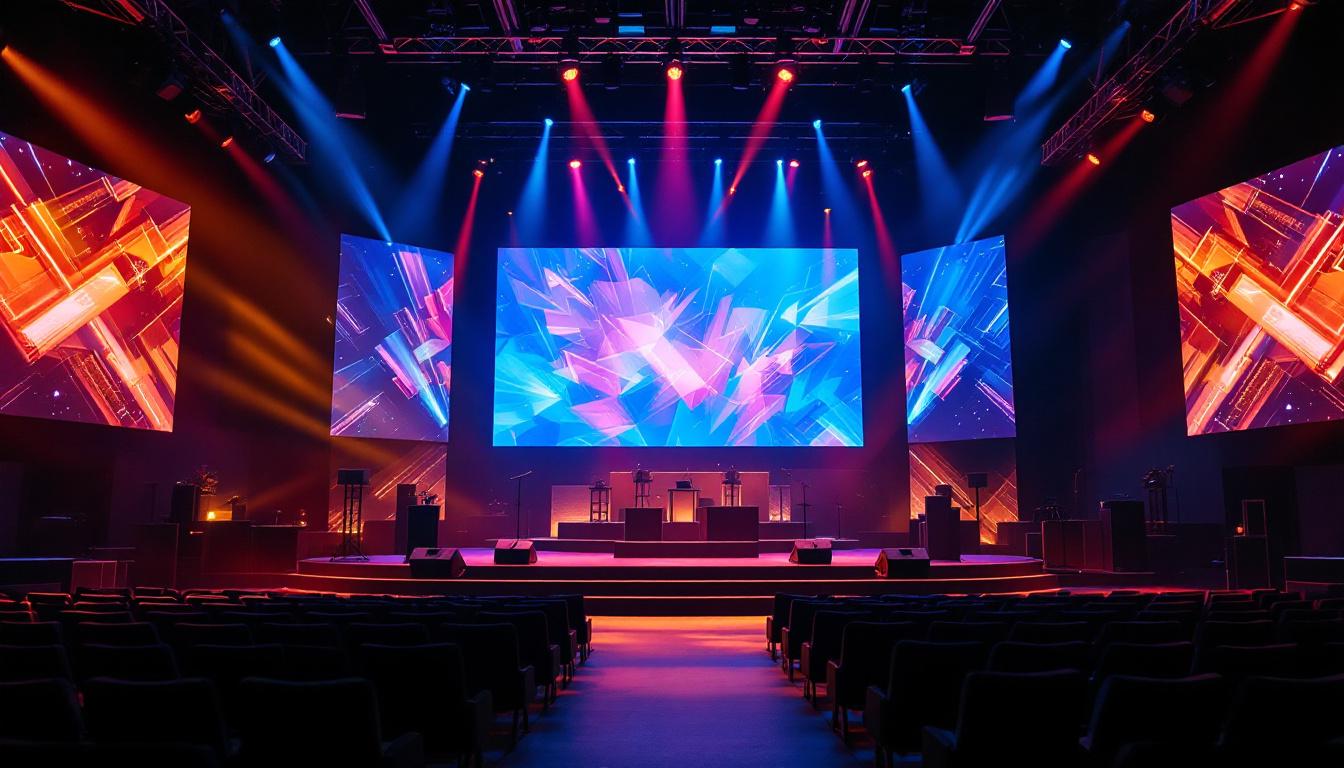
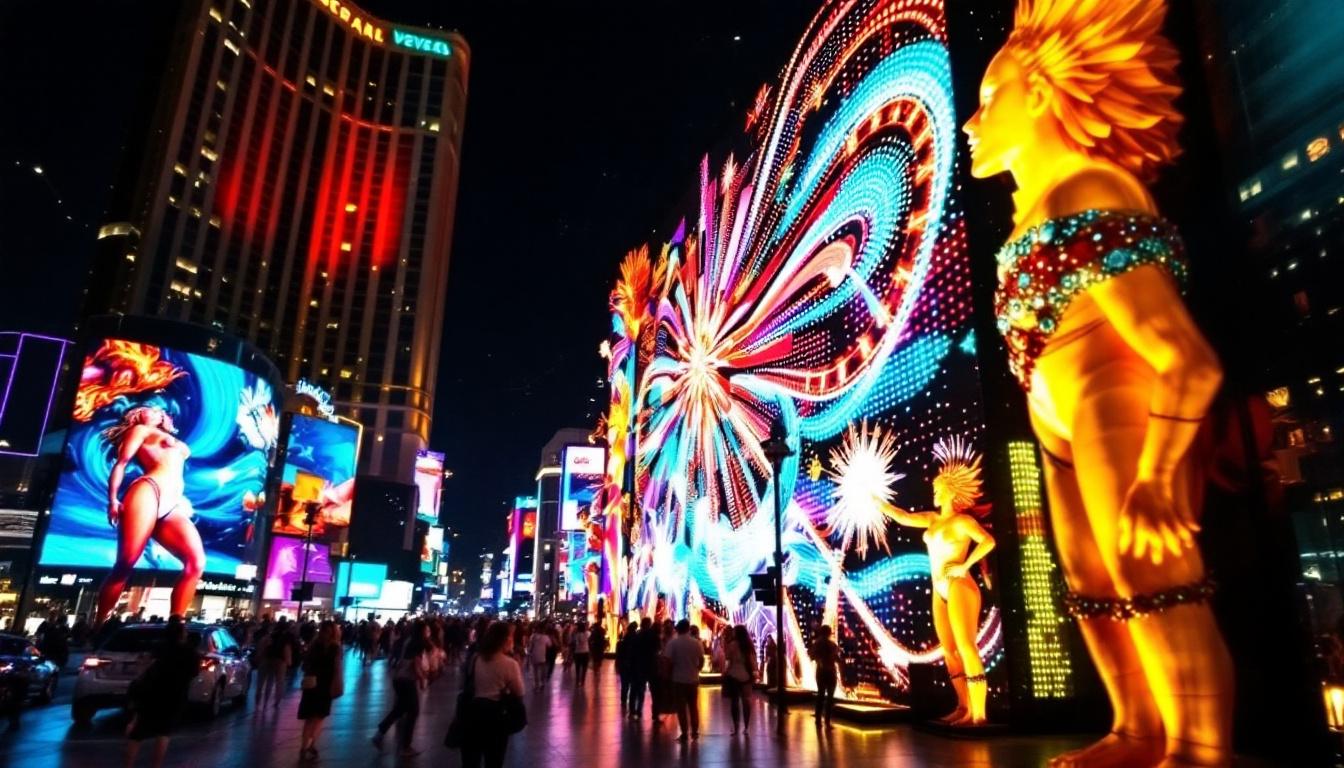
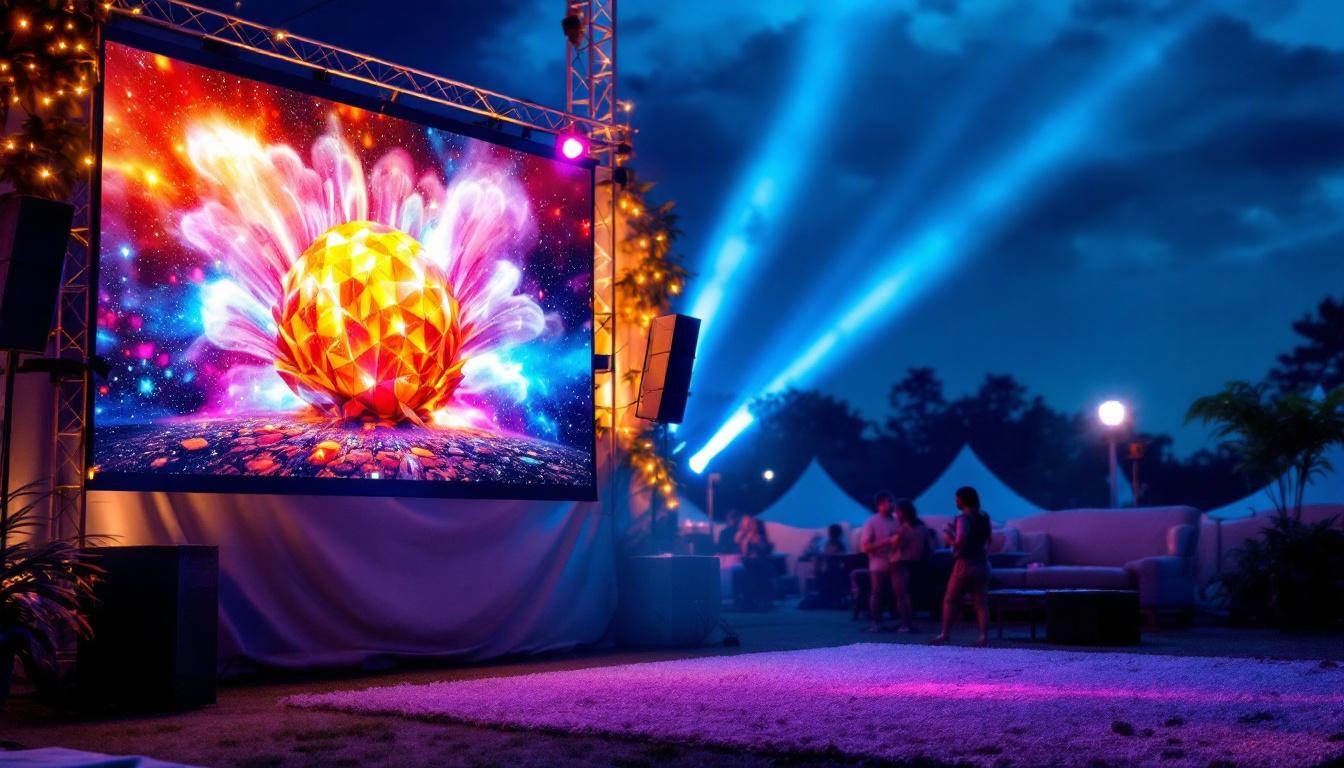
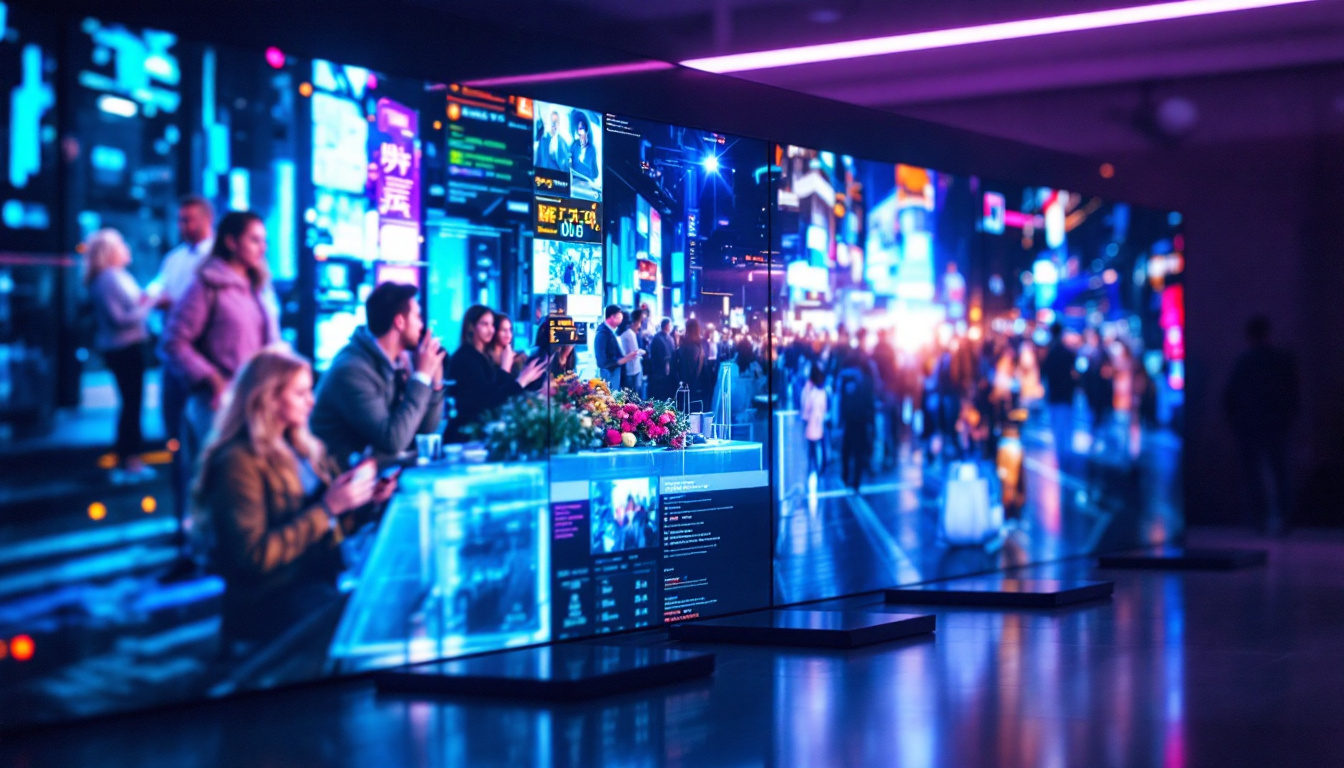
Live music events demand high-impact visuals that complement performances and energize audiences. LED video walls serve as dynamic backdrops, displaying live feeds, animations, and thematic content synchronized with the music. The ability to create massive, bright screens visible from afar enhances the spectacle and audience connection.
Corporate Events and Conferences
In corporate settings, LED displays facilitate clear communication and branding. They are used for presentations, product launches, and virtual meetings, providing sharp visuals that engage attendees. Transparent and curved LED screens also add a modern aesthetic to event design, reinforcing brand identity.
Theatrical Productions and Performances
Theatre and performing arts have embraced LED technology for set design and storytelling. LED screens can simulate environments, project scenery changes, and interact with performers in real-time, expanding creative possibilities beyond traditional stagecraft.
Trade Shows and Exhibitions
Exhibitors leverage LED displays to attract visitors and showcase products with high-resolution videos and interactive content. Portable and lightweight LED panels enable quick setup and teardown, essential for the fast-paced trade show environment.
Choosing the Right LED Display for Your Event
Selecting an appropriate LED display involves evaluating several factors to ensure the solution meets the event’s technical and aesthetic demands.
Pixel Pitch and Resolution
Pixel pitch directly affects image clarity. Smaller pixel pitches provide higher resolution, ideal for close viewing distances. For example, a pixel pitch of 1.5mm is suitable for indoor events where the audience is near the screen, while a 10mm pitch may suffice for large outdoor stages viewed from afar. Understanding the venue layout and audience proximity is crucial in this decision.
Brightness Requirements
Assess the ambient lighting conditions of the event space. Outdoor events or venues with strong lighting require LED displays with higher brightness ratings to maintain visibility. Conversely, indoor events with controlled lighting can utilize lower brightness displays, which may be more cost-effective.
Screen Size and Configuration
Determine the optimal screen size based on the venue dimensions and viewing angles. Modular LED panels allow for creative configurations, including curved or irregular shapes, but these may increase complexity and cost. Collaboration with staging professionals can help balance design ambitions with practical constraints.
Budget and Logistics
Budget considerations extend beyond the initial purchase or rental cost. Include expenses for transport, installation, operation, and potential repairs. Additionally, consider the availability of technical support and the ease of integrating the LED display with other staging equipment.
Future Trends in LED Display Technology
As technology advances, LED displays continue to evolve, offering new possibilities for staging and event production.
MicroLED and MiniLED Innovations
Emerging MicroLED and MiniLED technologies promise even higher resolution and brightness with improved energy efficiency. These smaller diodes allow for finer pixel pitches, enabling ultra-high-definition displays that enhance immersive experiences.
Interactive and Smart LED Displays
Integration of touch sensitivity, motion sensors, and AI-driven content management is making LED displays more interactive and adaptive. This enables real-time audience engagement and personalized content delivery, transforming passive viewing into active participation.
Augmented Reality (AR) Integration
Combining LED displays with AR technology is opening new frontiers in staging design. Virtual elements can be seamlessly blended with physical sets, creating hybrid environments that captivate audiences and expand storytelling capabilities.
Conclusion
LED displays have become an essential component of modern staging solutions, offering unmatched brightness, flexibility, and durability. Their ability to transform any event into a visually stunning experience makes them a valuable investment for event organizers and production teams. By understanding the technology, benefits, and selection criteria, stakeholders can harness the full potential of LED displays to create memorable and impactful events.
As LED technology continues to advance, staying informed about the latest innovations will ensure that staging solutions remain cutting-edge, engaging, and efficient. Whether for a small corporate meeting or a large-scale music festival, LED displays provide the visual foundation that brings events to life.
Illuminate Your Next Event with LumenMatrix
Ready to elevate your event with the visual power of LED displays? LumenMatrix is at the forefront of LED display innovation, offering a wide array of solutions tailored to your unique needs. From mesmerizing Indoor LED Wall Displays to robust Outdoor LED Wall Displays, and from versatile Vehicle LED Displays to sleek LED Poster Displays, our technology is designed to captivate and engage. Discover the transformative impact of LED Sports Displays, interactive Floor LED Displays, and the seamless integration of our All-in-One LED Displays. Experience the future of visual storytelling with our Custom and LED Transparent Displays. Don’t just share your message—make it resonate with clarity and impact. Check out LumenMatrix LED Display Solutions and turn your vision into a breathtaking reality.