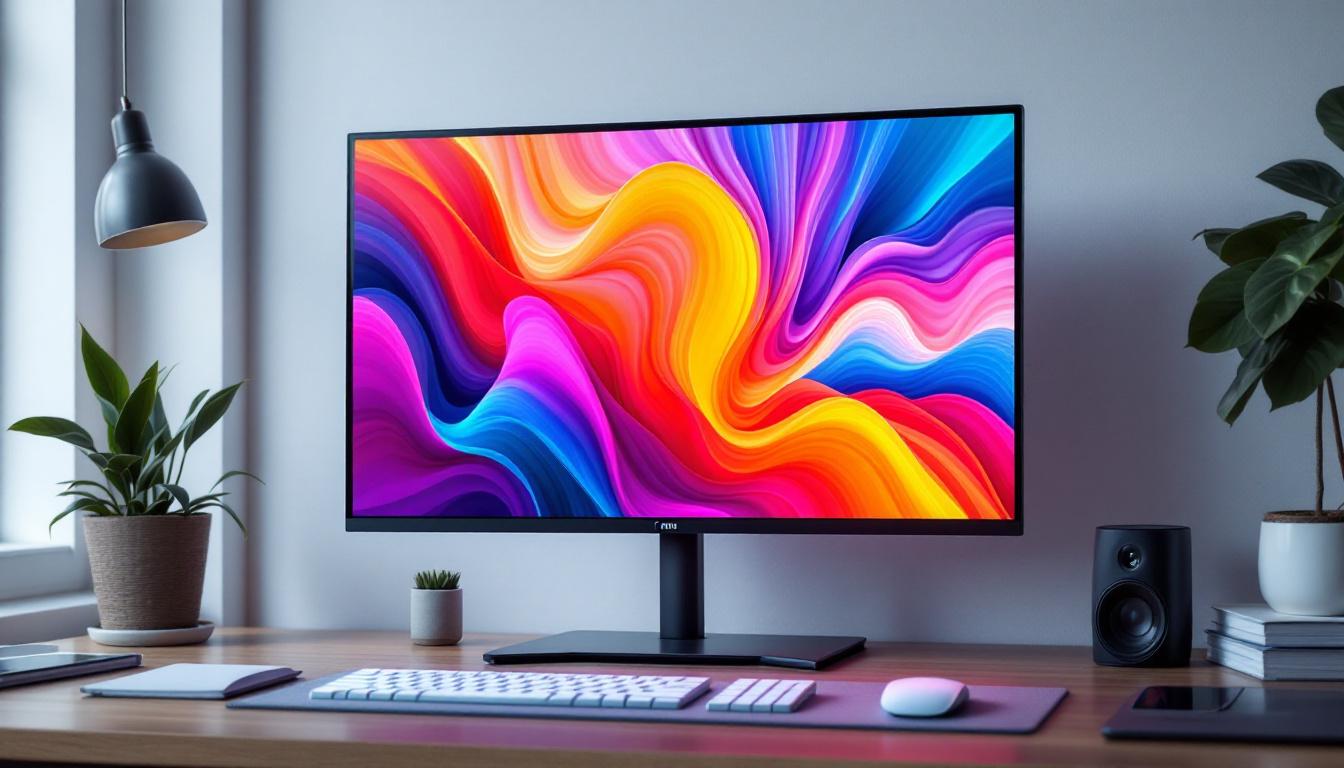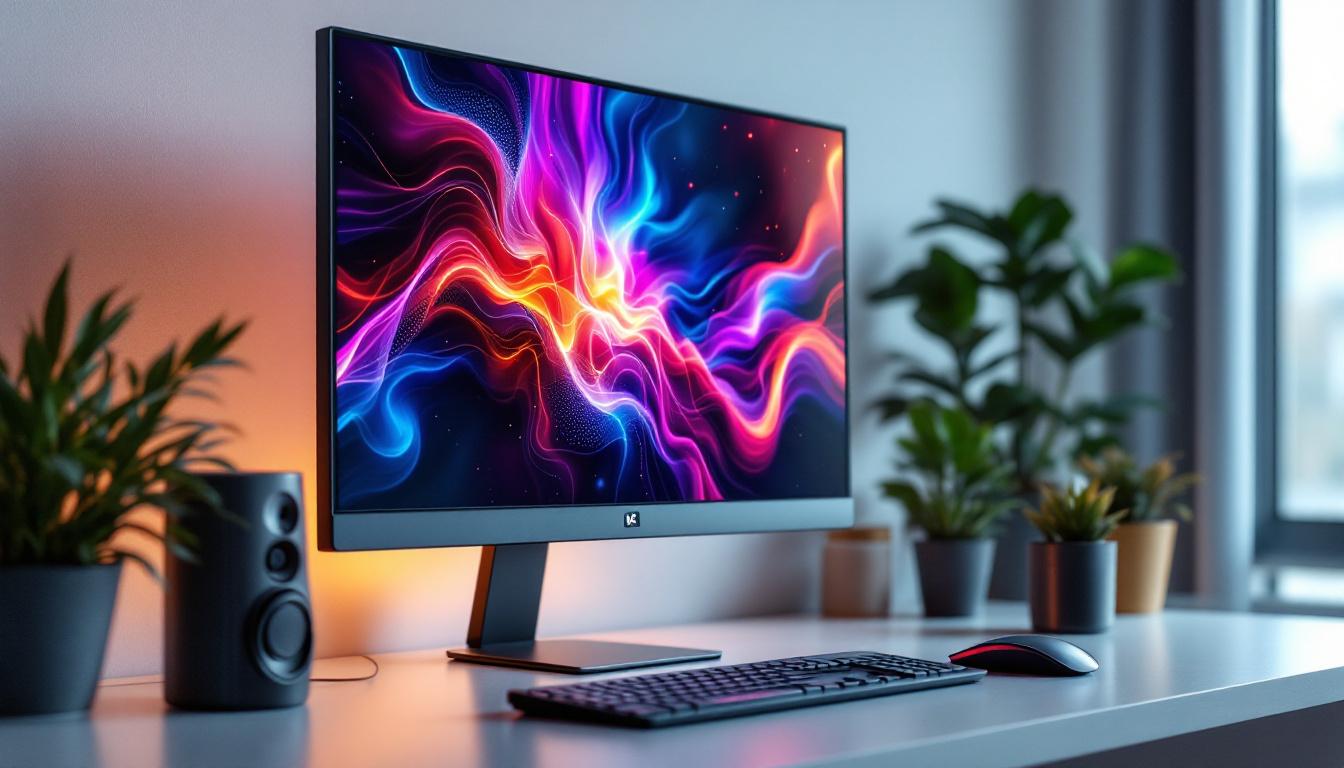
Choosing the right computer monitor is a crucial decision for both professionals and casual users. Among the many options available, 24 inch LED computer monitors stand out as a popular choice due to their balanced size, image quality, and energy efficiency. This article delves into the intricacies of LED displays, focusing on 24 inch monitors, to help you make an informed decision when upgrading or purchasing your next screen.
Understanding LED Technology in Computer Monitors
LED, or Light Emitting Diode, technology has revolutionized the display industry over the past decade. Unlike older LCD monitors that rely on cold cathode fluorescent lamps (CCFL) for backlighting, LED monitors use an array of tiny light-emitting diodes. This fundamental difference offers several advantages, including improved brightness, better energy efficiency, and thinner panel designs.
LED monitors are essentially LCD panels with LED backlighting. The LEDs illuminate the liquid crystals that form the image on the screen. This combination results in sharper images, more vibrant colors, and higher contrast ratios compared to traditional LCD monitors.
Types of LED Backlighting
There are primarily two types of LED backlighting used in 24 inch monitors: edge-lit and full-array. Edge-lit LED monitors place LEDs along the edges of the screen, allowing for slimmer designs and lighter weight. However, they may suffer from uneven brightness or light bleeding in some cases.
Full-array LED backlighting involves placing LEDs directly behind the entire screen surface. This configuration supports local dimming, which enhances contrast by dimming dark areas while keeping bright areas illuminated. Although full-array monitors tend to be thicker and more expensive, they offer superior picture quality, especially for HDR content.
Why Choose a 24 Inch LED Monitor?
The 24 inch screen size strikes a sweet spot for many users, balancing screen real estate and desk space. It is large enough to comfortably view multiple windows side-by-side, making it ideal for productivity tasks, gaming, and multimedia consumption. At the same time, it is compact enough to fit on most desks without overwhelming the workspace.
According to a 2023 survey by DisplaySearch, 24 inch monitors account for over 30% of global monitor shipments, highlighting their widespread popularity. This size is particularly favored by office workers, graphic designers, and gamers seeking a versatile display without breaking the bank.
Ergonomics and Viewing Comfort
Ergonomics play a vital role in choosing a monitor, and 24 inch LED displays often come with adjustable stands that allow users to tilt, swivel, and adjust height. This flexibility helps reduce neck and eye strain during prolonged use. Additionally, many models include flicker-free technology and blue light filters, which protect users from eye fatigue—a crucial feature for those who spend hours in front of their screens.
Key Features to Consider in a 24 Inch LED Monitor
When shopping for a 24 inch LED monitor, several features should be evaluated to ensure the display meets your specific needs. These include resolution, panel type, refresh rate, connectivity options, and color accuracy.
Resolution and Image Clarity
Resolution determines how sharp and detailed the image appears on your screen. The most common resolution for 24 inch monitors is Full HD (1920 x 1080 pixels). This resolution offers crisp visuals and is sufficient for most everyday tasks, including office work, web browsing, and casual gaming.
For users who require more screen real estate or enhanced detail, 24 inch monitors with higher resolutions such as 2560 x 1440 pixels (QHD) are available. These displays provide sharper images and more workspace but tend to be pricier.
Panel Types: IPS, TN, and VA
The type of panel used in a monitor significantly impacts color reproduction, viewing angles, and response times. The three main panel types are:
- IPS (In-Plane Switching): Known for excellent color accuracy and wide viewing angles, IPS panels are ideal for graphic design, photo editing, and general use where color fidelity is important.
- TN (Twisted Nematic): These panels offer faster response times and higher refresh rates, making them popular among competitive gamers. However, TN panels typically have narrower viewing angles and less accurate colors.
- VA (Vertical Alignment): VA panels provide better contrast ratios and deeper blacks than IPS and TN, which makes them suitable for watching movies and general multimedia use. Their response times are generally slower than TN but better than IPS in some cases.
Refresh Rate and Response Time
Refresh rate, measured in hertz (Hz), indicates how many times per second the monitor updates the image. A standard 24 inch LED monitor usually has a 60Hz refresh rate, which is adequate for office tasks and casual gaming. However, gamers often prefer monitors with 120Hz, 144Hz, or even higher refresh rates for smoother motion and reduced input lag.
Response time, measured in milliseconds (ms), refers to how quickly a pixel can change from one color to another. Lower response times reduce motion blur and ghosting effects, which are critical for fast-paced gaming. TN panels typically offer the fastest response times, sometimes as low as 1ms.
Connectivity Options
Modern 24 inch LED monitors come equipped with various connectivity ports to ensure compatibility with different devices. Common interfaces include HDMI, DisplayPort, DVI, and VGA. HDMI is the most versatile and widely used, supporting both video and audio signals.
Some monitors also offer USB hubs, allowing users to connect peripherals directly to the monitor, reducing cable clutter on the desk. USB-C ports are becoming increasingly popular, especially for users who want to connect laptops with a single cable that transmits power, data, and video.
Color Accuracy and Calibration
For professionals working in photography, video editing, or graphic design, color accuracy is paramount. Many 24 inch LED monitors come factory-calibrated to cover a wide color gamut such as sRGB or Adobe RGB. Some models also support hardware calibration, enabling users to fine-tune color settings using calibration tools.
Monitors with a 10-bit color depth can display over a billion colors, providing smoother gradients and more precise color reproduction compared to standard 8-bit panels.
Energy Efficiency and Environmental Impact
Energy consumption is an important consideration, especially for users who keep their monitors on for extended periods. LED backlighting is inherently more energy-efficient than older CCFL technology, consuming up to 40% less power. This efficiency not only reduces electricity bills but also lowers the environmental footprint.
Many 24 inch LED monitors carry certifications such as ENERGY STAR and EPEAT, indicating they meet strict energy efficiency and environmental standards. Choosing a certified monitor supports sustainability efforts and ensures compliance with regulatory requirements.
Popular Use Cases for 24 Inch LED Monitors
The versatility of 24 inch LED monitors makes them suitable for a wide range of applications. Understanding these use cases can help identify the features most relevant to your needs.
Office and Productivity
For office environments, 24 inch monitors offer ample screen space for multitasking with multiple windows and spreadsheets. Features like flicker-free technology, blue light filters, and ergonomic stands improve comfort and reduce eye strain during long work hours.
Models with Full HD resolution and IPS panels are particularly popular in this segment, providing clear text and accurate colors for presentations and document editing.
Gaming
Gamers often prioritize refresh rates and response times. A 24 inch LED monitor with a 144Hz refresh rate and 1ms response time can deliver smooth gameplay and reduce motion blur. Adaptive sync technologies such as NVIDIA G-SYNC or AMD FreeSync further enhance the gaming experience by eliminating screen tearing.
While TN panels dominate the competitive gaming market due to their speed, IPS panels have gained traction by offering better colors without compromising too much on response times.
Creative Work
Graphic designers, photographers, and video editors benefit from 24 inch monitors with high color accuracy and wide color gamut coverage. IPS panels with factory calibration and support for hardware calibration tools are preferred to ensure precise color reproduction.
Higher resolution QHD monitors provide additional workspace and finer detail, which is advantageous for detailed editing tasks.
Home Entertainment
For watching movies and streaming content, 24 inch LED monitors with VA panels offer deep blacks and high contrast ratios, enhancing the viewing experience. Some monitors also support HDR (High Dynamic Range), which delivers brighter highlights and richer colors.
Built-in speakers and multiple connectivity options make these monitors convenient for casual home entertainment setups.
Maintenance Tips for Your 24 Inch LED Monitor
Proper care and maintenance can extend the lifespan of your monitor and preserve image quality. Here are some essential tips:
- Regular Cleaning: Use a soft, lint-free microfiber cloth to clean the screen. Avoid harsh chemicals; instead, use a mixture of distilled water and isopropyl alcohol if necessary.
- Avoid Screen Burn-in: Although LED monitors are less prone to burn-in than OLEDs, avoid displaying static images for prolonged periods to prevent image retention.
- Adjust Brightness: Keep brightness at comfortable levels to reduce eye strain and conserve energy.
- Update Drivers and Firmware: Check the manufacturer’s website periodically for updates that can improve performance and compatibility.
Conclusion: Is a 24 Inch LED Monitor Right for You?
24 inch LED monitors offer an excellent balance of size, performance, and affordability, making them a top choice for a wide range of users. Whether you’re a professional seeking color accuracy, a gamer chasing high refresh rates, or someone who needs a reliable display for everyday tasks, a 24 inch LED monitor can meet your needs effectively.
Understanding the underlying LED technology, panel types, and key features empowers buyers to select a monitor that enhances productivity, entertainment, and comfort. With energy efficiency and ergonomic considerations increasingly important, investing in a quality 24 inch LED monitor is a smart decision for both personal and professional use.
Discover the Future of Visual Display with LumenMatrix
Ready to experience the pinnacle of display technology? LumenMatrix is at the forefront of LED innovation, offering a diverse range of solutions tailored to bring your visual communication to life. From immersive Indoor LED Walls to dynamic Outdoor Displays and beyond, our products are designed to captivate and engage. Elevate your space with the clarity, color accuracy, and performance of a LumenMatrix display. Check out LumenMatrix LED Display Solutions today and transform your visual experience.