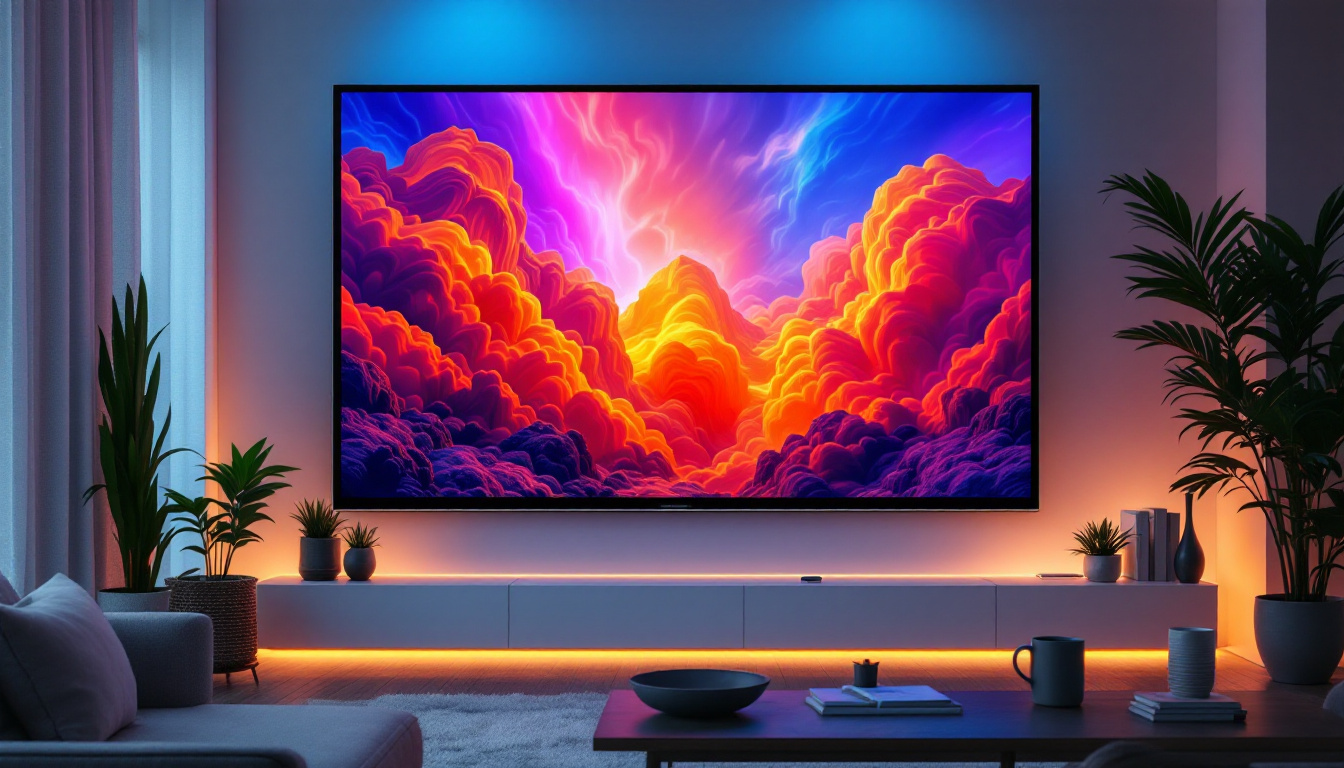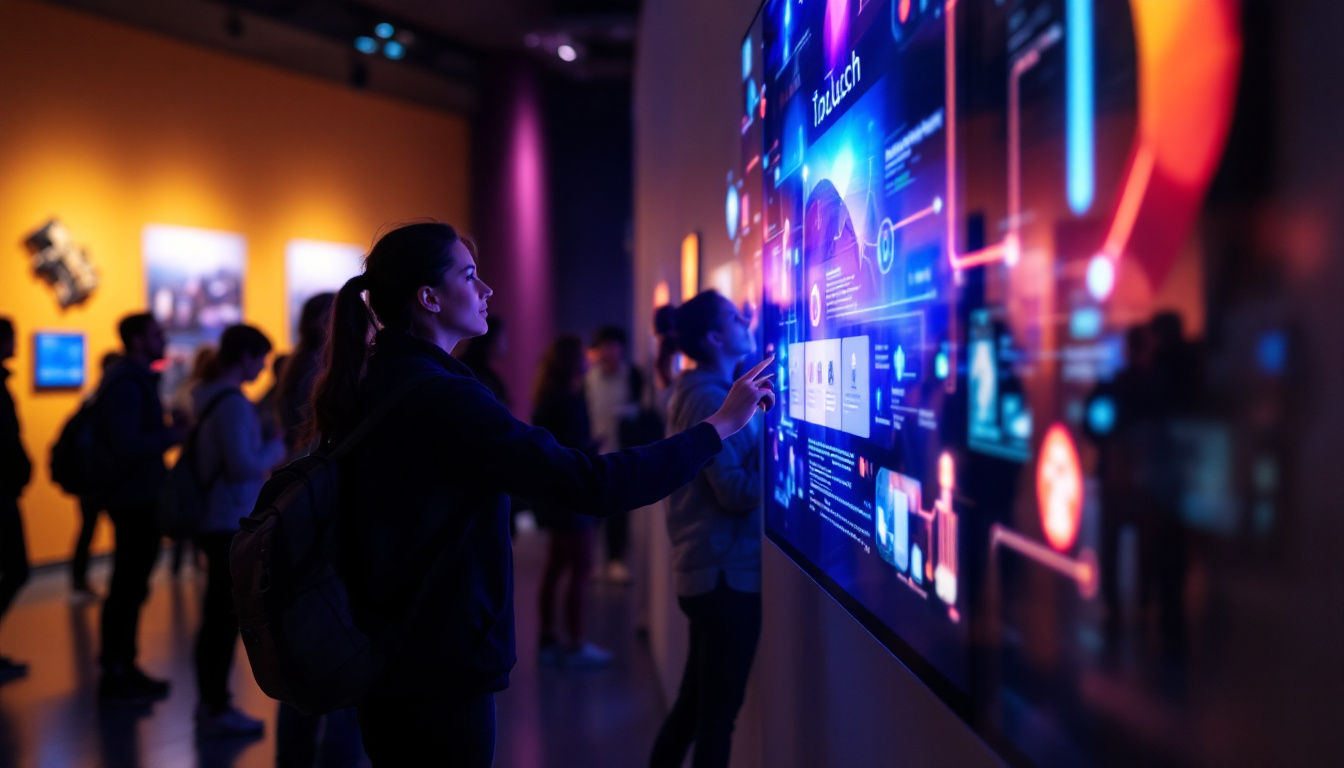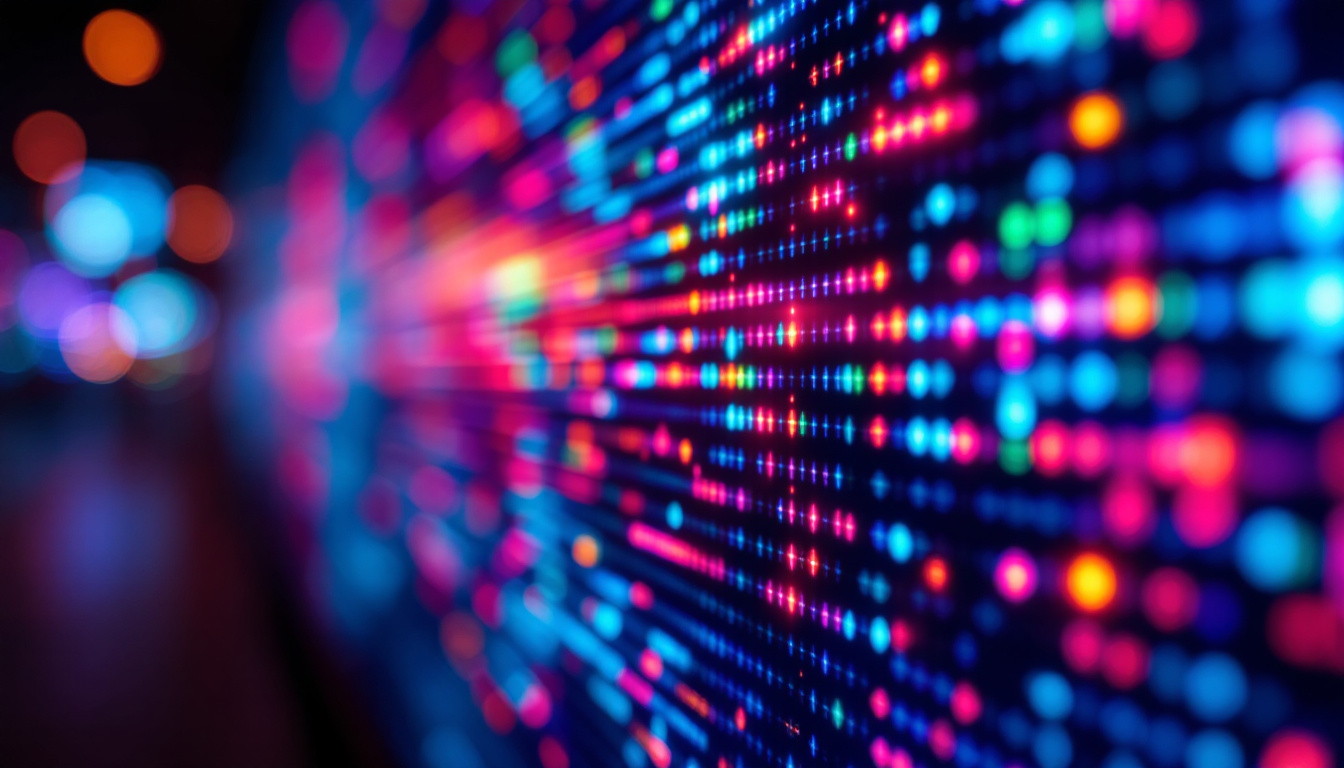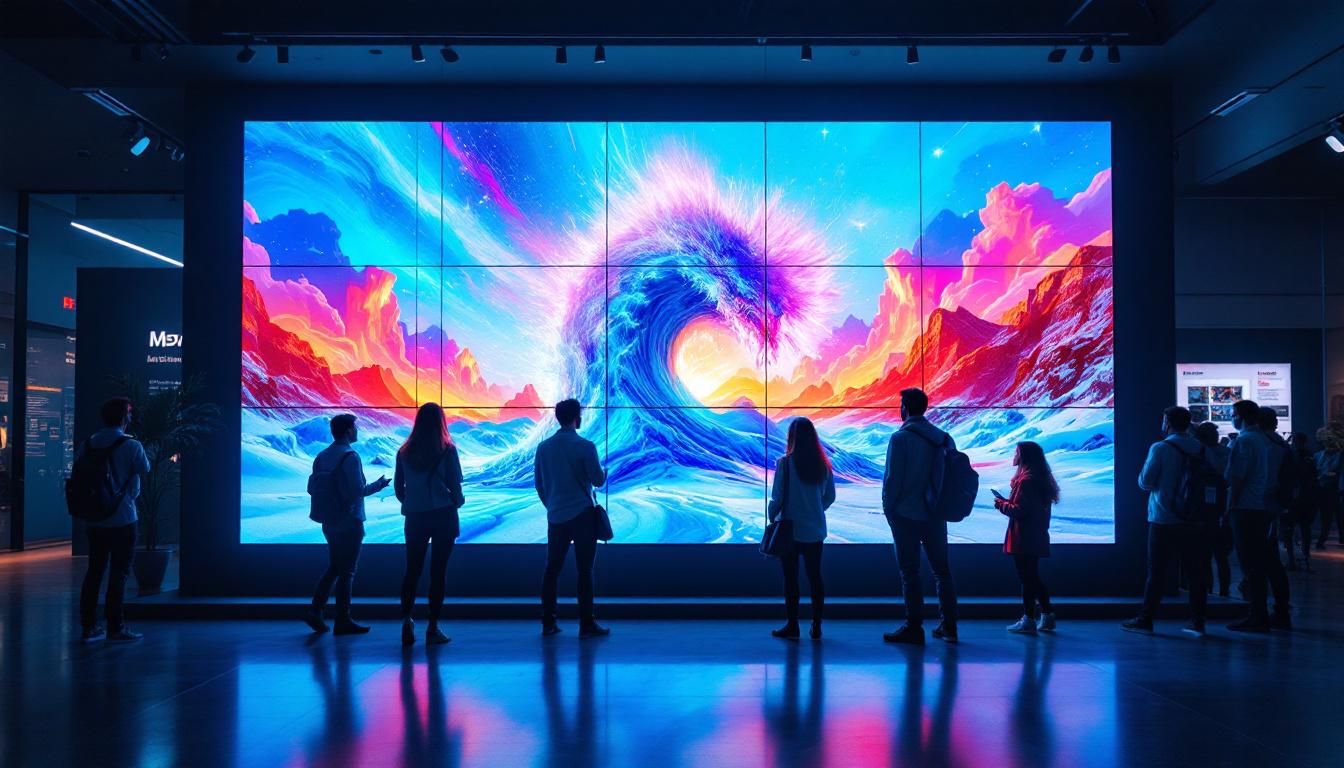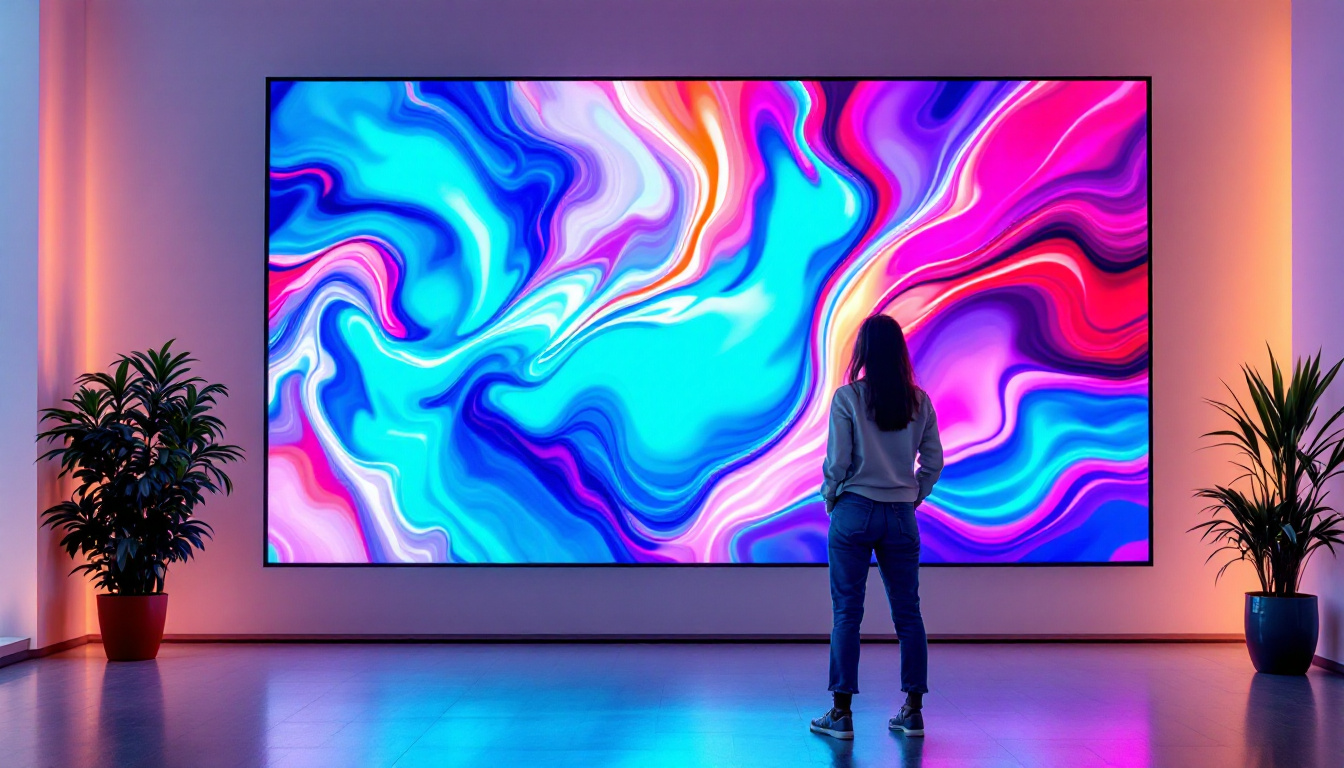
In the fast-evolving world of digital signage and display technology, the term “Painel De Ld” or LED display panel has become increasingly prevalent. From massive outdoor billboards to indoor advertising screens, LED displays are transforming how information and visuals are presented to audiences worldwide. This article delves into the fundamentals of LED display technology, its applications, advantages, and key considerations for businesses and individuals looking to adopt this innovative medium.
What is a Painel De Ld (LED Display)?
A “Painel De Ld” refers to an LED (Light Emitting Diode) display panel, a flat panel display technology that uses an array of light-emitting diodes as pixels to produce images, videos, and text. Unlike traditional LCD or plasma screens, LED panels emit light directly from each diode, resulting in brighter, more vibrant images with enhanced contrast and energy efficiency.
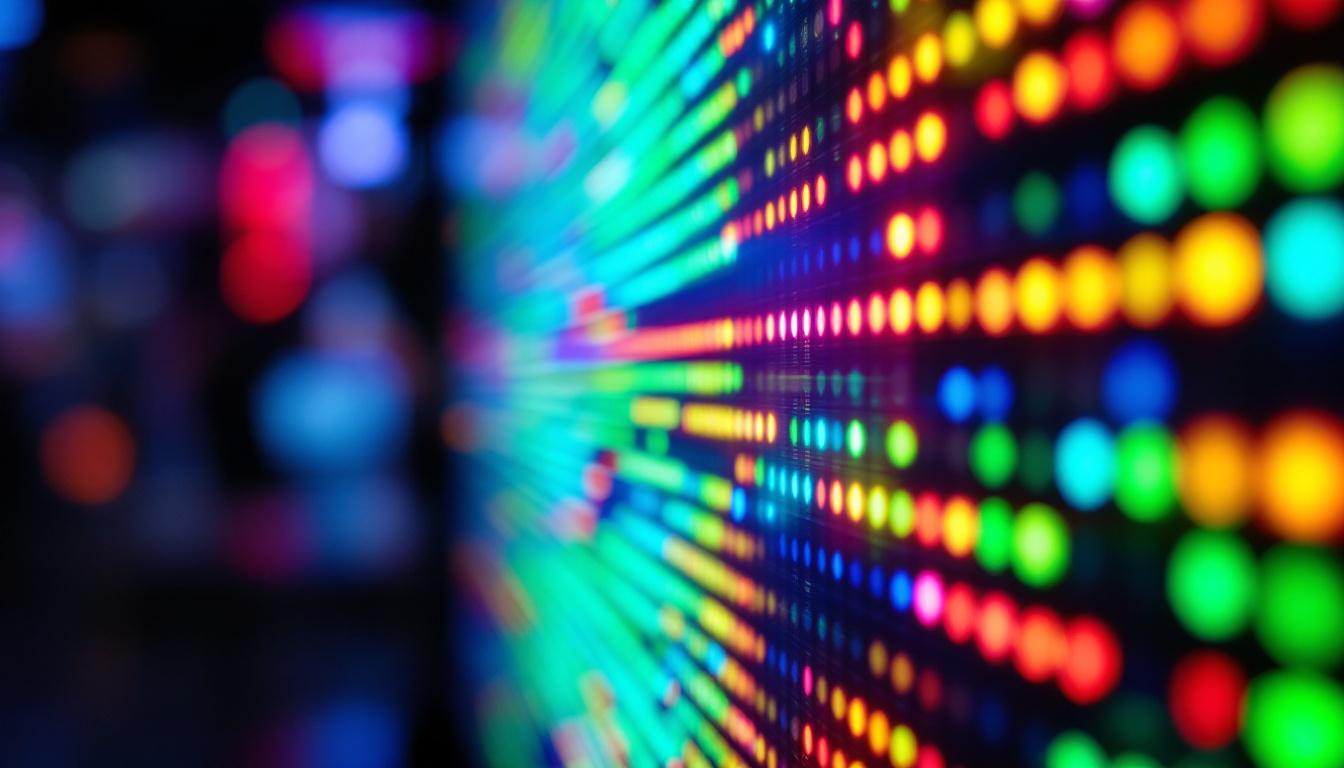
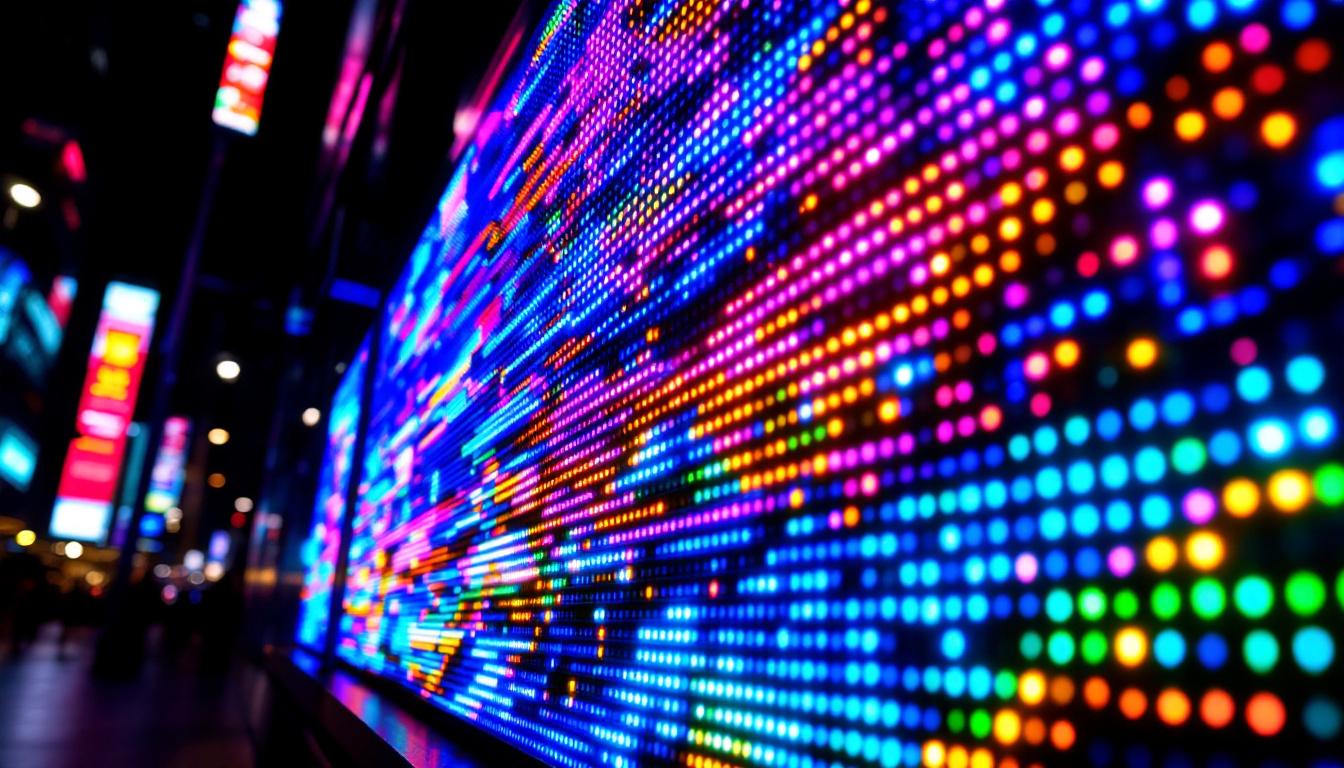
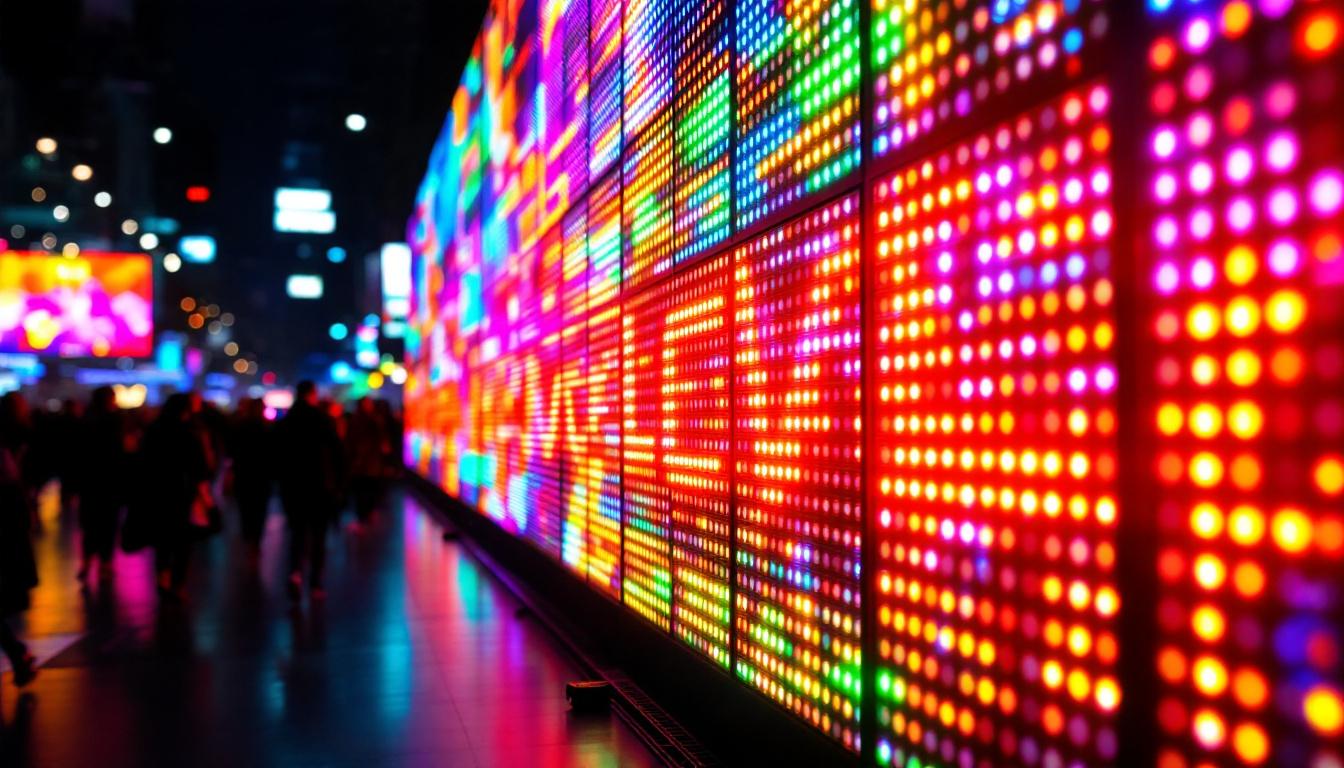
LED displays are composed of numerous tiny LEDs arranged in a grid pattern. Each LED acts as a pixel or part of a pixel, and by varying the intensity and color of these LEDs, the panel can render complex images with high precision. Modern LED panels often use RGB (Red, Green, Blue) LEDs to produce a full spectrum of colors, enabling vivid and dynamic visual content.
Types of LED Displays
There are primarily two types of LED displays based on their construction and usage:
- Direct View LED Displays: These panels consist of LEDs that are directly visible to the viewer. They are commonly used for large-scale outdoor billboards, stadium screens, and indoor video walls. The high brightness and wide viewing angles make them ideal for environments with varying lighting conditions.
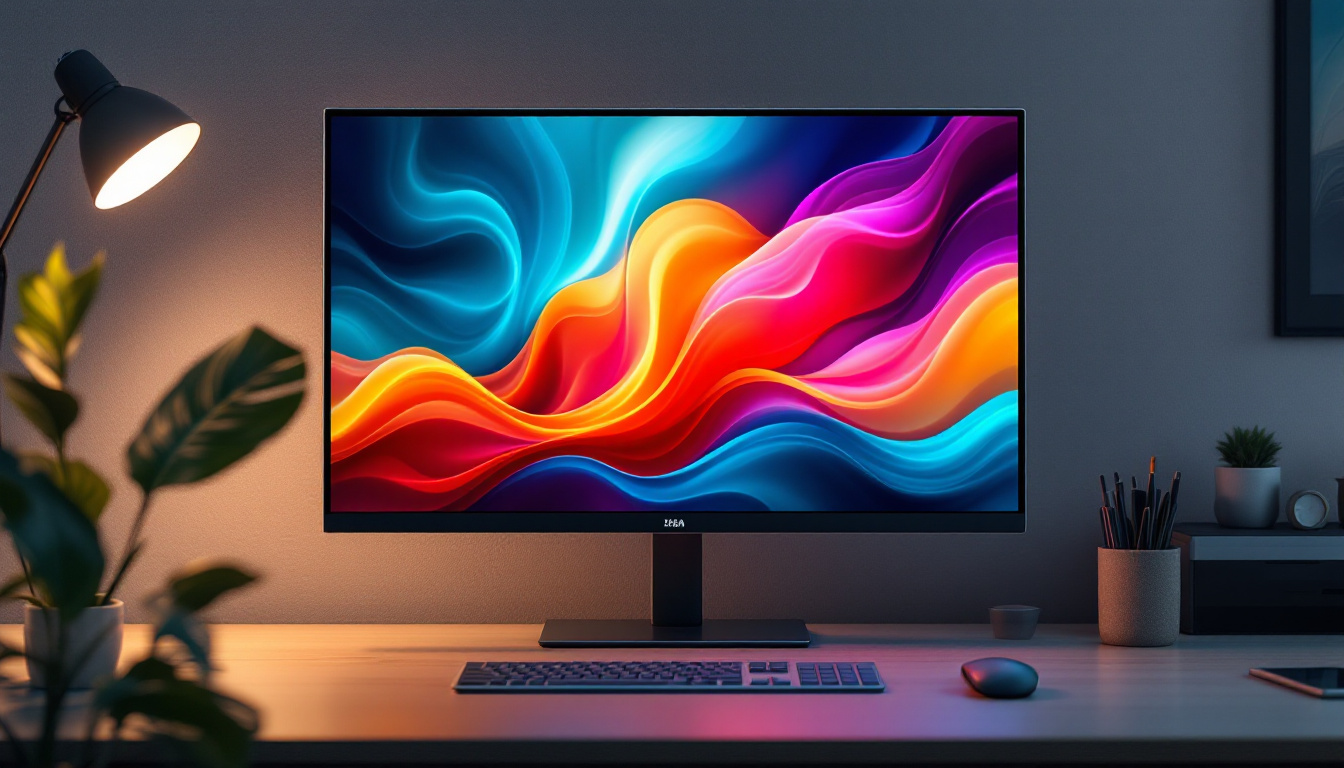
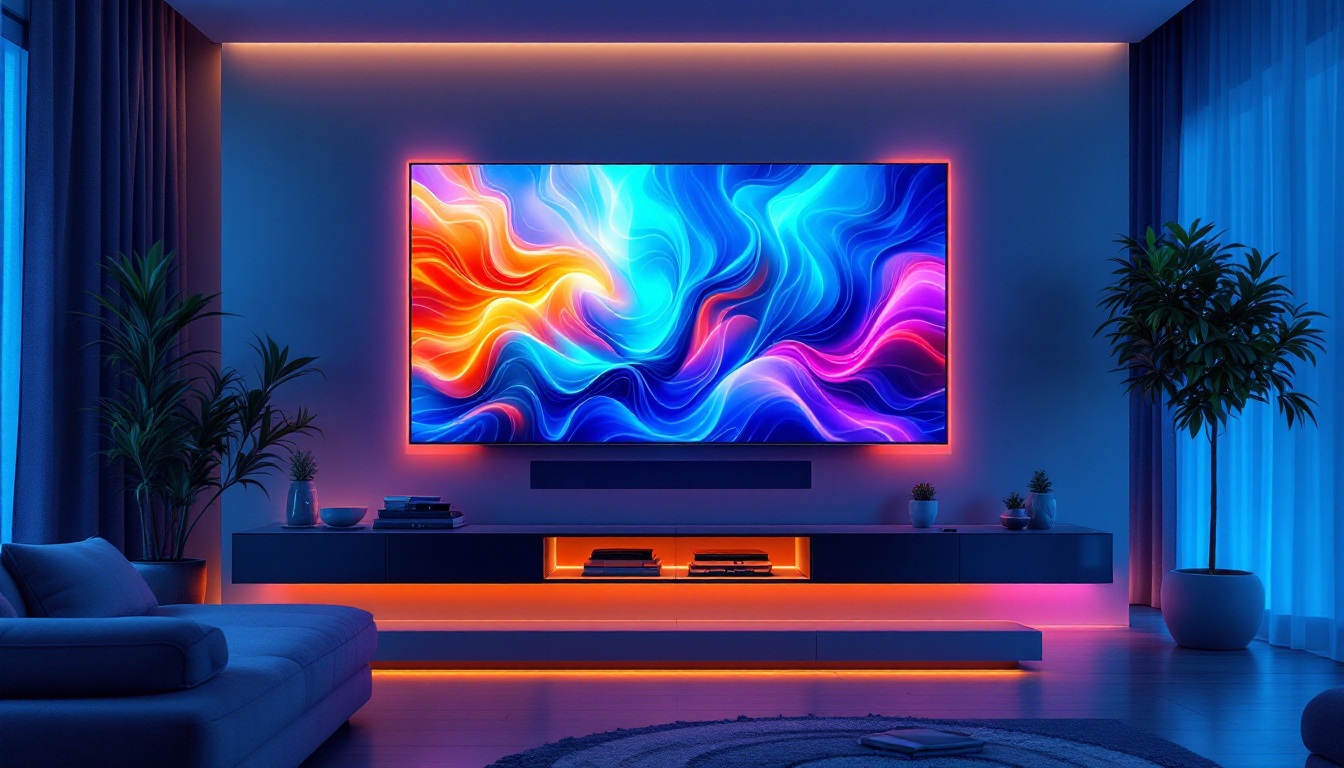
- LED-Backlit LCD Displays: These are LCD screens that use LEDs as a backlight source instead of traditional fluorescent lamps. While not true LED displays, they benefit from the energy efficiency and improved color accuracy of LEDs and are common in consumer electronics like TVs and monitors.
In addition to their impressive visual capabilities, LED displays are also known for their durability and longevity. Unlike traditional display technologies, which may suffer from burn-in or color degradation over time, LED panels maintain their performance for years with minimal maintenance. This makes them a popular choice for businesses and organizations that require reliable and consistent display solutions, such as retail environments, conference centers, and entertainment venues.
Furthermore, the versatility of LED displays allows them to be used in various applications beyond just advertising and entertainment. They are increasingly being integrated into architectural designs, where they can serve as dynamic facades for buildings or interactive installations in public spaces. This trend reflects a growing interest in blending technology with art and design, creating immersive experiences that engage audiences in innovative ways.
How Do LED Displays Work?
The operation of an LED display panel hinges on the principle of electroluminescence, where an electric current passes through semiconductor materials to emit light. Each LED in the panel is a tiny semiconductor device that emits light when energized.
In a full-color LED display, each pixel is typically made up of three sub-pixels: one red, one green, and one blue LED. By adjusting the brightness of each sub-pixel, the display can create millions of color combinations. This process is managed by sophisticated control systems that synchronize the input video signal with the LED matrix to produce seamless images and videos.
Pixel Pitch and Resolution
One of the critical specifications in LED displays is the pixel pitch, which is the distance between the centers of two adjacent pixels, usually measured in millimeters. A smaller pixel pitch means higher resolution and sharper images, making it suitable for close viewing distances, such as indoor displays.
For example, an LED display with a 1.5mm pixel pitch is ideal for indoor environments like retail stores or control rooms, where viewers are close to the screen. Conversely, outdoor LED billboards often have pixel pitches ranging from 8mm to 20mm because they are viewed from much farther away, where high resolution is less critical.
Applications of Painel De Ld
LED display panels have become ubiquitous in numerous sectors due to their versatility, brightness, and durability. Here are some of the most prominent applications:
Outdoor Advertising and Billboards
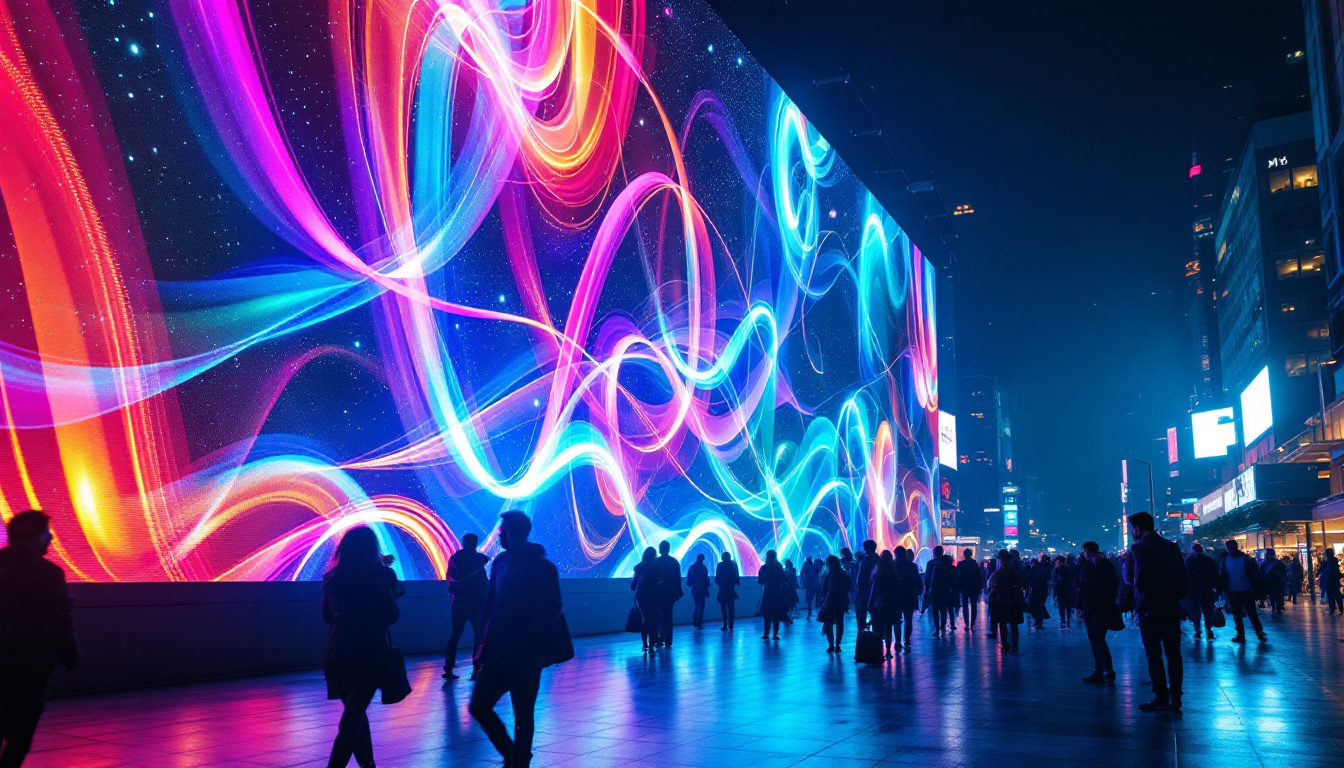
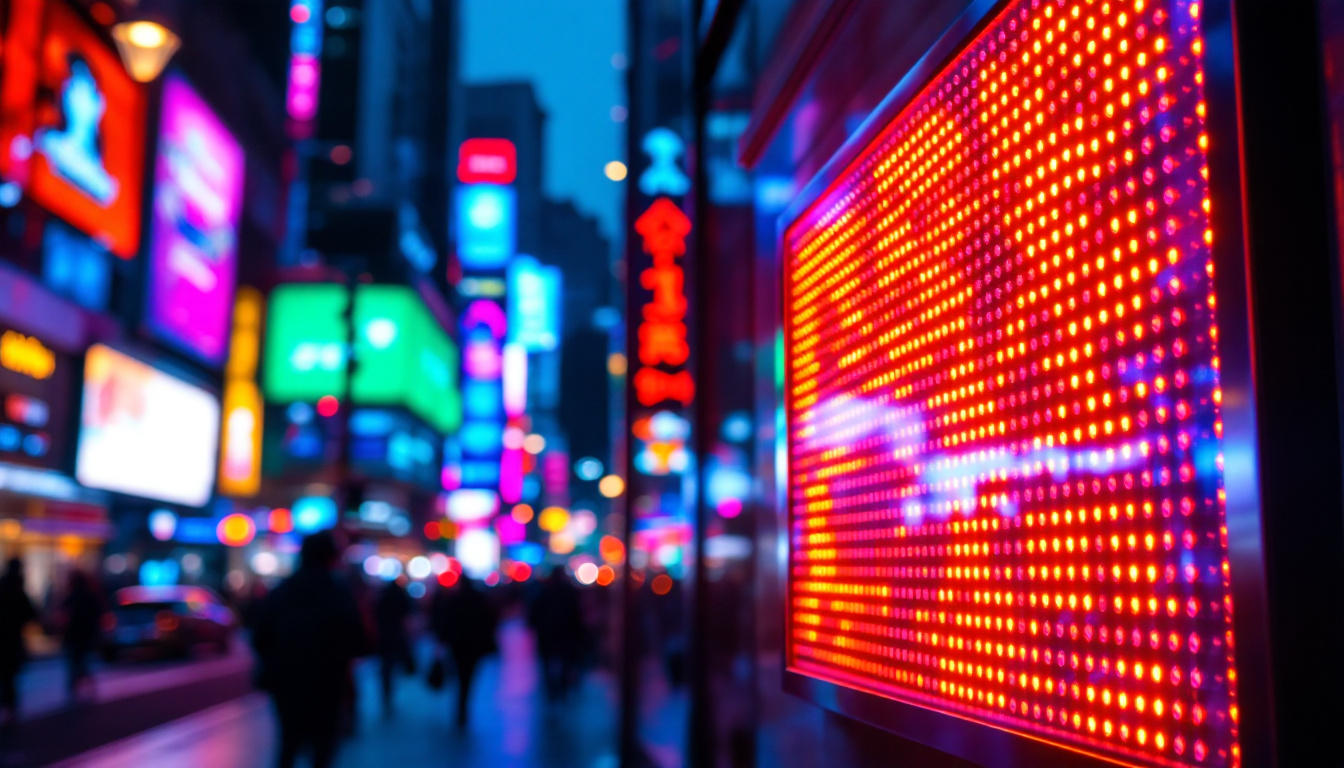
One of the most visible uses of LED displays is in outdoor advertising. LED billboards can display dynamic content that can be updated remotely and instantly, a significant advantage over traditional static billboards. Their high brightness ensures visibility even in direct sunlight, making them effective for marketing campaigns in busy urban areas.
According to industry reports, the global digital out-of-home (DOOH) advertising market, which heavily relies on LED displays, is expected to grow at a compound annual growth rate (CAGR) of over 10% through 2027. This growth is driven by the increasing demand for engaging and interactive advertising formats.
Sports Arenas and Event Venues
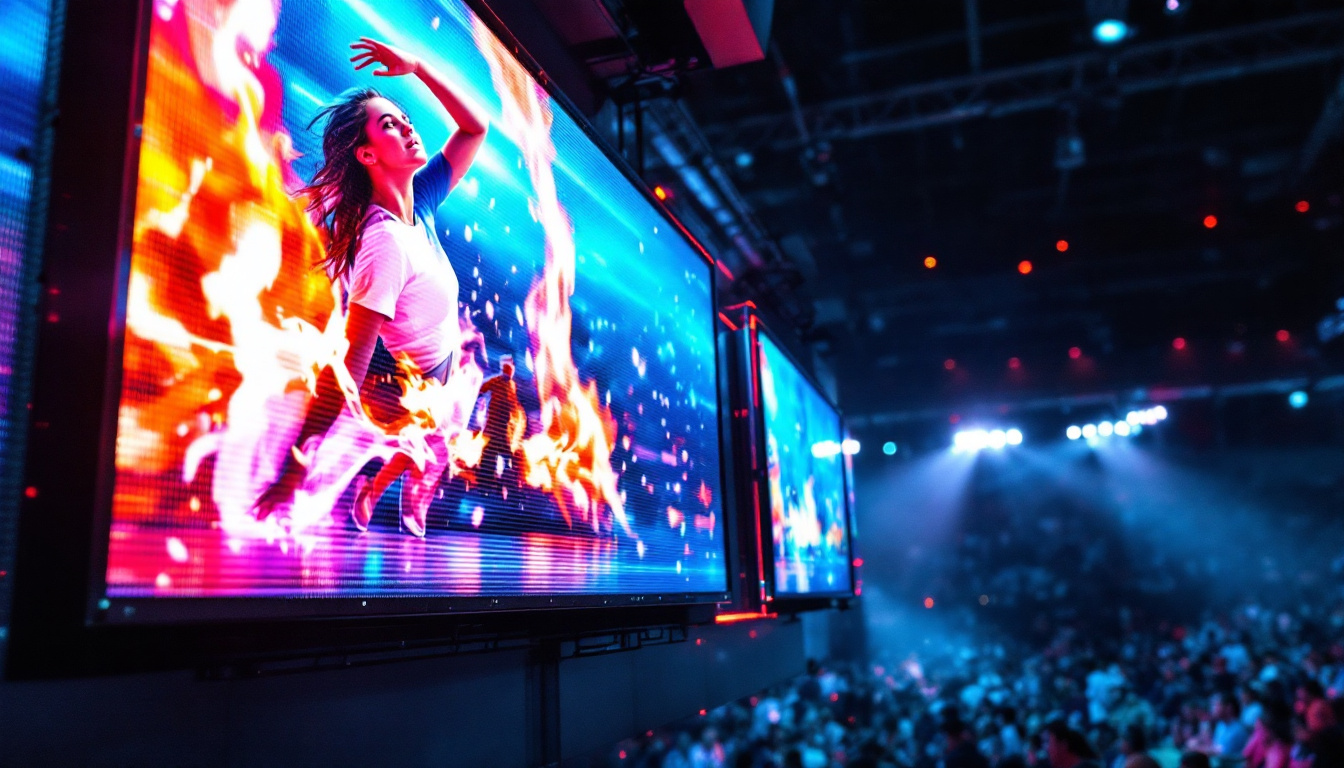
LED panels are extensively used in sports stadiums and event venues to display live scores, replays, advertisements, and other multimedia content. Their ability to produce bright and clear images visible from long distances enhances the spectator experience.
Retail and Commercial Spaces
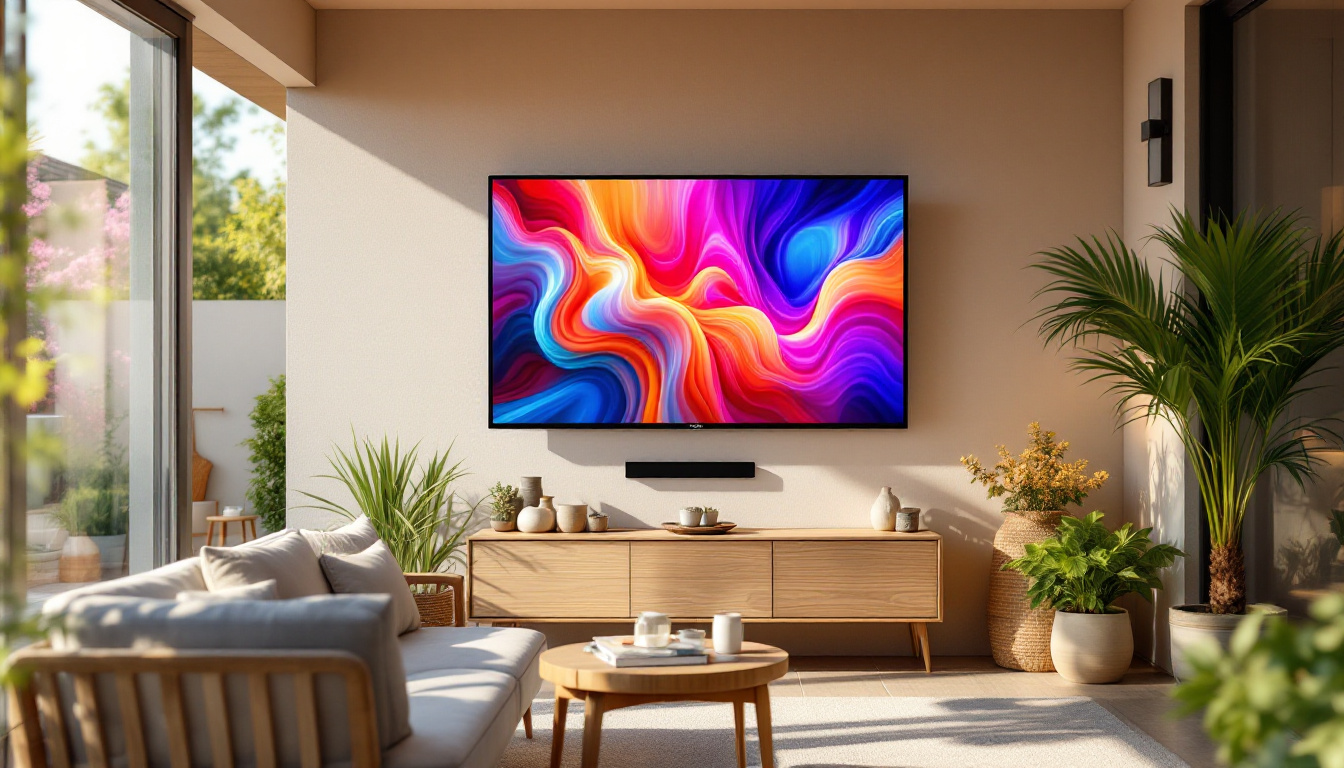
Retailers use LED displays to attract customers with eye-catching promotions and dynamic content. Indoor LED walls and digital signage can create immersive brand experiences, influence purchasing decisions, and provide real-time information such as stock levels or special offers.
Transportation and Public Information
LED panels are also critical in transportation hubs like airports, train stations, and bus terminals. They provide passengers with real-time updates on schedules, delays, and other essential information. Their reliability and visibility make them ideal for high-traffic public spaces.
Advantages of Using LED Display Panels
LED display technology offers several benefits over traditional display methods, contributing to its widespread adoption.
High Brightness and Visibility
LED displays can achieve brightness levels exceeding 5,000 nits, far surpassing LCD and plasma screens. This makes them easily readable in bright outdoor conditions, including direct sunlight, which is crucial for outdoor advertising and public information displays.
Energy Efficiency
Compared to older display technologies, LEDs consume significantly less power. This efficiency not only reduces operational costs but also aligns with growing environmental sustainability goals. Modern LED panels incorporate energy-saving features such as automatic brightness adjustment based on ambient light.
Durability and Longevity
LED panels are built to withstand harsh environmental conditions, including rain, dust, and extreme temperatures. With lifespans often exceeding 100,000 hours, they offer a reliable and long-term solution for continuous operation.
Flexibility and Customization
LED displays can be manufactured in various sizes and shapes, including curved and flexible panels. This adaptability allows for creative installations in architecture, retail, and entertainment sectors. Additionally, content can be updated instantly, enabling dynamic messaging and interactive experiences.
Key Considerations When Choosing a Painel De Ld
Selecting the right LED display panel requires careful evaluation of several factors to ensure optimal performance and return on investment.
Viewing Distance and Pixel Pitch
As previously mentioned, the pixel pitch should correspond to the typical viewing distance. For indoor applications where viewers are close, a smaller pixel pitch is essential for clarity. For outdoor or large venue displays, a larger pixel pitch is acceptable and more cost-effective.
Brightness and Contrast Ratio
Brightness requirements vary depending on the installation environment. Outdoor displays demand higher brightness to combat sunlight glare, while indoor displays benefit from higher contrast ratios for deeper blacks and richer colors.
Installation Environment
Consider environmental factors such as exposure to weather, temperature fluctuations, and potential physical impacts. Outdoor LED panels should have appropriate IP (Ingress Protection) ratings to ensure resistance to water and dust.
Control Systems and Content Management
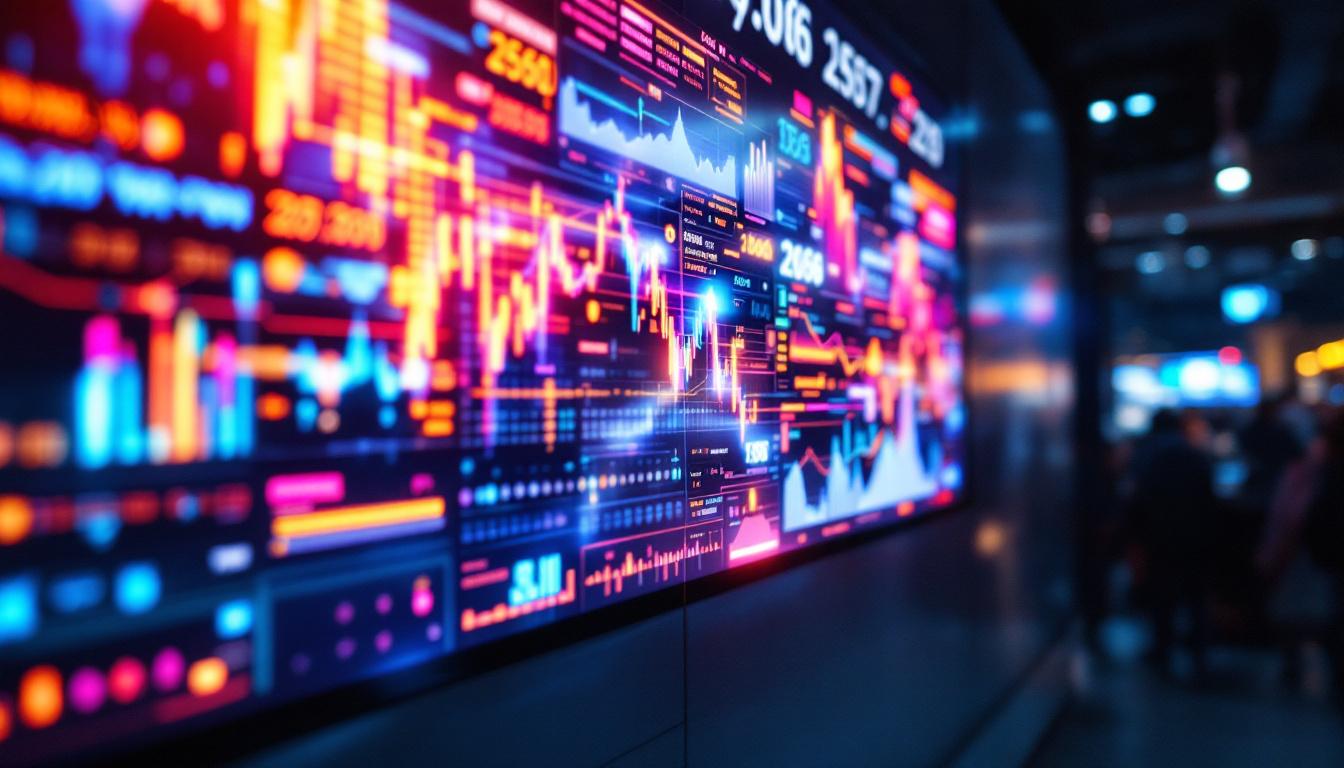
The ability to easily manage and update content is vital. Modern LED panels come with software platforms that allow remote control, scheduling, and integration with other digital systems. Compatibility with various media formats and real-time data feeds can enhance the display’s functionality.
Budget and Maintenance
While LED displays can be a significant investment, it is important to factor in long-term maintenance costs. Choosing quality components and reputable manufacturers can reduce downtime and repair expenses.
Future Trends in LED Display Technology
The LED display industry continues to innovate, driven by advancements in materials science, electronics, and software integration.
MicroLED and MiniLED Technologies
Emerging technologies like MicroLED and MiniLED offer even higher resolutions, improved color accuracy, and better energy efficiency. MicroLED, in particular, promises to revolutionize display quality by using microscopic LEDs that provide superior brightness and contrast without the limitations of traditional LED panels.
Interactive and Smart Displays
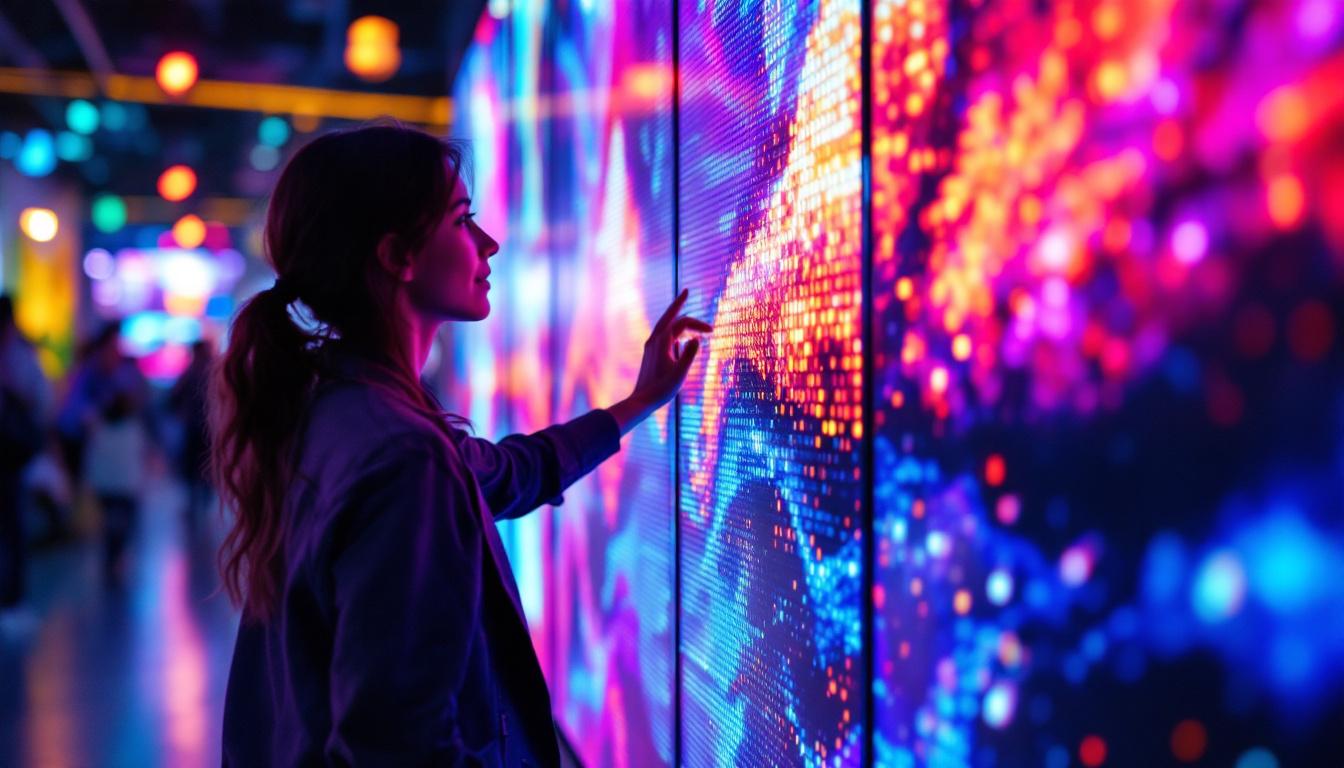
Integration of touch sensors, cameras, and AI-powered content management systems is making LED displays more interactive and personalized. This trend is especially relevant in retail, education, and corporate environments where engagement and adaptability are key.
Flexible and Transparent LED Panels
Flexible LED panels enable new design possibilities, allowing displays to conform to curved surfaces or be integrated into wearable devices. Transparent LED panels are gaining traction in retail and architectural applications, blending digital content with physical environments seamlessly.
Conclusion
Understanding the capabilities and applications of Painel De Ld or LED display panels is essential for businesses and organizations aiming to leverage digital signage effectively. Their superior brightness, energy efficiency, and versatility make LED displays a powerful medium for communication, advertising, and entertainment.
When selecting an LED display, careful attention to pixel pitch, brightness, environmental conditions, and content management capabilities ensures the best results. As technology advances, LED displays will continue to evolve, offering richer visual experiences and greater interactivity.
Whether for outdoor advertising, event venues, retail spaces, or public information systems, LED display panels represent a dynamic and future-proof solution that meets the demands of modern visual communication.
Explore Cutting-Edge LED Displays with LumenMatrix
Ready to elevate your visual communication with the latest in LED display technology? LumenMatrix is at the forefront of innovation, offering a diverse range of LED display solutions tailored to your unique needs. From captivating Indoor LED Wall Displays to versatile Outdoor LED Wall Displays, and from dynamic Vehicle LED Displays to sleek LED Poster Displays, our products are designed to make your brand stand out. Discover the transformative power of LED Sports Displays, interactive Floor LED Displays, and the customization possibilities with Custom LED Displays. Embrace the future with our All-in-One LED Display and LED Transparent Display options. Experience the LumenMatrix difference and revolutionize your visual storytelling. Check out LumenMatrix LED Display Solutions today and see how we can help you create unforgettable visual experiences.