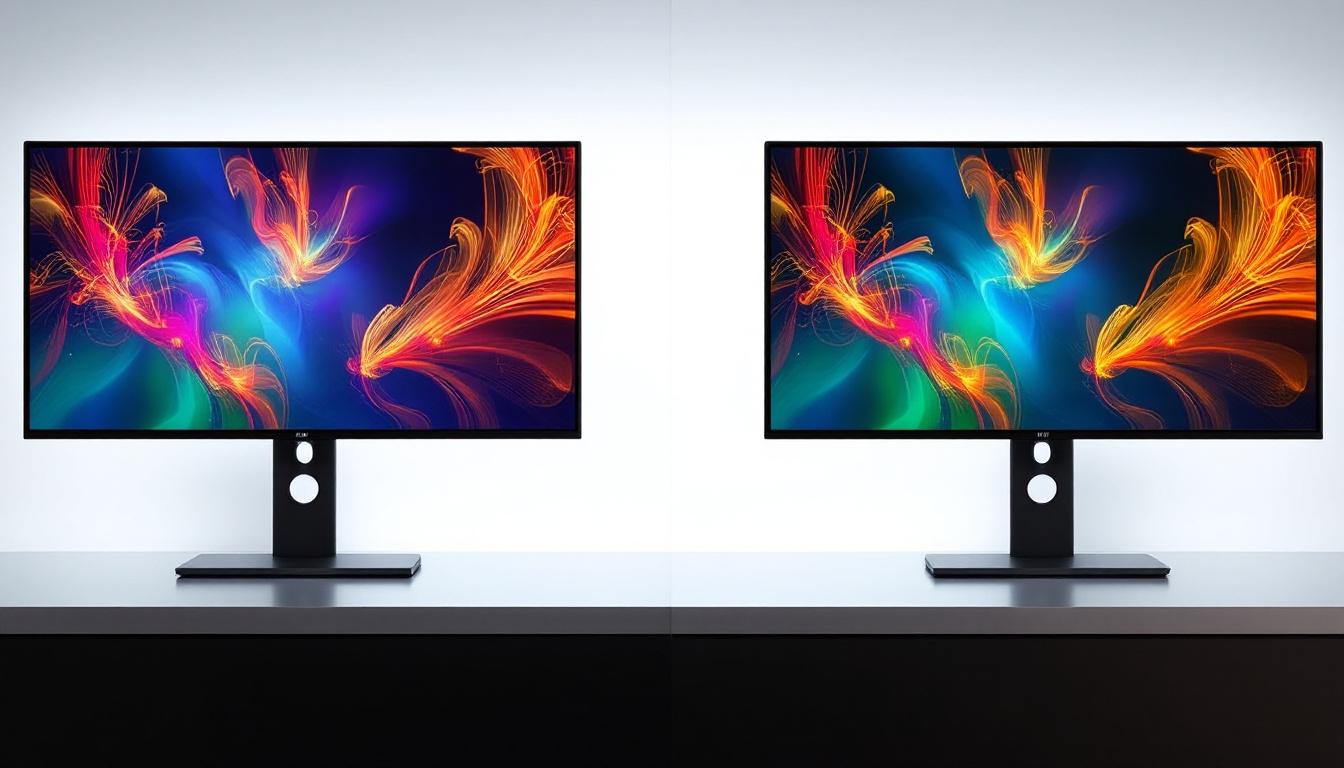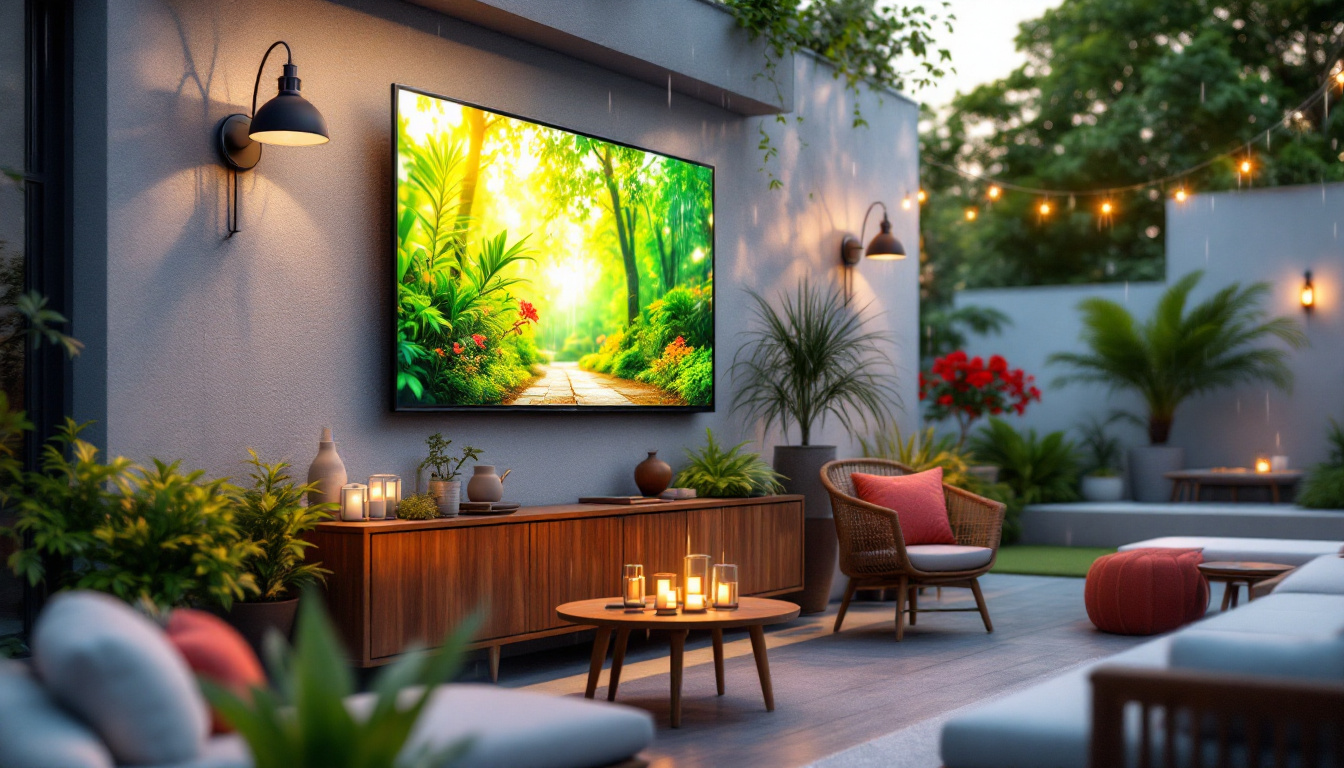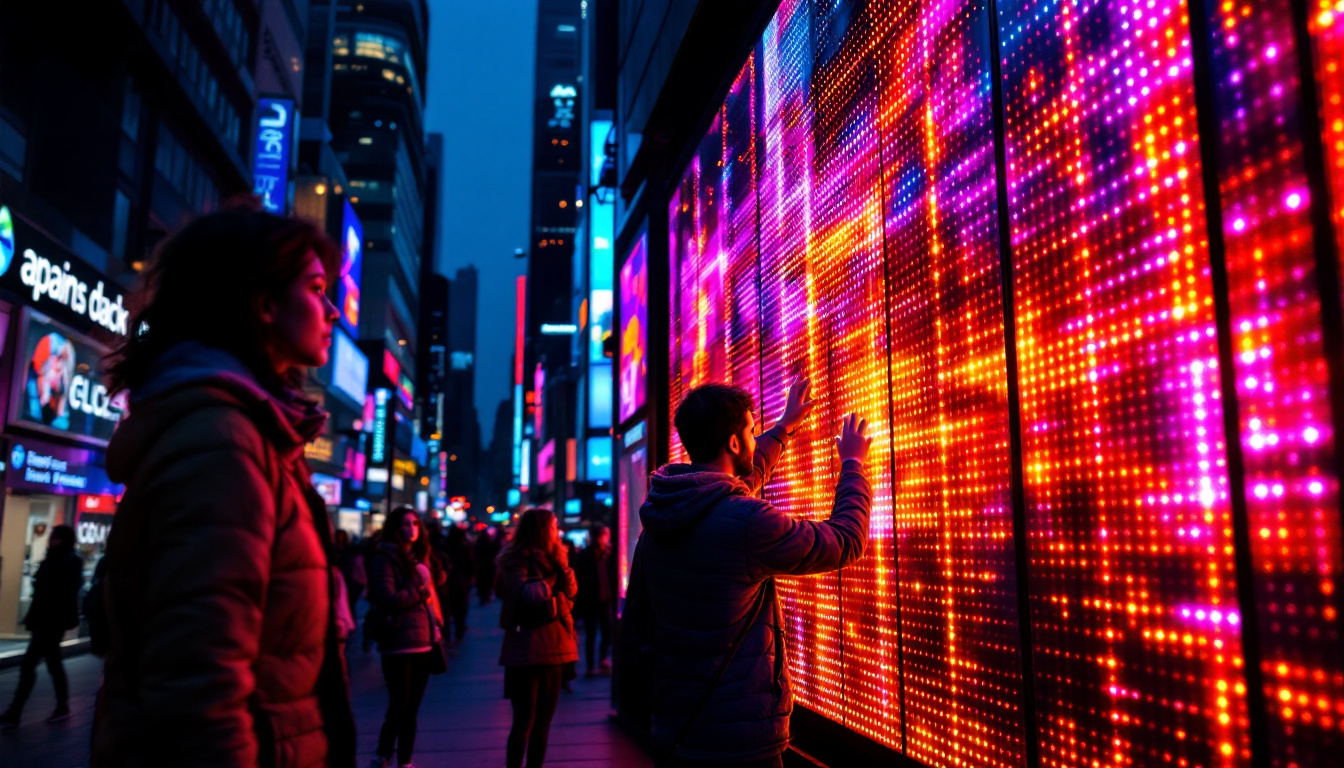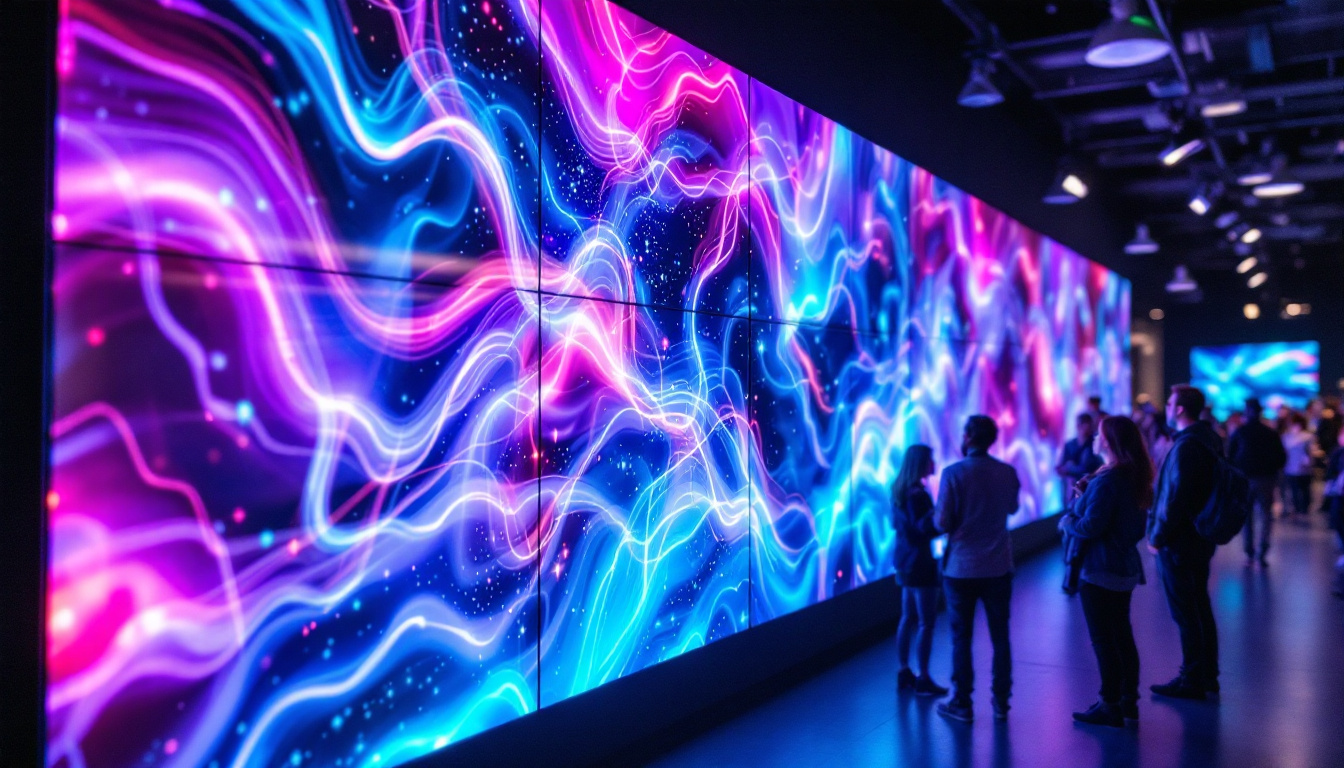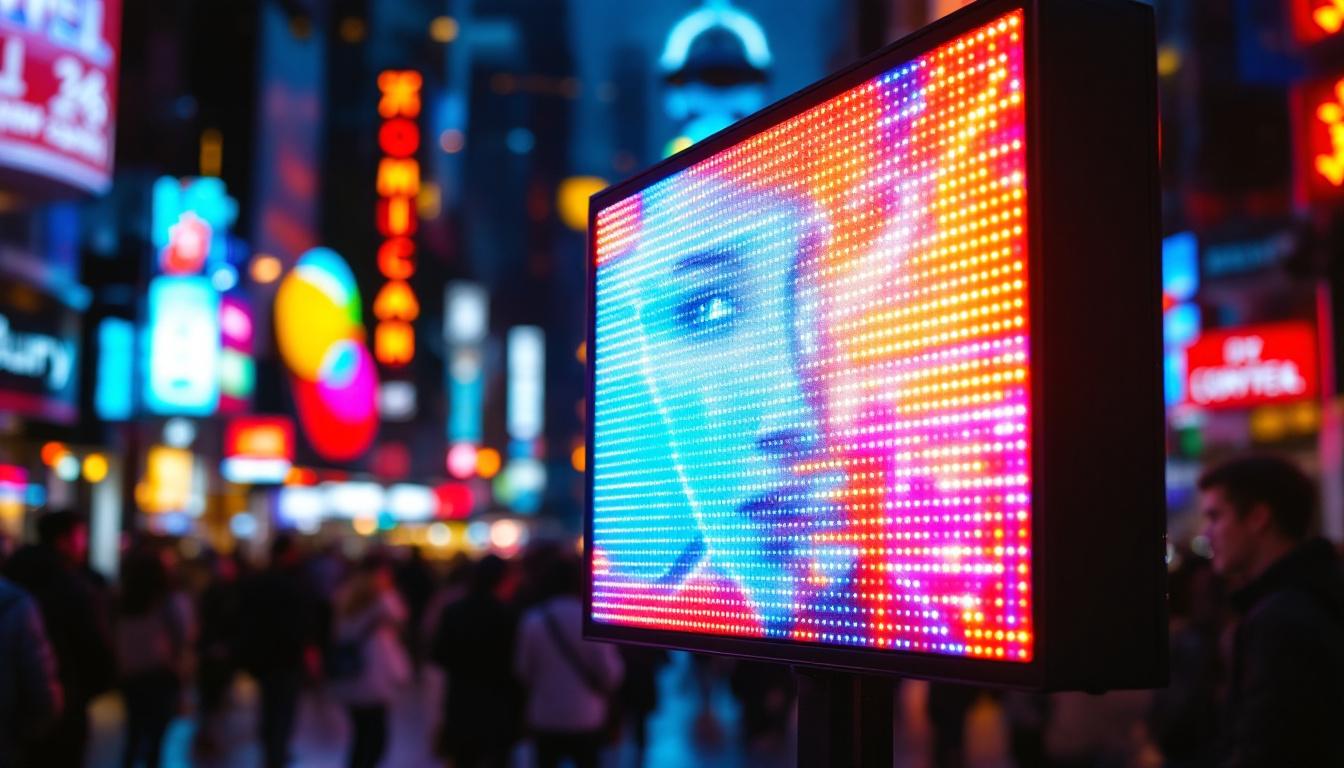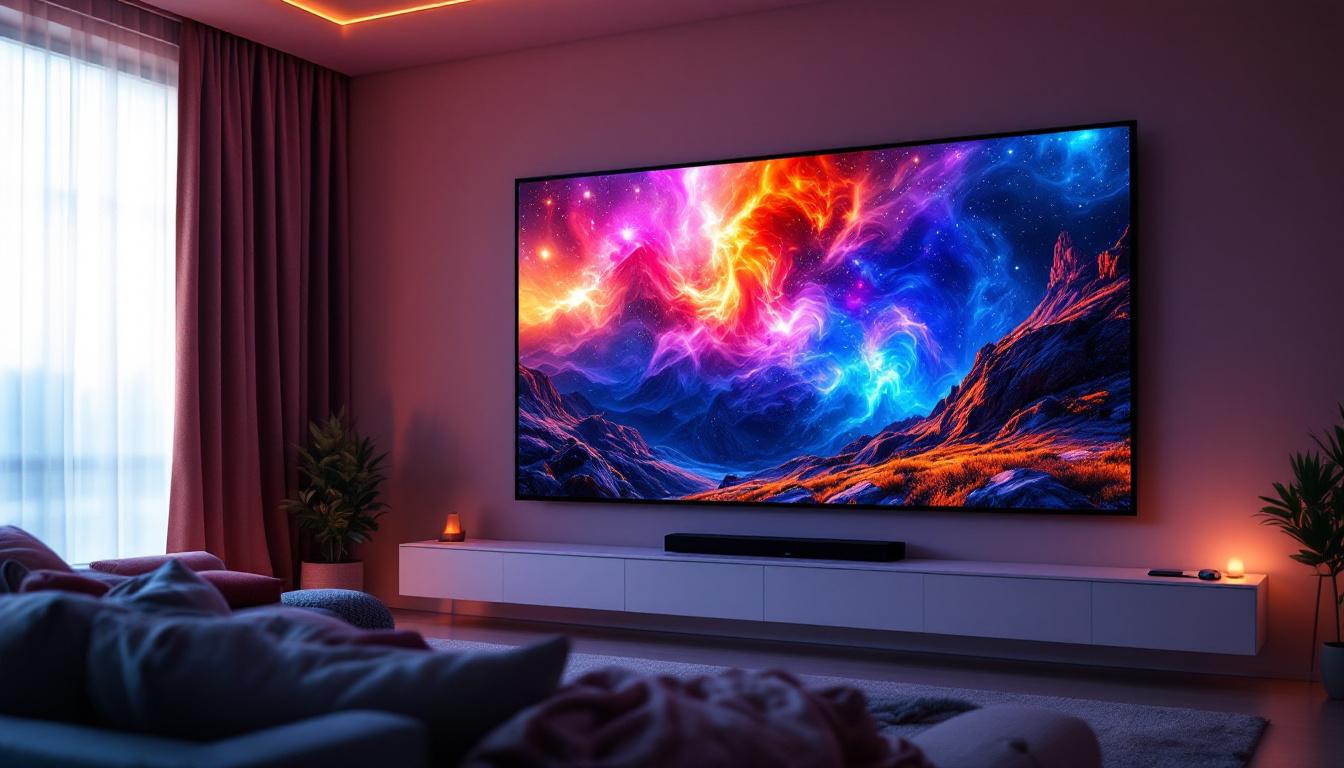
In the realm of home theaters, conference rooms, and large-scale presentations, the choice of display technology can significantly impact the viewing experience. Among the various options available, a 110 inch projector screen remains a popular choice for those seeking a large, immersive image. However, with the rapid advancement of LED display technology, many are wondering how LED screens compare to traditional projector setups, especially at this size. This article delves into the nuances of 110 inch projector screens and LED displays, helping you understand their differences, advantages, and ideal use cases.
The Evolution of Large-Format Displays
Large-format displays have come a long way from the early days of bulky CRT projectors and low-resolution screens. The demand for bigger, brighter, and clearer images has driven innovation in both projector and LED technologies. Traditionally, projector screens have been the go-to solution for creating large images in home cinemas, auditoriums, and classrooms. They offer a cost-effective way to achieve screen sizes well beyond what most TVs can provide. The advancements in projection technology, such as laser projectors, have further enhanced the viewing experience by providing sharper images and longer lifespans, reducing the need for frequent bulb replacements.
LED displays, on the other hand, have evolved from simple indicator lights to sophisticated, high-resolution panels capable of producing vibrant images with excellent contrast and brightness. The development of fine-pitch LED panels has made it possible to create seamless large screens without the pixelation or bezel issues that plagued earlier models. Furthermore, the introduction of HDR (High Dynamic Range) technology in LED displays has significantly improved color accuracy and depth, making images more lifelike and engaging. This has opened new avenues for applications in advertising, sports venues, and live events, where visual impact is crucial.
Why 110 Inches?
The 110 inch diagonal measurement is a sweet spot for many users. It is large enough to provide an immersive viewing experience without overwhelming the room or requiring specialized mounting solutions. For home theaters, a 110 inch screen offers a cinematic feel that rivals commercial theaters. In professional settings, it balances visibility and space constraints, making it suitable for boardrooms and lecture halls. This size is particularly advantageous in collaborative environments, where multiple viewers can comfortably see the content from various angles, enhancing engagement during presentations or discussions.
Moreover, the versatility of a 110 inch display extends beyond just entertainment and business use; it can also serve educational purposes. In classrooms, such a large screen can facilitate interactive learning experiences, allowing educators to present complex information in a visually appealing manner. The ability to integrate touch technology with these displays further enhances their functionality, enabling students to engage directly with the content. As technology continues to advance, the applications for large-format displays will only expand, making them an essential tool in both personal and professional settings.
Understanding 110 Inch Projector Screens
A 110 inch projector screen is typically a matte white or grey surface designed to reflect light from a projector to the viewer. These screens come in various materials and gain factors, which influence brightness and viewing angles. The screen size, measured diagonally, translates to roughly 96 inches wide by 54 inches tall for a 16:9 aspect ratio, which is the standard for most HD and 4K content.
Types of Projector Screens
There are several types of projector screens suitable for a 110 inch display:
- Fixed Frame Screens: These are tensioned screens mounted on a rigid frame, providing a flat, stable surface. They are ideal for dedicated home theaters or permanent installations.
- Motorized Screens: These retractable screens can be rolled up when not in use, saving space. They are popular in multi-purpose rooms and offices.
- Portable Screens: Lightweight and easy to set up, these screens are designed for mobile presentations and temporary setups.
Choosing the right screen depends on the environment, usage frequency, and budget.
Projector Compatibility and Brightness Considerations
To fully utilize a 110 inch screen, the projector must deliver sufficient brightness and resolution. For home theaters in controlled lighting, a projector with at least 2,000 lumens and 1080p resolution is recommended. For rooms with ambient light, higher brightness (3,000 lumens or more) is necessary to maintain image clarity.
Modern projectors with 4K capabilities enhance the viewing experience by providing sharper images, especially on large screens. However, the quality of the projector lens and color accuracy also play critical roles in the final image quality.
LED Displays: A Modern Alternative for Large Screens
LED display technology has gained significant traction as an alternative to traditional projector setups, especially for large-format screens. Unlike projectors, LED displays use an array of light-emitting diodes to produce images directly, eliminating the need for external light sources and reflective surfaces.
What Makes LED Displays Stand Out?
LED displays offer several advantages over projector screens:
- Brightness: LED screens can achieve extremely high brightness levels, often exceeding 1,000 nits, making them suitable for well-lit environments where projectors struggle.
- Color Accuracy and Contrast: LEDs provide vibrant colors and deep blacks, enhancing image quality and making content more engaging.
- Viewing Angles: LED panels maintain consistent brightness and color across wide viewing angles, ensuring everyone in the room has a good view.
- Durability: LED screens are less susceptible to damage from ambient light or physical contact compared to projector screens.
However, LED displays at a 110 inch size are less common and typically more expensive than projector setups. This is due to the complexity of manufacturing fine-pitch LED panels at smaller sizes, which are often reserved for larger commercial installations.
Fine-Pitch LED Technology
Fine-pitch LED displays refer to panels with very small distances between individual LEDs, measured in millimeters. The smaller the pitch, the higher the resolution and image clarity, making them suitable for close viewing distances such as in conference rooms or home theaters.
For a 110 inch LED display, a pitch of 1.5mm to 2.5mm is ideal to ensure crisp images without visible pixelation. Advances in LED manufacturing have made these panels more accessible, but they still come at a premium compared to projector screens.
Comparing 110 Inch Projector Screens and LED Displays
When deciding between a 110 inch projector screen and an LED display, several factors come into play. Understanding these differences can help users make informed decisions based on their specific needs and environments.
Image Quality and Brightness
LED displays generally outperform projectors in brightness and contrast. They can maintain vivid images even in brightly lit rooms, whereas projectors often require dimmed lighting to achieve optimal image quality. Additionally, LED screens provide consistent color accuracy without the need for frequent calibration.
However, high-end projectors with HDR support and advanced lens technology can still deliver impressive image quality, especially in controlled lighting conditions.
Installation and Space Requirements
Projector screens are typically more space-efficient in terms of wall space, as the projector can be ceiling-mounted or placed on a shelf, and the screen can retract when not in use. LED displays require a dedicated wall or mounting surface and may protrude slightly from the wall, depending on the model.
Moreover, projectors need a clear line of sight and appropriate throw distance to the screen, which can limit placement options. LED screens offer more flexibility in installation since they emit light directly.
Cost Considerations
Cost remains a significant factor. A quality 110 inch projector screen paired with a mid-range projector can be acquired for a few thousand dollars, making it accessible for most consumers. In contrast, a 110 inch fine-pitch LED display can cost several times more due to the complexity and materials involved.
Maintenance costs also differ; projectors require periodic lamp replacements and cleaning, while LED screens have a longer lifespan with minimal upkeep.
Use Case Scenarios
Projector screens are ideal for home theaters, classrooms, and venues where ambient light can be controlled. They provide a cinematic experience at a relatively affordable price.
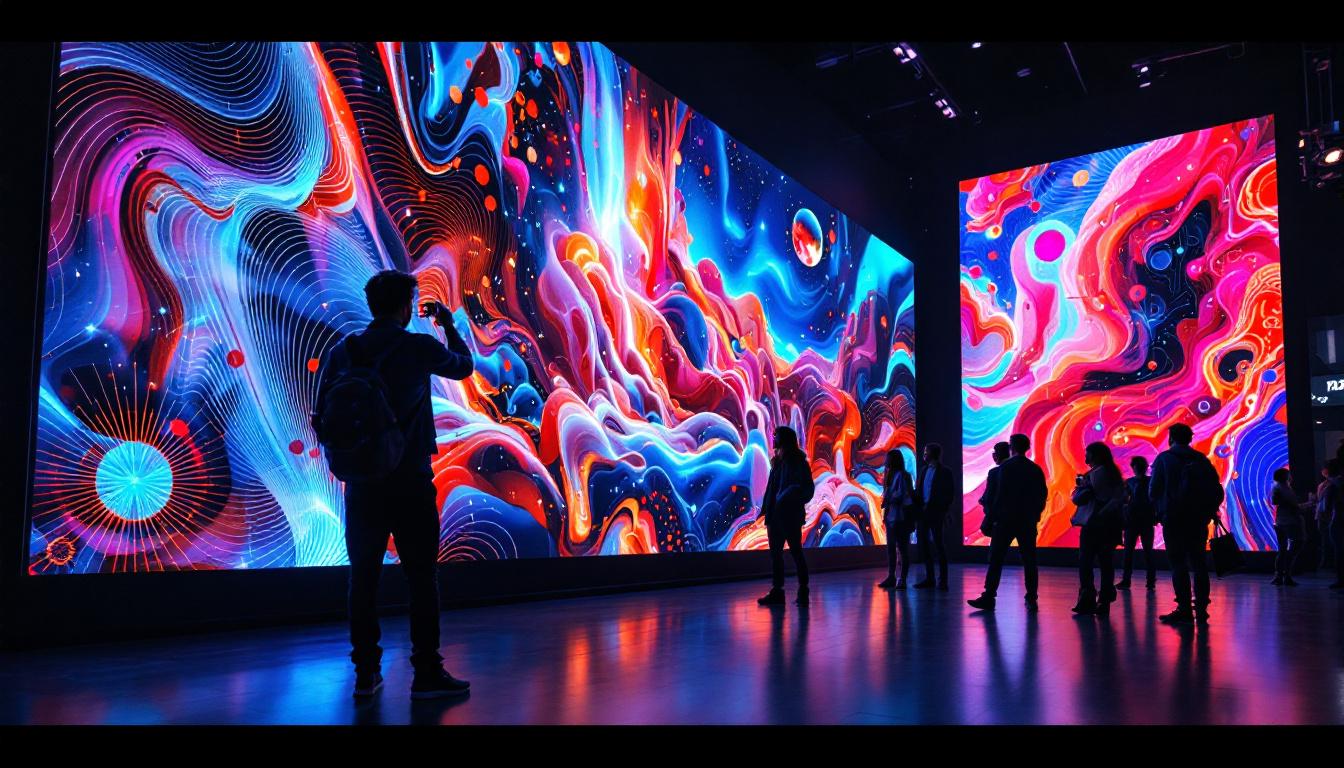
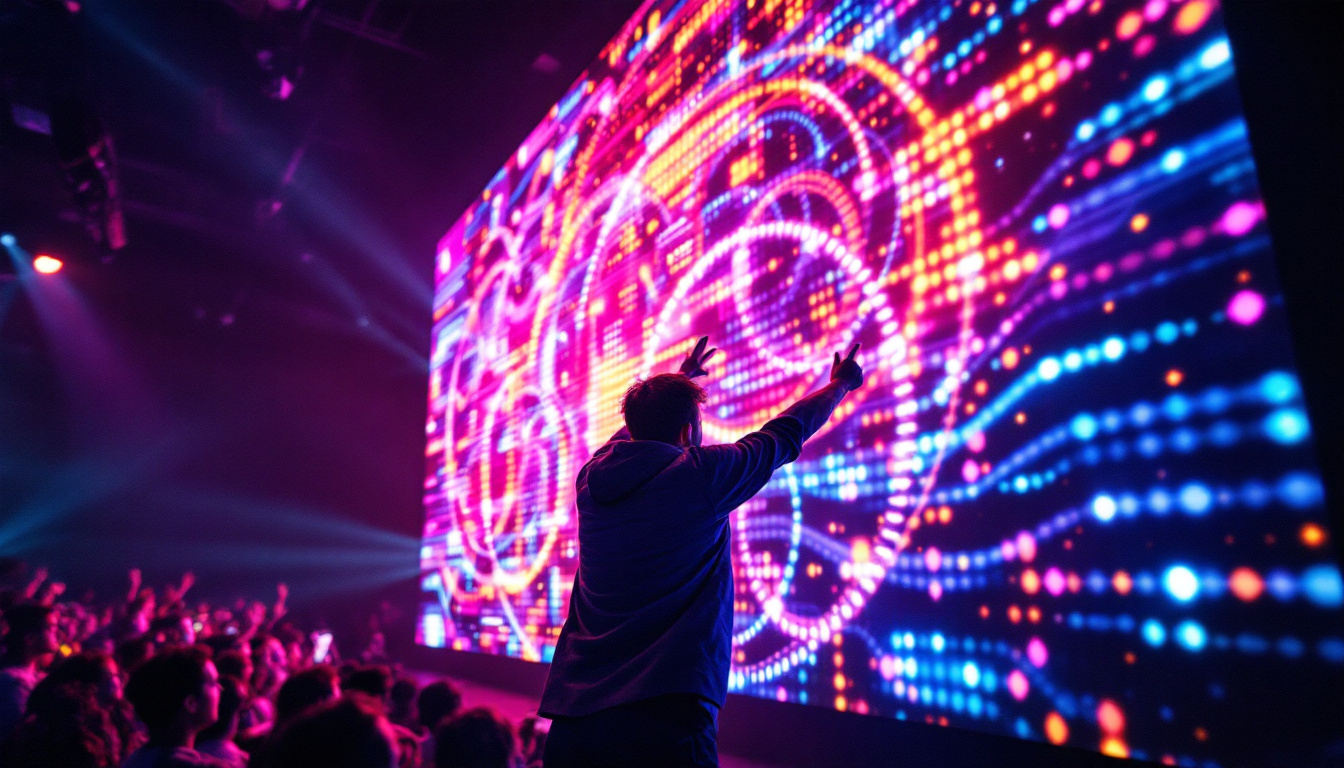
LED displays excel in environments with high ambient light, such as conference rooms, retail spaces, and outdoor events. Their durability and brightness make them suitable for professional settings where image quality and reliability are paramount.
Choosing the Right Display for Your Needs
Selecting between a 110 inch projector screen and an LED display depends on several factors including budget, environment, usage frequency, and desired image quality.
Questions to Consider
- What is the primary use? Home cinema, business presentations, or public display?
- How much ambient light is present? Can the room be darkened effectively?
- What is the viewing distance? Closer viewing may require higher resolution displays.
- What is the budget? Are upfront and maintenance costs manageable?
- Is portability or permanence important? Will the screen be moved or permanently installed?
Expert Recommendations
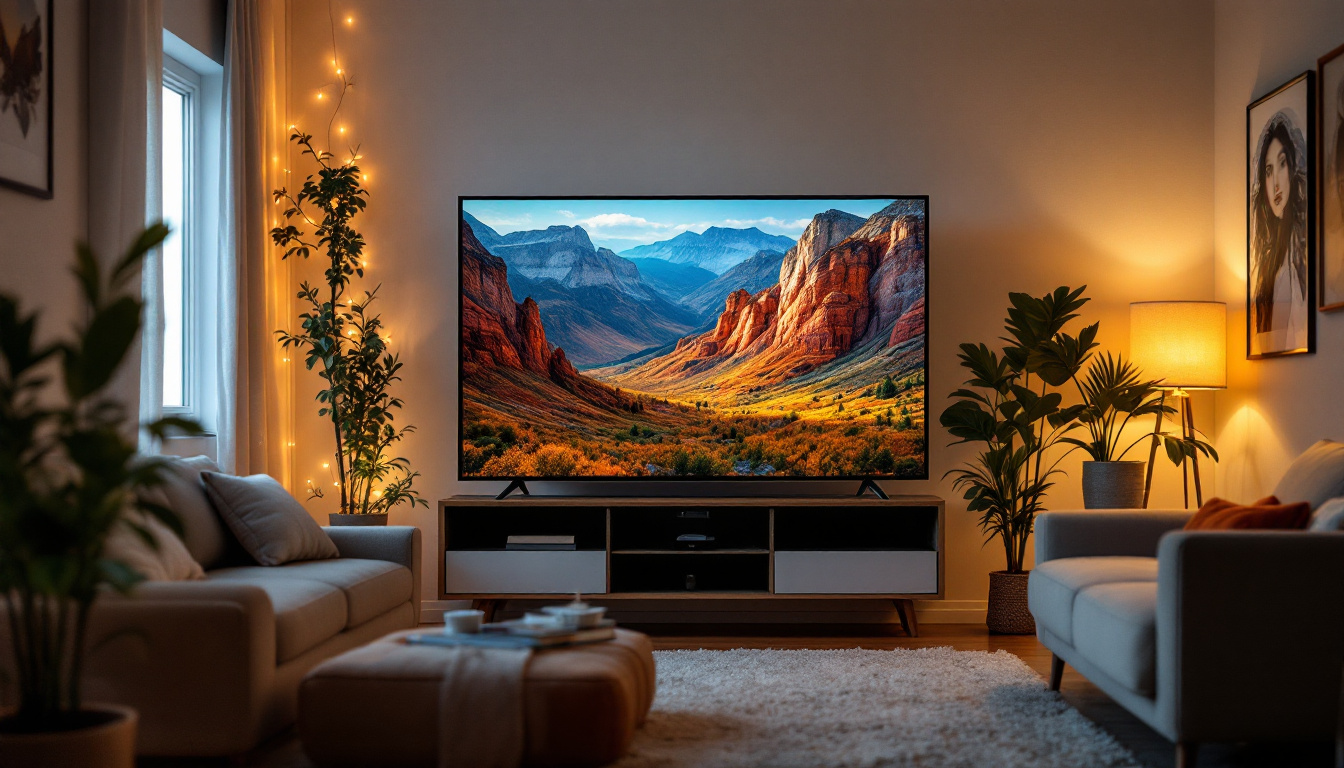
For most home theater enthusiasts, a 110 inch projector screen paired with a high-quality projector offers the best balance of image size, quality, and cost. It delivers a true cinematic experience that is difficult to replicate with other technologies at this price point.
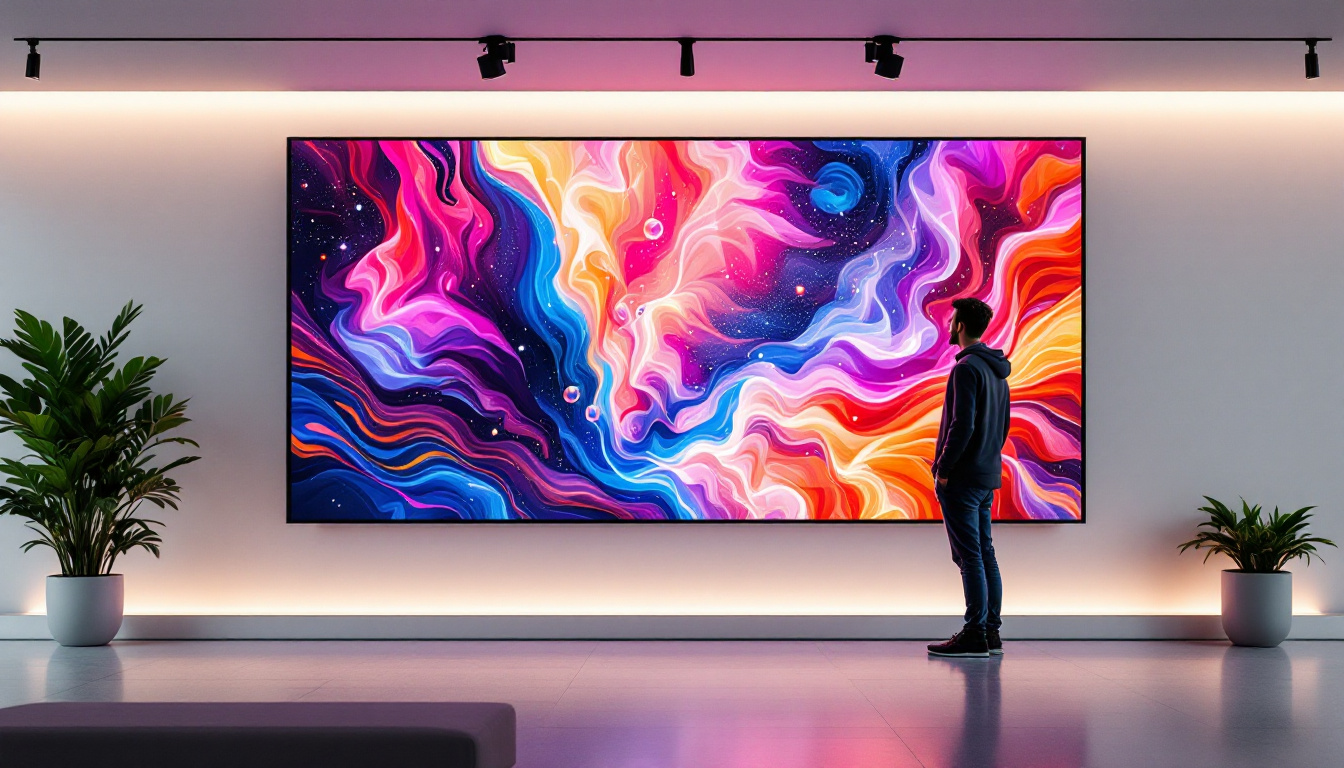
For corporate environments or spaces with challenging lighting conditions, investing in a fine-pitch LED display may be worthwhile. The superior brightness and durability justify the higher cost when consistent, high-quality presentations are essential.
Future Trends in Large-Format Displays
The display technology landscape continues to evolve rapidly. MicroLED and OLED technologies are emerging as promising alternatives, combining the brightness and durability of LEDs with the color accuracy and contrast of OLEDs. These innovations may soon make large-format LED displays more affordable and accessible to a broader audience.
Additionally, advancements in projector technology, such as laser projectors, are improving brightness, color fidelity, and lifespan, narrowing the gap between projectors and LED displays.
As these technologies mature, consumers will benefit from more choices and better performance at various price points.
Conclusion
Choosing between a 110 inch projector screen and an LED display involves weighing factors such as image quality, brightness, installation, cost, and use case. Projector screens remain a cost-effective, versatile solution for large-format viewing, especially in controlled lighting environments. LED displays, while more expensive, offer unmatched brightness and durability, making them ideal for professional and high-ambient-light settings.
Understanding the strengths and limitations of each technology empowers users to make informed decisions that enhance their viewing experience and meet their specific needs. As display technologies continue to advance, the options for creating stunning large-format visuals will only expand, offering exciting possibilities for both consumers and professionals alike.
Discover the Future of Visual Experience with LumenMatrix
Ready to elevate your visual displays to the next level? Explore LumenMatrix’s comprehensive range of LED display solutions, designed to bring your content to life with unparalleled brightness, clarity, and durability. Whether you’re looking to create an immersive home theater experience or captivate your audience in a professional setting, LumenMatrix has the cutting-edge technology to meet your needs. Check out LumenMatrix LED Display Solutions today and see how we can transform your visual communication and engagement.