In today’s healthcare environments, communication and information display are more critical than ever. Hospitals are complex ecosystems where timely, clear, and accessible information can significantly impact patient outcomes, staff efficiency, and visitor experience. One of the most effective tools to achieve this is the use of LED display screens. This article explores how LED screens are transforming hospital communication, their technical advantages, and best practices for implementation.
Understanding LED Display Technology in Hospitals
LED, or Light Emitting Diode, technology has become the preferred choice for digital displays across many industries, including healthcare. Unlike traditional LCD or plasma screens, LED displays use tiny light-emitting diodes to create images, offering superior brightness, contrast, and energy efficiency.
In hospital settings, LED screens serve multiple purposes—from patient information boards and wayfinding signage to real-time data dashboards and emergency alerts. Their versatility and reliability make them indispensable in fast-paced medical environments where information needs to be both visible and instantly accessible. The integration of LED technology not only enhances communication but also contributes to a more organized and efficient hospital experience for both patients and staff.
How LED Screens Work
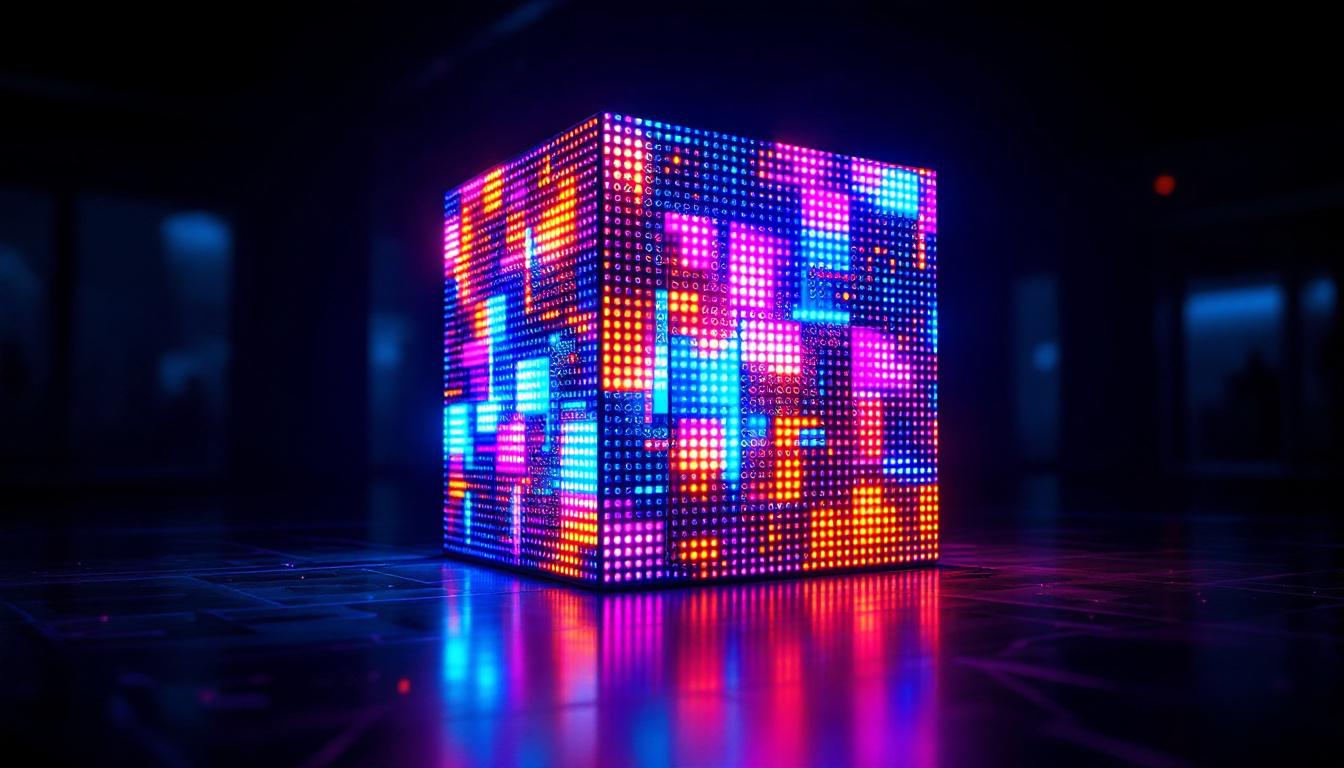
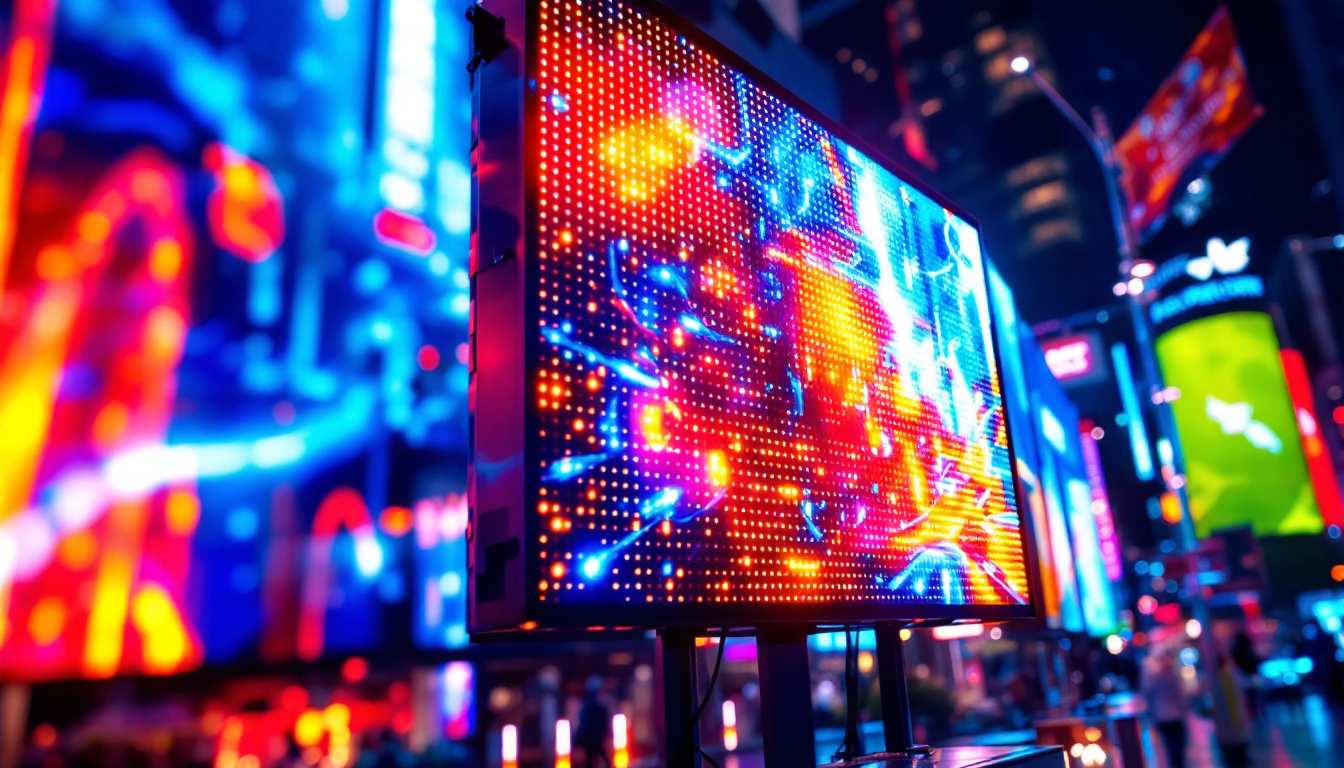
At the core of LED technology are semiconductors that emit light when an electric current passes through them. These diodes are arranged in a matrix to form pixels, which collectively produce images or text. The ability to control each diode individually allows for vibrant colors, high resolution, and dynamic content updates.
Modern hospital LED displays often use surface-mounted device (SMD) LEDs, which pack multiple diodes into a single pixel, enhancing image clarity and viewing angles. This is particularly important in busy hospital corridors and waiting areas where viewers may be positioned at various distances and angles. Furthermore, the technology allows for the implementation of interactive displays, enabling patients to access information about their treatments or hospital services through touch-sensitive interfaces, thus improving patient engagement and satisfaction.
Key Advantages of LED Displays in Healthcare
LED screens offer several benefits that make them ideal for hospital use:
- Brightness and Visibility: LED displays can operate effectively under various lighting conditions, including bright ambient light, ensuring messages are always readable.
- Energy Efficiency: Compared to older display technologies, LEDs consume less power, which is crucial for hospitals aiming to reduce operational costs and environmental impact.
- Durability and Longevity: LEDs have a longer lifespan and are more resistant to damage, making them a cost-effective long-term investment.
- Flexibility: Content on LED screens can be updated in real-time, allowing hospitals to communicate dynamic information such as appointment schedules, emergency codes, or health advisories.
In addition to these advantages, LED displays can also be customized to fit the specific needs of different hospital departments. For instance, surgical units may require screens that provide detailed procedural information and real-time updates, while pediatric wards can utilize vibrant, colorful displays to engage young patients. This adaptability not only enhances functionality but also contributes to a more personalized healthcare environment, fostering a sense of comfort and reassurance among patients and their families.
Moreover, the implementation of LED technology in hospitals aligns with the growing trend of smart healthcare solutions. With the ability to integrate with hospital information systems, LED displays can serve as vital communication tools that streamline operations, reduce wait times, and enhance overall patient care. By providing timely updates and critical information, these displays play a crucial role in improving the efficiency of healthcare delivery, ultimately leading to better patient outcomes.
Applications of LED Screens in Hospital Environments
Hospitals are increasingly integrating LED displays into various facets of their operations. The following sections highlight some of the most impactful applications.
Patient Information and Wayfinding
One of the most common uses of LED screens in hospitals is to provide patient-related information and assist with navigation. Large LED boards in waiting rooms can display appointment times, doctor availability, and queue status, reducing confusion and wait-time anxiety.
Wayfinding displays equipped with LED technology help visitors and patients locate departments, wards, or specific rooms quickly. Interactive LED kiosks are also becoming popular, combining touch-screen capabilities with bright, clear displays to guide users through complex hospital layouts.
Staff Communication and Operational Dashboards
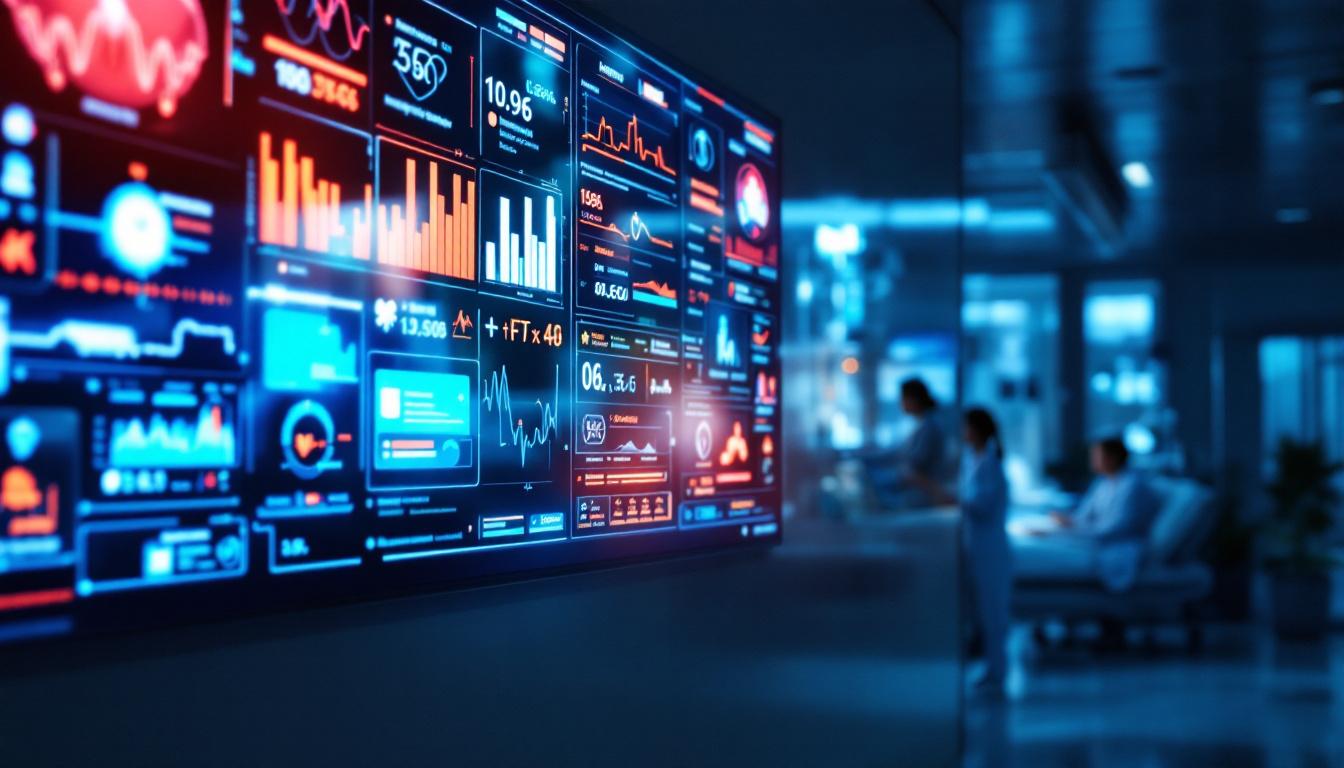
Efficient communication among hospital staff is vital for patient safety and workflow management. LED screens placed in staff lounges, nurse stations, or operating rooms can display critical updates, shift schedules, or patient status dashboards.
For example, emergency departments may use LED displays to show real-time patient intake numbers, bed availability, or wait times, enabling staff to prioritize care effectively. These displays can also integrate with hospital information systems to pull live data, ensuring accuracy and timeliness.
Health Education and Public Awareness
Hospitals serve as centers not only for treatment but also for health education. LED screens in lobbies and common areas can broadcast educational videos, hygiene reminders, vaccination campaigns, and wellness tips.
This proactive communication helps improve community health literacy and encourages preventive care behaviors. The dynamic nature of LED displays allows hospitals to tailor content seasonally or in response to emerging public health concerns, such as during flu season or pandemics.
Emergency Alerts and Critical Notifications
In emergency situations, rapid dissemination of information can save lives. LED screens integrated with hospital alert systems can instantly broadcast evacuation instructions, lockdown notices, or critical safety warnings.
The high visibility and brightness of LED displays ensure that these messages catch attention quickly, even in noisy or crowded environments. Some hospitals use color-coded alerts on LED boards to differentiate between types of emergencies, helping staff and visitors respond appropriately.
Technical Considerations for Hospital LED Displays
Choosing and implementing LED displays in a hospital setting requires careful planning to address specific technical and operational challenges.
Resolution and Pixel Pitch
Resolution is a critical factor that influences the clarity of the displayed content. Pixel pitch—the distance between the centers of two adjacent pixels—determines how sharp the image will appear, especially at close viewing distances.
Hospitals must balance resolution needs with budget constraints. For example, a patient information board viewed from several meters away may not require ultra-high resolution, whereas interactive kiosks or displays in consultation rooms benefit from finer pixel pitch for detailed visuals.
Screen Size and Placement
The size and location of LED screens should be optimized based on the intended audience and viewing distance. Large LED walls are suitable for spacious waiting areas or atriums, while smaller panels can be placed near elevators or nurse stations.
Ergonomic considerations are also important to avoid glare and ensure comfortable viewing angles. Hospitals often conduct site surveys to determine optimal mounting heights and orientations.
Integration with Hospital Systems
To maximize utility, LED displays should integrate seamlessly with existing hospital information systems (HIS), electronic health records (EHR), and building management systems (BMS). This integration enables automated content updates, reduces manual input errors, and supports real-time data visualization.
For example, an LED display showing operating room schedules can pull data directly from the hospital’s scheduling software, ensuring synchronization and reducing administrative workload.
Compliance and Security
Hospitals must ensure that LED display systems comply with healthcare regulations such as HIPAA (Health Insurance Portability and Accountability Act) in the United States, which governs patient data privacy. While LED screens typically display non-sensitive information, any integration with patient data systems must safeguard confidentiality.
Additionally, cybersecurity measures are essential to prevent unauthorized access or tampering with display content, especially for emergency alert systems.
Best Practices for Implementing LED Screens in Hospitals
Successful deployment of LED displays in hospitals hinges on strategic planning and ongoing management.
Stakeholder Engagement and Needs Assessment
Engaging a broad range of stakeholders—including clinicians, administrative staff, patients, and visitors—helps identify the most valuable use cases for LED displays. Conducting thorough needs assessments ensures that the chosen solutions address real communication challenges.
Content Strategy and Management
Effective content management is crucial for maintaining relevance and engagement. Hospitals should develop clear guidelines on the types of information displayed, update frequency, and content approval processes.
Using content management systems (CMS) tailored for digital signage allows non-technical staff to update messages easily, ensuring timely communication without relying on IT departments for every change.
Maintenance and Technical Support
Regular maintenance ensures LED displays operate reliably over time. This includes routine cleaning, software updates, and hardware inspections. Establishing service agreements with vendors can provide quick resolution of technical issues, minimizing downtime.
Measuring Impact and Continuous Improvement
Hospitals should track key performance indicators (KPIs) such as patient satisfaction scores, staff feedback, and operational efficiency metrics to evaluate the effectiveness of LED displays. Gathering data allows for continuous improvement and justification of investment.
Future Trends in Hospital LED Displays
The landscape of hospital communication technology continues to evolve, with LED displays playing a central role in upcoming innovations.
Interactive and Touch-Enabled Displays
Interactive LED screens are becoming more prevalent, enabling patients and visitors to access personalized information, schedule appointments, or request assistance. Touch-enabled displays enhance user engagement and reduce the need for physical brochures or staff intervention.
Integration with Artificial Intelligence and IoT
Artificial intelligence (AI) and Internet of Things (IoT) technologies are beginning to integrate with LED display systems to provide smarter, context-aware communication. For instance, AI can analyze foot traffic patterns to optimize content scheduling, while IoT sensors can trigger alerts based on environmental conditions such as air quality or temperature.
Enhanced Accessibility Features
Future hospital LED displays will increasingly incorporate accessibility features such as audio output, sign language avatars, and adjustable text sizes to accommodate diverse patient populations, including those with disabilities.
Conclusion
LED display screens have become an essential component of modern hospital infrastructure, enhancing communication, improving operational efficiency, and supporting patient-centered care. Their brightness, flexibility, and durability make them ideally suited for the demanding healthcare environment.
Hospitals investing in LED technology benefit from improved information dissemination, better staff coordination, and enriched patient experience. By carefully considering technical specifications, integration needs, and content strategies, healthcare facilities can maximize the impact of their LED displays and stay at the forefront of digital communication innovation.
Discover LumenMatrix LED Display Solutions for Hospitals
As you consider the benefits of LED displays for your hospital’s communication and operational needs, LumenMatrix stands ready to assist. Our expertise in LED display technology ensures that your facility will be equipped with the most advanced and reliable solutions available. From Indoor and Outdoor LED Wall Displays to specialized options like Vehicle LED Displays and Custom LED Solutions, we have the capability to transform your healthcare environment. Experience the difference that LumenMatrix can make in enhancing patient care and staff coordination. Check out LumenMatrix LED Display Solutions today and take the first step towards a more connected and efficient hospital experience.