In today’s fast-paced travel environment, flight information displays play a crucial role in guiding millions of passengers through airports worldwide. Among the various technologies used, LED displays have become the preferred choice for flight screens due to their clarity, durability, and energy efficiency. This article delves into the world of flight screen LED displays, explaining their technology, advantages, applications, and future trends.
Understanding Flight Screen LED Displays
What is an LED Display?
LED, or Light Emitting Diode, displays consist of numerous tiny light-emitting diodes arranged in a grid to produce images and text. Unlike traditional LCD screens that rely on backlighting, LED displays generate their own light, resulting in brighter and more vivid visuals. This self-illumination makes LEDs particularly suitable for environments with varying lighting conditions, such as airports.
The core component of an LED display is the diode itself, which emits light when an electric current passes through it. By controlling the intensity and color of each diode, the display can render a wide range of images, from simple text to complex graphics and animations. The versatility of LED technology allows for dynamic content updates, enabling real-time information delivery that is crucial in fast-paced environments like airports.
Moreover, advancements in LED technology have led to the development of energy-efficient models that consume less power while maintaining high brightness levels. This not only reduces operational costs for airports but also contributes to sustainability efforts by minimizing energy consumption and carbon footprints.
How Flight Screens Utilize LED Technology
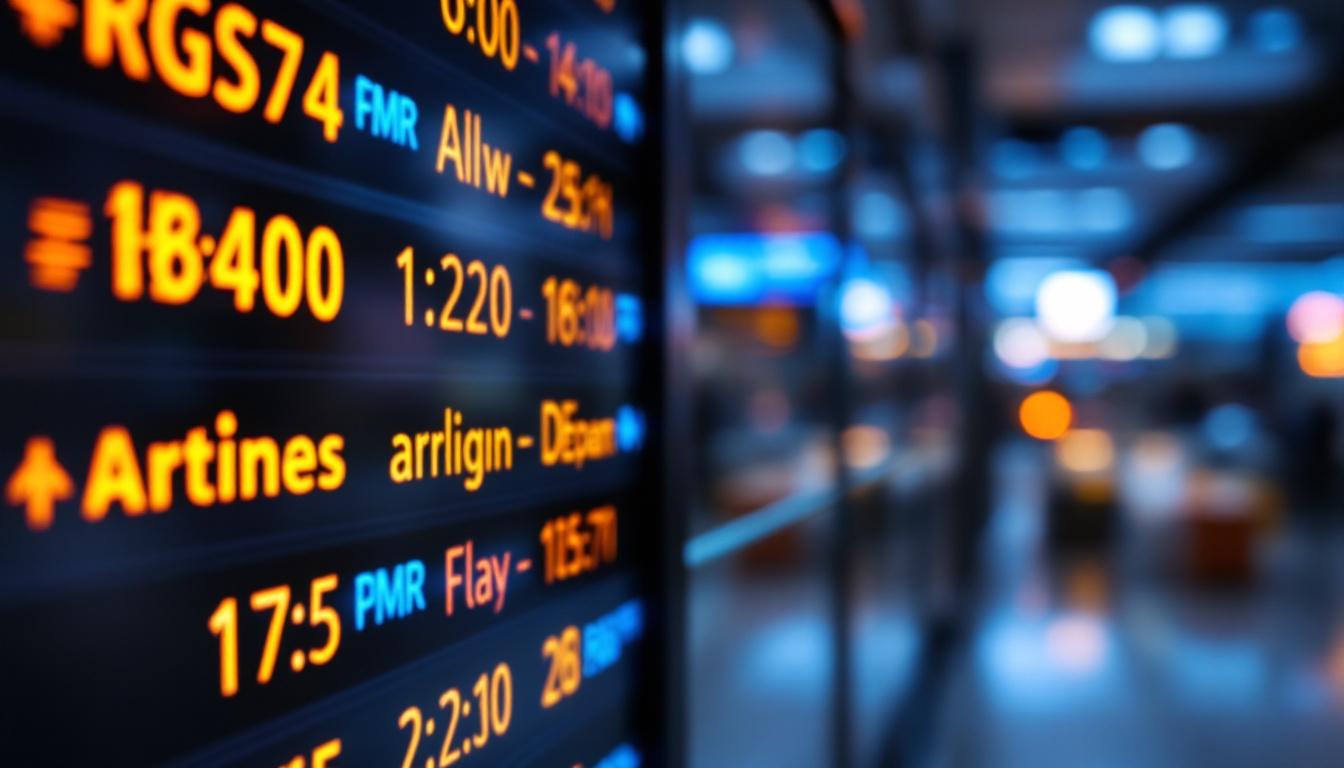
Flight screens are specialized LED displays designed to provide real-time information about arrivals, departures, gate numbers, delays, and other essential travel details. These screens must be highly legible from a distance and under diverse lighting conditions, including natural sunlight streaming through airport terminals.
To meet these demands, flight screens often use high-brightness LEDs with wide viewing angles. The pixel pitch—the distance between individual LEDs—is carefully chosen to balance resolution and visibility. For example, a smaller pixel pitch offers sharper images but at a higher cost, while a larger pitch suits bigger screens viewed from a distance. Additionally, modern flight screens are often equipped with advanced software that allows for seamless integration with airport management systems, ensuring that the displayed information is always up-to-date and accurate.
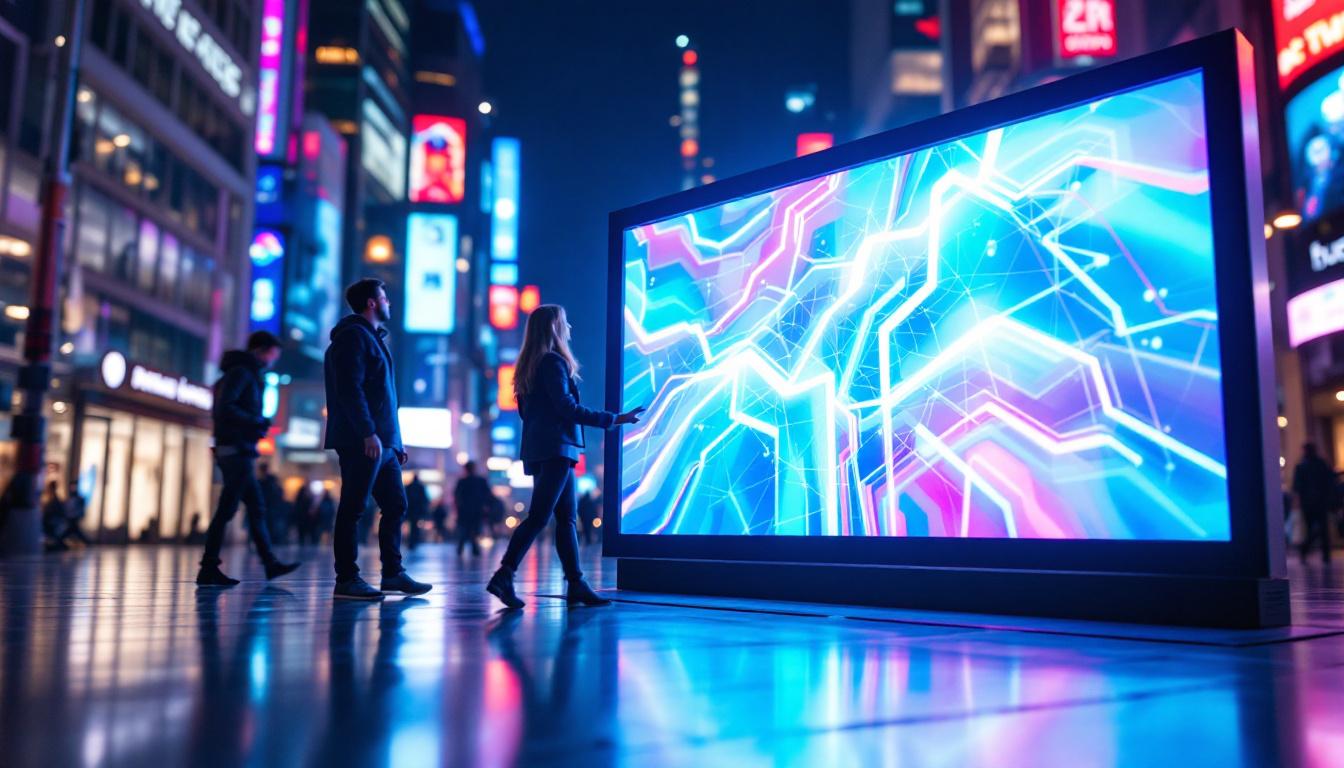
Furthermore, the design of flight screens has evolved to enhance user experience. Many airports now incorporate interactive elements into their LED displays, allowing travelers to access additional information such as terminal maps, nearby amenities, and even flight status updates via touch or mobile connectivity. This interactivity not only improves the flow of information but also engages passengers, making their travel experience more informative and enjoyable.
Advantages of LED Displays for Flight Screens
Superior Visibility and Brightness
One of the most significant benefits of LED displays is their exceptional brightness. Airports can be brightly lit environments, and flight information must remain visible even in direct sunlight. LED flight screens typically offer brightness levels ranging from 1,000 to over 5,000 nits, ensuring clear readability at all times.
Additionally, LEDs provide excellent contrast ratios, making text and graphics stand out sharply against the background. This clarity reduces passenger confusion and helps maintain smooth airport operations. The ability to display vivid colors and sharp images also enhances the overall aesthetic of the airport, creating a more welcoming atmosphere for travelers. As passengers navigate through terminals, the clear and vibrant displays can guide them effectively, minimizing the stress often associated with travel.
Energy Efficiency and Longevity
Airports operate 24/7, meaning flight screens run continuously. Energy efficiency is therefore a critical factor. LEDs consume significantly less power than older display technologies like fluorescent or incandescent lighting, reducing operational costs and environmental impact.
Moreover, LED displays boast impressive lifespans—often exceeding 100,000 hours of operation. This durability minimizes maintenance needs and downtime, which is vital in busy transportation hubs where information must be reliably available. The long lifespan of LEDs not only contributes to lower replacement costs but also aligns with sustainability initiatives, as fewer resources are consumed over time. Additionally, many airports are increasingly focusing on green technologies, and the adoption of LED displays is a significant step toward achieving their eco-friendly goals.
Flexibility and Customization
LED flight screens can be customized in size, shape, and resolution to fit various airport layouts and design aesthetics. Modular LED panels allow for scalable installations, enabling airports to expand or reconfigure displays as needed without replacing entire units.
Furthermore, LED technology supports dynamic content, allowing airports to update flight information instantly, display emergency alerts, or even show advertising and promotional content during off-peak times. This flexibility extends beyond mere functionality; it allows airports to engage with passengers in innovative ways. For instance, during holiday seasons or special events, airports can transform their displays to reflect festive themes, enhancing the travel experience. Additionally, the ability to integrate real-time data feeds means that travelers can receive timely updates about weather conditions, gate changes, or even local transportation options, making their journey smoother and more informed.
Applications of LED Flight Screens in Airports
Main Terminal Flight Information Displays
The most recognizable use of LED flight screens is the large departure and arrival boards in airport terminals. These screens provide passengers with up-to-the-minute flight schedules, gate assignments, delays, cancellations, and baggage claim information.
Modern LED flight boards often integrate with airport management systems to automatically update data, reducing human error and improving passenger experience. Some airports have adopted video wall configurations, combining multiple LED panels to create ultra-large, high-resolution displays that can be viewed from various vantage points. This not only enhances visibility but also allows for the display of dynamic content, such as promotional videos or real-time weather updates, creating a more engaging environment for travelers waiting for their flights.
Gate and Boarding Area Displays
Smaller LED screens are commonly installed at gates and boarding areas to provide localized flight information, such as boarding calls, seat assignments, and final boarding times. These displays help streamline the boarding process and keep passengers informed without overcrowding the main terminal screens. Furthermore, the use of LED technology ensures that these screens are energy-efficient and have a longer lifespan compared to traditional display methods, which is particularly beneficial in high-traffic areas where screens are frequently in use.
Wayfinding and Informational Signage
Beyond flight data, LED displays are used throughout airports for wayfinding and general information. Interactive LED kiosks, digital maps, and directional signs help passengers navigate complex terminals efficiently. The bright, clear visuals of LEDs improve accessibility for travelers with visual impairments or language barriers. Additionally, these displays can be programmed to offer multilingual support, catering to the diverse population of international travelers and ensuring that everyone can easily find their way around the airport.
Moreover, the integration of LED technology with mobile applications allows passengers to receive personalized notifications on their smartphones, guiding them to their gates or alerting them about changes in flight status. This synergy between digital signage and mobile technology not only enhances the overall passenger experience but also reduces congestion in crowded areas, as travelers can access information directly from their devices. As airports continue to evolve, the role of LED flight screens will likely expand, incorporating even more interactive features and real-time data analytics to further improve operational efficiency and passenger satisfaction.
Technological Innovations Shaping the Future of Flight Screens
Integration with Real-Time Data and AI
Advancements in data analytics and artificial intelligence are transforming how flight information is presented. Modern LED flight screens can integrate with AI-driven systems to predict delays, optimize gate assignments, and personalize passenger notifications.
For instance, some airports use AI to analyze weather patterns and air traffic control data, updating flight boards proactively to minimize passenger inconvenience. Personalized alerts can be sent to passengers’ mobile devices, synchronized with the LED displays for seamless communication.
Enhanced Resolution and Mini-LED Technology
While traditional LED flight screens have served airports well, emerging technologies like mini-LED and micro-LED promise even greater resolution and energy efficiency. Mini-LEDs use smaller diodes, allowing for higher pixel density and sharper images without sacrificing brightness.
This technology could enable airports to deploy ultra-high-definition flight screens capable of displaying detailed graphics, high-quality videos, and multilingual content, enhancing the overall passenger experience.
Interactive and Touch-Enabled Flight Screens
Interactivity is another trend gaining traction in airport displays. Touch-enabled LED screens allow passengers to search for specific flight information, check gate changes, or access airport services directly from the display.
Combined with mobile integration, these interactive flight screens can reduce the need for physical touchpoints, a consideration that has become increasingly important in the post-pandemic world.
Challenges and Considerations in Deploying LED Flight Screens
Cost and Installation Complexity
While LED displays offer many benefits, their initial cost can be substantial, especially for large-scale installations with high resolution and brightness requirements. Airports must balance budget constraints with the need for reliable, high-quality displays.
Installation also requires careful planning to ensure optimal viewing angles, power supply, and integration with existing airport systems. Maintenance access must be considered to minimize disruptions during repairs or upgrades.
Environmental Impact and Sustainability
Although LEDs are more energy-efficient than older technologies, airports are increasingly focused on sustainability. Selecting LED displays with low power consumption and recyclable materials can contribute to broader environmental goals.
Additionally, some airports are exploring solar-powered LED flight screens or integrating displays with building management systems to optimize energy use during off-peak hours.
Ensuring Accessibility and Inclusivity
Flight screens must cater to diverse passenger needs, including those with visual or hearing impairments. Designing LED displays with high contrast, adjustable brightness, and multilingual support is essential to ensure accessibility.
Complementary audio announcements and tactile signage can enhance inclusivity, creating a comprehensive information ecosystem within the airport.
Conclusion
LED flight screens have revolutionized the way airports communicate vital information to travelers. Their superior brightness, energy efficiency, flexibility, and durability make them ideal for the demanding environment of airport terminals. As technology advances, innovations such as AI integration, mini-LED resolution enhancements, and interactive capabilities will further elevate the passenger experience.
For airports aiming to improve operational efficiency and passenger satisfaction, investing in state-of-the-art LED flight screens is a strategic choice. These displays not only provide clear and timely flight information but also contribute to the overall ambiance and functionality of modern airports worldwide.
Discover LumenMatrix LED Display Solutions
Ready to elevate your airport’s passenger experience with the latest in LED display technology? LumenMatrix is at the forefront of creating immersive and efficient visual communication systems. From dynamic Indoor LED Wall Displays to robust Outdoor LED Wall Displays, and from versatile Vehicle LED Displays to innovative Custom LED Solutions, our range is designed to meet the diverse needs of modern airports. Embrace the future with LumenMatrix’s LED displays and transform your airport into a hub of engagement and clarity. Check out LumenMatrix LED Display Solutions today and step into a world of vibrant visual storytelling.