In the rapidly evolving world of digital signage and visual communication, LED displays have become a cornerstone technology. Among the various forms of LED installations, the Light Wall LED stands out for its versatility, brightness, and impact. This article delves deep into what Light Wall LEDs are, how they work, their applications, and why they are increasingly favored in both commercial and creative sectors.
Understanding Light Wall LED Technology
What is a Light Wall LED?
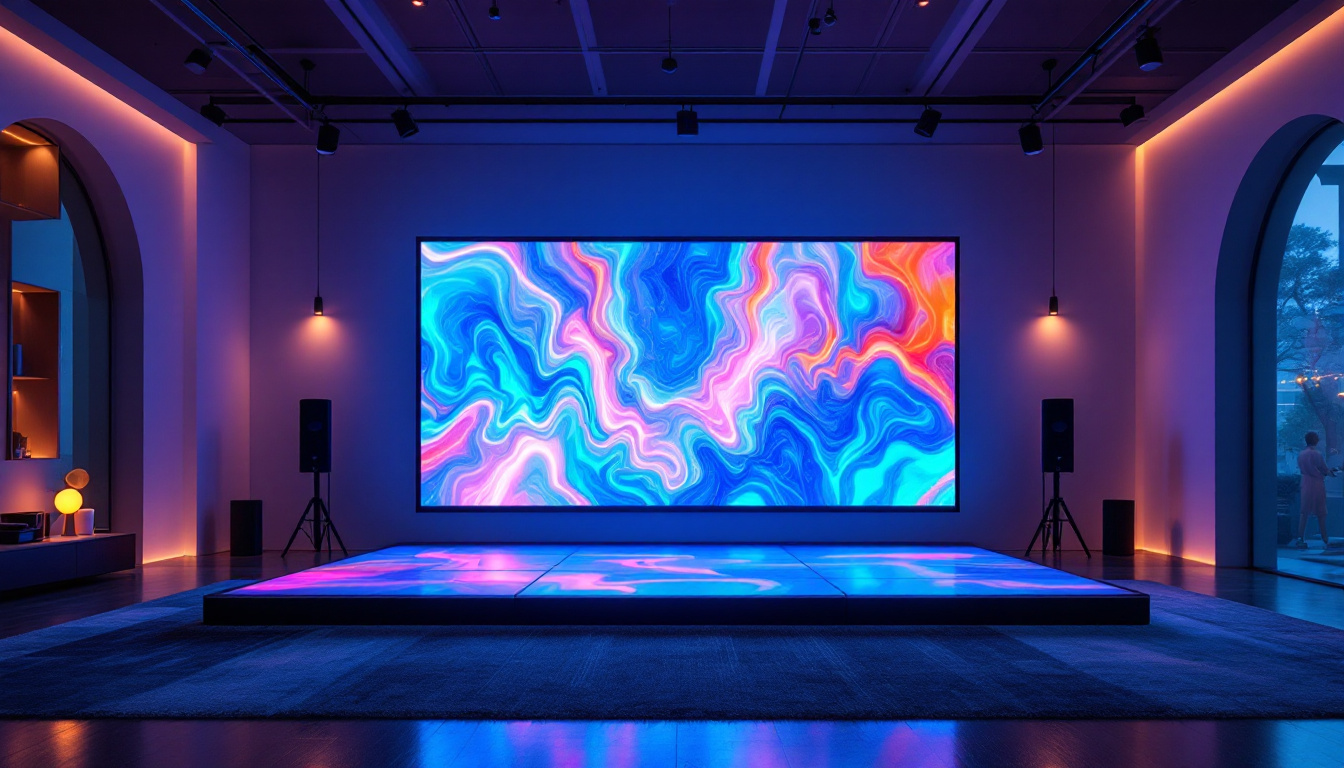
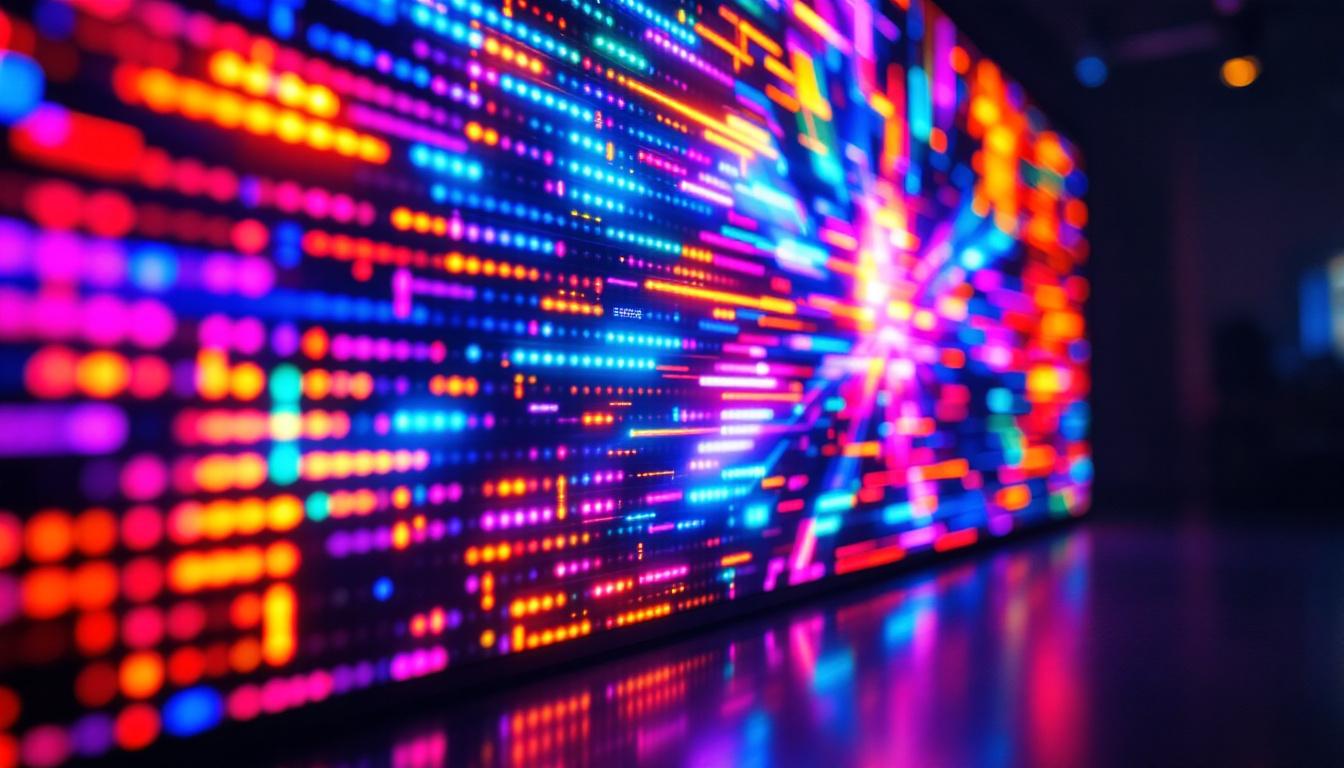
A Light Wall LED is essentially a large-scale LED display composed of numerous tiny light-emitting diodes arranged in a grid or matrix. These walls can range from small indoor panels to massive outdoor installations, providing vibrant, high-resolution visual content. Unlike traditional screens, Light Wall LEDs are modular, allowing for custom sizes and shapes, which makes them ideal for architectural integration and large event displays.
The term “Light Wall” emphasizes the display’s ability to act as a luminous surface, often covering entire walls or facades, transforming spaces with dynamic visuals. This capability is particularly useful in environments where traditional screens would be impractical or less impactful. For instance, in retail environments, a Light Wall can create immersive shopping experiences by showcasing promotional content that captivates customers, drawing them into the store. Similarly, in corporate settings, these displays can serve as impressive backdrops for presentations or events, enhancing the overall atmosphere and engagement.
How Do Light Wall LEDs Work?
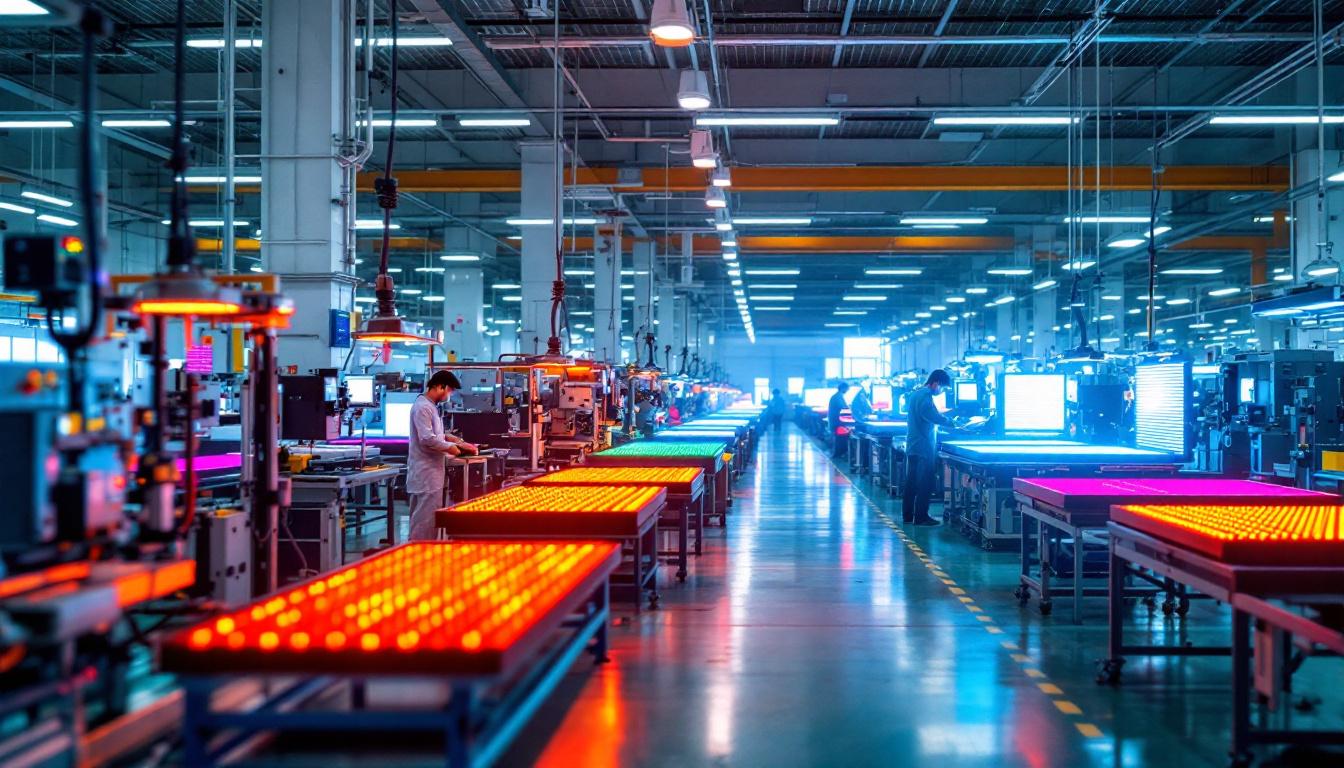
At the core of Light Wall LED technology are individual LEDs that emit light when an electric current passes through them. These diodes are grouped into pixels, typically consisting of red, green, and blue (RGB) LEDs. By adjusting the intensity of each color, the display can produce a full spectrum of colors, enabling rich and vivid images.
The modular panels that make up a Light Wall LED are connected and controlled through sophisticated software systems. These systems manage color calibration, brightness, refresh rate, and content playback, ensuring seamless and synchronized visuals across the entire display. The refresh rate is especially important in preventing flicker and ensuring smooth motion, which is critical for video content. Additionally, advanced technologies such as pixel mapping and real-time rendering allow for interactive displays that can respond to audience movements or inputs, further enhancing user engagement. This interactivity opens up new possibilities for advertising, art installations, and live performances, making the Light Wall LED a versatile tool in modern visual communication.
Key Advantages Over Traditional Displays
Compared to LCD or projection-based displays, Light Wall LEDs offer several distinct advantages:
- Brightness and Visibility: LEDs can achieve extremely high brightness levels, making them visible even under direct sunlight. This is a critical factor for outdoor installations and venues with high ambient light.
- Durability and Longevity: LED displays are known for their long lifespan, often exceeding 100,000 hours of operation, and their resistance to environmental factors like moisture and temperature fluctuations.
- Flexibility: The modular nature allows for custom shapes and sizes, enabling creative architectural applications that traditional screens cannot match.
- Energy Efficiency: LEDs consume less power compared to other lighting and display technologies, which is beneficial for large-scale installations in terms of operational costs and environmental impact.
Moreover, the rapid advancements in LED technology have led to improvements in pixel density and resolution, making it possible to create displays that are not only larger but also sharper and more detailed. This evolution has made Light Wall LEDs a popular choice for high-profile events, concerts, and exhibitions, where visual impact is paramount. The ability to create stunning visuals that can be easily updated or changed in real time also adds to their appeal, allowing for dynamic storytelling and branding opportunities that resonate with audiences in ways that static displays simply cannot achieve.
Applications of Light Wall LED Displays
Commercial and Advertising Uses
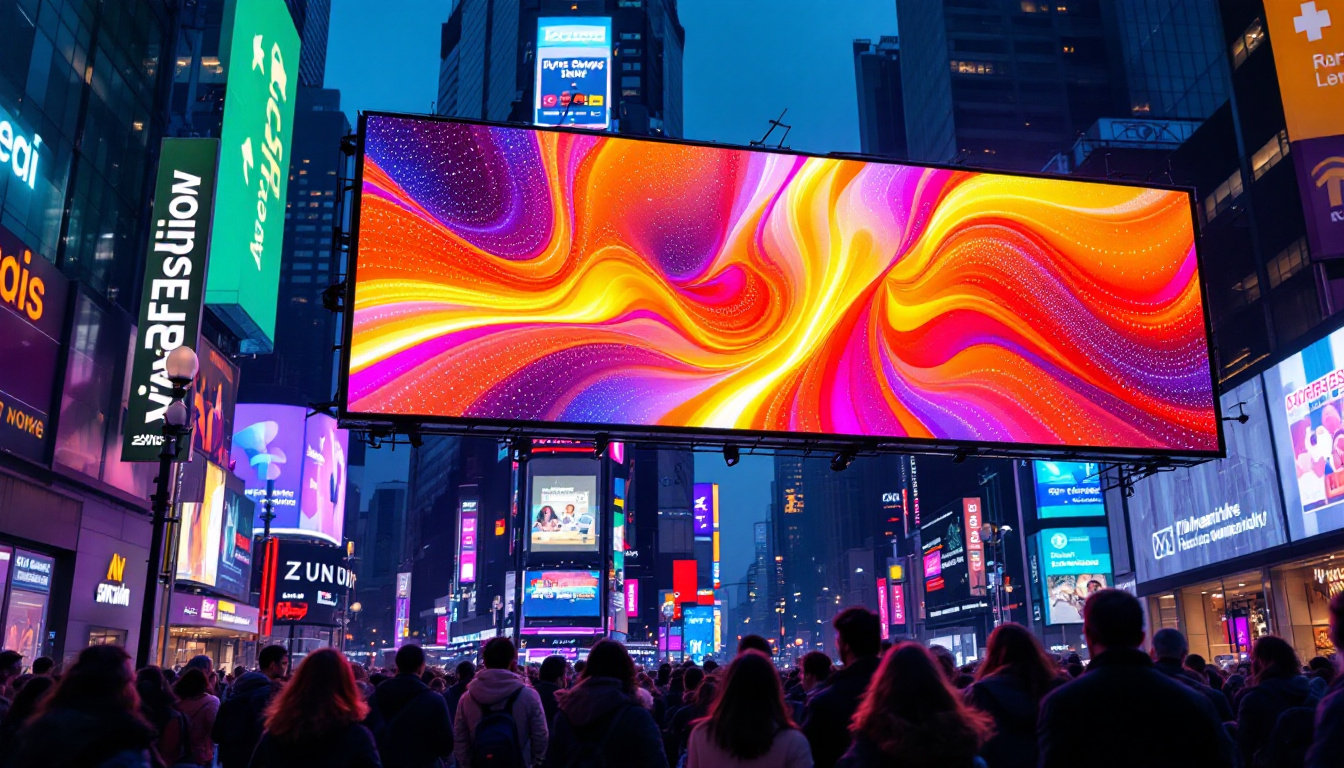
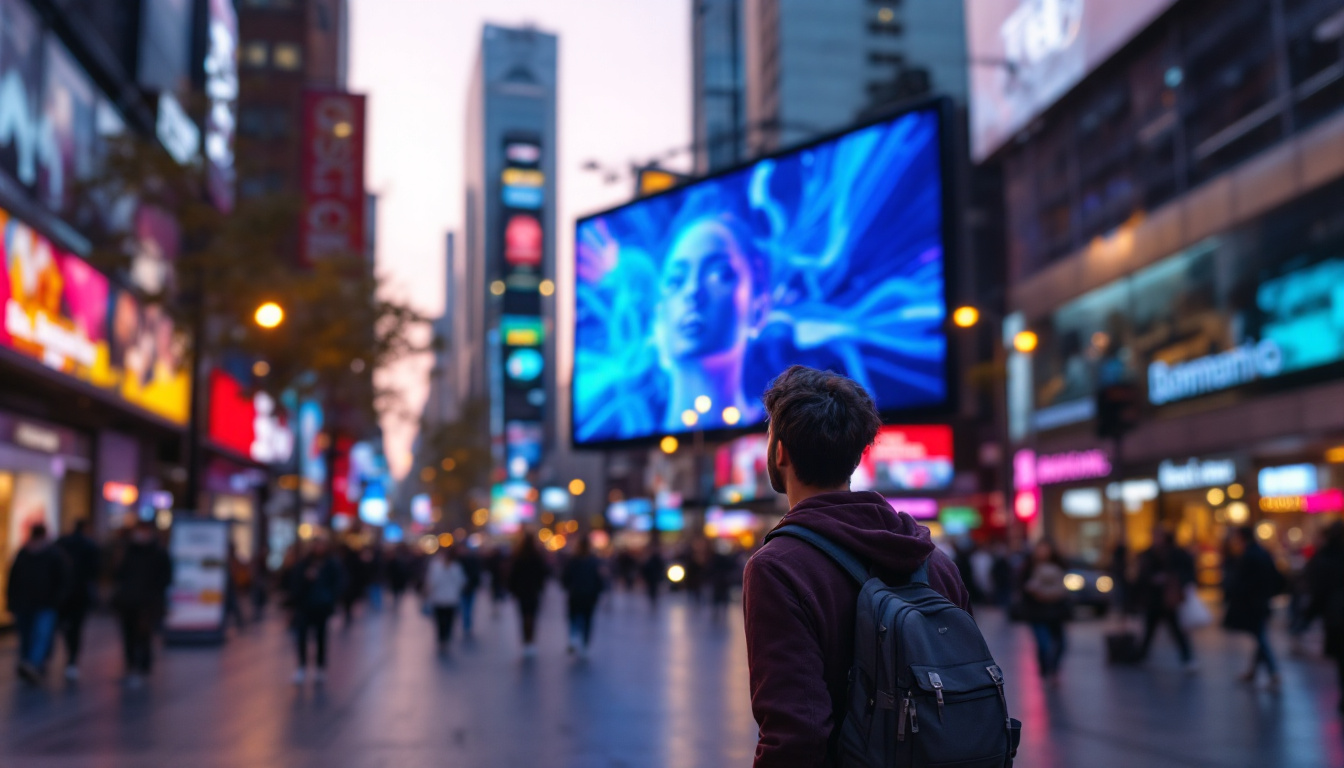
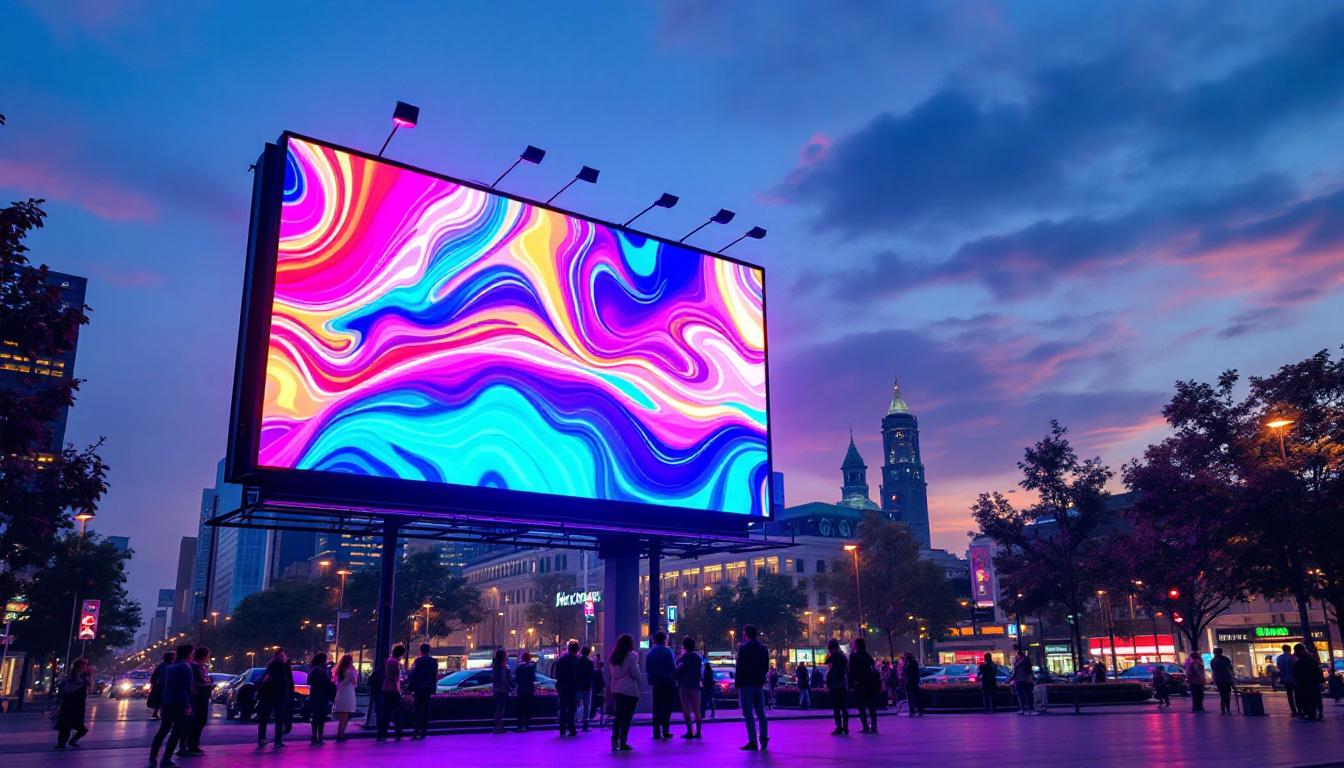
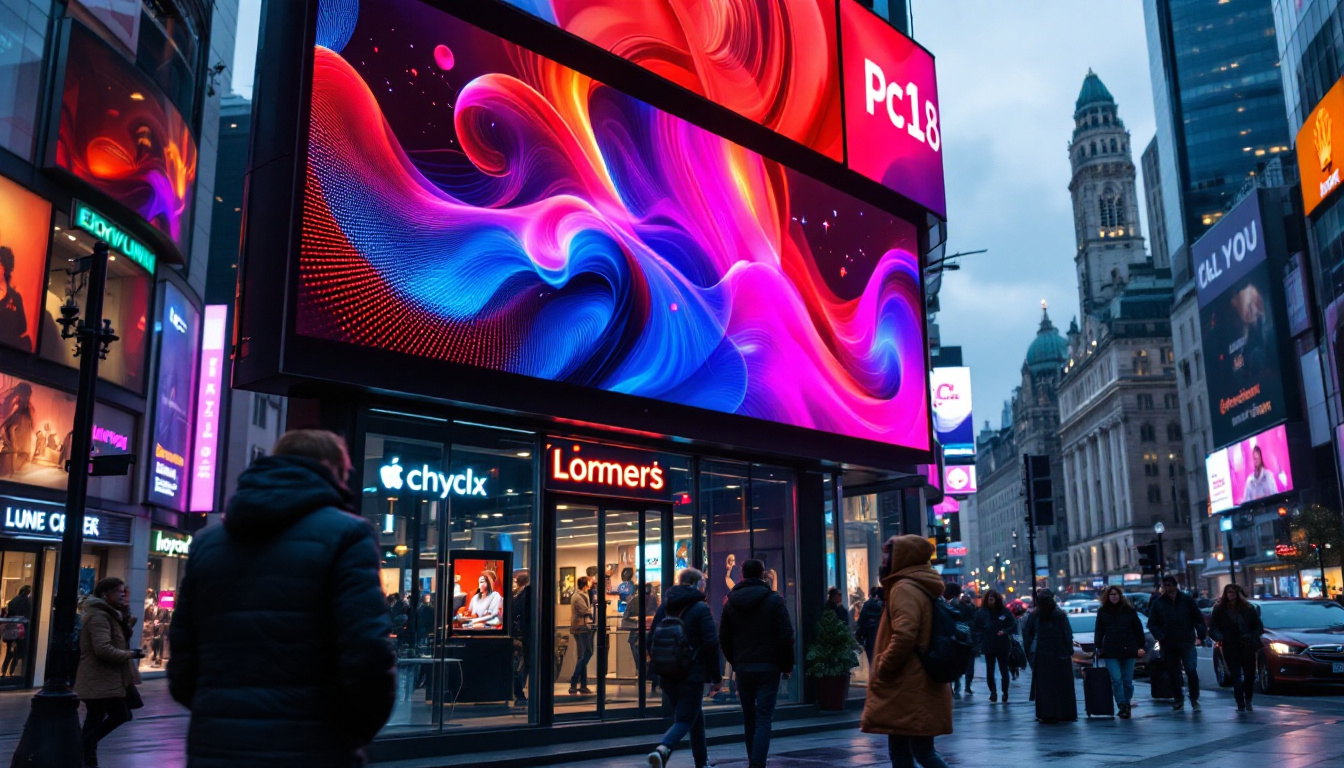
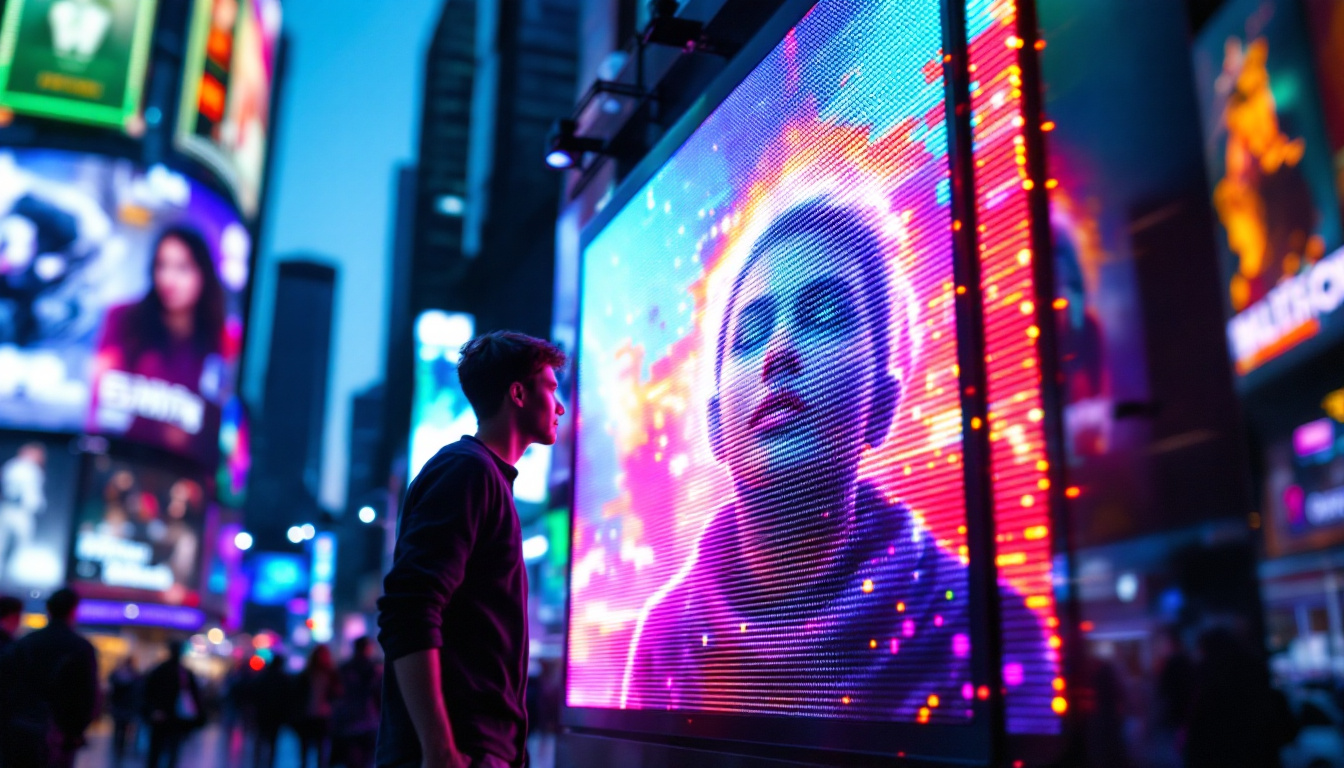
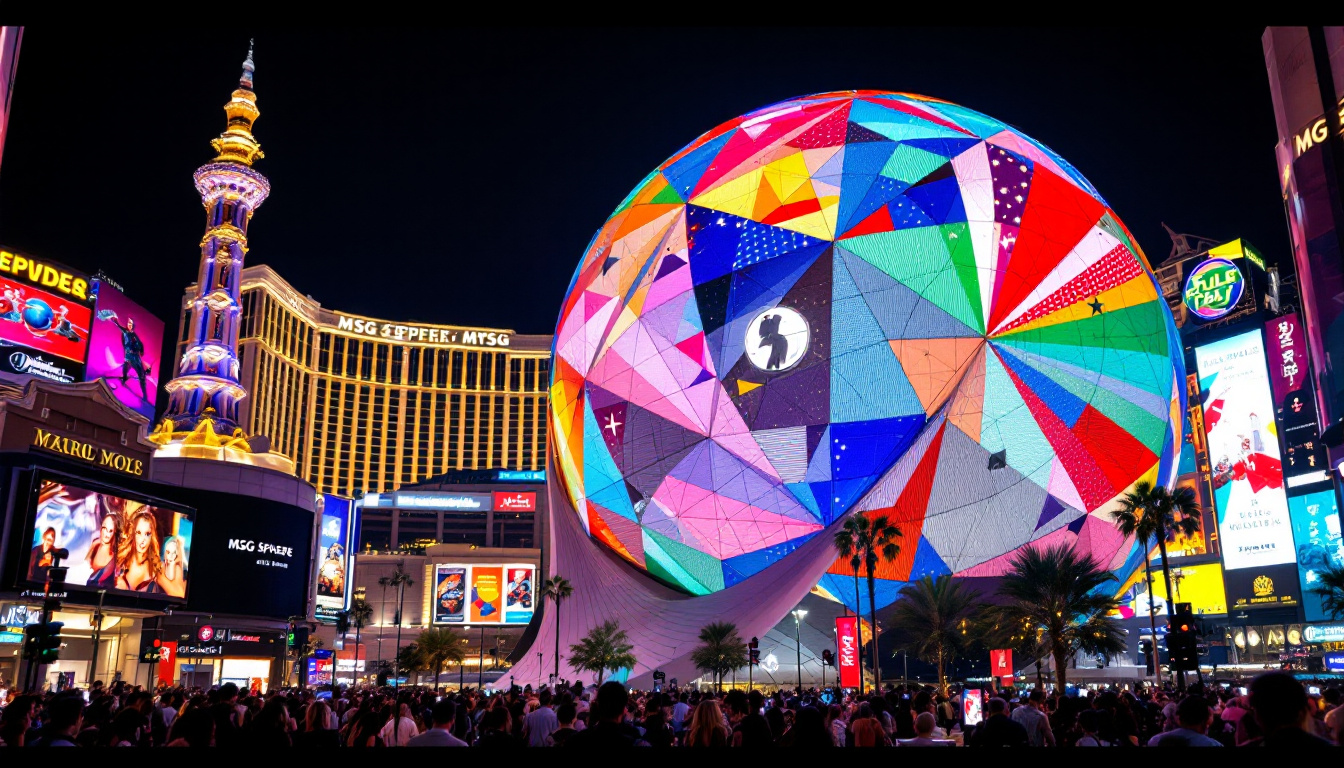
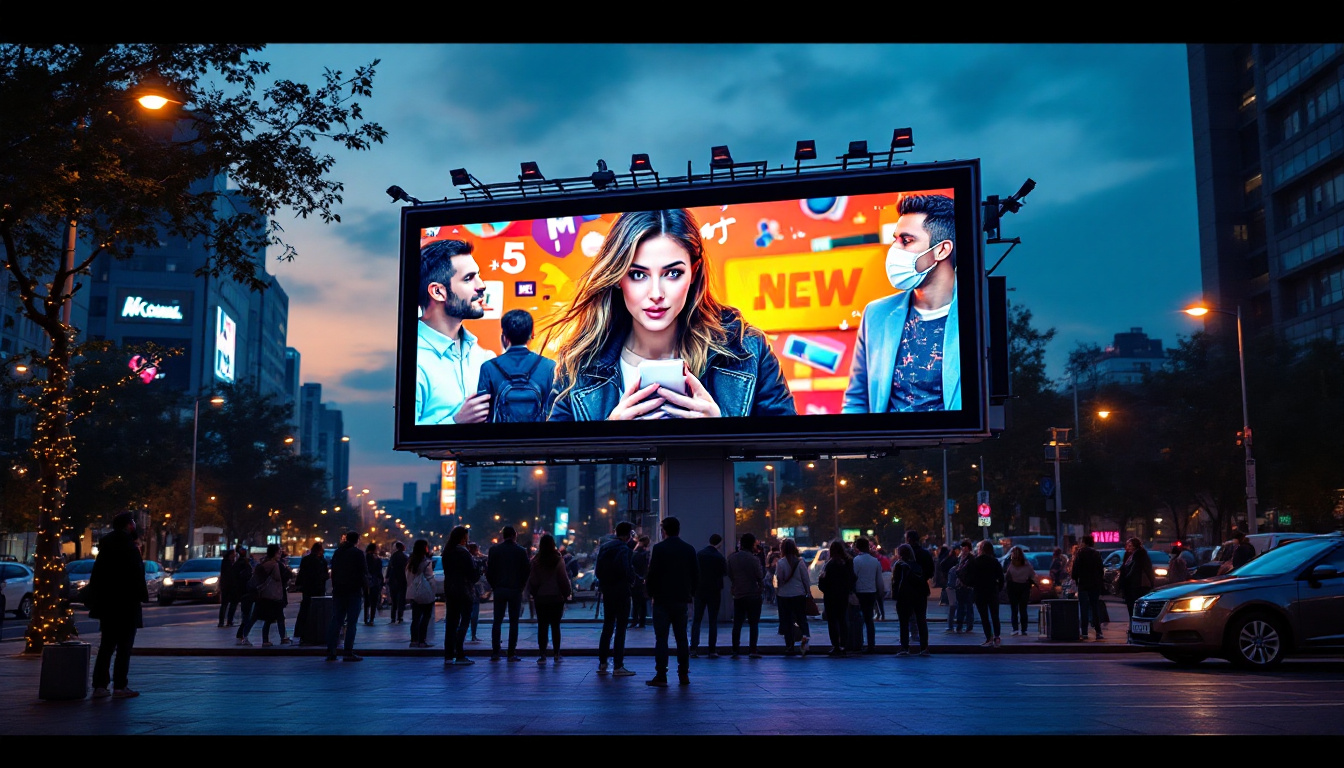
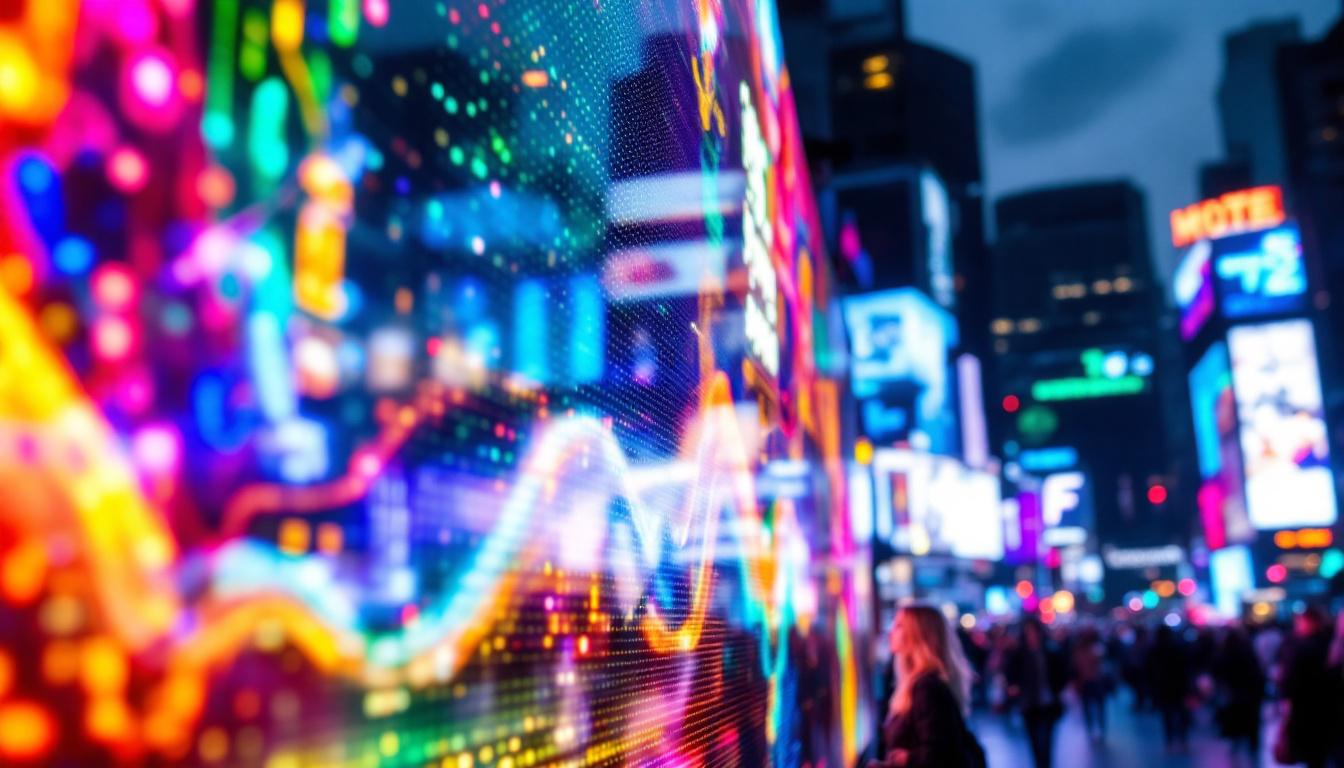
One of the most common applications of Light Wall LEDs is in advertising and commercial signage. Cities worldwide feature massive LED walls on building facades, such as New York’s Times Square or Tokyo’s Shibuya Crossing, where dynamic advertisements capture the attention of millions daily.
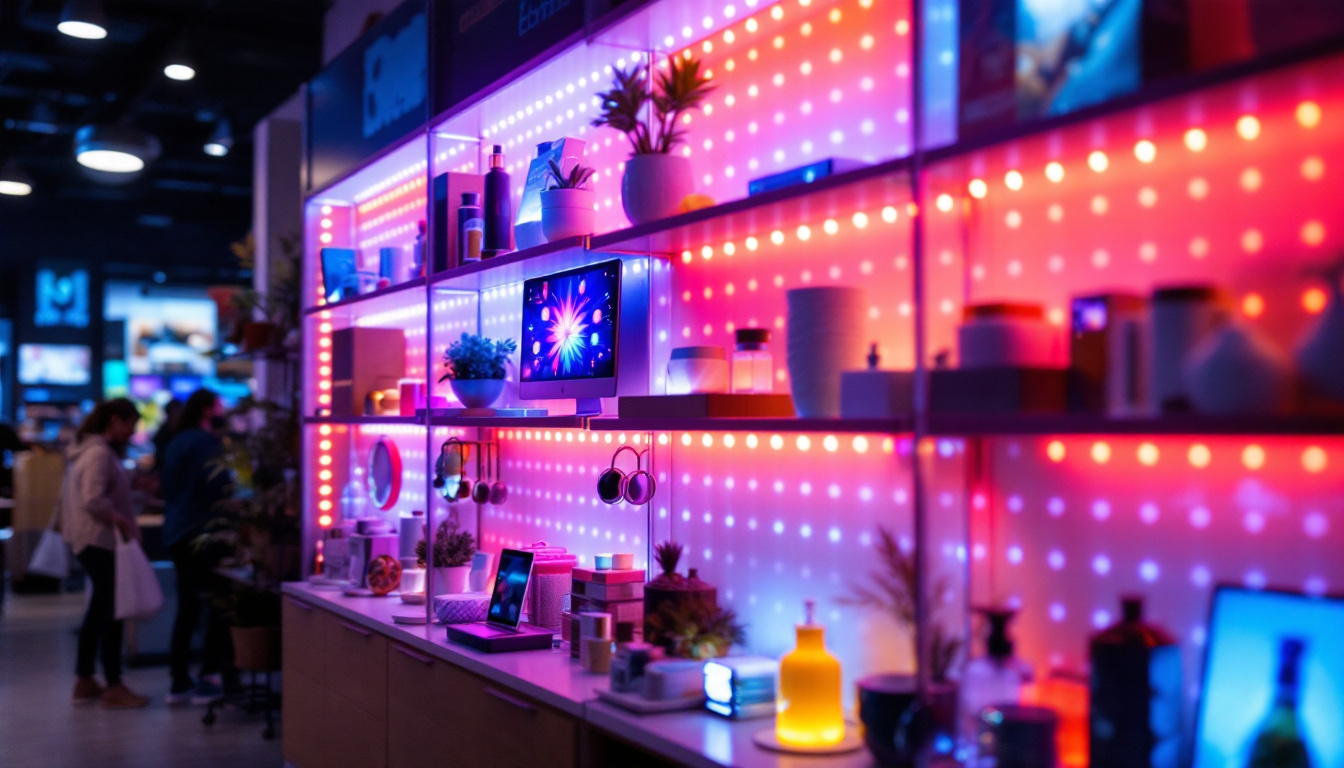
Retailers use Light Wall LEDs inside stores to create immersive brand experiences, showcasing products with eye-catching visuals that engage customers. The ability to update content in real-time also allows businesses to tailor messages based on time of day, promotions, or audience demographics.
Entertainment and Events
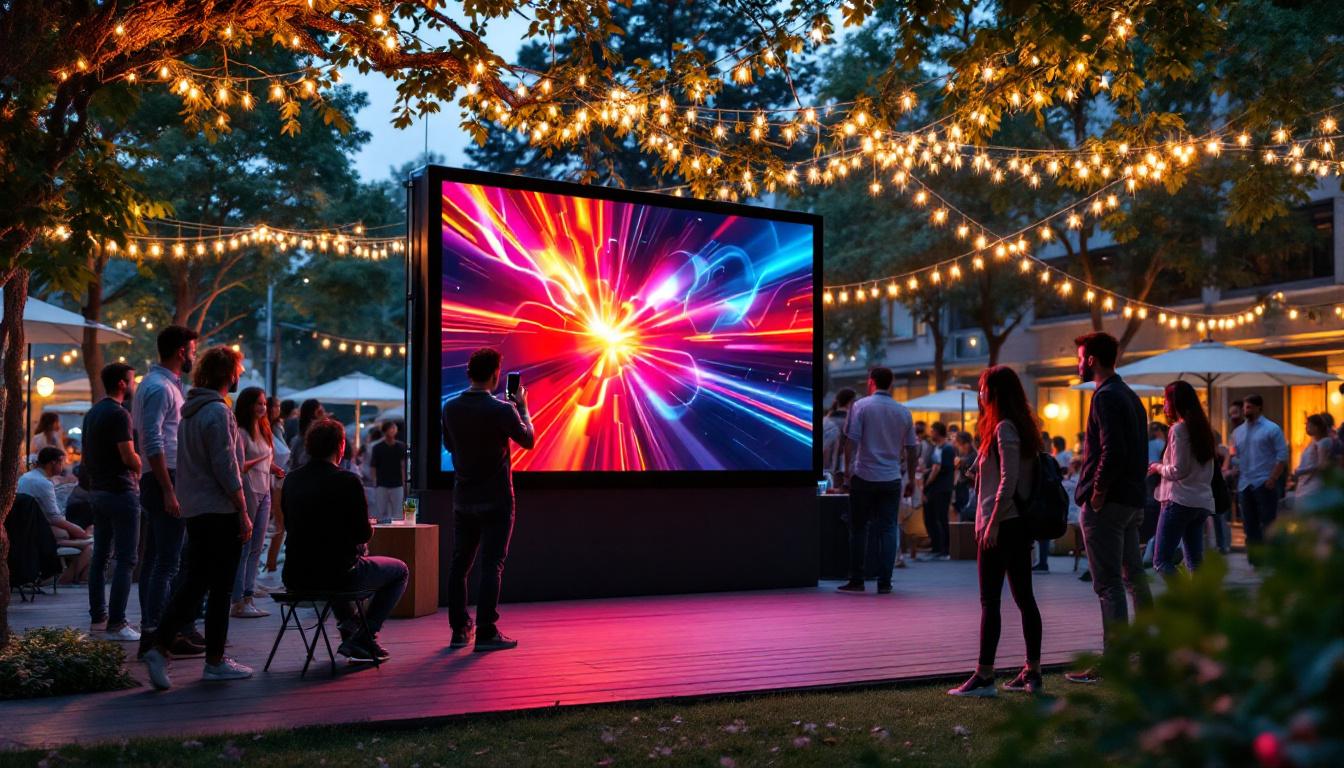
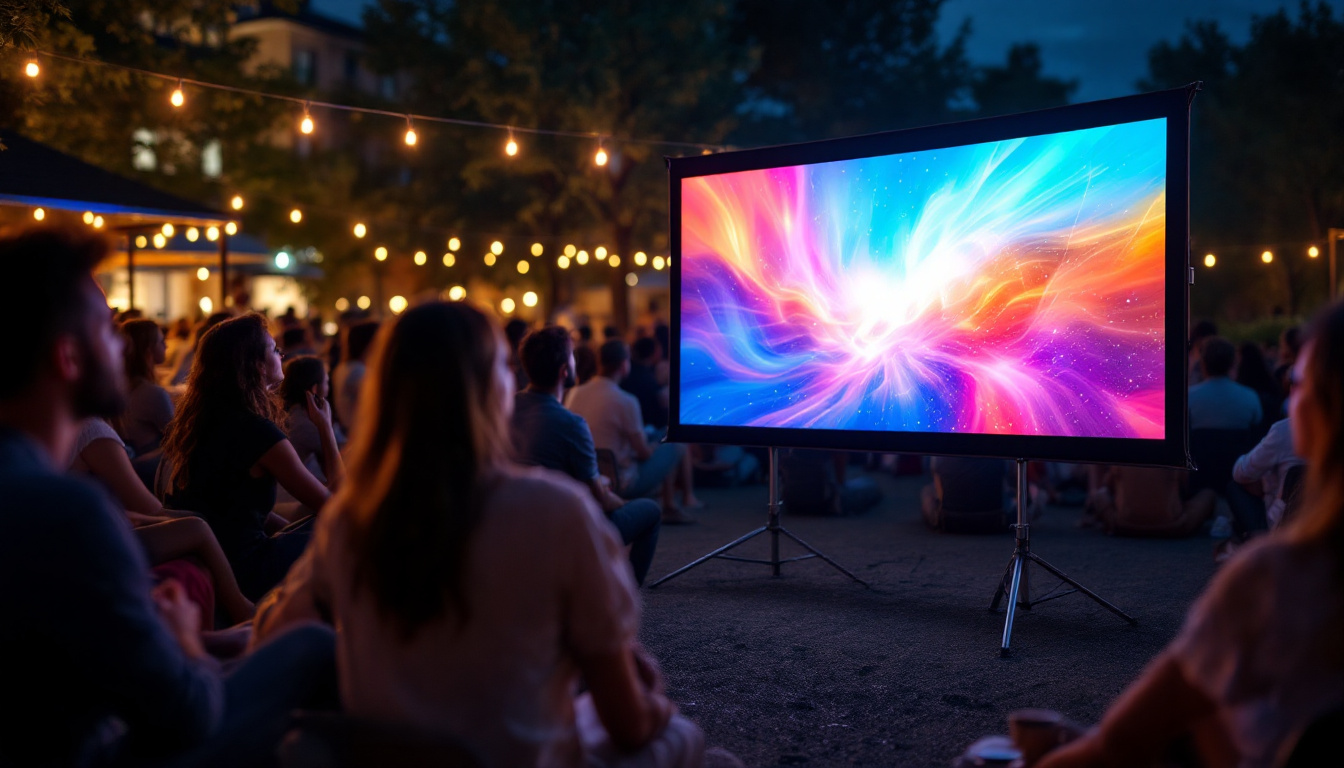
Concerts, festivals, and sporting events frequently employ Light Wall LEDs to enhance the spectator experience. These displays provide vibrant backdrops, live video feeds, and interactive content that can be seen clearly from great distances. For example, stadiums use giant LED walls to display instant replays and statistics, improving fan engagement.
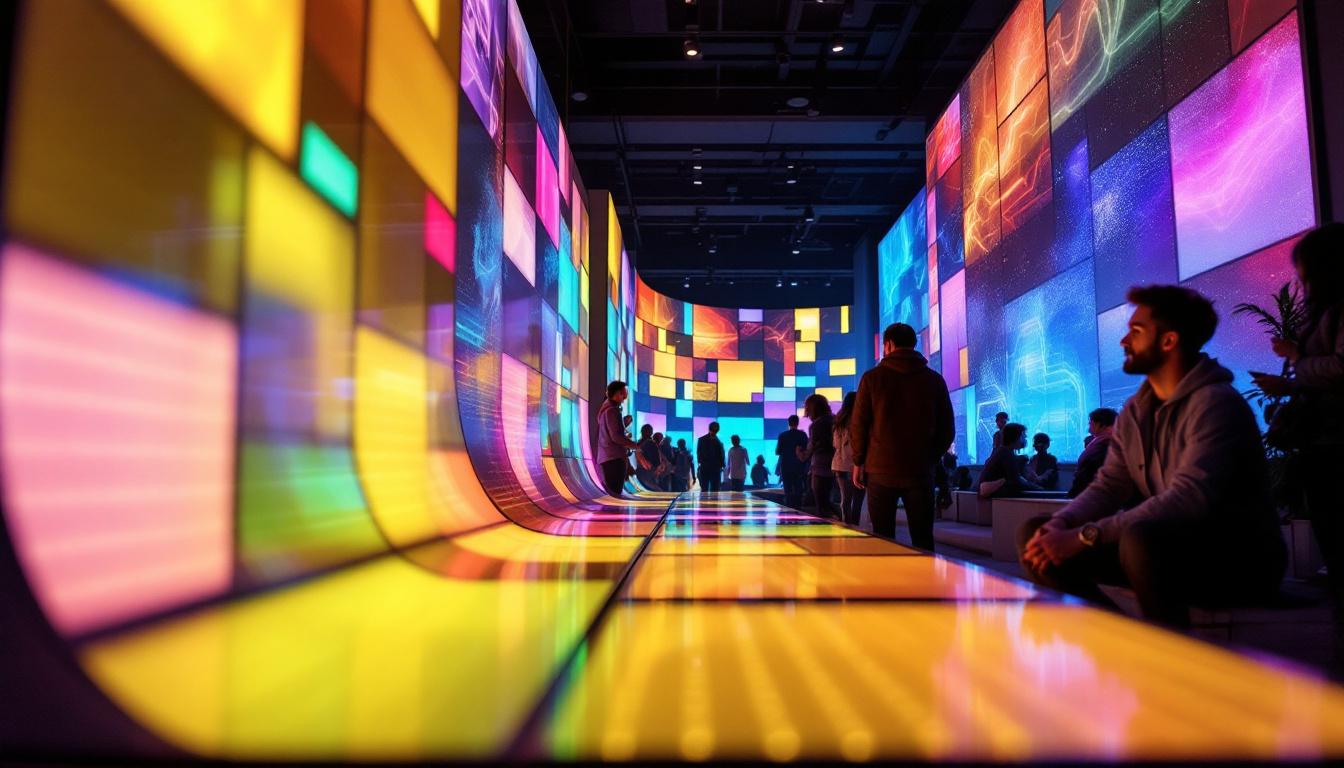
The flexibility of these walls allows event organizers to create custom shapes and curved displays that integrate seamlessly with stage designs, adding a new dimension to live performances.
Architectural and Public Spaces
Beyond advertising and entertainment, Light Wall LEDs are increasingly used in architectural applications. Buildings integrate LED walls into their facades to create dynamic light art or to convey information such as news, weather, or public service announcements.
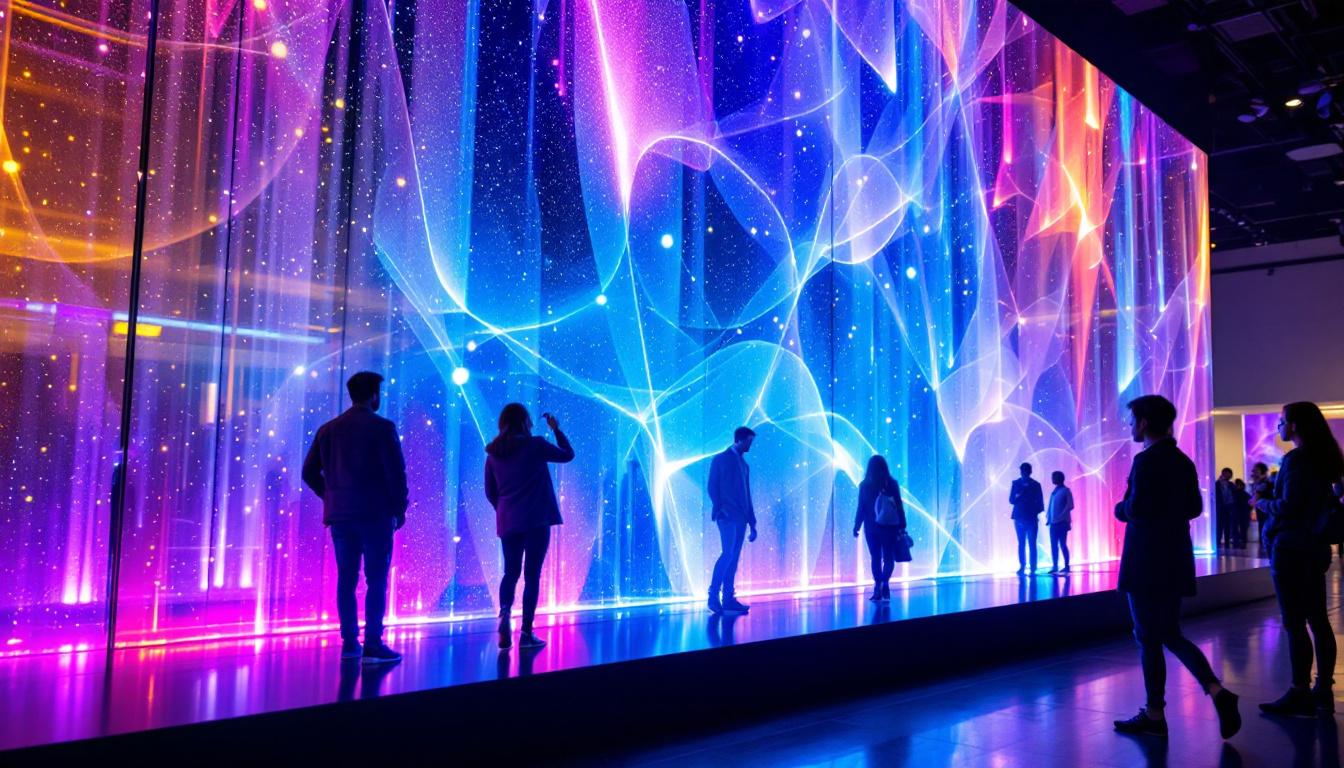
Urban planners and designers use these installations to enhance public spaces, making them more interactive and visually stimulating. For instance, interactive LED walls in parks or plazas can respond to movement or touch, inviting public interaction and fostering community engagement.
Corporate and Educational Environments
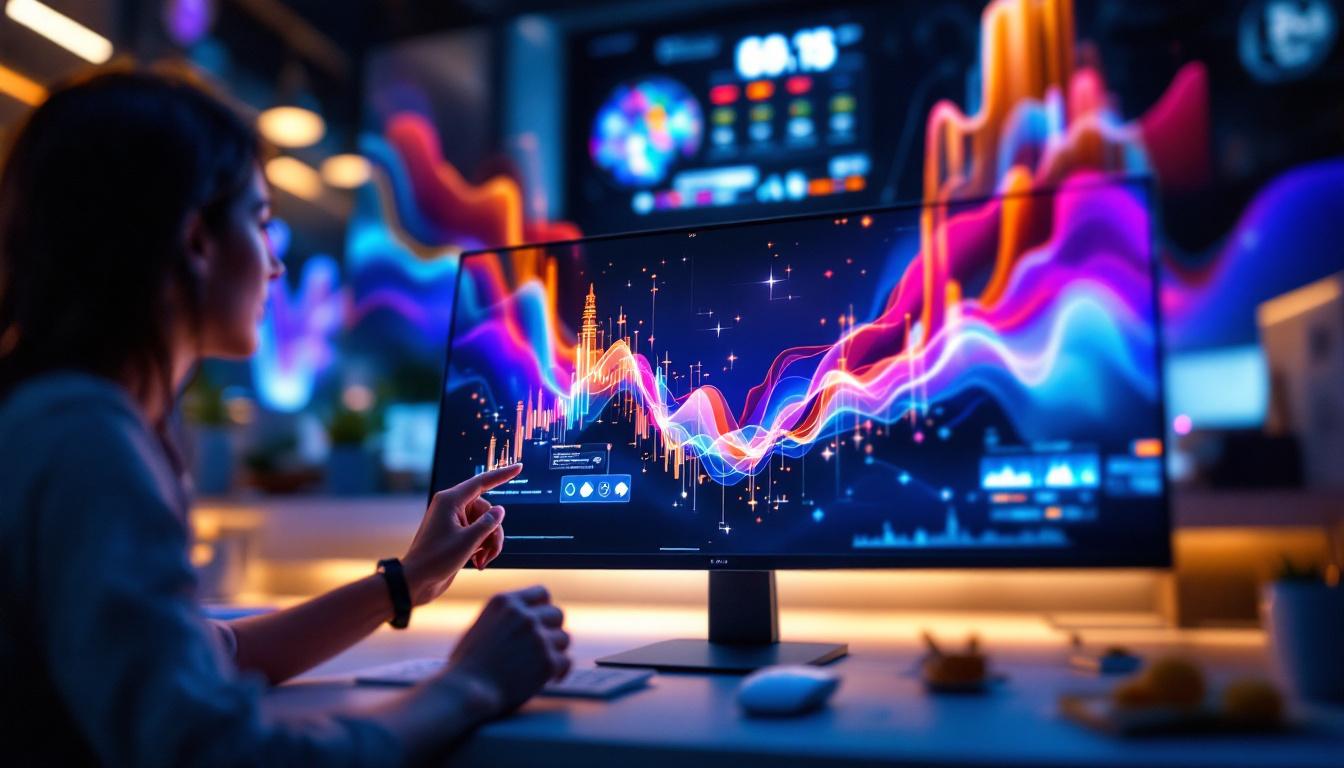
In corporate settings, Light Wall LEDs serve as digital canvases for presentations, video conferencing, and branding within lobbies or conference rooms. Their high resolution and brightness make them ideal for displaying detailed data visualizations and multimedia content.
Educational institutions also benefit from these displays by using them for immersive learning experiences, digital notice boards, or interactive exhibits in museums and science centers.
Technical Considerations for Light Wall LED Installation
Resolution and Pixel Pitch
One of the most important technical aspects of Light Wall LEDs is pixel pitch, which refers to the distance between the centers of two adjacent pixels. A smaller pixel pitch means higher resolution and sharper images, which is crucial for close viewing distances.
For indoor installations where viewers are close, pixel pitches can be as low as 1.2mm to 2.5mm, delivering ultra-high definition visuals. Outdoor walls typically have larger pixel pitches, ranging from 4mm to 10mm or more, balancing resolution with visibility over longer distances.
Brightness and Contrast Ratio
Brightness is measured in nits (cd/m²), and Light Wall LEDs often exceed 5,000 nits for outdoor use, ensuring visibility even under direct sunlight. Indoor displays generally require lower brightness levels, around 800 to 1,500 nits, to prevent eye strain and maintain image quality.
The contrast ratio, the difference between the darkest black and the brightest white, also impacts image quality. LED technology allows for excellent contrast, especially with advancements like local dimming and HDR (High Dynamic Range) support.
Viewing Angle and Color Accuracy
Wide viewing angles are essential for Light Wall LEDs, especially in public spaces where audiences view the display from various positions. Modern LED panels offer viewing angles of up to 160 degrees horizontally and vertically without significant color distortion or brightness loss.
Color accuracy is achieved through precise calibration and high-quality LED chips. This is particularly important for applications requiring brand consistency or detailed visual content, such as art installations or corporate presentations.
Installation and Maintenance
Installing a Light Wall LED requires careful planning regarding structural support, electrical supply, and ventilation. The modular panels must be securely mounted and aligned to ensure a seamless image.
Maintenance is simplified by the modular design, allowing individual panels or LEDs to be replaced without dismantling the entire wall. Many systems include remote monitoring to detect faults or brightness inconsistencies, enabling proactive servicing and minimizing downtime.
Future Trends and Innovations in Light Wall LED Technology
MicroLED and MiniLED Advances
Emerging technologies such as MicroLED and MiniLED are pushing the boundaries of Light Wall LED displays. MicroLEDs are significantly smaller than traditional LEDs, allowing for even higher resolution and improved energy efficiency. This technology promises thinner, lighter walls with superior image quality and longer lifespans.
MiniLEDs, while larger than MicroLEDs, offer enhanced local dimming capabilities and better contrast ratios, making them a cost-effective upgrade for many applications.
Integration with Smart Technologies
Light Wall LEDs are increasingly integrated with smart technologies, including IoT (Internet of Things) connectivity and AI-driven content management. This integration enables dynamic content that adapts to environmental conditions, audience behavior, or real-time data streams.
For example, a retail Light Wall LED can change its displayed content based on the time of day, weather, or customer demographics detected through sensors, maximizing engagement and relevance.
Sustainability and Energy Efficiency
As sustainability becomes a priority, manufacturers are focusing on reducing the environmental impact of LED walls. Innovations include using recyclable materials, improving energy efficiency, and developing low-heat emitting LEDs that reduce cooling requirements.
Energy-efficient Light Wall LEDs not only lower operational costs but also align with corporate social responsibility goals, making them attractive choices for environmentally conscious organizations.
Conclusion: Why Choose a Light Wall LED Display?
Light Wall LED displays represent a powerful medium for visual communication, combining brightness, flexibility, and durability. Their ability to transform spaces and engage audiences makes them invaluable across diverse sectors—from advertising and entertainment to architecture and education.
With ongoing technological advancements and growing demand for immersive digital experiences, Light Wall LEDs are set to become even more integral to how information and art are presented in public and private spaces. For businesses and organizations looking to make a bold visual statement, investing in Light Wall LED technology offers a future-proof solution that balances performance, creativity, and sustainability.
Discover LumenMatrix LED Display Solutions
Ready to elevate your space with the transformative power of Light Wall LED displays? LumenMatrix, a pioneer in LED display technology, invites you to explore our comprehensive range of solutions. From the vibrant Indoor LED Wall Display to the dynamic Outdoor LED Wall Display, and from the mobile versatility of Vehicle LED Displays to the innovative LED Transparent Display, we have the tools to bring your vision to life. Experience the future of visual communication with LumenMatrix and let us help you create an unforgettable impact. Check out LumenMatrix LED Display Solutions and start your journey towards unparalleled brand visibility and audience engagement today.