Touch Screen LCD: LED Display Explained
In today’s digital era, touch screen LCDs with LED displays have become ubiquitous, powering everything from smartphones and tablets to industrial control panels and automotive dashboards. Understanding how these technologies work together is essential for professionals in electronics, design, and consumer technology, as well as enthusiasts who want to grasp the mechanics behind their favorite devices. This article delves into the fundamentals of touch screen LCDs, the role of LED backlighting, and the latest advancements shaping the future of display technology.
Understanding the Basics: What is an LCD?
Liquid Crystal Display (LCD) technology has been a cornerstone of modern visual interfaces for decades. At its core, an LCD uses liquid crystals that do not emit light directly but manipulate light to create images. These crystals are sandwiched between two polarizing filters and glass substrates, and when an electric current passes through, the crystals align to either block or allow light to pass through, forming images.
LCDs are favored for their thin profile, low power consumption, and ability to produce sharp images with high resolution. They have largely replaced older display technologies like cathode ray tubes (CRTs) due to these advantages. However, because liquid crystals do not emit light themselves, LCDs require an external light source—this is where LED backlighting comes into play.
The Role of LED Backlighting in LCDs
Initially, LCDs used cold cathode fluorescent lamps (CCFLs) for backlighting, which were bulkier, less energy-efficient, and had shorter lifespans. Modern LCDs predominantly use Light Emitting Diodes (LEDs) as their backlight source, which offer several advantages:
- Energy Efficiency: LEDs consume less power, contributing to longer battery life in portable devices.
- Brightness and Contrast: LED backlights provide brighter displays and improved contrast ratios, enhancing image quality.
- Slimmer Design: LEDs are smaller and more flexible in placement, allowing for thinner and lighter devices.
- Longevity: LEDs have longer operational lifespans compared to CCFLs.
LED backlighting can be implemented in two main ways: edge-lit and direct-lit. Edge-lit LEDs are placed around the perimeter of the screen, using light guides to distribute illumination evenly, while direct-lit LEDs are positioned directly behind the LCD panel, often in an array that allows for local dimming and better contrast.
In addition to these technical advantages, the transition to LED backlighting has also paved the way for innovations in display technology, such as the development of high dynamic range (HDR) displays. HDR technology enhances the range of colors and brightness levels that a display can produce, resulting in a more lifelike viewing experience. This is particularly beneficial for applications such as gaming and video streaming, where visual fidelity is paramount. Furthermore, advancements in color accuracy and uniformity have made modern LCDs ideal for professional environments, including graphic design and photography, where precise color representation is critical.
Moreover, the integration of smart technology into LCD displays has revolutionized how we interact with screens. Smart LCDs now come equipped with built-in operating systems, allowing users to stream content directly from the internet, access applications, and even control smart home devices. This convergence of display technology and smart functionality has transformed LCDs from mere screens into central hubs of entertainment and information, reflecting the evolving needs of consumers in a digital age.
How Touch Screen LCDs Work: Combining Display and Interaction
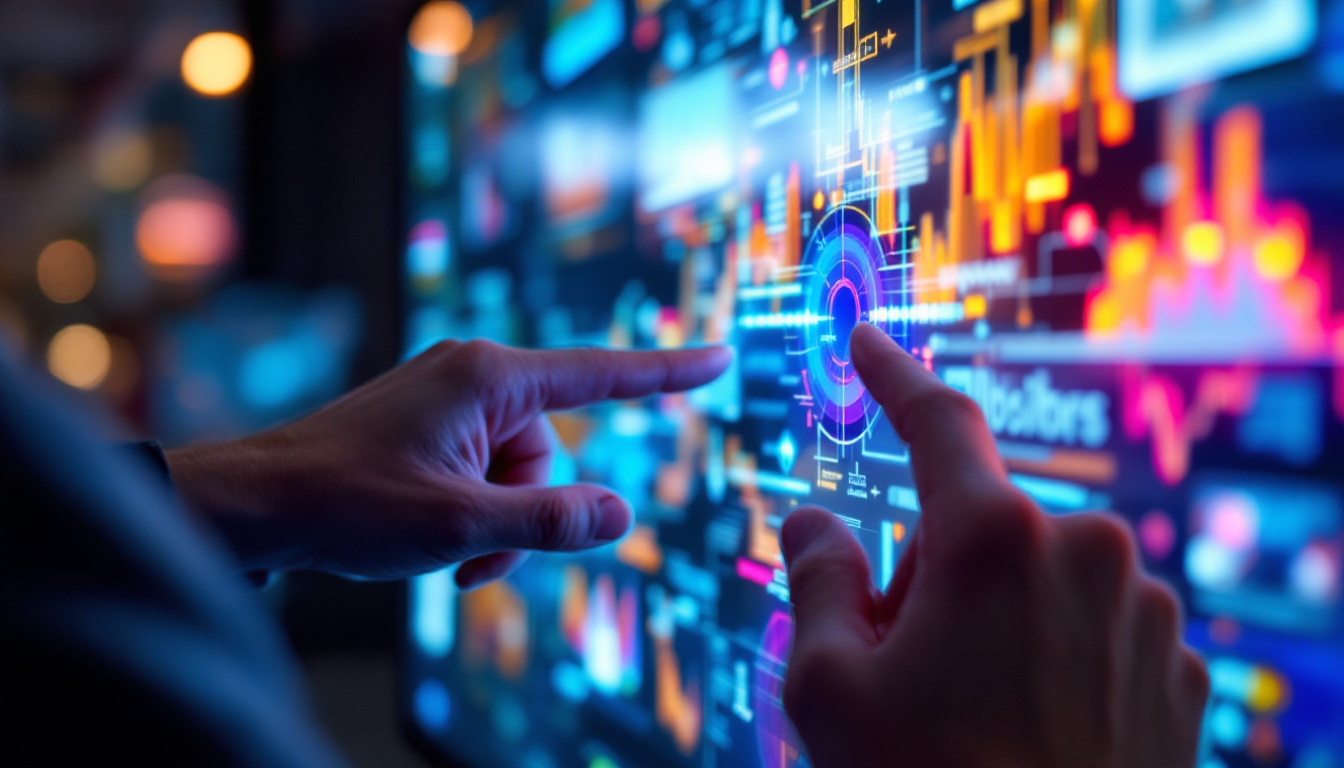
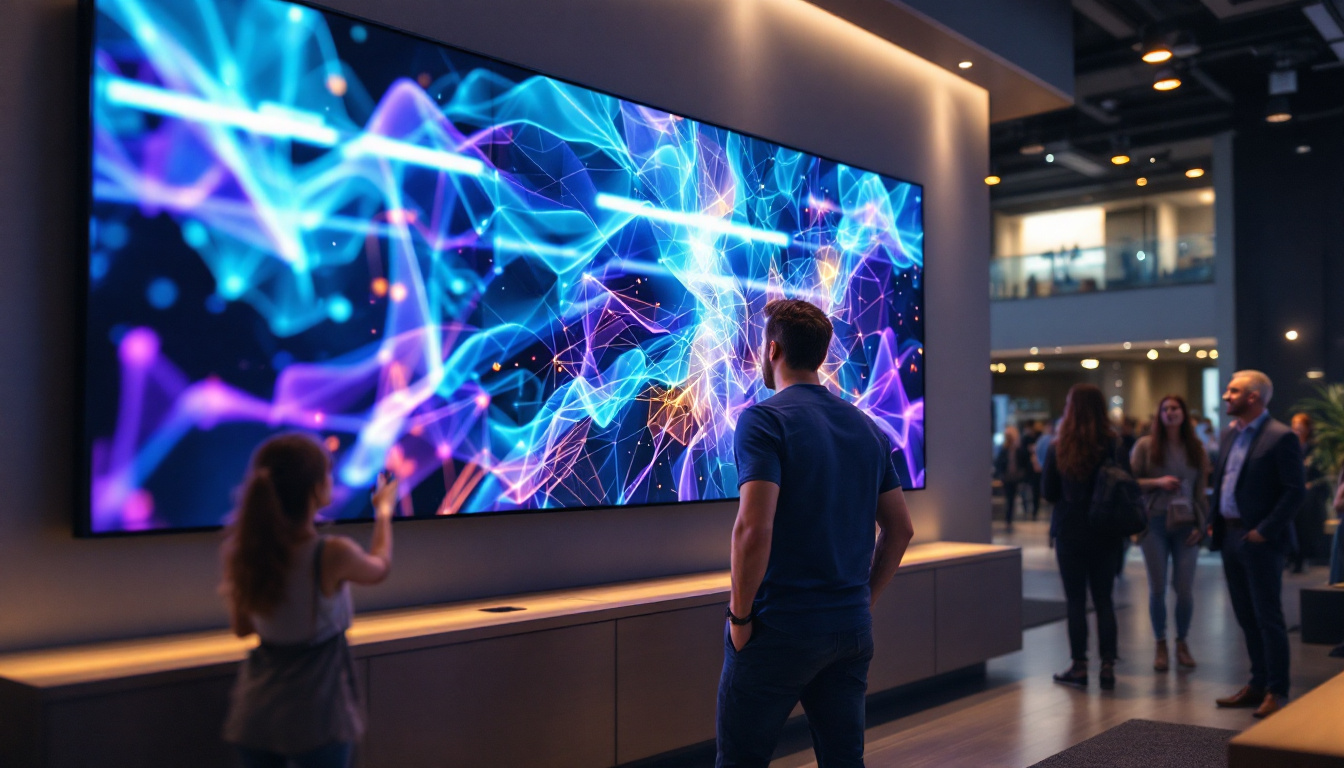
Touch screen LCDs integrate the visual display with touch-sensitive technology, enabling users to interact directly with what they see on the screen. This seamless interface has revolutionized user experience across countless devices.
Types of Touch Technologies Used in LCDs
There are several types of touch technologies commonly paired with LCDs, each with unique characteristics suited to different applications:
- Resistive Touch Screens: These consist of two flexible layers separated by a gap. When pressed, the layers make contact, registering the touch. Resistive screens are cost-effective and work with any pointing device but generally offer lower clarity and multi-touch capability.
- Capacitive Touch Screens: These use the electrical properties of the human body to detect touch. A capacitive screen has a layer that stores electrical charge; when a finger touches the screen, it changes the charge at that point, which the system detects. Capacitive screens provide excellent clarity, multi-touch support, and durability.
- Surface Acoustic Wave (SAW): These detect touch by sending ultrasonic waves across the screen surface. When a finger interrupts the waves, the location is detected. SAW screens offer high image clarity but are sensitive to contaminants.
- Infrared Touch Screens: These use an array of IR LEDs and sensors around the screen edges to detect touch by interruption of the IR beams. They are durable and can detect any input but are less common in consumer devices.
Among these, capacitive touch technology is the most prevalent in modern smartphones and tablets due to its responsiveness and support for gestures like pinch-to-zoom.
Integrating Touch Sensors with LCDs
Touch sensors are typically layered on top of the LCD panel, either as a separate glass layer or integrated directly into the display stack. The integration method affects the device’s thickness, optical clarity, and cost. In-cell and on-cell touch technologies embed the touch sensors within the LCD cell itself, reducing thickness and improving display quality.
Manufacturers continuously innovate to improve touch sensitivity, reduce latency, and enhance durability. For example, Gorilla Glass and other chemically strengthened glasses protect the touch screen from scratches and impacts, while advanced algorithms filter out false touches.
LED Display Technologies: Beyond Backlighting
While LEDs are commonly associated with backlighting in LCDs, LED display technology also refers to displays where LEDs themselves form the pixels. Understanding the distinction between LED-backlit LCDs and true LED displays is crucial.
LED-Backlit LCD vs. OLED and MicroLED Displays
In LED-backlit LCDs, the image is created by liquid crystals modulating the light from the LED backlight. In contrast, Organic Light Emitting Diode (OLED) and MicroLED displays generate light at the pixel level:
- OLED Displays: Each pixel is an organic compound that emits light when an electric current passes through. This allows for perfect blacks, as pixels can be turned off individually, resulting in superior contrast and color accuracy.
- MicroLED Displays: Similar to OLED but use inorganic LEDs at a microscopic scale. MicroLEDs offer high brightness, excellent color, and longer lifespans without the burn-in issues associated with OLEDs.
Despite these advancements, LED-backlit LCDs remain popular due to their cost-effectiveness, brightness, and reliability, especially in larger screens like TVs and monitors.
Local Dimming and HDR: Enhancing LED LCD Performance
One of the key innovations in LED-backlit LCDs is local dimming, which controls the brightness of individual LED zones behind the LCD panel. This technology significantly improves contrast ratios by dimming dark areas of the screen while keeping bright areas illuminated, enhancing image depth and realism.
High Dynamic Range (HDR) technology, often paired with LED-backlit LCDs, expands the range of brightness and color that a display can reproduce. HDR-capable LED LCDs can deliver more vivid images with richer colors and better detail in shadows and highlights, meeting the demands of modern content such as 4K UHD video and gaming.
Applications and Trends in Touch Screen LCD with LED Displays
The combination of touch screen LCDs and LED backlighting has unlocked a wide array of applications across industries, driven by the need for interactive, high-quality visual interfaces.
Consumer Electronics
Smartphones, tablets, laptops, and smartwatches are the most visible applications of touch screen LCDs with LED displays. The demand for thinner, brighter, and more responsive screens continues to fuel research and development. For instance, the average smartphone screen brightness has increased from around 300 nits in 2010 to over 600 nits in many flagship models today, improving usability in bright outdoor environments.
Automotive and Industrial Use
Modern vehicles increasingly rely on touch screen LCDs with LED backlighting for infotainment systems, digital instrument clusters, and control panels. These displays must perform reliably under varying lighting conditions and temperatures, necessitating robust design and high brightness levels.
In industrial settings, touch screen LCDs enable intuitive control of machinery and monitoring systems. The durability and accuracy of capacitive touch combined with bright LED backlighting ensure usability in challenging environments.
Healthcare and Education
Touch screen LCDs are transforming healthcare by facilitating patient monitoring, diagnostics, and interactive medical devices. In education, interactive whiteboards and tablets enhance learning experiences, making content more engaging and accessible.
Future Outlook: Innovations Shaping Touch Screen LCD and LED Display Technologies
The display industry is dynamic, with continuous innovation aimed at improving performance, reducing costs, and expanding functionality.
Flexible and Foldable Displays
Advances in materials and manufacturing have led to flexible LCDs and OLEDs that can bend or fold without damage. These displays open new possibilities for wearable devices, foldable smartphones, and novel form factors that enhance portability and user interaction.
Improved Energy Efficiency and Sustainability
Energy consumption remains a critical concern, especially for battery-powered devices. Innovations in LED backlighting, such as mini-LED and micro-LED technologies, promise greater efficiency and longer lifespans. Additionally, manufacturers are focusing on environmentally friendly materials and recycling programs to reduce the ecological footprint of display production.
Enhanced Touch and Gesture Recognition
Beyond traditional touch, emerging technologies incorporate haptic feedback, pressure sensitivity, and gesture recognition to create more immersive and intuitive interfaces. These advancements will likely integrate with LCD and LED display technologies to offer richer user experiences.
Conclusion
Touch screen LCDs with LED displays represent a mature yet continually evolving technology that underpins much of modern digital interaction. By combining the precise image rendering capabilities of LCDs with the efficiency and brightness of LED backlighting, and integrating responsive touch technologies, these displays deliver versatile solutions across consumer, industrial, automotive, and medical sectors.
As display technologies advance toward flexible form factors, higher efficiency, and enhanced interactivity, understanding the fundamentals of touch screen LCD and LED displays remains essential for professionals and consumers alike. This knowledge not only informs better product choices but also provides insight into the future of human-device interaction.
Discover Cutting-Edge LED Display Solutions with LumenMatrix
As you consider the future of touch screen LCD and LED display technologies, LumenMatrix stands at the forefront of innovation, ready to elevate your visual experience. With a comprehensive range of products from Indoor and Outdoor LED Wall Displays to specialized solutions like Vehicle LED Displays and LED Sports Displays, LumenMatrix is committed to transforming how you connect with your audience. Whether you’re looking to enhance brand visibility or create immersive environments with Custom LED Displays or All-in-One LED solutions, our mission is to provide you with displays that captivate and engage. Check out LumenMatrix LED Display Solutions today and step into the future of digital signage.