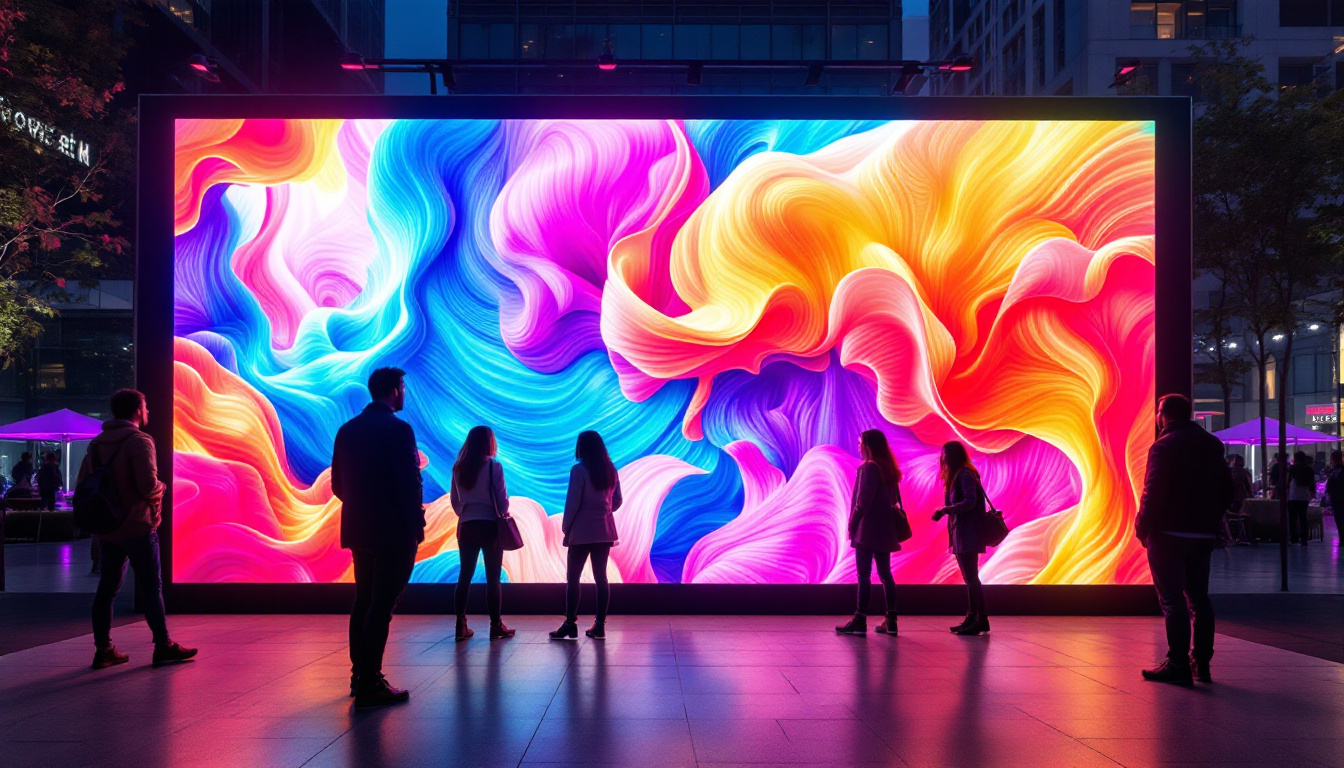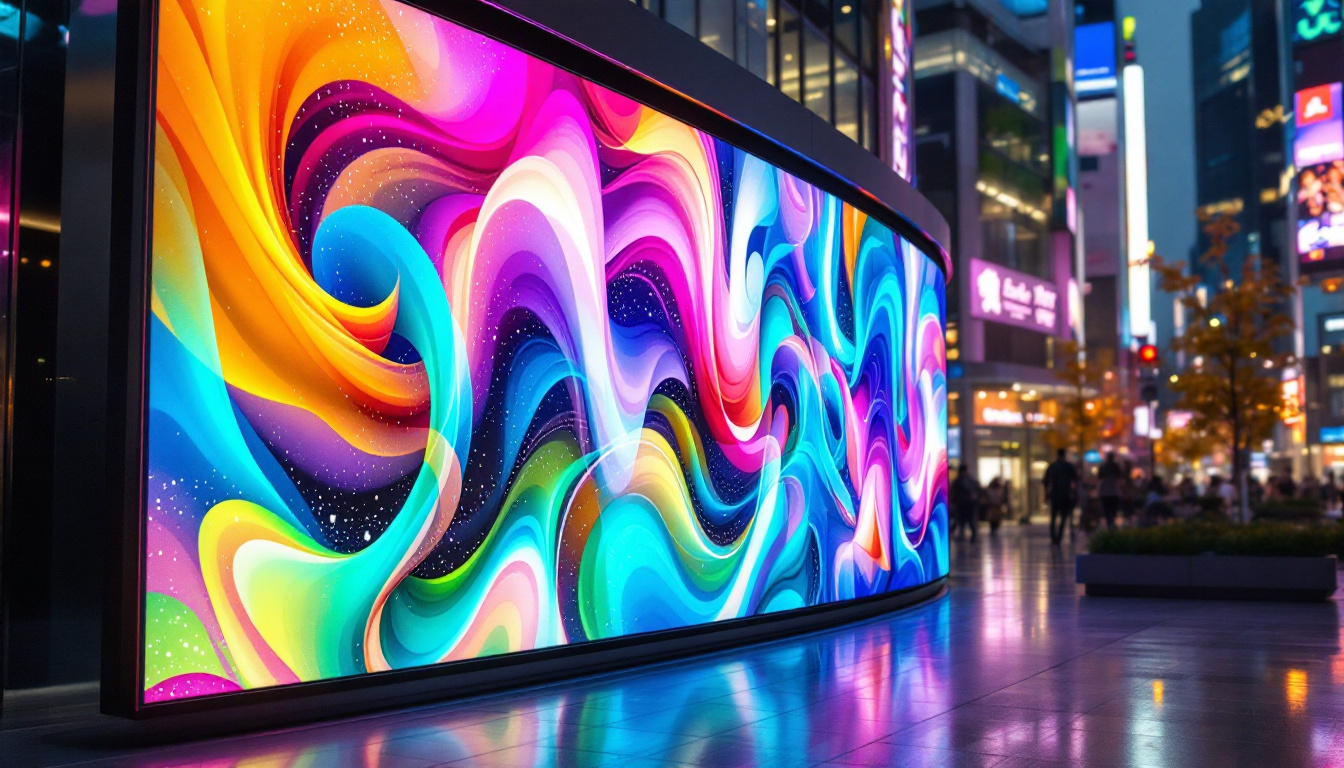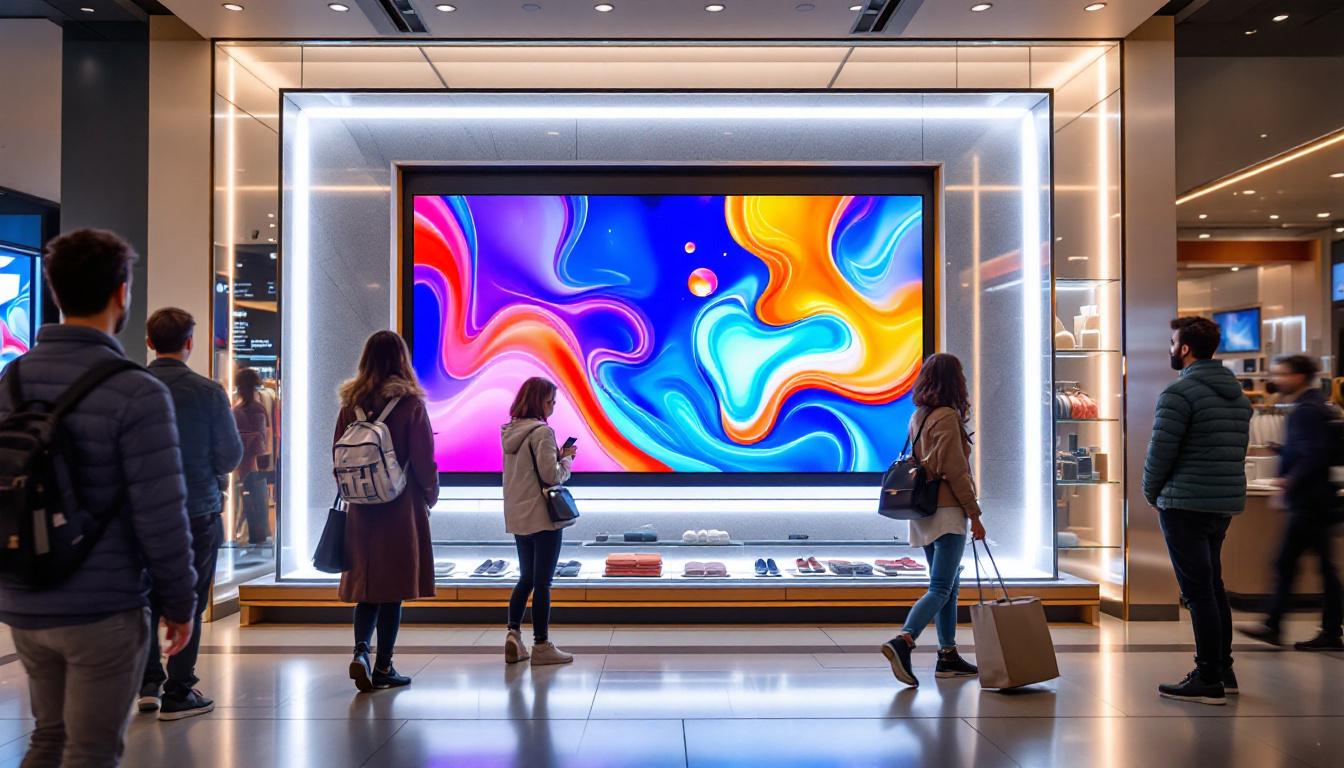
In today’s retail environment, capturing customer attention is more challenging than ever. With the rise of e-commerce and changing consumer behaviors, brick-and-mortar stores need innovative ways to engage shoppers and enhance the in-store experience. One of the most effective tools for achieving this is digital signage, particularly LED displays. This technology has revolutionized how retailers communicate with customers, deliver promotions, and create immersive brand experiences.
This article explores the role of LED digital signage in stores, breaking down how it works, its benefits, and best practices for implementation. Whether you’re a retailer considering digital signage for the first time or looking to upgrade your current setup, understanding LED displays is essential for making informed decisions that drive sales and customer satisfaction.
Understanding LED Digital Signage: What Makes It Different?
What is LED Digital Signage?
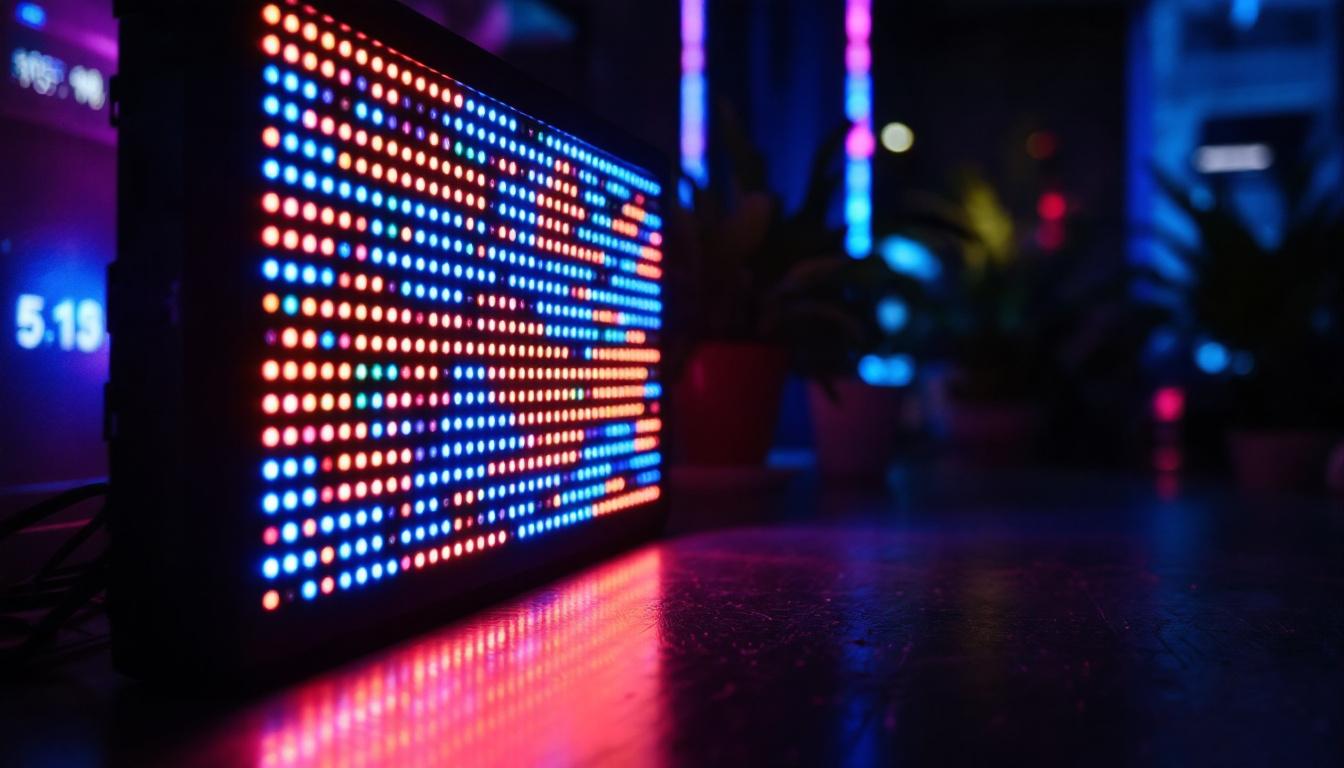
LED (Light Emitting Diode) digital signage refers to display screens that use LED technology to produce bright, vibrant images and videos. Unlike traditional LCD or plasma screens, LED displays consist of thousands of tiny light-emitting diodes arranged in a grid, which can be individually controlled to create dynamic visuals.
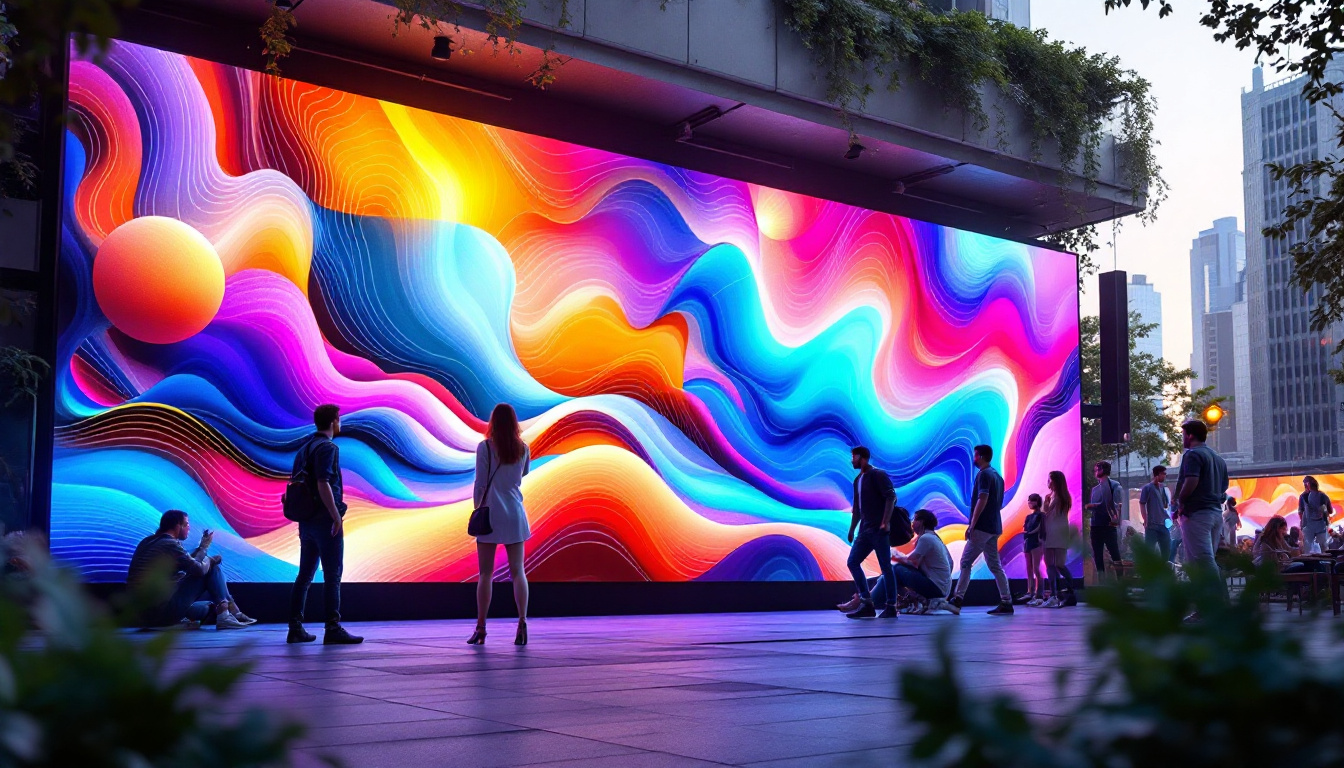
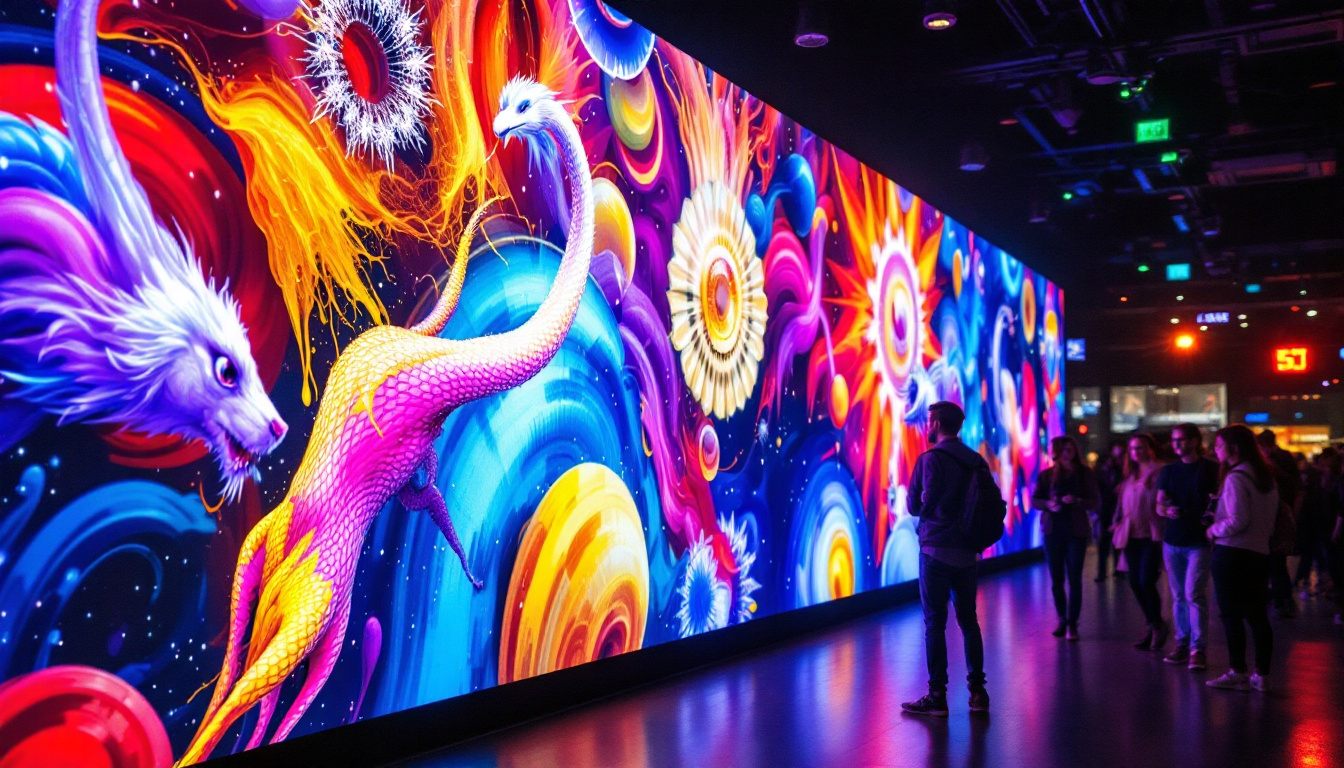
This technology is widely used in retail environments due to its superior brightness, energy efficiency, and durability. LED displays can be found in various formats, from small digital price tags to large video walls that span entire store facades. Beyond retail, LED digital signage is also prevalent in arenas, airports, and public transportation hubs, where capturing the attention of passersby is crucial. The ability to display real-time information, such as flight schedules or event updates, enhances the functionality of these displays, making them an integral part of modern communication strategies.
How LED Displays Work
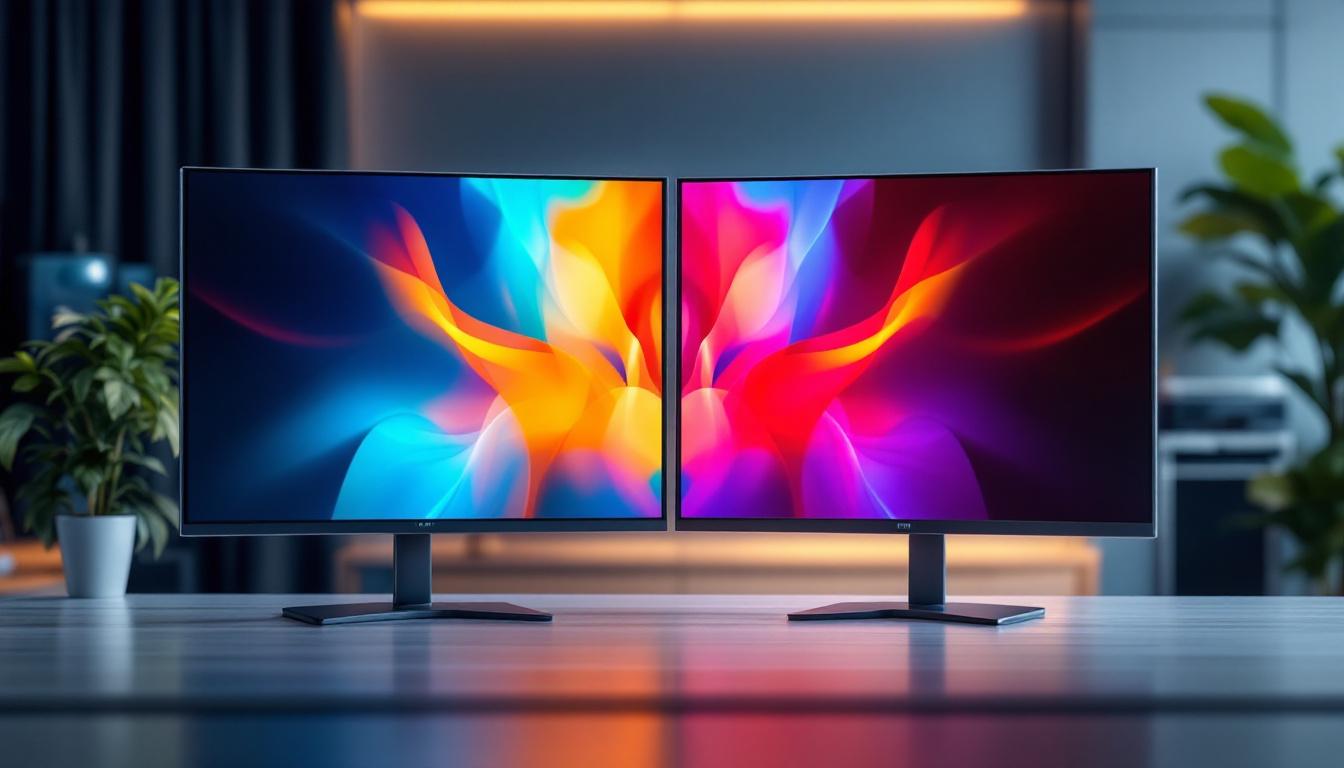
Each LED pixel is made up of red, green, and blue diodes. By adjusting the intensity of these diodes, the display can produce a full spectrum of colors. This allows LED screens to deliver high contrast ratios and vivid colors, which are crucial for attracting attention in busy retail settings.
Modern LED signage often includes features such as high refresh rates and wide viewing angles, ensuring that content remains clear and engaging from multiple perspectives. Additionally, LED displays can operate in various lighting conditions, including direct sunlight, making them versatile for both indoor and outdoor use. The technology has also evolved to include smart capabilities, allowing for remote content management and real-time updates. This means businesses can easily change their messaging based on time of day, special promotions, or even current events, ensuring that their displays remain relevant and impactful. Furthermore, the integration of sensors and analytics can provide valuable insights into viewer engagement, helping businesses refine their marketing strategies and maximize their return on investment.
Benefits of LED Digital Signage for Retail Stores
Enhanced Visual Impact and Customer Engagement
One of the primary advantages of LED digital signage is its ability to captivate customers through bright, dynamic content. Studies show that digital signage can increase customer dwell time by up to 30%, giving retailers more opportunities to influence purchasing decisions.
LED displays enable retailers to showcase high-resolution images, videos, and animations that are far more engaging than static signs. This visual impact is particularly effective for promoting new products, special offers, or seasonal campaigns, helping stores stand out in competitive markets.
Flexibility and Real-Time Content Updates
Unlike printed signage, LED digital displays allow for instant content changes. Retailers can update promotions, pricing, or product information in real time, ensuring that messaging is always relevant and timely.
This flexibility is invaluable for stores that run frequent sales or want to tailor content based on time of day, customer demographics, or inventory levels. For example, a clothing store might promote rain gear during a sudden weather change or highlight limited-time discounts during peak shopping hours.
Energy Efficiency and Longevity
LED technology is known for its energy efficiency compared to other display types. LEDs consume less power and generate less heat, which reduces operating costs and environmental impact. This is particularly important for retailers looking to minimize overhead expenses while maintaining high-quality displays.
Additionally, LED displays have a longer lifespan, often exceeding 50,000 hours of operation. This durability means fewer replacements and lower maintenance costs over time, making LED signage a cost-effective investment.
Improved Brand Perception and Modernization
Incorporating LED digital signage can elevate a store’s brand image by signaling innovation and a commitment to customer experience. Modern, eye-catching displays convey professionalism and can differentiate a retailer from competitors relying solely on traditional signage.
Furthermore, LED signage supports multimedia content, allowing brands to tell richer stories and create emotional connections with shoppers. This can lead to increased brand loyalty and repeat business.
Types of LED Displays Suitable for Retail Stores
Indoor LED Displays
Indoor LED displays are designed for controlled lighting environments and are typically used for digital menu boards, promotional screens, or interactive kiosks. These displays offer high pixel density, resulting in sharp images and text that are easy to read up close.
Retailers often use indoor LED screens near entrances, checkout counters, or fitting rooms to deliver targeted messages and enhance the shopping journey.
Outdoor LED Displays
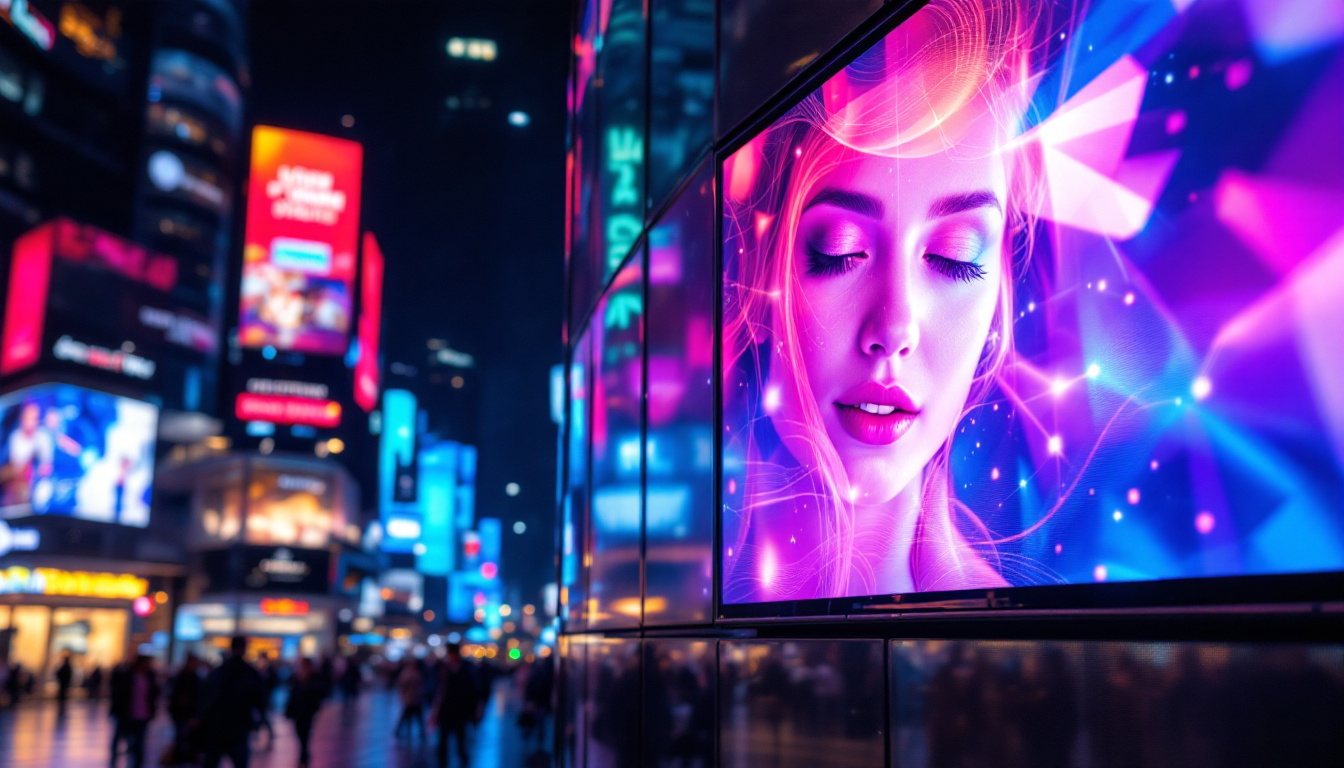
Outdoor LED signage is built to withstand weather conditions such as rain, wind, and sunlight. These displays are brighter than indoor models to ensure visibility even in direct sunlight, making them ideal for storefronts, parking lots, or roadside advertising.
Outdoor LED displays can attract foot traffic by showcasing promotions or brand messages to passersby, increasing store visibility and drawing in potential customers.
Transparent LED Displays
Transparent LED displays are an innovative solution that integrates digital signage into glass surfaces, such as store windows. These displays allow natural light to pass through while presenting dynamic content, creating a futuristic and visually striking storefront.
This technology is gaining popularity among high-end retailers and flagship stores seeking to combine aesthetics with functionality.
Implementing LED Digital Signage: Best Practices for Retailers
Strategic Placement and Content Planning
To maximize the impact of LED signage, retailers must carefully consider where to place displays within the store. High-traffic areas, such as entrances, checkout lines, and product aisles, are prime locations for capturing customer attention.
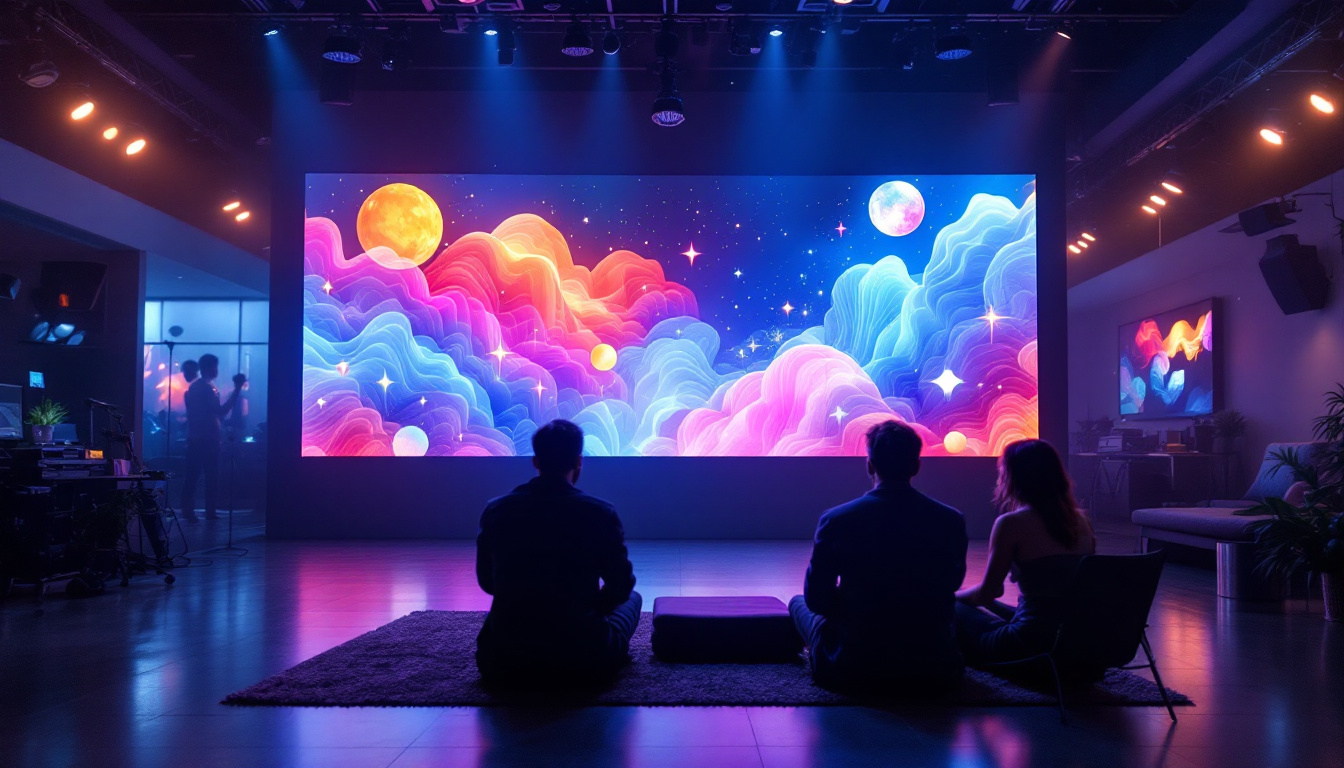
Content should be tailored to the audience and context. For example, quick promotions or call-to-action messages work well near checkout counters, while immersive brand stories may be better suited for larger screens in lounge areas.
Content Design and Scheduling
Effective digital signage content is concise, visually appealing, and easy to understand at a glance. Retailers should use bold colors, clear fonts, and high-quality images or videos to convey messages quickly.
Scheduling content to align with shopping patterns and store events can enhance relevance. For instance, displaying breakfast promotions in the morning or highlighting evening sales can improve engagement and conversion rates.
Integration with Other Retail Technologies
LED digital signage can be integrated with other retail technologies such as inventory management systems, customer analytics, and mobile apps. This integration allows for personalized content delivery based on real-time data, enhancing the customer experience.
For example, a retailer might use sensors to detect customer demographics and display tailored promotions, or sync signage with mobile notifications to reinforce marketing campaigns.
Maintenance and Technical Support
Regular maintenance is essential to ensure LED displays operate smoothly and maintain image quality. Retailers should establish routines for cleaning screens, checking connections, and updating software.
Partnering with experienced digital signage providers can offer ongoing technical support and troubleshooting, minimizing downtime and maximizing return on investment.
Case Studies: Successful LED Digital Signage in Retail
Fashion Retailer Boosts Sales with Interactive LED Walls
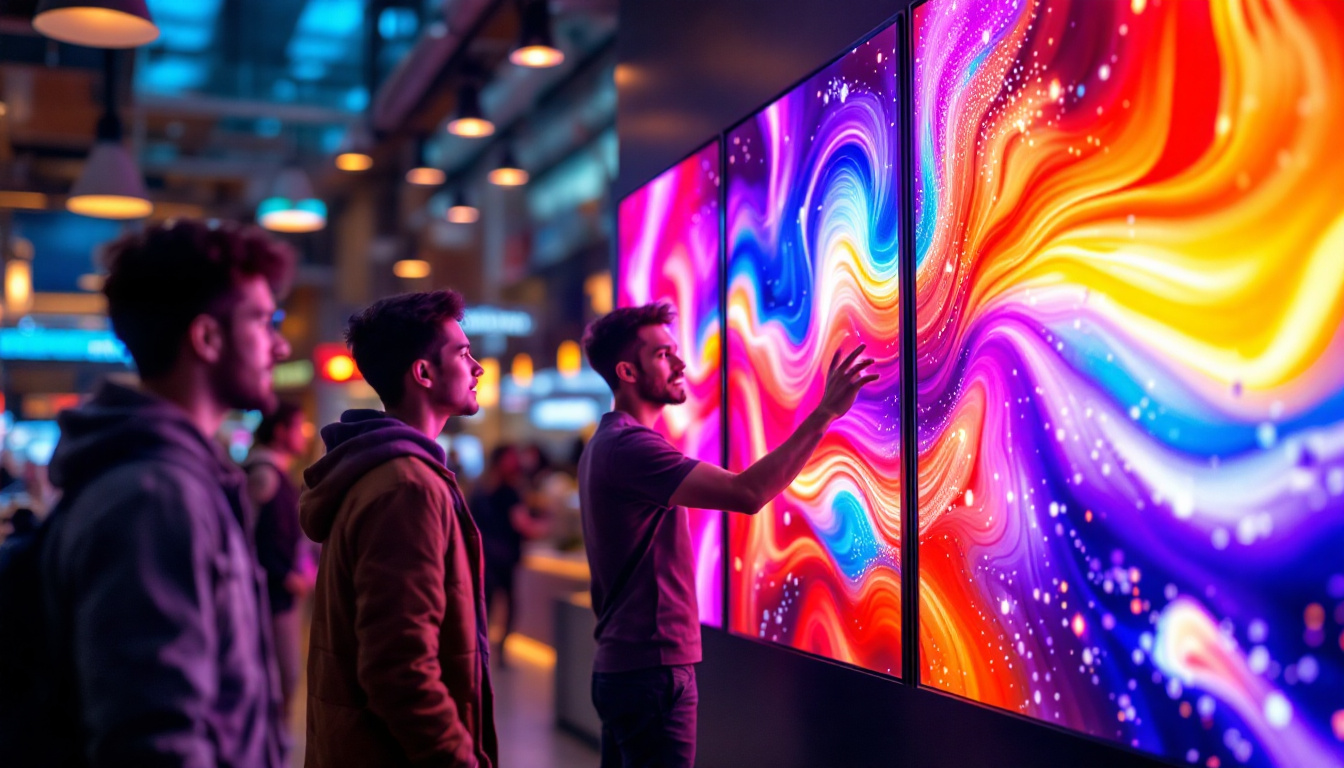
A leading fashion brand implemented large indoor LED video walls in its flagship store to showcase runway shows, styling tips, and seasonal collections. The dynamic visuals attracted shoppers and encouraged longer store visits, resulting in a 20% increase in sales during the campaign period.
Grocery Chain Uses Outdoor LED Displays for Real-Time Promotions
A nationwide grocery chain installed outdoor LED displays at store entrances to highlight daily specials and flash sales. The ability to update content instantly based on inventory and demand helped reduce waste and increase promotional effectiveness, driving a 15% uplift in promotional item sales.
Electronics Store Enhances Customer Experience with Transparent LED Windows
An electronics retailer utilized transparent LED displays on storefront windows to showcase product features and customer testimonials while maintaining natural light inside the store. This innovative approach drew significant foot traffic and enhanced brand perception.
Future Trends in LED Digital Signage for Retail
Integration of Artificial Intelligence and Personalization
AI-powered digital signage is set to transform retail by delivering hyper-personalized content based on customer behavior, preferences, and real-time analytics. This technology will enable retailers to create highly targeted marketing messages that resonate on an individual level.
Advancements in Display Technology
Emerging LED technologies, such as micro-LED and flexible LED panels, promise even higher resolution, greater energy efficiency, and new form factors. These innovations will expand creative possibilities for retailers, from curved displays to wearable signage.
Augmented Reality (AR) and Interactive Experiences
Combining LED digital signage with AR and interactive features will offer immersive shopping experiences. Customers may engage with virtual try-ons, product demonstrations, or gamified promotions, blending physical and digital retail seamlessly.
Conclusion
LED digital signage has become an indispensable tool for retail stores aiming to enhance customer engagement, increase sales, and modernize their brand presence. Its superior brightness, flexibility, and durability make it ideal for a wide range of retail applications, both indoors and outdoors.
By strategically implementing LED displays and leveraging dynamic content, retailers can create memorable shopping experiences that drive loyalty and revenue. As technology continues to evolve, LED digital signage will remain at the forefront of retail innovation, offering exciting opportunities to connect with customers in meaningful ways.
Explore Cutting-Edge LED Solutions with LumenMatrix
Ready to elevate your retail space with the latest in LED display technology? Discover LumenMatrix’s comprehensive range of innovative solutions, including Indoor and Outdoor LED Wall Displays, Vehicle LED Displays, LED Poster Displays, and more. Each product is crafted to captivate your audience and amplify your brand’s message with unparalleled clarity and impact. Embrace the future of visual communication and check out LumenMatrix LED Display Solutions today to transform your store into an unforgettable shopping destination.