In today’s fast-paced world, capturing attention quickly and effectively is more important than ever. Businesses, event organizers, and public institutions increasingly rely on LED displays to communicate messages dynamically and vividly. But what exactly makes LED displays the go-to solution for signage? This article delves into the technology behind LED displays, their advantages, applications, and future trends shaping the industry.
Understanding LED Display Technology
What is an LED Display?
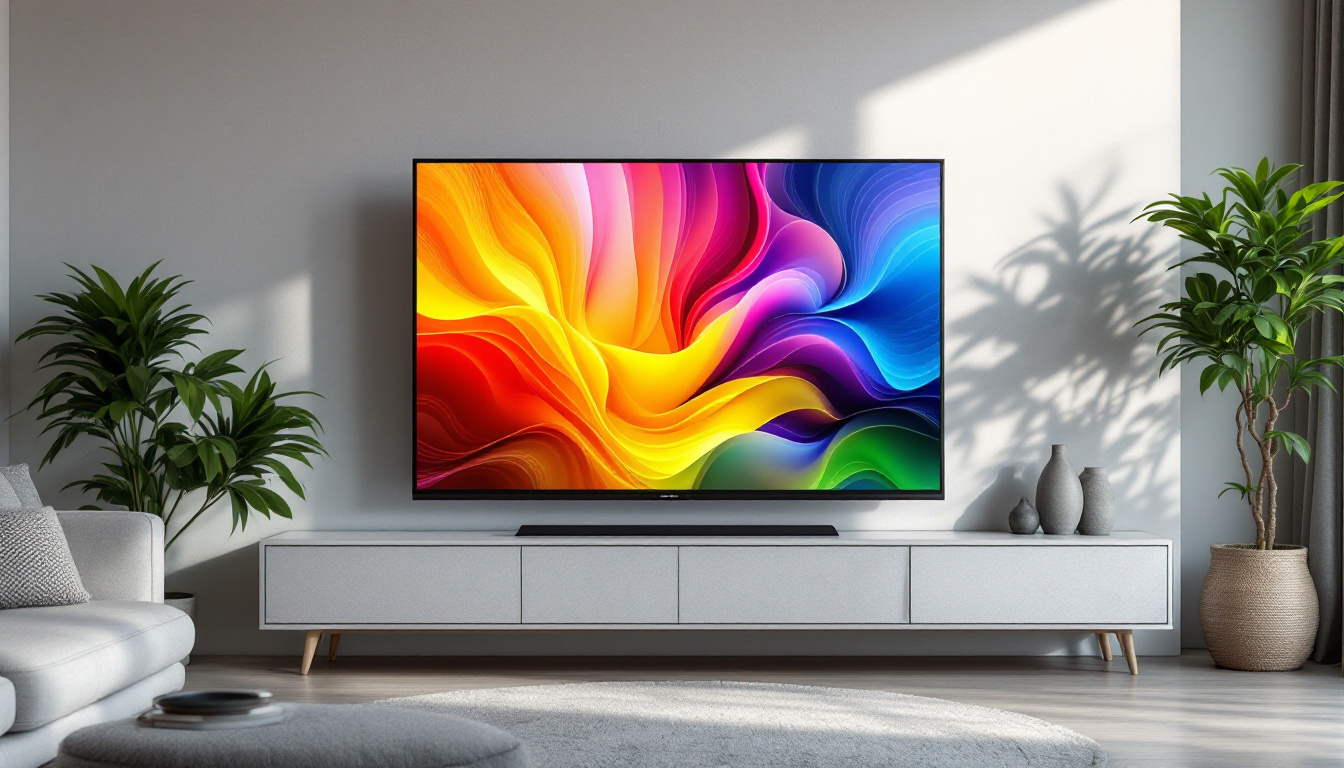
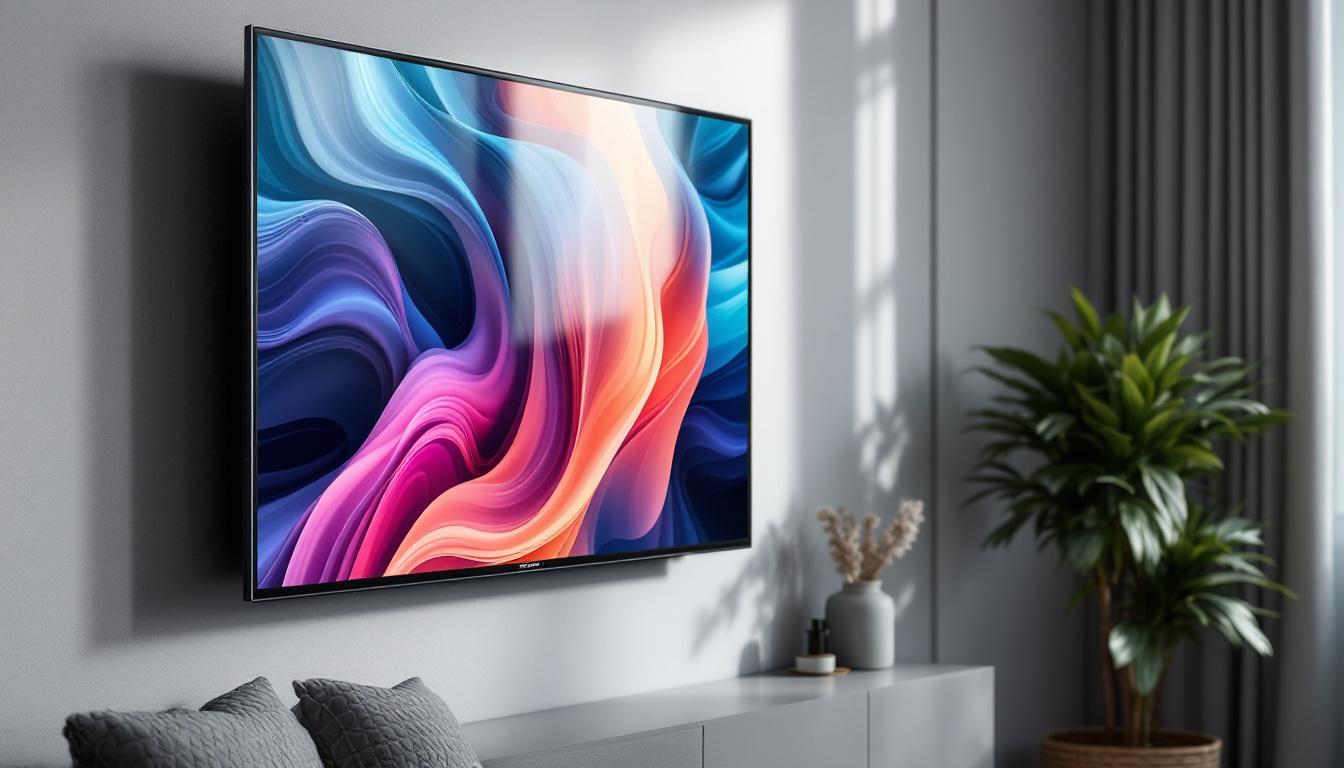
LED stands for Light Emitting Diode, a semiconductor device that emits light when an electric current passes through it. An LED display is a flat panel or flexible surface consisting of an array of these tiny LEDs that collectively form images, text, or video content. Unlike traditional displays that rely on backlighting, LED displays emit their own light, resulting in brighter and more vibrant visuals. This self-illuminating property allows for thinner designs and greater energy efficiency, making LED displays a popular choice for a variety of applications, from large outdoor billboards to small handheld devices.
LED displays come in various configurations, including indoor and outdoor models, with differences in pixel pitch (the distance between individual LEDs), resolution, and brightness. These factors determine the clarity and effectiveness of the display in different environments. For instance, outdoor displays typically have a larger pixel pitch to accommodate viewing from greater distances, while indoor displays can have a finer pixel pitch for close-up viewing. Additionally, advancements in technology have led to the development of flexible LED displays, which can be bent or shaped to fit unique spaces, opening up new possibilities for creative installations in architecture and design.
How Do LED Displays Work?
Each LED in a display functions as a pixel or a part of a pixel. By controlling the intensity and color of each LED, the display can produce a full spectrum of colors and intricate images. Modern LED displays use RGB (red, green, blue) LEDs to create millions of color combinations through additive color mixing. This process allows for the creation of vivid images and videos that can capture the attention of viewers, making LED displays an ideal choice for advertising and entertainment venues.
Control systems manage the data sent to the LEDs, synchronizing the light output to form coherent images or videos. Advances in microprocessor technology and software have made it possible to update content in real-time, enabling dynamic messaging and interactive displays. Furthermore, many LED displays are now equipped with smart technology, allowing them to connect to the internet and integrate with various content management systems. This capability not only enhances the user experience but also allows for targeted advertising and timely updates, ensuring that the displayed content remains relevant and engaging for the audience. As a result, LED displays are becoming increasingly integral to modern communication strategies across industries.
Advantages of LED Displays Over Traditional Signage
Brightness and Visibility
One of the most significant advantages of LED displays is their superior brightness. Outdoor LED signs can reach brightness levels of over 5,000 nits, making them easily visible even in direct sunlight. This high visibility ensures that messages are seen clearly, day or night, enhancing communication effectiveness.
Traditional signage, such as printed banners or neon signs, often struggle with visibility in bright conditions or poor weather. LED displays overcome these challenges by adapting brightness levels automatically, maintaining optimal readability. This adaptability is particularly beneficial in urban environments where lighting conditions can vary dramatically throughout the day. The ability to maintain clarity in all conditions not only improves the viewer’s experience but also increases the likelihood of engagement with the displayed content.
Energy Efficiency and Longevity
LED technology is renowned for its energy efficiency. Compared to incandescent or fluorescent lighting, LEDs consume significantly less power, reducing operational costs. For businesses looking to minimize their environmental footprint, LED displays offer a sustainable signage solution. The reduced energy consumption also contributes to lower greenhouse gas emissions, making LED signage an eco-friendly choice that aligns with the growing emphasis on sustainability in business practices.
Additionally, LEDs have a long lifespan, often exceeding 50,000 hours of operation. This durability means less frequent replacements and maintenance, translating into lower total cost of ownership over time. The long life of LED displays not only benefits businesses financially but also reduces waste, as fewer materials are needed for replacements. This aspect is increasingly important in a world that is becoming more conscious of its environmental impact, making LED technology a forward-thinking choice for modern signage needs.
Flexibility and Customization
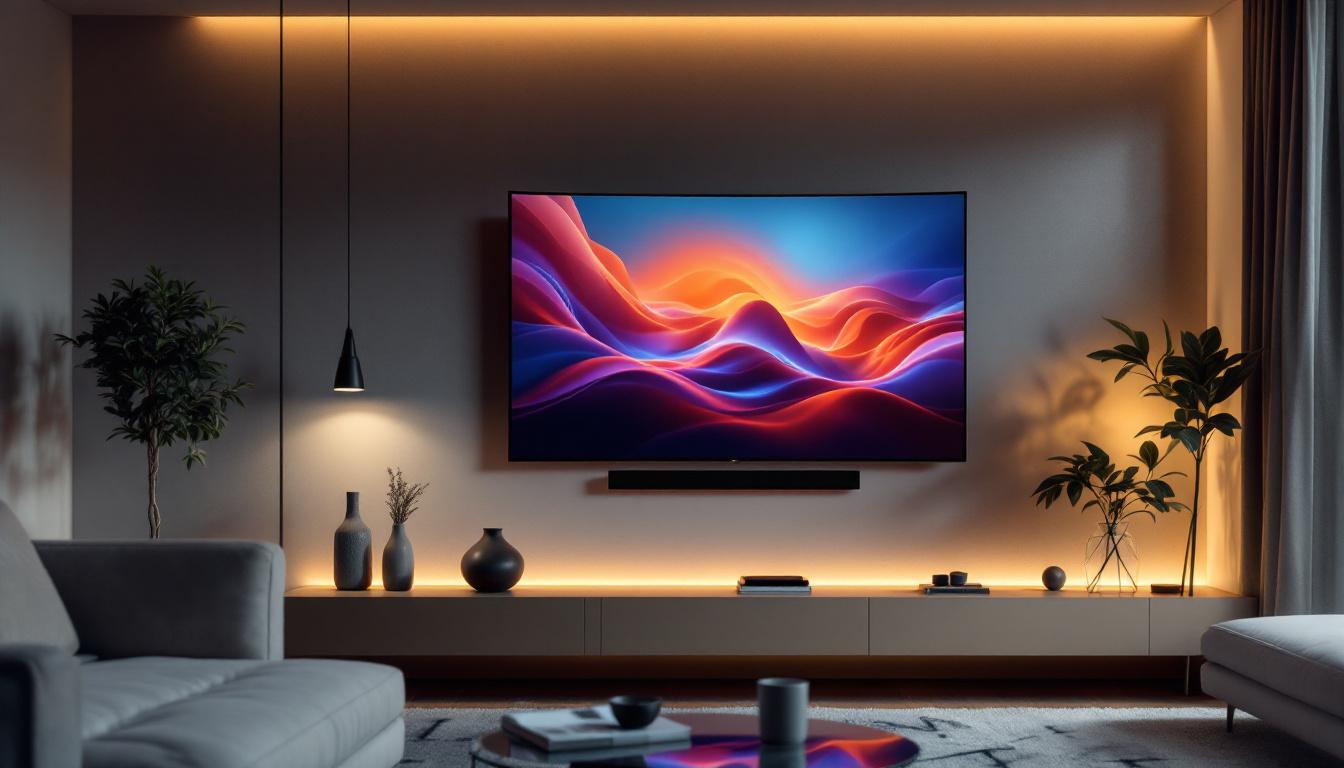
LED displays provide unparalleled flexibility in design and content management. They can be manufactured in various shapes and sizes, from small indoor screens to massive outdoor billboards. Flexible LED panels can even be curved or wrapped around structures, opening creative possibilities for architects and advertisers alike. This versatility allows for innovative installations that can enhance the aesthetic appeal of a space while delivering impactful messages.
Content can be changed instantly via software, allowing businesses to tailor messages to specific audiences or events. This dynamic capability is particularly valuable for retail promotions, public information, and entertainment venues. Moreover, the ability to display high-definition video and animations adds an engaging element that static signs simply cannot match. For instance, a retail store can showcase a vibrant advertisement for a flash sale or an upcoming event, capturing the attention of passersby and driving foot traffic. The interactive potential of LED displays also opens doors for integrating social media feeds or live updates, further enhancing audience engagement and interaction.
Common Applications of LED Displays
Advertising and Marketing
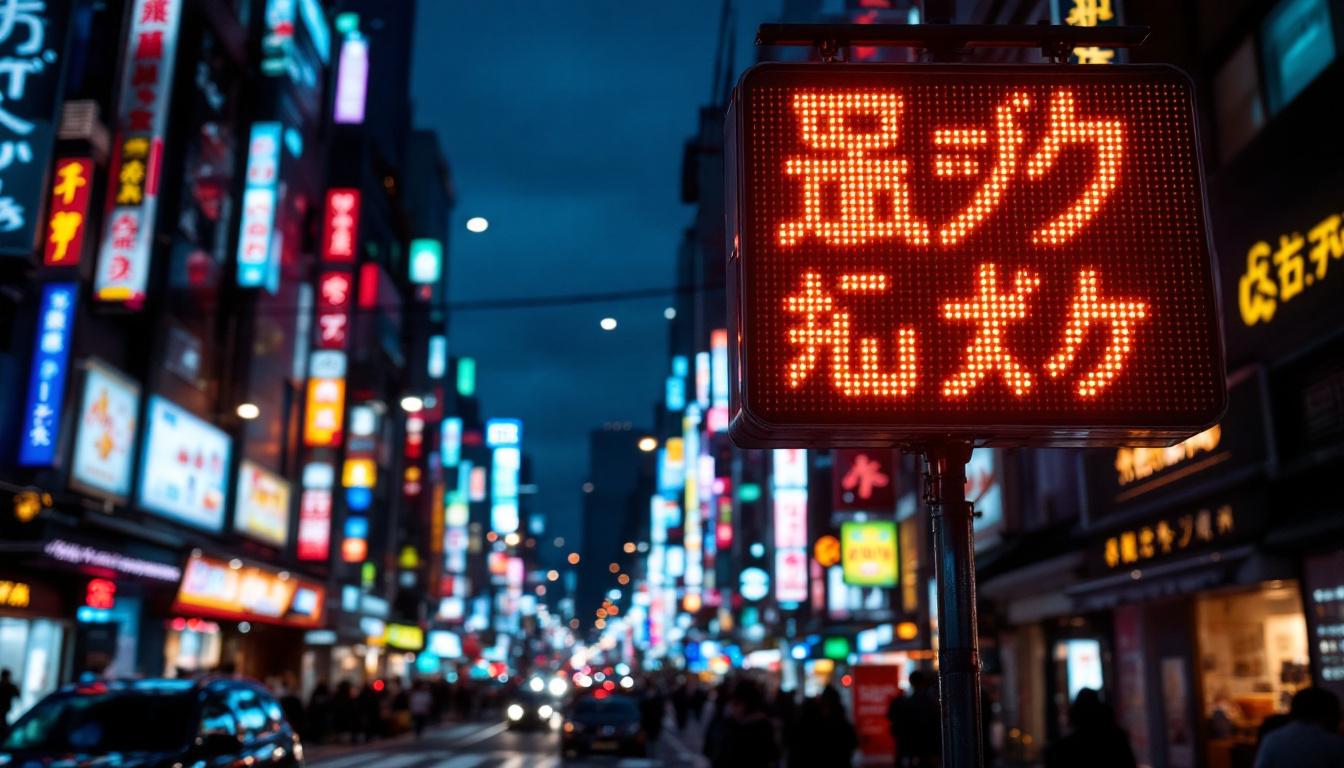
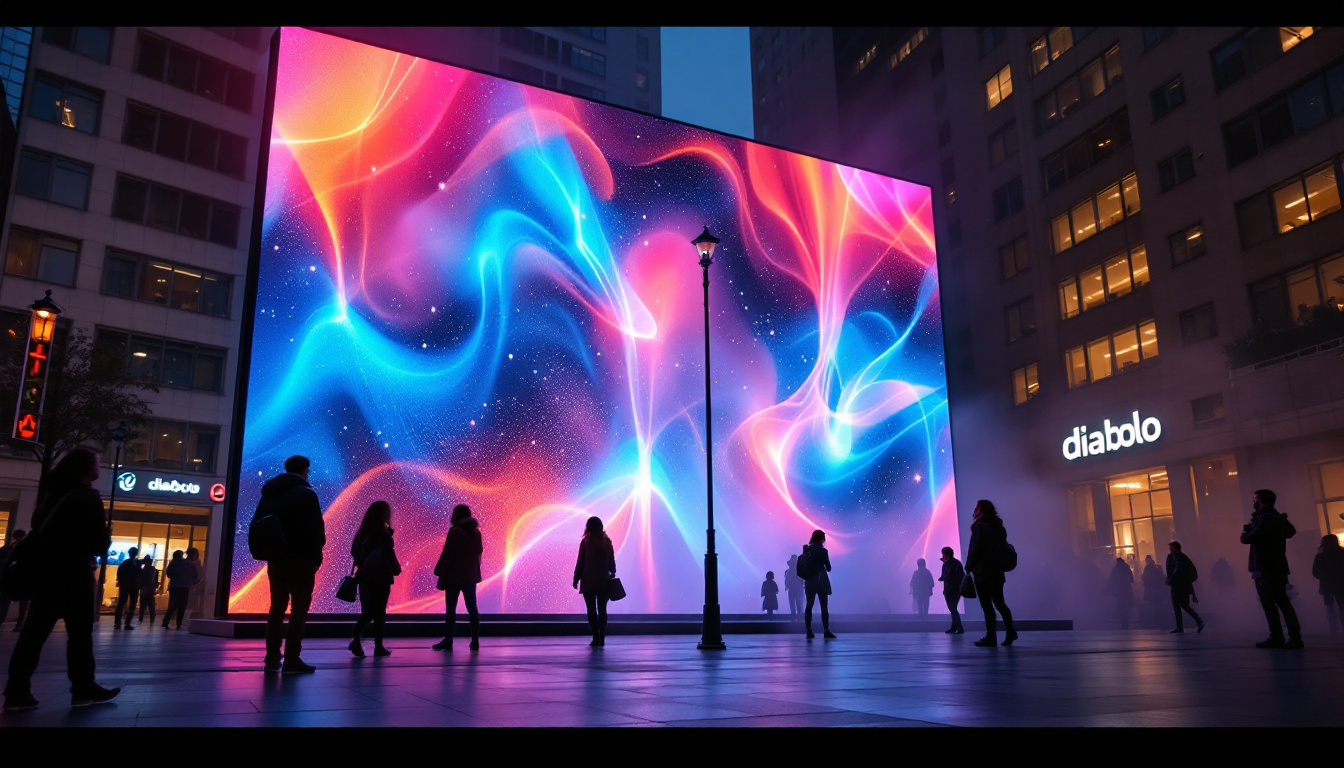
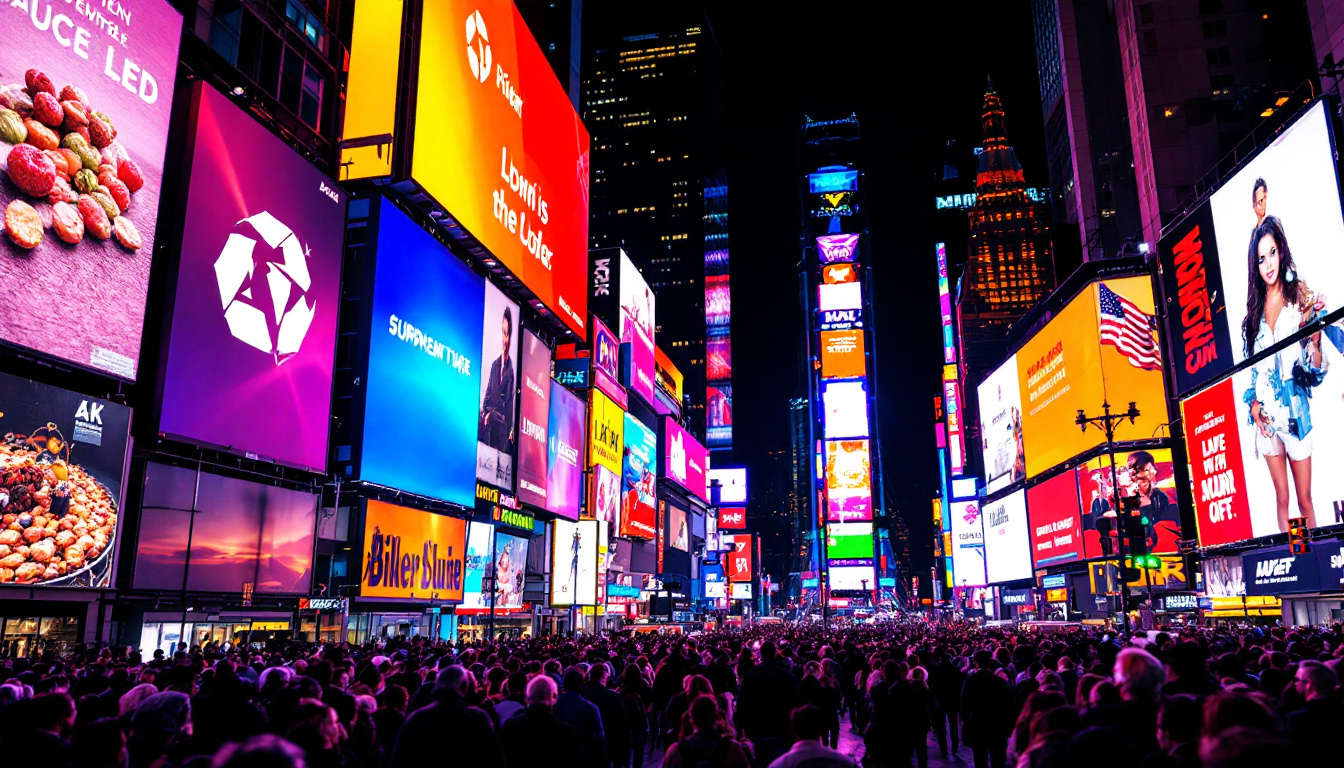
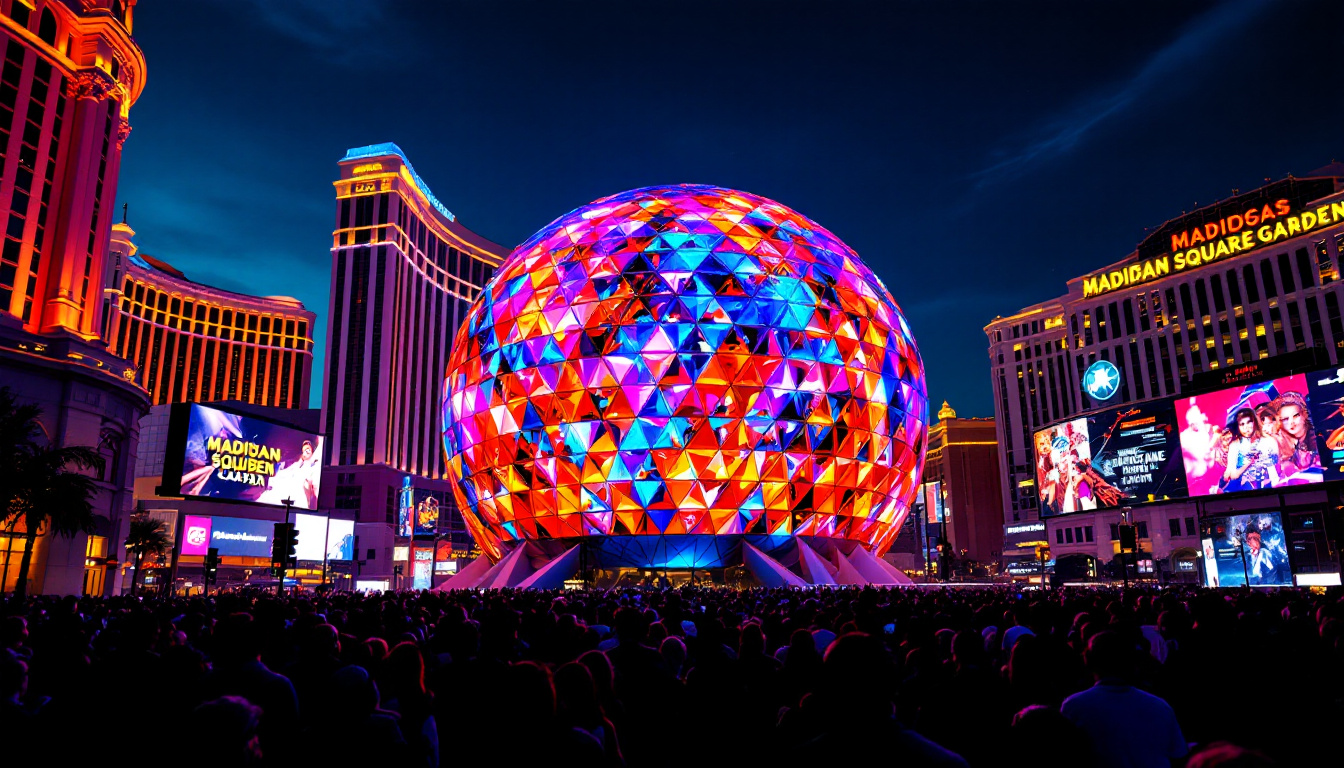
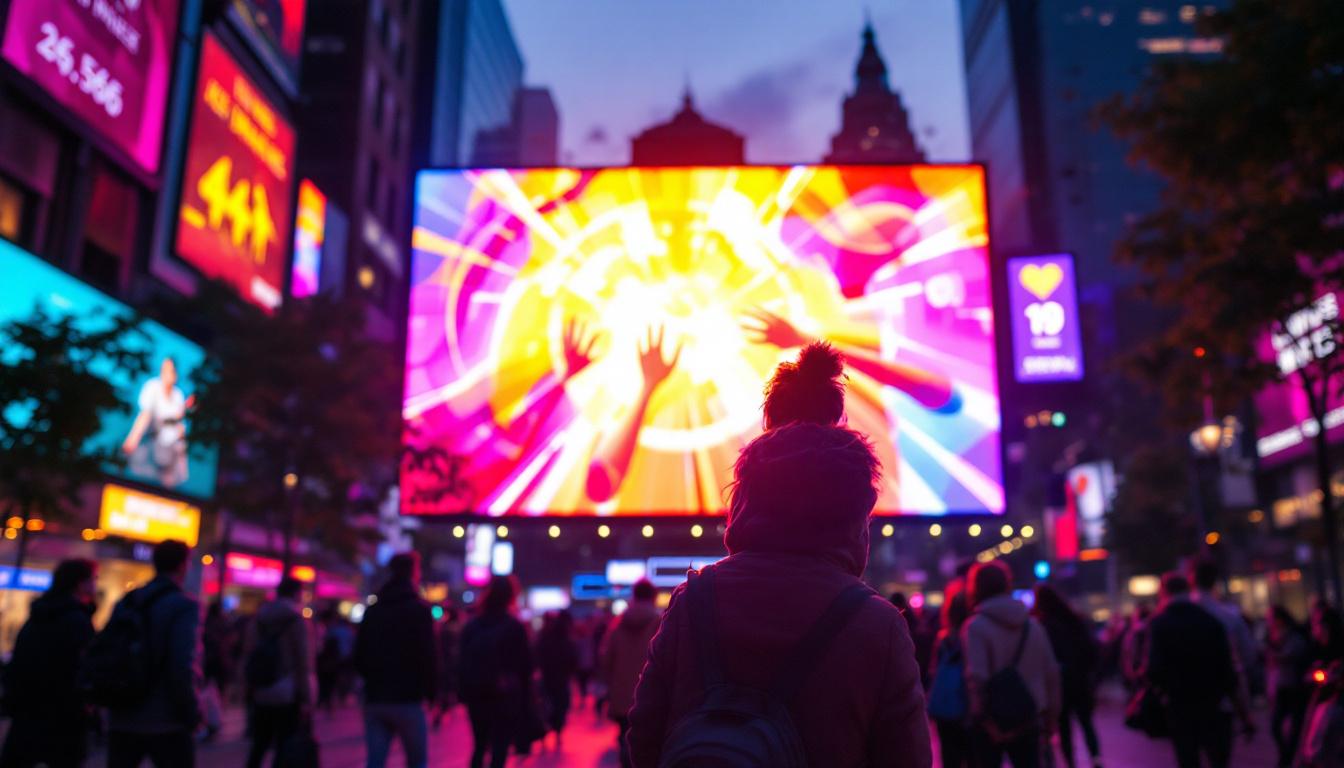
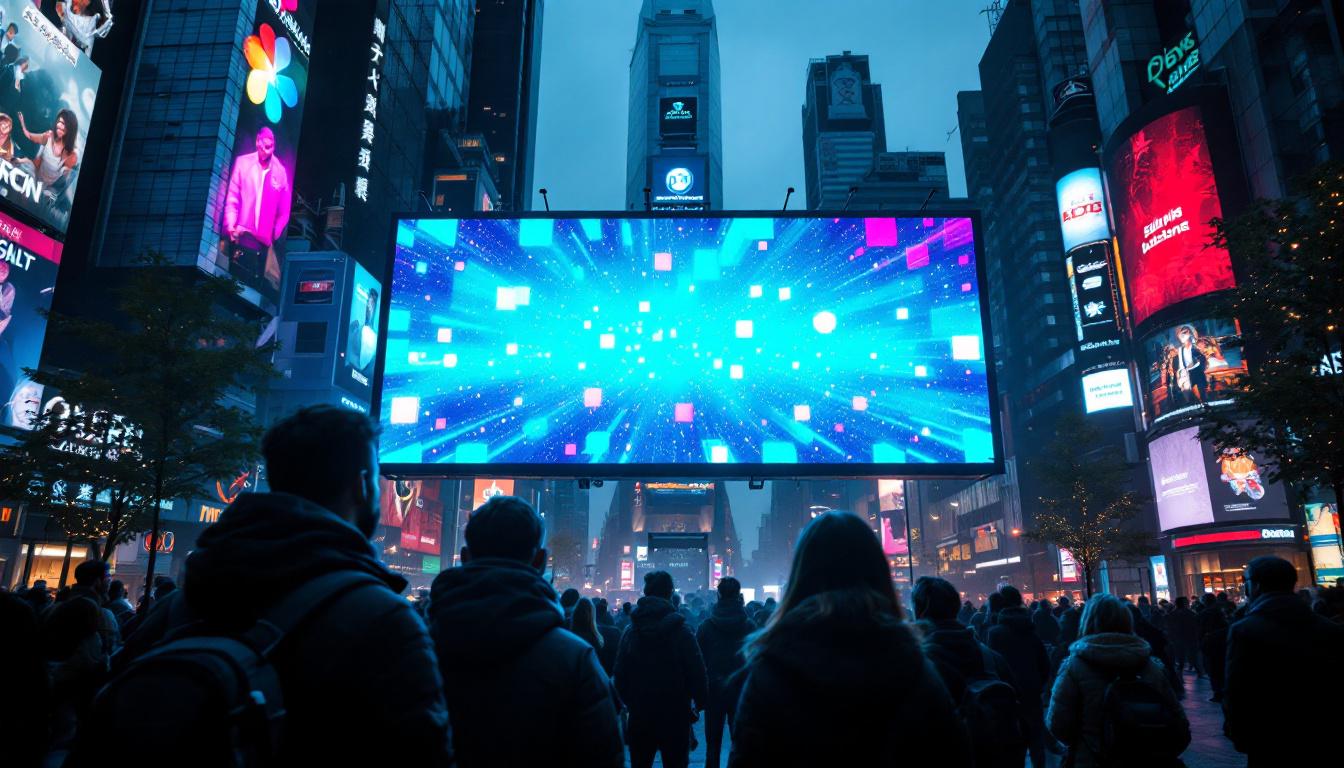
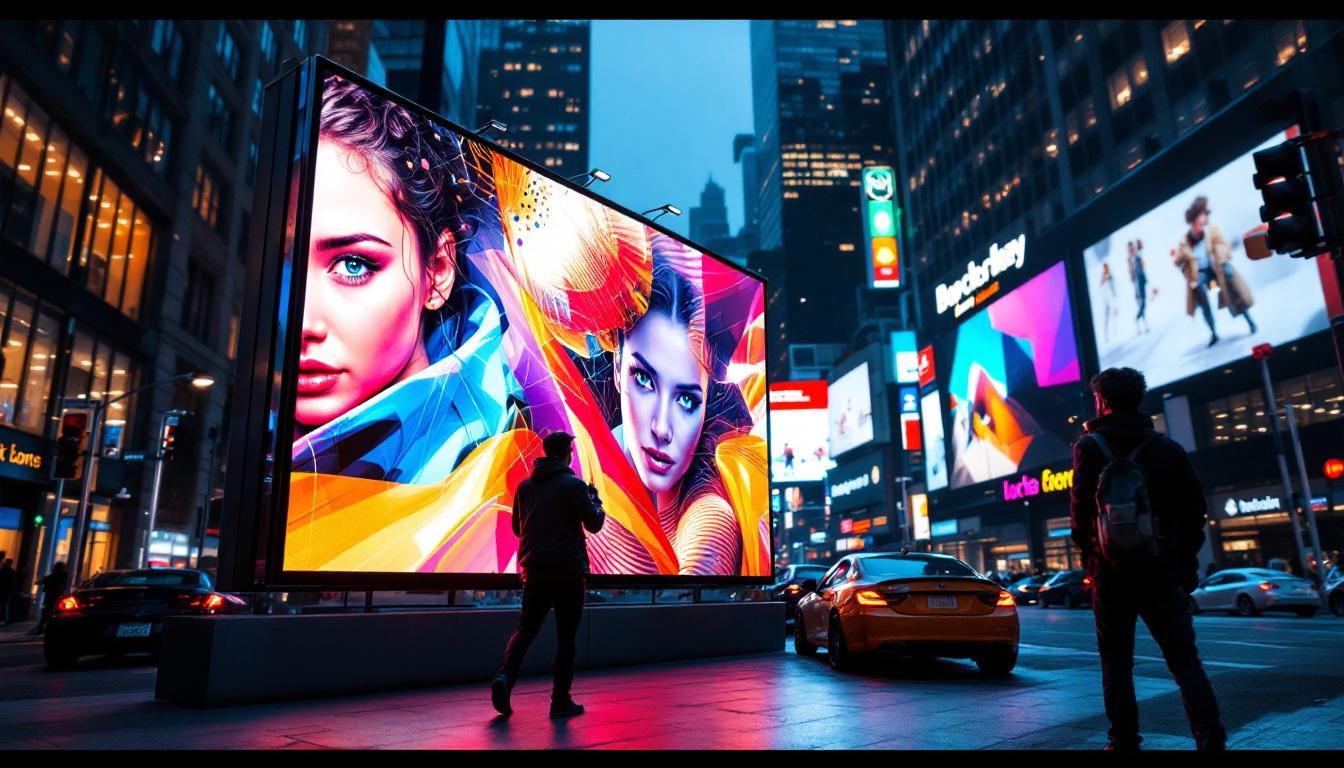
LED displays have revolutionized advertising by enabling eye-catching, animated content that grabs consumer attention. From Times Square in New York to bustling city centers worldwide, LED billboards dominate the visual landscape. Their ability to display high-resolution video and graphics makes them ideal for brand storytelling and product launches.
Retailers use LED signs to highlight promotions and new arrivals, while transportation hubs employ them for real-time updates and wayfinding. The adaptability of LED displays means advertisers can optimize campaigns based on time of day, weather, or audience demographics.
Sports and Entertainment Venues
Stadiums and arenas utilize LED displays extensively for scoreboards, instant replays, and interactive fan experiences. The immersive quality of LED screens enhances spectator engagement and creates memorable atmospheres during events.
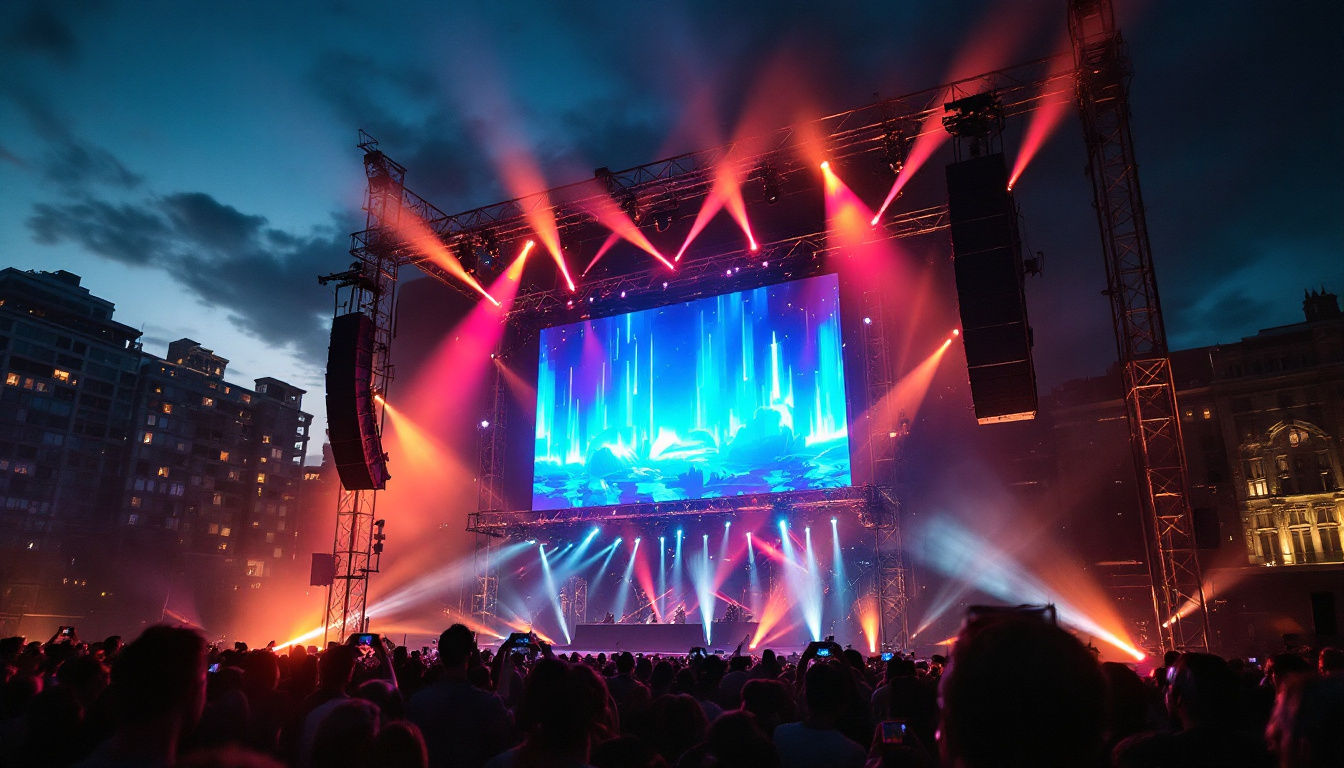
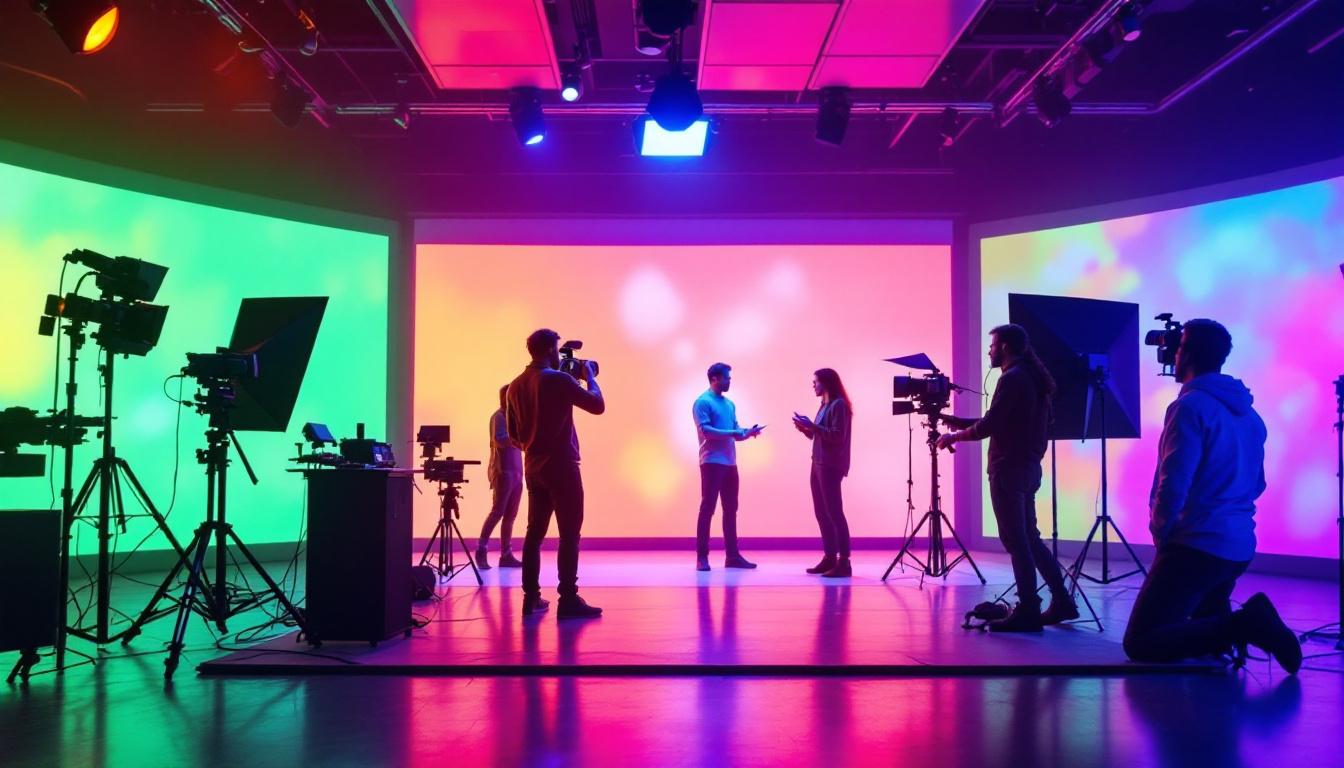
Concerts and festivals also benefit from LED walls and panels that provide vibrant backdrops and visual effects synchronized with performances. The modular nature of LED displays allows for quick assembly and customization to fit different stage designs.
Public Information and Safety
Governments and municipalities deploy LED displays for traffic management, emergency alerts, and public announcements. Variable Message Signs (VMS) on highways use LED technology to convey real-time information about road conditions, accidents, or detours.
In airports, train stations, and other transit centers, LED displays provide travelers with up-to-date schedules and gate information. Their reliability and clarity are critical for maintaining smooth operations and ensuring safety.
Choosing the Right LED Display: Key Considerations
Pixel Pitch and Resolution
Pixel pitch, the distance between the centers of adjacent LEDs, directly affects image sharpness. Smaller pixel pitches yield higher resolution and finer detail, making them suitable for close viewing distances, such as indoor retail displays or conference rooms.
For large outdoor displays viewed from a distance, a larger pixel pitch is acceptable and more cost-effective. Selecting the appropriate pixel pitch ensures the content appears crisp and legible to the intended audience.
Brightness and Environmental Durability
Outdoor LED displays must withstand weather conditions including rain, wind, dust, and temperature fluctuations. Look for displays with high ingress protection (IP) ratings, such as IP65 or higher, to ensure resistance to water and dust.
Brightness requirements vary by location and ambient light levels. Urban environments with high ambient light demand displays with brightness levels above 5,000 nits, while indoor environments typically require much lower brightness to prevent eye strain.
Control Systems and Connectivity
Modern LED displays integrate with sophisticated content management systems (CMS) that allow remote updates, scheduling, and monitoring. Wireless connectivity options, including Wi-Fi and cellular networks, facilitate real-time content changes and diagnostics.
Consider the ease of use and compatibility of the control software with existing IT infrastructure. Some systems offer cloud-based platforms, enabling multi-location management from a single interface.
The Future of LED Displays: Innovations and Trends
MicroLED and MiniLED Technologies
Emerging display technologies like MicroLED and MiniLED promise even higher brightness, contrast, and energy efficiency. MicroLEDs are smaller than traditional LEDs, allowing for ultra-high-resolution displays with exceptional color accuracy and viewing angles.
These advancements are expected to expand the use of LED displays into new markets such as wearable devices, automotive dashboards, and augmented reality applications, further blurring the lines between digital and physical environments.
Interactive and Smart Displays
The integration of touch sensors, cameras, and AI-driven analytics is transforming LED displays into interactive platforms. Smart LED signage can engage users with personalized content, respond to gestures, or provide real-time feedback based on audience behavior.
Such capabilities enhance customer experiences in retail, hospitality, and public spaces, creating opportunities for deeper engagement and data-driven marketing strategies.
Sustainability and Energy Management
As environmental concerns grow, manufacturers are focusing on reducing the ecological impact of LED displays. Innovations include the use of recyclable materials, improved energy management systems, and solar-powered LED signage solutions.
These efforts align with corporate social responsibility goals and regulatory requirements, making LED displays not only a powerful communication tool but also an environmentally conscious choice.
Conclusion: Why LED Displays Are the Ultimate Sign Solution
LED displays represent a transformative leap in signage technology, combining brightness, flexibility, and efficiency to meet diverse communication needs. Whether for advertising, entertainment, public safety, or corporate messaging, LED displays offer unmatched visual impact and adaptability.
Investing in the right LED display solution requires understanding the technical specifications, environmental factors, and content management capabilities that best suit the application. With ongoing innovations and growing adoption worldwide, LED displays are set to remain at the forefront of visual communication for years to come.
For businesses and organizations aiming to stand out in an increasingly crowded visual landscape, LED displays provide a compelling, future-proof solution that commands attention and drives engagement.
Illuminate Your Message with LumenMatrix
Ready to elevate your visual communication and stand out with unparalleled brightness, flexibility, and efficiency? LumenMatrix is at the forefront of LED display innovation, offering a wide array of solutions tailored to your unique needs. From Indoor and Outdoor LED Wall Displays to specialized options like Vehicle, Sports, and Custom LED Displays, we empower your brand to captivate and engage like never before. Don’t just take our word for it; check out LumenMatrix LED Display Solutions today and see how we can transform your messaging into an unforgettable visual experience.