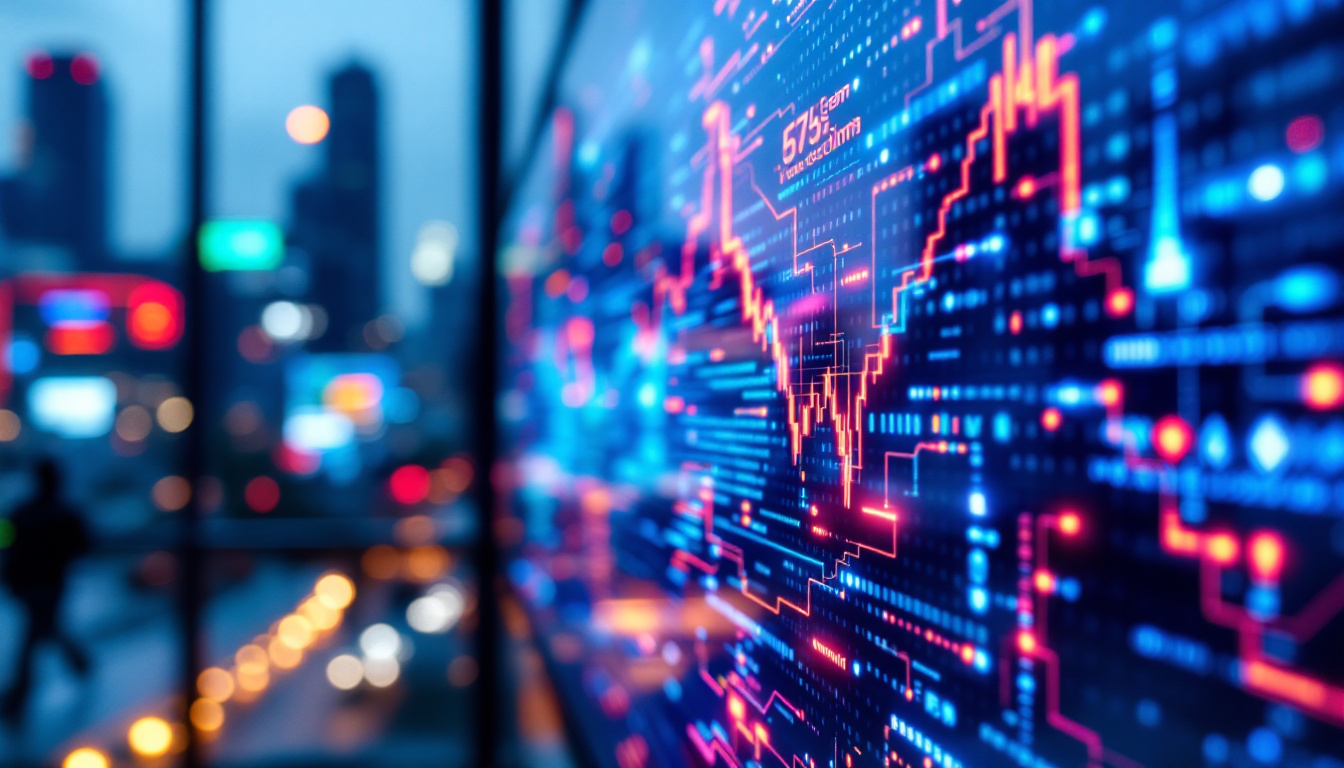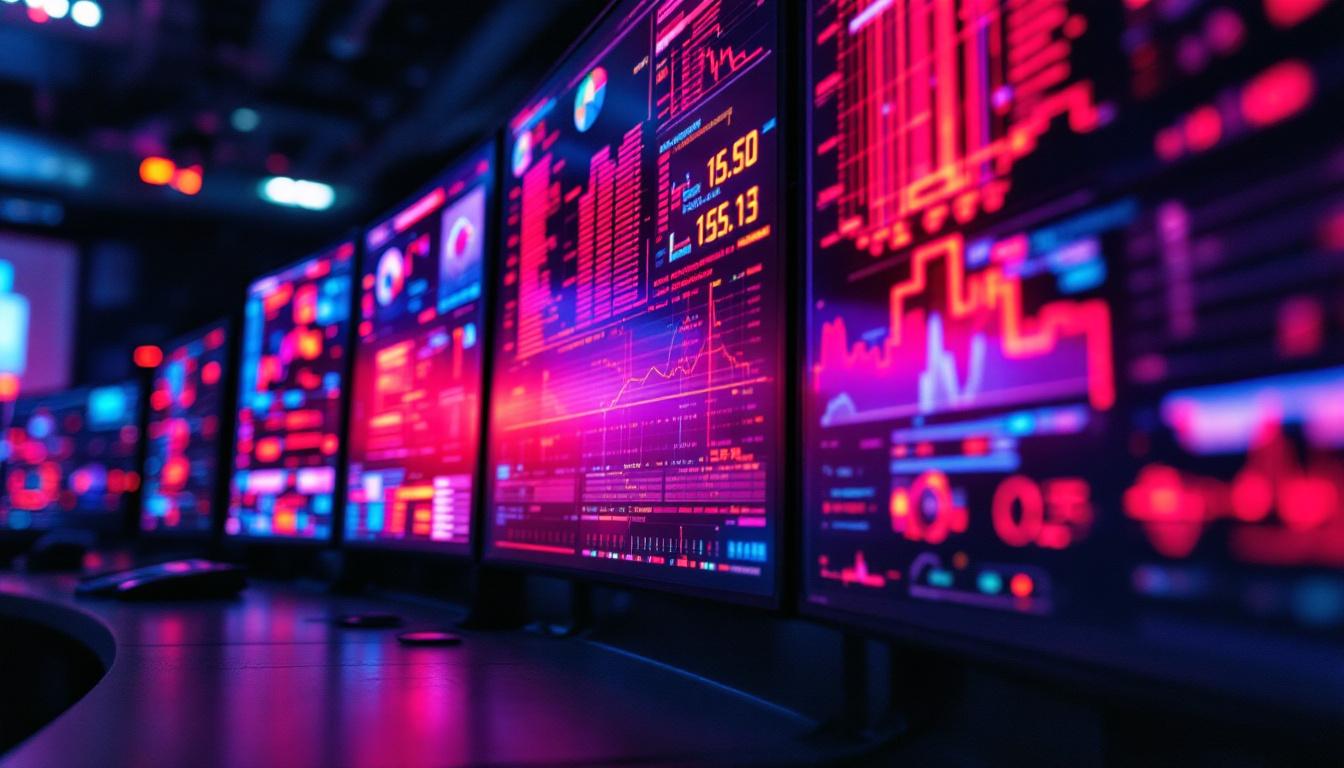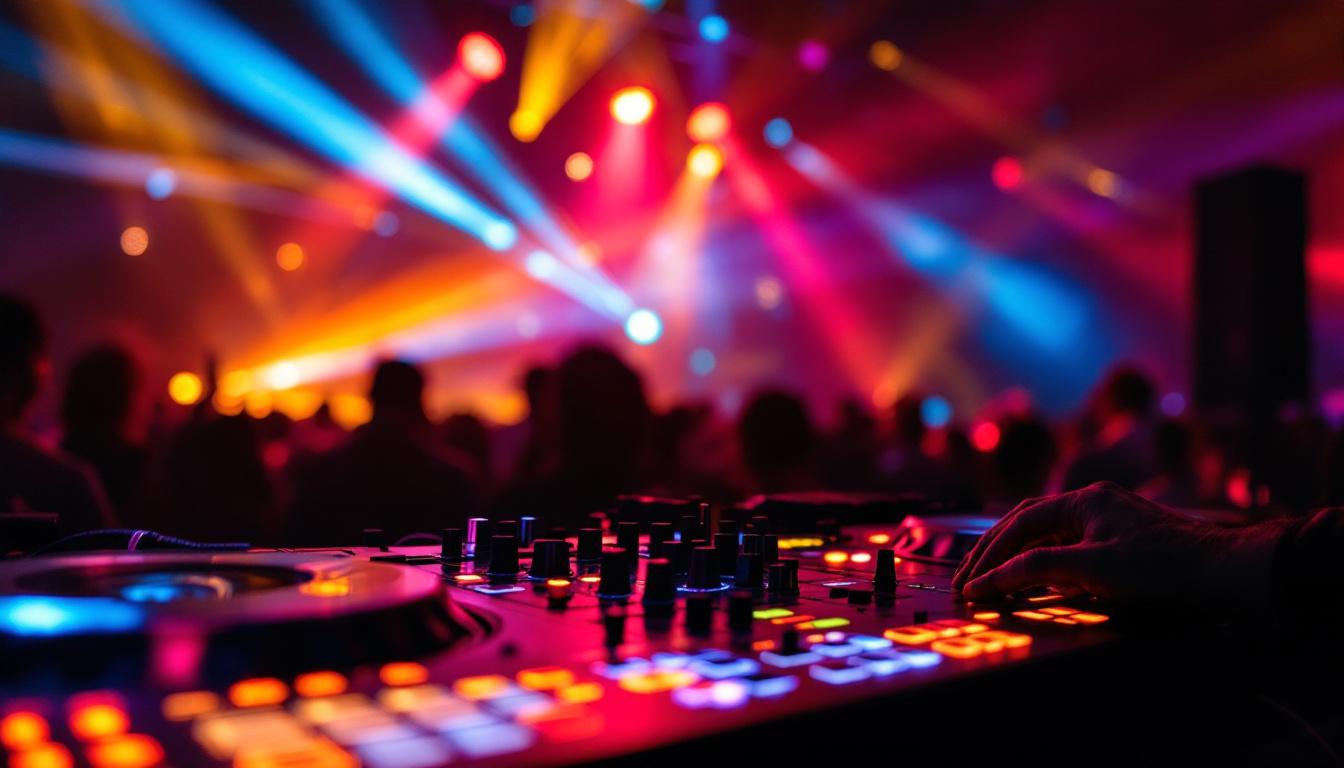
In the dynamic world of live music and entertainment, visual elements play a pivotal role in enhancing the audience’s experience. Among these, the DJ booth screen—often an LED display—has become an essential feature at concerts, festivals, and club events. This article delves into the technology behind DJ booth LED screens, their benefits, and how they are transforming the way audiences engage with performances.
Understanding DJ Booth LED Screens
At its core, a DJ booth LED screen is a digital display integrated into or positioned around the DJ’s setup. These screens are composed of numerous tiny light-emitting diodes (LEDs) that collectively form images, videos, and animations. Unlike traditional screens, LED displays are modular, scalable, and designed for high visibility even in bright outdoor environments.
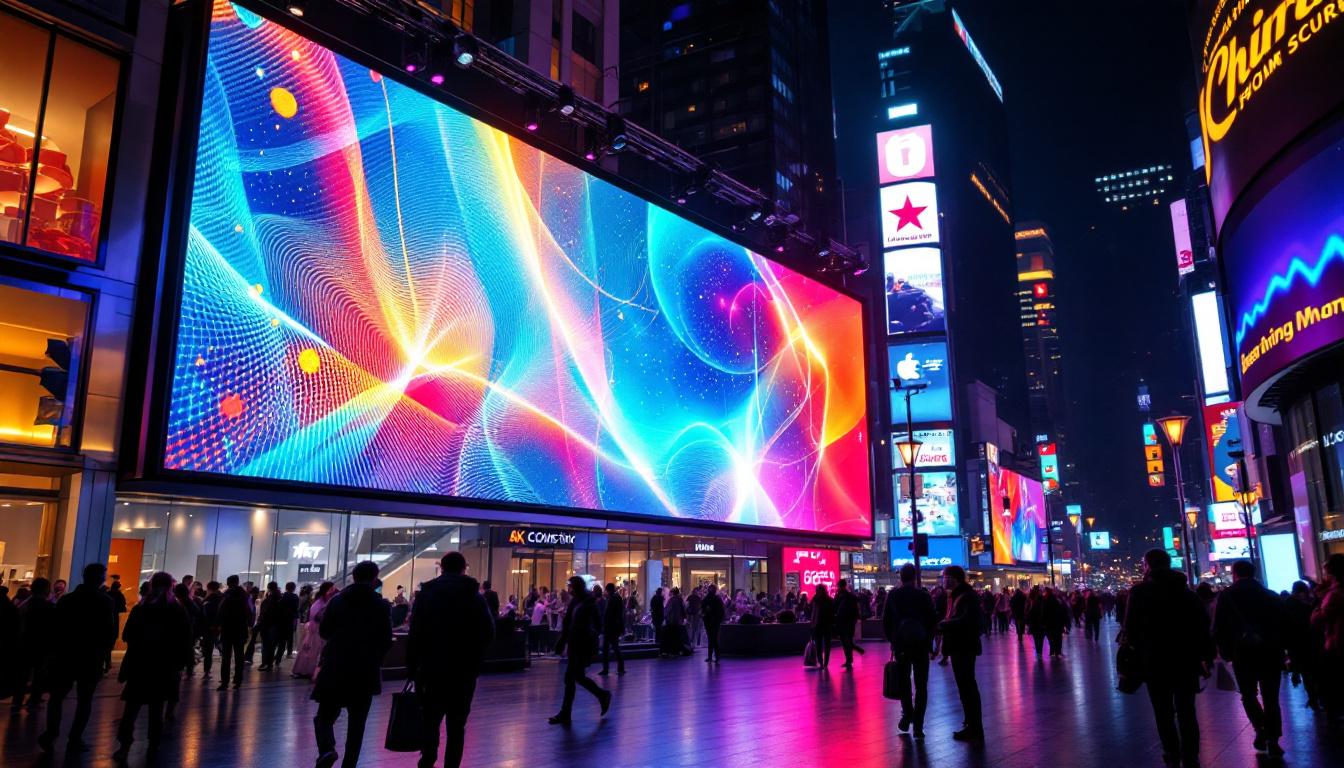
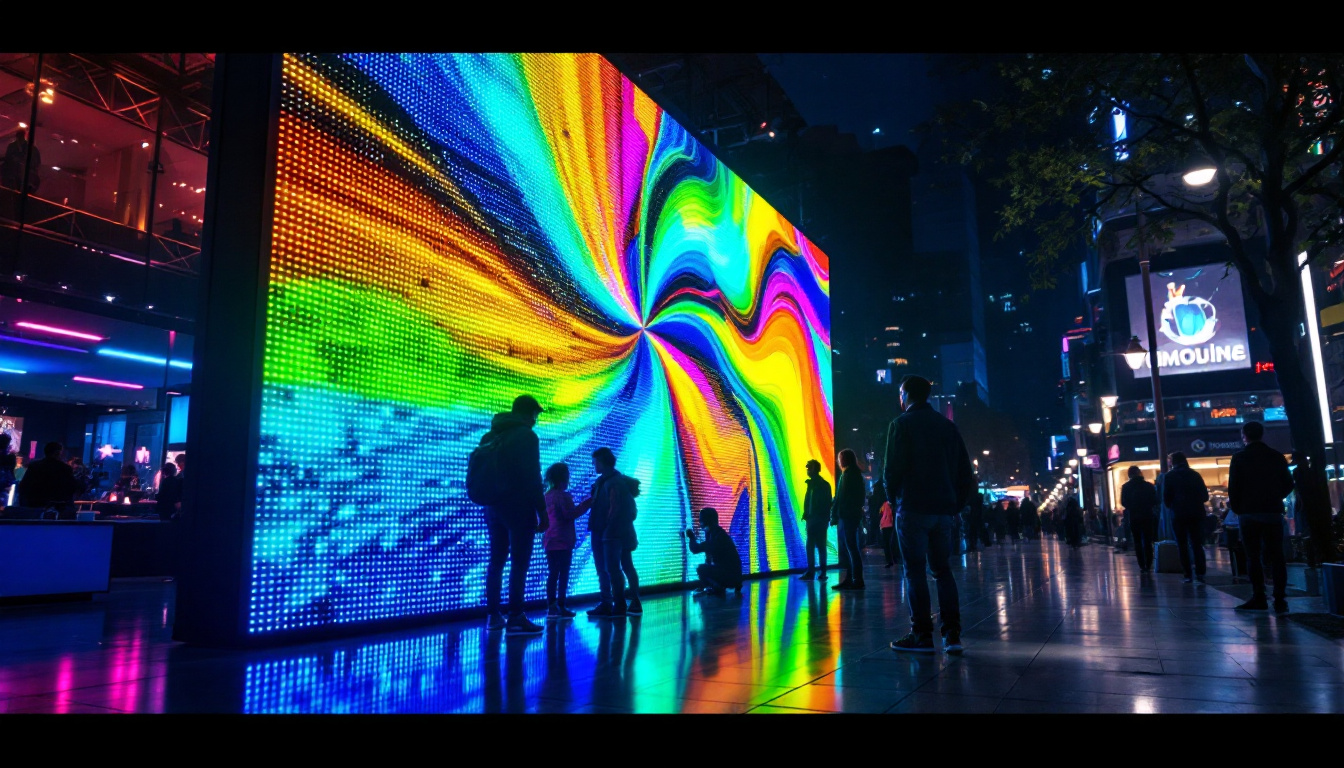
The primary purpose of these screens is to create a visual spectacle that complements the music, providing a synchronized audiovisual experience. By displaying dynamic graphics, branding, or interactive content, DJ booth screens elevate the performance beyond just sound. The integration of visuals can also enhance the atmosphere of the event, engaging the audience on multiple sensory levels and making the experience more immersive. This is particularly effective in large venues such as festivals or nightclubs, where the energy of the crowd can be amplified through vibrant visuals that resonate with the beats and rhythms of the music.
How LED Technology Works
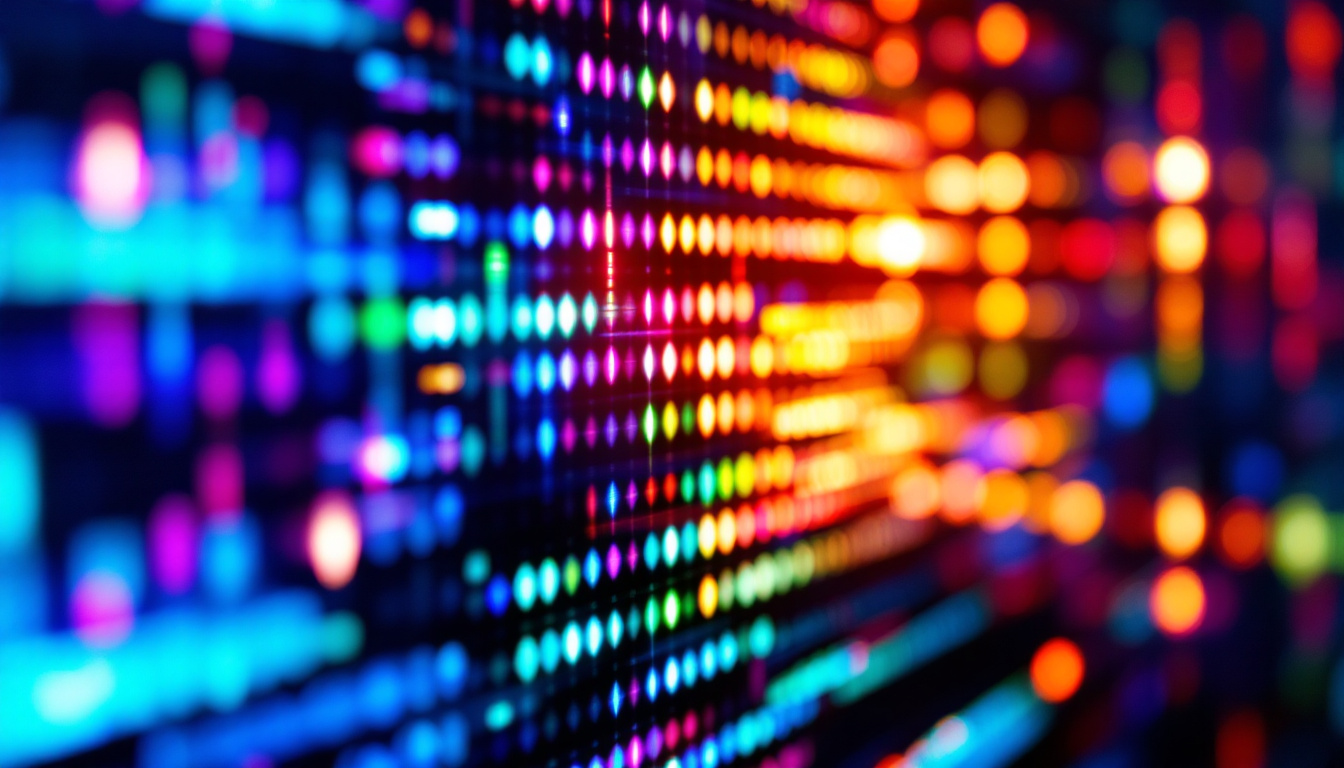
LED technology relies on semiconductor diodes that emit light when an electric current passes through them. Each pixel on an LED screen is made up of red, green, and blue LEDs, which can be combined at varying intensities to produce a full spectrum of colors. This RGB system allows for vibrant and accurate color reproduction. The versatility of LED technology means that it can be programmed to display anything from simple patterns to complex animations, providing DJs with a powerful tool to enhance their shows.
Modern LED displays used in DJ booths often feature high refresh rates—typically 1920 Hz or higher—which means the images update rapidly enough to prevent flickering, even when captured on camera. This is crucial for live streaming and professional video recording, ensuring the visuals appear smooth and seamless. Additionally, many LED screens come equipped with advanced software that allows DJs to synchronize visuals with their music in real-time, creating a cohesive performance that captivates the audience. This capability not only enhances the entertainment value but also opens up opportunities for creative expression, allowing DJs to tailor their visual presentations to fit their unique style and the mood of the crowd.
Types of LED Displays Used in DJ Booths
There are several types of LED displays commonly employed in DJ booths, each with unique characteristics suited to different environments and budgets.
Indoor vs. Outdoor LED Screens
Indoor LED screens are designed for controlled lighting conditions and generally have higher pixel densities, resulting in sharper images at closer viewing distances. These are ideal for clubs and indoor festivals where the audience is near the DJ booth.
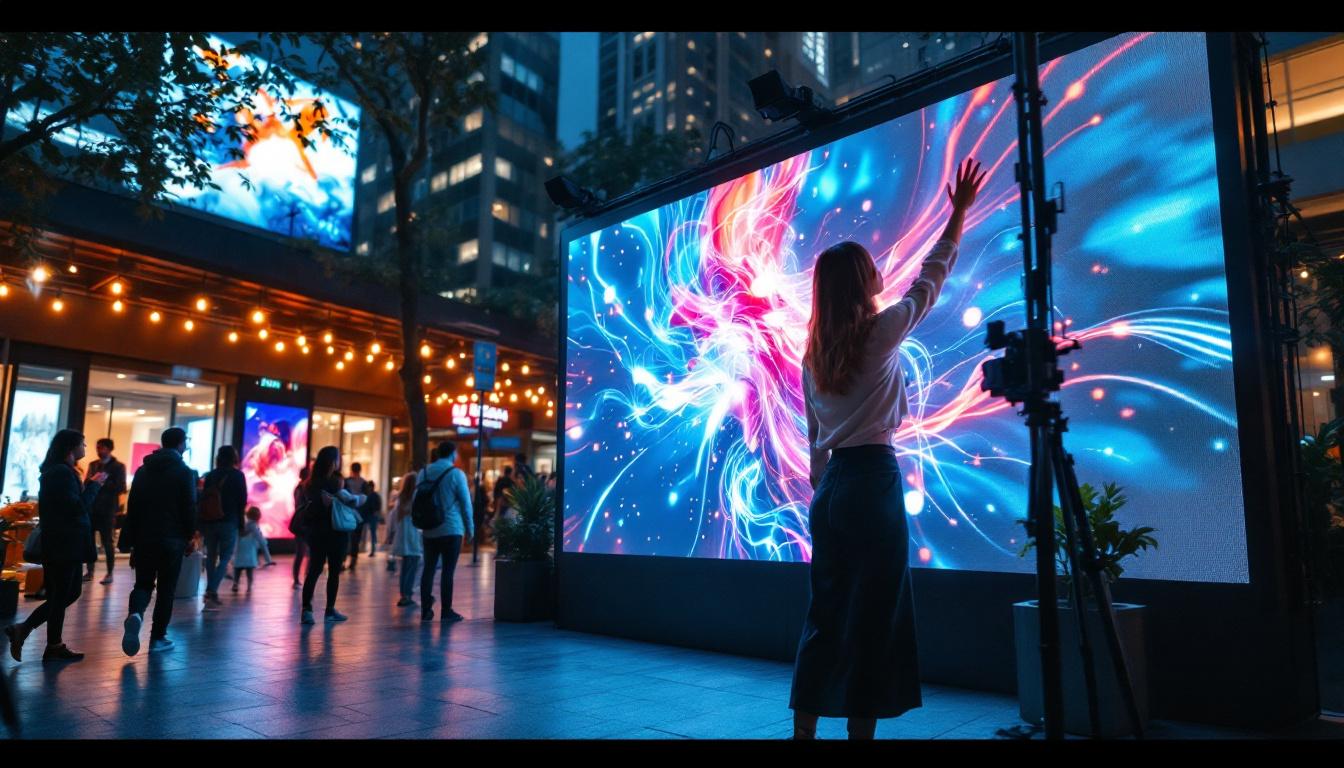
Outdoor LED screens, on the other hand, are built to withstand weather elements and have higher brightness levels—often exceeding 5,000 nits—to remain visible under direct sunlight. They are typically used in open-air festivals and large-scale events.
Fixed vs. Rental LED Screens
Fixed LED installations are permanent setups integrated into the venue’s infrastructure. These are common in nightclubs and concert halls where the DJ booth is a consistent feature. Fixed screens offer high durability and can be customized extensively.
Rental LED screens provide flexibility for touring DJs and event organizers. These modular panels can be assembled and disassembled quickly, allowing for different configurations depending on the event’s scale and design. The rental market for LED screens has grown significantly, with companies offering state-of-the-art panels that balance performance and portability.
Pixel Pitch and Resolution
Pixel pitch—the distance between the centers of two adjacent pixels—is a critical factor in LED screen quality. Smaller pixel pitches mean higher resolution and finer image detail, which is important when the audience is close to the screen.
For DJ booths, pixel pitches typically range from 2mm to 6mm. A 2mm pitch offers crisp visuals suitable for intimate venues, while a 6mm pitch might be sufficient for larger, more distant audiences. Selecting the right pixel pitch ensures that the visuals remain clear and impactful without unnecessary cost.
Benefits of Using LED Screens in DJ Booths
The integration of LED screens into DJ booths offers numerous advantages that go beyond mere aesthetics.
Enhanced Audience Engagement
Visual stimulation is a powerful tool for capturing and maintaining audience attention. LED screens allow DJs and event producers to synchronize visuals with music beats, creating immersive experiences that resonate emotionally with attendees.
Dynamic content such as live video feeds, animations, and interactive graphics can be used to tell a story or amplify the energy of a set. This multisensory approach often results in higher audience satisfaction and memorable performances.
Branding and Sponsorship Opportunities
LED displays provide an excellent platform for branding, whether it’s the DJ’s logo, event sponsors, or promotional messages. High-resolution visuals ensure that branding elements are prominently visible, increasing exposure and potential revenue streams.
In festivals and club events, sponsors often seek innovative ways to connect with audiences. DJ booth LED screens offer prime real estate for such marketing, seamlessly integrated into the entertainment experience.
Versatility and Customization
One of the standout benefits of LED technology is its adaptability. Content can be changed instantly, allowing for tailored visuals that suit different genres, themes, or audience demographics. DJs can collaborate with visual artists or VJs (Video Jockeys) to create unique shows that differentiate their performances.
Moreover, LED screens can be configured in various shapes and sizes—from simple rectangular panels to curved or even 3D installations—enabling creative freedom in stage design.
Technical Considerations for DJ Booth LED Screens
Implementing an LED screen in a DJ booth requires careful planning and technical knowledge to ensure optimal performance.
Power Consumption and Heat Management
LED displays can consume significant amounts of power, especially large or high-brightness models. It’s important to assess the venue’s electrical capacity and provide adequate power distribution to avoid outages or damage.
Additionally, LEDs generate heat during operation. Effective ventilation or cooling systems must be in place to maintain the longevity and reliability of the display components.
Control Systems and Content Management
Modern LED screens are controlled via specialized software that manages content playback, scheduling, and synchronization. These control systems often support real-time input, enabling live video streaming or integration with DJ software to trigger visuals based on audio cues.
For professional setups, content management systems (CMS) allow multiple users to upload and schedule content remotely, streamlining event preparation and execution.
Installation and Rigging
Safety and stability are paramount when installing LED screens, especially in live event settings. Rigging must comply with local regulations and industry standards to prevent accidents.
Modular LED panels are typically lightweight and designed for quick assembly, but professional installation teams are recommended to ensure proper alignment, secure mounting, and cable management.
Case Studies: LED Screens in Iconic DJ Booths
Examining real-world examples helps illustrate the impact of LED screens in enhancing DJ performances.
Tomorrowland Festival
One of the world’s largest electronic music festivals, Tomorrowland, is renowned for its spectacular stage designs featuring massive LED screens integrated into DJ booths. These screens display synchronized visuals that complement the festival’s fantasy-themed stages, creating an immersive environment for hundreds of thousands of attendees.
The use of high-resolution LED walls allows for intricate animations and live camera feeds, enhancing the connection between the DJ and the crowd.
Ultra Music Festival
Ultra Music Festival in Miami incorporates cutting-edge LED technology in its DJ setups, often employing curved and multi-layered screens. This approach adds depth and dimension to the visual presentation, making the DJ booth a focal point of the stage design.
By combining LED visuals with pyrotechnics and lighting effects, Ultra creates a multi-sensory experience that has set new standards in live electronic music events.
Club Residencies
In iconic clubs such as Hï Ibiza or Berghain, permanent LED installations around the DJ booth provide consistent, high-quality visuals that contribute to the venue’s brand identity. These screens allow resident DJs to customize their sets with unique visual themes, enhancing the clubbing experience.
Future Trends in DJ Booth LED Displays
The evolution of LED technology and digital content is continuously shaping the future of DJ booth screens.
Higher Resolution and Mini-LEDs
Advancements in mini-LED and micro-LED technology promise even higher pixel densities and improved color accuracy. This will enable ultra-crisp visuals suitable for close-up viewing and VR integration.
Interactive and AI-Driven Content
Artificial intelligence is beginning to play a role in content generation and interaction. Future DJ booth screens could respond dynamically to crowd reactions, music tempo, or environmental factors, creating truly personalized experiences.
Augmented Reality (AR) Integration
Combining LED screens with AR technology could allow audiences to experience layered visuals through their devices or AR glasses, blending physical and digital realms seamlessly.
Conclusion
DJ booth LED screens have transformed live music events by merging cutting-edge visual technology with the art of DJing. Their ability to captivate audiences, provide branding opportunities, and offer versatile customization makes them indispensable in modern entertainment.
As technology advances, these displays will become even more immersive and interactive, further enhancing the connection between DJs and their audiences. For event organizers, DJs, and venues, investing in high-quality LED screens is a strategic move to elevate performances and create unforgettable experiences.
Illuminate Your Performance with LumenMatrix
Ready to take your live events to the next level? LumenMatrix is at the forefront of LED display innovation, offering a wide array of solutions tailored to elevate your DJ booth and captivate your audience. From the vibrant Indoor LED Wall Display to the dynamic Outdoor LED Wall Display, and the revolutionary All-in-One LED Display, our technology is designed to make your visual storytelling more impactful. Discover how LumenMatrix can transform your performances and create unforgettable experiences. Check out LumenMatrix LED Display Solutions and revolutionize your visual presence today.