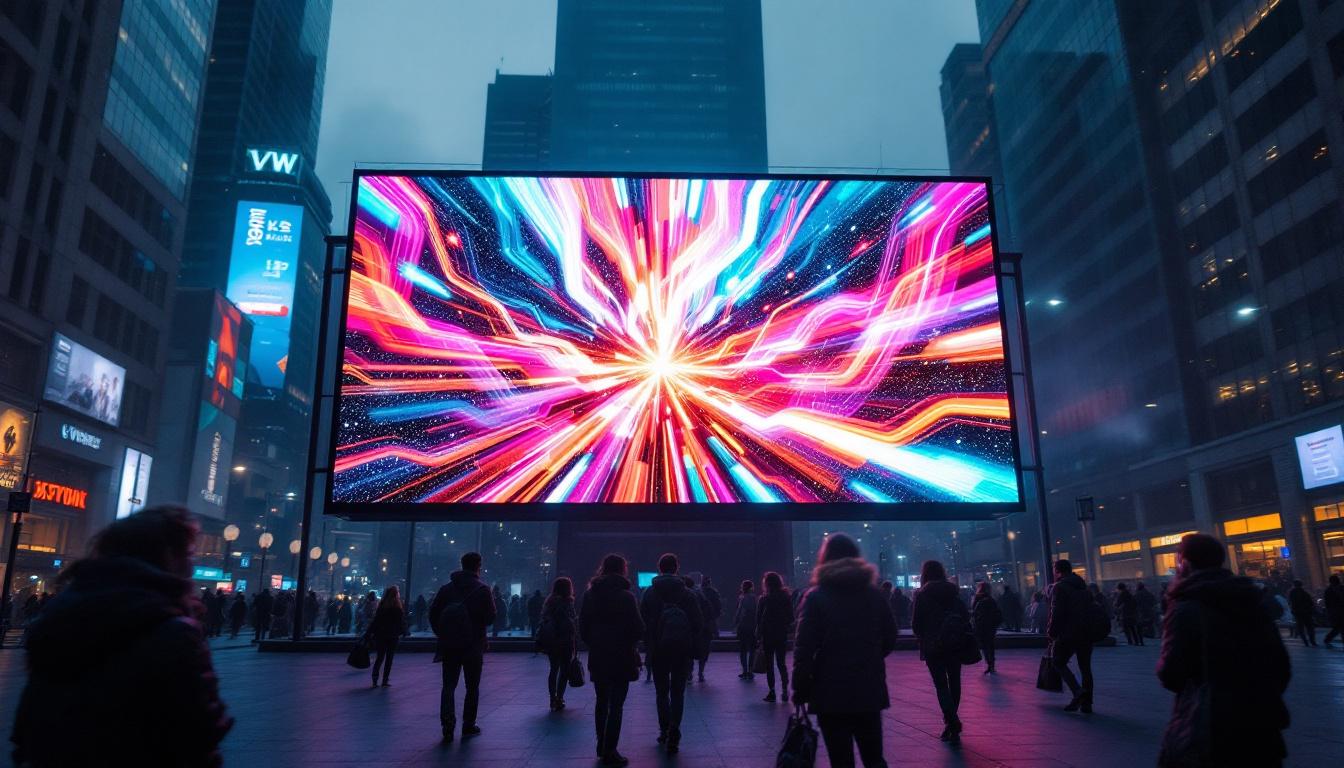
In the rapidly evolving world of digital signage and visual communication, LED displays have emerged as a dominant technology. One particular application gaining traction is the use of LED support walls—large-scale, modular LED panels that serve as dynamic backdrops or functional display surfaces in various environments. This article delves into the concept of support walls featuring LED displays, exploring their technology, applications, benefits, and considerations for implementation.
Understanding Support Walls and LED Display Technology
What Is a Support Wall?
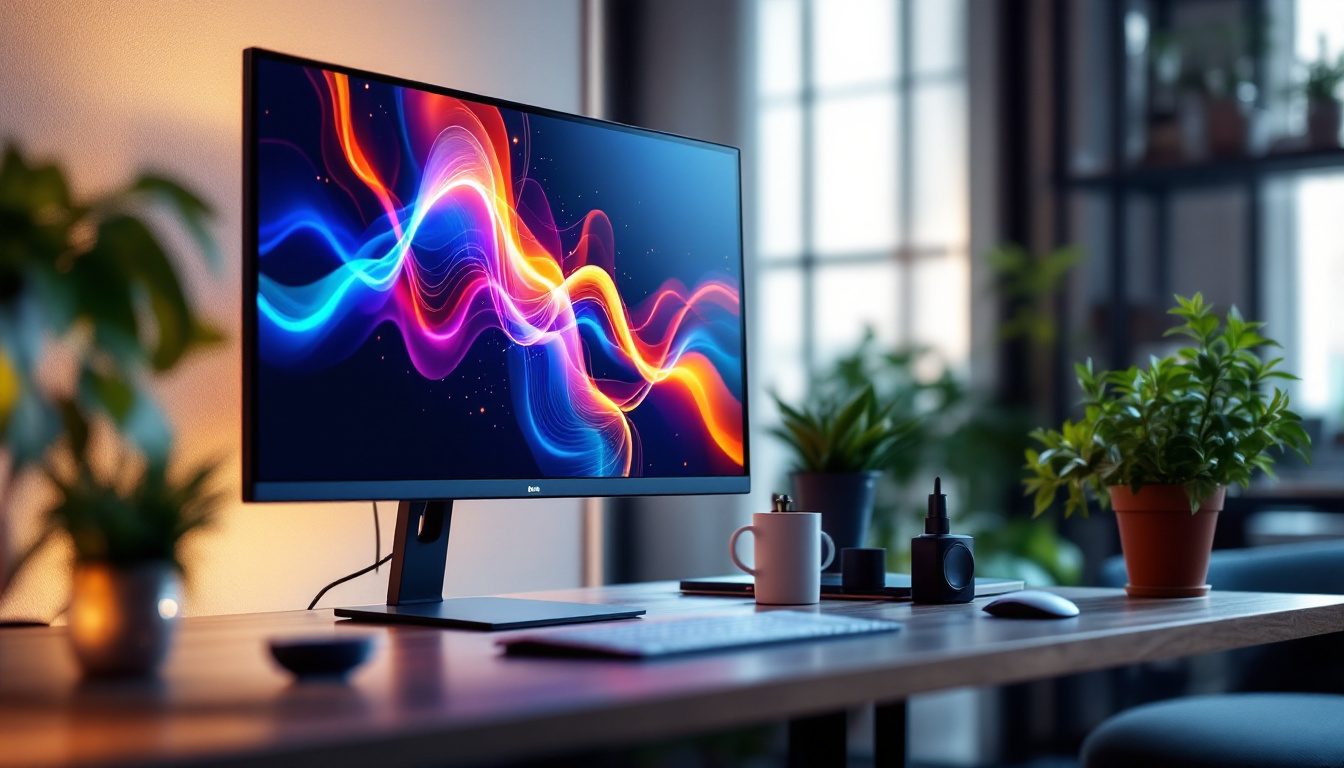
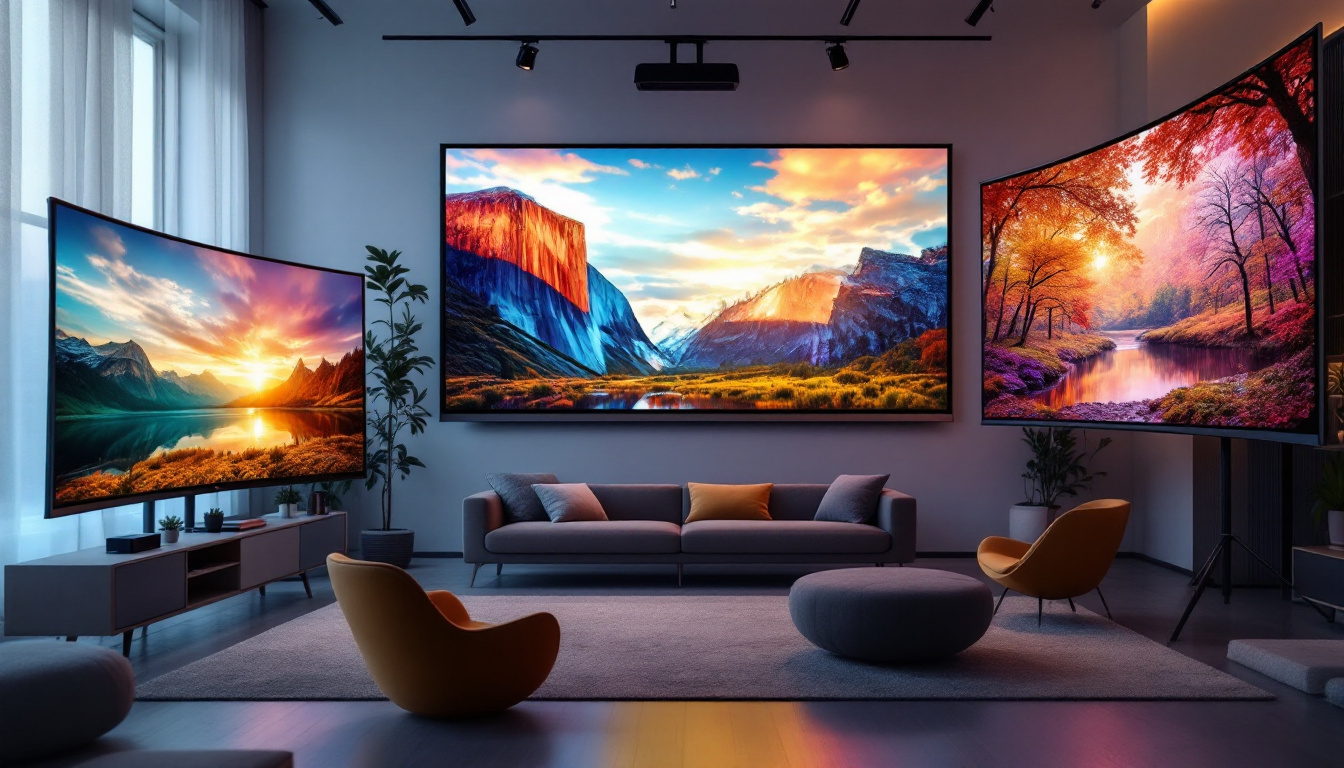
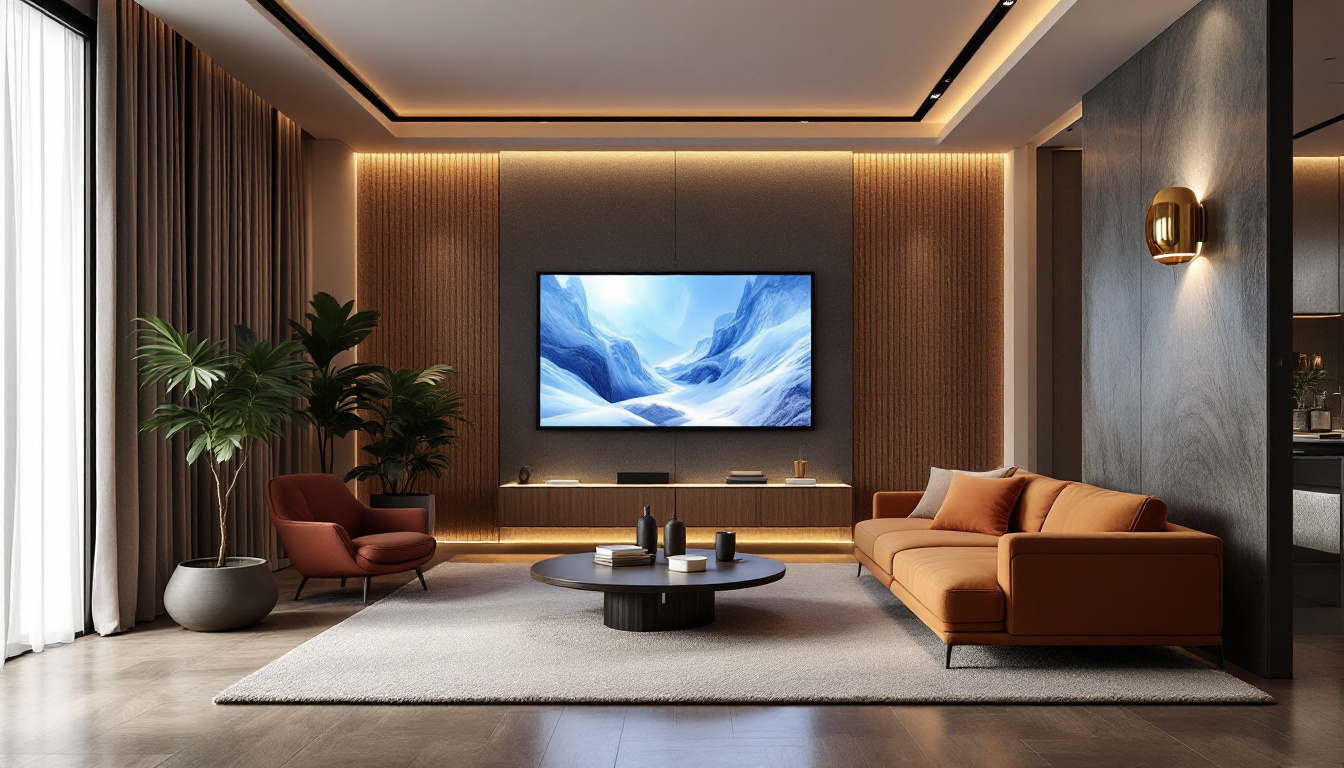
A support wall, in the context of LED displays, refers to a structural installation designed to hold and showcase LED panels seamlessly. These walls can be freestanding or integrated into existing architectural elements, providing a robust platform for large-format digital content. Unlike traditional static walls, support walls equipped with LED displays transform surfaces into interactive, vivid canvases capable of delivering high-resolution images, videos, and real-time data. The versatility of support walls allows them to be utilized in a variety of settings, from corporate environments and retail spaces to entertainment venues and public installations, enhancing the overall aesthetic and functionality of the space.
Moreover, the design of support walls can be tailored to fit specific branding or thematic requirements, often incorporating elements like dynamic lighting or motion sensors to engage viewers more effectively. This adaptability not only maximizes the impact of the displayed content but also ensures that the installation harmonizes with the surrounding architecture, creating a cohesive visual experience. As technology advances, support walls are increasingly being designed with modular components, allowing for easy upgrades and maintenance, which is crucial in fast-paced environments where content needs to be frequently updated.
Basics of LED Display Technology
LED, or Light Emitting Diode, technology underpins these displays. Each LED pixel consists of tiny diodes that emit light when an electric current passes through them. By arranging thousands or millions of these pixels in a matrix, LED displays create vibrant images with exceptional brightness and color accuracy. Modern LED panels use surface-mount technology (SMT) LEDs, which allow for higher pixel density and finer image resolution. This advancement in technology not only enhances visual quality but also contributes to energy efficiency, making LED displays a more sustainable choice compared to older display technologies.
Key technical parameters include pixel pitch—the distance between the centers of two adjacent pixels—and brightness levels measured in nits. Smaller pixel pitch values correspond to sharper images, especially important for close-viewing distances. LED displays can achieve brightness levels upwards of 1,000 nits, making them suitable for both indoor and outdoor environments. Additionally, advancements in LED technology have led to improved color calibration and contrast ratios, allowing for a broader color spectrum and more lifelike images. These features are particularly beneficial in applications such as advertising, where capturing the viewer’s attention is paramount, and in events where visual clarity is essential for audience engagement.
Applications of LED Support Walls
Corporate and Event Environments
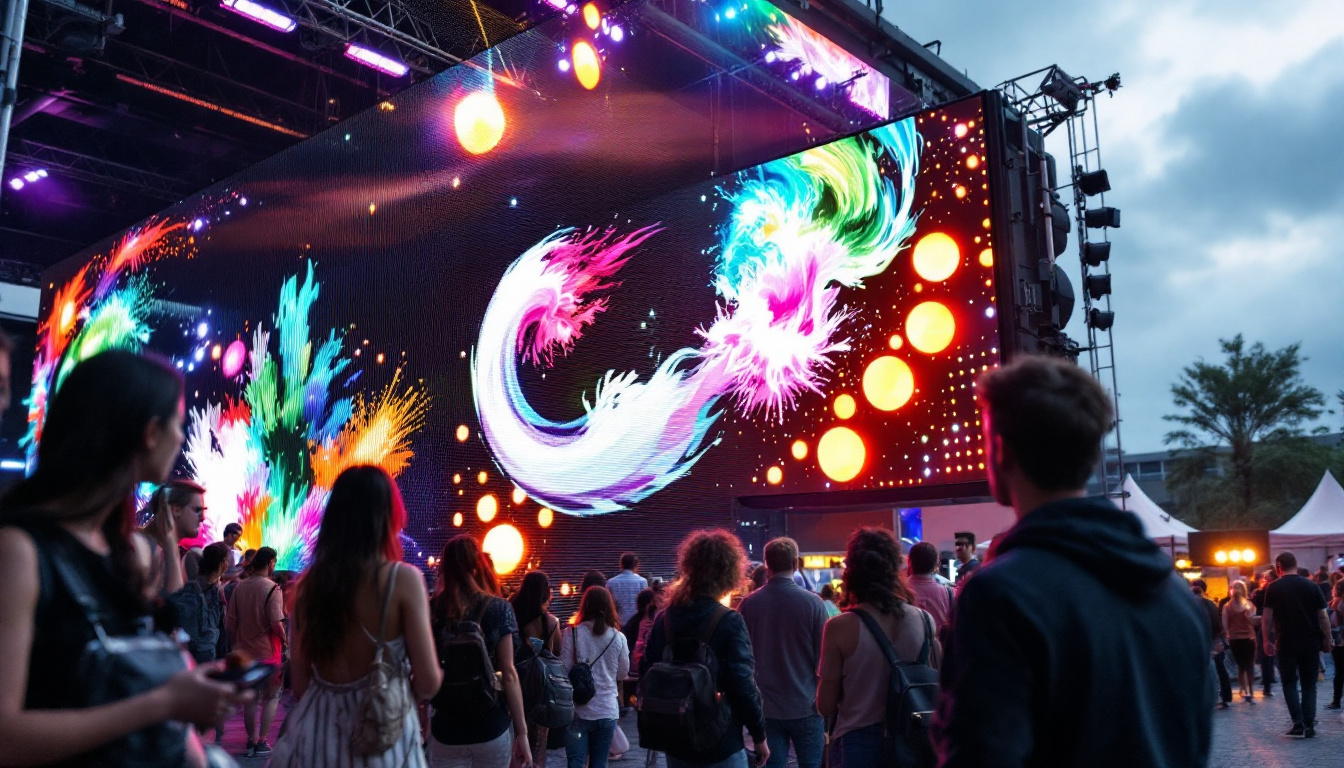
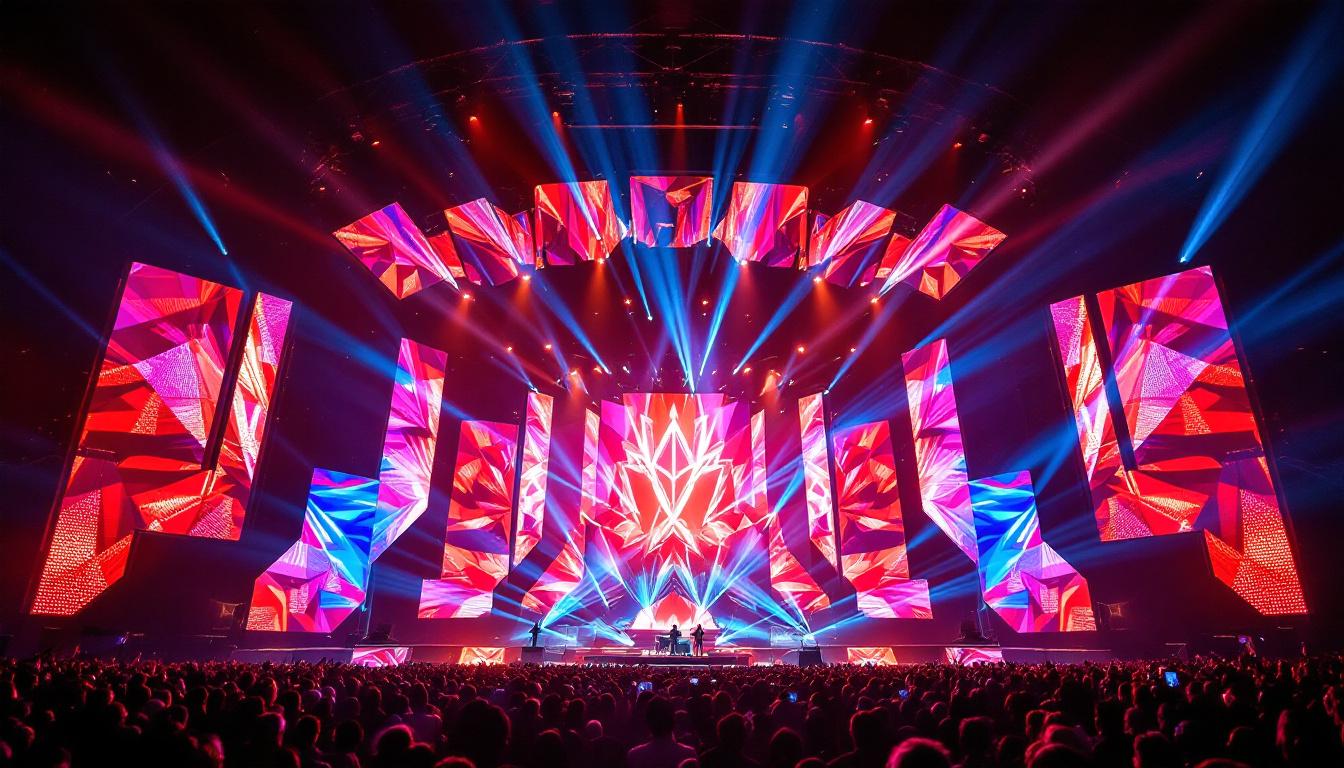
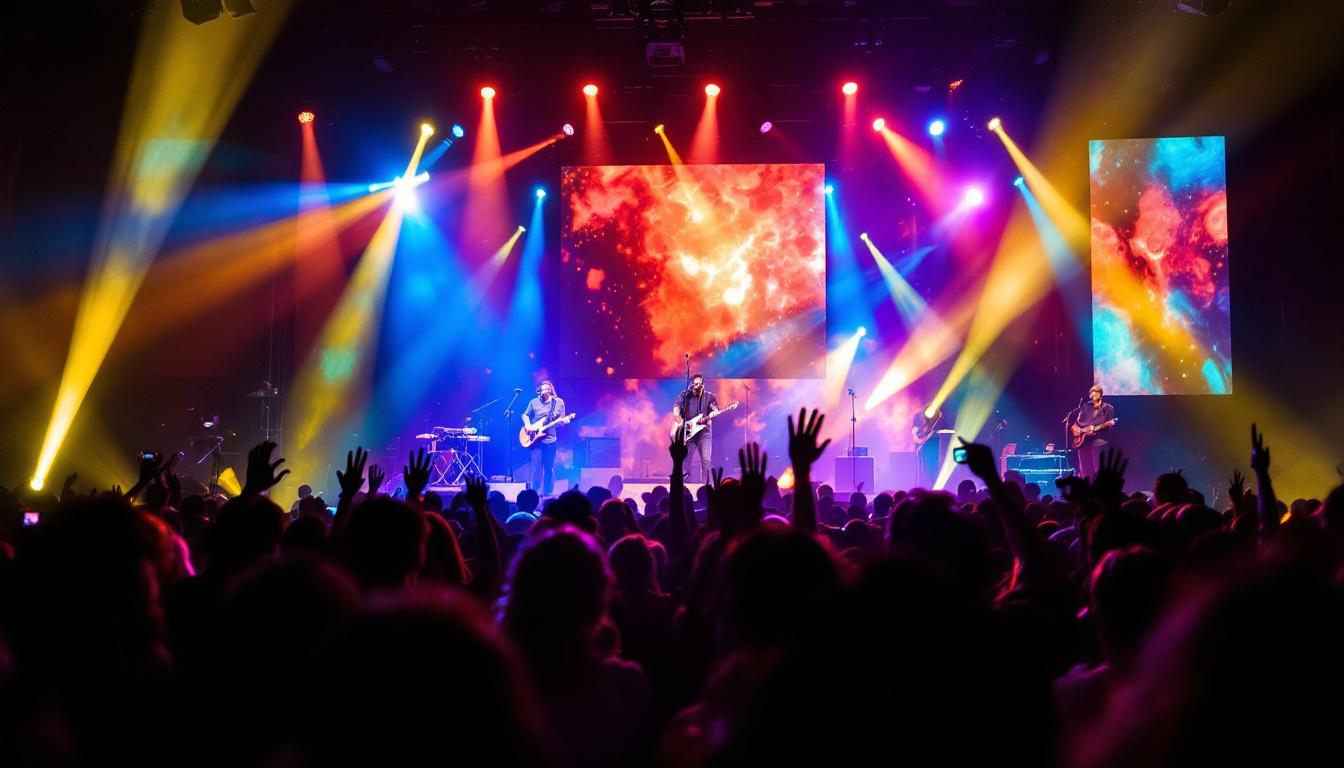
LED support walls have become a staple in corporate settings, particularly for conferences, trade shows, and product launches. Their ability to display dynamic content—ranging from branded visuals to live video feeds—enhances audience engagement and creates memorable experiences. For example, a technology company unveiling a new product might use an LED support wall as a backdrop to showcase product features with immersive animations. The vivid colors and high resolution of these displays can captivate attendees, drawing them into the presentation and ensuring that key messages resonate long after the event concludes.
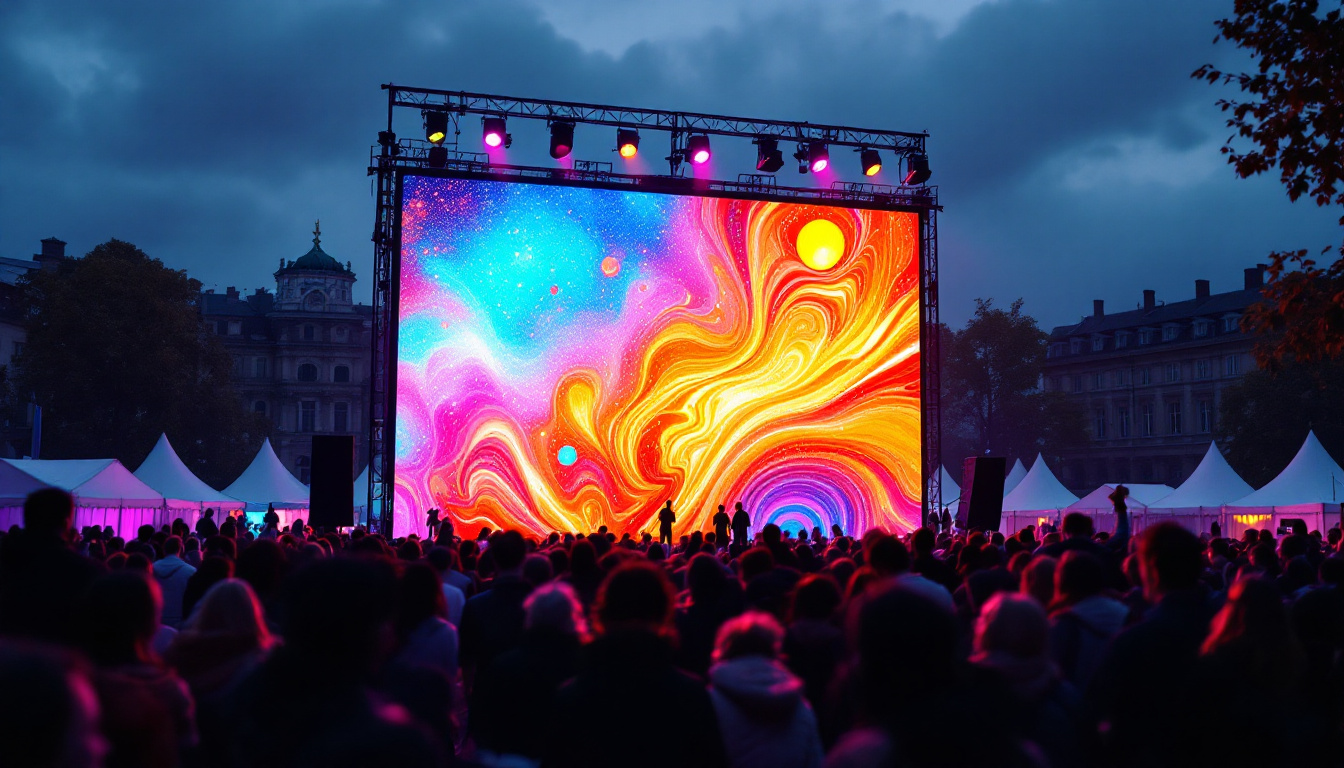
Events benefit from the modularity of LED panels, which can be configured into various sizes and shapes. This flexibility allows event organizers to tailor the visual experience to the venue’s dimensions and the event’s theme, contributing to a polished and professional atmosphere. Moreover, the integration of LED support walls with interactive elements, such as touch screens or QR codes, can further enhance audience participation. Attendees can engage with the content in real-time, providing feedback or accessing additional information, thereby creating a more immersive and interactive experience.
Retail and Advertising
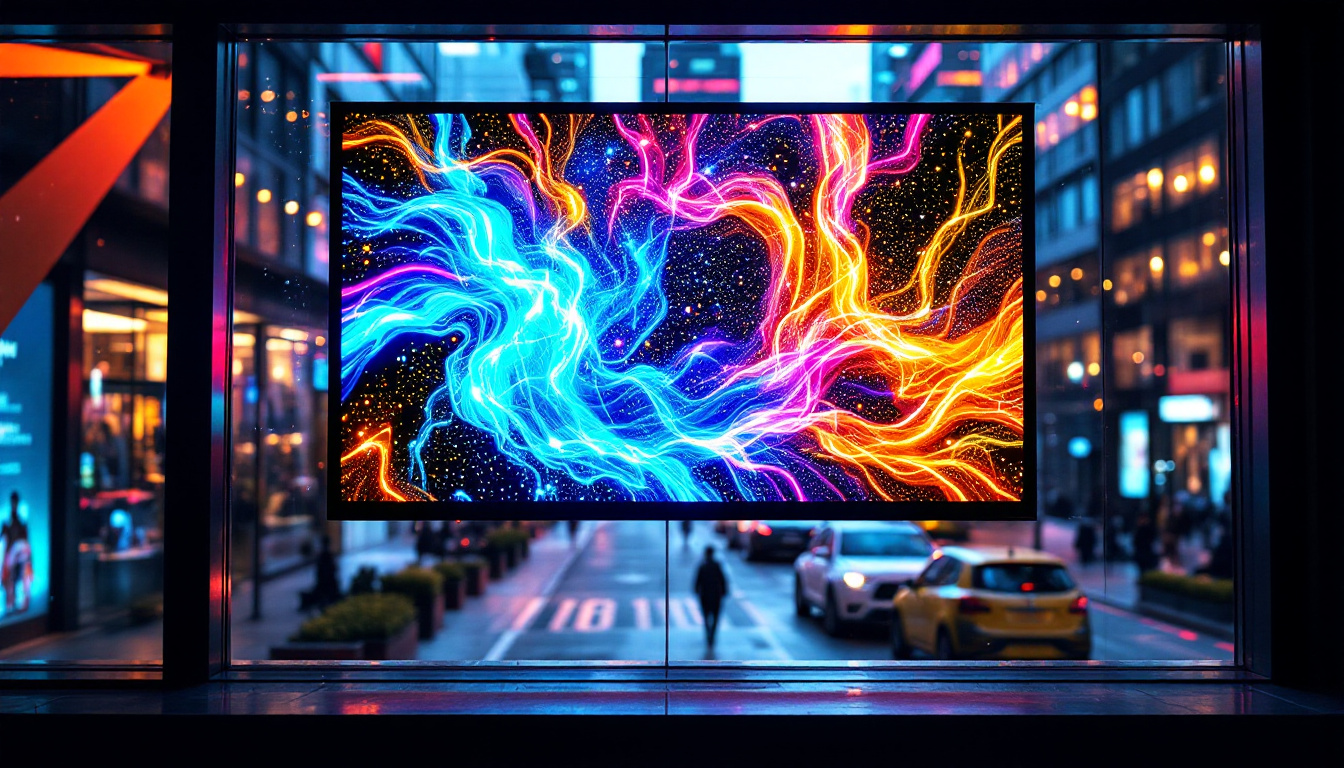
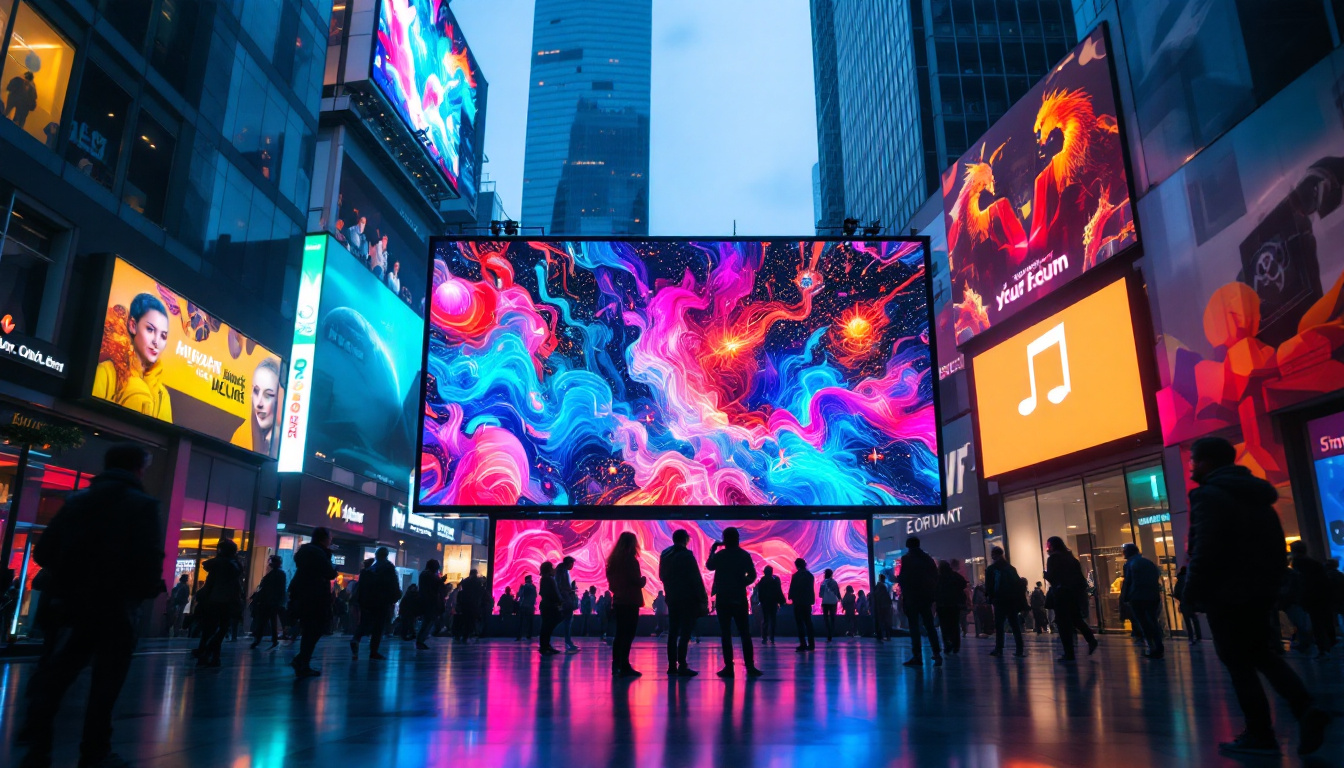
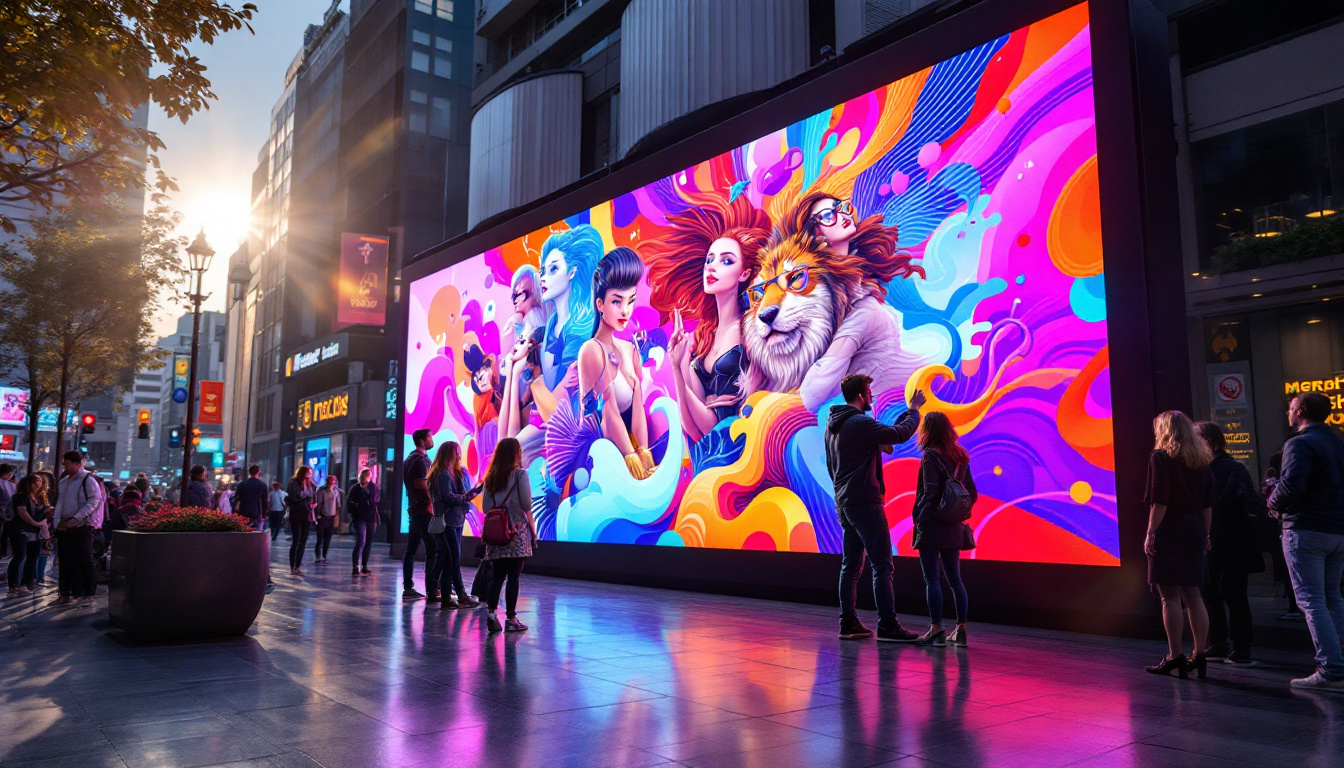
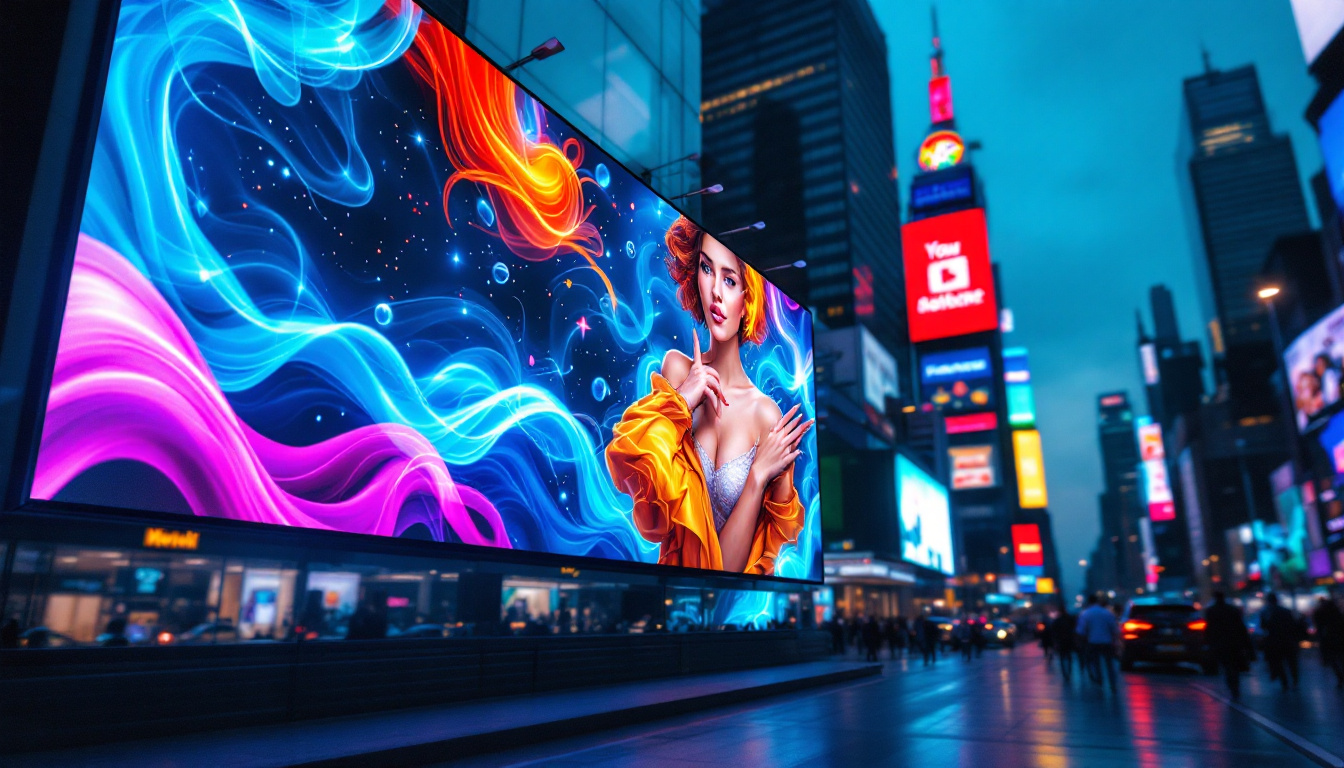
In retail environments, LED support walls are transforming window displays and in-store advertising. Their high brightness ensures visibility even under direct sunlight, making them ideal for storefronts. Brands use these walls to present promotional content, interactive advertisements, and real-time inventory updates, driving customer engagement and sales. The ability to change content quickly and easily allows retailers to respond to market trends or seasonal promotions, ensuring that their messaging remains fresh and relevant.
According to a 2023 report by the Digital Signage Federation, retailers that incorporated LED digital signage experienced an average sales uplift of 15-20% compared to static signage, underscoring the effectiveness of LED support walls in commercial settings. Additionally, the use of LED walls can create a sense of urgency with countdown timers for sales or limited-time offers, compelling customers to make quicker purchasing decisions. This dynamic approach not only enhances the shopping experience but also helps brands stand out in an increasingly competitive marketplace.
Public Spaces and Transportation Hubs
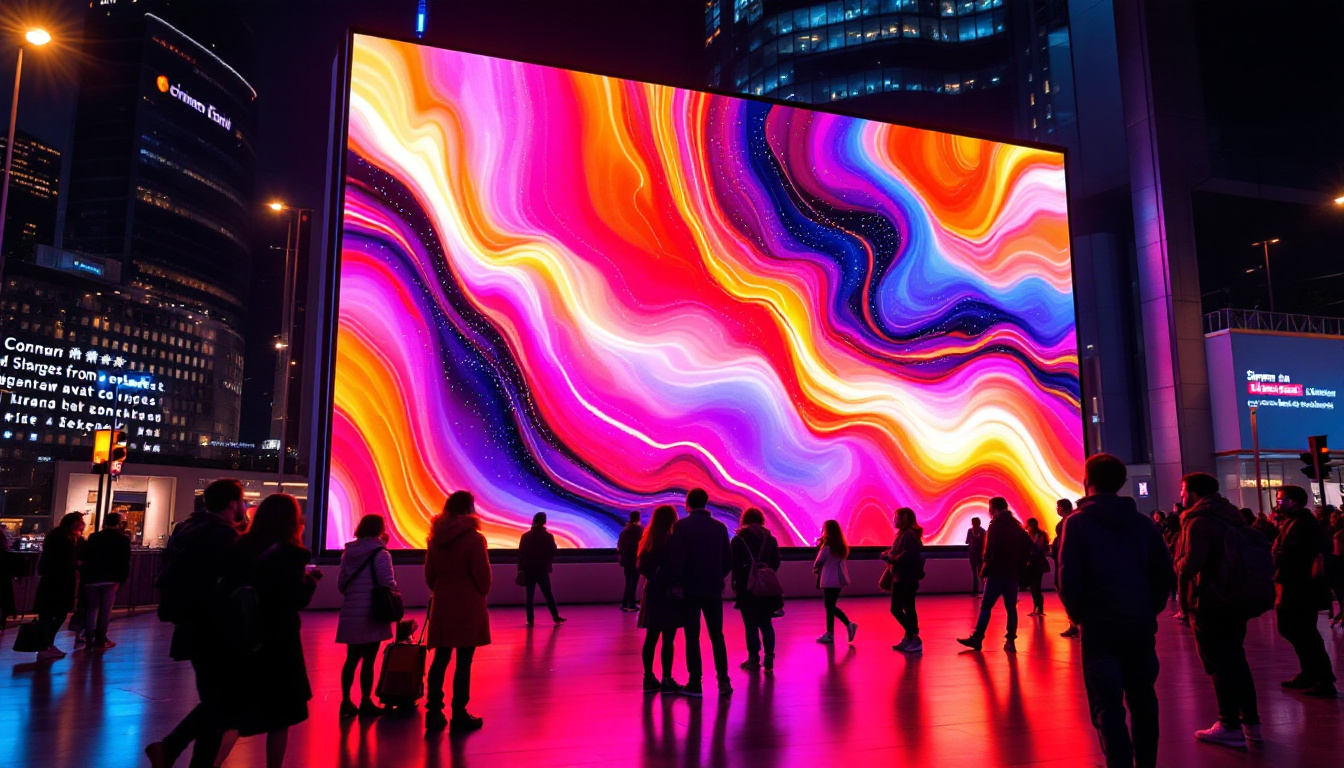
Airports, train stations, and urban centers increasingly rely on LED support walls for information dissemination and advertising. These displays can convey flight schedules, emergency alerts, wayfinding assistance, and promotional content simultaneously. Their durability and brightness make them well-suited for high-traffic, outdoor, or semi-outdoor locations. Furthermore, the ability to display multilingual content ensures that diverse populations can access vital information, enhancing the overall functionality of public spaces.
In addition to practical applications, LED support walls in transportation hubs can serve as platforms for local artists and community initiatives. By showcasing digital art or promoting local events, these displays can foster a sense of community and cultural engagement among travelers and residents alike. This not only beautifies the environment but also enriches the travel experience, making it more enjoyable and memorable. As cities continue to evolve, the integration of LED technology into public spaces will likely play a pivotal role in shaping the future of urban design and communication.
Benefits of Using LED Support Walls
Unmatched Visual Impact
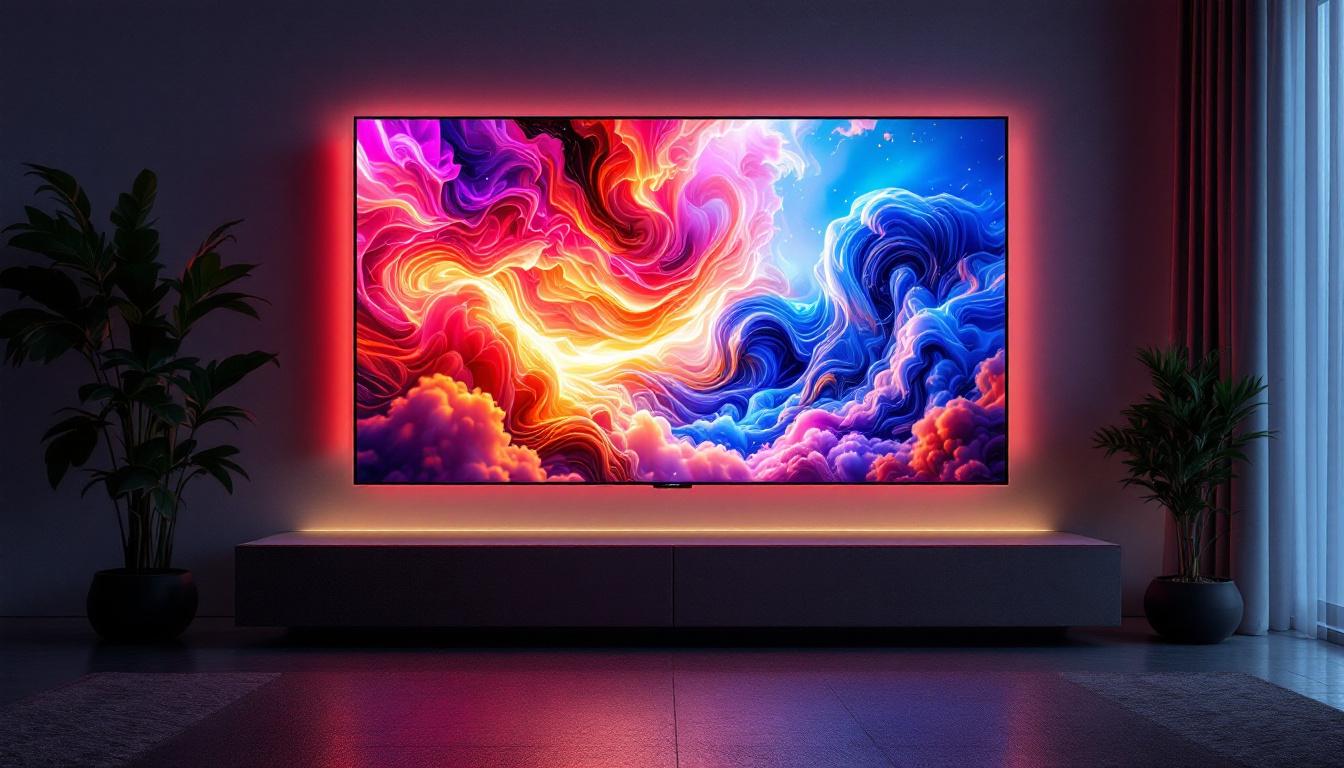
One of the primary advantages of LED support walls is their ability to deliver vivid, high-contrast images that captivate viewers. Unlike LCD or projection-based systems, LED displays offer superior brightness and color uniformity without the need for external light sources. This ensures visibility in a wide range of lighting conditions, from dim indoor environments to bright outdoor settings.
Scalability and Flexibility
LED support walls are inherently modular, allowing for scalable installations that can be expanded or reconfigured as needed. This adaptability is particularly valuable for businesses that anticipate growth or changing display requirements. Additionally, the ability to create curved or irregularly shaped walls opens up creative possibilities for designers and architects.
Energy Efficiency and Longevity
Modern LED displays are energy-efficient, consuming significantly less power than traditional lighting or projection systems. Advances in LED technology have also extended the lifespan of these displays, with many panels rated for 100,000 hours or more of operation. This translates to lower maintenance costs and reduced environmental impact over time.
Key Considerations When Implementing LED Support Walls
Resolution and Pixel Pitch Selection
Choosing the appropriate pixel pitch is critical to achieving the desired image quality. For installations where viewers will be close to the display—such as indoor retail or corporate lobbies—a fine pixel pitch of 1.5mm to 2.5mm is recommended. For larger, outdoor support walls viewed from a distance, pixel pitches of 4mm to 10mm are more cost-effective and visually adequate.
Structural and Environmental Factors
Support walls must be engineered to withstand the weight and heat generated by LED panels, especially in large-scale installations. Proper ventilation, weatherproofing, and structural reinforcement are essential to ensure longevity and safety. Outdoor installations require additional considerations such as waterproofing, UV resistance, and protection against vandalism.
Content Management and Integration
The effectiveness of an LED support wall depends heavily on the quality and relevance of the content displayed. Content management systems (CMS) that support real-time updates, scheduling, and multi-source integration enable operators to maximize the value of their investment. Integration with other digital platforms—such as social media feeds, live data streams, and interactive applications—can further enhance user engagement.
Future Trends in LED Support Wall Technology
MicroLED and MiniLED Innovations
Emerging technologies like MicroLED and MiniLED promise to push the boundaries of LED display performance. MicroLED, in particular, offers the potential for even higher resolution, improved color accuracy, and greater energy efficiency by using microscopic LEDs that self-illuminate without the need for backlighting.
Interactive and Smart Capabilities
Integration of touch sensors, motion detection, and AI-driven content personalization is transforming LED support walls into interactive experiences. These smart walls can adapt content based on audience demographics, behavior, or environmental cues, creating more engaging and targeted communication.
Sustainability and Circular Design
As sustainability becomes a priority, manufacturers are focusing on eco-friendly materials, modular designs for easy repair and recycling, and energy-saving features. The circular economy approach aims to reduce electronic waste by extending the lifecycle of LED panels and components.
Conclusion
LED support walls represent a powerful convergence of technology, design, and communication. Their ability to deliver stunning visual content at scale makes them invaluable across industries—from corporate events and retail to public spaces and transportation hubs. By understanding the technology, applications, and key considerations, businesses and organizations can leverage LED support walls to create impactful, flexible, and future-ready digital experiences.
As LED technology continues to advance, support walls will become even more versatile, interactive, and sustainable, solidifying their role as a cornerstone of modern visual communication strategies.
Explore Cutting-Edge LED Solutions with LumenMatrix
Ready to elevate your space with the unparalleled visual impact of LED support walls? LumenMatrix is at the forefront of LED display innovation, offering a diverse range of solutions tailored to your unique needs. From Indoor and Outdoor LED Wall Displays to specialized options like Vehicle, Sports, and Floor LED Displays, our products are designed to captivate and engage. Discover how our Custom, All-in-One, and Transparent LED Displays can transform your visual communication. Check out LumenMatrix LED Display Solutions today and step into the future of digital signage.