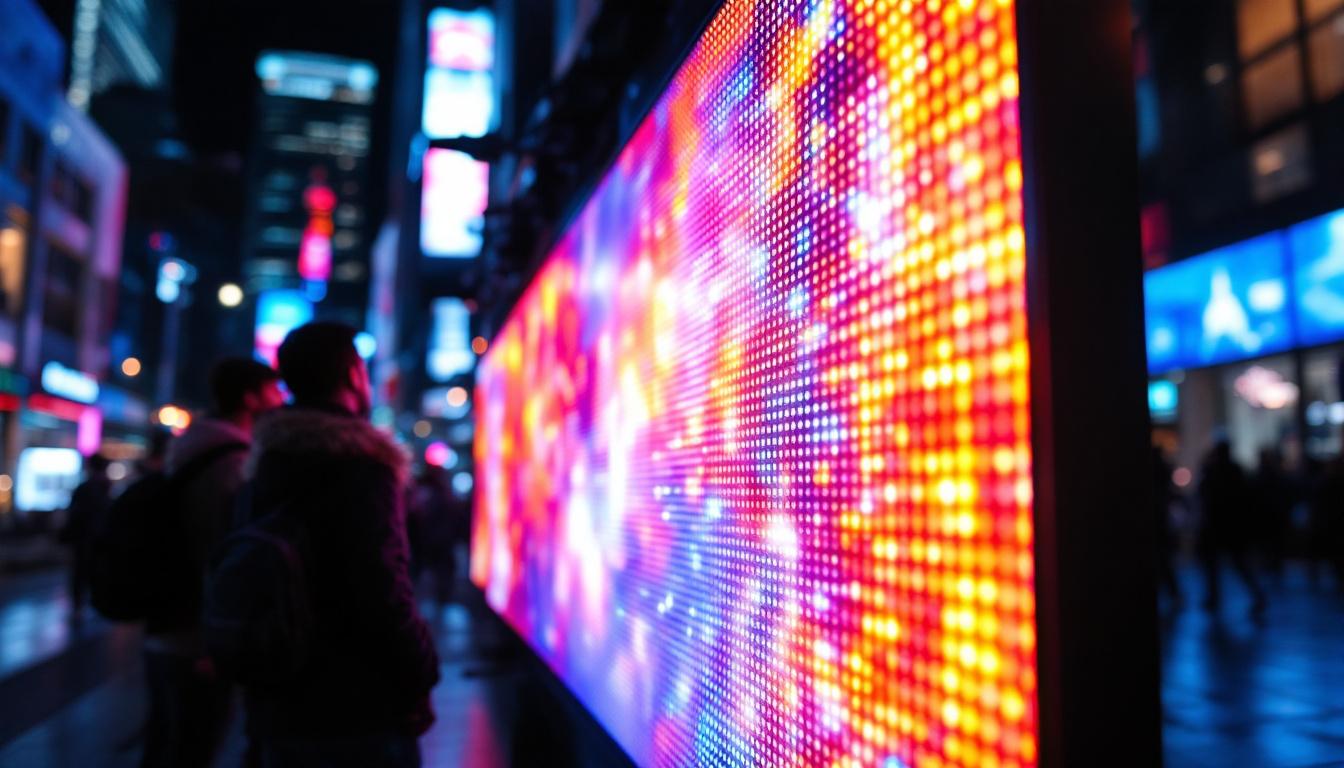
Projecting images onto walls has become an increasingly popular way to create immersive visual experiences, whether for home entertainment, business presentations, or public displays. Among the various technologies available, LED displays stand out for their brightness, clarity, and versatility. This article explores how to project an image on the wall using LED display technology, breaking down the essentials, advantages, and practical tips to help you achieve stunning results.
Understanding LED Display Technology
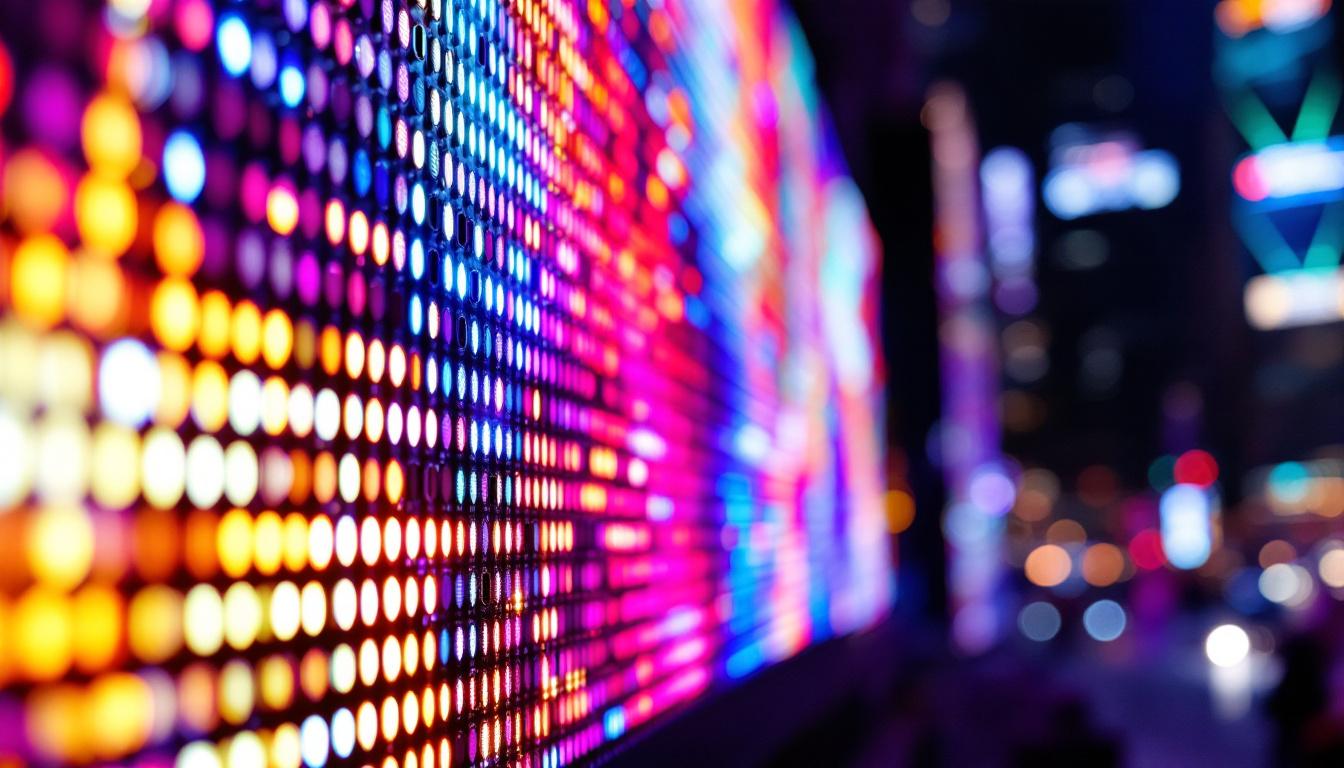
LED, or Light Emitting Diode, displays are a form of digital signage that utilizes tiny light-emitting diodes to create bright, vibrant images. Unlike traditional projectors that rely on bulbs and lenses to cast an image onto a surface, LED displays are self-illuminating panels composed of thousands of individual LEDs arranged in a grid. This fundamental difference influences how images are projected and viewed.
LED technology has evolved rapidly over the past decade. According to a report by Grand View Research, the global LED display market size was valued at over $15 billion in 2021 and is expected to grow at a compound annual growth rate (CAGR) of 13.9% from 2022 to 2030. This growth reflects the increasing demand for high-quality, energy-efficient display solutions in various sectors.
How LED Displays Differ From Traditional Projectors
Traditional projectors work by shining a light through an image source—such as an LCD or DLP chip—and then focusing that image onto a wall or screen. This method depends heavily on ambient lighting conditions and the surface quality of the projection area. In contrast, LED displays are composed of light sources themselves, meaning they do not require a separate light source or screen to display images.
This difference means LED displays can be used in a wider range of environments, including brightly lit rooms or outdoor settings, without losing image quality. Additionally, LED displays typically offer higher contrast ratios and more vivid colors, making them ideal for dynamic visual content.
Types of LED Displays for Wall Projection
When considering projecting images on a wall using LED technology, it’s important to understand the different types of LED displays available. Each type offers unique features suited to specific applications.
Direct View LED Panels
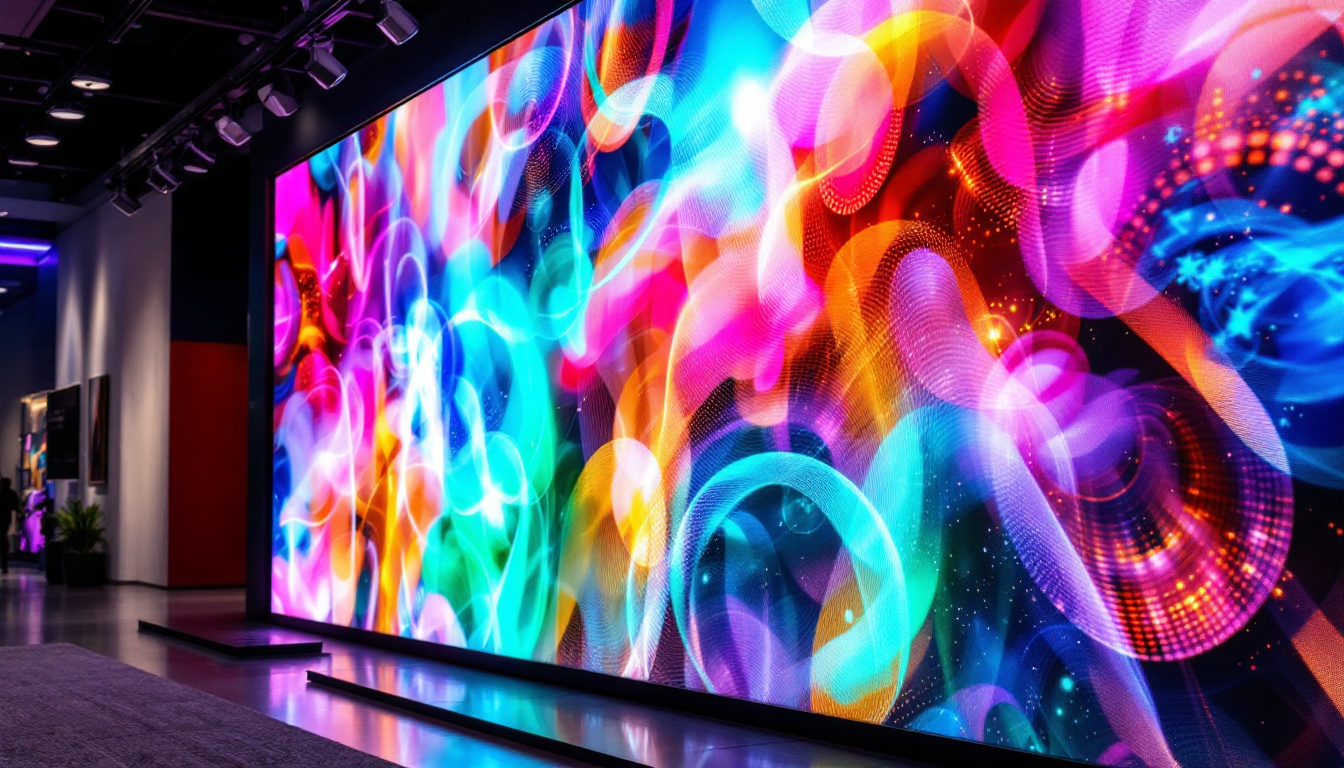
Direct view LED panels are the most common form of LED display. These panels are made up of LED modules that can be assembled into large screens or walls. Because the LEDs themselves emit light, these panels can be mounted directly onto walls without the need for a projection surface.
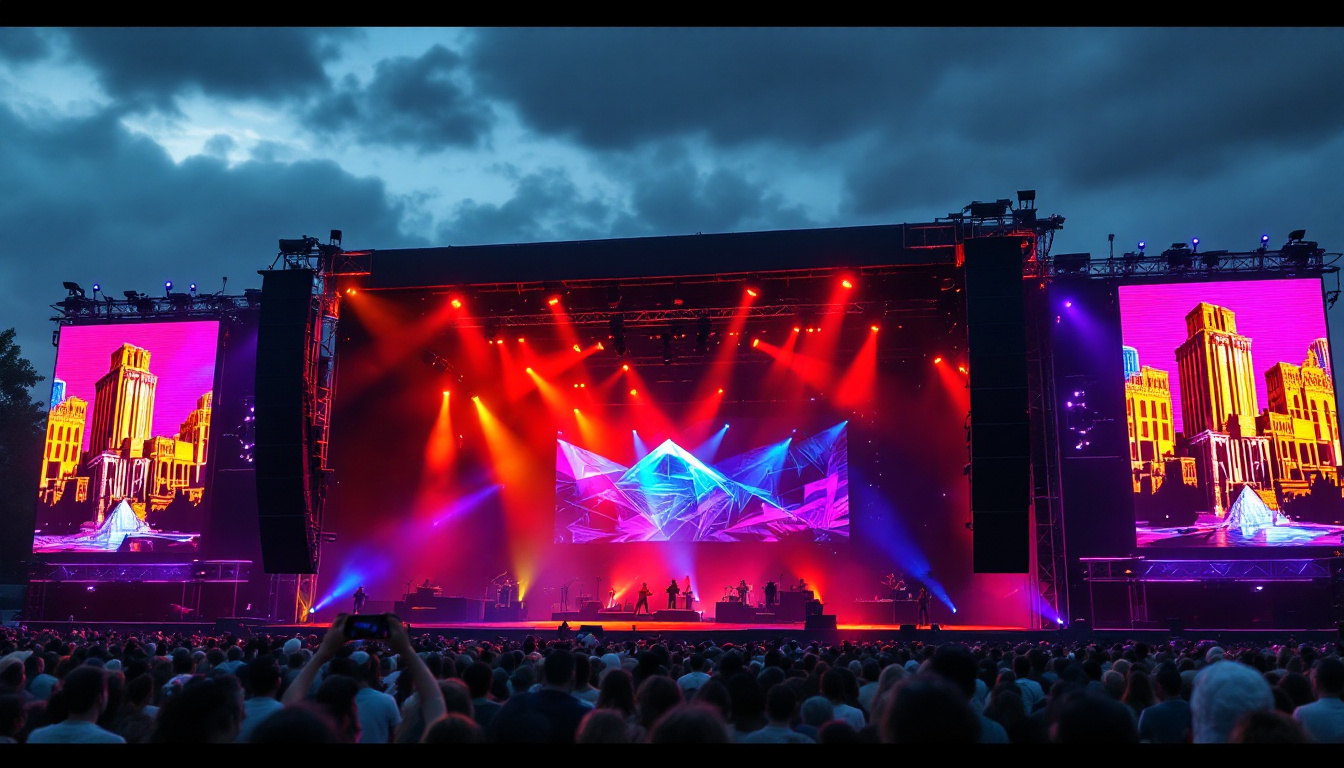
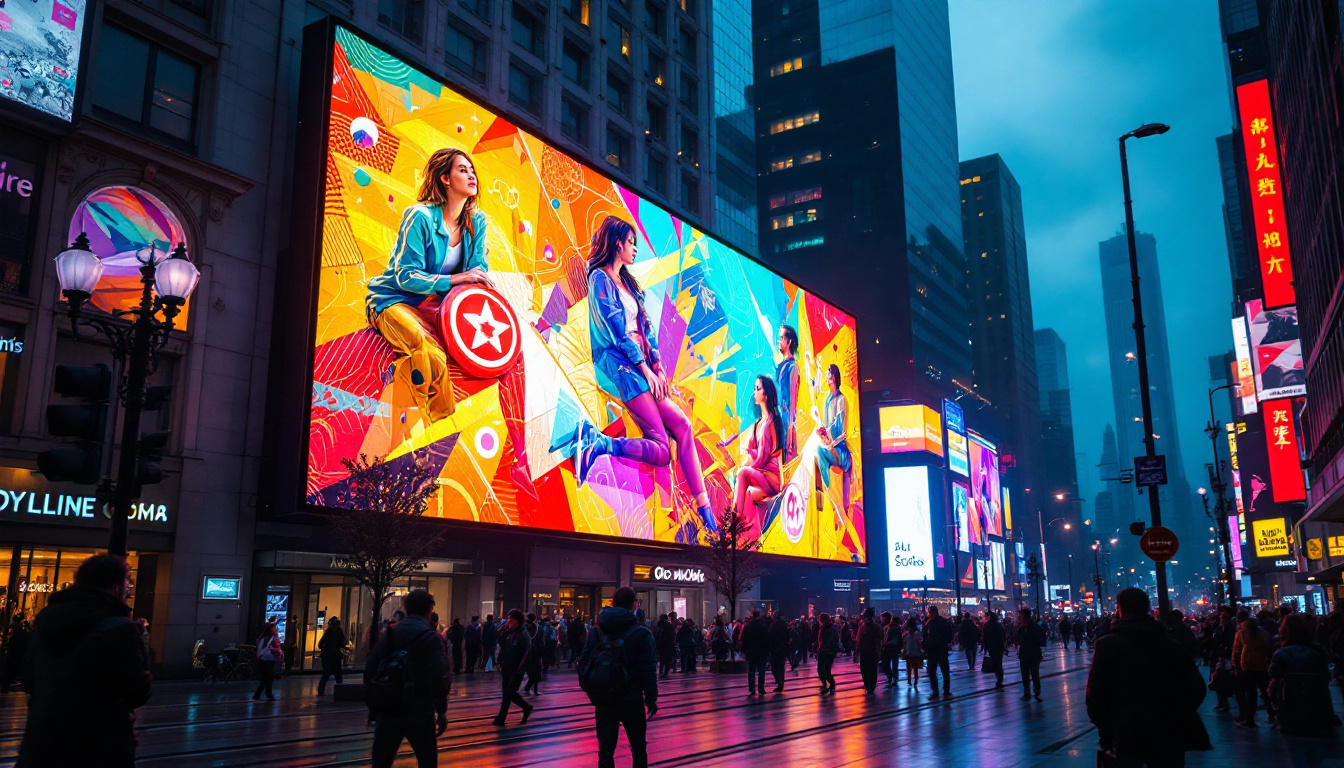
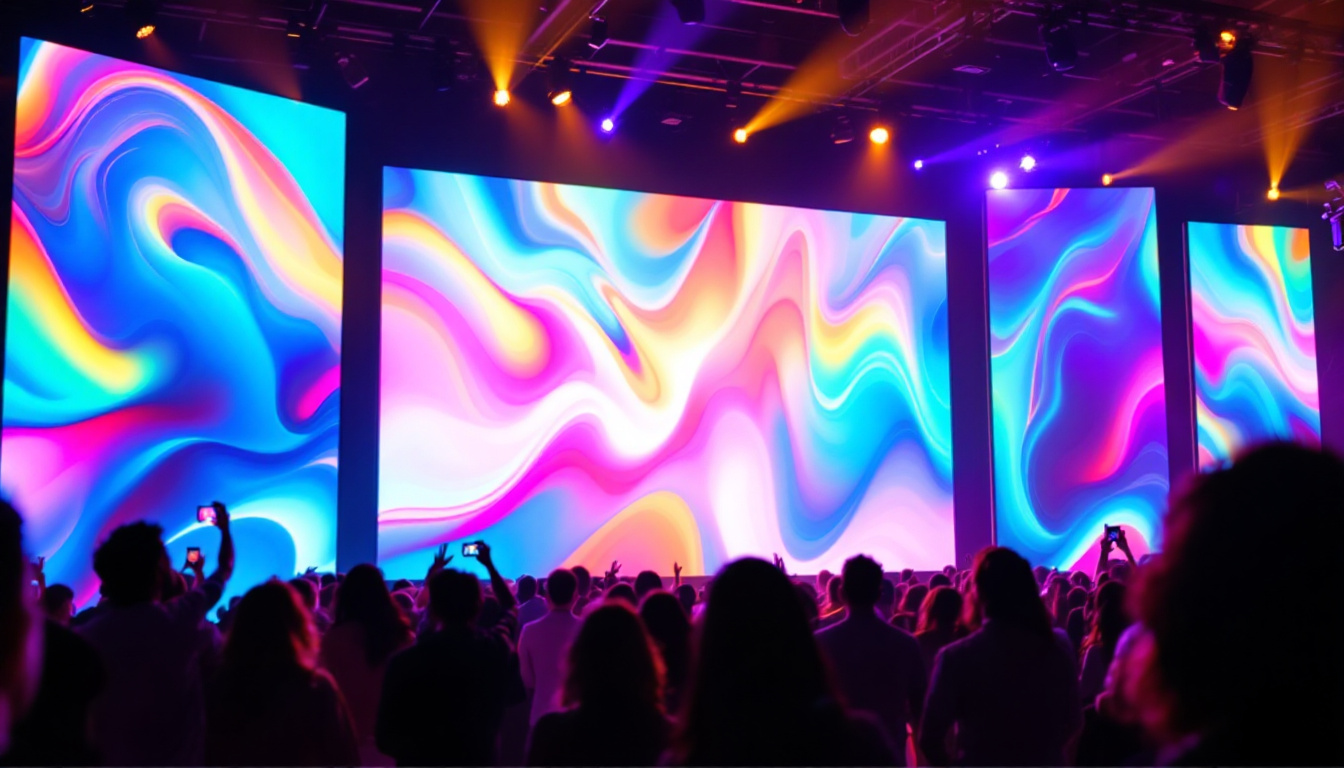
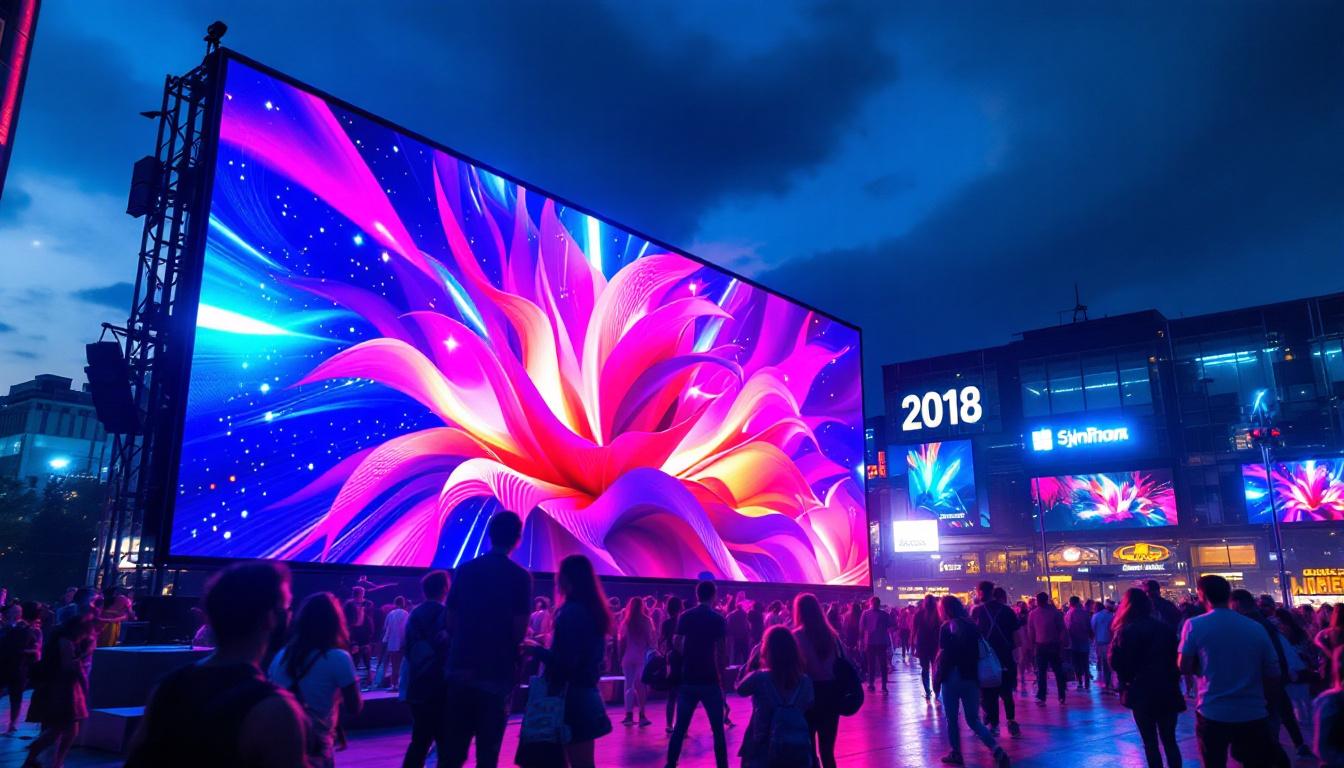
Direct view LED walls are widely used in commercial settings such as stadiums, concert venues, and retail environments. They offer excellent brightness and can be customized in size and resolution to fit the wall space perfectly.
LED Projection Mapping
Projection mapping is a technique that involves projecting images onto irregularly shaped surfaces, including walls, buildings, and sculptures. While traditional projection mapping uses standard projectors, LED-based projection mapping incorporates LED panels or strips that can be arranged to conform to the shape of the surface.
This approach allows for highly creative and visually striking displays, often used in advertising, art installations, and events. LED projection mapping can create the illusion of motion and transformation on static surfaces, enhancing viewer engagement.
LED Video Walls
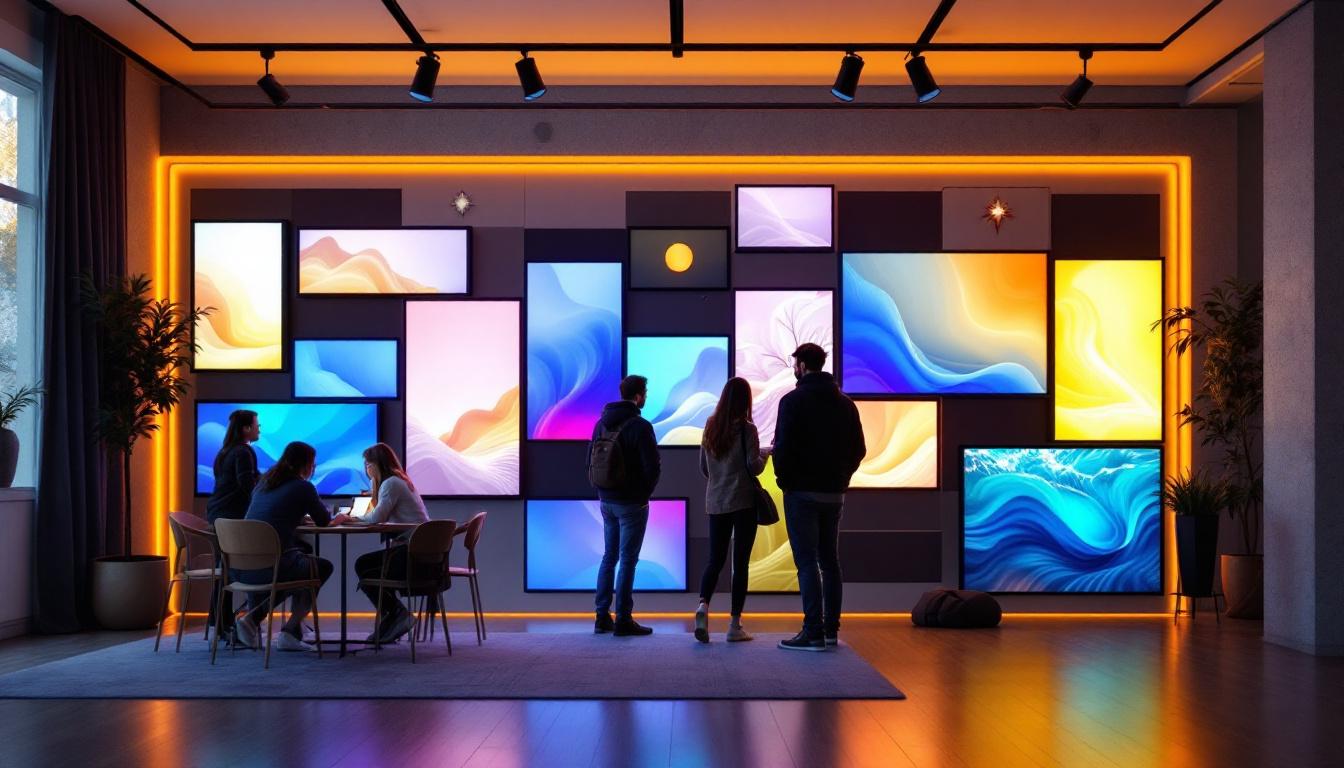
LED video walls are large-scale displays composed of multiple LED panels tiled together. These walls can be installed indoors or outdoors and are designed to deliver seamless, high-resolution images. Video walls are popular in control rooms, conference centers, and entertainment venues.
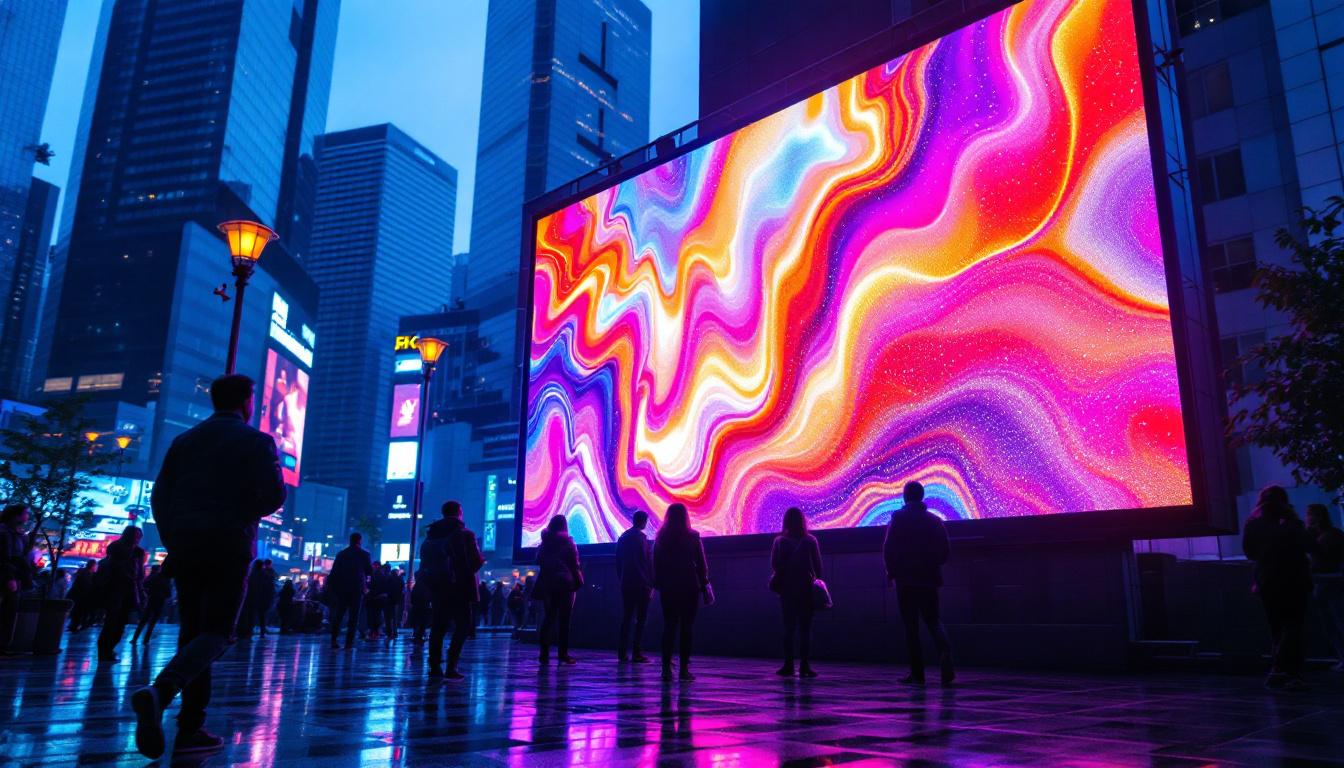
For projecting images on a wall, LED video walls provide a robust and scalable solution. Their modular design means they can be tailored to fit various wall sizes and shapes, offering flexibility for different environments.
Setting Up an LED Display for Wall Projection
Once you’ve chosen the appropriate LED display type, the next step is setting it up for projecting images on your wall. This process involves several key considerations to ensure optimal image quality and performance.
Choosing the Right Location and Surface
The location of your LED display installation significantly impacts the viewing experience. Ideally, the wall should be structurally sound and capable of supporting the weight of the LED panels. Additionally, the surface should be smooth and flat to avoid distortion or gaps between panels.
While LED displays do not require a traditional projection screen, the wall’s color and texture can affect the perceived image quality. Neutral-colored walls, such as white or light gray, tend to reflect LED light more effectively, enhancing brightness and color accuracy.
Ensuring Proper Power and Connectivity
LED displays require a stable power supply and data connectivity to function correctly. Depending on the size and resolution of the display, power requirements can vary significantly. It’s essential to consult the manufacturer’s specifications and ensure your installation site can accommodate these needs.
Connectivity options typically include HDMI, DisplayPort, or specialized LED control systems. For large installations, networked control systems allow for centralized management of content and display settings, which is particularly useful for dynamic or multi-screen setups.
Calibrating the Display
Calibration is crucial for achieving the best image quality on an LED display. This process involves adjusting brightness, contrast, color balance, and uniformity across the entire display surface. Professional calibration tools and software are often used to fine-tune these parameters.
Proper calibration ensures that the projected images appear consistent and true to the original content, regardless of viewing angle or ambient lighting conditions.
Benefits of Using LED Displays for Wall Projection
LED displays offer numerous advantages over traditional projection methods, making them an attractive option for a wide range of applications.
Superior Brightness and Visibility
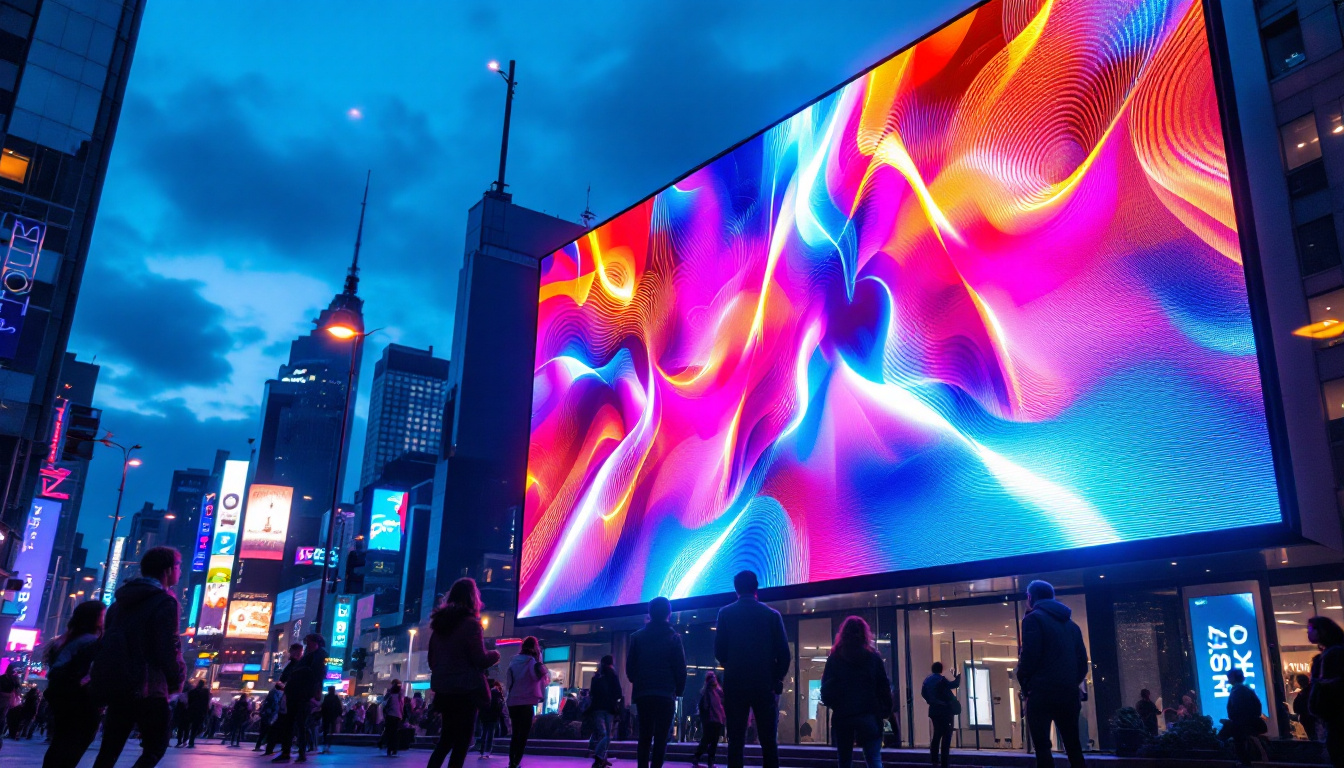
One of the most significant benefits of LED displays is their exceptional brightness. LEDs can achieve luminance levels far exceeding those of conventional projectors, making images easily visible even in well-lit environments or direct sunlight.
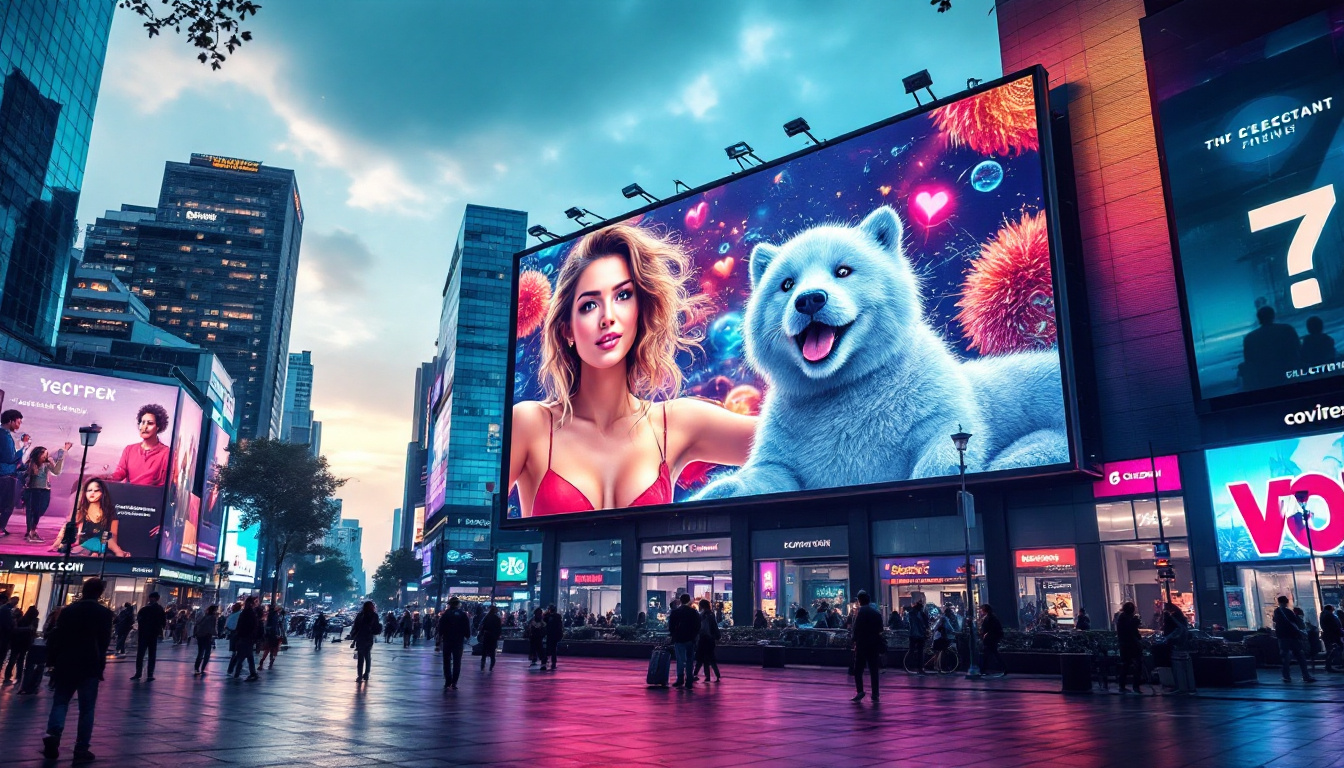
This brightness advantage is particularly important for outdoor advertising, retail displays, and public events where ambient light cannot be controlled.
Energy Efficiency and Longevity
LED technology is known for its energy efficiency. Compared to traditional projector bulbs, LEDs consume less power and generate less heat, reducing operating costs and environmental impact.
Moreover, LEDs have a longer lifespan, often rated for 50,000 hours or more, which means less frequent replacements and lower maintenance expenses. This longevity is a key consideration for businesses investing in large-scale display installations.
Flexibility and Customization
LED displays can be customized in size, resolution, and shape to fit virtually any wall or surface. Their modular nature allows for creative configurations, including curved or irregular shapes, enabling unique visual experiences that traditional projectors cannot easily replicate.
This flexibility makes LED displays suitable for diverse applications, from corporate branding to immersive art installations.
Practical Tips for Projecting Images on Walls Using LED Displays
To maximize the impact of your LED wall projection, consider the following practical tips based on industry best practices.
Optimize Content for LED Displays
Content designed for LED displays should take advantage of their high brightness and color capabilities. Use high-resolution images and videos to prevent pixelation, especially on large walls.
Dynamic content with vibrant colors and contrast tends to perform best, capturing viewers’ attention and enhancing engagement. Avoid overly dark or low-contrast visuals, which may appear washed out even on bright LED panels.
Consider Viewing Distance and Angle
The optimal viewing distance for LED displays depends on the pixel pitch—the distance between individual LEDs. Smaller pixel pitches provide higher resolution and are suitable for close-up viewing, while larger pitches are better for distant viewing.
Ensure that your installation accounts for the typical audience distance and viewing angles to maintain image clarity and color consistency.
Maintain and Clean the Display Regularly
LED displays require routine maintenance to preserve image quality and extend lifespan. Dust, dirt, and moisture can accumulate on the panels, potentially affecting brightness and causing damage.
Regular cleaning with appropriate materials and following manufacturer guidelines helps prevent these issues. Additionally, periodic inspections can identify and address any technical problems early.
Common Challenges and How to Overcome Them
While LED displays offer many benefits, there are challenges to consider when projecting images on walls.
Initial Investment Cost
LED display installations can be costly upfront, especially for high-resolution or large-scale walls. However, the long-term benefits in energy savings, durability, and visual impact often justify the investment.
To manage costs, consider phased installations or leasing options, and prioritize critical areas for the highest impact.
Technical Complexity
Installing and operating LED displays requires technical expertise in areas such as electrical wiring, data connectivity, and calibration. Partnering with experienced professionals ensures a smooth setup and optimal performance.
Training for in-house staff on content management and basic troubleshooting can also help maintain the display effectively.
Environmental Factors
Outdoor LED displays must withstand weather conditions such as rain, wind, and temperature fluctuations. Selecting displays with appropriate IP ratings (Ingress Protection) and robust enclosures is essential for durability.
Indoor installations should consider ventilation and ambient lighting to optimize performance and longevity.
Future Trends in LED Wall Projection
The LED display industry continues to innovate, with emerging trends shaping the future of wall projection.
MicroLED Technology
MicroLED is an emerging display technology that uses microscopic LEDs to create even higher resolution and brightness levels with improved energy efficiency. This technology promises thinner, lighter, and more flexible displays, potentially revolutionizing wall projection applications.
Interactive LED Walls
Interactive LED walls integrate touch and motion sensors, allowing users to engage directly with the projected content. This interactivity is gaining traction in retail, education, and entertainment sectors, enhancing user experience and engagement.
Integration with Augmented Reality (AR)
Combining LED wall projections with augmented reality technologies enables immersive environments where digital content blends seamlessly with physical spaces. This integration opens new possibilities for advertising, training, and artistic expression.
Conclusion
Projecting images on walls using LED display technology offers a powerful and versatile solution for creating vivid, high-impact visual experiences. Understanding the different types of LED displays, proper installation techniques, and maintenance practices is essential for maximizing their potential.
As LED technology continues to advance, the opportunities for innovative and engaging wall projections will expand, making LED displays an increasingly valuable tool for businesses, artists, and educators alike.
Discover LumenMatrix LED Display Solutions
Ready to elevate your visual experience with the latest in LED display technology? Look no further than LumenMatrix, a pioneer in crafting LED display modules that transform any space into a dynamic visual spectacle. Whether you need an Indoor LED Wall Display for your corporate headquarters, an Outdoor LED Wall Display for high-traffic advertising, or any of our specialized solutions like Vehicle, Sports, or Floor LED Displays, LumenMatrix has you covered. Embrace the future of visual communication and captivate your audience with unparalleled clarity and impact. Check out LumenMatrix LED Display Solutions today and see your vision come to life.