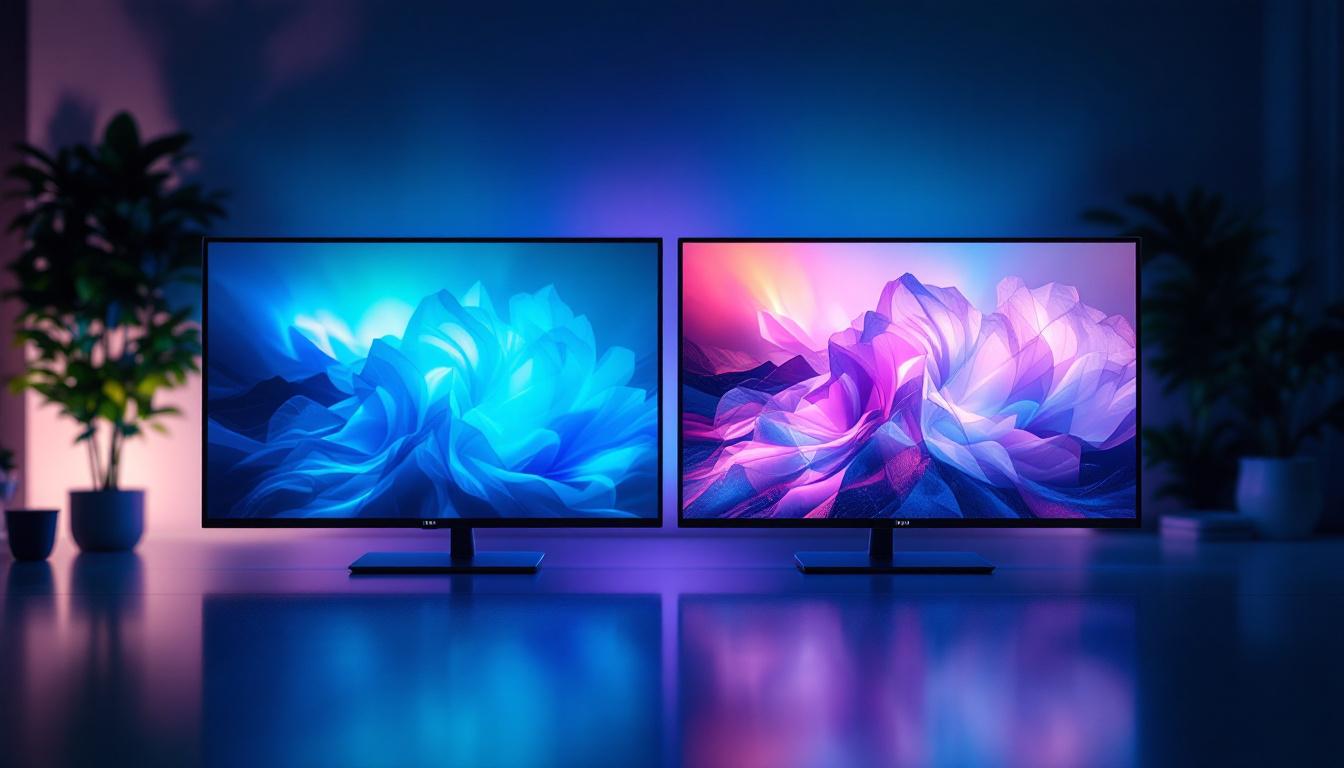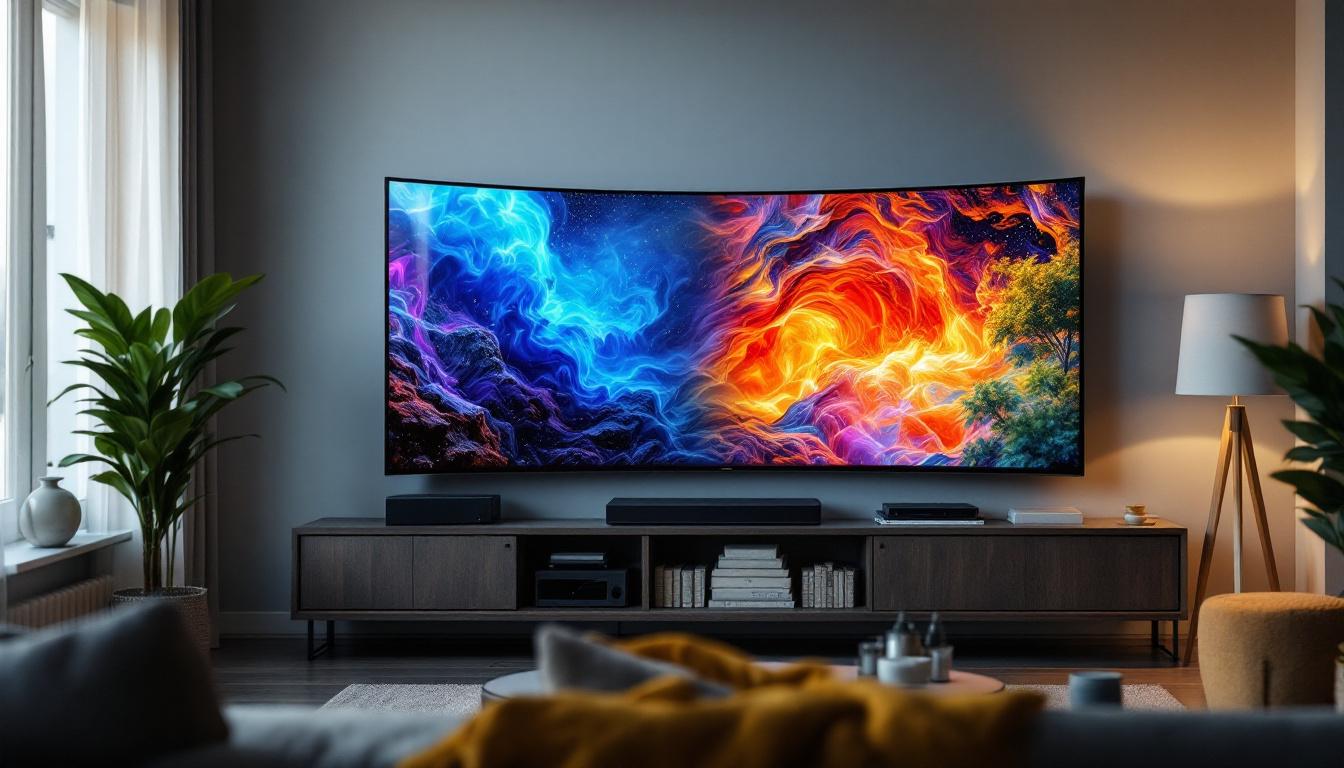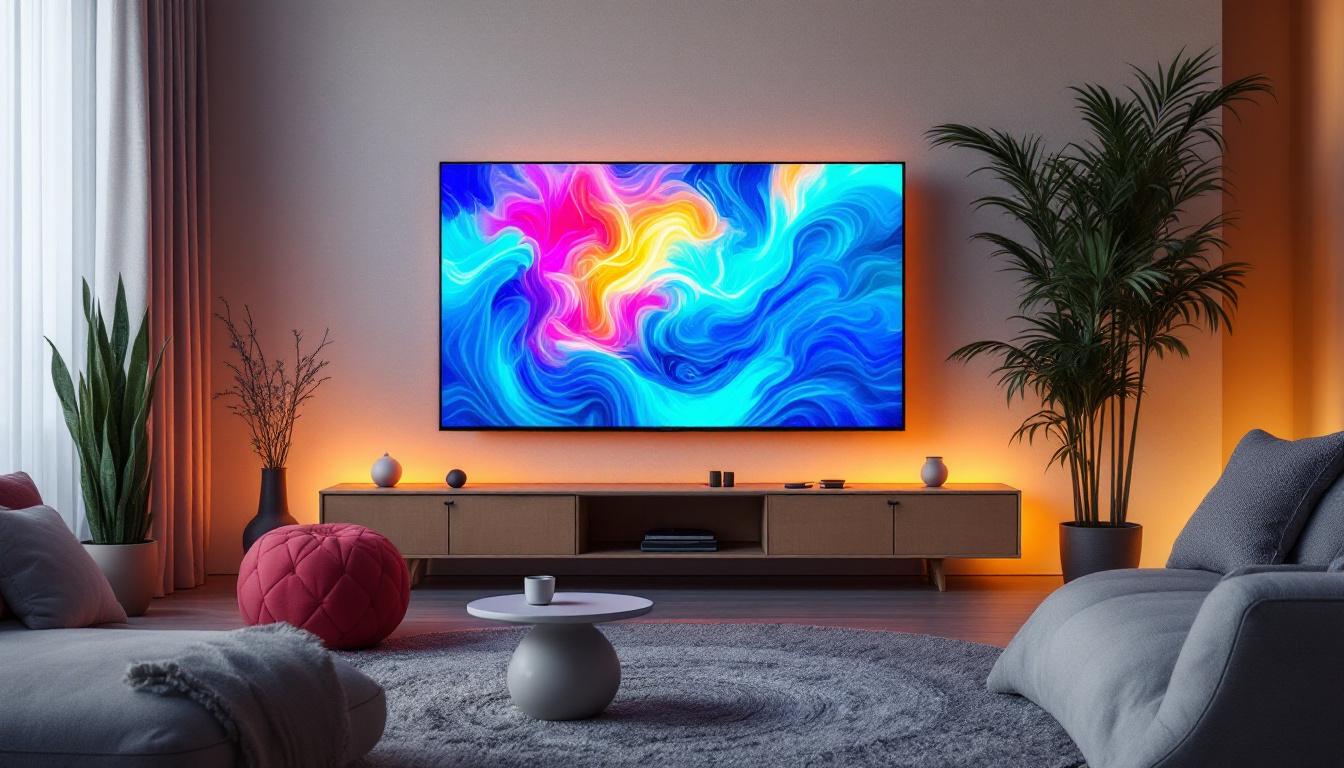
In the ever-evolving world of display technology, two dominant players have shaped the way we experience visual media: plasma and LED displays. Both have unique characteristics that influence picture quality, energy consumption, and overall user experience. Understanding these differences is crucial for consumers, professionals, and enthusiasts looking to make informed decisions when purchasing or utilizing display screens.
This article delves into the intricacies of plasma and LED displays, exploring how each technology works, their advantages and limitations, and the contexts in which one might outperform the other. By the end, readers will have a comprehensive understanding of these technologies and be better equipped to choose the right display for their needs.
Understanding Plasma Display Technology
How Plasma Displays Work
Plasma displays operate using small cells containing electrically charged ionized gases—commonly referred to as plasma. Each cell corresponds to a pixel on the screen and emits ultraviolet light when excited by an electric current. This ultraviolet light then interacts with phosphor coatings inside the cells, producing visible light in red, green, or blue. By controlling the intensity of these colors, plasma screens create a full spectrum of images.
This technology was first introduced commercially in the late 1990s and quickly gained popularity for its ability to produce deep blacks and vibrant colors. Unlike LCDs, plasma screens do not require a backlight, which contributes to their superior contrast ratios.
Advantages of Plasma Displays
One of the most praised features of plasma displays is their excellent color accuracy and wide viewing angles. Because each pixel emits its own light, plasma screens maintain consistent brightness and color fidelity even when viewed from sharp angles. This makes them ideal for environments where multiple viewers watch from different positions.
Additionally, plasma displays excel in rendering fast-moving images with minimal motion blur, making them a favorite for sports enthusiasts and gamers. Their ability to produce true blacks enhances the overall picture quality, especially in dark scenes, which is a critical factor for cinematic viewing experiences.
Limitations and Decline in Popularity
Despite their impressive picture quality, plasma displays have some notable drawbacks. They tend to consume more power compared to LED counterparts, which can lead to higher electricity costs over time. Furthermore, plasma screens are generally heavier and thicker, limiting their placement options.
Another concern has been the potential for screen burn-in, where static images displayed for prolonged periods leave a permanent ghost image. Although manufacturers have introduced various mitigation techniques, this issue has contributed to plasma’s decline in the consumer market.
LED Display Technology: The Modern Standard
What is an LED Display?
LED stands for Light Emitting Diode. In the context of displays, LED technology is most commonly associated with LCD (Liquid Crystal Display) panels that use LED backlighting instead of traditional fluorescent lights. This hybrid approach combines the liquid crystal’s ability to modulate light with the efficiency and brightness of LEDs.
There are several types of LED displays, including edge-lit and full-array backlit models. More recently, advancements have led to the development of OLED (Organic LED) and MicroLED technologies, which differ significantly but share the core principle of using LEDs to generate or control light.
Benefits of LED Displays
LED displays are known for their energy efficiency and slim form factors. They consume significantly less power than plasma screens, making them more environmentally friendly and cost-effective in the long run. Their lightweight design allows for thinner TVs and monitors, which are easier to mount and integrate into modern living spaces.
Additionally, LED displays offer high brightness levels, enabling better visibility in well-lit rooms. This makes them suitable for a variety of environments, from bright offices to outdoor digital signage. The technology also supports higher resolutions and HDR (High Dynamic Range), enhancing the overall viewing experience with more detail and dynamic contrast.
Challenges and Considerations
While LED displays have many advantages, they are not without limitations. Traditional LED-backlit LCDs often struggle with achieving the same deep blacks and contrast ratios as plasma screens because the backlight can bleed through the liquid crystals. This can result in less vibrant dark scenes and reduced overall picture depth.
Viewing angles can also be narrower compared to plasma technology, with color and brightness shifting when viewed from the side. However, recent innovations such as IPS (In-Plane Switching) panels have mitigated these issues considerably.
Comparing Picture Quality: Plasma vs. LED
Contrast and Black Levels
Contrast ratio is a critical factor in picture quality, representing the difference between the darkest black and the brightest white a display can produce. Plasma displays typically deliver superior contrast ratios because each pixel emits its own light and can be turned off completely to produce true blacks.
LED displays, particularly those with edge lighting, can suffer from light bleed, which diminishes black levels. Full-array local dimming (FALD) LED models have improved this by selectively dimming parts of the screen, but they still generally fall short of plasma’s black depth.
Color Accuracy and Brightness
Plasma screens are renowned for their rich and accurate color reproduction, thanks to their ability to produce a wide color gamut and smooth gradations. However, LED displays have made significant strides, especially with the incorporation of quantum dot technology, which enhances color vibrancy and accuracy.
In terms of brightness, LED displays have a clear advantage. They can achieve much higher peak brightness levels, which is beneficial for viewing in bright rooms or for HDR content. Plasma displays, while capable of vivid colors, typically have lower maximum brightness.
Motion Handling and Refresh Rates
Plasma technology inherently supports fast refresh rates and minimal motion blur due to the rapid response time of its pixels. This makes plasma ideal for fast-paced content such as sports and action movies.
LED displays have improved greatly with technologies like variable refresh rates and motion interpolation, but some models may still exhibit motion artifacts or blurring, especially at lower refresh rates.
Energy Consumption and Environmental Impact
Power Efficiency
Energy consumption is a growing concern for consumers and manufacturers alike. Plasma displays generally consume more power than LED displays, sometimes up to 50% more depending on screen size and usage. This higher energy demand can lead to increased electricity bills and a larger carbon footprint.
LED displays, by contrast, are much more energy-efficient. Advances in LED technology and power management have reduced their consumption, making them a preferred choice for environmentally conscious users and businesses.
Material Use and Longevity
Plasma displays contain gases and phosphors that require careful handling and disposal to avoid environmental harm. Additionally, plasma panels have a shorter lifespan compared to LEDs, with typical operational life ranging from 30,000 to 60,000 hours before noticeable degradation.
LED displays often boast longer lifespans, sometimes exceeding 100,000 hours, and use materials that are easier to recycle. This longevity contributes to reduced electronic waste over time.
Choosing the Right Display for Your Needs
Use Case Considerations
When selecting between plasma and LED displays, the intended use plays a significant role. For home theater enthusiasts prioritizing cinematic experience with deep blacks and accurate colors, plasma displays historically offered unmatched performance.
However, with plasma production largely discontinued by major manufacturers since the mid-2010s, LED displays have become the mainstream choice. Modern LED TVs, especially those with OLED or QLED technology, now rival or surpass plasma in many picture quality aspects.
Budget and Availability
Plasma displays are no longer widely available in the consumer market, which limits options and support. LED displays offer a broad range of prices and features, catering to budget-conscious buyers as well as premium users seeking cutting-edge technology.
Considering future-proofing and access to new features like smart TV capabilities, HDR standards, and 4K or 8K resolutions, LED displays provide more versatility and longevity.
Environmental and Practical Factors
For users concerned about power consumption and environmental impact, LED displays are the better choice. Their lower energy use and longer lifespan contribute to sustainability goals.
Additionally, the lighter weight and thinner profiles of LED TVs make them easier to install and integrate into modern living spaces, enhancing their practicality.
The Future of Display Technology
Emerging Innovations
Display technology continues to advance rapidly. OLED and MicroLED displays represent the next generation, combining the best features of plasma and LED technologies. OLEDs offer perfect blacks and vibrant colors with self-emissive pixels, while MicroLEDs promise even higher brightness, durability, and scalability.
These innovations are gradually becoming more accessible, signaling a shift away from traditional plasma and LCD-based LED displays. Consumers can expect increasingly immersive and energy-efficient viewing experiences in the coming years.
Impact on Industries and Consumers
Improved display technologies are transforming industries such as entertainment, gaming, digital signage, and professional visualization. High-quality displays enhance content delivery and user engagement, influencing purchasing decisions and media consumption habits.
For consumers, staying informed about these technologies ensures smarter investments and better satisfaction with their devices, whether for casual viewing or specialized applications.
Conclusion
Plasma and LED displays have each played pivotal roles in the evolution of visual technology. While plasma displays offered superior contrast, color fidelity, and motion handling, their higher power consumption and susceptibility to burn-in led to their gradual phase-out. LED displays, with their energy efficiency, slim design, and versatility, have become the dominant technology in today’s market.
Understanding the strengths and limitations of each technology helps consumers and professionals make informed choices aligned with their viewing preferences, environmental considerations, and budget. As display technologies continue to evolve, the future promises even more impressive visual experiences that blend the best of plasma and LED innovations.
Discover the Future of LED Displays with LumenMatrix
As you consider the next step in elevating your visual experience, LumenMatrix stands at the forefront of LED display innovation. Whether you’re seeking to enhance your brand’s presence, captivate an audience, or create dynamic visual environments, our extensive range of LED display solutions—including Indoor and Outdoor LED Wall Displays, Vehicle LED Displays, LED Poster Displays, and more—offer unparalleled quality and performance. Embrace the future of display technology and check out LumenMatrix LED Display Solutions to transform your visual communication with clarity and impact.