In today’s rapidly evolving visual technology landscape, LED displays have become an essential component across numerous industries, from retail and entertainment to corporate communications and education. Understanding the intricacies of LED display technology is crucial for professionals looking to build a career in this dynamic field. Almo Corporation, a leader in the distribution of audio-visual equipment, offers a wealth of opportunities for those interested in LED display technology, combining technical expertise with innovative solutions.
This article delves into the fundamentals of LED displays, their applications, and why a career with Almo in this sector can be both rewarding and forward-thinking. Whether you are a seasoned AV professional or exploring new career paths, understanding LED technology’s nuances will position you for success in this fast-growing market.
What Is an LED Display?
LED stands for Light Emitting Diode, a semiconductor device that emits light when an electric current passes through it. An LED display is a flat panel display that uses an array of light-emitting diodes as pixels to create images, videos, or text. Unlike traditional LCD or projection displays, LED displays offer superior brightness, contrast, and energy efficiency.
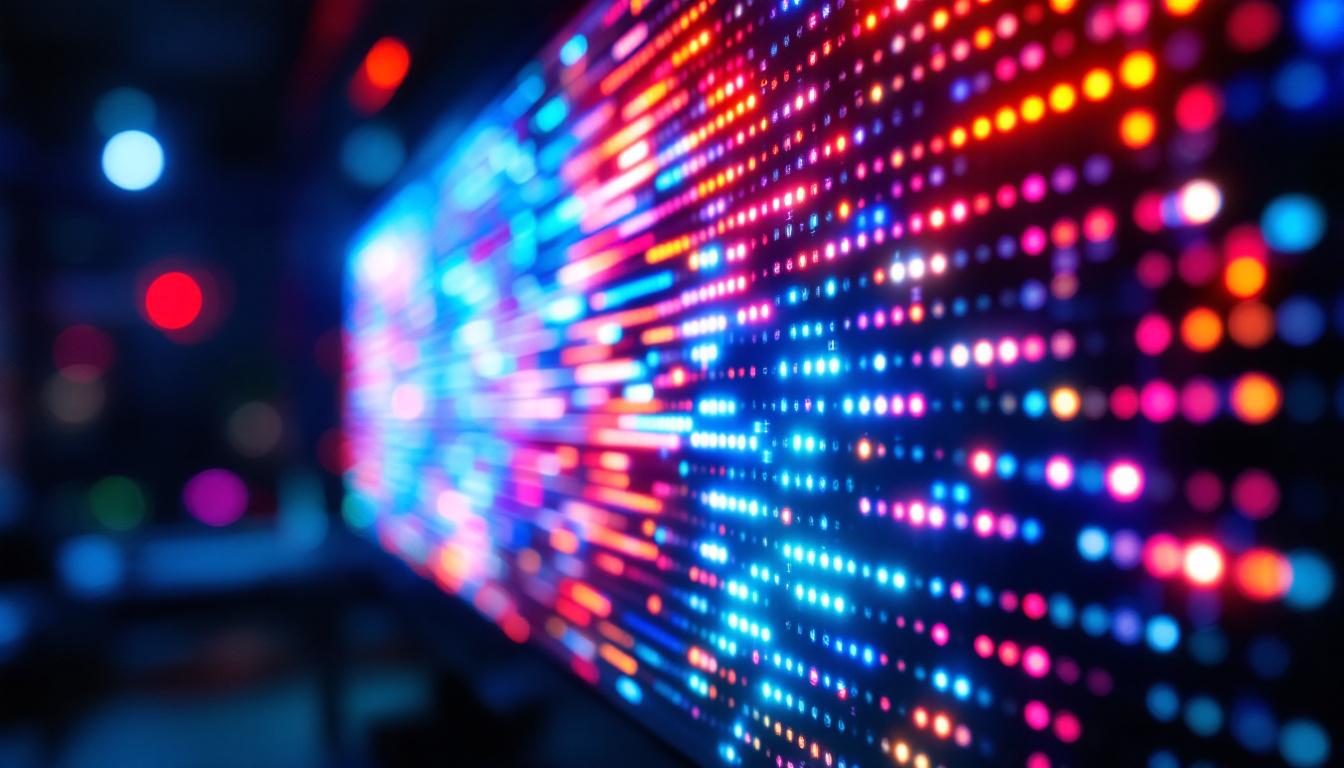
These displays are composed of thousands to millions of individual LEDs arranged in a grid. Each LED can be controlled independently to produce a wide spectrum of colors, enabling vivid and dynamic visual content. The technology has evolved significantly over the past decade, with improvements in pixel pitch, resolution, and energy consumption driving widespread adoption.
Types of LED Displays
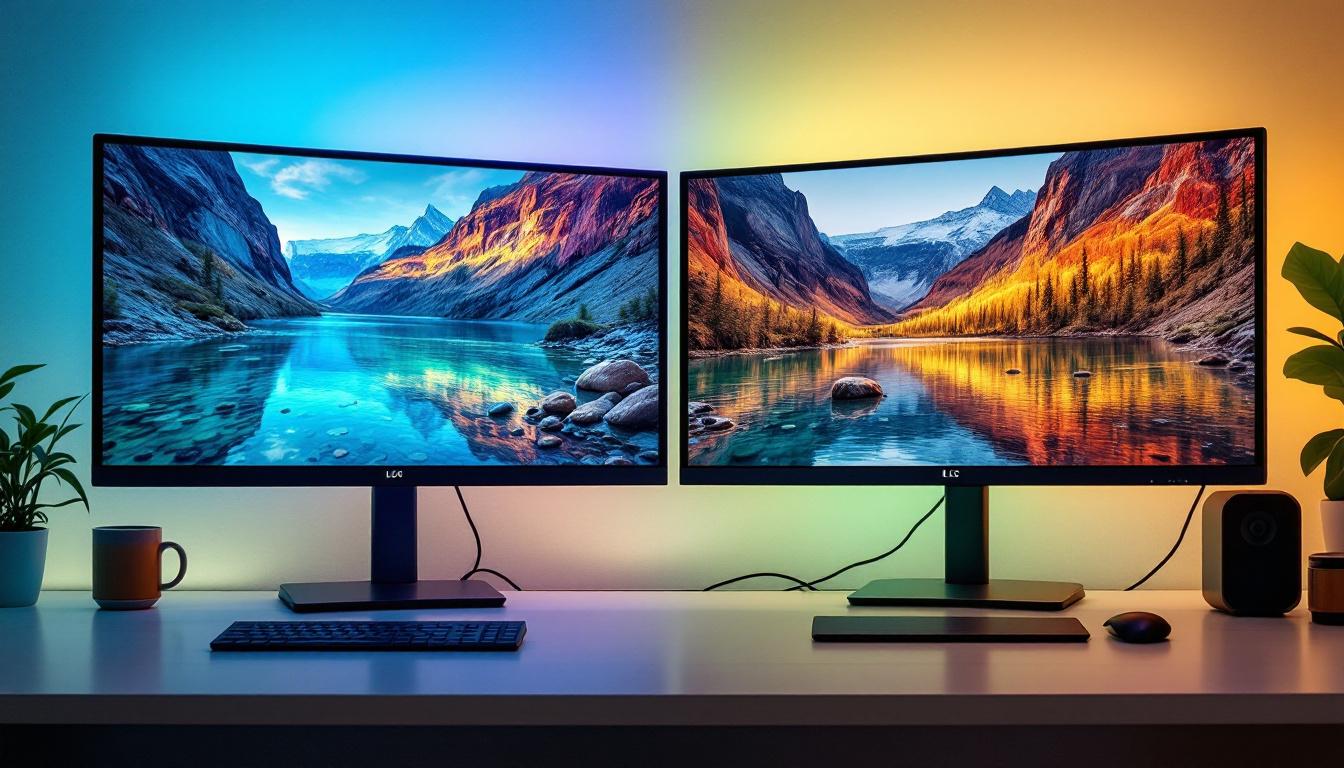
LED displays primarily fall into two categories: direct view LED and LED-backlit LCD. Direct view LED displays are made entirely of LEDs and are known for their brightness and durability, making them ideal for outdoor and large-scale installations. In contrast, LED-backlit LCDs use LEDs as a backlight source behind an LCD panel, commonly seen in consumer televisions and monitors.
Within direct view LED displays, there are further distinctions based on pixel pitch—the distance between the centers of two adjacent LEDs. Smaller pixel pitches (e.g., 1.2mm to 2.5mm) provide higher resolution and are suitable for indoor applications requiring close viewing distances. Larger pixel pitches (e.g., 4mm to 10mm or more) are typically used for outdoor billboards and stadium screens where viewers are farther away.
Applications of LED Displays
LED displays have transformed how businesses and organizations communicate visually. Their versatility and scalability make them suitable for a broad range of applications, each with unique requirements and challenges.
Retail and Advertising
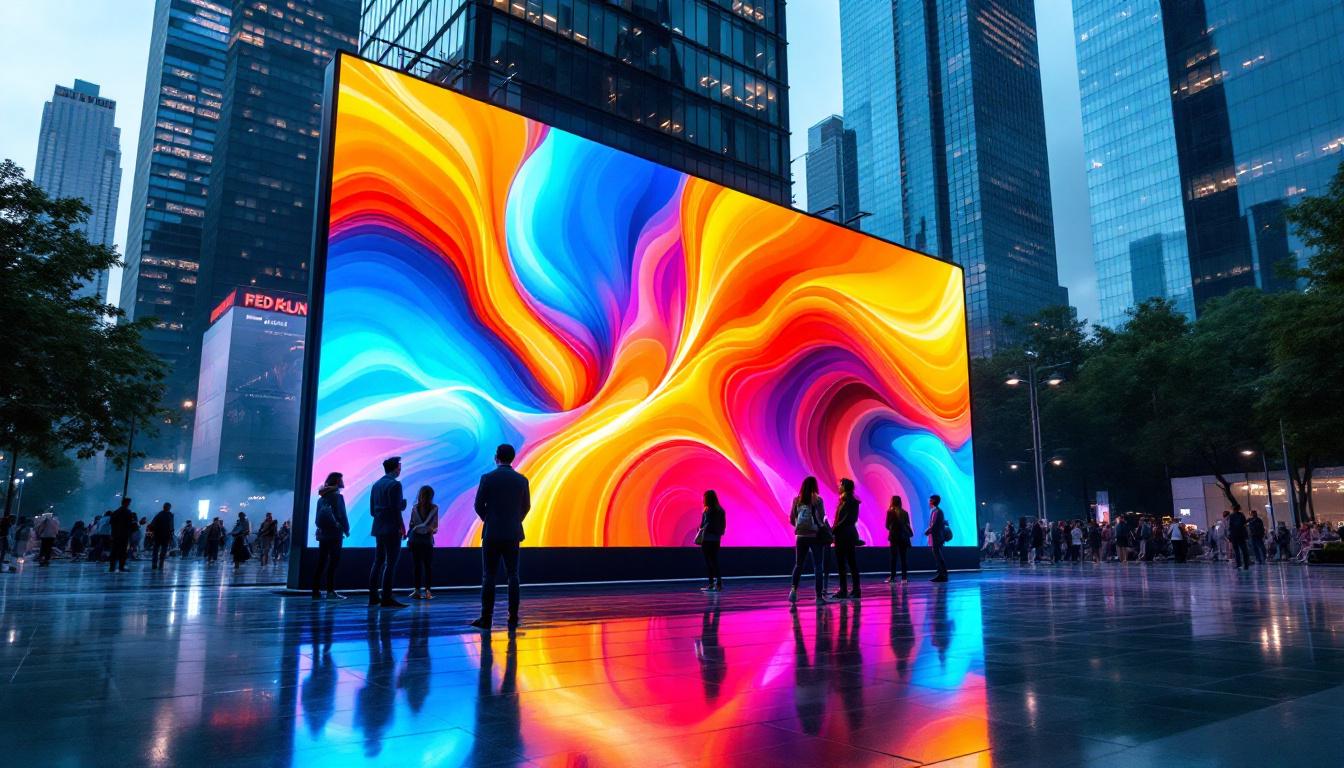
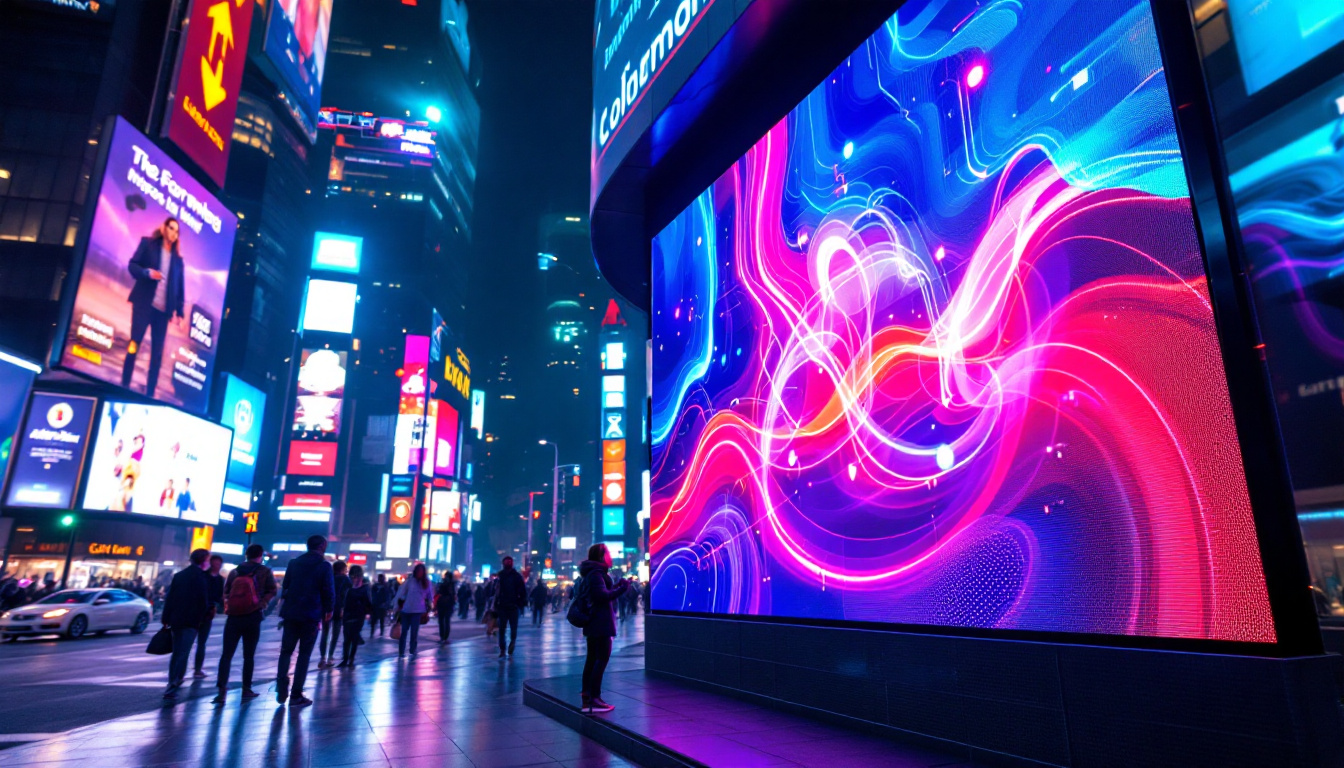
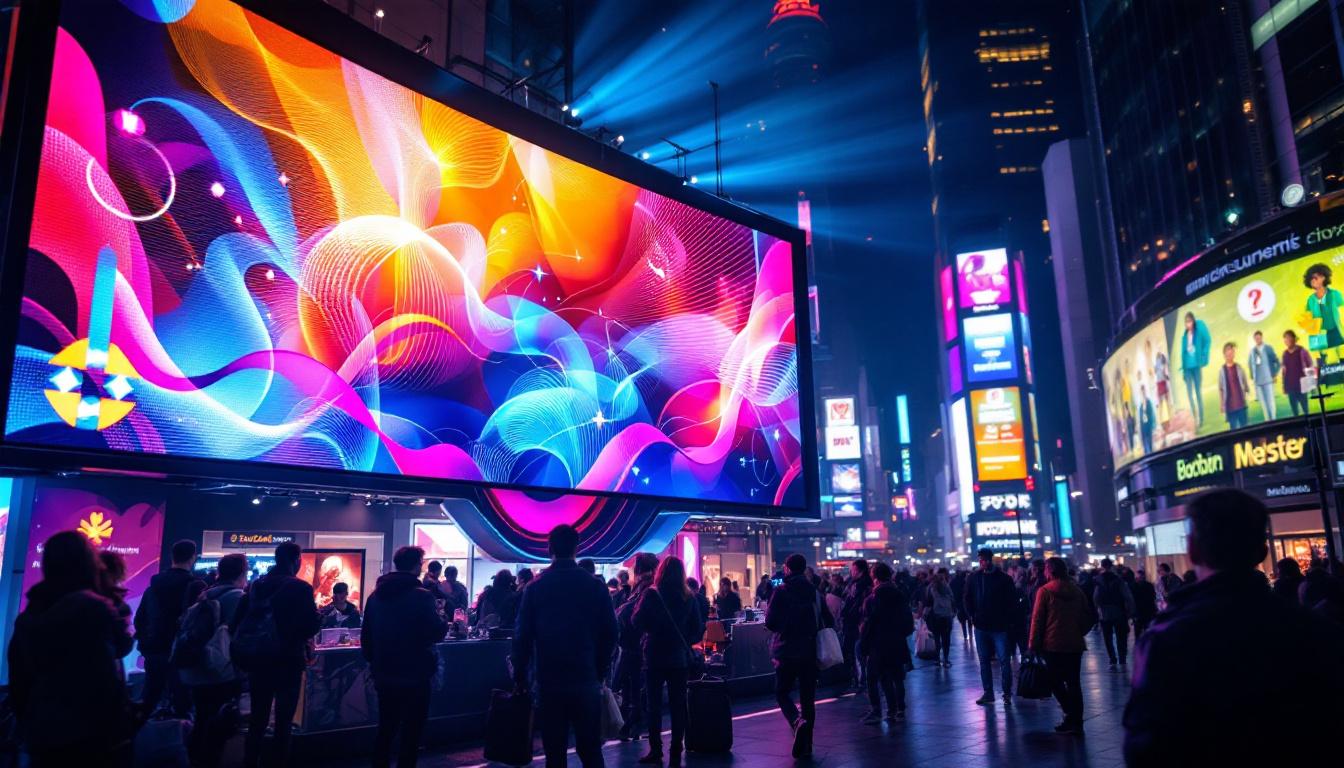
In retail environments, LED displays enhance customer engagement through dynamic digital signage. According to a 2023 report by Grand View Research, the global digital signage market is projected to reach $32.84 billion by 2028, driven largely by LED technology. Retailers use LED displays to showcase promotions, advertise products, and create immersive brand experiences.
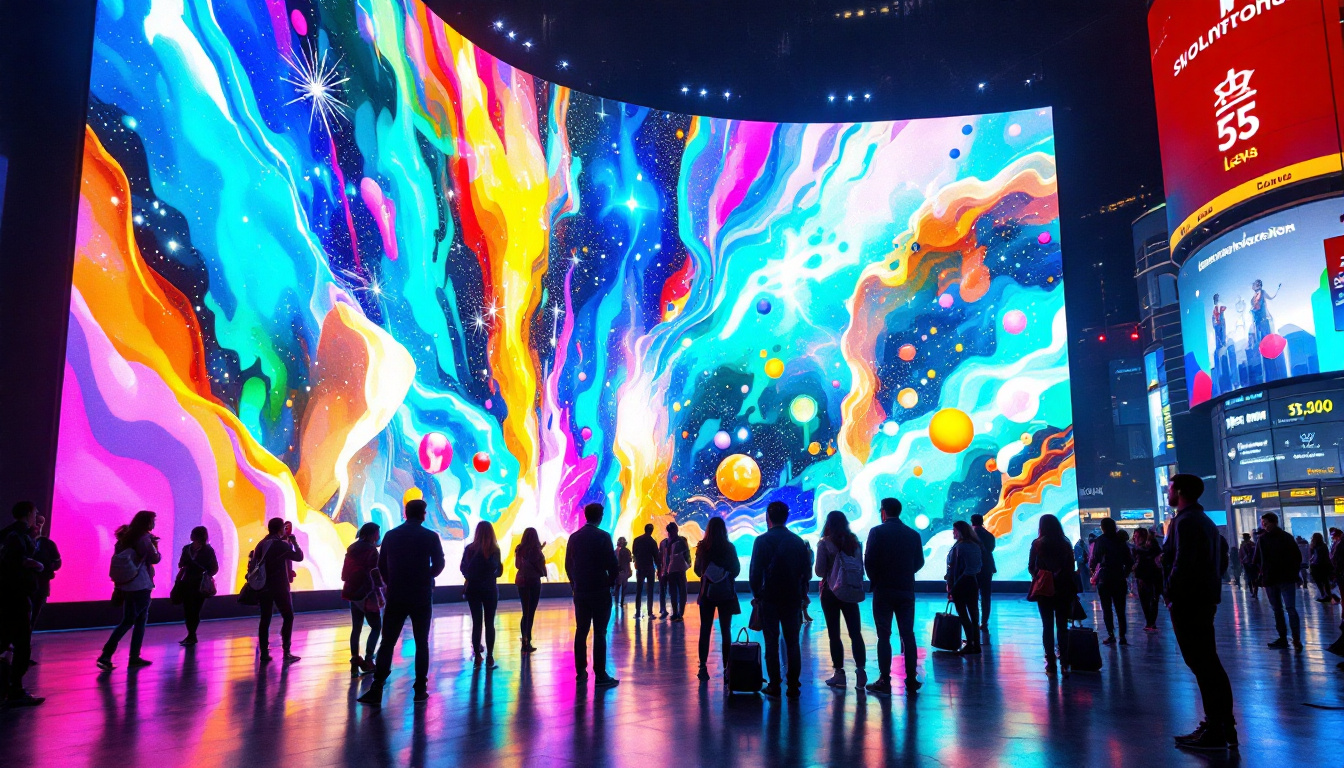
Outdoor LED billboards are particularly impactful, offering high visibility even in direct sunlight. This capability has revolutionized the advertising industry, enabling real-time content updates and interactive campaigns that capture consumer attention more effectively than static signage.
Corporate and Educational Settings
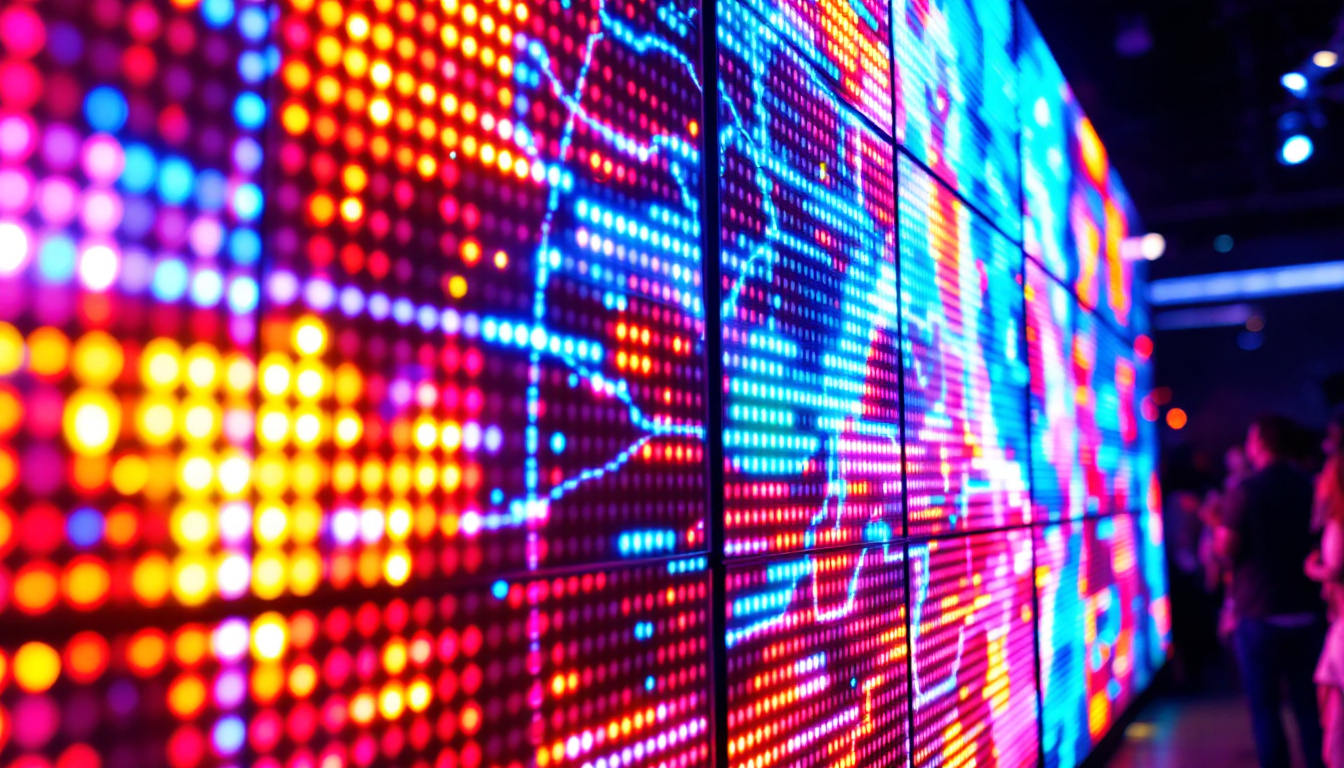
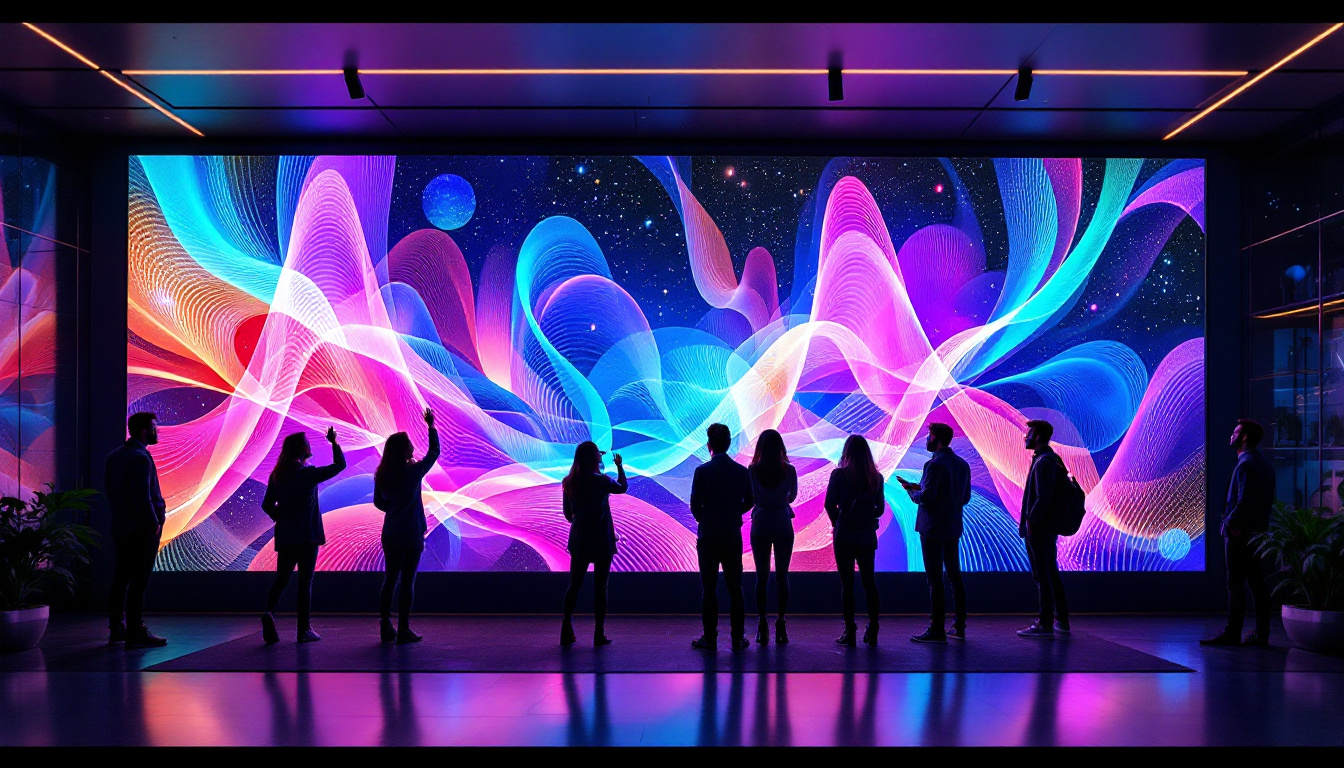
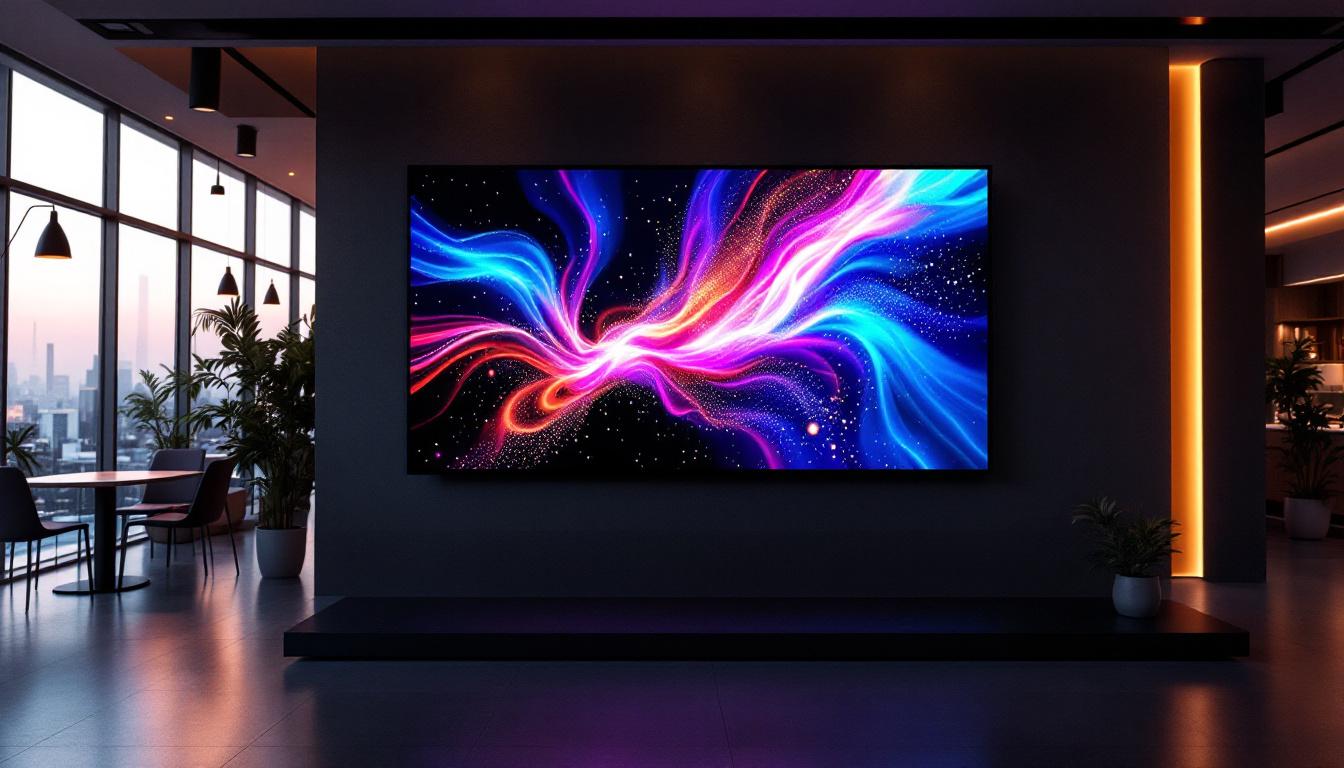
LED displays are increasingly prevalent in corporate boardrooms, conference centers, and educational institutions. Their ability to deliver crisp, bright visuals enhances presentations, video conferencing, and collaborative workspaces. For example, universities use large LED video walls to display lecture content, campus news, and event information, fostering a connected and engaging environment.
In corporate environments, LED displays support digital communication strategies, helping companies convey messages clearly and professionally. The flexibility to customize display size and resolution means these solutions can be tailored to diverse meeting spaces and auditoriums.
Entertainment and Sports Venues
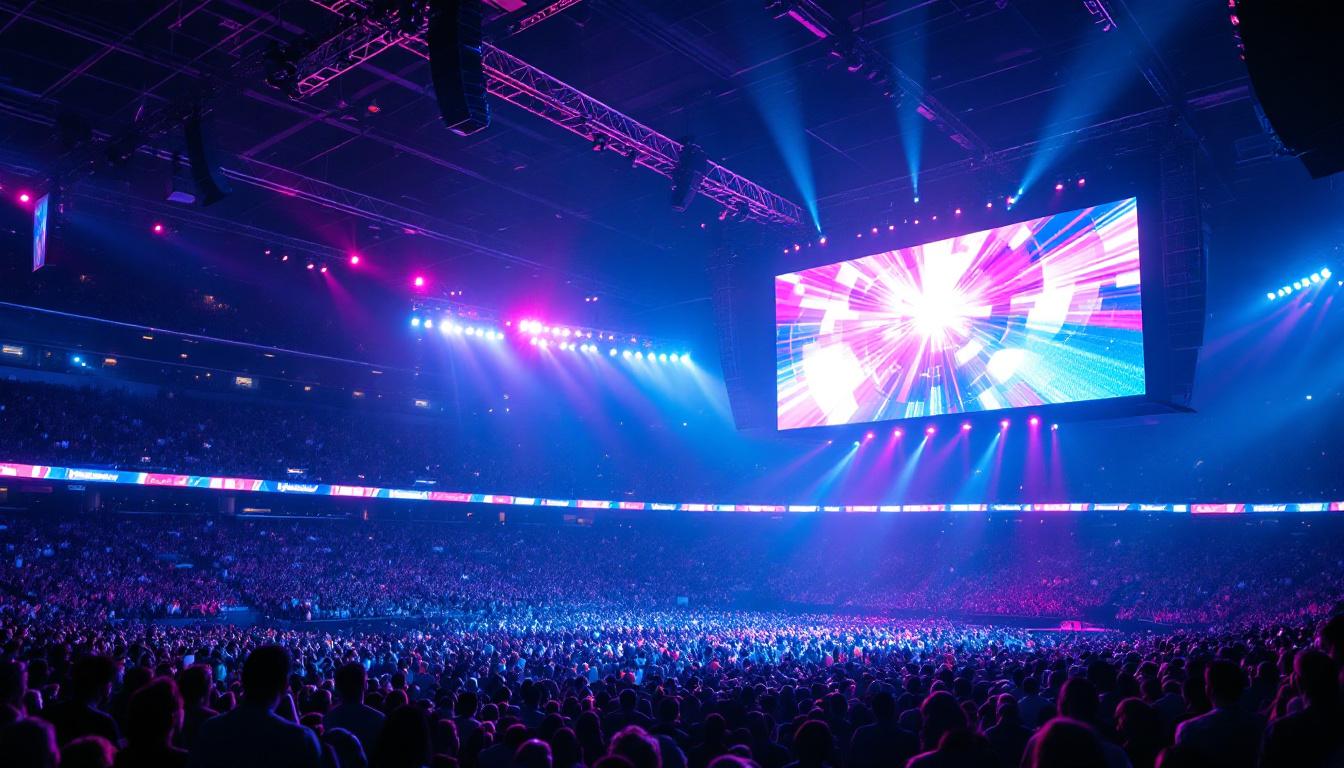
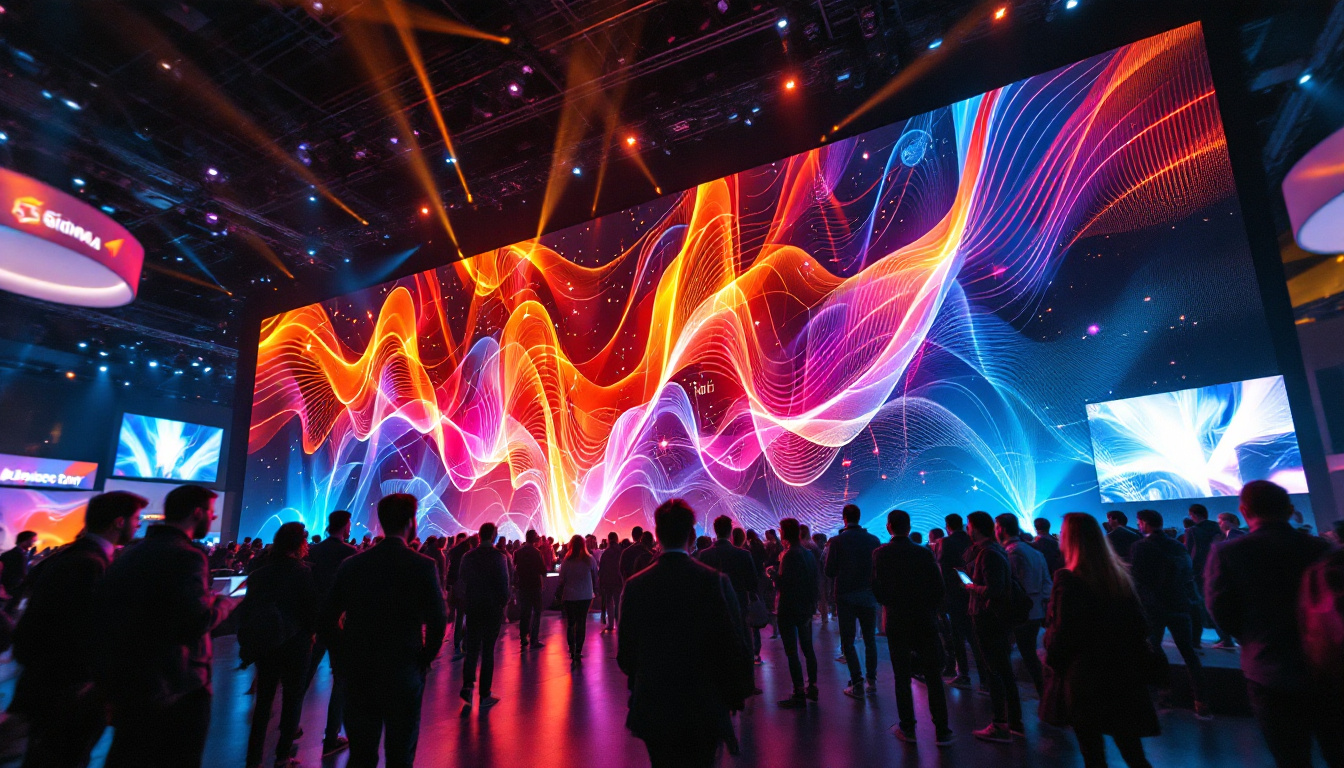
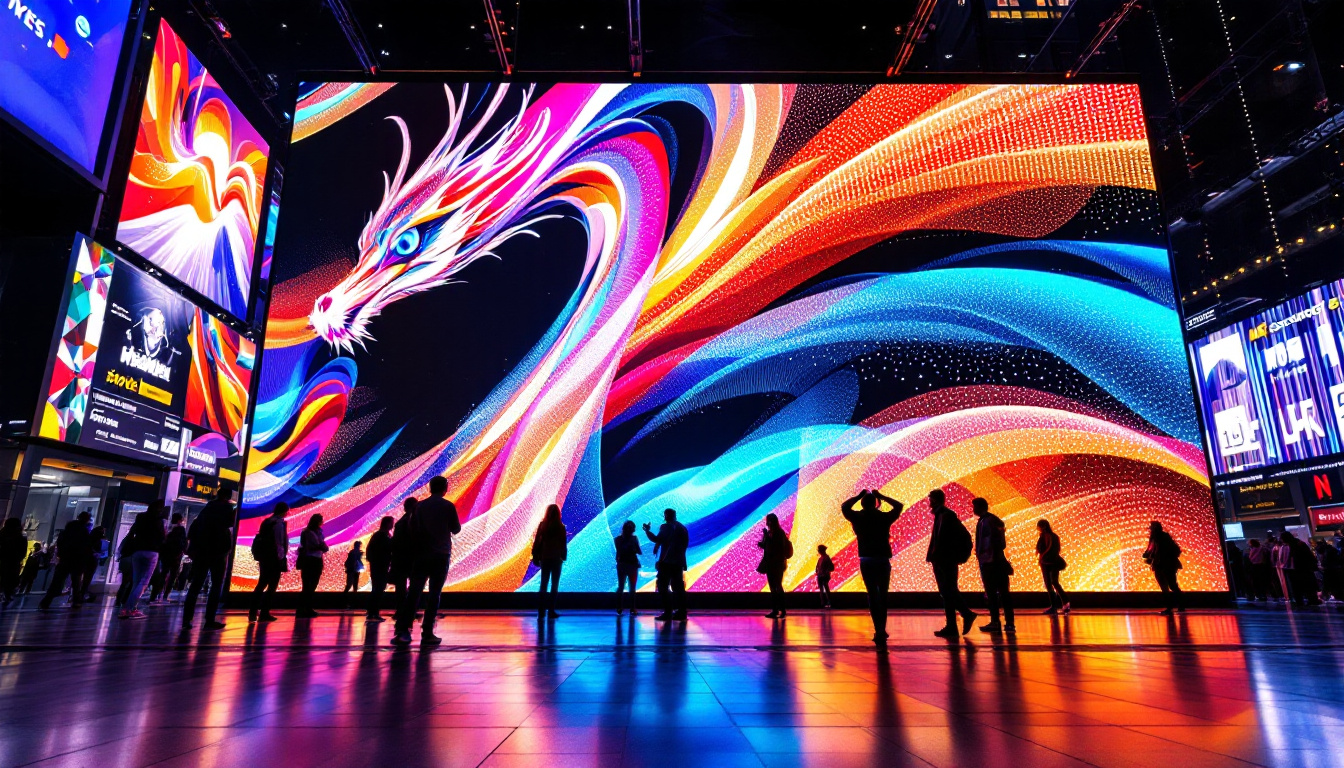
One of the most visible uses of LED display technology is in entertainment and sports arenas. From concert backdrops to stadium scoreboards, LED displays provide immersive experiences that captivate audiences. The technology’s high refresh rates and vibrant colors ensure smooth, eye-catching visuals that enhance live events.
Major sporting venues use massive LED screens to broadcast live action, replays, and advertisements, often integrating interactive elements to engage fans. The ability to withstand harsh weather conditions and deliver consistent performance makes LED displays the preferred choice for outdoor entertainment venues worldwide.
Key Technical Considerations in LED Displays
Understanding the technical aspects of LED displays is essential for professionals working in this field. Several factors influence the performance, cost, and suitability of LED solutions for specific applications.
Pixel Pitch and Resolution
Pixel pitch directly affects the resolution and viewing distance of an LED display. A smaller pixel pitch means more LEDs per square meter, resulting in higher resolution and sharper images. This is critical for indoor displays where viewers are close to the screen. Conversely, larger pixel pitches are cost-effective for large outdoor displays where viewers are farther away.
For example, a 1.5mm pixel pitch display might be used in a corporate lobby, while a 10mm pixel pitch display is suitable for a highway billboard. Selecting the appropriate pixel pitch balances image quality with budget and installation requirements.
Brightness and Contrast
Brightness, measured in nits, is a key parameter for LED displays, especially for outdoor use. Typical indoor LED displays range from 800 to 1,500 nits, while outdoor displays can exceed 5,000 nits to remain visible in direct sunlight. High brightness ensures content is clear and vibrant under various lighting conditions.
Contrast ratio, the difference between the darkest black and brightest white a display can produce, affects image depth and realism. LED displays generally offer superior contrast compared to LCDs because LEDs can be turned off completely to produce true blacks.
Viewing Angle and Color Accuracy
Wide viewing angles are important for LED displays to ensure consistent image quality from different perspectives. Most modern LED displays offer viewing angles of 140 degrees or more horizontally and vertically, allowing large audiences to see content clearly.
Color accuracy and uniformity are also critical, particularly in professional environments where branding and visual fidelity matter. Advances in LED technology, including calibration software and improved diodes, have enhanced color performance significantly.
Durability and Maintenance
LED displays are known for their robustness and long lifespan, often exceeding 100,000 hours of operation. However, factors such as environmental exposure, heat dissipation, and power supply quality affect longevity. Outdoor LED displays require weatherproof enclosures and protective coatings to withstand rain, dust, and temperature fluctuations.
Maintenance considerations include ease of module replacement and system diagnostics. Many modern LED solutions feature modular designs that simplify repairs and reduce downtime, an important factor for businesses relying on continuous operation.
Why Pursue a Career with Almo in LED Display Technology?
Almo Corporation stands out as a premier distributor and solutions provider in the audiovisual industry, with a strong focus on LED display technology. For professionals interested in this field, Almo offers unique advantages that foster career growth and technical mastery.
Comprehensive Product Portfolio
Almo’s extensive portfolio includes cutting-edge LED display products from leading manufacturers, covering a wide range of applications and budgets. This diversity allows employees to gain hands-on experience with the latest technologies and develop expertise across multiple market segments.
Working with Almo means exposure to direct view LED, LED-backlit LCDs, and hybrid solutions, providing a well-rounded understanding of the industry’s evolving landscape.
Training and Certification Programs
Almo invests heavily in professional development through its Almo Professional A/V Training (APTS) program. These training sessions cover technical knowledge, installation best practices, and emerging trends in LED display technology. Certifications earned through Almo enhance credibility and open doors to advanced career opportunities.
Continuous learning is vital in the fast-changing AV industry, and Almo’s commitment to education ensures employees remain at the forefront of innovation.
Collaborative and Innovative Work Environment
Almo fosters a collaborative culture where teamwork and innovation are encouraged. Employees work closely with manufacturers, integrators, and end-users to design and implement LED display solutions that meet complex requirements. This environment cultivates problem-solving skills and creativity, essential traits for long-term success.
Moreover, Almo’s focus on sustainability and energy-efficient technologies aligns with global trends, positioning the company and its workforce as leaders in responsible AV deployment.
Career Growth and Market Demand
The demand for LED display technology professionals is growing rapidly. According to MarketsandMarkets, the LED display market is expected to grow at a compound annual growth rate (CAGR) of over 15% from 2023 to 2028. This growth translates into abundant job opportunities in sales, technical support, system design, and project management.
Almo’s strong market presence and industry relationships provide a stable platform for career advancement. Employees benefit from exposure to large-scale projects and diverse client bases, enhancing their professional portfolios.
Future Trends in LED Display Technology
Staying informed about future trends is essential for professionals aiming to remain competitive in the LED display sector. Several emerging developments promise to reshape the industry in the coming years.
MicroLED and MiniLED Innovations
MicroLED and MiniLED technologies represent the next frontier in display innovation. MicroLEDs are tiny LEDs that offer exceptional brightness, color accuracy, and energy efficiency, with potential applications in smartphones, TVs, and large video walls. MiniLEDs, slightly larger but still smaller than traditional LEDs, improve backlighting for LCDs, enhancing contrast and HDR performance.
These technologies will likely complement and eventually replace some existing LED solutions, creating new opportunities for technical expertise and product development.
Integration with IoT and Smart Technologies
LED displays are increasingly integrated with Internet of Things (IoT) platforms, enabling real-time data-driven content and interactivity. Smart LED displays can adapt to environmental conditions, user preferences, and analytics, delivering personalized experiences in retail, transportation, and public spaces.
Professionals skilled in both AV technology and IoT will be in high demand as these systems become more interconnected and intelligent.
Advancements in Flexible and Transparent Displays
Flexible and transparent LED displays are gaining traction, offering novel installation possibilities and design aesthetics. These displays can be curved, bent, or embedded into windows and surfaces, expanding creative options for architects and designers.
Mastering these emerging form factors will be a valuable asset for AV professionals working on cutting-edge projects.
Conclusion
LED display technology is a vibrant and expanding field with significant implications for communication, advertising, entertainment, and education. Understanding the technical fundamentals, applications, and future trends is essential for anyone pursuing a career in this area.
Almo Corporation provides a compelling platform for professionals seeking to specialize in LED displays, offering access to top-tier products, comprehensive training, and a collaborative work culture. As the demand for LED solutions continues to grow, careers in this sector promise innovation, stability, and the opportunity to shape the future of visual technology.
For individuals passionate about technology and visual communication, exploring opportunities with Almo in LED display technology could be the next step toward a rewarding and impactful career.
Discover Cutting-Edge LED Display Solutions with LumenMatrix
Ready to take the next step in your LED display technology career? Join the forefront of innovation with LumenMatrix, a pioneer in crafting exceptional LED display modules. From Indoor and Outdoor LED Wall Displays to specialized solutions like Vehicle, Sports, and Floor LED Displays, LumenMatrix is committed to revolutionizing visual communication. Our mission is to provide digital signage and LED display solutions that not only enhance brand visibility but also captivate audiences with unforgettable visual experiences. Check out LumenMatrix LED Display Solutions today and be a part of the future of visual storytelling.