In today’s fast-paced event industry, captivating audiences requires more than just compelling content—it demands the right technology to deliver that content effectively. LED displays have become a cornerstone of modern event production, offering vibrant visuals, scalability, and versatility that traditional screens simply cannot match. Whether it’s a corporate conference, music festival, trade show, or sports event, renting LED screens is often the most practical and impactful choice.
This comprehensive guide explores everything you need to know about screen rental for events, focusing on LED display technology. From understanding the basics and benefits to selecting the right rental solution and best practices for installation, this article will equip event planners, marketers, and production professionals with the knowledge to make informed decisions and create unforgettable experiences.
Understanding LED Display Technology
What Is an LED Display?
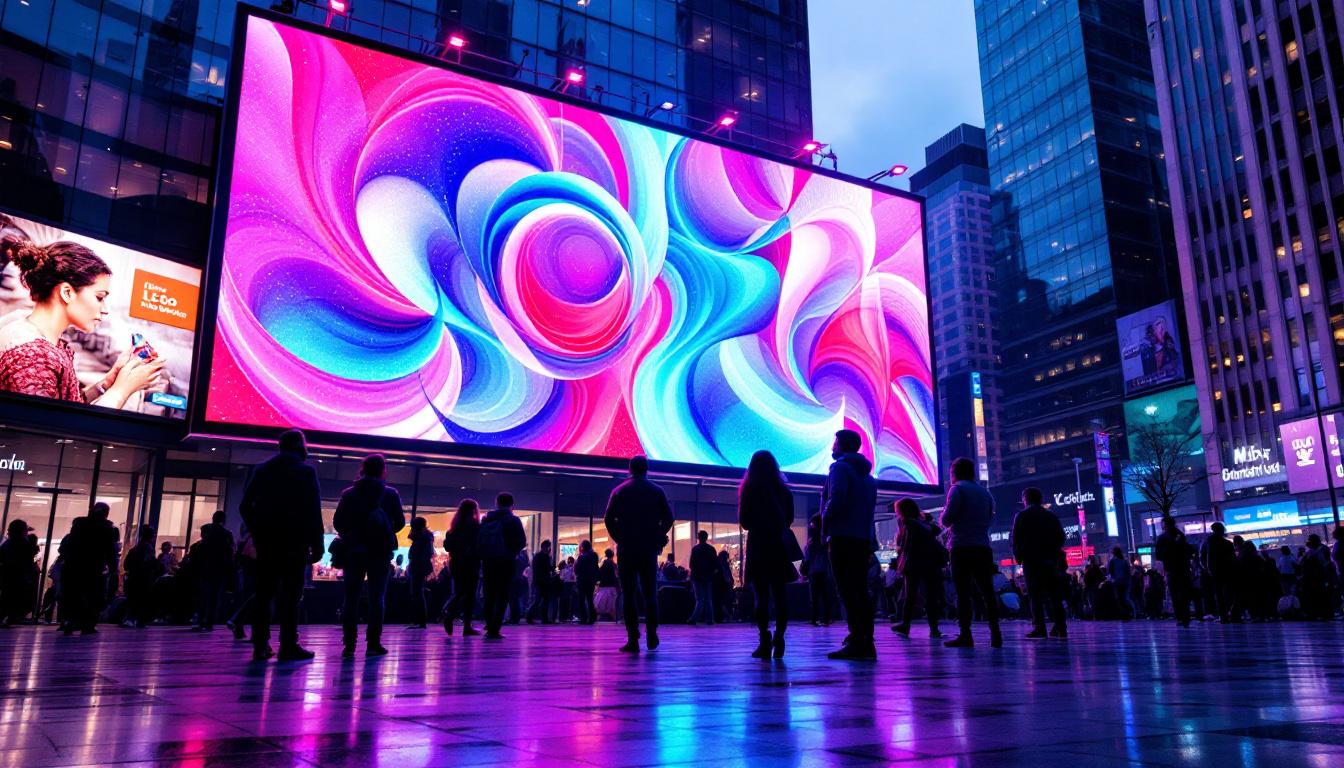
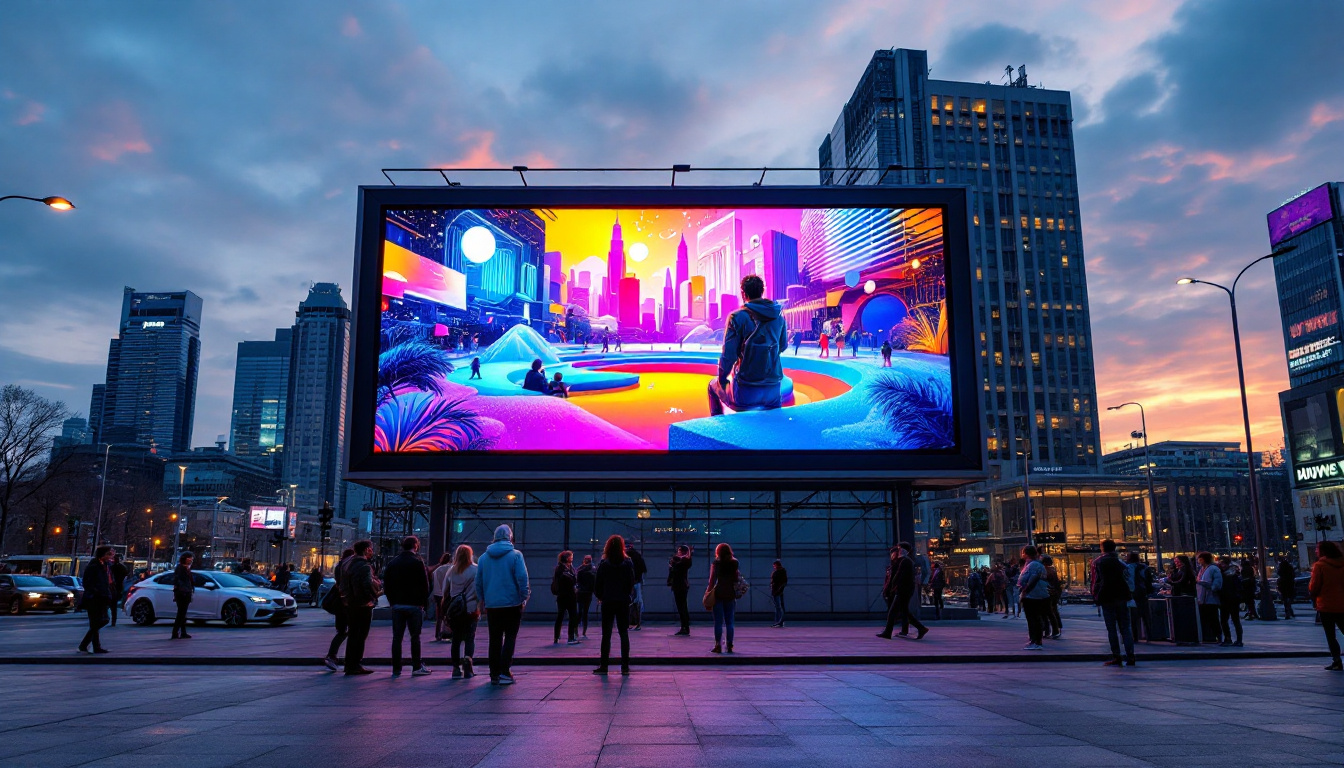
LED, or Light Emitting Diode, displays consist of numerous tiny diodes that emit light when an electric current passes through them. Unlike LCD or projection screens, LED displays generate their own light, which results in brighter images and deeper contrasts. This self-illumination makes LED screens highly visible even in bright outdoor environments, a crucial advantage for many events. The ability to maintain clarity and vibrancy in direct sunlight has made LED technology the go-to choice for outdoor advertising, concerts, and sporting events, where visibility is paramount.
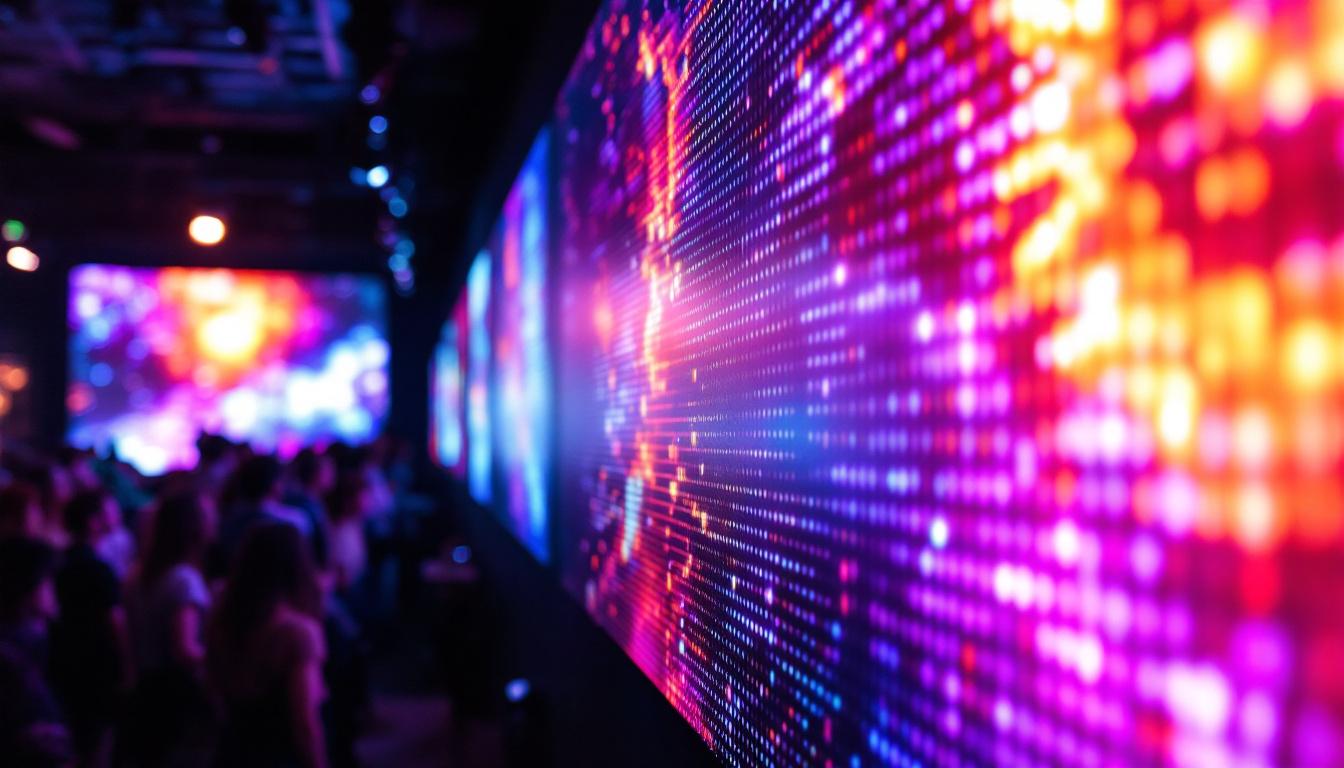
LED displays are modular, meaning they are made up of panels that can be assembled in various sizes and shapes. This modularity allows for custom configurations, from small indoor screens to massive outdoor video walls spanning hundreds of square feet. Additionally, the flexibility of LED panels enables creative installations, such as curved or irregularly shaped displays, which can enhance the visual experience and attract more attention. This adaptability has opened up new avenues for artists and advertisers alike, allowing them to push the boundaries of traditional display formats.
Key Components of LED Screens
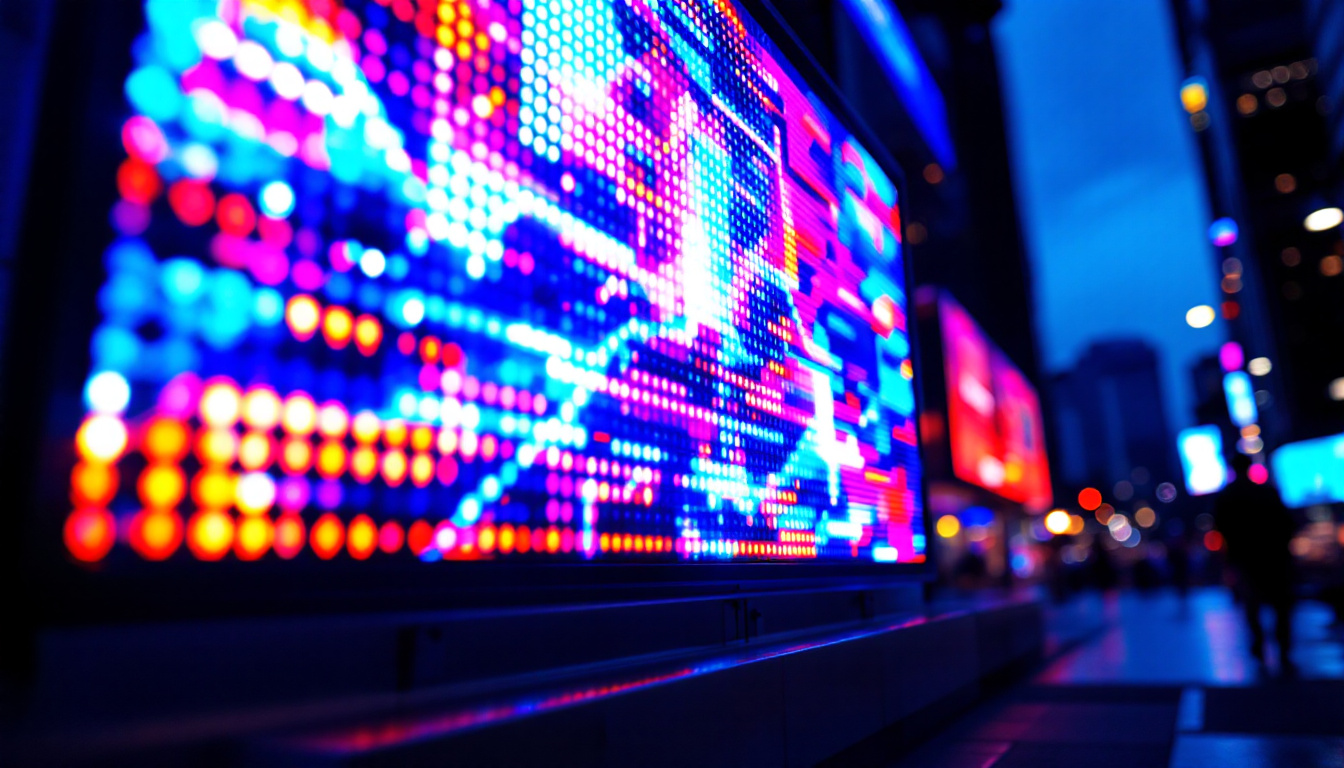
Each LED panel is composed of thousands of pixels, and each pixel contains red, green, and blue diodes. By adjusting the intensity of these diodes, the screen produces a full spectrum of colors. The pixel pitch, or the distance between the centers of two adjacent pixels, determines the display’s resolution and clarity. A smaller pixel pitch means higher resolution and sharper images, which is particularly important for close viewing distances. For instance, venues that host intimate gatherings or exhibitions benefit from displays with a pixel pitch of 2mm or less, ensuring that every detail is crisp and engaging for the audience.
Other essential components include the control system, power supply, and mounting hardware. The control system manages the content displayed, ensuring smooth playback and synchronization across panels. Advances in technology have led to LED screens that support ultra-high-definition (UHD) content and even interactive capabilities. Furthermore, modern LED displays often incorporate advanced features like automatic brightness adjustment, which optimizes visibility based on ambient lighting conditions, and energy-efficient designs that reduce power consumption without sacrificing performance. This combination of innovation and efficiency makes LED technology not only a powerful visual tool but also a sustainable choice for businesses looking to make a lasting impact.
Why Choose LED Screen Rental for Events?
Superior Visual Quality and Brightness
One of the primary reasons event organizers opt for LED screen rentals is the superior visual quality. LED displays offer unparalleled brightness, often exceeding 5,000 nits, which makes them easily visible in direct sunlight. This is a significant advantage for outdoor events such as festivals, sports games, and open-air conferences, where ambient light can wash out other types of screens.
Additionally, LED technology provides excellent color accuracy and contrast ratios, enhancing the overall viewing experience. This ensures that branding, videos, and live feeds appear vibrant and engaging, keeping audiences captivated throughout the event.
Flexibility and Customization
LED screens are highly adaptable. Their modular design allows event producers to create custom shapes and sizes tailored to the venue and event requirements. Whether it’s a curved backdrop for a product launch or a giant rectangular video wall for a concert stage, LED displays can be configured accordingly.
Moreover, LED rentals often come with a range of mounting options, including truss systems, ground supports, and hanging rigs. This flexibility makes it easier to integrate screens into complex stage designs or unconventional spaces.
Cost-Effectiveness and Convenience
Purchasing LED screens can be prohibitively expensive, especially for one-off or infrequent events. Renting provides access to the latest technology without the upfront investment and ongoing maintenance costs. Rental companies typically offer turnkey solutions, including delivery, installation, operation, and dismantling, reducing logistical burdens for event organizers.
Furthermore, rental services often include technical support and backup equipment, minimizing the risk of downtime during critical moments. This peace of mind is invaluable when managing large-scale or high-profile events.
Choosing the Right LED Screen Rental for Your Event
Assessing Venue and Viewing Distance
Before selecting an LED screen, it’s essential to analyze the event venue and audience layout. The size and resolution of the screen should correspond to the typical viewing distance. For example, a screen with a pixel pitch of 4mm or less is ideal for indoor events where attendees are close to the display, ensuring crisp images and readable text.
For outdoor events or large venues, a pixel pitch of 6mm to 10mm may be sufficient, as viewers will be farther away. Rental providers can help calculate the optimal screen size and resolution based on these parameters to maximize impact and minimize unnecessary costs.
Indoor vs. Outdoor LED Screens
Environmental conditions significantly influence the choice of LED display. Outdoor screens are designed to withstand weather elements such as rain, wind, and dust. They typically have higher brightness levels and robust enclosures to protect the electronics. Indoor LED screens, while often having higher resolution, do not require such ruggedness and can be lighter and thinner.
It’s critical to specify the event environment when consulting with rental companies to ensure the equipment meets safety standards and performs reliably under expected conditions.
Content and Connectivity Requirements
The type of content to be displayed also affects screen selection. High-definition video, live camera feeds, animations, and interactive content may demand specific control systems and input options. Rental companies usually provide compatible media servers and software to manage content seamlessly.
Connectivity options such as HDMI, SDI, and wireless streaming capabilities should be discussed upfront to ensure smooth integration with event production workflows. Additionally, consider the need for multi-screen synchronization if using multiple LED panels to create a larger display.
Installation and Operation Best Practices
Professional Installation and Safety Considerations
LED screen installation requires technical expertise and adherence to safety regulations. Rental providers typically employ trained technicians who handle assembly, rigging, and electrical connections. Proper installation ensures structural stability, optimal viewing angles, and compliance with local codes.
Safety is paramount, especially for overhead or large-scale installations. Rigging hardware must be rated for the weight and environmental conditions, and contingency plans should be in place for adverse weather or emergencies.
Optimizing Visual Performance
Once installed, calibrating the LED screen is crucial to achieve the best visual output. This includes adjusting brightness, contrast, color balance, and refresh rates. Calibration tools and software help fine-tune the display to match ambient lighting and content requirements.
Regular monitoring during the event ensures any issues are promptly addressed, maintaining a flawless viewing experience for attendees.
Technical Support and Troubleshooting
Having on-site technical support during the event can prevent or quickly resolve potential problems such as signal loss, pixel failures, or synchronization glitches. Rental companies often provide technicians as part of their service package, which is highly recommended for mission-critical events.
Clear communication channels between the event production team and the rental provider facilitate rapid response and minimize disruptions.
Case Studies: Successful LED Screen Rentals in Events
Music Festivals and Outdoor Concerts
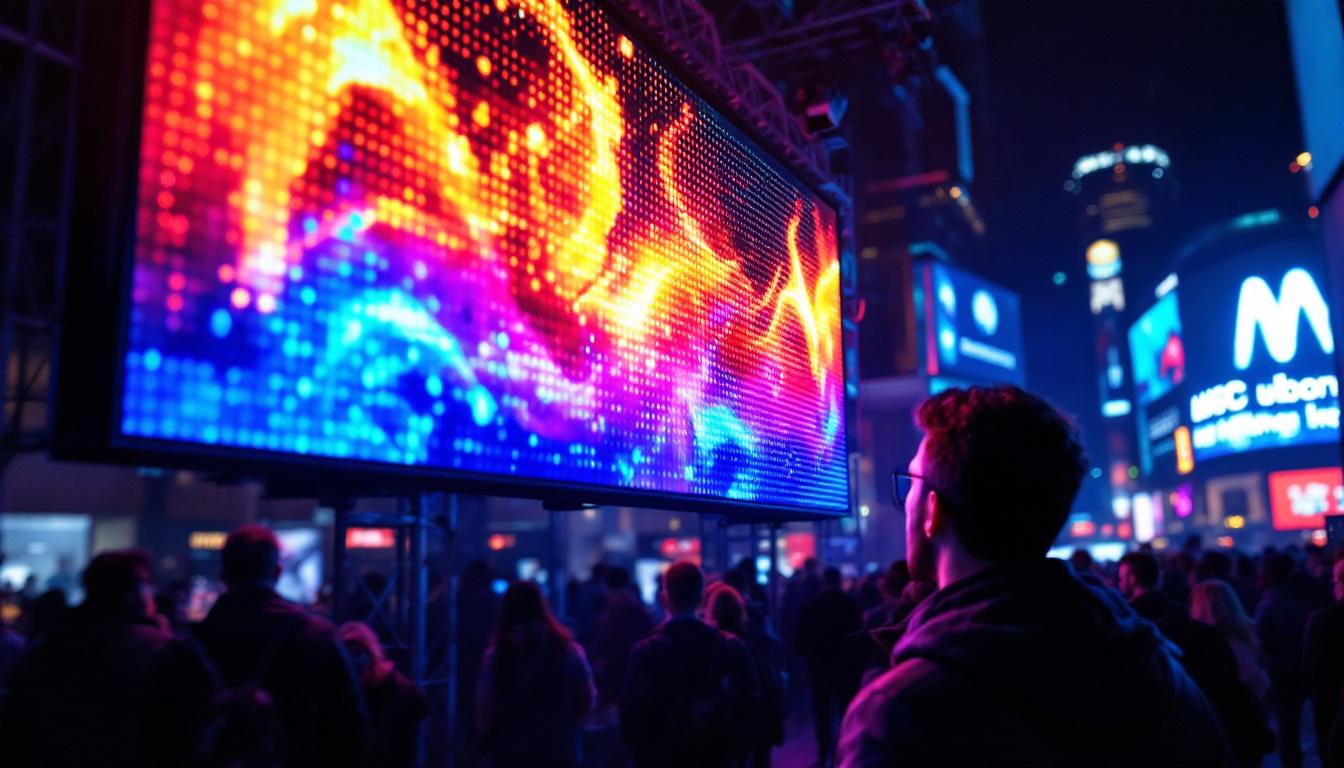
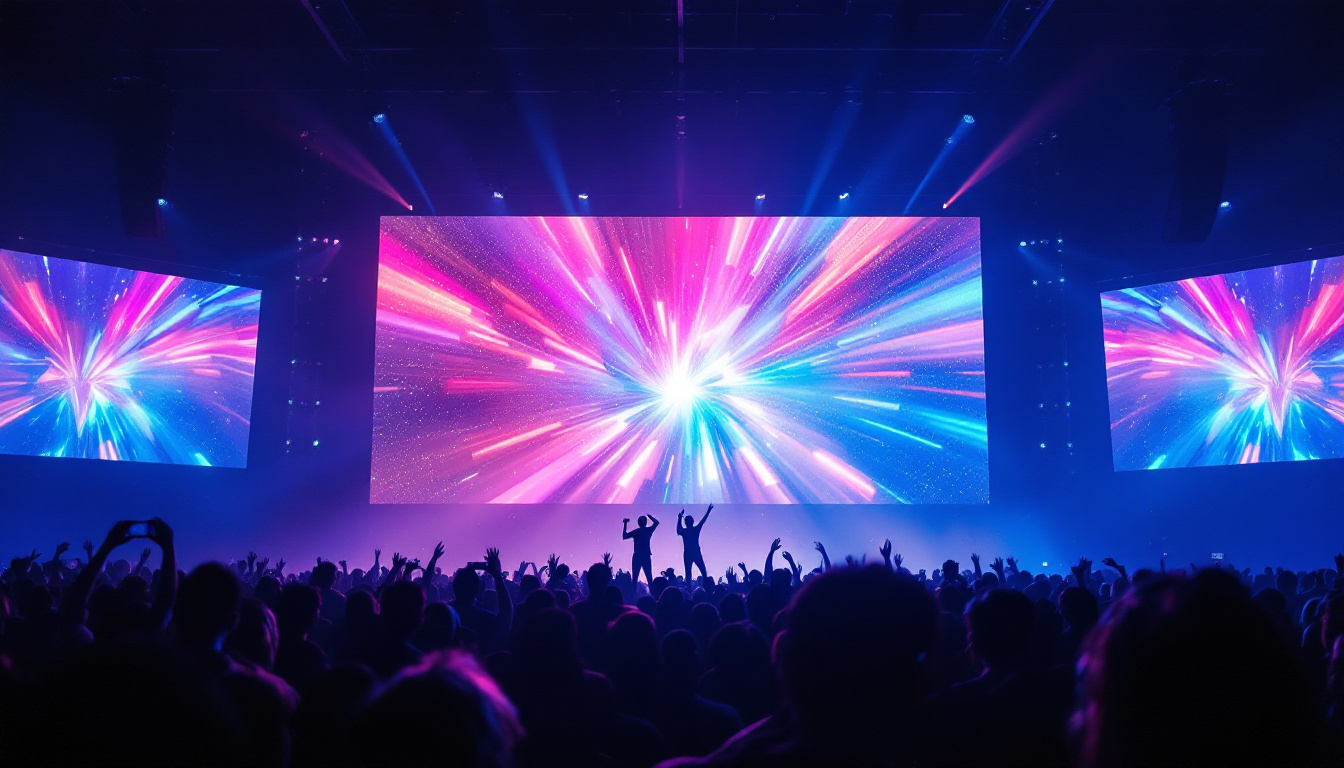
Major music festivals like Coachella and Glastonbury rely heavily on massive LED video walls to enhance the live experience. These screens display live performances, visual effects, and sponsor messages with stunning clarity, even under bright daylight. Rental companies provide scalable LED solutions that can be quickly assembled and disassembled across multiple stages.
Corporate Conferences and Trade Shows
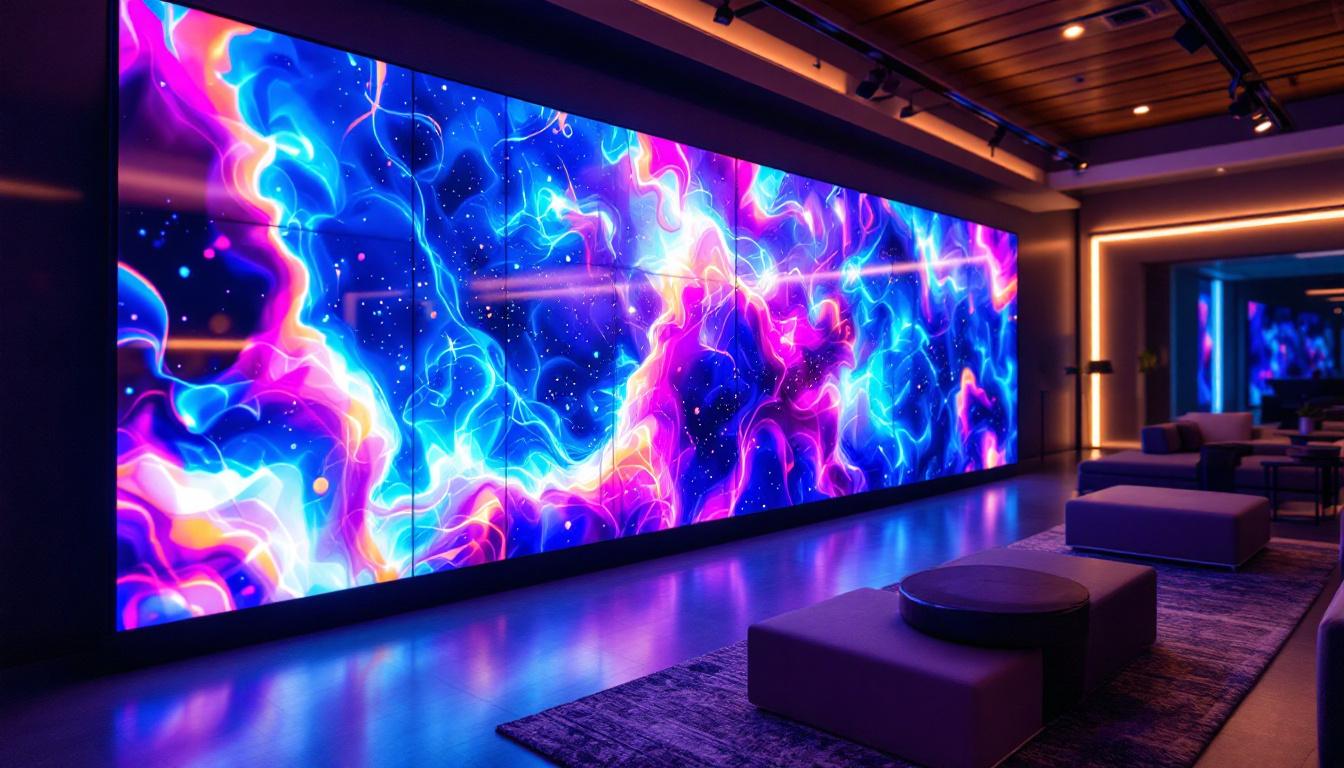
At corporate events, LED screens serve as dynamic backdrops for keynote presentations, product demos, and branding. For instance, a technology expo might use high-resolution indoor LED walls to showcase interactive product features and live social media feeds, creating immersive environments that engage attendees and drive conversations.
Sports Events and Stadiums
Sports venues utilize LED displays for scoreboards, instant replays, and fan engagement content. Renting LED screens for temporary events such as tournaments or fan zones allows organizers to deliver high-impact visuals without permanent infrastructure investments. The brightness and weather resistance of outdoor LED screens ensure visibility and durability throughout the event.
Future Trends in LED Screen Rental for Events
Advancements in Pixel Pitch and Resolution
Continuous improvements in LED technology are driving pixel pitches down to sub-1mm levels, enabling ultra-high-definition displays even for close viewing distances. This trend opens new possibilities for indoor events requiring detailed visuals, such as art exhibitions and immersive experiences.
Interactive and Smart LED Displays
Integration of touch sensors, motion tracking, and augmented reality features is transforming LED screens from passive displays to interactive platforms. Rental companies are beginning to offer smart LED solutions that enable real-time audience interaction, gamification, and personalized content delivery.
Sustainability and Energy Efficiency
As environmental concerns grow, LED screen manufacturers and rental providers are focusing on energy-efficient designs and recyclable materials. This shift not only reduces the carbon footprint of events but also aligns with corporate social responsibility goals, which are increasingly important to clients and attendees alike.
Conclusion
LED screen rental has revolutionized the way events communicate and engage with their audiences. The combination of superior visual quality, flexibility, and cost-effectiveness makes LED displays an indispensable tool for event professionals. By understanding the technology, assessing event-specific needs, and partnering with experienced rental providers, organizers can elevate their events to new heights.
As LED technology continues to evolve, embracing these innovations will enable even more creative and impactful event experiences. Whether hosting an intimate conference or a massive outdoor festival, investing in the right LED screen rental solution is a strategic decision that pays dividends in audience satisfaction and event success.
Discover LumenMatrix’s Innovative LED Solutions
Ready to transform your next event with the unparalleled visual impact of LED displays? LumenMatrix is at the forefront of LED display technology, offering a diverse range of solutions tailored to meet any event’s needs. From Indoor and Outdoor LED Wall Displays to specialized options like Vehicle, Sports, and Floor LED Displays, our products are designed to captivate your audience and amplify your message. Experience the future of visual communication with LumenMatrix’s Custom, All-in-One, and Transparent LED Displays. Check out LumenMatrix LED Display Solutions today and see how we can help make your event unforgettable.