In the world of large-format displays, a 110 inch LED screen stands out as a premium choice for both commercial and residential applications. Whether used in conference rooms, home theaters, or public venues, understanding the dimensions and technical aspects of a 110 inch LED display is essential for making an informed purchase and optimizing the viewing experience. This article delves into the specifics of 110 inch screen dimensions, the technology behind LED displays, and practical considerations for installation and usage.
Understanding 110 Inch Screen Dimensions
What Does 110 Inch Screen Size Mean?
The term “110 inch screen” refers to the diagonal measurement of the display surface. This is the standard way to describe screen sizes across TVs, monitors, and projection screens. For a 110 inch screen, the diagonal spans 110 inches from one corner to the opposite corner.
However, to fully understand the physical size of the screen, it’s important to consider the aspect ratio, which dictates the width and height of the display. Most modern LED displays use a 16:9 aspect ratio, which is the widescreen format commonly used for HDTVs and computer monitors. This aspect ratio not only enhances the viewing experience for movies and television shows but also provides ample screen real estate for multitasking on computers, allowing users to have multiple windows open side by side without sacrificing visibility.
Calculating Width and Height
Given the diagonal size and aspect ratio, the width and height of the screen can be calculated using simple geometry. For a 16:9 screen, the width (W) and height (H) relate to the diagonal (D) as follows:
- W = D × 16 / √(16² + 9²)
- H = D × 9 / √(16² + 9²)
Applying these formulas to a 110 inch diagonal:
- W = 110 × 16 / √(256 + 81) = 110 × 16 / √337 ≈ 95.9 inches
- H = 110 × 9 / √337 ≈ 53.9 inches
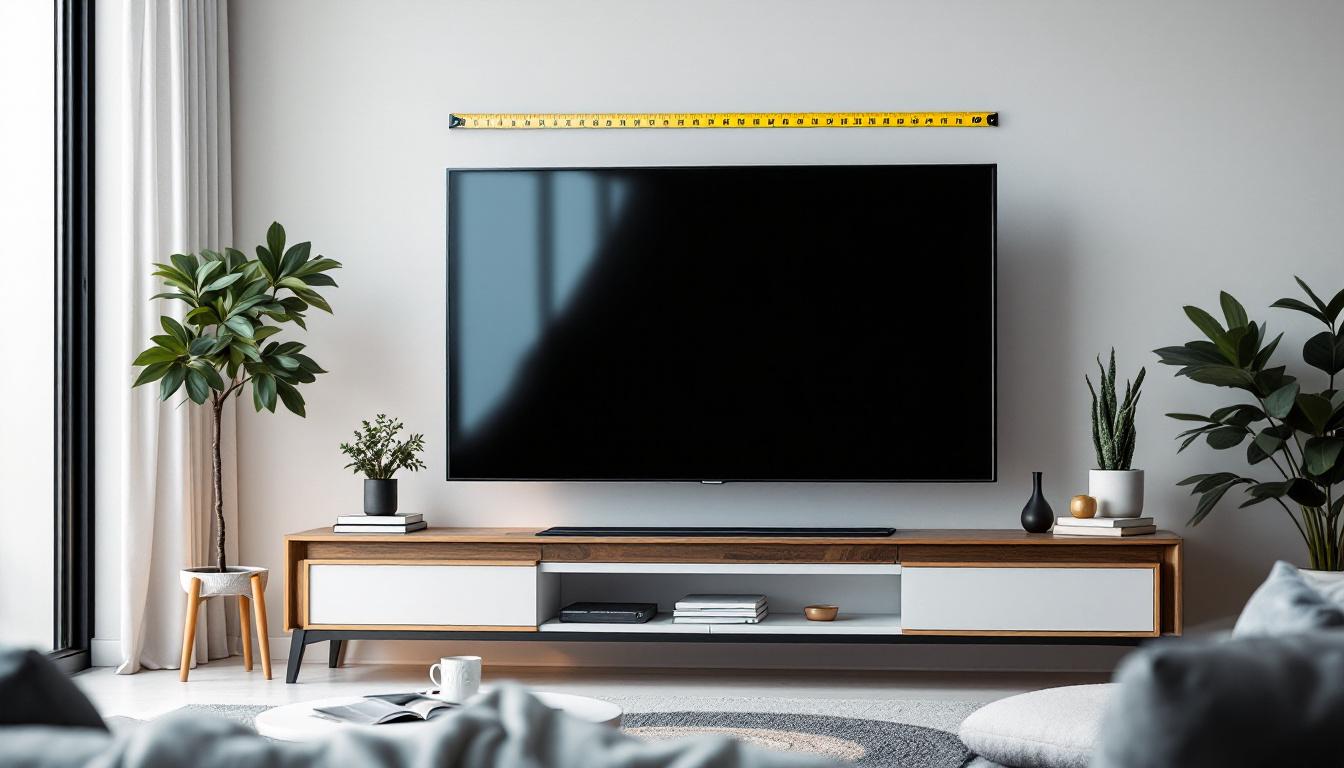
In metric units, this translates to approximately 243.6 cm wide by 137 cm tall. These dimensions are crucial for planning installation space and ensuring the display fits the intended environment. For instance, a 110 inch screen is ideal for home theaters, conference rooms, or classrooms, where a larger viewing area can significantly enhance the audience’s experience. It’s also worth noting that the distance from which viewers should sit can impact their overall viewing pleasure; typically, a distance of 1.5 to 2.5 times the screen’s diagonal measurement is recommended for optimal clarity and immersion.
Additionally, when considering a screen of this size, one must also think about the mounting options and the surrounding decor. A wall-mounted 110 inch screen can serve as a stunning focal point in a room, but it requires careful consideration of wall strength and viewing angles. Furthermore, integrating sound systems and lighting can elevate the experience, making it not just a display but a centerpiece for entertainment or presentations. The choice of screen type—whether it’s an LED, OLED, or projection screen—also plays a significant role in the overall visual quality and user satisfaction.
LED Display Technology Overview
What is an LED Display?
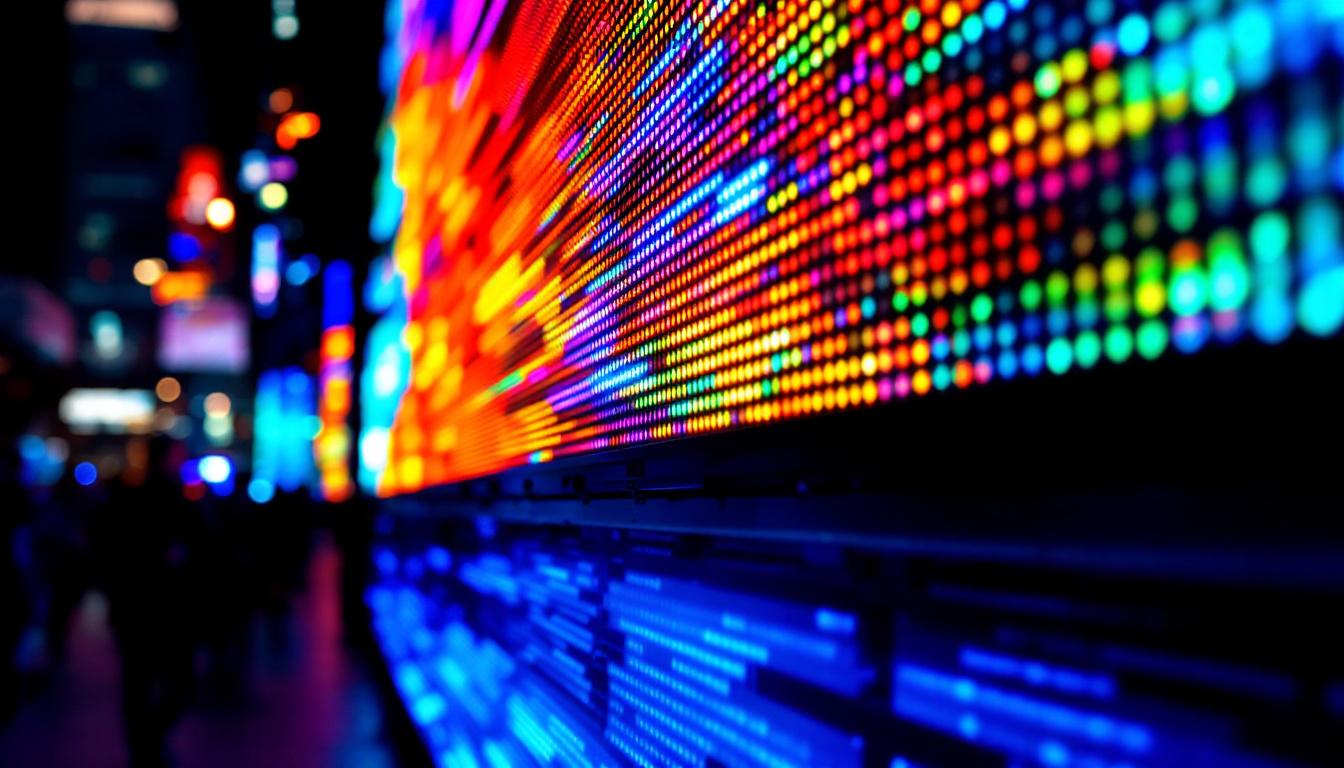
LED stands for Light Emitting Diode, a semiconductor device that emits light when an electric current passes through it. LED displays use thousands to millions of these tiny diodes arranged in a grid to create images and videos. Each diode acts as a pixel or part of a pixel, producing bright, vibrant colors with high contrast.
Unlike traditional LCD screens that require a backlight, LED displays are self-illuminating, which results in better brightness, energy efficiency, and thinner panels. This technology is widely used in large screens ranging from digital billboards to indoor video walls and home entertainment systems. The ability of LED displays to maintain color accuracy and brightness even in well-lit environments makes them particularly valuable for advertising and public displays, where visibility is crucial. Furthermore, advancements in LED technology have led to the development of flexible displays, allowing for innovative designs that can fit into unconventional spaces.
Types of LED Displays
When discussing a 110 inch LED screen, it’s important to distinguish between two main types of LED displays:
- Direct View LED (DVLED): These displays consist of individual LEDs that form the actual pixels. They offer superior brightness and color accuracy, making them ideal for large venues and outdoor use. DVLED screens are modular and can be customized to virtually any size. Their ability to deliver seamless images without bezels makes them particularly appealing for applications such as sports arenas and concerts, where immersive visuals enhance the audience’s experience.
- LED-backlit LCD: This is a common type of television and monitor where an LCD panel is illuminated by an array of LEDs behind or along the edges of the screen. While the display is marketed as LED, the image is generated by the LCD layer, not the LEDs themselves. These displays are often more affordable and widely available, making them a popular choice for home users and smaller businesses.
For a 110 inch screen, both options exist, but DVLED is more common in commercial and professional settings due to its scalability and image quality. Additionally, the rapid evolution of LED technology has led to the emergence of MicroLED displays, which utilize microscopic LEDs to create images with even greater resolution and color depth. This innovation promises to redefine the viewing experience, particularly in high-end applications where detail and clarity are paramount. As the market continues to grow, the versatility of LED displays is becoming increasingly evident, paving the way for new uses in fields such as virtual reality, augmented reality, and interactive installations.
Benefits of a 110 Inch LED Display
Immersive Viewing Experience
A 110 inch screen delivers a large, immersive viewing area that enhances the experience whether watching movies, presenting data, or displaying digital signage. The expansive size allows viewers to see details clearly from a distance, making it suitable for auditoriums, conference rooms, and home theaters.
Superior Brightness and Color Accuracy
LED technology provides exceptional brightness levels, often exceeding 1,000 nits for direct view LED screens. This makes the display visible even in well-lit environments, unlike traditional projectors or LCD screens that can struggle with glare or washed-out images.
Additionally, LED displays offer a wide color gamut and excellent contrast ratios, producing vivid and true-to-life images. This is particularly important for professional applications such as video production, advertising, and design presentations.
Energy Efficiency and Longevity
LED displays consume less power compared to other large-format display technologies. Their energy-efficient nature reduces operational costs, especially for installations that run continuously. Furthermore, LEDs have a long lifespan, often exceeding 50,000 hours of use, which translates to many years of reliable performance.
Practical Considerations for Installation
Space Requirements and Viewing Distance
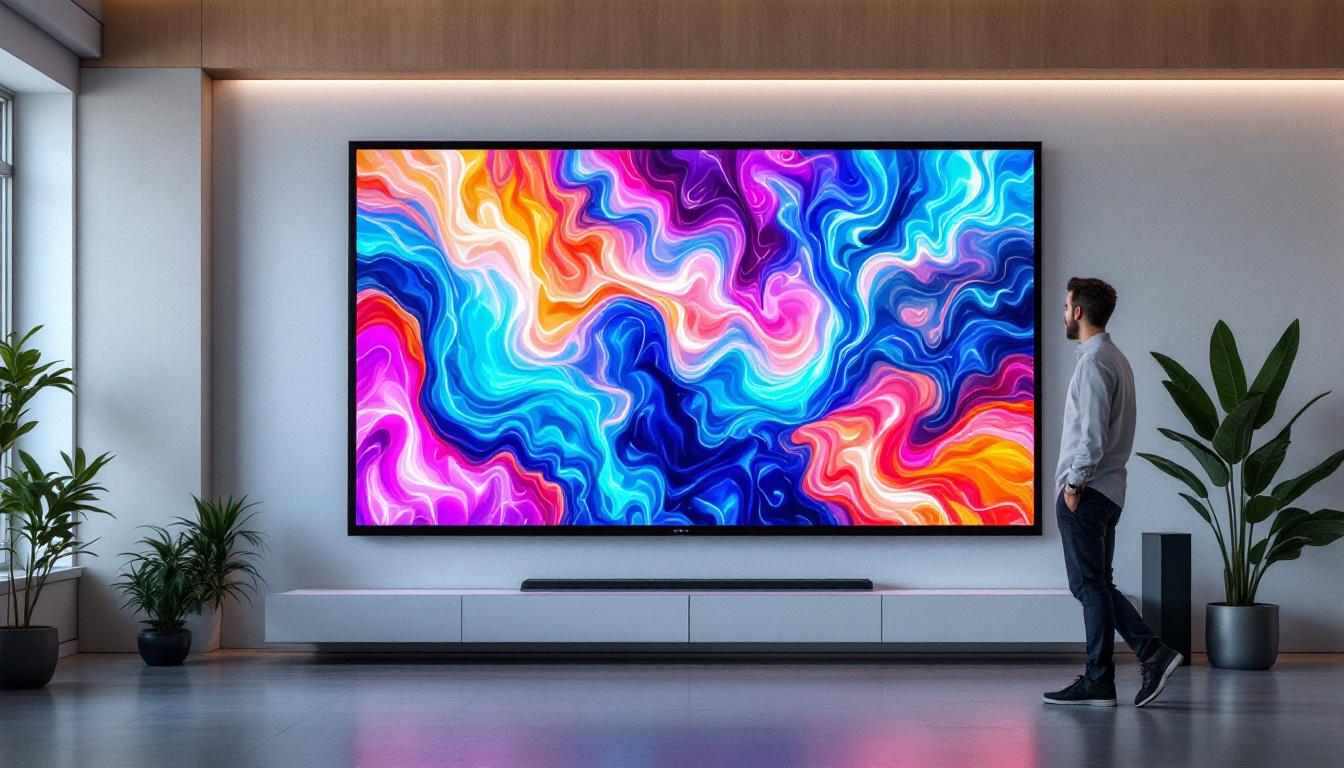
Installing a 110 inch LED display requires careful planning regarding space and viewing distance. The physical dimensions of roughly 96 by 54 inches mean the screen will occupy a significant wall area. Ensuring the room can accommodate this size without overwhelming the space is critical.
Optimal viewing distance depends on the screen resolution and intended use. For a 4K resolution 110 inch display, a recommended minimum viewing distance is approximately 1.5 to 2.5 times the screen height, or about 7 to 11 feet. This distance ensures viewers can appreciate the image detail without seeing individual pixels.
Mounting and Structural Support
Due to the size and weight of a 110 inch LED display, mounting requires robust support structures. Wall mounts must be rated for the weight of the screen and installed into studs or reinforced walls. For modular DVLED displays, professional installation teams often assemble the screen on-site to ensure precise alignment and secure mounting.
Connectivity and Integration
Large LED screens typically support multiple input sources, including HDMI, DisplayPort, and specialized video processors for seamless content delivery. Integration with control systems allows for easy switching between inputs, brightness adjustments, and calibration.
For commercial environments, network connectivity enables remote management and content updates, which is essential for digital signage and event displays.
Common Applications of 110 Inch LED Displays
Corporate and Educational Settings
In corporate boardrooms and educational institutions, a 110 inch LED display serves as a powerful tool for presentations, video conferencing, and collaborative work. The large screen size ensures that content is visible to all participants, improving engagement and communication.
Home Theaters and Entertainment
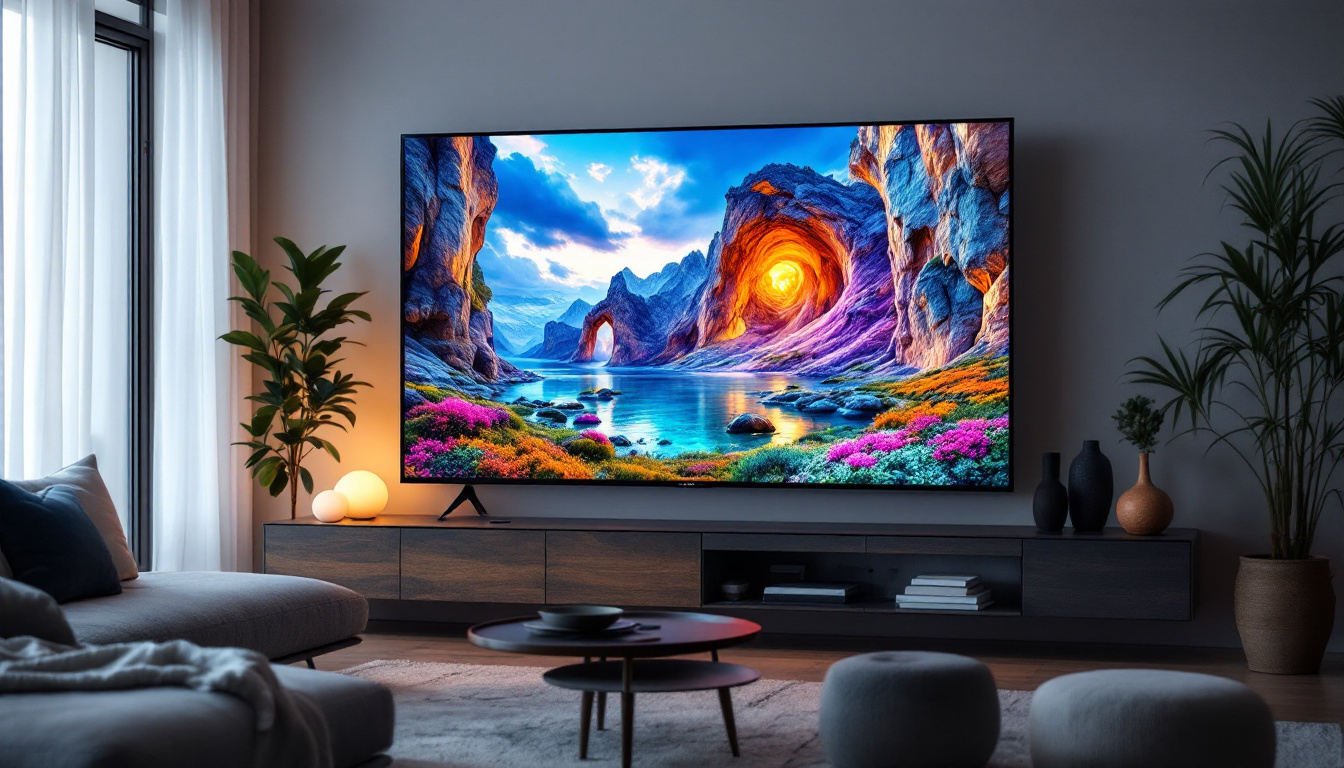
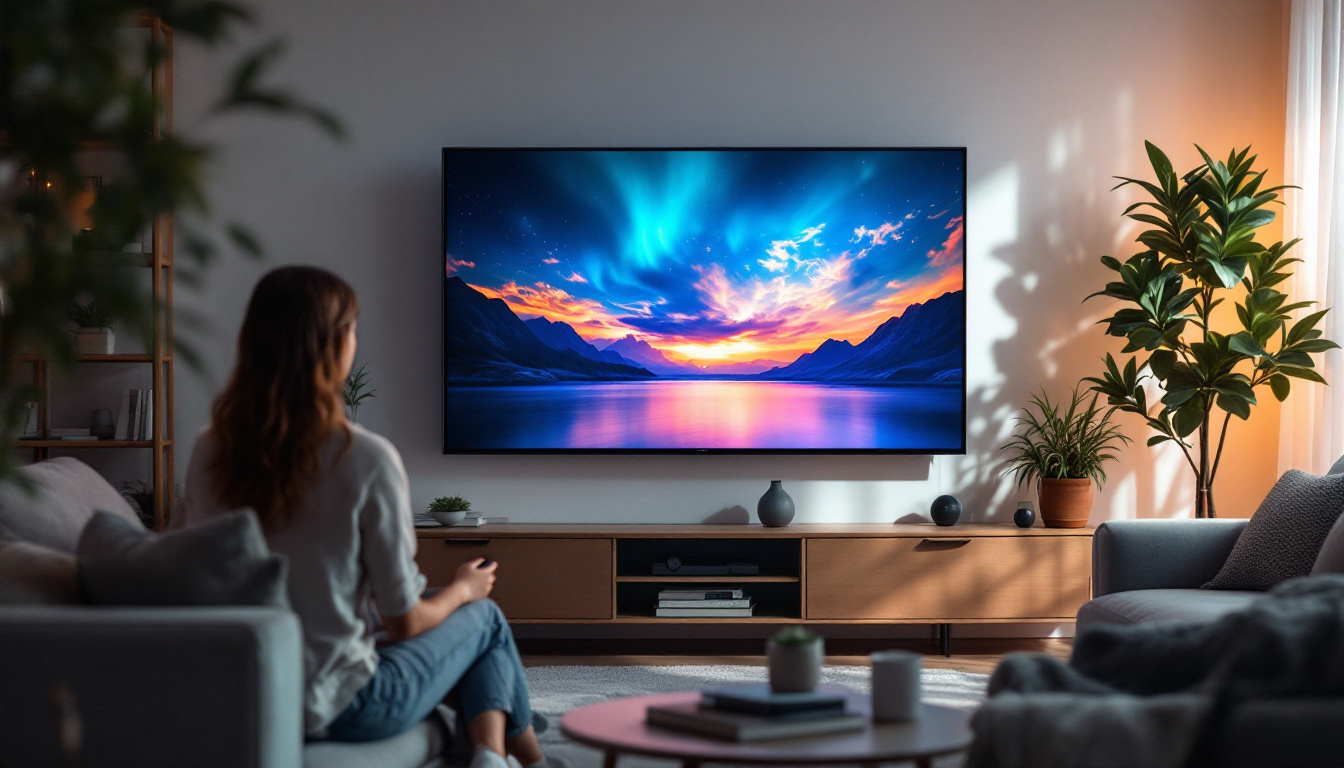
For home theater enthusiasts, a 110 inch LED screen offers a cinematic experience rivaling commercial theaters. With high brightness and contrast, viewers can enjoy movies and gaming in stunning detail. The slim profile of LED displays also allows for sleek installation in living rooms or dedicated media rooms.
Retail and Advertising
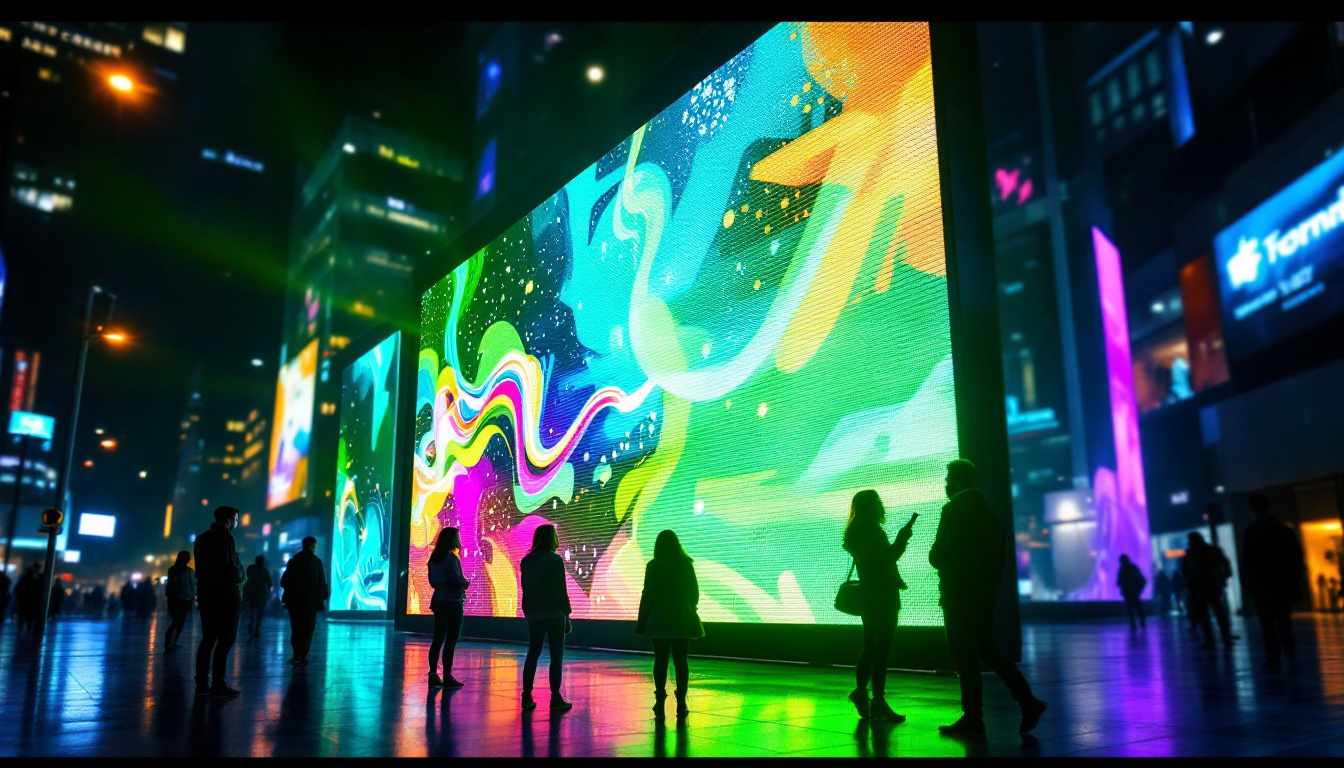
Retailers and advertisers use large LED screens to attract attention and convey dynamic content. A 110 inch display can showcase promotions, product videos, and interactive content, driving customer engagement and sales. The brightness and color fidelity of LED technology ensure visibility even in brightly lit storefronts.
Maintenance and Longevity of LED Displays
Routine Cleaning and Care
Maintaining a 110 inch LED display involves regular cleaning to remove dust and fingerprints that can degrade image quality. Using a soft, lint-free cloth and manufacturer-recommended cleaning solutions helps preserve the screen’s surface without causing damage.
Software Updates and Calibration
Periodic software updates ensure the display operates with the latest features and security patches. Calibration of color and brightness settings maintains image accuracy over time, which is particularly important for professional applications.
Expected Lifespan and Replacement
High-quality LED displays are designed to last tens of thousands of hours, but eventual wear of components like power supplies and LEDs themselves can occur. Planning for eventual maintenance or replacement helps avoid unexpected downtime, especially in mission-critical environments.
Conclusion
A 110 inch LED display combines impressive size with cutting-edge technology to deliver an exceptional visual experience across various applications. Understanding the precise dimensions, technology types, and practical installation requirements is essential for maximizing the benefits of such a large-format screen. Whether for corporate presentations, immersive home entertainment, or dynamic advertising, a 110 inch LED display represents a versatile and impactful investment.
By carefully considering space, viewing distance, and technical specifications, users can ensure their 110 inch LED screen performs optimally and provides years of reliable service. As LED technology continues to evolve, these large displays will become even more accessible, bright, and efficient, further enhancing their appeal in diverse settings.
Explore Cutting-Edge LED Displays with LumenMatrix
Ready to elevate your visual experience with a 110 inch LED display? LumenMatrix, a pioneer in LED display technology, offers an extensive range of innovative solutions tailored to your needs. From immersive Indoor LED Wall Displays to dynamic Outdoor LED Wall Displays, and from versatile Vehicle LED Displays to sleek LED Poster Displays, our products are designed to make your brand stand out. Discover the full potential of LED Sports Displays, interactive Floor LED Displays, Custom LED Displays, convenient All-in-One LED Displays, and stunning LED Transparent Displays. Embrace the future of visual communication with LumenMatrix and create unforgettable experiences. Check out LumenMatrix LED Display Solutions today and transform your space with unparalleled clarity and impact.