In an era where information security and personal privacy are paramount, the technology behind display screens has evolved to meet these demands. Privacy screen panels integrated with LED displays have become essential tools in both professional and personal environments, offering a blend of clarity, energy efficiency, and confidentiality. This article delves into the technology, applications, and benefits of privacy screen panels on LED displays, providing a comprehensive understanding for consumers, businesses, and tech enthusiasts alike.
Understanding Privacy Screen Panels
What Is a Privacy Screen Panel?
A privacy screen panel is a specialized filter or layer applied to a display screen that restricts the viewing angle of the content shown. This means that only the person directly in front of the screen can clearly see the information, while those at side angles experience a darkened or blurred view. This technology is especially crucial in environments where sensitive data is displayed, such as in offices, banks, healthcare facilities, and public spaces.
Privacy screen panels are designed to protect confidential information from prying eyes, reducing the risk of visual hacking—a growing concern in today’s interconnected world. Visual hacking refers to unauthorized individuals capturing or observing sensitive information simply by looking at a screen from an angle. With the rise of remote work and shared spaces, the need for such protective measures has become more pronounced, leading to an increased demand for privacy solutions that can be seamlessly integrated into various devices.
In addition to their practical applications, privacy screen panels also contribute to a sense of security and comfort for users. Knowing that their personal or professional information is shielded from unwanted observation allows individuals to focus better on their tasks without the anxiety of being watched. This psychological benefit is particularly significant in high-stakes environments, where the consequences of data breaches can be severe.
How Do Privacy Screen Panels Work?
The core principle behind privacy screen panels is the manipulation of light direction. These panels use micro-louver technology—tiny vertical blinds embedded within the filter—that control the light emitted from the screen. The micro-louvers restrict the viewing angle typically to around 30 to 60 degrees, depending on the product. Outside this range, the screen appears dark or black, effectively obscuring the content.
Some advanced privacy screens incorporate polarization techniques or utilize nano-structured materials to enhance privacy without compromising brightness and color accuracy. These innovations ensure that the display remains vivid for the intended viewer while maintaining privacy standards. Additionally, many privacy screen panels are designed to be easily removable and attachable, allowing users to switch between privacy and standard viewing modes based on their needs. This versatility makes them an attractive option for those who frequently transition between public and private settings.
Furthermore, the market for privacy screen panels has expanded to include options for various devices, including laptops, tablets, and smartphones. As mobile devices become increasingly prevalent in everyday life, the importance of safeguarding personal information on-the-go cannot be overstated. Manufacturers are now creating privacy filters that not only protect sensitive data but also enhance the overall user experience by reducing glare and improving screen visibility in bright environments. This dual functionality makes privacy screen panels a valuable addition to any tech-savvy individual’s toolkit.
LED Displays: A Modern Display Technology
What Is an LED Display?
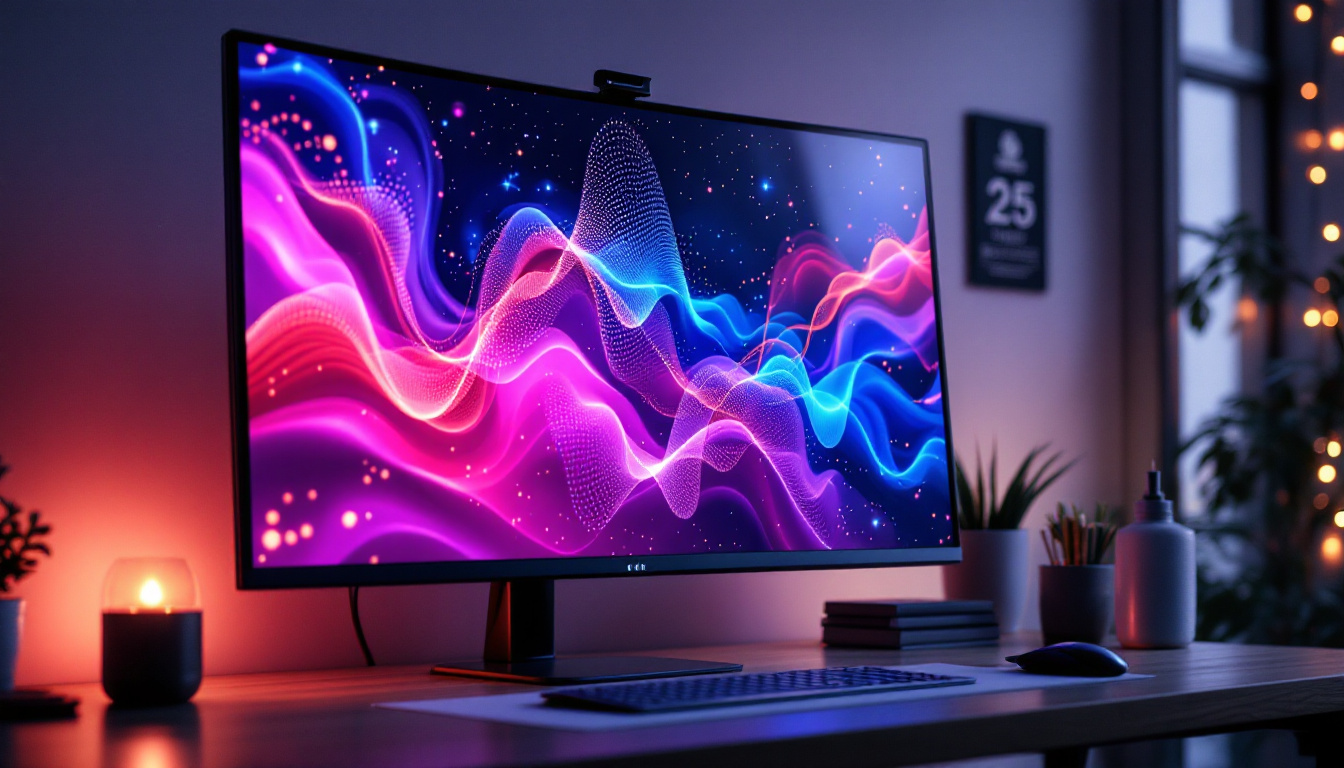
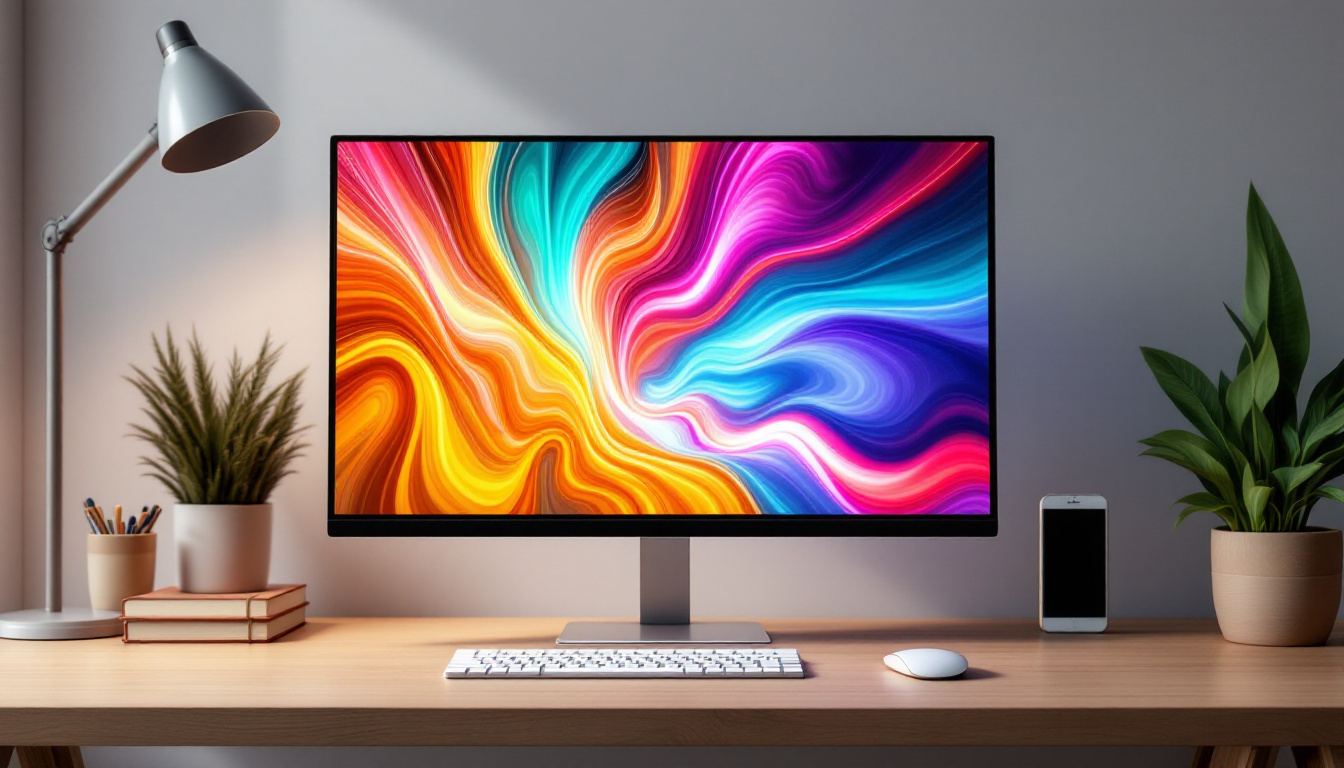
LED (Light Emitting Diode) displays are a type of flat-panel display that uses LEDs as the light source. Unlike traditional LCDs, which rely on fluorescent backlighting, LED displays offer improved brightness, contrast, and energy efficiency. They are widely used in televisions, computer monitors, digital signage, and mobile devices.
LED technology has evolved into several forms, including edge-lit and direct-lit LED displays, as well as OLED (Organic LED), which offers self-emissive pixels for superior color reproduction and contrast ratios.
Advantages of LED Displays
LED displays provide several benefits that make them the preferred choice for modern devices:
- Energy Efficiency: LEDs consume less power compared to traditional backlighting methods, reducing energy costs and environmental impact.
- Brightness and Contrast: LED displays can achieve higher brightness levels and deeper blacks, enhancing image quality.
- Thin and Lightweight Design: The compact nature of LEDs allows for slimmer and lighter screens, ideal for portable devices and sleek monitors.
- Longevity: LED displays generally have longer lifespans, maintaining performance over years of use.
Integrating Privacy Screen Panels with LED Displays
Why Combine Privacy Screens with LED Technology?
As LED displays become ubiquitous in workplaces and public environments, the need to protect sensitive information grows. Privacy screen panels complement LED displays by adding a layer of security without sacrificing the display’s inherent advantages. This integration is especially important in sectors where data confidentiality is legally mandated, such as finance, healthcare, and government.
Moreover, LED displays’ high brightness and contrast levels can sometimes make content more visible from wider angles, increasing the risk of visual hacking. Privacy screen panels mitigate this risk by narrowing the viewing angle, ensuring that the clarity and vibrancy of the LED display are only accessible to authorized viewers.
Types of Privacy Screen Panels for LED Displays
There are several types of privacy screen panels designed specifically for LED displays, each with unique features:
- Removable Privacy Filters: These are attachable films or sheets that can be applied or removed as needed. They are cost-effective and suitable for laptops and monitors.
- Built-in Privacy Screens: Some manufacturers integrate privacy technology directly into the LED display during production. This approach offers a seamless experience without additional accessories.
- Switchable Privacy Screens: Utilizing advanced liquid crystal technology, these screens can toggle privacy on and off electronically, providing flexibility for users who need privacy only at certain times.
Applications and Use Cases
Corporate and Office Environments
In corporate settings, privacy screen panels on LED monitors are invaluable for protecting sensitive business information. Employees working with confidential documents, financial data, or proprietary research benefit from privacy screens that prevent shoulder surfing and accidental data exposure.
According to a 2023 survey by Cybersecurity Ventures, visual hacking accounted for nearly 30% of data breaches in office environments, underscoring the importance of physical screen privacy solutions alongside digital security measures.
Healthcare Sector
Healthcare professionals frequently access patient records and medical data on LED displays. Privacy screen panels help comply with regulations such as HIPAA (Health Insurance Portability and Accountability Act) in the United States, which mandates strict protection of patient information.
By limiting the viewing angle, privacy screens ensure that sensitive health information is only visible to authorized personnel, reducing the risk of inadvertent data leaks in busy clinical settings.
Public and Mobile Use
Mobile devices equipped with LED displays, such as smartphones, tablets, and laptops, are often used in public spaces like cafes, airports, and public transport. Privacy screen panels for these devices provide an essential layer of security against visual hacking in crowded environments.
For example, commuters working on confidential presentations or reading sensitive emails can use privacy filters to safeguard their information from curious onlookers.
Benefits of Privacy Screen Panels on LED Displays
Enhanced Data Security
The primary benefit of privacy screen panels is the enhanced security of displayed information. By restricting the viewing angle, these panels prevent unauthorized individuals from viewing confidential content, reducing the risk of data breaches caused by visual hacking.
Improved User Comfort
Privacy screens can also reduce glare and reflections, which are common issues with LED displays in brightly lit environments. This improvement not only protects privacy but also enhances visual comfort, reducing eye strain during prolonged use.
Cost-Effective Security Solution
Compared to complex cybersecurity systems or physical barriers, privacy screen panels offer a relatively low-cost method to protect sensitive information. They complement existing security protocols without requiring significant infrastructure changes.
Considerations When Choosing a Privacy Screen Panel for LED Displays
Viewing Angle and Privacy Level
Different privacy screen panels offer varying degrees of viewing angle restriction. Users should select a product that balances privacy needs with usability. For instance, a very narrow viewing angle may protect privacy but could also limit collaborative work where multiple viewers need to see the screen.
Impact on Display Quality
Some privacy filters can slightly reduce screen brightness or alter color accuracy. It is important to choose high-quality privacy screens designed specifically for LED displays to minimize these effects. Testing samples or reading user reviews can help identify products that maintain optimal display performance.
Compatibility and Installation
Privacy screen panels come in various sizes and attachment methods. Ensuring compatibility with the specific LED display model is crucial. Removable filters offer flexibility, while built-in or switchable screens provide a more integrated experience but may come at a higher price point.
Future Trends in Privacy Screen and LED Display Technology
Advancements in Switchable Privacy Screens
Emerging technologies are making switchable privacy screens more accessible and affordable. These screens use liquid crystal or electrochromic materials to dynamically control transparency, allowing users to toggle privacy on demand without physical filters.
Integration with Touch and Flexible Displays
As LED displays evolve to include touch functionality and flexible form factors, privacy screen technology is adapting accordingly. Manufacturers are developing privacy solutions compatible with curved, foldable, and transparent displays, expanding the scope of privacy protection.
AI-Powered Privacy Solutions
Artificial intelligence is beginning to play a role in privacy protection by detecting unauthorized viewing attempts and adjusting screen settings automatically. While still in early stages, AI integration promises smarter, context-aware privacy controls for LED displays.
Conclusion
Privacy screen panels on LED displays represent a critical intersection of technology, security, and user experience. By understanding how these panels work and their applications, individuals and organizations can make informed decisions to protect sensitive information without compromising on display quality or usability.
As digital data continues to grow in value and vulnerability, investing in privacy screen technology is a proactive step toward safeguarding information in an increasingly transparent world. Whether in corporate offices, healthcare facilities, or on-the-go mobile devices, privacy screen panels enhance confidentiality and peace of mind, making them an indispensable component of modern LED display solutions.
Discover LumenMatrix’s Advanced LED Solutions
Ready to elevate your privacy and display technology? Explore LumenMatrix’s comprehensive range of LED display modules, designed to meet the highest standards of visual excellence and data protection. From captivating Indoor LED Walls to innovative Transparent Displays, LumenMatrix offers tailored solutions that promise to revolutionize your visual communication. Check out LumenMatrix LED Display Solutions today and experience the future of secure and engaging digital signage.