In the world of large-screen televisions, the terminology can sometimes be confusing, especially when it comes to understanding the differences between plasma and LED displays. With 65-inch TVs becoming a popular choice for home theaters and living rooms, it’s important to grasp what these technologies offer and how they impact your viewing experience. This article delves into the characteristics of 65-inch plasma screens and LED displays, explaining their differences, advantages, and which might be the best fit for your needs.
Understanding Plasma and LED Display Technologies
What is a Plasma Screen?
Plasma screen technology was a leading innovation in the early 2000s, especially for large-format TVs. A plasma TV uses small cells containing electrically charged ionized gases, or plasma, to produce images. Each cell acts like a tiny fluorescent light, emitting red, green, or blue light to create the picture on the screen.
This technology is known for its ability to deliver deep blacks and excellent color accuracy, making plasma TVs a favorite among cinephiles and those who prioritize picture quality. However, plasma screens generally consume more power and are heavier compared to other types of displays. Additionally, plasma screens are susceptible to burn-in, where static images can become permanently etched into the screen if displayed for prolonged periods. This drawback has led to a decline in popularity as consumers have shifted towards more versatile display technologies.
Despite these limitations, plasma screens were celebrated for their wide viewing angles and smooth motion handling, making them ideal for watching fast-paced sports or action films. The technology has since been largely phased out in favor of newer alternatives, but it remains a nostalgic choice for those who appreciate its unique characteristics and the immersive experience it can provide.
What is an LED Display?
LED displays, on the other hand, are a type of LCD (Liquid Crystal Display) that use Light Emitting Diodes (LEDs) as their backlight source. Unlike plasma, which generates light from within the screen, LED TVs rely on an LCD panel that modulates light from the LEDs behind or around the screen.
LED technology has evolved rapidly over the past decade, offering thinner, lighter screens with improved energy efficiency. There are two main types of LED backlighting: edge-lit and full-array, with the latter providing better contrast and local dimming capabilities. Full-array LED displays can adjust the brightness of individual zones on the screen, allowing for deeper blacks and more vibrant colors, which enhances the overall viewing experience.
Moreover, the versatility of LED technology has led to its integration in various applications beyond traditional television screens, including digital signage, computer monitors, and even smartphones. The advent of OLED (Organic Light Emitting Diode) technology, which utilizes organic compounds to emit light, has further pushed the boundaries of display quality, offering even more impressive contrast ratios and color reproduction. As the market continues to innovate, LED displays remain at the forefront of visual technology, appealing to a wide range of consumers seeking both performance and aesthetic appeal.
Comparing 65 Inch Plasma Screens and LED Displays
Picture Quality and Color Reproduction
When it comes to picture quality, plasma screens have traditionally excelled in delivering deep, true blacks and smooth color gradients. This is because plasma pixels emit their own light, allowing for more precise control over brightness and contrast. For viewers who watch a lot of movies in dark rooms, plasma TVs have often been the preferred choice.
LED displays have made significant strides in this area, especially with the introduction of full-array local dimming and quantum dot technology. Modern 65-inch LED TVs can produce vibrant colors and impressive contrast ratios, sometimes rivaling or even surpassing plasma screens. However, LED screens may struggle slightly with black levels, often appearing more like dark gray in very dark scenes. The advancements in LED technology have also led to improvements in color accuracy, with many high-end models now capable of covering a wider color gamut, making them ideal for content creators and film enthusiasts who demand precision in color reproduction.
Brightness and Viewing Environment
LED displays generally outperform plasma screens in terms of brightness. This makes LED TVs more suitable for well-lit rooms or spaces with a lot of natural sunlight. A 65-inch LED TV can reach peak brightness levels of 600 to 1,000 nits or more, which helps maintain image clarity even in bright environments.
Plasma screens, while excellent in controlled lighting, tend to have lower peak brightness, typically around 300 to 500 nits. This can cause images to appear washed out in brightly lit rooms, limiting their versatility in different viewing environments. Furthermore, the reflective glass screens often found on plasma TVs can exacerbate this issue, creating glare that distracts from the viewing experience. In contrast, many LED TVs now incorporate anti-glare coatings and matte finishes, enhancing their performance in various lighting conditions and making them a more flexible option for diverse home setups.
Energy Consumption and Heat Generation
Energy efficiency is a significant factor for many consumers. Plasma TVs consume more power than LED TVs of the same size, sometimes up to 1.5 to 2 times more. This is due to the nature of plasma technology, which requires more energy to excite the gas cells inside the screen.
Additionally, plasma screens generate more heat, which can be a consideration in smaller rooms or warmer climates. LED TVs are more energy-efficient and produce less heat, contributing to lower electricity bills and a more comfortable viewing environment. This energy efficiency also extends to their longevity; LED TVs typically have a longer lifespan, often exceeding 50,000 hours of usage, while plasma screens may start to show signs of degradation after around 30,000 hours. This difference in longevity can be a crucial factor for consumers looking to make a long-term investment in their home entertainment systems.
Screen Thickness and Design
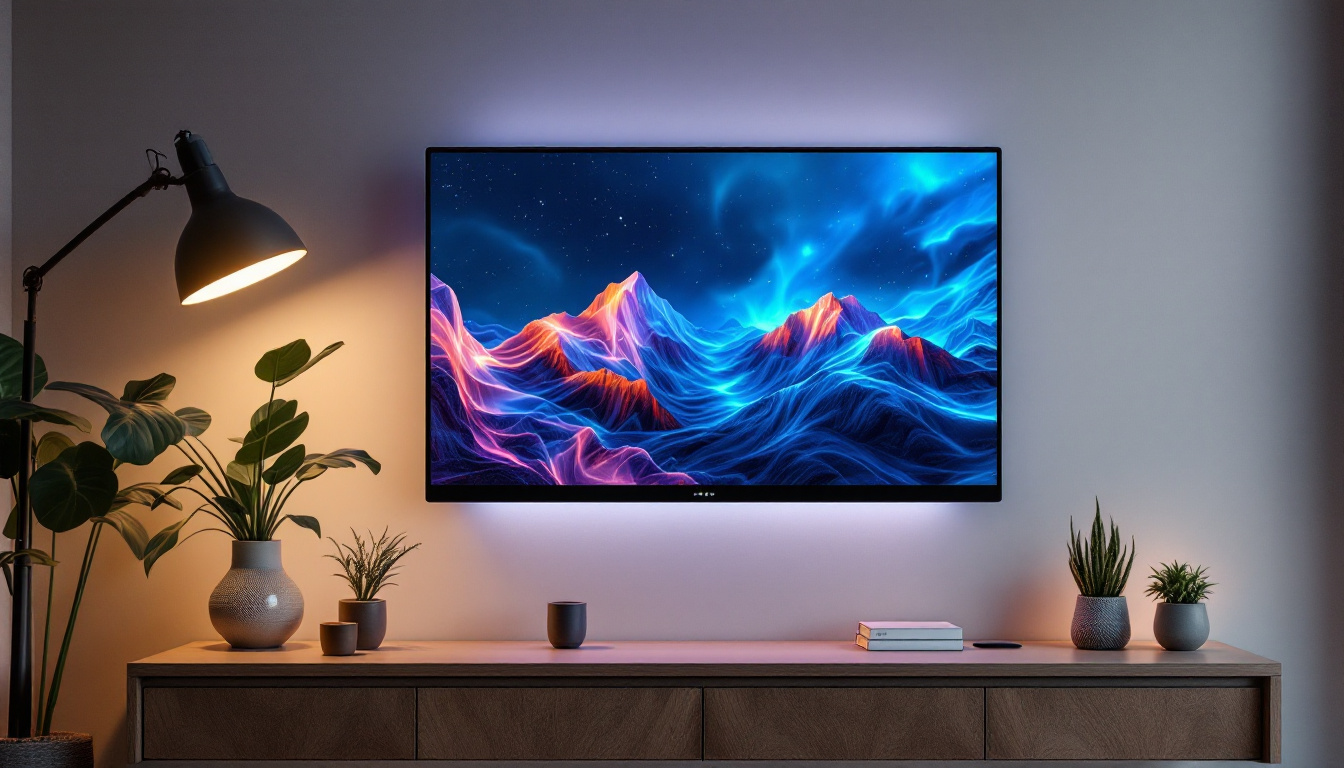
One of the reasons LED TVs have become so popular is their slim profile and lightweight design. A 65-inch LED TV can be just a few centimeters thick, allowing for sleek wall mounting and modern aesthetics.
Plasma screens are generally thicker and heavier due to the need for gas-filled cells and more robust cooling systems. This makes plasma TVs less flexible when it comes to placement and mounting options. The design of LED TVs also often includes features like ultra-thin bezels, which maximize screen real estate and create a more immersive viewing experience. Additionally, many manufacturers are now focusing on eco-friendly designs, using recyclable materials and energy-efficient manufacturing processes, which appeal to environmentally conscious consumers. As aesthetics and sustainability become increasingly important in consumer electronics, the advantages of LED technology continue to grow, making them a compelling choice for modern households.
Durability, Lifespan, and Maintenance
Longevity of Plasma vs. LED Screens
Plasma TVs typically have a lifespan of around 30,000 to 60,000 hours, depending on usage and maintenance. This translates roughly to 8 to 16 years of average daily use. However, plasma screens are susceptible to image retention or “burn-in,” where static images can leave a ghostly imprint on the screen if displayed for extended periods.
LED TVs generally last longer, with lifespans often exceeding 60,000 hours. They are less prone to burn-in, making them a better choice for users who watch content with static elements like news tickers or video game HUDs.
Maintenance and Care
Both plasma and LED TVs require minimal maintenance, but plasma screens need more careful handling to avoid burn-in and to maintain optimal performance. It’s recommended to avoid displaying static images for long durations and to use screen savers if the TV is connected to devices that might show static content.
LED TVs are more forgiving and typically only require regular dusting and gentle cleaning to keep the screen clear and vibrant.
Price and Market Availability
Current Market Trends
As of 2024, plasma TVs have largely been phased out by manufacturers in favor of LED and OLED technologies. This means that finding a new 65-inch plasma screen can be challenging, and prices for used or refurbished models vary widely based on condition and brand.
LED TVs dominate the market, with a wide range of options available at various price points. Advances in LED technology, including 4K resolution, HDR support, and smart TV features, have made LED displays the go-to choice for most consumers.
Cost Comparison
When plasma TVs were widely available, they were often priced competitively with LED TVs of similar size and resolution. However, the ongoing development and mass production of LED panels have driven prices down significantly.
Today, a 65-inch LED TV with 4K resolution and smart features can be purchased for under $800, while premium models with advanced features may cost upwards of $2,000. Plasma TVs, if found, may be priced higher due to scarcity or lower due to used condition but generally lack the modern features found in LED models.
Which Should You Choose: Plasma or LED for a 65-inch Screen?
Consider Your Viewing Habits
If you primarily watch movies in a darkened room and prioritize deep blacks and color accuracy, a plasma screen would have been an excellent choice. However, given their scarcity and the advancements in LED technology, modern LED TVs with full-array local dimming and HDR can deliver comparable or superior picture quality.
For bright rooms, gaming, or varied usage that includes static images, LED TVs are generally the better option due to their brightness, energy efficiency, and resistance to burn-in.
Future-Proofing and Features
LED TVs often come equipped with smart platforms, voice control, and compatibility with streaming services, making them more versatile for today’s connected homes. Additionally, LED technology continues to evolve, with innovations like Mini-LED and Micro-LED promising even better picture quality and efficiency.
Plasma technology, while still appreciated by enthusiasts, does not benefit from ongoing development and is unlikely to receive support or updates.
Conclusion
In summary, while 65-inch plasma screens once set the standard for large-format TV picture quality, LED displays have largely taken over the market due to their versatility, energy efficiency, and evolving technology. Modern 65-inch LED TVs offer excellent brightness, color accuracy, and smart features that cater to a wide range of viewing environments and preferences.
For those seeking the best combination of performance, price, and future-proofing, investing in a high-quality LED display is the most practical and rewarding choice. However, understanding the unique strengths of plasma technology helps appreciate the evolution of television displays and the innovations that continue to shape home entertainment.
Discover the Future of Home Entertainment with LumenMatrix
As you consider upgrading to a 65-inch LED display for an unparalleled viewing experience, look no further than LumenMatrix. Our commitment to innovation in LED display technology ensures you get not just a TV, but a comprehensive visual solution. From the comfort of your living room to the excitement of outdoor displays, LumenMatrix offers a range of products including Indoor and Outdoor LED Wall Displays, Vehicle LED Displays, and more, all designed to bring your content to life with vibrancy and precision. Check out LumenMatrix LED Display Solutions today and step into the future of dynamic, high-impact visual storytelling.