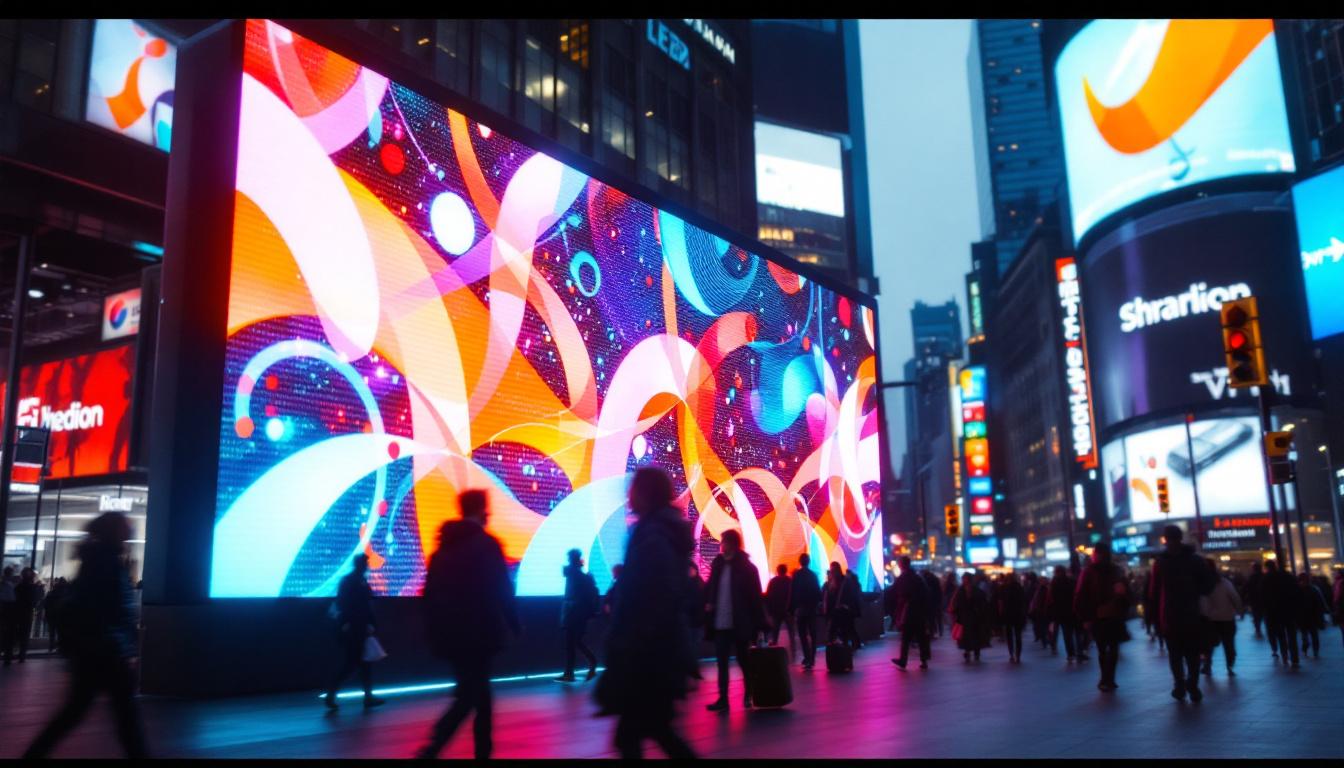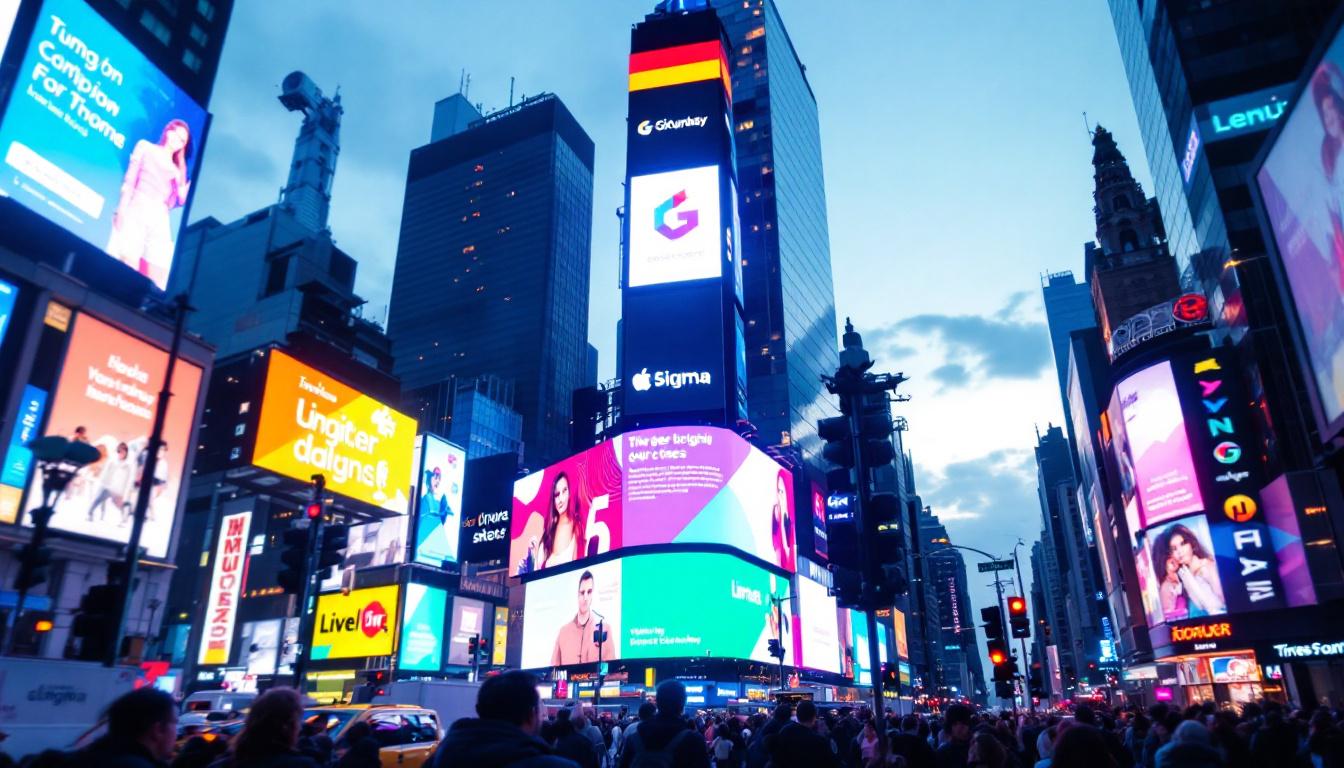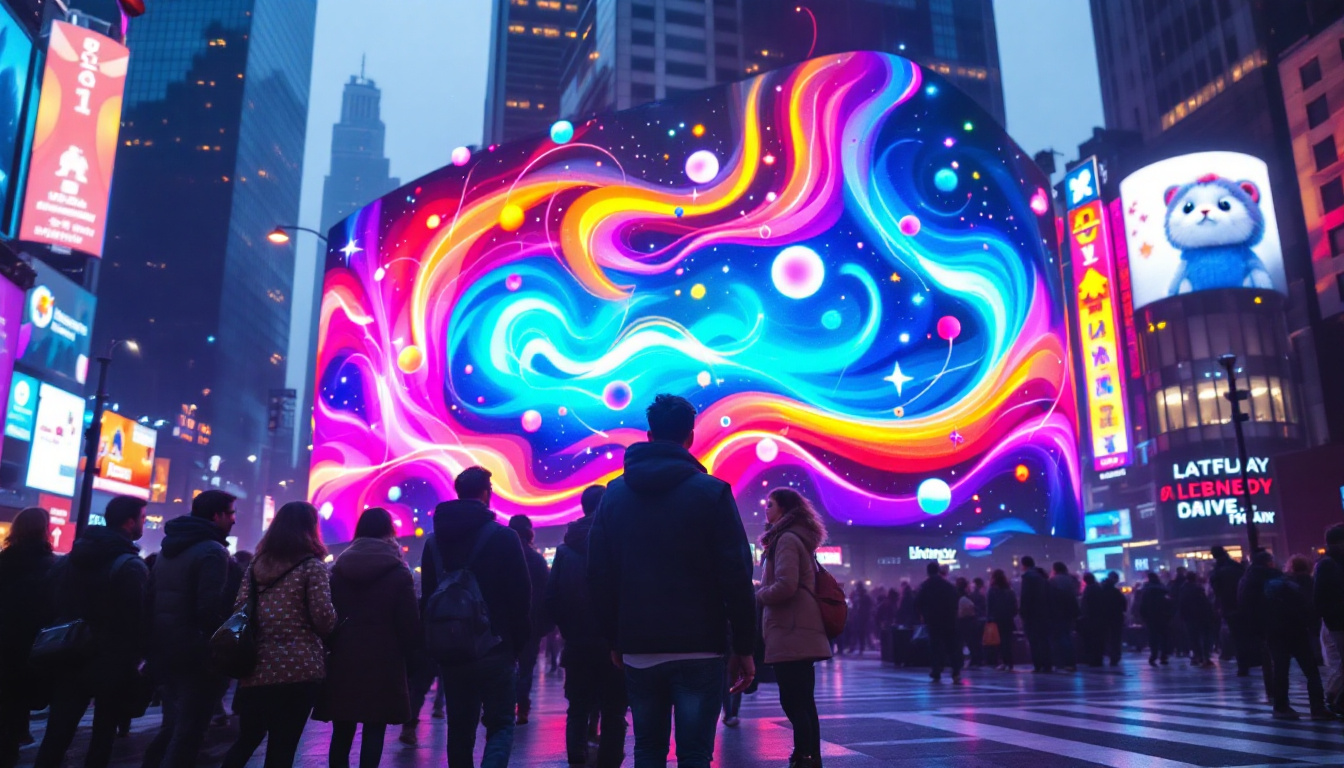
In the rapidly evolving world of digital signage and display technology, LED displays have become a cornerstone for vibrant, dynamic visual communication. From stadium scoreboards to urban billboards and indoor advertising panels, LED displays dominate due to their brightness, versatility, and energy efficiency. However, behind the brilliant visuals lies a complex technology known as the LED matrix. This article delves into the fundamentals of matrix visuals, explaining how LED displays work, their types, applications, and the future trends shaping this industry.
Understanding the Basics of LED Display Technology
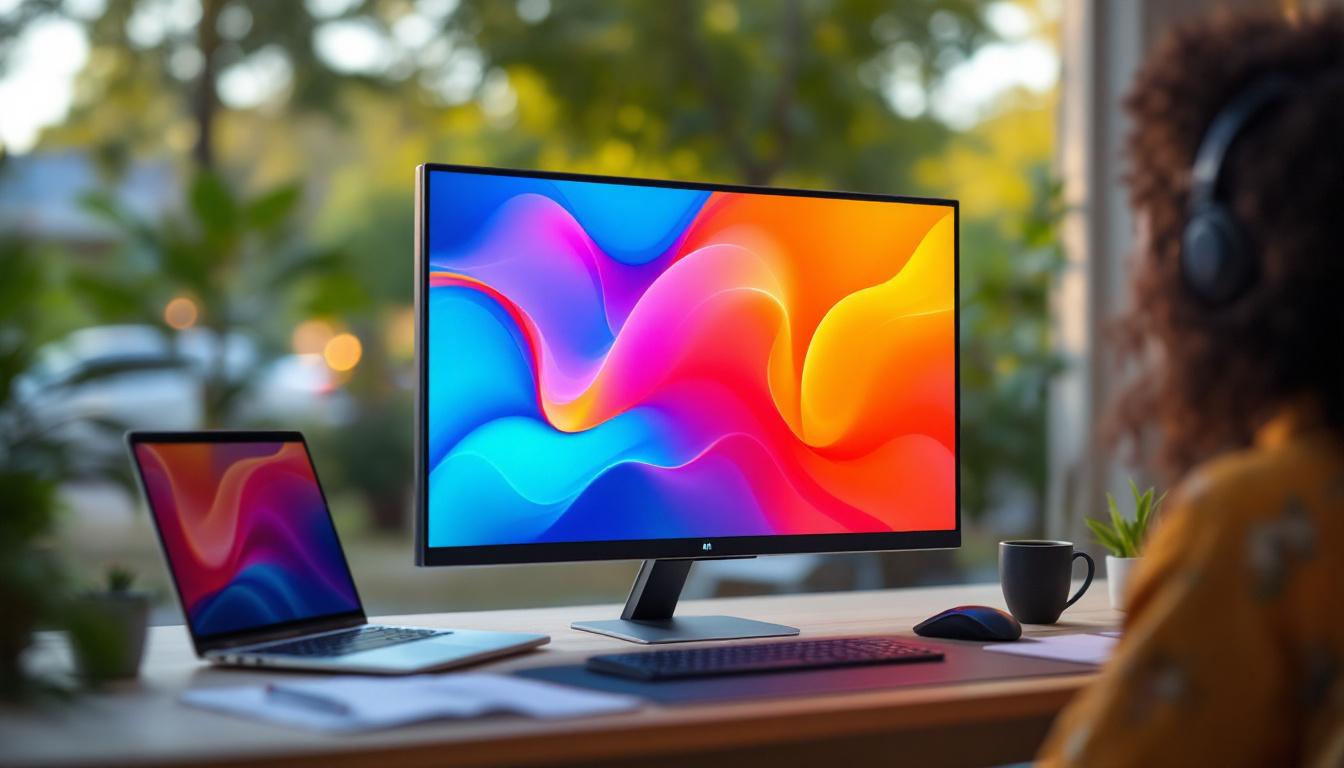
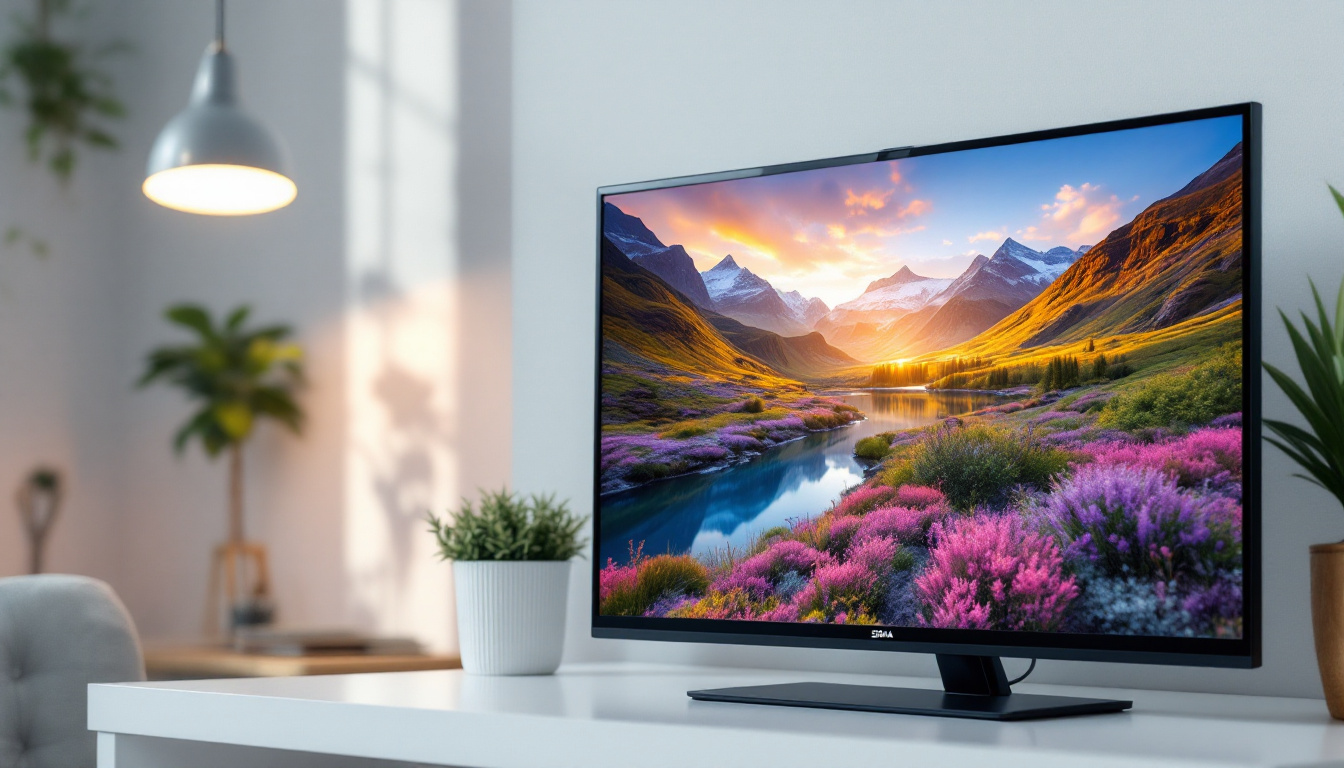
At its core, an LED display is a flat panel that uses light-emitting diodes (LEDs) as pixels to create images and videos. Unlike traditional LCD or plasma screens, LED displays emit their own light, which results in higher brightness and contrast ratios. This makes them ideal for both indoor and outdoor environments, even under direct sunlight. The vibrant colors and sharp images produced by LED technology have made it a popular choice for advertising, entertainment, and information dissemination across various platforms.
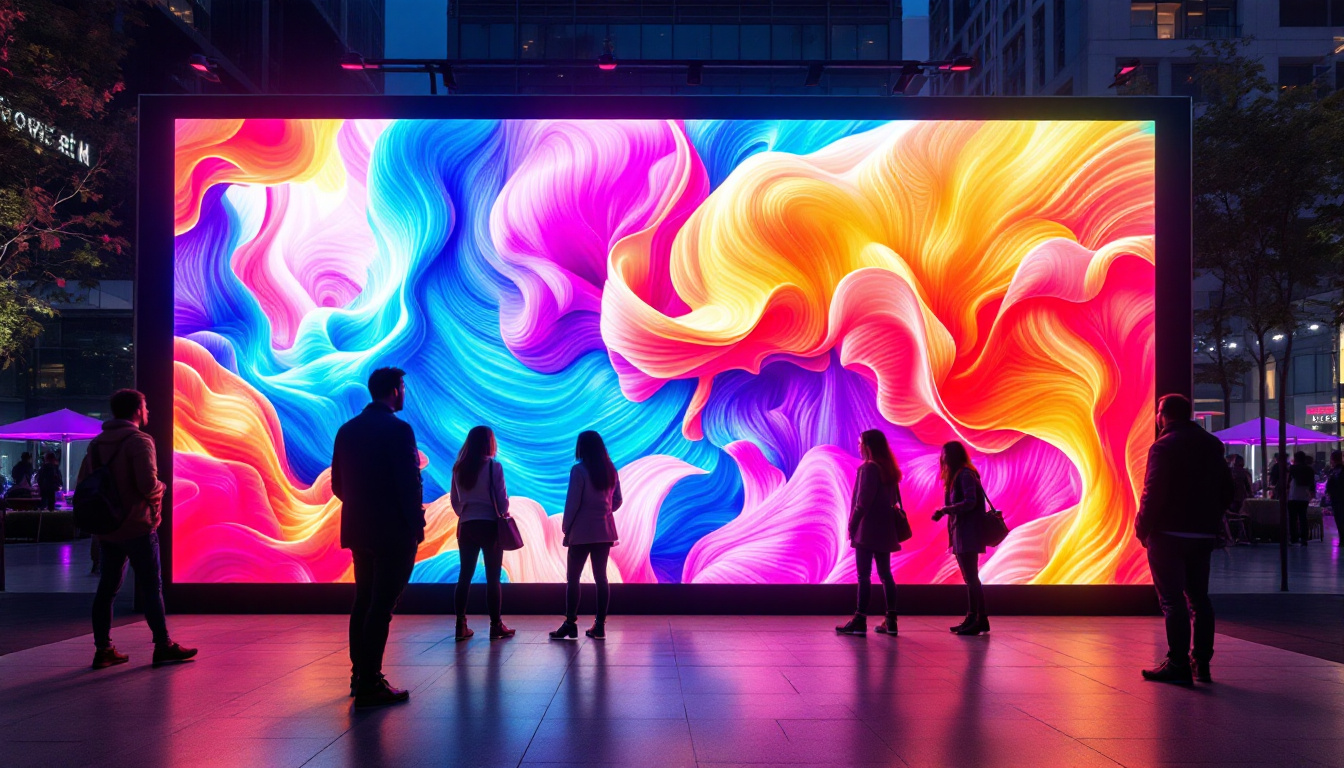
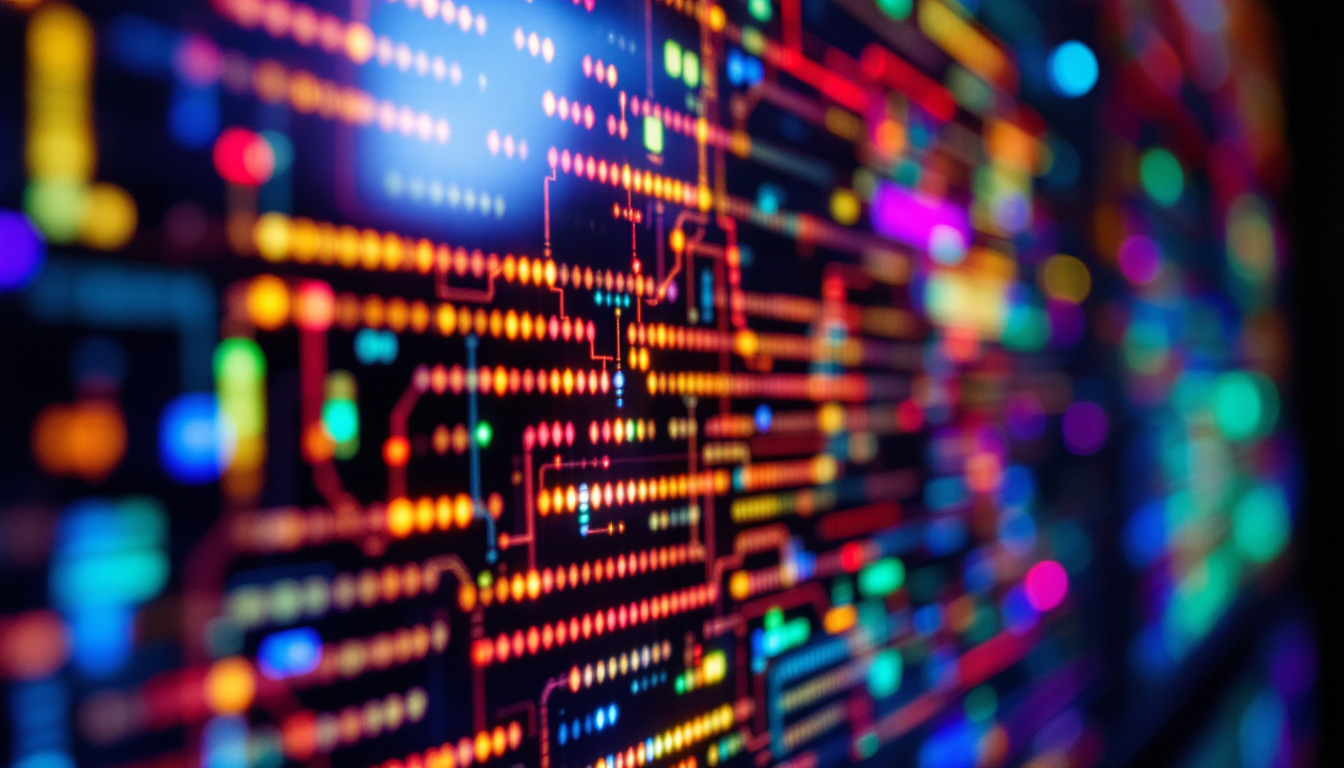
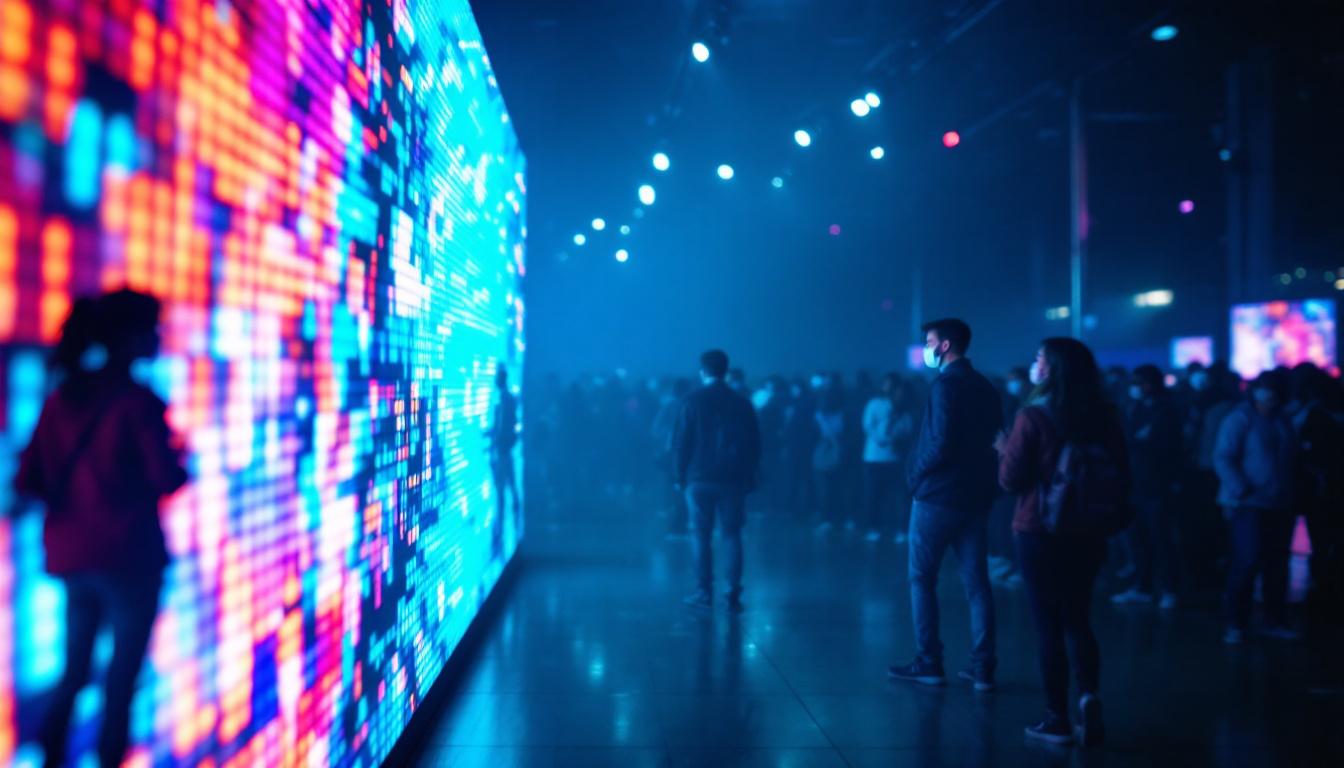
The term “matrix” in LED matrix refers to the arrangement of LEDs in a grid-like pattern, typically organized in rows and columns. Each LED acts as a pixel, and by controlling the brightness and color of each pixel, the display can render complex images and animations. This flexibility allows for dynamic content that can be easily updated, making LED displays a favored medium for live events, sports arenas, and digital billboards.
How Does an LED Matrix Work?
An LED matrix display consists of thousands to millions of tiny LEDs arranged systematically. These LEDs are controlled by electronic circuits that switch them on and off at high speeds. The control system modulates the intensity of each LED to create different colors and shades. This process is often managed by a microcontroller or a dedicated driver IC that receives image data and translates it into electrical signals for the LEDs. The ability to manipulate each pixel independently is what sets LED matrix displays apart, allowing for intricate designs and animations that can captivate viewers.
The matrix configuration allows for precise control over each pixel, enabling high-resolution images and smooth video playback. The refresh rate, or how often the display updates the image per second, is critical for reducing flicker and ensuring a seamless viewing experience. A higher refresh rate is particularly important in environments where fast-moving visuals are common, such as in gaming or live sports broadcasts, where any lag can detract from the overall experience.
Key Components of an LED Matrix Display
The main components include:
- LED Pixels: The individual light-emitting diodes that form the image.
- Driver ICs: Integrated circuits that control the current flowing through each LED.
- Controller Board: The brain of the display, processing input signals and managing pixel control.
- Power Supply: Provides the necessary voltage and current to power the LEDs.
- Cabinet or Frame: Houses the LED modules and protects the components from environmental factors.
In addition to these core components, LED displays often incorporate advanced features such as temperature sensors, which help maintain optimal operating conditions by adjusting brightness based on ambient light levels. This not only enhances visibility but also prolongs the lifespan of the display. Furthermore, many modern LED displays are equipped with wireless connectivity options, allowing for remote management and content updates, which is particularly beneficial for businesses that need to change their advertisements frequently without the hassle of physical intervention.
Another noteworthy aspect of LED technology is its energy efficiency. Compared to traditional display technologies, LED displays consume significantly less power, making them more environmentally friendly and cost-effective in the long run. This efficiency is particularly advantageous for large-scale installations, such as stadiums and concert venues, where energy costs can be substantial. As technology continues to evolve, the integration of smart features, such as real-time data feeds and interactive capabilities, is likely to further enhance the functionality and appeal of LED displays in various applications.
Types of LED Displays and Matrix Configurations
LED displays come in various forms, each suited to specific applications and environments. Understanding the different types and how their matrix configurations vary is essential for selecting the right display solution.
1. Single-Color LED Displays
Single-color LED displays use LEDs of one color, typically red or green. These are the simplest form of LED matrices and are commonly used for basic information displays such as text scrolling signs or numeric readouts. Their matrix is usually monochromatic, meaning each pixel emits only one color.
2. Dual-Color and Tri-Color Displays
Dual-color displays combine two different colored LEDs, often red and green, allowing for limited color mixing and more dynamic content. Tri-color displays add a third color, usually blue, enabling a broader color range and more detailed visuals.
3. Full-Color (RGB) LED Displays
Full-color LED displays use red, green, and blue LEDs grouped together to form each pixel. By varying the intensity of each color, these displays can produce millions of colors, making them ideal for high-definition video and complex graphics. The matrix in these displays is more intricate, as each pixel consists of three LEDs that must be precisely controlled.
4. Flexible and Transparent LED Displays
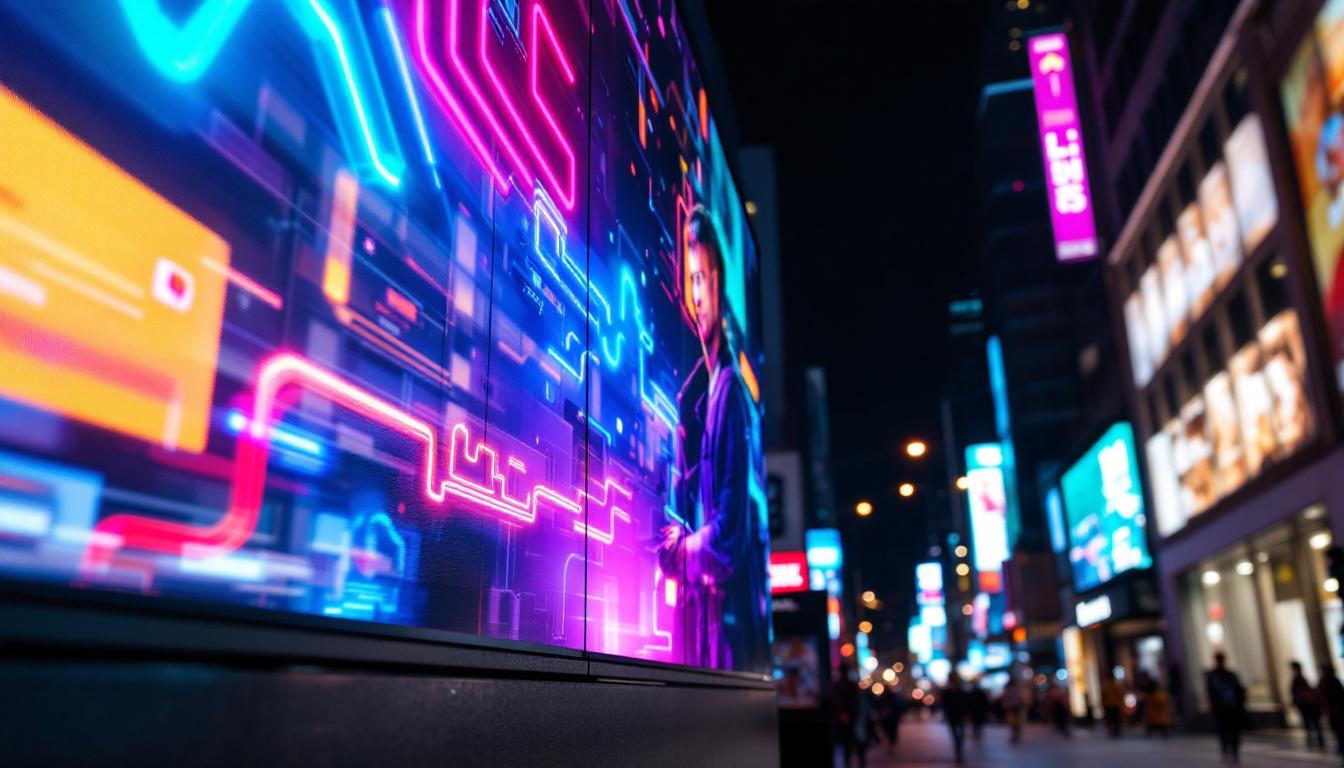
Recent advancements have introduced flexible LED matrices that can bend and curve, opening new possibilities for creative installations. Transparent LED displays, on the other hand, allow light to pass through the screen, making them suitable for glass facades and windows without obstructing views.
Applications of LED Matrix Displays
The versatility of LED matrix displays has led to their widespread adoption across many industries. Their ability to deliver bright, high-contrast visuals in various lighting conditions makes them invaluable for communication and entertainment.
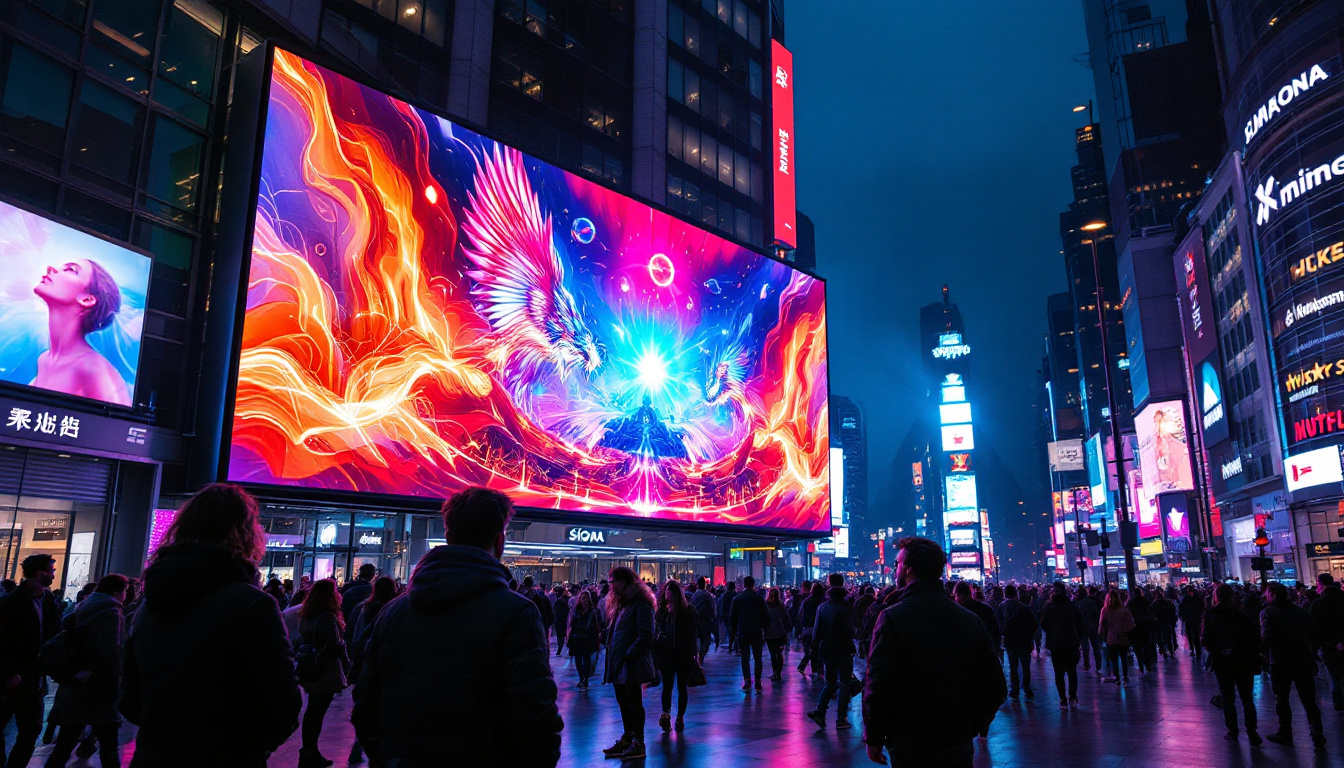
Outdoor Advertising and Billboards
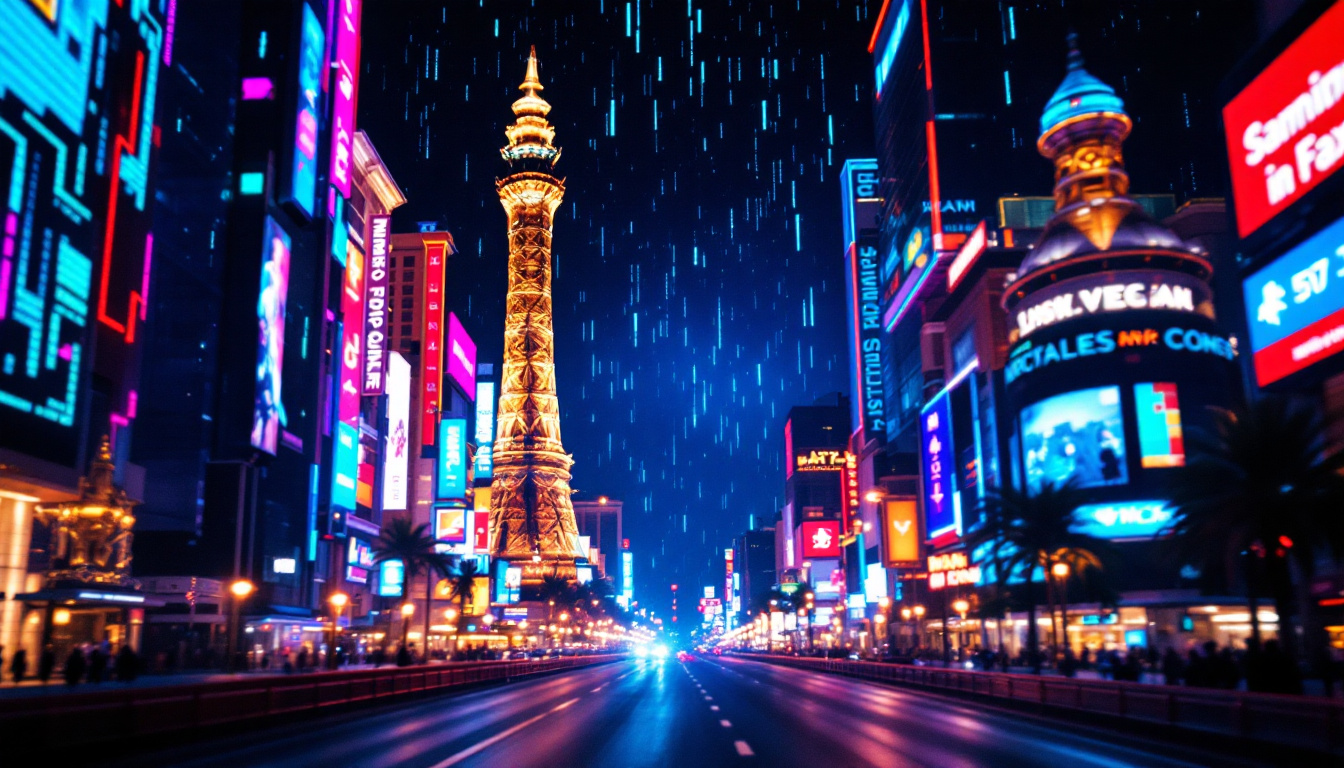
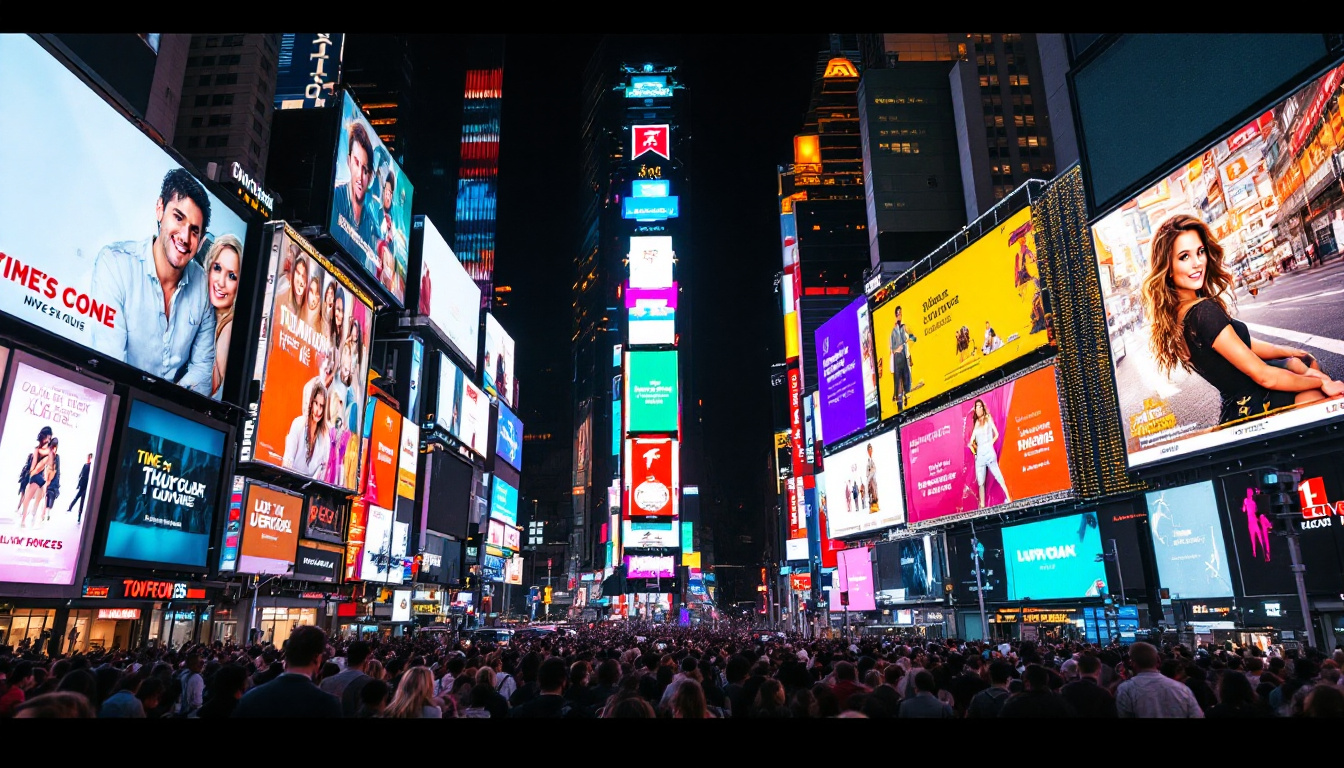
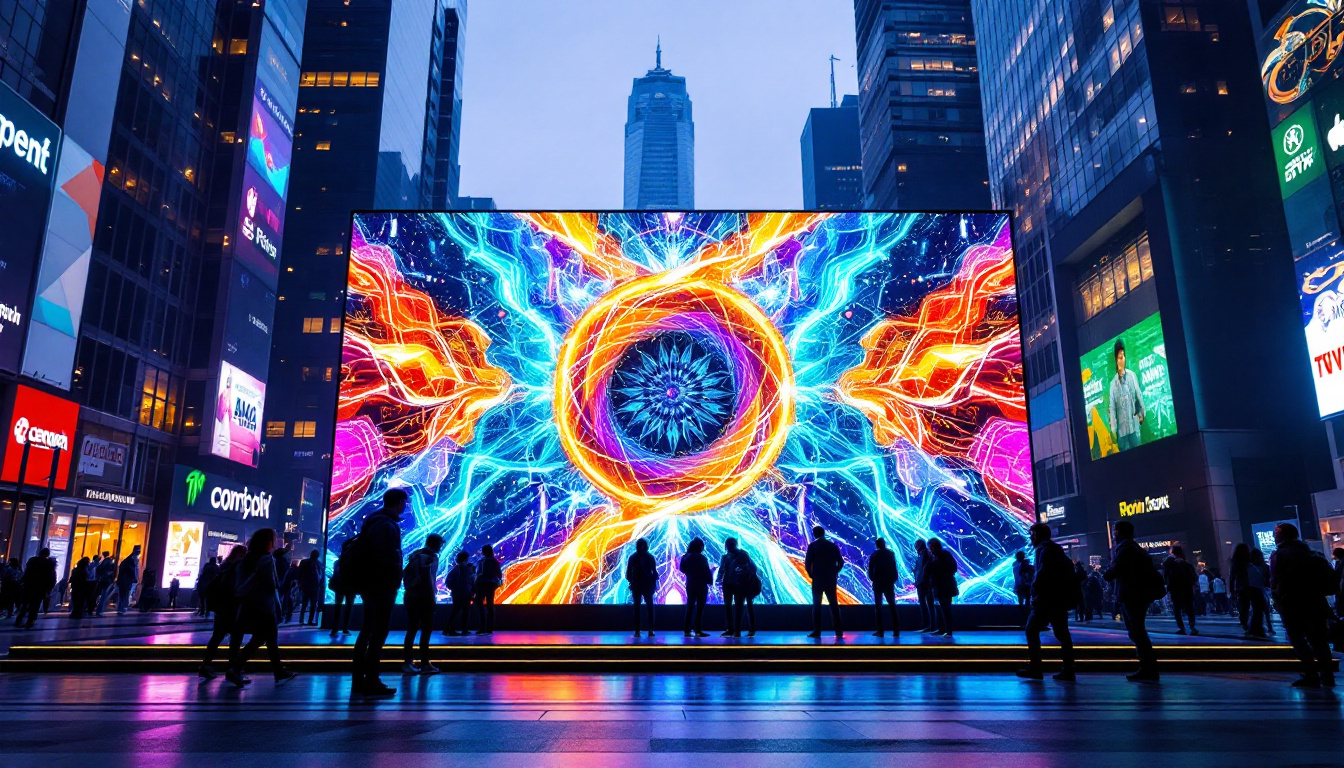
One of the most visible uses of LED matrix displays is in outdoor advertising. Digital billboards equipped with high-resolution LED matrices can display dynamic ads that capture attention more effectively than static posters. According to recent market analyses, the global digital out-of-home advertising market is projected to grow at a CAGR of over 10% through 2027, driven largely by LED display adoption.
Sports Arenas and Event Venues
Stadiums and arenas use large LED matrix displays for scoreboards, instant replays, and fan engagement. These displays must be capable of handling fast-moving images and bright environments, often with pixel pitches as fine as 4mm or less for close viewing distances.
Retail and Indoor Signage
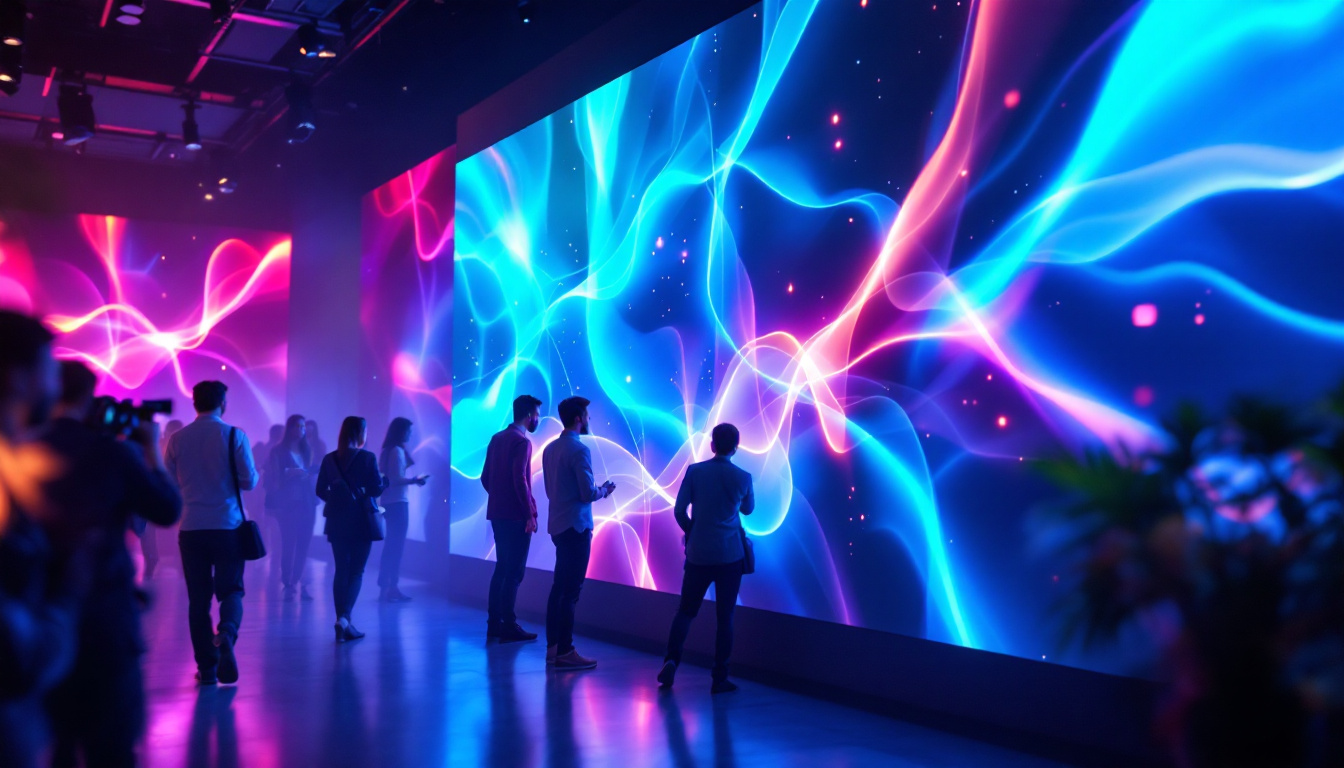
Retailers leverage LED displays for in-store promotions and interactive kiosks. Indoor LED matrices typically have smaller pixel pitches, ranging from 1mm to 3mm, to ensure crisp visuals at close range. Their energy efficiency and long lifespan make them a cost-effective choice for continuous operation.
Transportation and Public Information Systems
LED matrix displays are widely used in airports, train stations, and bus stops for real-time information such as arrival times and alerts. Their high visibility and reliability are crucial in these environments where timely communication is essential.
Technical Considerations When Choosing an LED Matrix Display
Selecting the right LED matrix display involves evaluating several technical factors to ensure optimal performance and longevity.
Pixel Pitch and Resolution
Pixel pitch is the distance between the centers of adjacent pixels, usually measured in millimeters. A smaller pixel pitch means higher resolution and sharper images, which is critical for displays viewed from close distances. For example, indoor displays often have pixel pitches of 1-3mm, while large outdoor billboards might use 10mm or more, as viewers are farther away.
Brightness and Contrast Ratio
Brightness is measured in nits (cd/m²) and determines how well the display performs under various lighting conditions. Outdoor displays typically require brightness levels exceeding 5,000 nits to remain visible in direct sunlight. Contrast ratio, the difference between the darkest black and brightest white, affects image clarity and color richness.
Refresh Rate and Viewing Angle
A high refresh rate, typically above 1,000 Hz, reduces flicker and is essential for video content, especially when captured on camera. Viewing angle defines how far off-center a viewer can be while still seeing the image clearly. Wide viewing angles are important for public displays where audiences view from multiple directions.
Durability and Weather Resistance
Outdoor LED matrices must withstand harsh weather conditions, including rain, dust, and extreme temperatures. IP ratings indicate the level of protection; for example, IP65-rated displays are dust-tight and protected against water jets. Ensuring the display meets relevant standards is critical for long-term reliability.
Emerging Trends and the Future of LED Matrix Displays
The LED display industry continues to innovate, driven by advances in materials, electronics, and software integration. Several trends are shaping the future of matrix visuals.
MicroLED Technology
MicroLED displays use microscopic LEDs that are smaller than traditional LEDs, enabling even higher resolution and brightness with lower power consumption. This technology promises to rival OLED displays in image quality while offering greater durability and lifespan.
AI and Content Management Integration
Artificial intelligence is increasingly being integrated into LED display systems to optimize content delivery based on audience demographics, time of day, and environmental factors. Smart content management platforms enable dynamic, personalized advertising and real-time updates.
Energy Efficiency and Sustainability
As energy costs and environmental concerns rise, manufacturers are focusing on making LED displays more energy-efficient through improved LED materials and power management systems. Recycling and sustainable manufacturing practices are also gaining importance.
Interactive and Immersive Experiences
Combining LED matrix displays with sensors, augmented reality, and interactive software is creating immersive experiences in retail, entertainment, and education. Flexible and curved LED matrices are enabling new forms of digital art and architectural integration.
Conclusion
LED matrix displays have revolutionized visual communication by providing bright, flexible, and durable solutions for a wide range of applications. Understanding the underlying technology, types, and technical considerations is essential for businesses and organizations looking to harness the power of LED visuals effectively. With ongoing innovations such as MicroLEDs and AI-driven content management, the future of matrix visuals promises even more vibrant, efficient, and engaging displays that will continue to transform how information and entertainment are delivered worldwide.
Explore the Future of Visuals with LumenMatrix
Ready to elevate your visual communication and create unforgettable experiences? LumenMatrix is at the forefront of LED display innovation, offering a comprehensive range of solutions tailored to your unique needs. From Indoor and Outdoor LED Wall Displays to specialized options like Vehicle, Sports, and Floor LED Displays, our technology is designed to captivate and engage your audience. Discover the transformative power of our Custom, All-in-One, and Transparent LED Displays. Check out LumenMatrix LED Display Solutions today and join the visual revolution.